Adam Jones’ Guitar Tone: Sound Like Tool With Plugins, a Budget Setup, or Studio Gear
Check out this gear to get closer to Adam's tone!

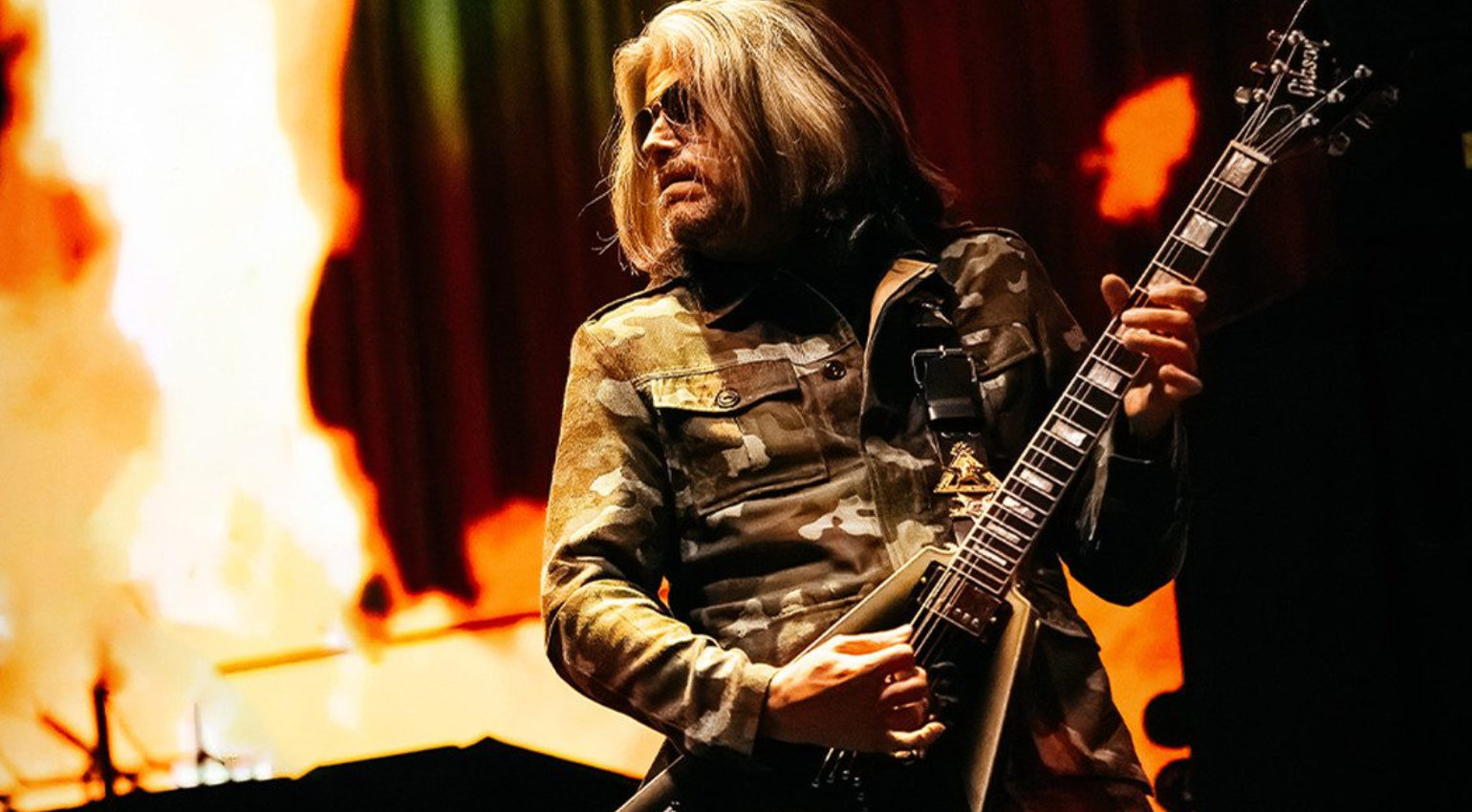
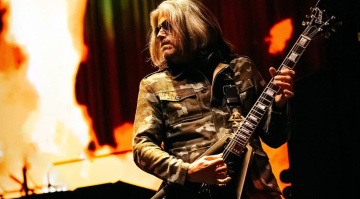
Adam Jones' Guitar Tone: Sound Like Tool With Plugins, a Budget Setup, or Studio Gear · Source: Gibson

Whether it’s “Schism,” “Lateralus,” or “Sober,” Adam Jones’ guitar tone is a defining sonic element of pro-rock legends Tool. Since Jones’ playing is more about creating atmosphere than playing the fastest, bendiest riffs, it makes sense to take a closer look at the gear he uses and how he shapes the songs’ sound.
Adam Jones’ Guitar Tone
Adam Jones and Tool
Let’s rewind back to 1989. Adam Jones meets Maynard James Keenan in LA, and Keenan plays Jones a tape of his other band, Green Jellÿ. The pair shares a love of music—specifically, alternative rock—outside the mainstream. Jones is so impressed by Keenan’s vocal talents that he talks him into joining his own band. The two begin writing songs.
Both Maynard and Adam are well-connected in the LA music scene. For instance, Keenan often hangs out with one Tom Morello (he and Jones are childhood friends) and supposedly shows Tom the Drop-D tuning. Which reportedly inspired Tom to write the riff for “Killing in the Name.” Maynard is also said to have been on the shortlist for the lead singer of Rage Against the Machine for a short time, alongside Zach de la Rocha. Imagine that!
But things turned out differently. Supposedly (and this often needs to be emphasized when it comes to Tool lore), Danny Carey simply happens to be Maynard’s neighbor and shows up for their rehearsals because the musicians Adam and Maynard invite often don’t show up. Paul D’Amour joins the band on bass (replaced by Justin Chancellor in 1995) and the band is complete.
It’s hard to overstate the seismic impact “Undertow” and, even more so, “Ænima” (1996) had on the rock and metal scene, which was going through a transitional period in the mid-1990s. Carey’s polyrhythmic mastery, Keenan’s dark and aggressive vocals, Chancellor’s melodic bass lines, and—above all—Adam Jones’s atmospheric guitar work were unlike anything heard before.
The Adam Jones’s Guitar Tone: Adam’s Gear
The band’s legendary status was cemented in 2001 with “Lateralus,” which took the polyrhythmic grooves, the dark, mysticism-laden lyrics, and the guitar-bass sonic wall to new heights. Later albums “10,000 Days” and “Fear Inoculum” demonstrated that the band continued to evolve, while “Ænima” and “Lateralus” are considered by many as milestones in the history of metal and prog.
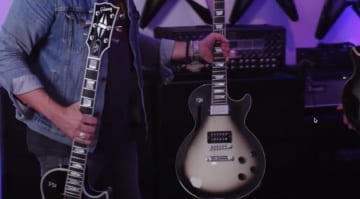
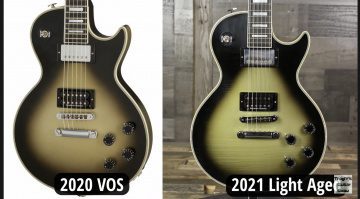
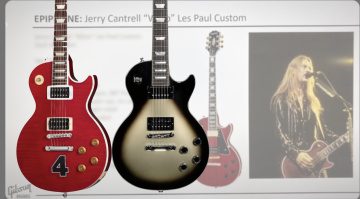
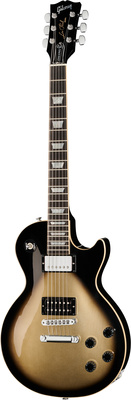
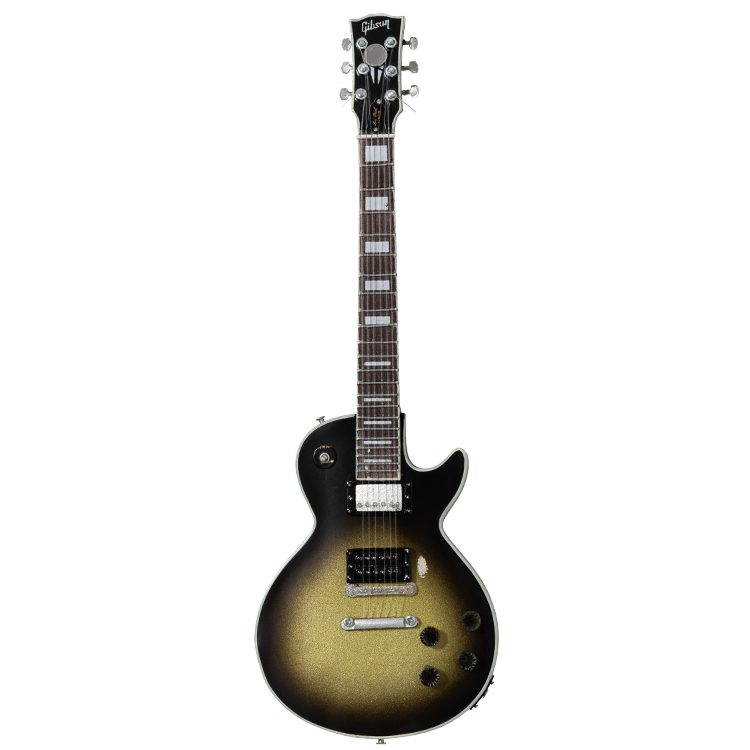
When it comes to guitars, Adam Jones is a Les Paul player through and through. His go-to model is a 1979 Les Paul Custom Silverburst. For a while, Gibson and Epiphone offered several signature models with amazing artwork. At times, Jones switches to a Flying V, too.
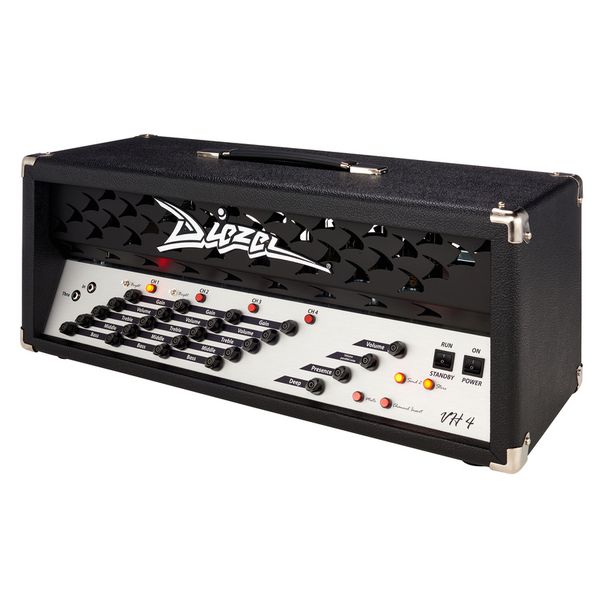
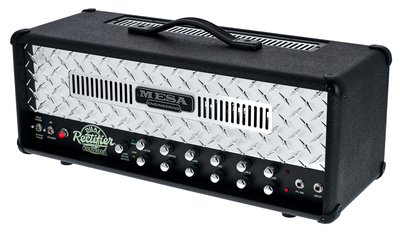
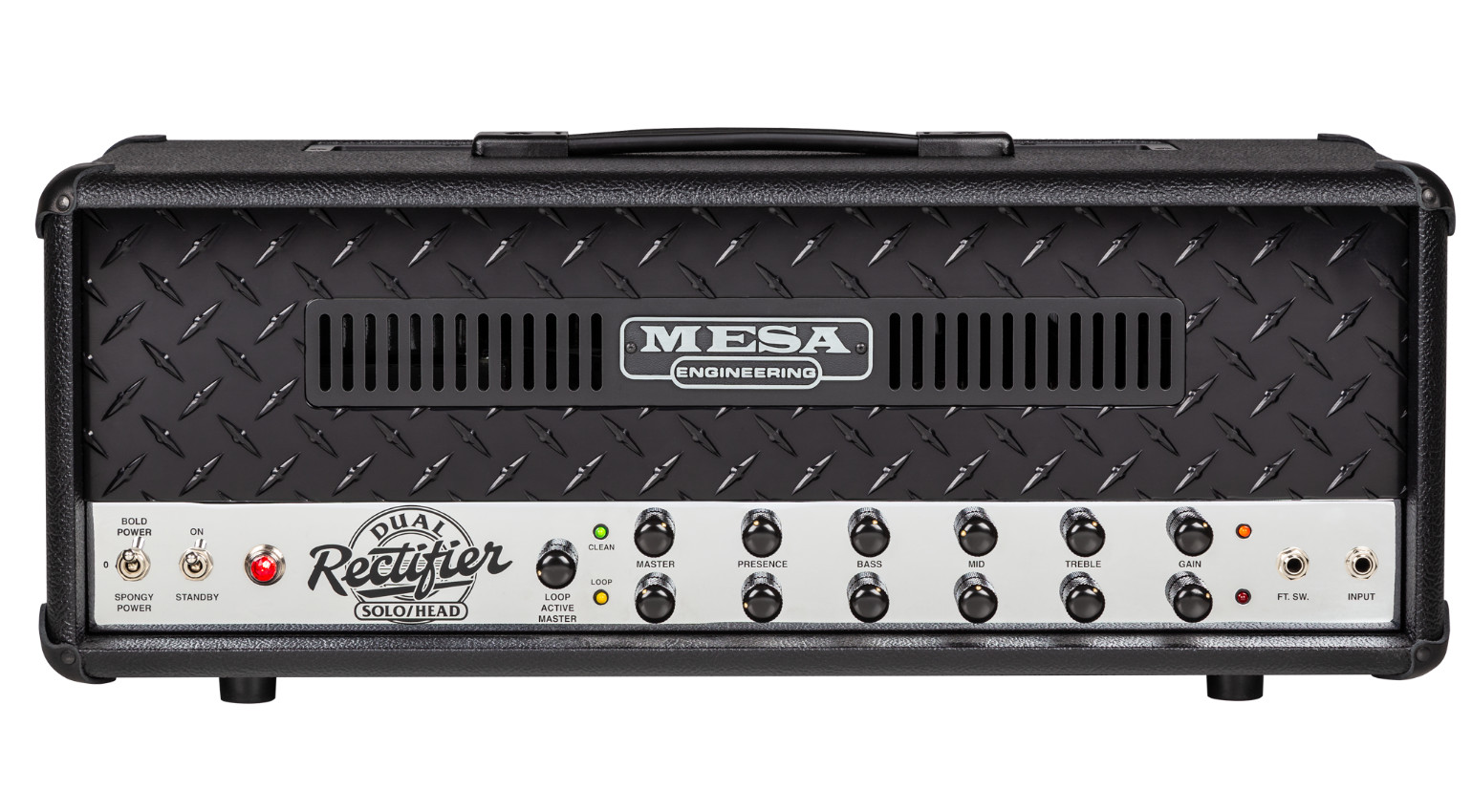
One of the secrets behind Adam Jones’s guitar tone is his choice of amplifiers, because he splits his signal. For example, at least one source on Equipboard cites a product listing on Gibson.com (no longer available) illustrating that he routes his guitar signal to a 1976 Marshall Super Bass and a Diezel VH-4 “Blueface.” And according to Mixdownmag, there were reportedly even three amps used during the recording of “10,000”, a Mesa Boogie Dual Rectifier being the third amp.
Someone who focuses so much on sonic atmosphere is probably not going to be picky about pedals either. In the video about Adam’s live rig from the “10,000 Days” tour, Adam’s guitar tech Chris Leahey mentions these pedals: Dunlop Heil Talkbox, Boss BF-2, DOD FX40B, Boss PSM Power Supply/Master Switch, MXR M-133 Microamp, Line 6 DL4, MXR M-102 Dyna Comp, Dunlop Crybaby BB-535, and a Boss DD-5.



The Adam Jones’ Guitar Tone with Plugins
It’s pretty easy to chain two or three amp plugins together in modern DAWs. In Ableton Live, for example, you just create an effects rack where you can load multiple audio effects in parallel, so you’ll hear them simultaneously. In Logic or Cubase, I’d suggest a send/return setup, where you send the signal from one audio track to multiple return channels, each with one of the amp plugin assigned.
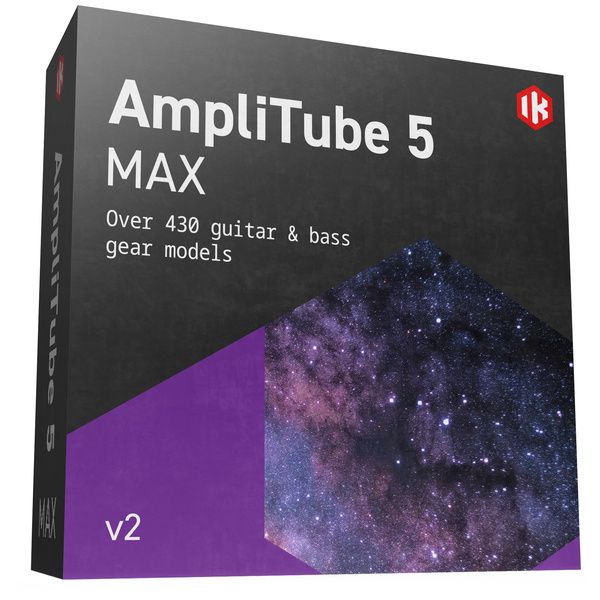
To recreate Adam Jones’s guitar tone, we’ll need two amp plugins in particular and, depending on the song, a few pedal plugins. For pedal emulations, guitar plugins like Amplitube 5* or Guitar Rig 7* are the most suitable; both come with a wide variety of virtual pedals.
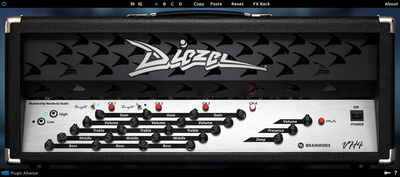
As for amp plugins, Plugin Alliance offers an officially licensed version* of the Diezel VH4. In addition, if you’re already familiar with NAM Captures, there is one available for free at Tone3000.


The Adam Jones’ Guitar Tone: The Budget Gear that gets you close
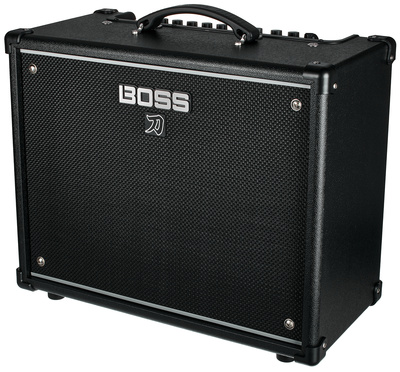
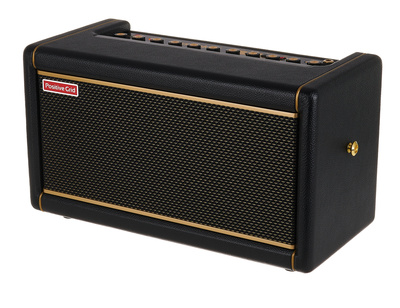
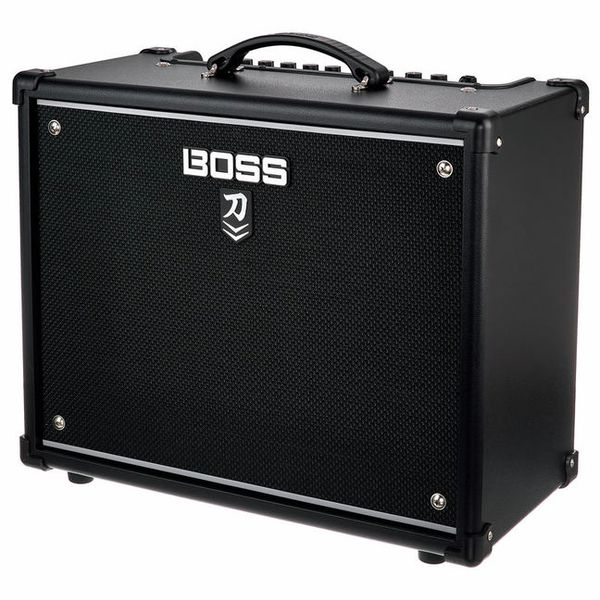
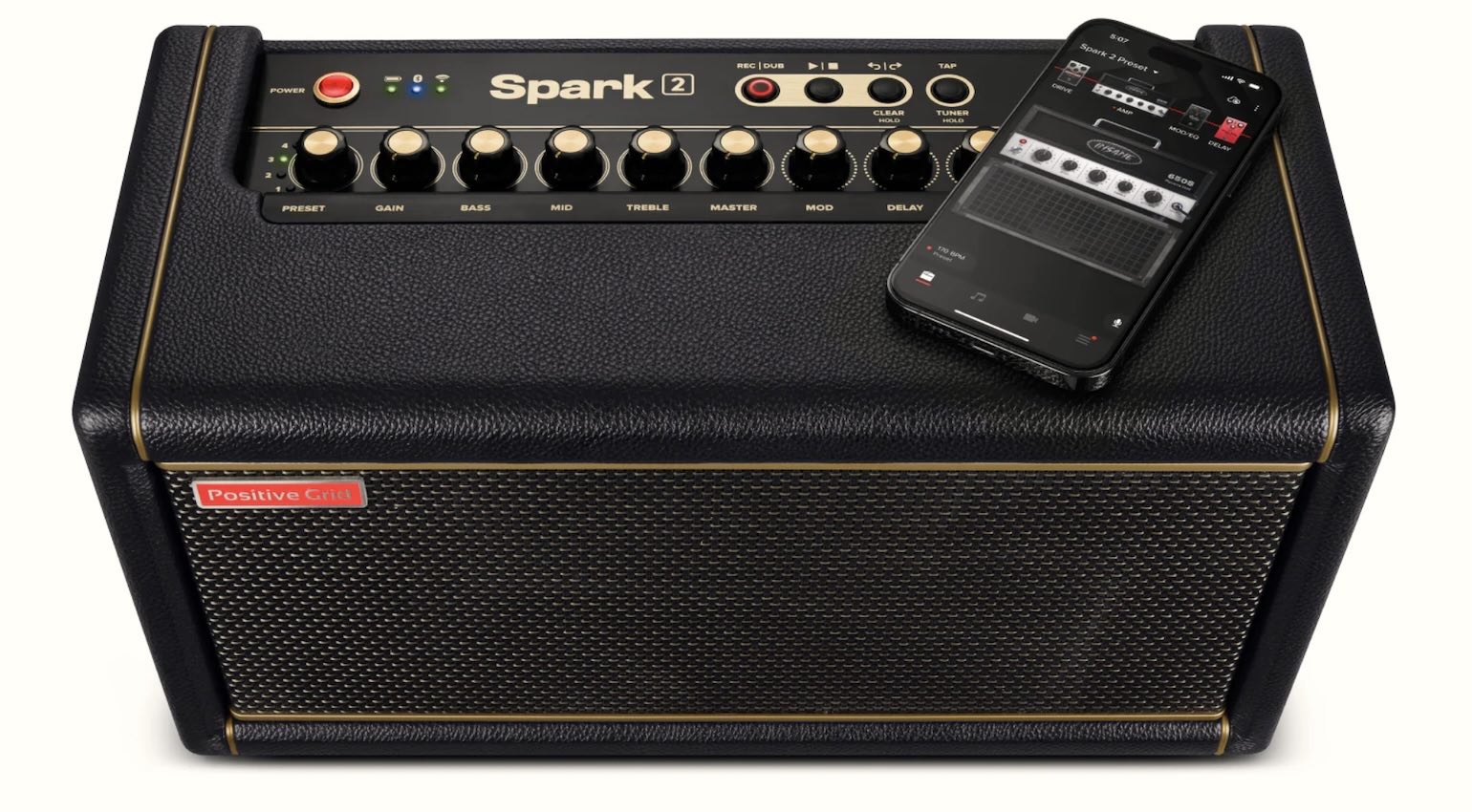
The most difficult challenge with Adam Jones’s guitar tone is the fact that he uses several different amps. And that’s not particularly budget-friendly for beginners. However, you can find several user-created presets for entry-level amps like the Boss Katana series, Line 6, or Positive Grid products that get you close.
Sure, you’ll just be playing through a single amp, but considering that, in the end, what you hear as Adam’s tone does not necessarily sound like several amps. And some of these presets have been tweaked and adjusted so well that they’re not that far off from Adam Jones’ guitar tone.


Adam Jones’ Guitar Tone: The Studio Gear Behind the Tool Sound!
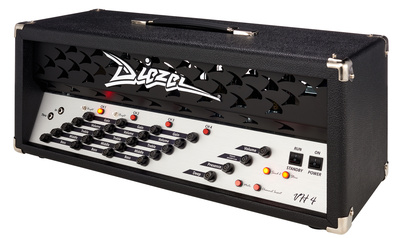
Assuming you own a Gibson Les Paul, you can really splurge on amps for Adam Jones’ guitar tone. For instance, you can get the Diezel VH4* as is, and for the Dual Rectifier, there’s the 90s Reissue*.
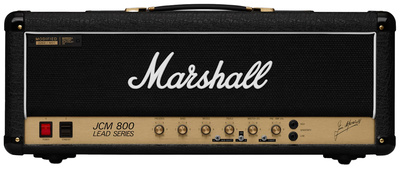
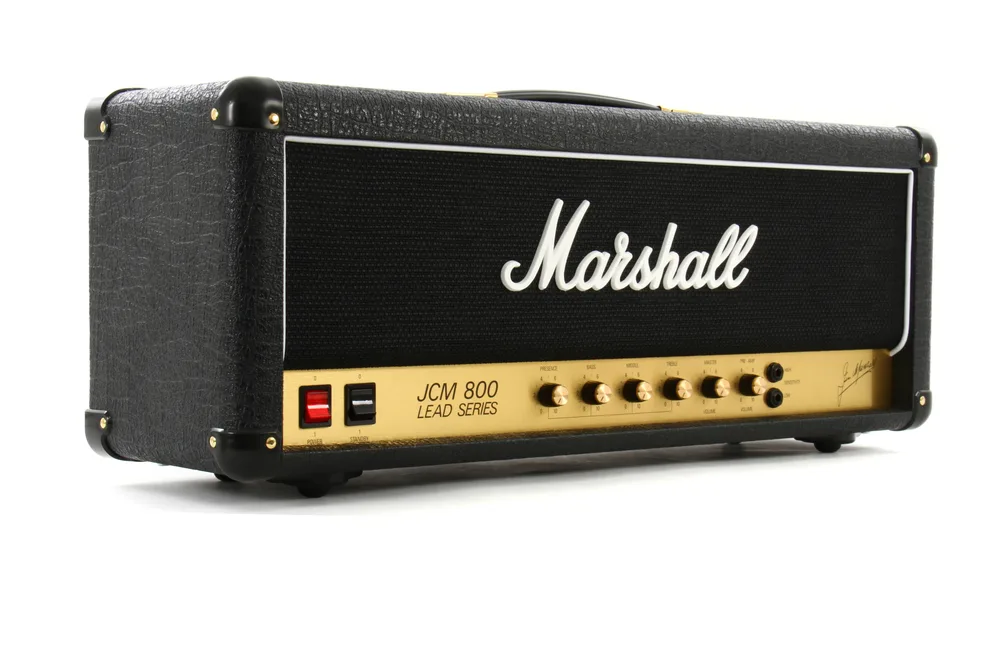
Regarding the Marshall amp, it gets a little harder to stay close to the original. But since Adam Jones’ guitar tone is primarily the result of the mix of the three amps, a Marshall 2203 Modified JCM 800*, properly dialed in, can get you there.



Conclusion
How do you achieve the Adam Jones guitar tone? What gear do you use? What surprising discoveries have you made?
Let us know in the comments!
*Disclaimer: This post contains affiliate links and/or widgets. When you buy a product via our affiliate partner, we receive a small commission that helps support what we do. Don’t worry, you pay the same price. Thanks for your support!

This might also interest you