Weird Recording Tools Producers Secretly Love
Out-the-box thinking made certain pieces of gear essential in the recording process.

 3,0 / 5,0 |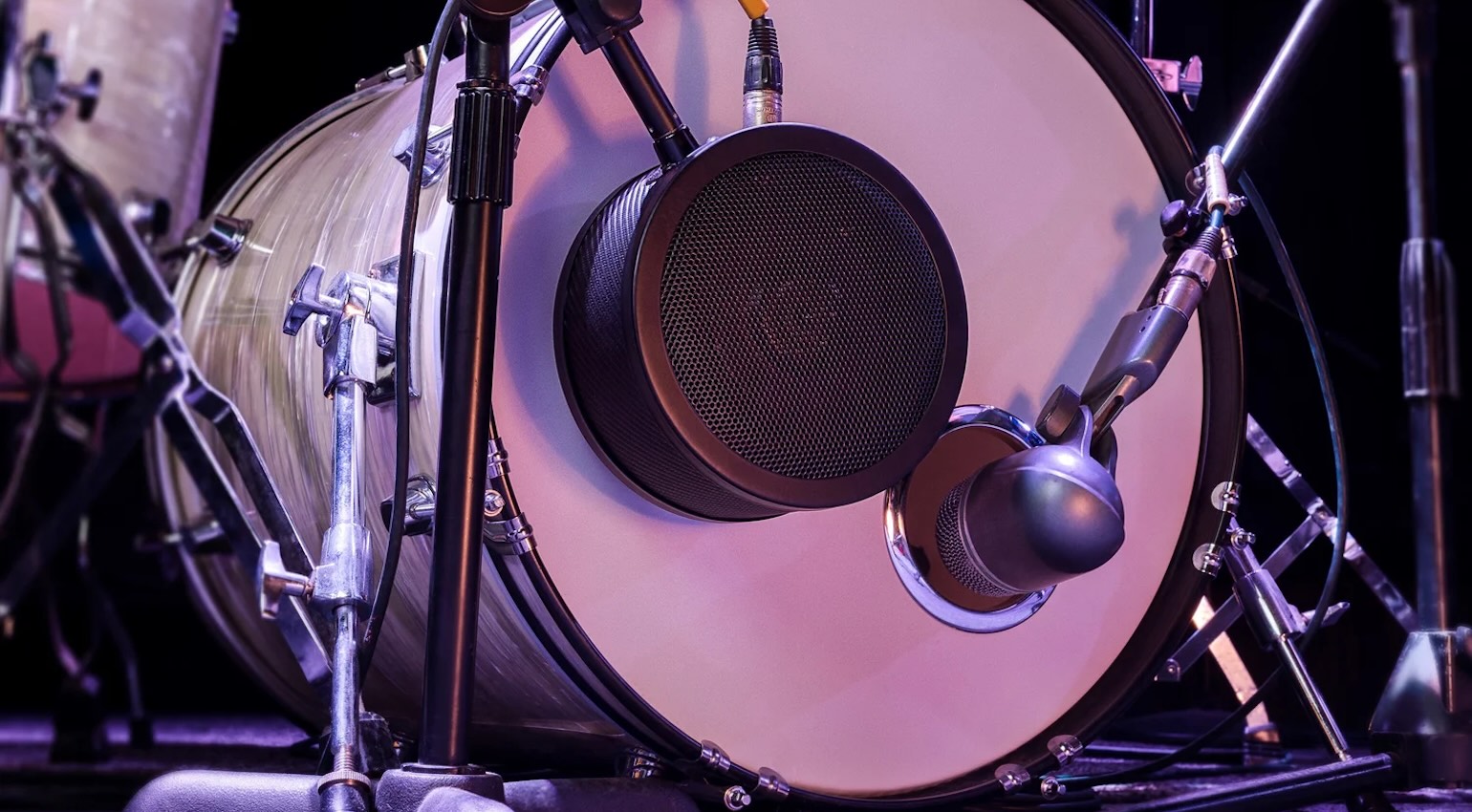

We investigate a range of weird recording tools, including unorthodox devices that have found niche purposes or become sources of inspiration in studio.
In this Article:
While the tools we use have certainly evolved, there are always a few unusual studio toys that have endeared themselves to the music creation process in one way or another. Let’s explore some devices that have found creative or utilitarian uses in the music production process.
Weird Recording Tools: Radio Tuner
The distinctive sound of a radio dial being turned, scanning through the frequencies, carries a unique aesthetic of its own. Whether an actual radio was used in the creative process or the sound was simply recreated with other tools, we have heard this effect used particularly in transitions on albums like Pink Floyd’s Wish You Were Here, U2’s Zooropa, and Songs For The Deaf by Queens Of The Stone Age.
There’s a certain tension that is created by the suggestion that a signal is trying to reach you but not quite getting there, or the old “Outer Limits” narrative that a mysterious, omnipotent force has taken control of your stereo. You may have spent most of your life as a regular radio listener, or be a Gen Z’er who has never encountered this antiquated broadcast format, but there’s no denying its compelling sound.
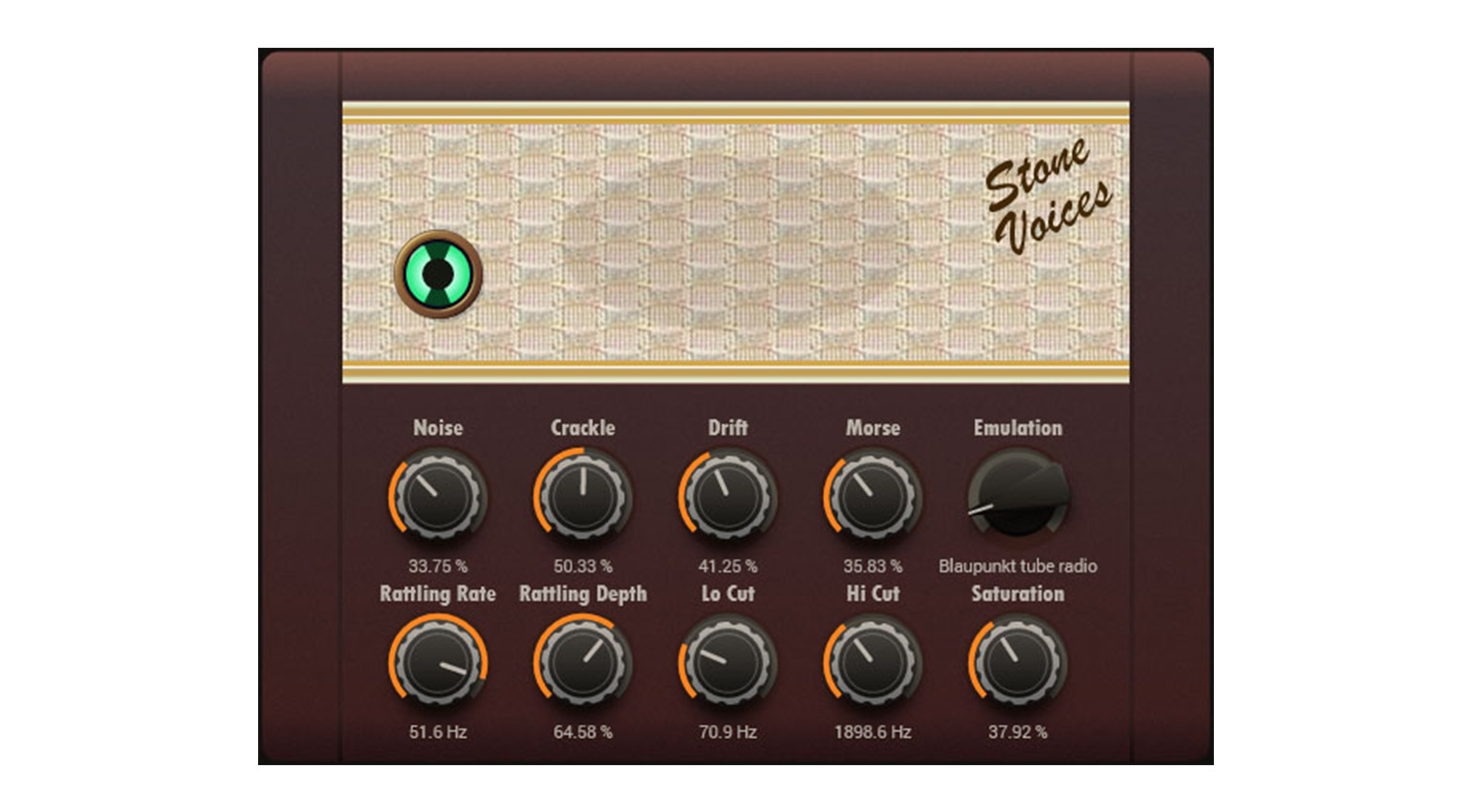
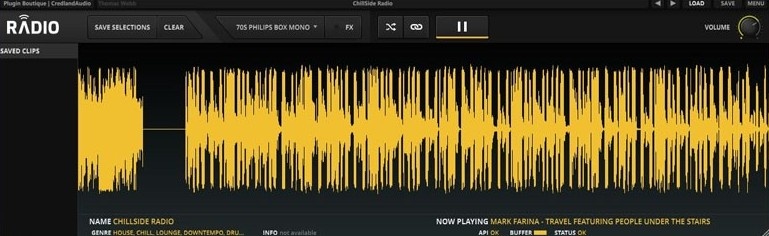
As a source of unpredictable texture, you can sample a radio to create collage-like pieces of static rhythmically interlaced with microsamples. To make things more interesting, there are plugins like Plugin Boutique Radio that let you feed online radio stations into your DAW, while others like Stone Voices Retro Radio mimic the sonic characteristics of the different aspects of vintage radios.

Weird Recording Tools: Cassette Tape Recorders
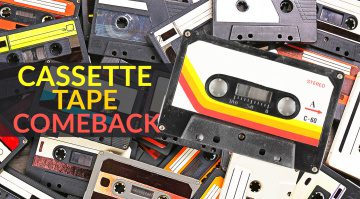
The home recording era of the late 1970s and early 1980s was ushered in by companies like TEAC/TASCAM, giving a new generation of musicians access to recording technology at a time when studio time was out of the reach of unsigned artists. In 1979, the TEAC 144 Portastudio was a revolutionary development, allowing musicians to record and mix four tracks of audio on standard consumer compact cassettes.
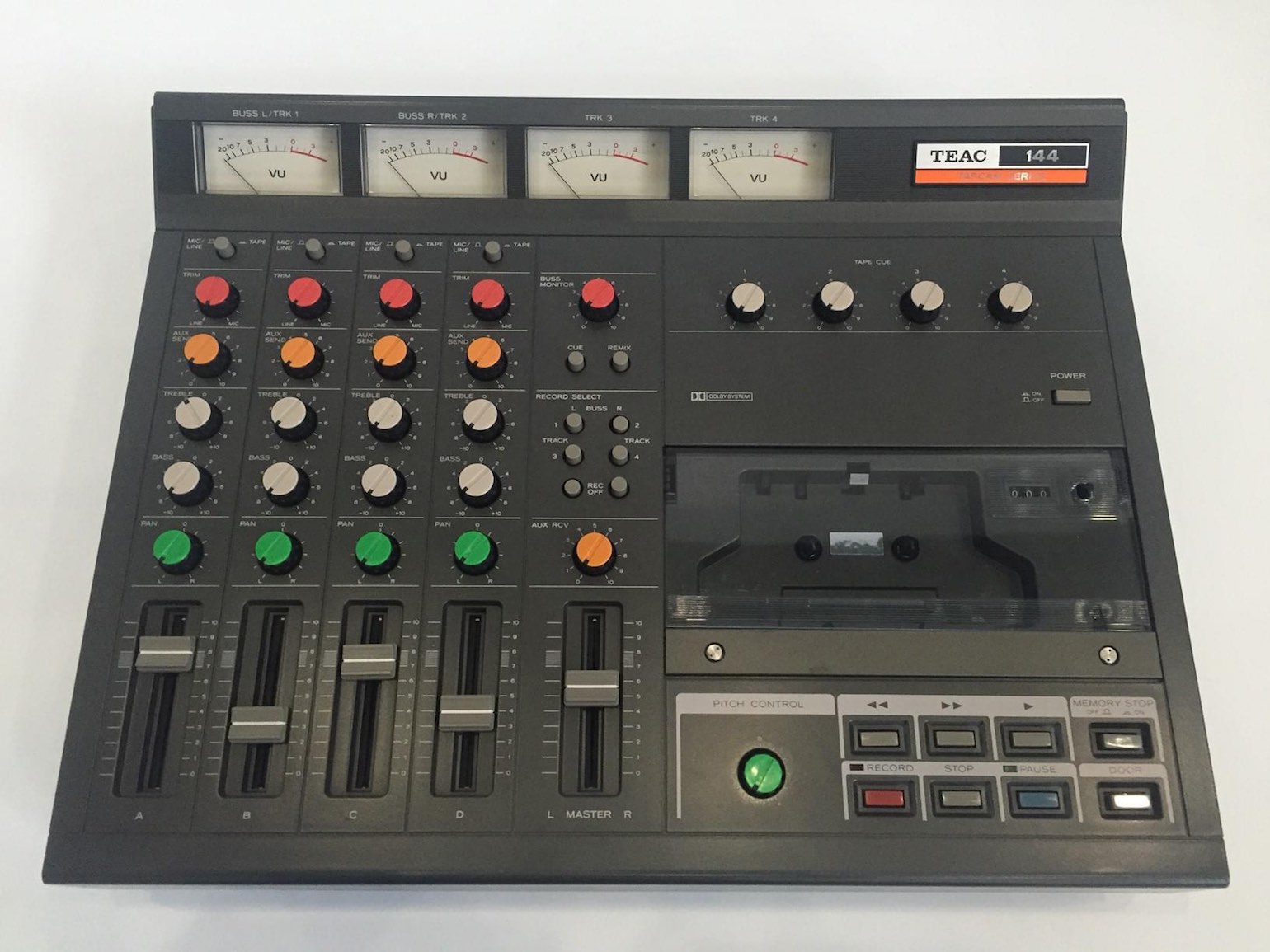
The catch with this democratization of recording tools was obviously the massive difference in sound quality between a cassette and a professional 2-inch reel-to-reel tape machine. However, as technology progressed and digital formats began to rival these expensive tape machines, the novelty and nostalgia around the sound and creative workflow of using a 4-track Portastudio became immortalized.
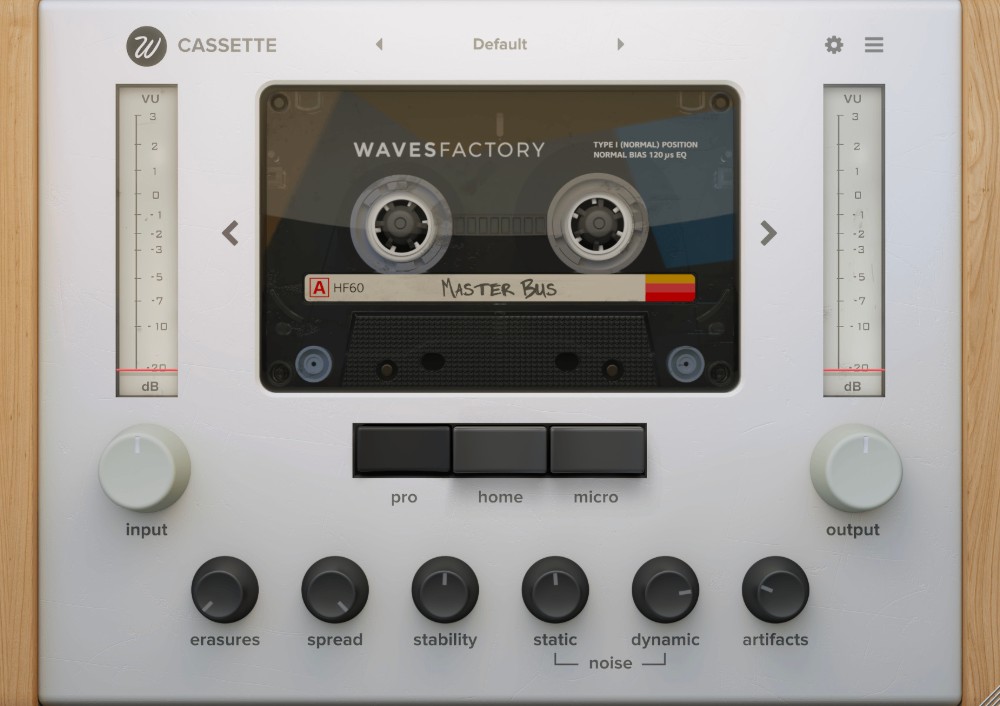
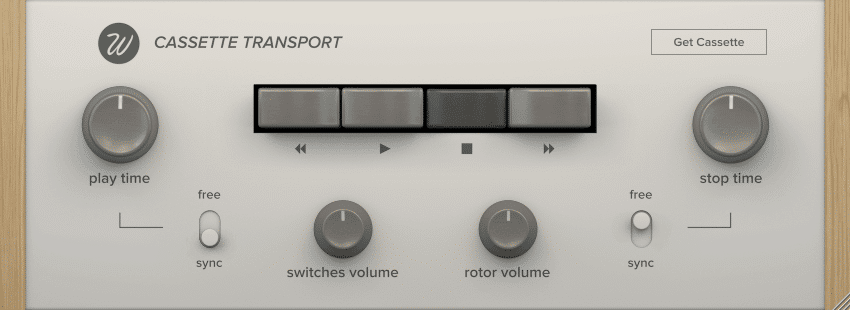
Even with its comparatively low headroom, high noise floor, and limited bandwidth, cassette recorders still have a particular sonic character and texture that harkens back to the golden age of home recording. Today, this somewhat obscure route is still available if we take the time; otherwise, there are excellent plugins that capture the organic feel of the tape workflow and sound.
Weird Recording Tools: Yamaha Subkick
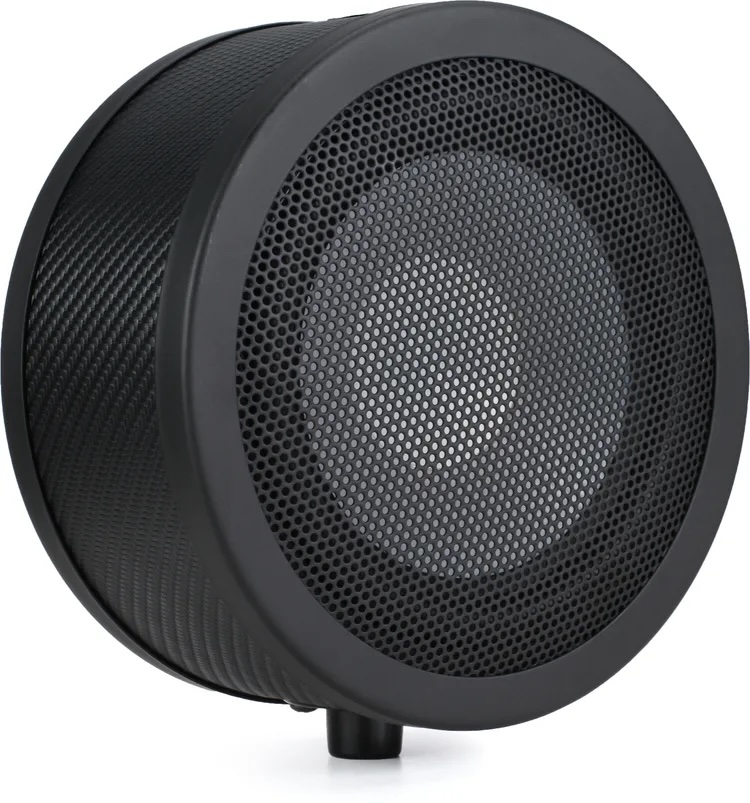
Can a speaker driver be used as a kick drum mic? Absolutely! Capturing the low-end of a kick drum has always been a challenge, especially when multiple mics are involved, and phase becomes a factor. While one mic, be it a contact mic, a broadcast dynamic mic, or a condenser, can pick up the tonal body of a kick drum, there are always situations that require a little more low-end oomph.
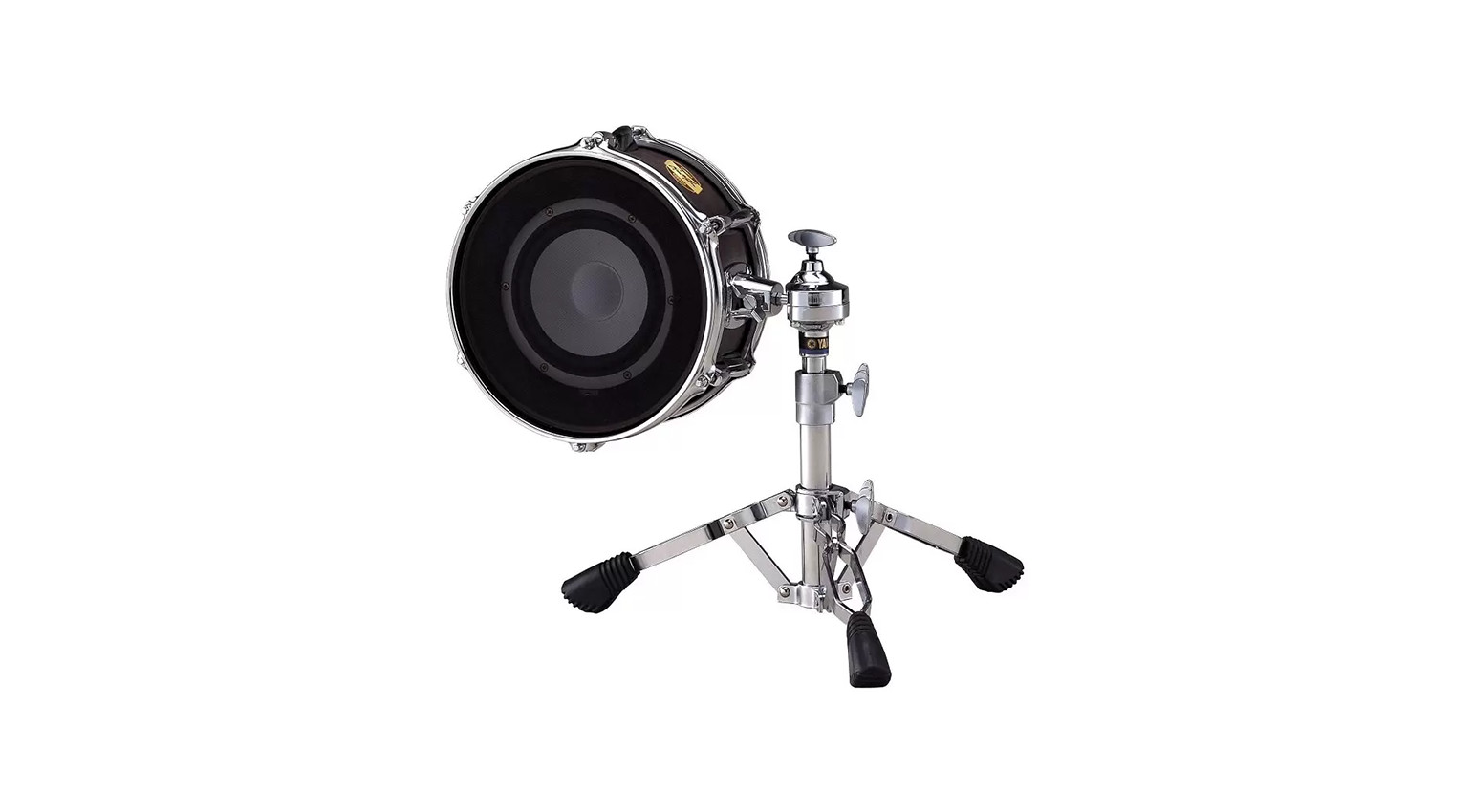
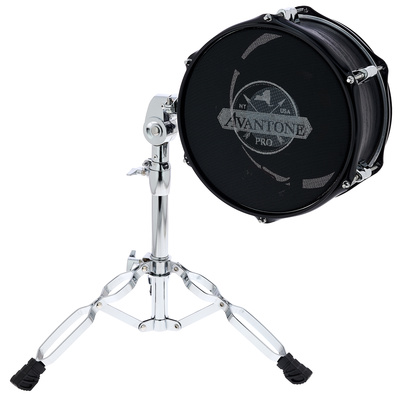
Of course, it can’t just be any random sub frequencies added to the kick, or you can smear the main peak and reduce the overall punch. You need to capture the transient of the acoustic low-end without overlapping with the body of the kick sound. Enter the Subkick, a DIY solution that was pioneered by engineers like Geoff Emerick, who used a small speaker cabinet to capture low frequencies on legendary Beatles songs like Rain.
Over the years, this practice became increasingly popular, particularly in the 1980s, when studios usually had spare drivers for the Yamaha NS-10 studio monitors lying around. By simply reversing the wiring, these drivers could be repurposed to capture low frequencies from kick drums in a natural and unobtrusive way. And so, the Subkick was born, which later became the commercially available recording tool we know today.



Weird Recording Tools: Vintage Spring Reverbs
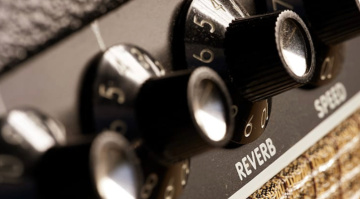
The wonky world of spring reverbs began almost a century ago at Bell Labs, when it was used to simulate the delay of a long-distance telephone line. It didn’t take long, however, before the now-famous Hammond Organ Company began incorporating these mechanical spring reverb systems into its home organ designs in the mid-1930s.
It may have taken a while, but the spring reverb popularity explosion did eventually happen in the 1960s with companies like Fender creating standalone spring reverbs like the 6G15 and adding them to its popular guitar amplifiers like the Vibroverb, Deluxe Reverb, Twin Reverb, and Super Reverb. The unique sound of spring reverb became immediately synonymous with Surf Rock.
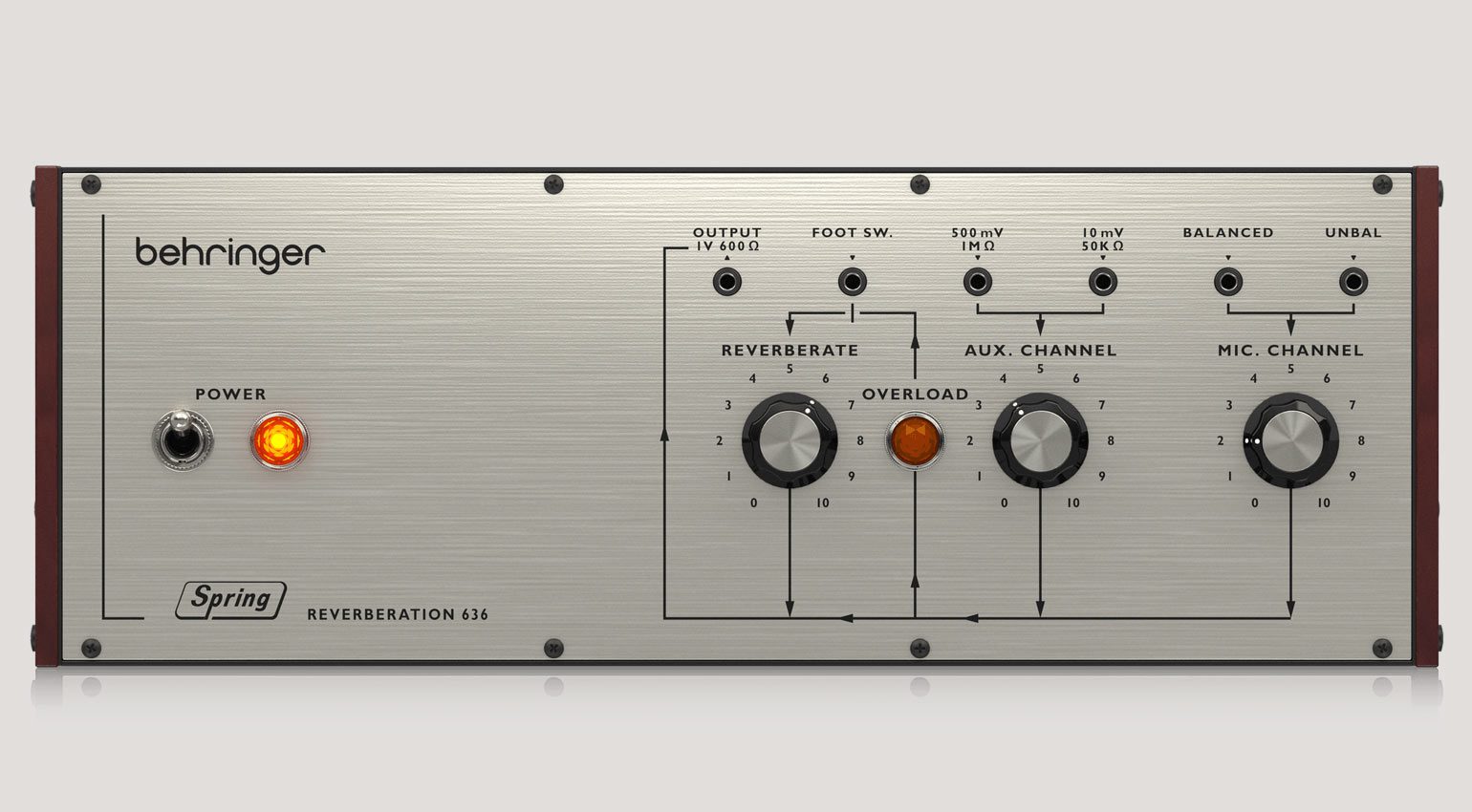
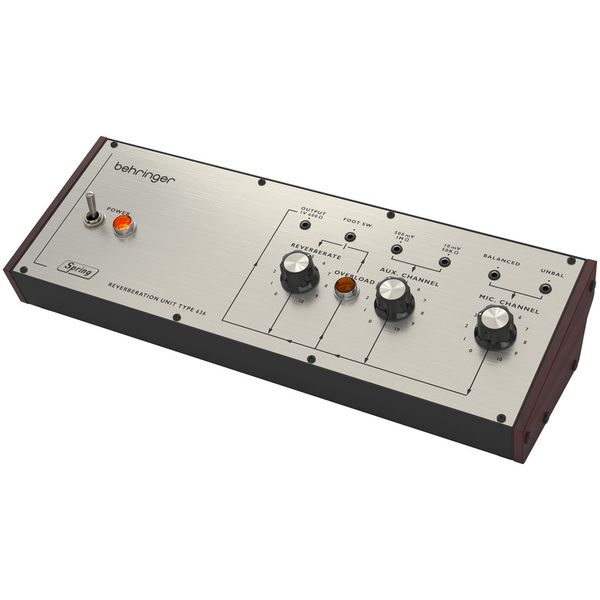
Meanwhile, as time went by, other more experimental musicians also became enamored with its sound, including artists like Pete Townshend of the Who and Lee “Scratch” Perry, who both famously used the Grampian Reverberation Unit Type 636 in their recordings. Today, spring reverb is not as obscure as it once was, and remains a sonic hack to take your sound away from the typical modern aesthetic.

Weird Recording Tools: Telephone Mic
If you can remember a time when making phone calls involved dialing a sequence of numbers on a rotary mechanism, unfortunately, you’re as old as I am, possibly even older. Surprisingly, these are the exact era of telephones that make amazing microphones when you need that vintage earworm vocal sound that works so well on intros and pre-choruses.
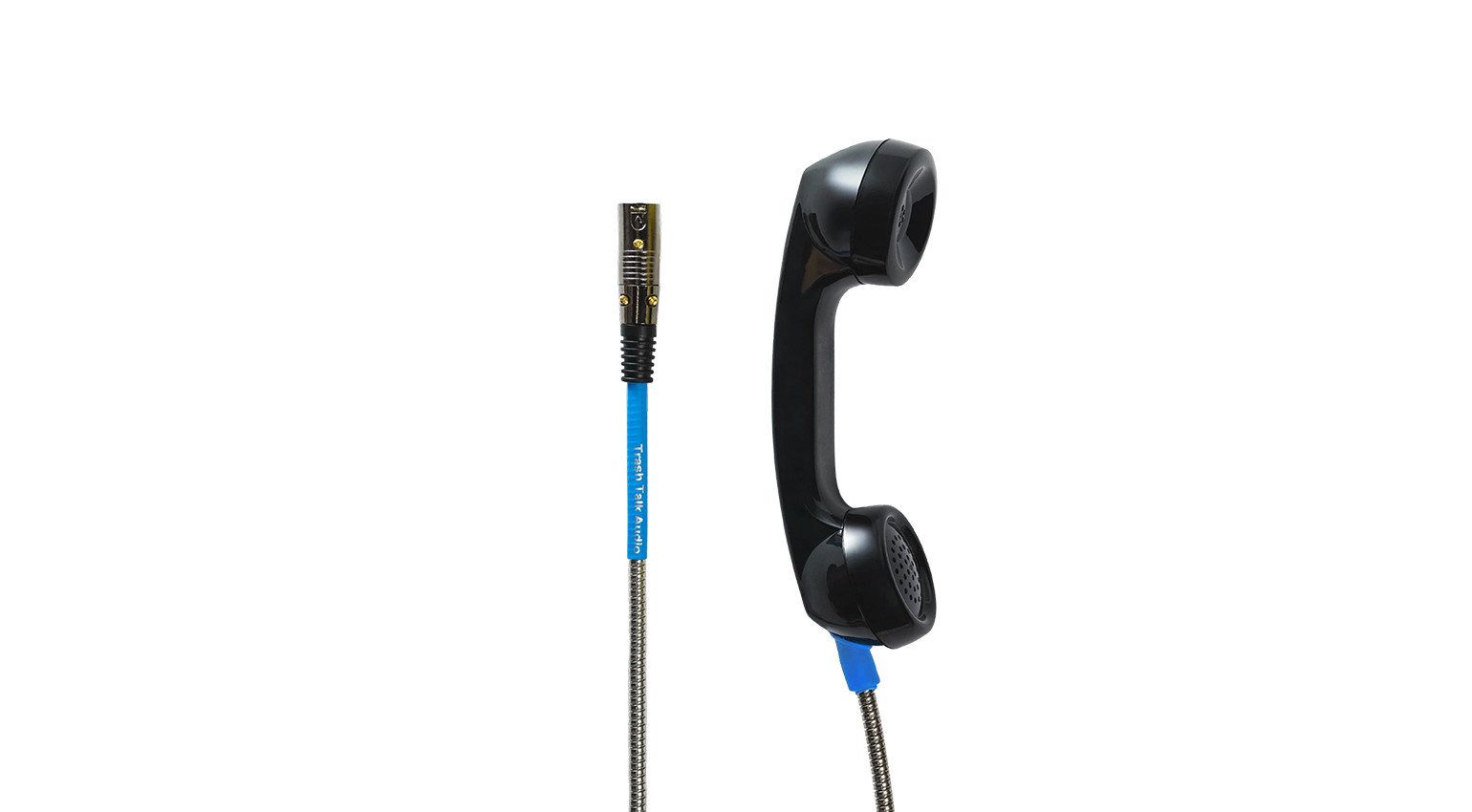
A telephone mic is actually quite easy to make, even if you’re not an electronics wizard. Start by getting hold of an old telephone from a thrift store, and then strip the speaker from the receiver. The microphone in the mouthpiece usually has a pair of wires protruding, which then need to be soldered to the hot and ground, as well as the negative wires of a mic lead; luckily, the order doesn’t matter.
This gives you a basic carbon mic that uses a tiny cup of granules to transmit the sound. One of the most famous uses of telephone vocal recording was on The Foo Fighters’ fan favorite, Everlong, where Louise Post’s backing vocals were recorded remotely from Chicago using two phone lines (one for monitoring).

More about Weird Recording Tools:
*Note: This article contains affiliate links that help us fund our site. Don’t worry: the price for you always stays the same! If you buy something through these links, we will receive a small commission. Thank you for your support!

This might also interest you