The Traveling Studio: Portable Studio Gear
Music production gear that travels easily.

 3,9 / 5,0 |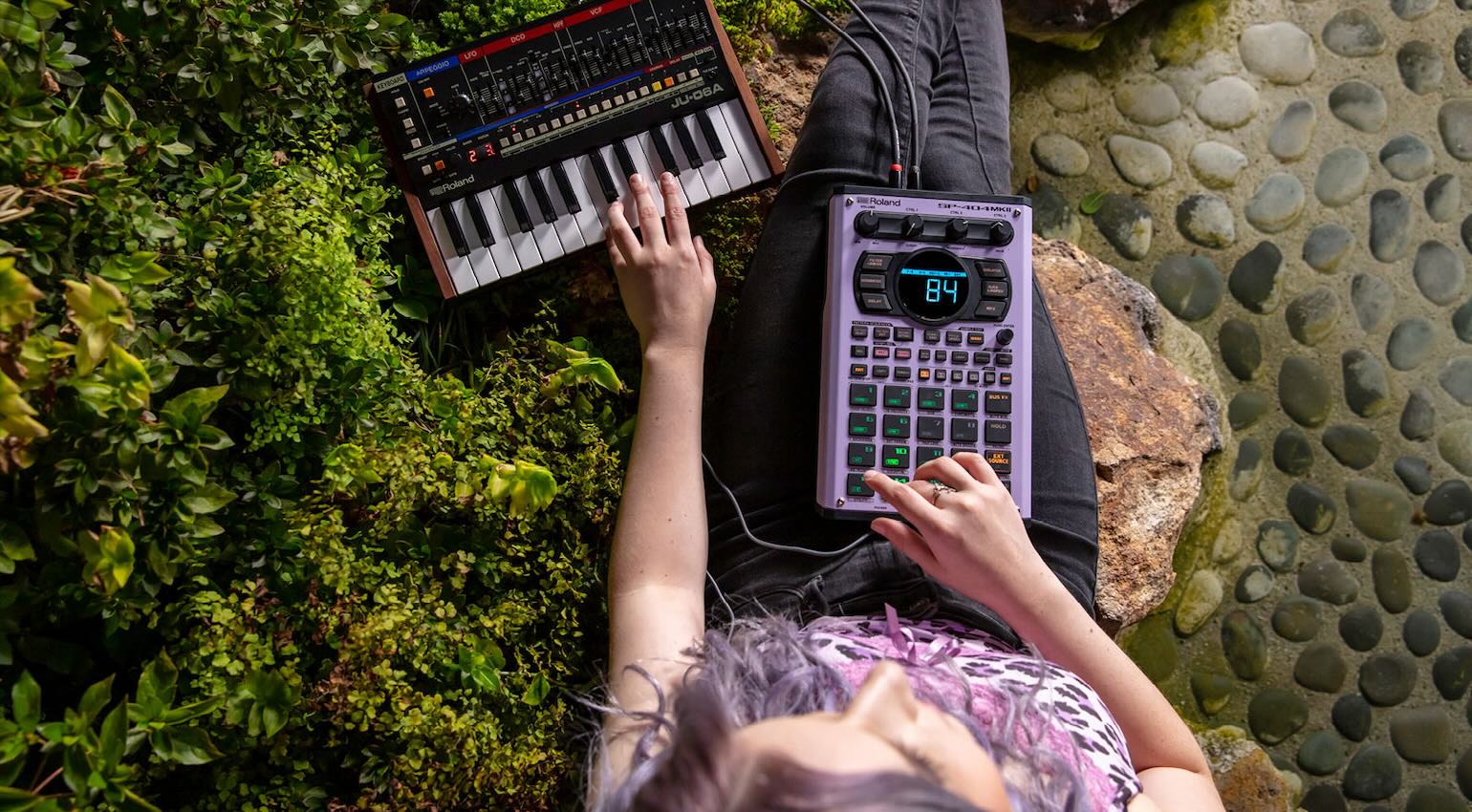

Welcome to the world of portable studio gear, where you get to take your musical ideas and creative toys with you wherever you go on your travels.
Key Facts about Portable Studio Gear:
- Plenty of gear is compact and lightweight, but specially designed portable equipment is built for the road without compromising on sound quality. This allows musicians to get great results virtually anywhere.
- Many devices that can be powered via USB allow you to run them on rechargeable USB power banks, bringing a level of convenient portability to certain audio interfaces and multitrack recorders.
- Battery-powered studio gear allows you to set up anywhere to create music, capture field recordings, or perform in areas where mains power is not readily available.
- The compact and lightweight nature of portable studio equipment allows you to fit your entire studio into your backpack. This can include a laptop or tablets, an audio interface, headphones, and microphones, and even studio monitors and pocket-sized synths.
In this Article:
Portable music tech devices will always be exciting because there is always room for improvement. In this dynamic marketplace, creative manufacturers are forever competing to make instruments smaller with more features and longer battery life.
Portable Studio Gear: Synths
Portable synths are wonderful creative tools, as they can sneak into your bag when you go on holiday. If you’re into building your own unique sounds, this is a great way to do it because it provides a singularly focussed interface without the distractions of email clients and browser tab mayhem you find on laptops.
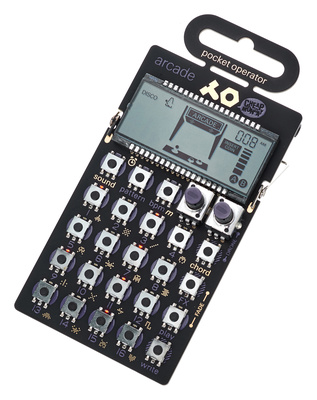
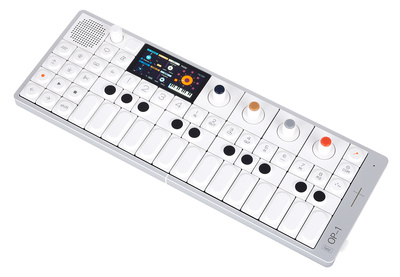
The range of sound creation devices we have available today is simply astonishing, with eclectic brands like Teenage Engineering offering simple toy-like Pocket Operators, and instruments that can do almost anything, like the OP-1 Field.
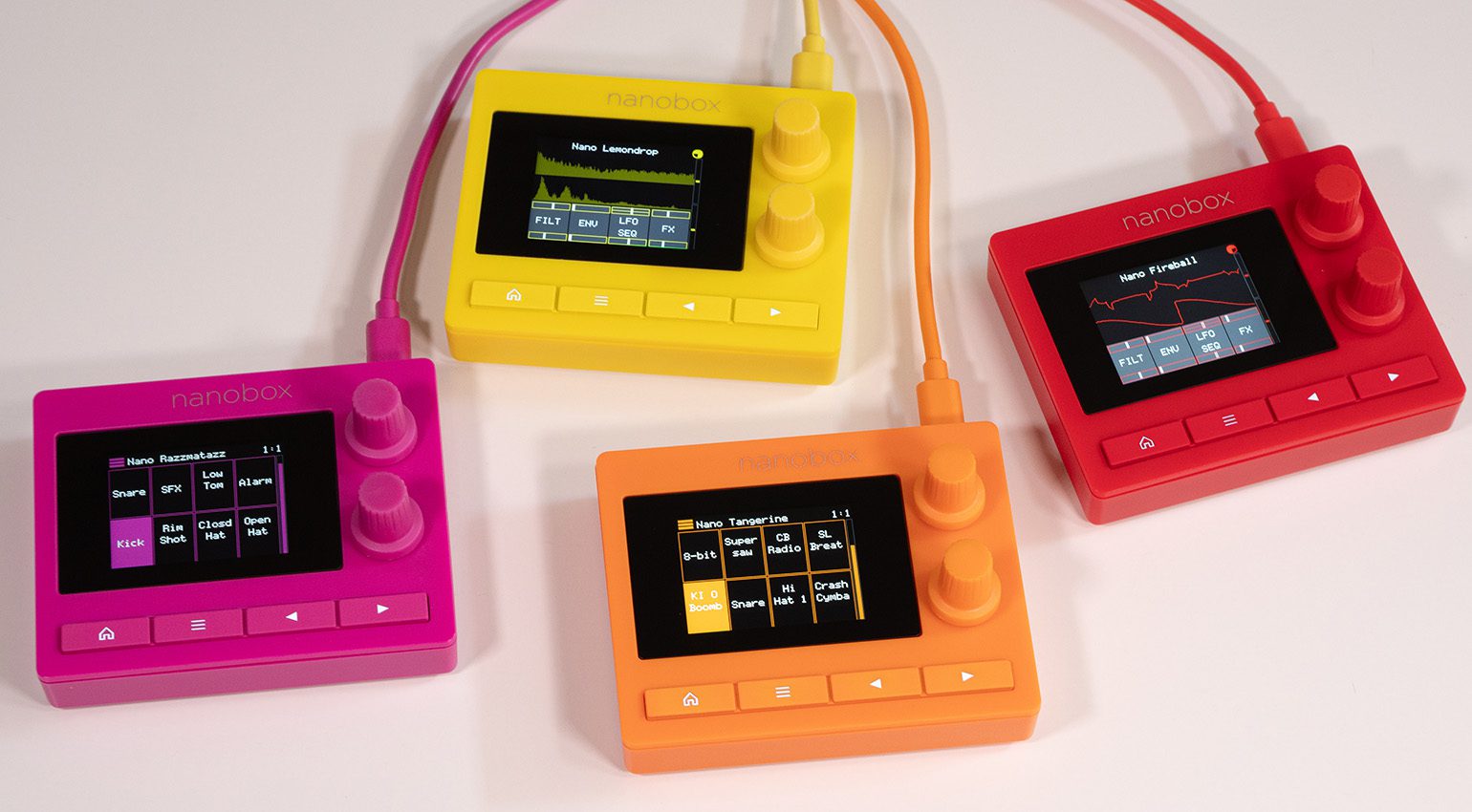
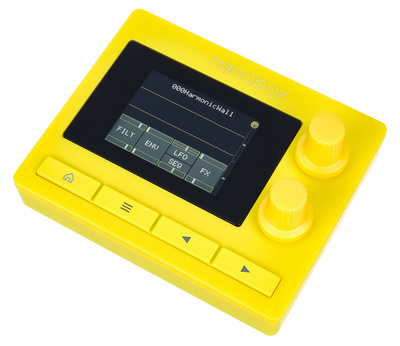
Meanwhile, the 1010music nanobox range offers a slightly more specialized approach, with powerful compact devices with incredible sound engines and connectivity options.



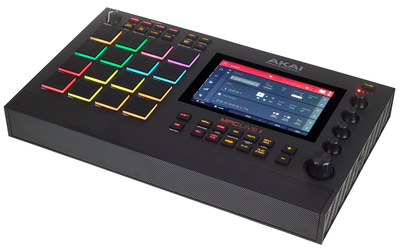
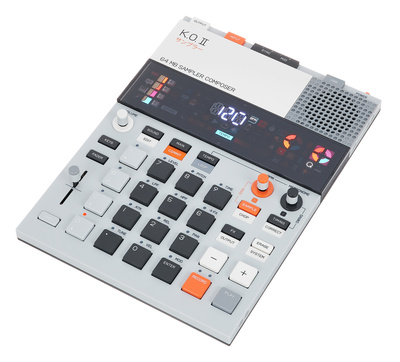
Portable Studio Gear: Grooveboxes
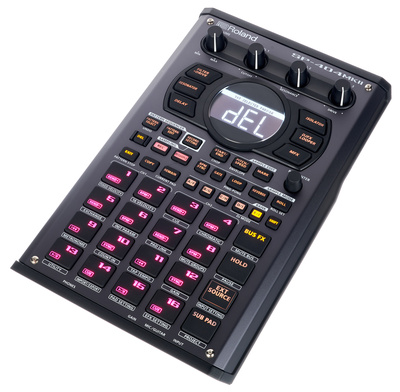
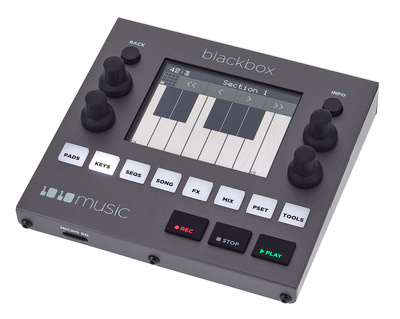
Grooveboxes have come a long way since the term was first used with Roland’s MC series of beat sequencers. Today, we have access to options that are completely portable and comprehensive music production tools.
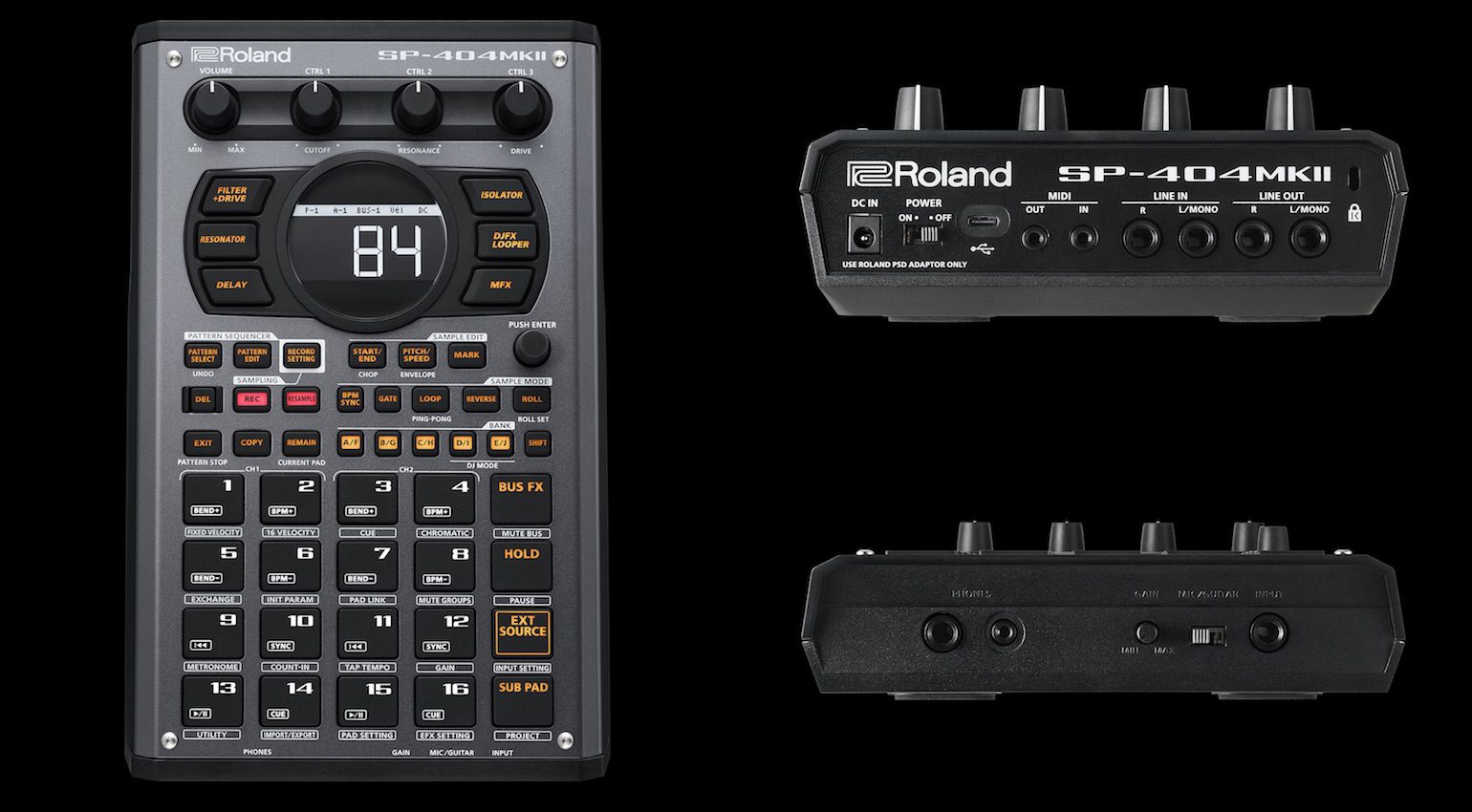
Inspiration can come from anywhere, so the ability to record or load your own samples is a must. No matter what style of sequencer you prefer, the ability to choose and shape your favourite sounds can help you create something unique.
When it comes to portability, the higher-end options have internal lithium-ion batteries, while others can run off USB power banks. With the right beat creation station, all you need is a pair of headphones, and you’re ready to go.


Portable Studio Gear: Headphones
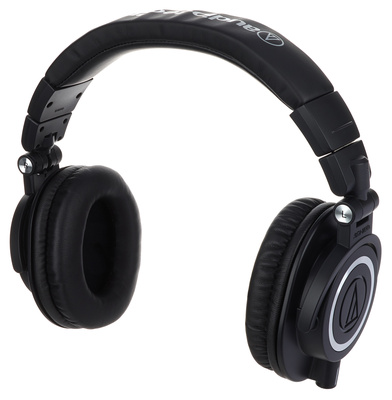
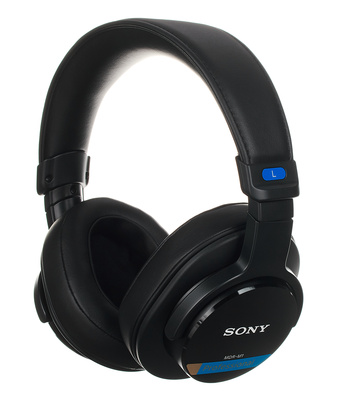
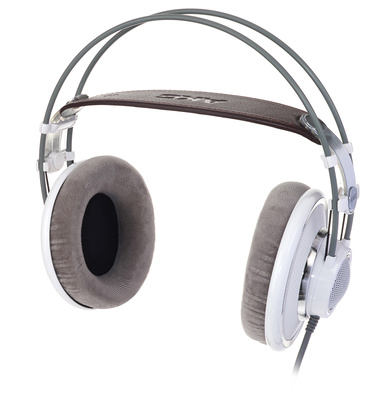
A portable studio isn’t complete without headphones, so choose wisely. If isolation isn’t a factor, you might want to consider open-back headphones, as they often deliver a more analytical sound with better translation properties.
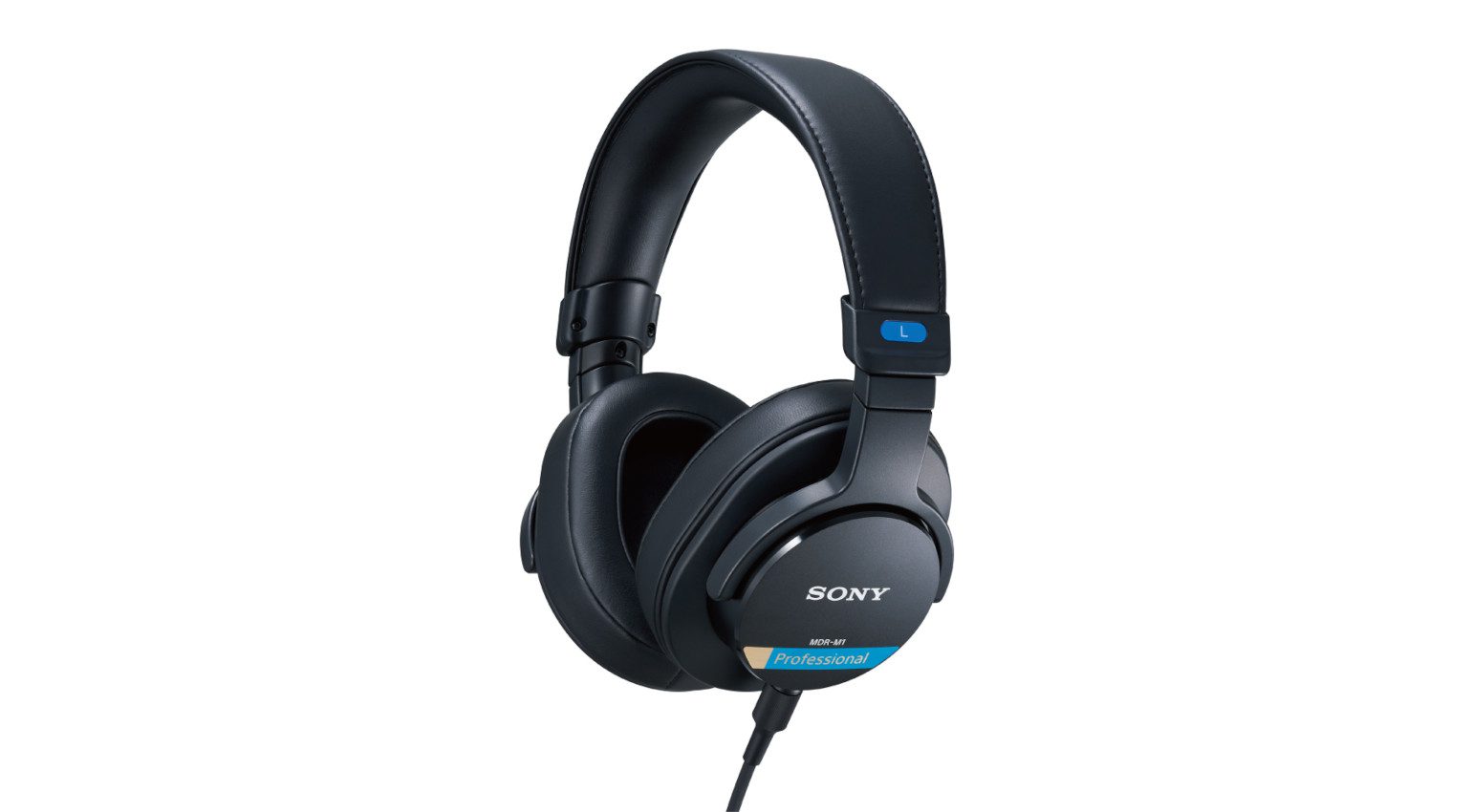
This means that if you’re doing mixing and music production rather than recording, you might want to check out open-back headphones to see if they suit your workflow.
Alternatively, if you’re looking for a discrete monitoring solution, closed-back designs will shut the world out so you can get into your creative zone and stay there. Also, if you’re doing vocal recording, closed-back headphones are a must.



Portable Studio Gear: Monitors
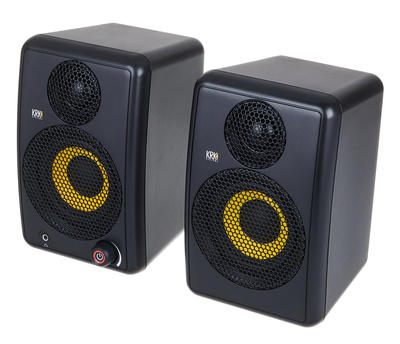
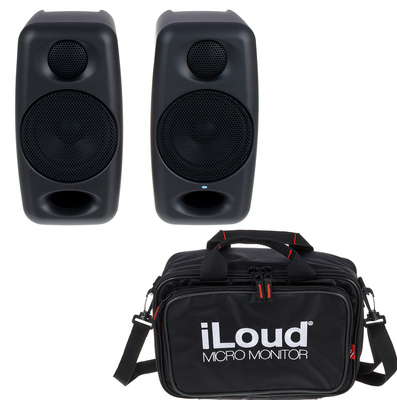
The range of monitors that are easy to connect and light enough to carry in your backpack is constantly growing. Today, you can find extremely compact monitors that deliver professional results like the IK Multimedia iLoud Micro series.
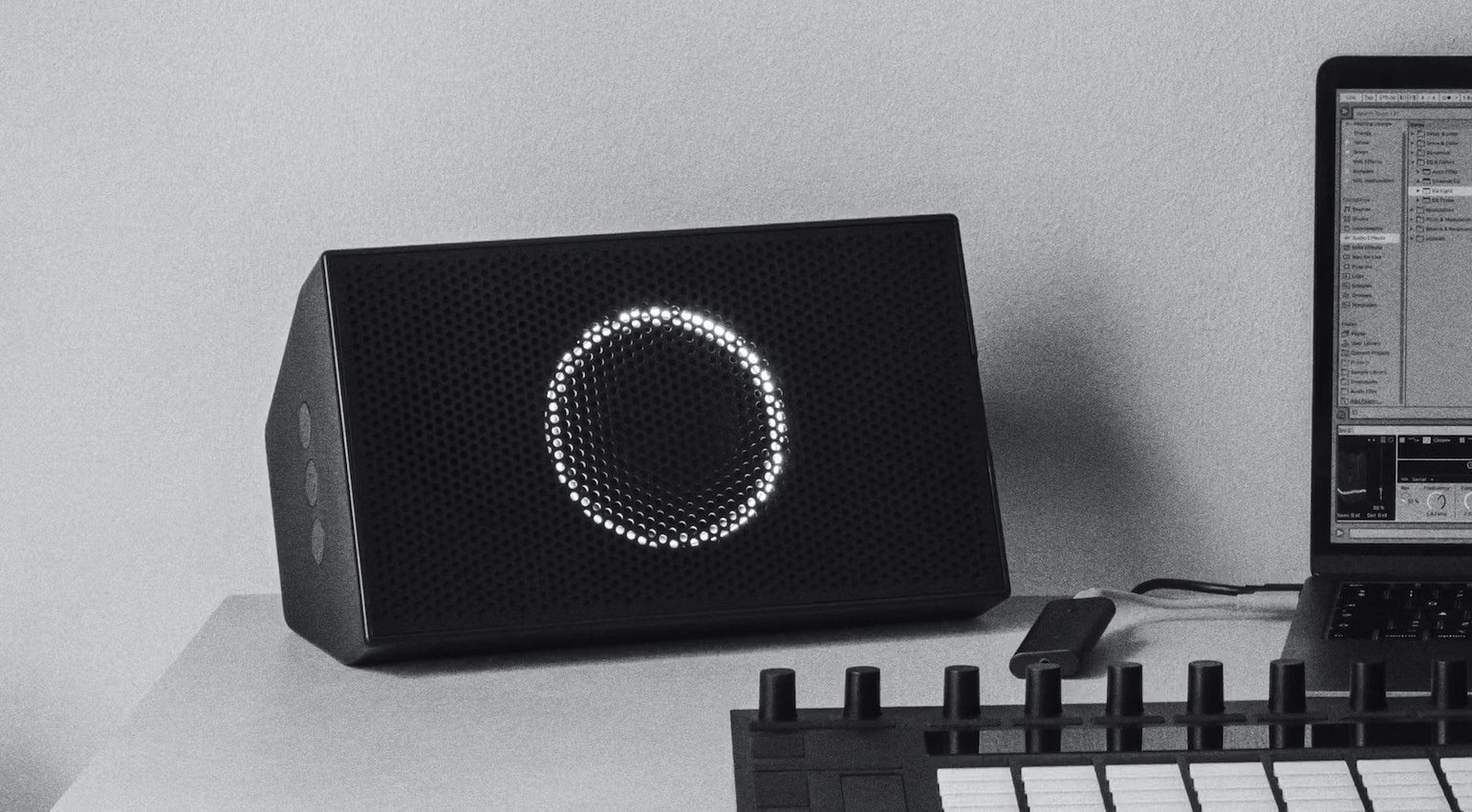
Battery-powered studio monitors, on the other hand, are a completely new frontier. In 2023, we saw the introduction of the UNIT-4 Wireless+ monitors from the Danish headphones manufacturer AIAIAI.
Although 20 hours of battery time is very impressive, the technology behind the battery-powered amplification and low-latency Bluetooth pushes up the price tag considerably. This makes battery-powered monitors an expensive novelty currently, but we look forward to more affordable designs in the future.



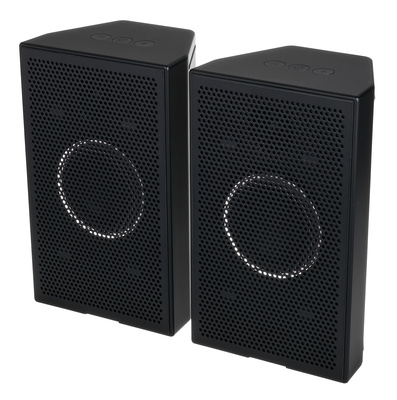
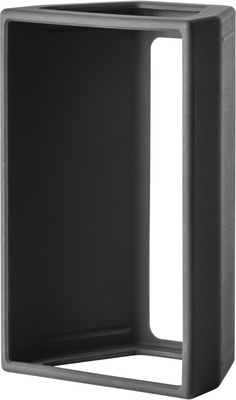
Portable Studio Gear: AIAIAI UNIT-4 Wireless+
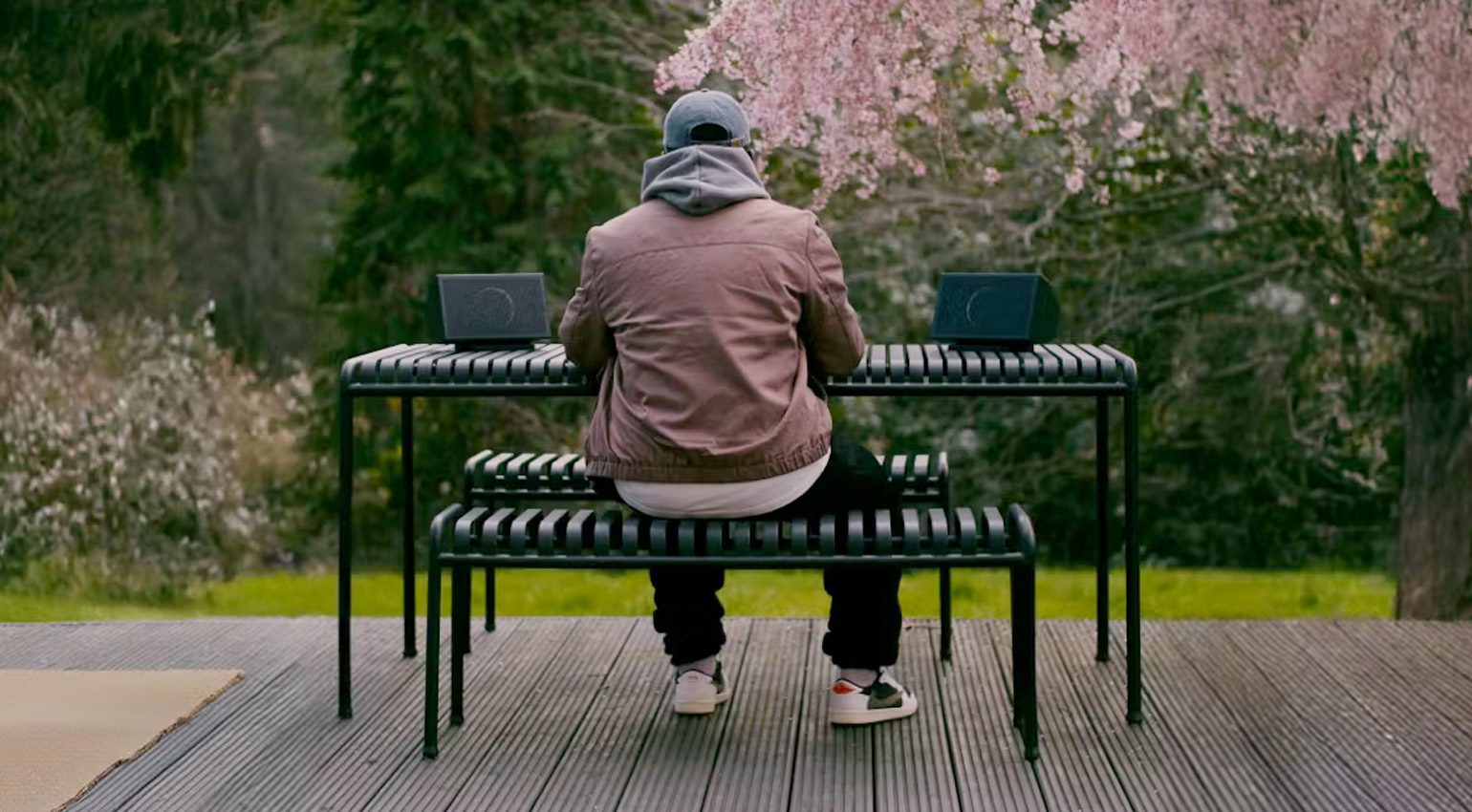
The UNIT-4 Wireless+ portable battery-powered studio monitors instantly transform your patio table into a basic beatmaking station when combined with your laptop, of course. Equipped with 60W of Class D amplification, the UNIT-4 Wireless+ uses a 4-inch paper cone woofer and a 1-inch silk dome tweeter, which produce a max SPL of 105 dB in a standard paired configuration.
What’s even more impressive is the manufacturer’s claim that the UNIT-4 Wireless+ flat response reaches down to 50 Hz, with an extension to 40 Hz. This means that these monitors will reproduce at least a portion of the sub-bass contained within Hip-Hop and EDM kicks and basslines. The main attraction of the Wireless+ is, of course, the fact that it functions wirelessly.
With the X02 Transmitter, your system can send 1500kbps uncompressed audio at 44.1kHz, 16-bit to the monitors for professional, low-latency use, while there is also Bluetooth connectivity for casual use. After a full 2-hour charge, the battery lasts up to 20 hours, which is ideal for a lengthy production session, even if your laptop won’t last that long. Get it at Thomann.*
Portable Studio Gear: Controllers
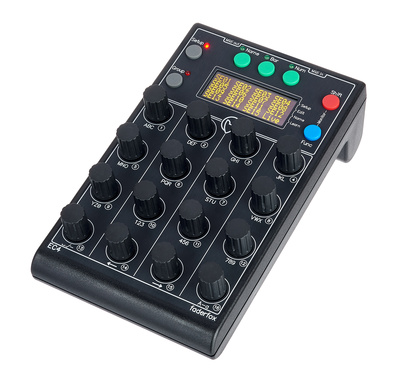
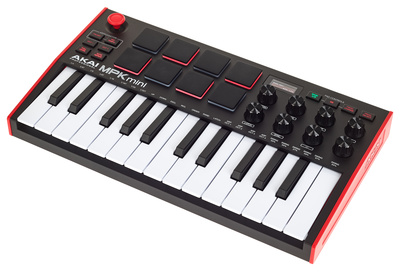
Whether your main production station is a laptop or an Octatrack, having a MIDI controller can expand your workflow considerably. Controllers offer keyboards or trigger pads for using software instruments, as well as channel faders, parameter knobs, and transport controls.
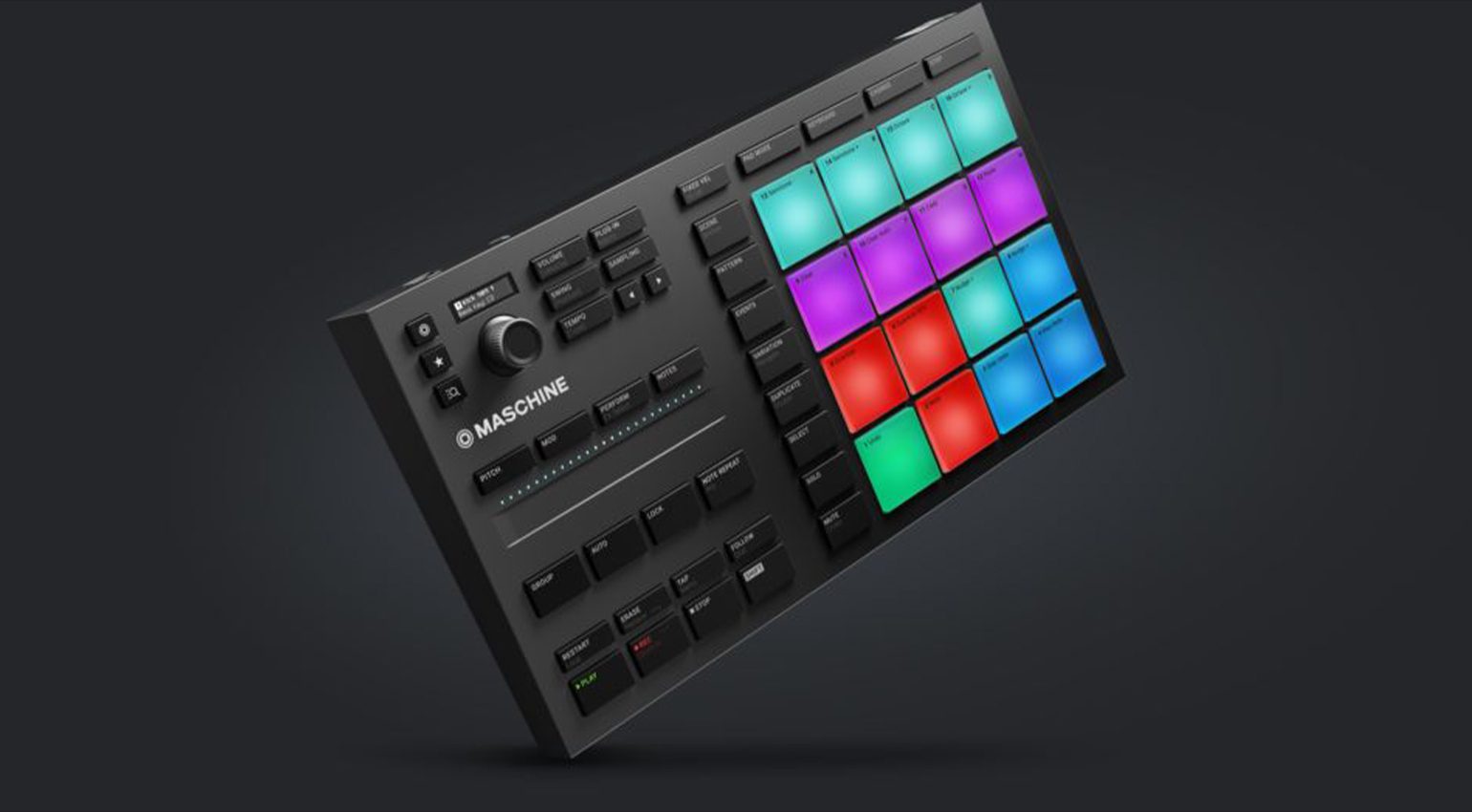
Luckily, no matter which controller you need, most of them power via USB, making them perfect for a portable studio. Controllers speed up DAW operations, especially with Ableton Live, where launching clips is a powerful arrangement method.
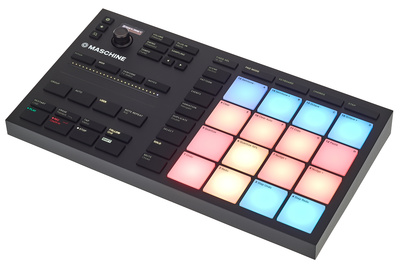
A music production interface like Native Instruments Maschine is almost like a DAW within a DAW. It features its own specially designed controller, giving you tactile control of creative features with MPC-style groove sequencing.


Portable Studio Gear: Audio Interfaces
If you’re using a DAW to perform live or create music in studio, your audio interface is a crucial part of your setup. These come in many different shapes and sizes and will help you get signals into and out of your DAW.
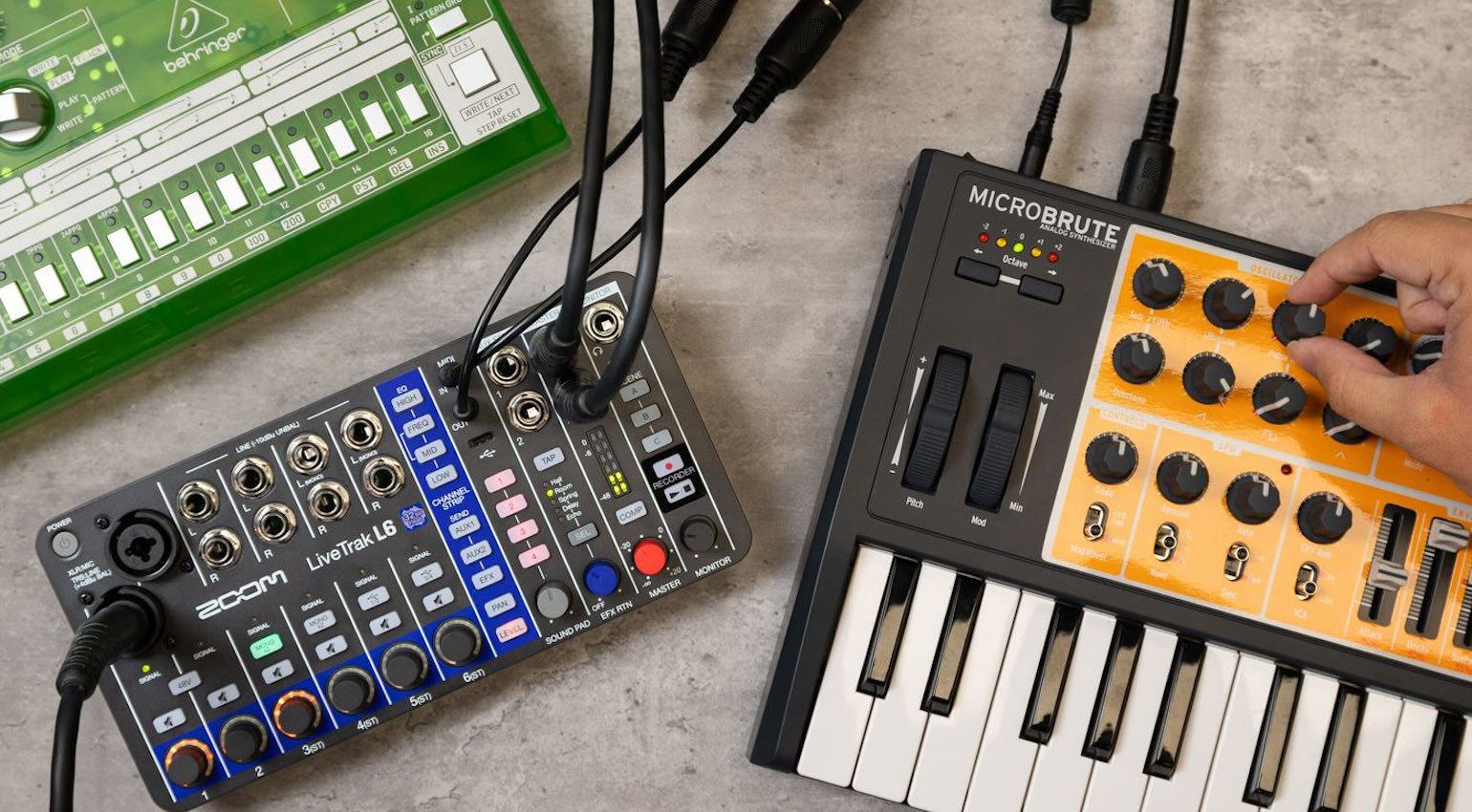
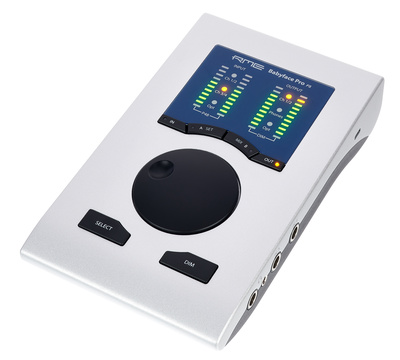
Not every interface is created equal. While manufacturers offer excellent quality AD/DA conversion like the RME or rugged build quality like Sound Devices, others offer versatility for different workflows like Zoom.
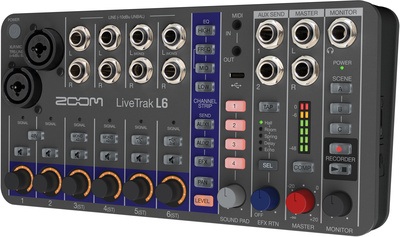
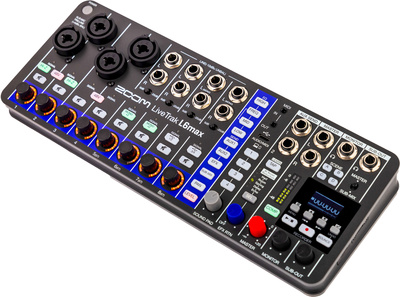
How you use your setup will determine which one will suit you best. Electronic musicians, for example, will love the idea of the new Zoom LiveTrak L6, which can function as a mixer, audio interface, and SD recorder.


Portable Studio Gear: Zoom LiveTrak and MultiTrak
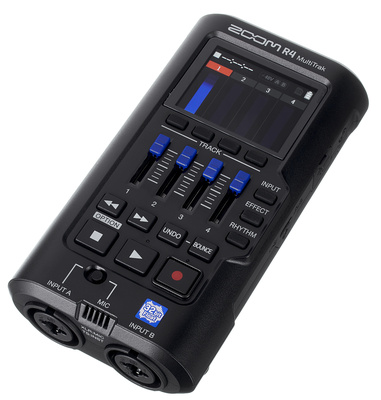
Zoom has as much experience creating portable recording devices as any company you’ll find, and in recent years, they have diversified their lineup with options that are bound to appeal to electronic musicians and content creators alike. Within the LiveTrak series, the L6 is a compact digital mixer that functions as a standalone multitrack microSD recorder and audio interface.
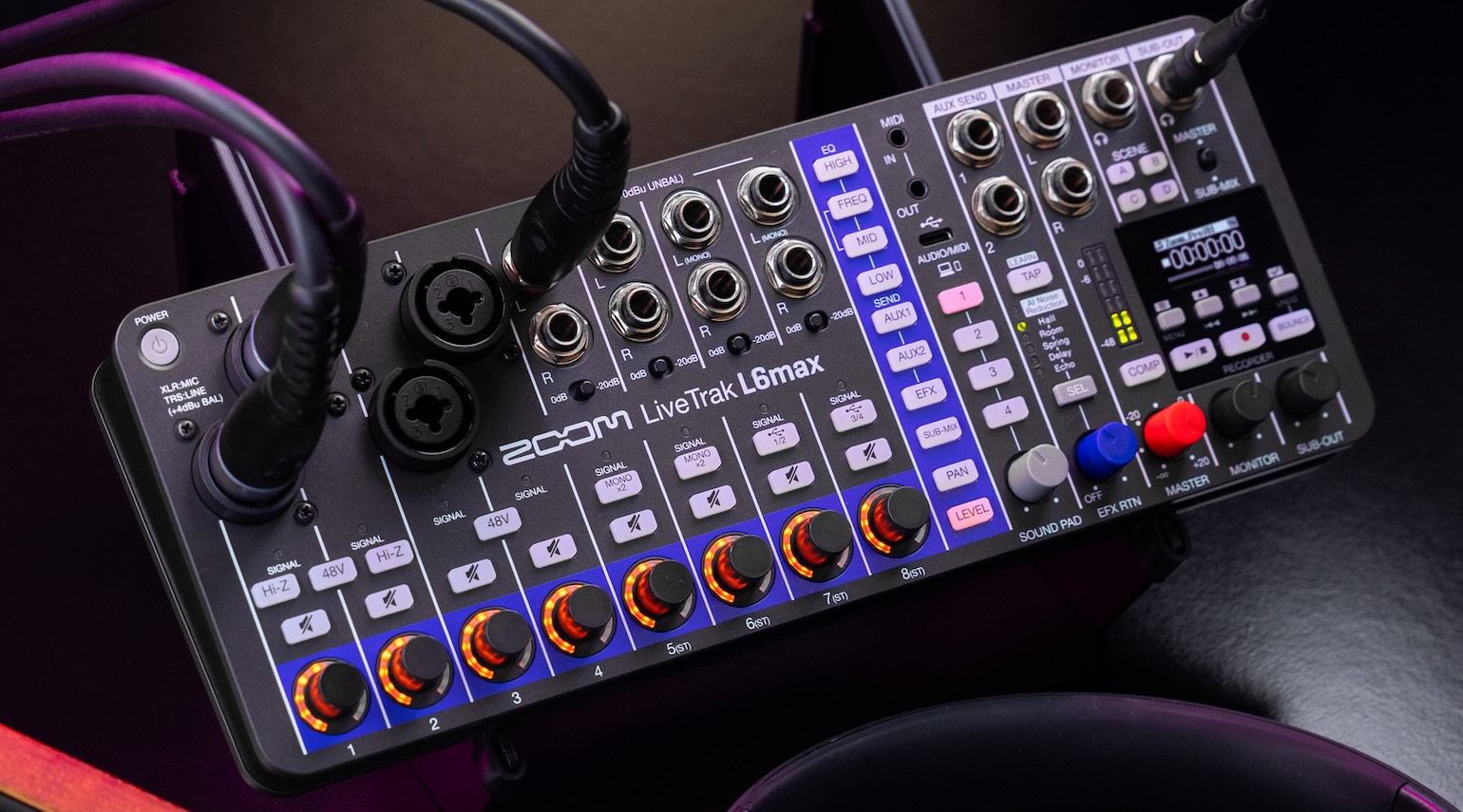
Besides portability, the LiveTrak L6 and L6max combine features like external routing with aux sends, built-in effects, and recallable profiles called Scenes that allow you to save your session parameters. For more streamlined tasks like recording DJ sets and live electronic performances, the R4 MultiTrak provides high-quality audio recording in a compact form factor.
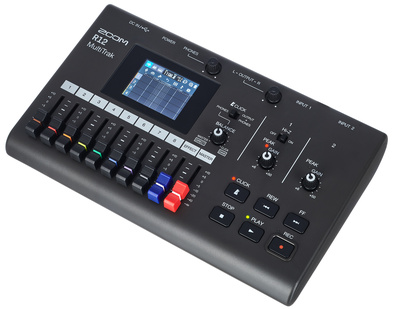
Meanwhile, for a slightly more traditional approach to multitrack recording, the R12 provides a portable platform for tracking vocals and guitar to microSD, while its built-in effects let you enhance the sound and turn your ideas into fully formed demos. Then, when it’s time to complete the track, the R12 also functions as an audio interface, should you need to add any overdubs. Get it at Thomann.*
Portable Studio Gear: Teenage Engineering field system
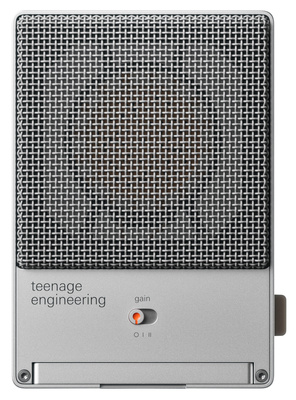
Guaranteed to awaken the rebellious adolescent in you, the Teenage Engineering range of portable recording devices is almost as exciting as their immensely popular electronic instruments. Starting with the CM-15, this versatile condenser mic allows you to connect to a range of devices with the help of its internal preamp and A/D conversion stage.
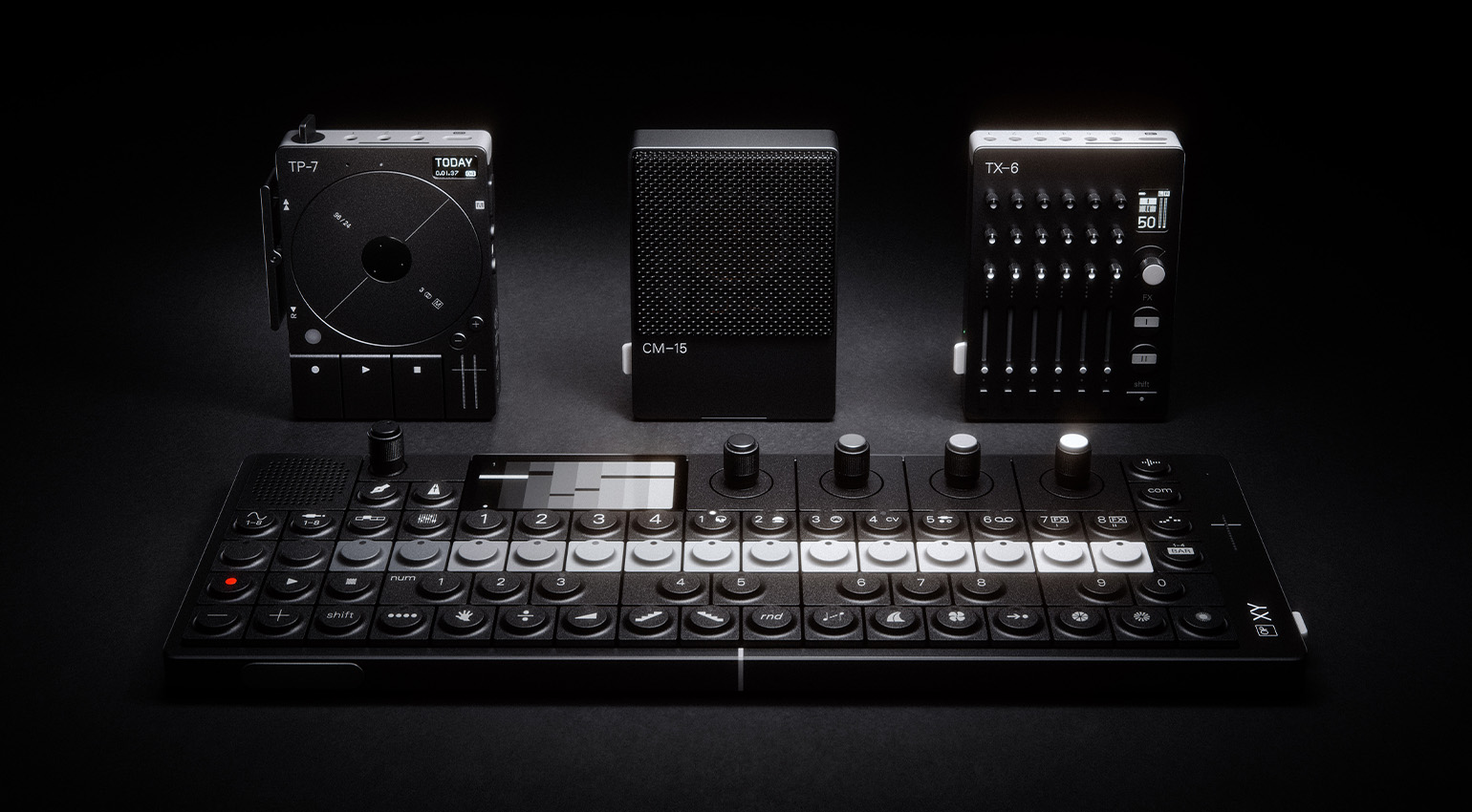
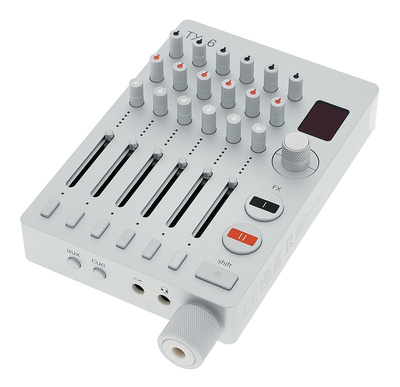
The mic has a 7-hour battery and a range of connectivity options, including minijack, USB, and mini-XLR with an XLR converter cable included. For dealing with multiple signals, the TX-6 6-channel mixer has EQ and compression per channel, stereo multieffects, a built-in sequencer, a 7-hour battery, and it functions as an audio interface for DAW-based recording.
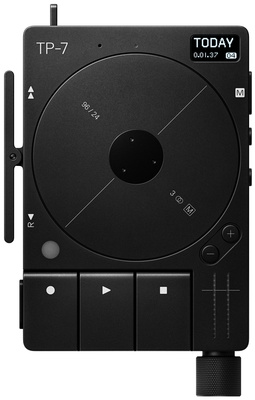
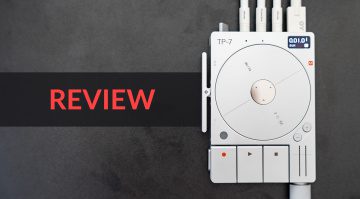
Meanwhile, the recorder within the field system is the TP-7 6-channel multitrack digital recorder with a motorized tape simulation mechanism that provides visual feedback and tactile audio scrubbing. In addition, the TP-7 allows dictation and has an accompanying transcription app, ideal for content creator workflows. Get it at Thomann.*
Portable Studio Gear: Sound Devices MixPre II
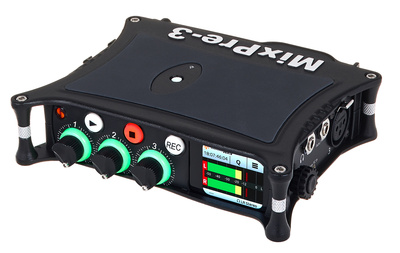
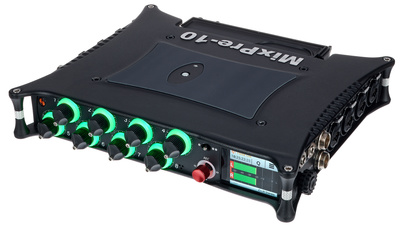
If you’re planning on taking on regular recording projects in the great outdoors, it’s hard to find gear better suited to the task than Sound Devices. The MixPre series is a line of industry-standard location recorders that combine a mixer, multitrack SD recorder, and audio interface into one tanky unit, powered by mains, AA batteries, or USB, which also includes USB power banks and Sony L-Mount batteries.
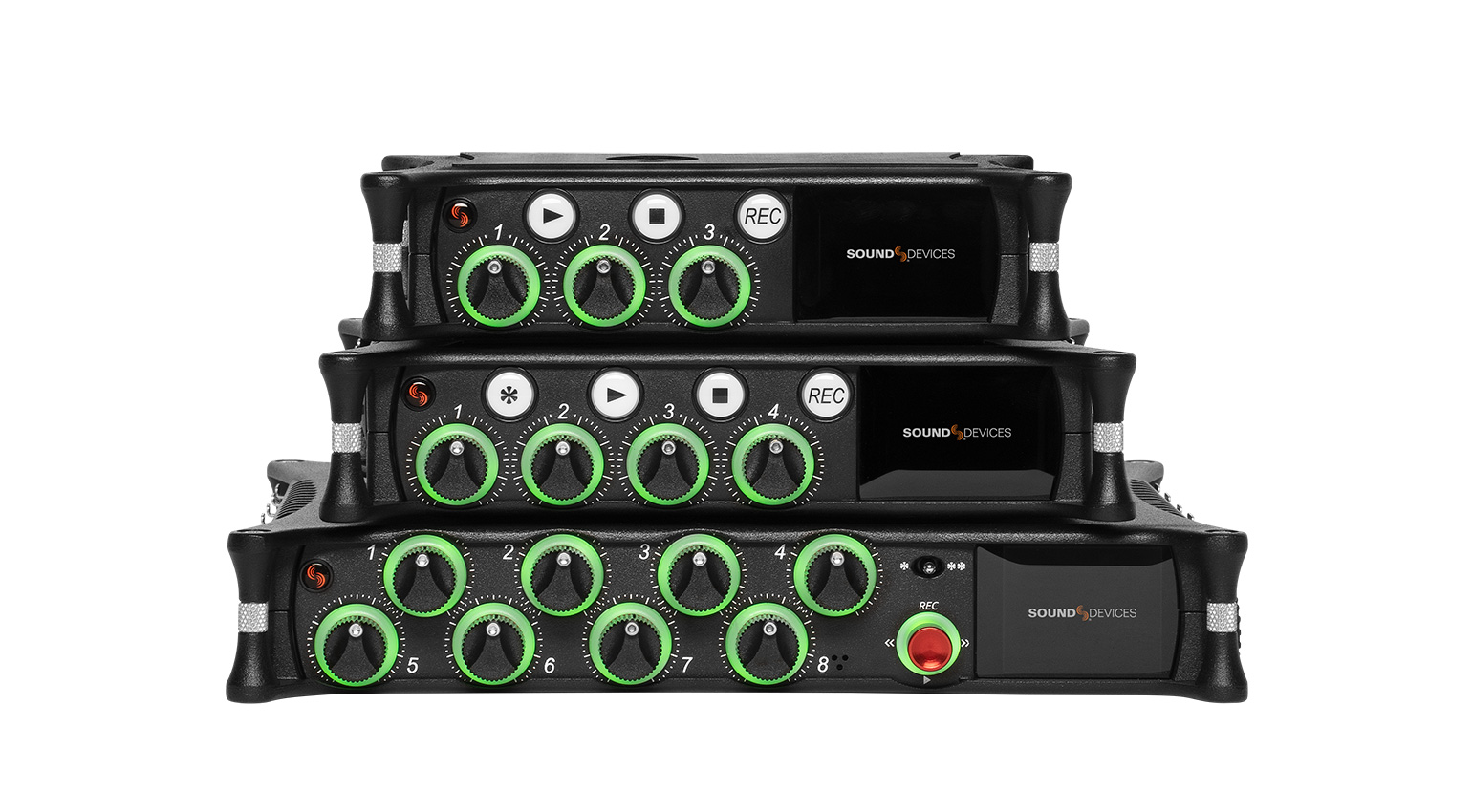
The range starts with the MixPre-3 II, a 5×2 audio interface with 32-bit 192 kHz recording, equipped with three custom-built, ultra-low-noise Kashmir Class-A mic preamps with phantom power and +76 dB of clean gain. Meanwhile, the mixer provides a total of five tracks, including the three preamps and a stereo mix. What’s more, there are adjustable limiters per channel, and it allows up to two instances of the optional Sound Devices NOISEASSIST plugin.
The reason the MixPre series is so popular with the pros is that it integrates seamlessly, mounting onto a camera rig and providing timecode generation and input, as well as recording redundancy. Also, there is remote control via the accompanying Wingman mobile app and the option to expand the MixPre-3 with two extra recording channels with the optional +2 plugin. Get it at Thomann.*


FAQ
- What is considered portable studio gear?
Portable studio gear is a range of travel-friendly equipment designed for mobile use, including audio interfaces, multitrack recorders, headphones, microphones, and studio monitors.
- What equipment do I need in my portable recording studio?
If it’s a DAW-based setup, you’ll need to start with a laptop or tablet, but you can also record with a compact digital mixer or multitrack recorder. For monitoring, you’ll need a pair of headphones, or you can use a pair of portable studio monitors for beat creation.
- Can portable studio gear produce professional-quality recordings?
Yes. Some of the best portable studio gear is already used by professionals for applications like location sound recording. These devices are equipped with studio-grade mic preamps and offer low-latency, high-resolution recording.
- What are the benefits of a portable recording setup?
A portable recording or music production setup allows you to capture sounds or create music in remote outdoor locations, without the immediate need for mains power. Also, the compact size of the devices makes them easy to transport.
- How do I choose the best portable studio gear?
While the size and weight of each device are important considerations, ensuring you have the correct connectivity for your application and workflow is essential, and the build quality should be suitable if you plan on working outdoors regularly.
More about Portable Studio Gear:
*Note: This article about portable studio gear contains promotional links that help us fund our site. Don’t worry: the price for you always stays the same! We will receive a small commission if you buy something through these links. We appreciate your support!

This might also interest you
3 responses to “The Traveling Studio: Portable Studio Gear”

nothing helpful here. just trying to flog more gear.
why no tips on battery powered monitoring for example? it can be done cheaply. if you look into it
The best portable gear still is a reliable, audio only Macbook air or pro, imho.
The Zoom L6 max is amazing, btw, considering the size, features and it is very silent, at least mine, with my setup, is.
You missed the 2 biggest portable devices to come out, the MPC sample and the ableton move. FOH