Techno Legends Use This Gear: Charlotte de Witte — Acid Pressure and Peak-Time Precision
From the Underground to the Main Stage: Discipline and Energy as the Formula

 1,8 / 5,0 |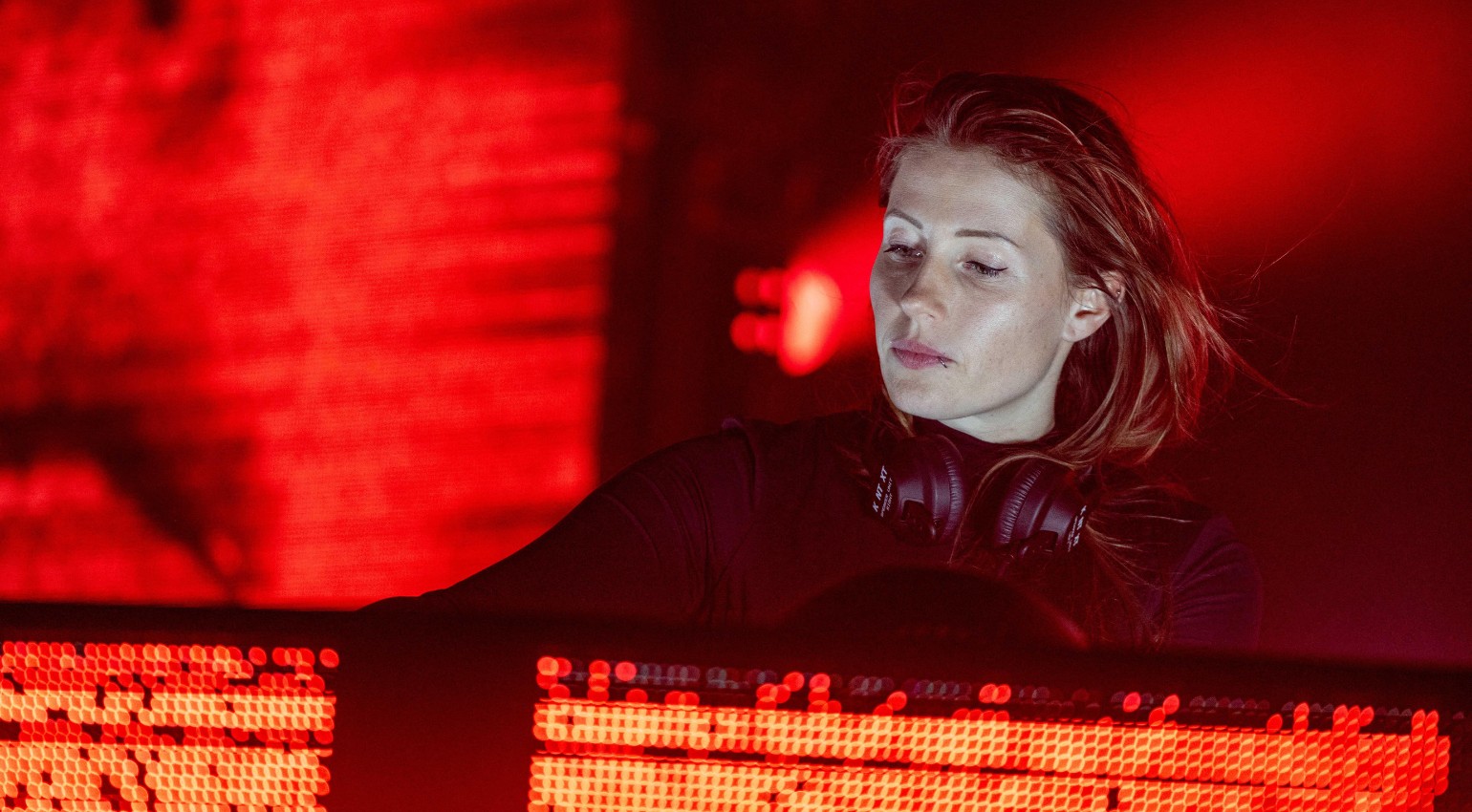
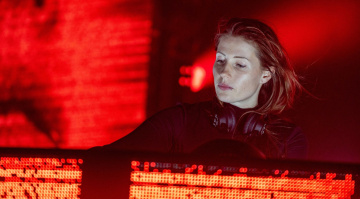
Techno Legends Use This Gear: Charlotte de Witte — Acid Pressure and Peak-Time Precision · Source: ZUMA Press, Inc. / Alamy

Compared to techno pioneers like Jeff Mills, Robert Hood, Surgeon, and Richie Hawtin, Charlotte de Witte represents functional peak-time techno in one of its purest forms. She has already earned her place among modern techno legends. Her sound is minimal, powerful, and uncompromisingly structured. At the core of her setup are two iconic machines: the Roland TR-909, which provides the rhythmic foundation and sharp hi-hats, and the Roland TB-303, which drives tension and forward momentum. For her, these machines are not retro statements but tools for shaping energy and controlling tension. Few elements, clearly defined roles, maximum impact — that’s contemporary techno at its most direct.
Charlotte de Witte – Key Facts
- Charlotte de Witte is currently one of the most successful techno headliners internationally
- Her sound is based on 909 grooves, 303 acid, and minimalist structures
- Minimalism instead of melodic overload
- Hybrid production using hardware and DAW
- DJ performance with clear energy dramaturgy
- Uses effects purposefully, not decoratively
- Acid as a tension module in the festival context
All About Charlotte de Witte
From Belgium to the World Stage — A Biography With a Clear Focus: Forward
Hailing from Ghent, Belgium, Charlotte de Witte was introduced to electronic music at a relatively young age. While many of her peers experimented with different styles, she quickly developed a strong preference for uncompromising techno. Rather than chasing trends, she focused early on a minimalist, dark aesthetic built around a functional groove. That stylistic consistency would later become one of her defining trademarks.
Her international breakthrough did not happen overnight but came through steady club work, carefully chosen releases, radio appearances, and a clearly defined artistic identity. With her label KNTXT, she created a platform that reflects and expands her sound. While other artists adjusted their style as their audiences grew, de Witte stayed true to hers: clear structures, 909-driven foundations, acid elements, and controlled dynamic tension. That discipline made her appealing to major festivals without sacrificing her underground credibility.
Charlotte de Witte has been married to Italian techno producer Enrico Sangiuliano since 2022. The connection between their structured, high-impact techno approaches is evident not only personally but also artistically. Both represent disciplined arrangement, forward momentum, and techno focused on impact rather than excess. Charlotte de Witte has evolved from a Belgian club DJ into a global headliner with a clear direction: moving forward without compromise.
The TR-909: The Foundation of Charlotte de Witte’s Punch and Minimal Clarity
For Charlotte, the 909 kick isn’t just a vintage symbol; it’s a functional tool for the dance floor. The sound remains consistent, clear, and assertive. Offbeat 909 hi-hats, driving 16th-note patterns, and sparse claps define the space without overcrowding the arrangement. That’s her vision of techno, and it continues to resonate with audiences worldwide.
Precision in each individual sound is central to her approach. The kick stays dry and centered, while the rest of the groove moves with controlled dynamics. Layering is rarely used to add complexity; instead, it reinforces pressure and keeps the energy stable.
The 303 DNA — Acid as a Machine for Energy and Groove
The 303 bassline in her tracks functions as a tension driver. Slides and accents add movement without turning into melodic distraction. Cutoff filter sweeps are used sparingly, often stretched over longer passages to create a gradual, controlled build.
Here, acid isn’t a nostalgic reference but a structural tool. The bassline remains rhythmically focused, serving energy rather than harmony.
DJ Setup: Control Over Tension and Release
Charlotte de Witte works primarily as a DJ, not as a traditional live act. At the core of her setup is a standard club configuration with CDJs and a typical DJ mixer. Another key element is the Pioneer RMX-1000 — and potentially the newer AlphaTheta RMX-IGNITE in the future.
This multi-effects unit is used specifically for build-ups, breaks, and moments of rising tension. Isolator rides, short reverb sweeps, and tight snare rolls generate energy without overwhelming the structure. The effects don’t replace the underlying arrangement; instead, they subtly enhance the existing dynamics and reinforce the track’s natural progression.
How to Build Your Own Charlotte de Witte–Style Peak-Time Sound
TR-909 Kick: How Effects and Layering Build Pressure
A Charlotte de Witte–style kick begins with a solid TR-909 foundation. A clean, assertive transient is essential. Add a lightly saturated sub layer underneath to reinforce the low end.
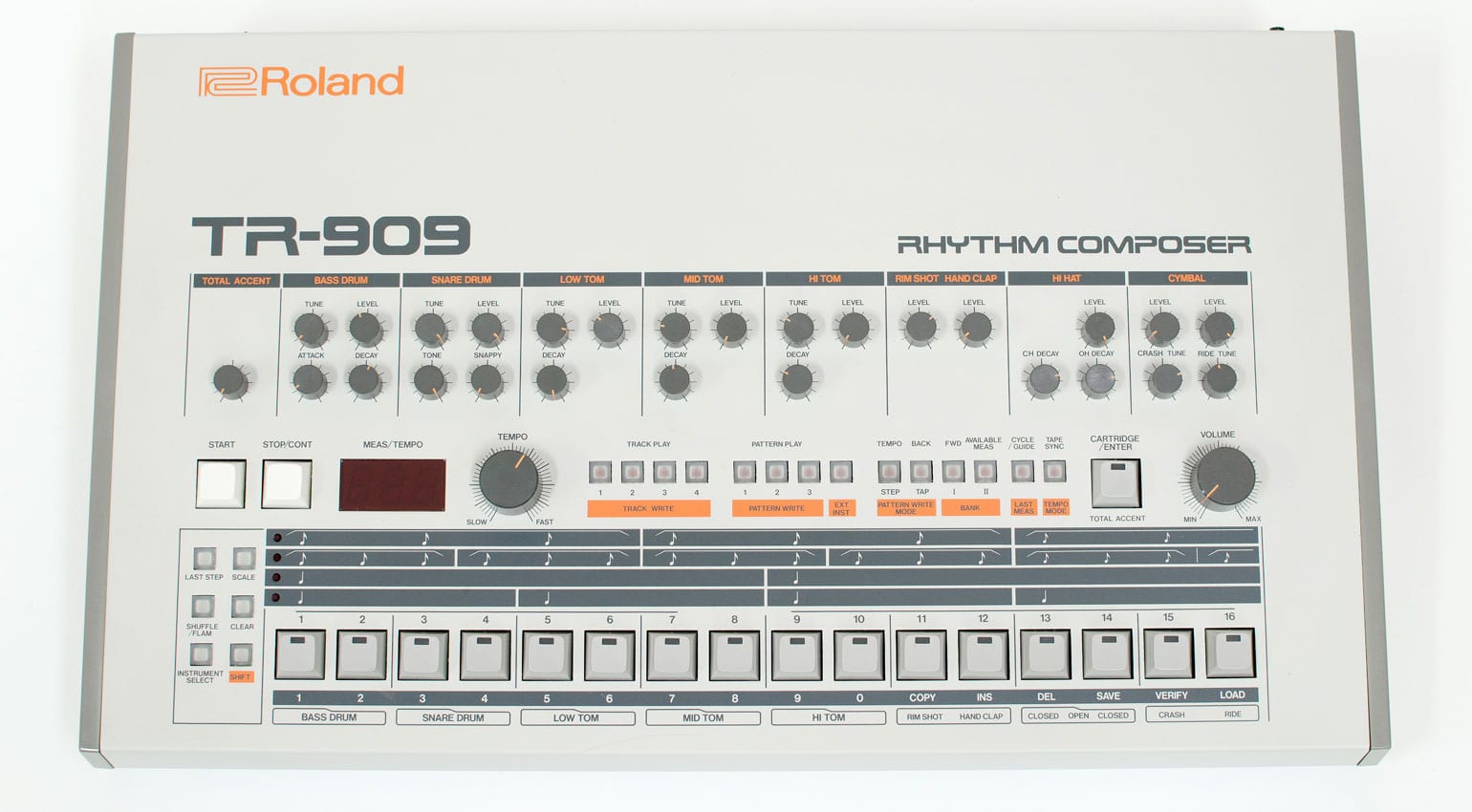
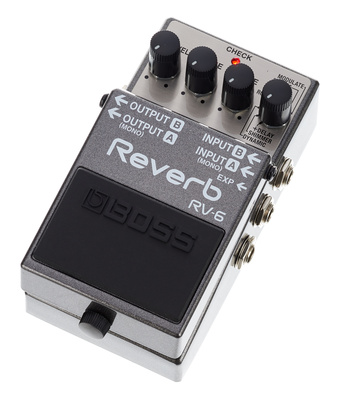
Next, apply subtle saturation or analog-style drive to introduce harmonics and glue the layers together. A very short room reverb on a separate bus can add body without smearing the attack. Use compression with a slightly longer attack time and moderate settings to preserve the transients. The goal is presence and pressure — not sheer loudness.
TB-303 Line: Effects for Controlled Tension
A typical TB-303 line stays rhythmically minimal. Slides and accents are essential, but timing is everything. The filter should run at moderate resonance so the bassline doesn’t become overly sharp. In a club context, it shouldn’t feel artificial or intrusive.
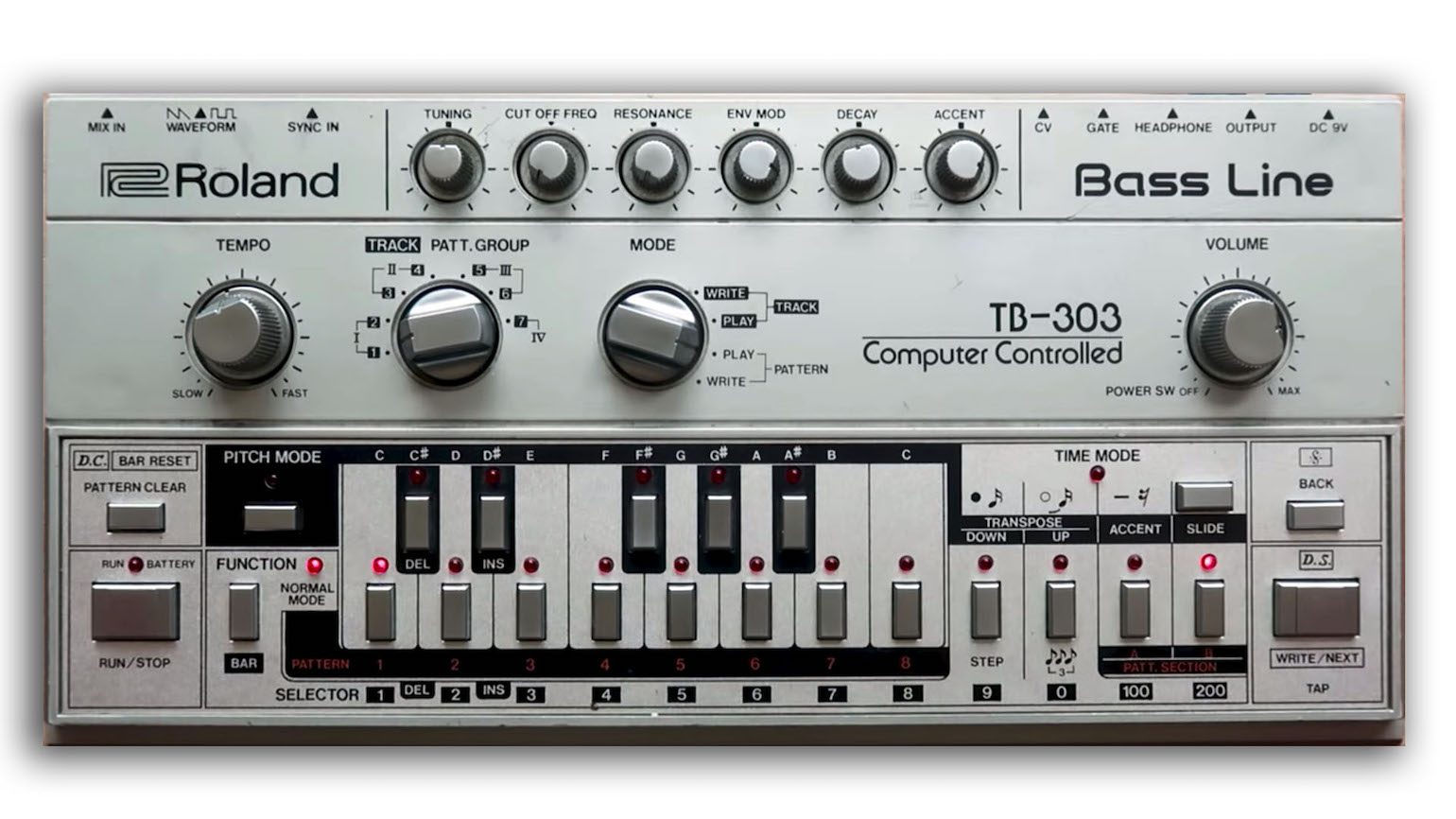
Subtle distortion or saturation is often added to make the 303 sound denser. Again, a touch of analog-style drive works well. A tempo-synced delay with low feedback can introduce gentle movement without cluttering the groove. During a break, slowly opening the filter — possibly combined with light reverb automation — builds tension. Energy comes from controlled intensification, not from adding more notes.
How to Create Your Own Charlotte de Witte–Style Setup
Starter Setup: Functional Acid Techno Made Simple
Goal: Build a stable foundation for peak time with kick, groove, and acid bassline. Focus on structure and energy, not complexity.
Example setup:
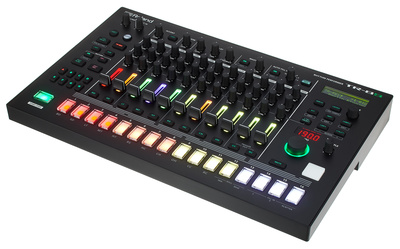
- Roland TR-8S: A modern 909 drum engine with layering capabilities
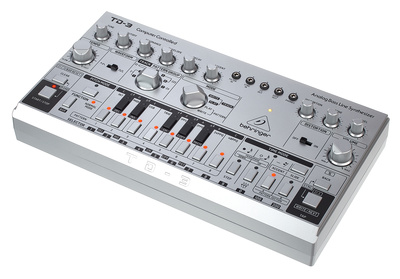
- Behringer TD-3: A 303 clone for classic acid lines
- Ableton Live 12: arrangement, automation, and fine-tuning
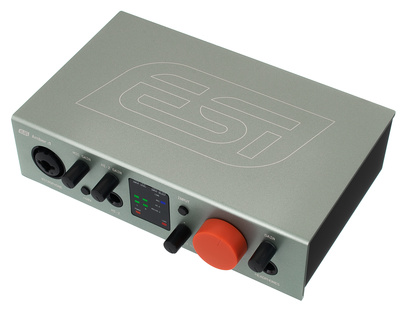
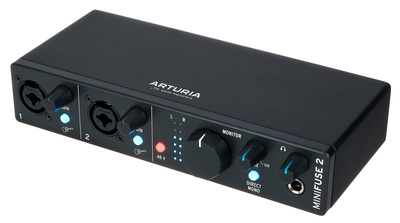
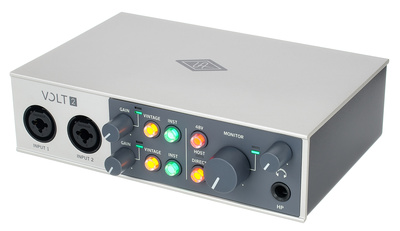
- A small audio interface with at least two inputs
Why it works: The TR-8S delivers that unmistakable 909 pulse with immediate punch. The TD-3 adds the characteristic slide and accent dynamics. Ableton Live 12 handles the overall arrangement, break automation, and subtle effects. This setup stays streamlined while still delivering the precise pressure required for Charlotte’s signature peak-time techno.







Advanced: Precision Control of Pressure and Dynamics
Goal: Shape the kick, acid, and groove more strongly and create depth through saturation and layering.
Sample setup:
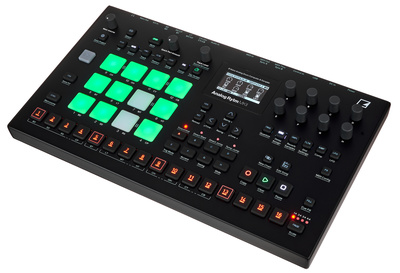
- Roland TR-8S or Elektron Analog Rytm MKII (for more analog coloration)
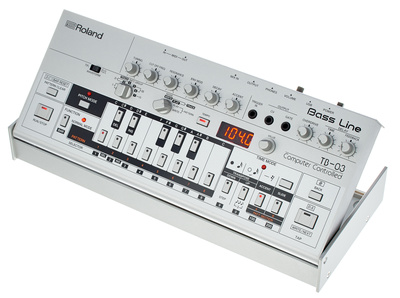
- Roland TB-03 or a real TB-303 (or another clone)
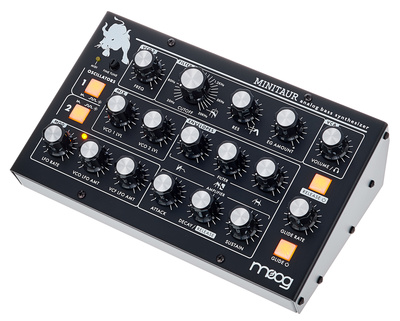
- Moog Minitaur for additional sub-bass layers
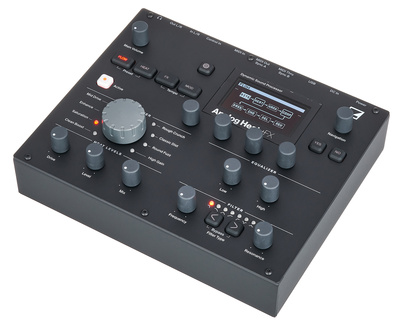
- Elektron Analog Heat +FX for saturation and pressure
- Ableton Live 12 as the hybrid control center
Why it works: The kick can be reinforced here with additional sub layers and subtle analog saturation. The Moog Minitaur adds deep, controlled sub-bass beneath the 909 foundation. The Elektron Analog Heat +FX introduces harmonic saturation and gentle compression without disrupting the groove. The 303 remains a focused tension tool, but with added distortion and controlled filter sweeps, it gains the intensity needed for a festival-scale sound.


Live Performer: DJ Sets With Focused Effects Control
Goal: Control and selectively enhance peak-time dramaturgy in DJ sets.
Example setup:
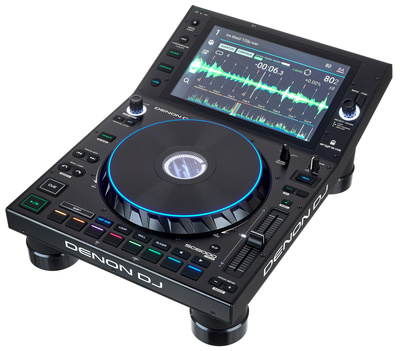
- Standard club setup (e.g., CDJ + DJ mixer).
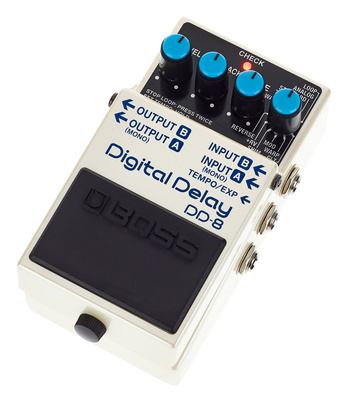
- Pioneer RMX-1000 (or another multi-effects device) for controlled builds
- Optional: External isolator or effects unit
- An iPad with USB integration for your own edits
Why it works: Charlotte de Witte performs as a DJ, not as a traditional live act. She uses an external multi-effects unit specifically for breaks, snare rolls, and controlled reverb builds. Restraint is key. Effects are used to build tension, not to create constant movement or fill every gap. The real energy comes from track selection and precise timing.




How to Produce Peak-Time Techno In the Box
Goal: Not everyone works with hardware. This style can be implemented entirely on a computer. Recreate the DNA of the 909 and 303 in a modern, flexible way within the DAW.
Sample setup:
- Ableton Live 12
- 909 sample pack or drum rack
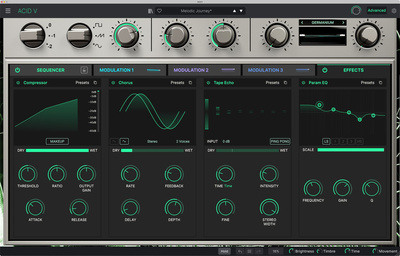
- ABL3 (AudioRealism Bass Line 3) or Arturia Acid V for the 303 sound
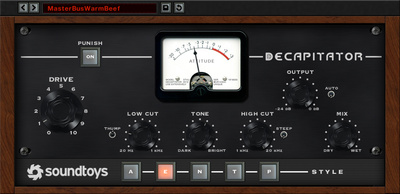
- Saturation plugin (e.g., Soundtoys Decapitator or Ableton Roar)
- Ableton Live’s Glue Compressor for the kick/bass bus
- Valhalla Room or Valhalla Plate for break reverb
Why it works: A tightly programmed 909 kick, lightly saturated and subtly compressed, lays the foundation. A 303 emulation with moderate drive and controlled filter automation adds movement. Reduction in the arrangement is key: just a few clearly defined elements, each with its own space. Even inside the DAW, pressure comes from structure, not from stacking layers.

Conclusion: How Reduction and Minimalism Create Energy
Charlotte de Witte shows that techno can remain minimal even on massive festival stages. The 909 and 303 are used as functional tools, not decorative elements. Every sound serves a clearly defined role.
Her success isn’t built on complexity, but on discipline. Structure, control, and precise dynamic tension shape a sound that feels physical without becoming overloaded. Here, peak time comes from clarity — not sheer density.
FAQ: Charlotte de Witte and Her Production Approach
Who is Charlotte de Witte?
She is a Belgian techno DJ and producer with international headliner status. Her sound is characterized by reduced, functional peak-time techno.
What role do the 909 and 303 play in her sound?
The 909 provides the rhythmic foundation, and the 303 creates controlled tension. Both machines fulfill clear dramaturgical tasks.
Does she work with hardware or a DAW?
Her studio is hybrid. Hardware provides character, and the DAW structures and automates.
Why does her sound seem minimalistic?
Because she deliberately focuses on a few clearly defined elements. Reduction increases assertiveness.
How does she use multi-effects devices in her DJ set?
She uses them specifically for builds and transitions. They increase the energy without replacing the structure of the tracks.
Charlotte de Witte uses machines as precise tools for controlling energy. The 909 and 303 provide structure while the effects bundle tension. Here, technology is not an end in itself, but rather a means to achieve clear dramaturgy. Techno remains minimal — and that’s precisely why it has a maximum impact.
More Information
- Techno Legends Use This Gear: Surgeon – Techno as a Live Patch
- Techno Legends Use This Gear: Robert Hood and the Discipline of the TR-909
- Techno Legends Use This Gear: Richie Hawtin aka Plastikman
- Techno Legends Use This Gear: Jeff Mills and His Roland TR-909
- Eurorack in Techno 2026: Why Does a Modular System Belong in a Modern Techno Setup?
- Drum Machines for Techno 2026: Punch, Workflow, and Character
- Techno Beats in Ableton Live Made Easy!
- The Best Synths for Techno Productions in 2025: Powerful, Flexible and Creative
- Producing Techno with Minimal Gear: These 3 Products are a Perfect Match
- Techno Rumble in Ableton Live – Made Easy!
*Note: This article contains affiliate links that help us finance our site. Don’t worry: the price for you remains the same! If you buy something through these links, we receive a small commission. Thank you for your support!

This might also interest you
3 responses to “Techno Legends Use This Gear: Charlotte de Witte — Acid Pressure and Peak-Time Precision”

Thats a lot of fancy talk, about someone who doesn’t make her own music. Doesn’t own a TR-909 or TB-303 and is a marketing product. So how much did she paid for the flattering advertorial?
Go at Sabam repertoire, type her name in and you can find the ghostproducer that made a bunch of her tracks. Keep inventing history that doesn’t exist.
She should be challenged in a live broadcast to make a techno or whatever 303 track vs an old skool producer from 30-35 years ago on whatever equipment. That will never happen and we all know why. Robertson will not be available that day…