Is The Humanity of Instruments Under Threat from AI?

 5,0 / 5,0 |

The surge in vibe-coded instrument plugins has been overwhelming, but do we risk losing the most important feature, humanity?
It’s been an interesting few weeks in the music technology world, and on a personal level, too. Over the last month or so, we have seen a huge wave of instrument plugins, 3rd party firmwares, and enhanced hardware firmware being released, all powered by AI tools of one sort or another. Just this week, I was at a conference, laid on by a software developer whose tools I use for my work outside of music tech journalism, and the whole event was dominated by the introduction of AI-powered enhancements to their offering.
Humanity vs AI
Humanity Vs Economy
The whole thing left me feeling deeply conflicted because, on the one hand, many of these enhancements deliver incredible advances and will undoubtedly have a positive impact on both the work of creators and that of end users. On the other hand, it will reduce or eliminate creative roles and further increase the barriers to entry into certain creative fields of endeavour.
I realise that we are still in the very early days of understanding what these technologies will do for us and for the wider society we live in, and we are bombarded with the pros and cons from all sides, something I’m not looking to do here, specifically. With every new wave of AI-powered marvels comes a counterpunch of warnings and forebodings about its overall impact on humanity in the long term.
For every “This will save us time, money and effort”, we also hear, “This signals the end of humanity and ushers in our impending doom at the hands of machines!” It’s an inevitable discourse, and something we have seen before, many times over. Cast your minds back, if you will, to 1980, when a certain musical machine from Australia was catching everyone’s attention for its ability to recreate any sound imaginable from its powerful computer brain.
Have We Been Here Before?
The Fairlight CMI had people jumping for joy and quaking in fear in equal measure. On one side, there were people like Peter Gabriel who saw its potential in being able to create new sounds that nobody else had ever made before. On the other side were swathes of producers who saw its ability for mimicry and how it could replace expensive things like orchestras. The Musicians’ Union here in the U.K. was most vocal about their fear that the Fairlight could cost many of its members their jobs.
But here we are in 2026, and samplers are now so ingrained in our creative worlds that we barely pay them any scrutiny, and orchestras still exist and are as relevant as they always have been. We worked it out. We saw a threat, figured out the best way to use it and deal with it, and we are all the better for it. So does the same apply to AI? Will we figure it out, make sense of it, understand how to use it for the greater good and eventually accept it to the point where we can’t remember life without it?
Humanity in Every Aspect of Instrument Design & Use
Right now, though, we are in the midst of that discovery process, and many people are incredibly vocal on both sides of the debate. It’s an essential debate because it will help form our adoption, use and acceptance of this burgeoning technology. My biggest fear is that we may risk losing the humanity that is baked into all instruments up to this point. Musical instruments are very much a human thing.
They are designed to be played by humans and to make music to be listened to by humans. But where is the humanity in something that was, to all intents and purposes, built by some AI system that lacks the true, human understanding of what it means to play music and be moved by that music?
Moreover, until this moment in time, these instruments are conceived of, designed for and supported by a collective of humans, all of whom have a rich, lived experience in all aspects of the instrument process. Instruments have, for the most part, been designed to offer new ways of human expression, new ways of triggering emotions in listeners, and these are things that, currently anyway, are simply not understood by an AI. As users, we appreciate the humanity in instrument design, whether it is the sound it makes or the user interface that enables us to emote and express in our own unique ways.
We’re Not There Yet
Looking through the recent glut of AI-built instruments, there are some very common themes. For a start, the UI design in many is distinctly lacking and, in many cases, incredibly similar. That’s to be expected because the tools being used are pretty much the same, and the driver behind making many of these AI instruments is to deliver the sound of something that may have gone before.
It seems these developers simply want to get their favourite synth out there before anyone else, and as long as they’re first, that’s all that matters. And whilst it is impressive how quickly they churn this stuff out, and how close to the real deal these things sound, actually using these things as instruments is incredibly uninspiring and I often end up just preset surfing.
There are a few plugins out there that definitely ARE paying attention to UI and UX design, and I feel these are the ones we need to watch and encourage. But of course, if these instruments are open-source, we are sure to see some clever folk take the time to craft a better interface. But there will almost always be a disconnect between these disparate developers.

Connection
That lack of connection between developers is something that we may well come to miss if things carry on this way. When a software company sets out to make an instrument plugin, it is a team of people, large or small, with a shared vision and common goals. Coders, tech support, marketing, R&D and other departments are all singing from the same hymn sheet.
This connection and shared vision is hugely important to instrument design, especially in software. Who is going to support your open-source plugin when the original developer moves on or loses interest? Just look at SQ8L, something I covered earlier this week. The original developer, for reasons unknown to me, stopped developing it a long time ago.
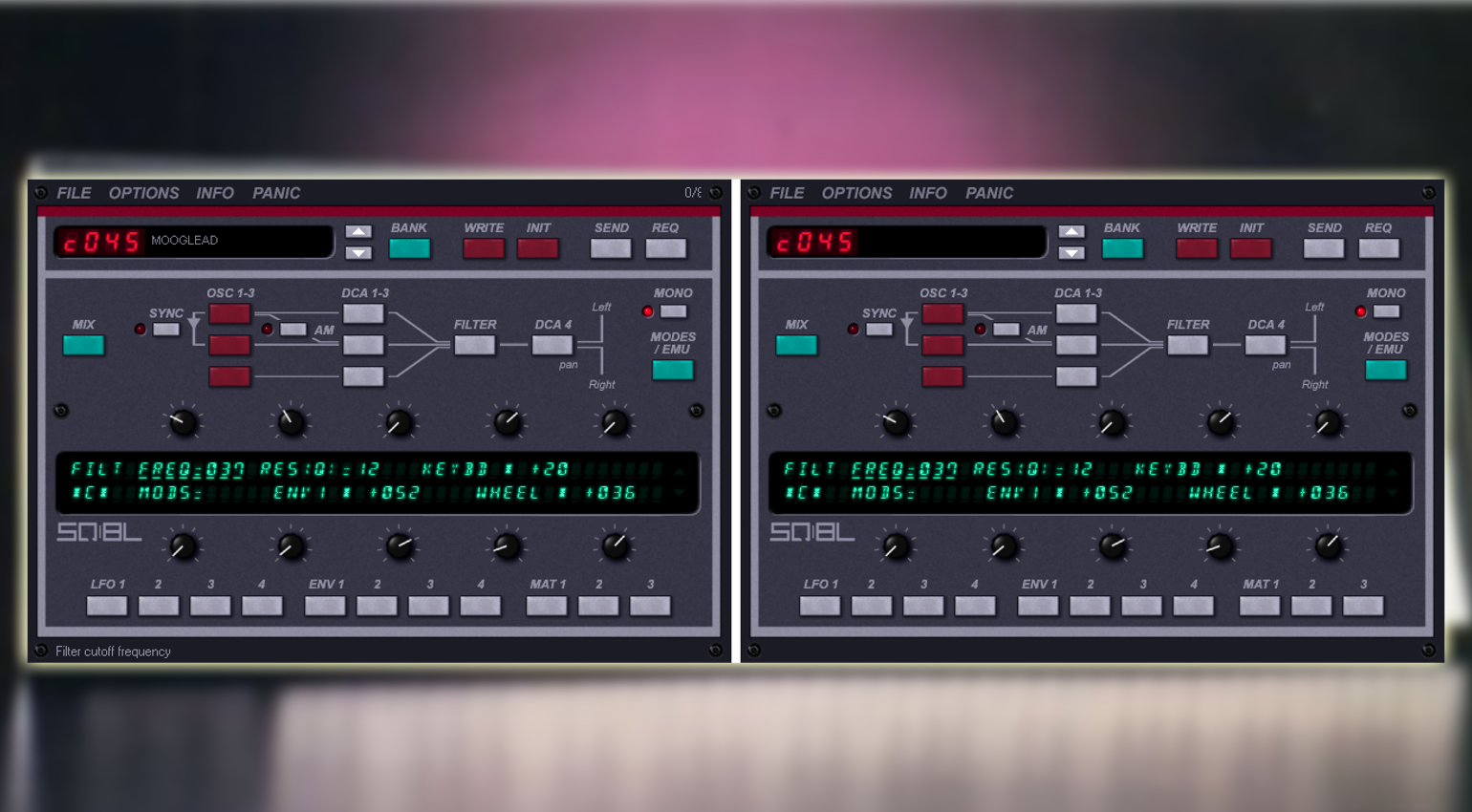
But it was only the other week that someone finally managed to bring it back to life after all these years for all of the users who were no longer able to access it. And what about the whole legal aspect? There are vibe-coded plugins now of instruments that are either still in production or whose developers are still in business to this day. Where will they stand in all of this? Are they preparing legal action, or are they happy for these things to happen?
What Next?
So what happens now? That’s the big question that nobody and everybody has the answer to. It is impossible to tell, but what we can do is help shape that outcome by not sticking our heads in the sand, engaging constructively with developers and designers and ensuring that humanity isn’t written out of the equation. Music, like any other art form, is the very expression of humanity, and I’m sure we won’t lose that as long as humanity prevails.
Everything I’ve said here is just a manifestation of how I feel about these things now, and those feelings and views will undoubtedly change as we move along on this journey. I’d love to know your thoughts in the comments below, and as the topic of AI can sometimes be controversial and contentious, please keep those comments constructive and respectful!


This might also interest you