The “Master of Puppets” Guitar Tone: How to Sound Like Metallica with Plugins, Budget Gear, or Studio Equipment
Hetfield, Hammett, and you!

 2,3 / 5,0 |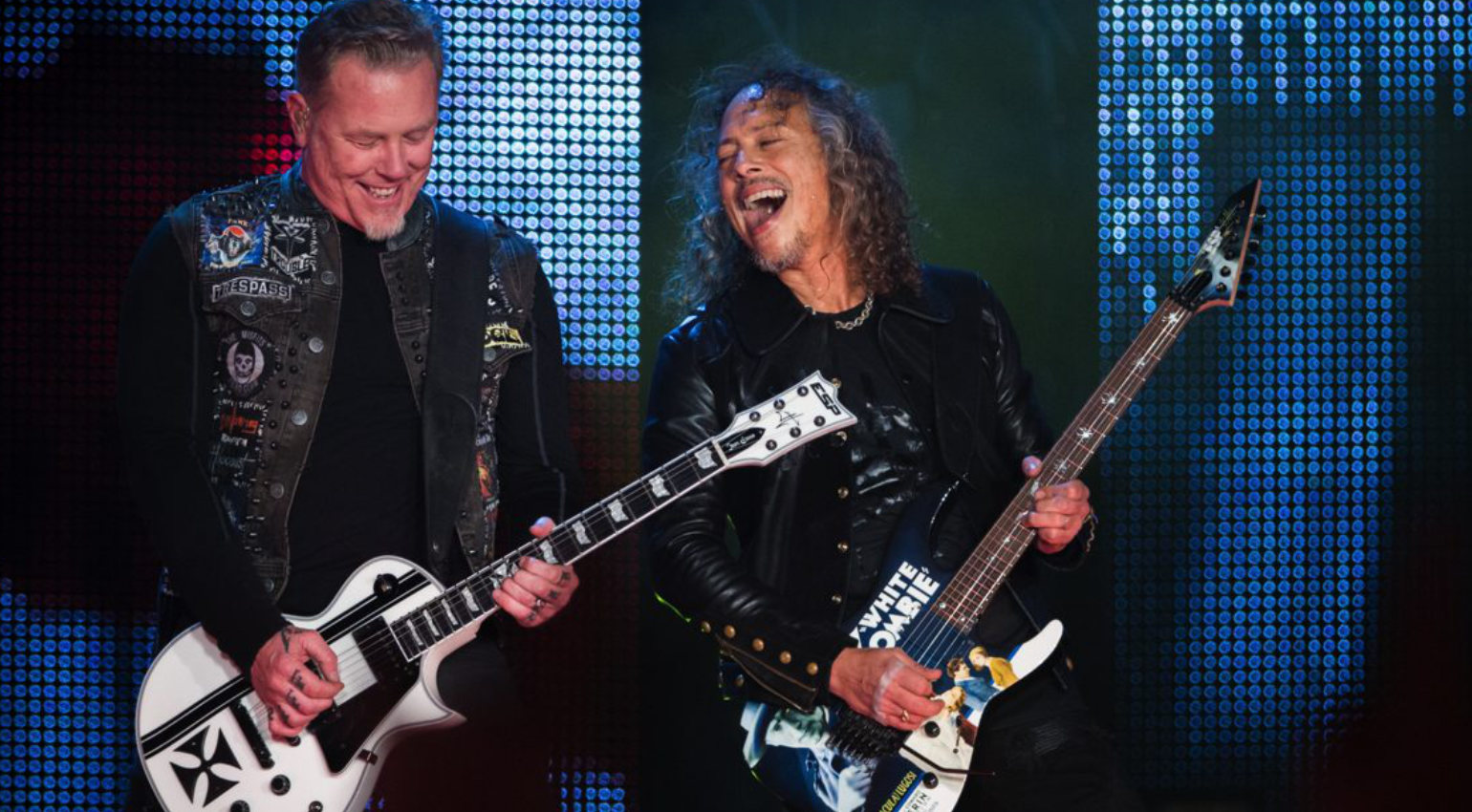
The “Master of Puppets” Guitar Tone: How to Sound Like Metallica with Plugins, Budget Gear, or Studio Equipment · Source: Shutterstock / Author: Sterling Munksgard

How do you achieve the “Master of Puppets” guitar tone? What gear did Metallica use to record one of their most popular songs? Which plugins, what budget gear, or expensive studio equipment do you need to sound like James Hetfield and Kirk Hammett during their early thrash era? Read on to find out!
How to Sound Like Metallica:
The Making of “Master of Puppets”
In 1985, Metallica found themselves at a crossroads. The San Francisco-based band had some respect in the metal scene with their first two albums, “Kill ’em All” and “Ride the Lightning”, but most thrash metal fans didn’t take the band all that seriously at that point. That name?
While “Ride the Lightning” did showcase a few flashes of brilliant songwriting that suggested the band was capable of more, they needed more songs that demonstrated this. The band also needed a more uncompromising attitude when it came to their musical direction. James Hetfield, Kirk Hammett, Cliff Burton (RIP) and Lars Ulrich achieved exactly that on Master of Puppets.
The material was written over five months, and then recorded in Copenhagen with Flemming Rasmussen as producer in just eight weeks. It was clear early on that the song “Master of Puppets” would be the title track. This monster of a song, over eight minutes long, perfectly captured the dazzling creativity and dark paranoia that ran through the entire album.
With the “puppet master” serving as a symbol of social criticism, but also as a metaphor of the heroin addiction rampant in San Francisco at the time, Hetfield and the rest of the band created a dark epic that is still considered one of the band’s best songs to this day. And for quite a few people searching for Metallica’s guitar tone, the “Master of Puppets” guitar tone is where they begin.
Master of Puppets Guitar Tone: The Gear Used on “Master of Puppets”
If we are to believe this 2016 report by Henry Yates from our colleagues at MusicRadar, when it comes to “guitar tone,” as is so often the case in this series, we end up focusing primarily on the amps. Hammett and, above all, Hetfield weren’t exactly fans of pedals at that time. Metallica’s guitar tone came from their fingers and their amplifiers.
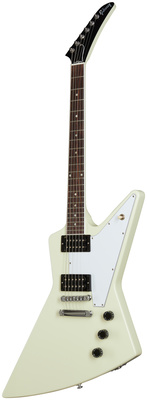
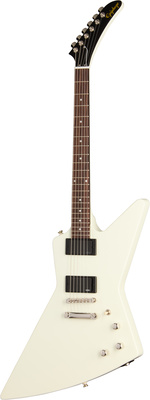
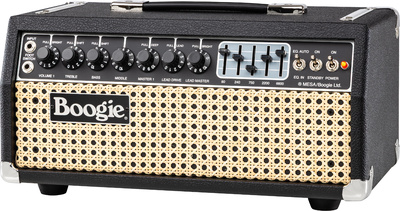
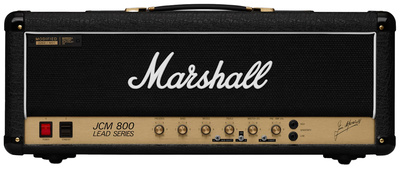
During the recording sessions, Hetfield is said to have played his white Gibson Explorer primarily through a special amp hybrid: a Mesa/Boogie Mark II C+ converted into a preamp and a 100-watt Marshall power amp driven through 4×12 cabinets.
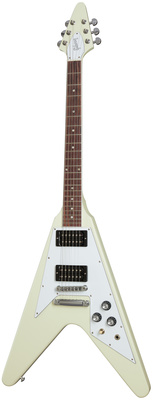
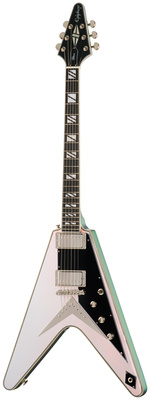
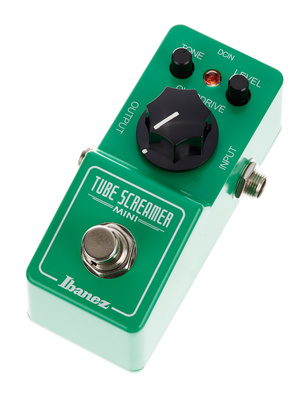
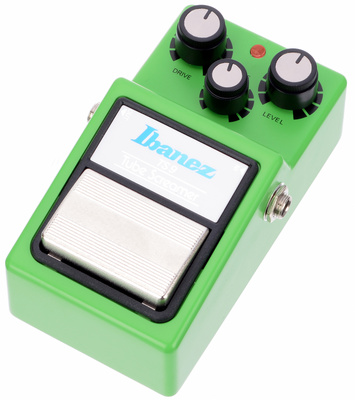
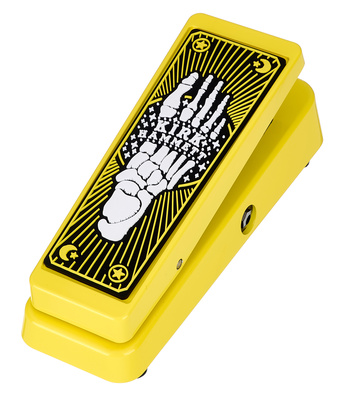
Hammett wasn’t quite as averse to pedals; on “Master of Puppets,” he used a Cry Baby and a Tube Screamer through the same amp setup. As for guitars, Kirk is said to have played a ’74 or ’78 Gibson Flying V at times, and a Fernandes Strat with a Floyd Rose bridge at other times.



The “Master of Puppets” Guitar Tone with Plugins
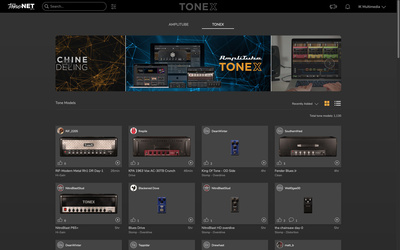
Assuming you own a guitar, cables, a DAW, and an audio interface already, there are several options here. Unsurprisingly, you’ll find plenty of Metallica amp combinations on Tone3000 for NAM captures. That would be a free option, though it gets a bit more complicated if you also want to recreate Hammett’s solo sound, including his pedals. After all, it’s in the nature of NAM captures that only one specific setting was profiled here.
For a bit more flexibility, you can use, for example, a combination of the Softube Amp Room* and Neural DSP’s Mesa Boogie Mark IIC+ Suite. There’s also the “Kirk & James Pack” for IK Multimedia ToneX from a third-party provider, which includes four different versions of the “Master of Puppets” guitar tone as captures.

The “Master of Puppets” Guitar Tone with Budget Gear
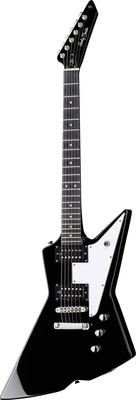
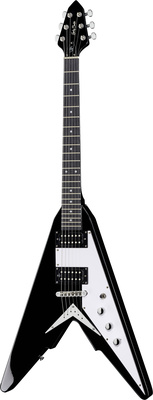
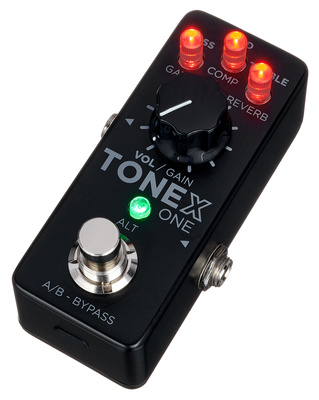
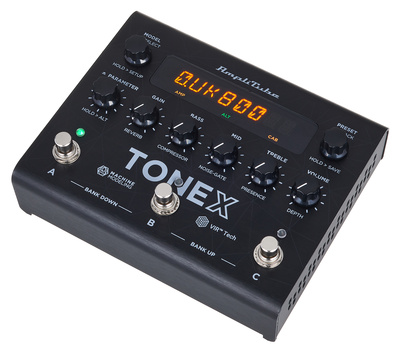
Even a legendary metal guitar tone like this doesn’t have to be expensive! There are very affordable beginner guitars that come very close to the ’80s metal axes mentioned above, and there are also quite a few affordable options for amps and pedals. For example, you can load the ToneX presets mentioned above into the ToneX pedal* or ToneX One just as easily.
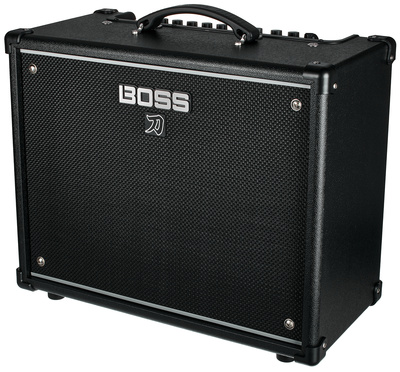
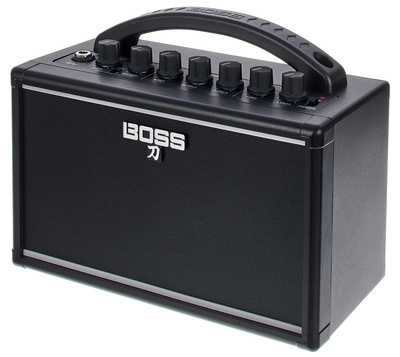
It’s also worth checking out the preset communities for amp series like the Boss Katana. There are dedicated “Master of Puppets” presets available for download, so even an affordable Katana model* will do the trick. As for the Tube Screamer and Cry Baby, there are mini versions* available that, even at affordable prices*, come close to Kirk’s solo sound.



Studio Gear for the “Master of Puppets” Guitar Tone
If you want to go all out and really splurge on the “Master of Puppets” guitar tone, there are, of course, a few top-notch options besides the guitars mentioned at the beginning. First and foremost, there’s the recent reissue* of the Mesa Boogie Mark IIC+, paired with a Marshall JCM 800*.
As for the Tube Screamer and Cry Baby, it’s not exactly clear which models Hammett played. But for 1985, let’s assume he used a TS9* for the TS, and for the Cry Baby, let’s go with Hammett’s Signature model*.



Conclusion
After Deep Purple, this episode on Metallica’s guitar sound was the second to focus on a classic sound rather than a modern guitar tone. How do you achieve the “Master of Puppets” guitar tone? Which amps, guitars, and pedals do you use to recreate the tone of Hetfield and Hammett?
Let us know in the comments!
*Disclaimer: This post contains affiliate links and/or widgets. When you buy a product via our affiliate partner, we receive a small commission that helps support what we do. Don’t worry, you pay the same price. Thanks for your support!

This might also interest you