How to Get the Deep Purple Guitar Tone: “Smoke on the Water” with Plugins, a Budget Setup, or Studio Gear
Sound like Richie Blackmore!

 3,7 / 5,0 |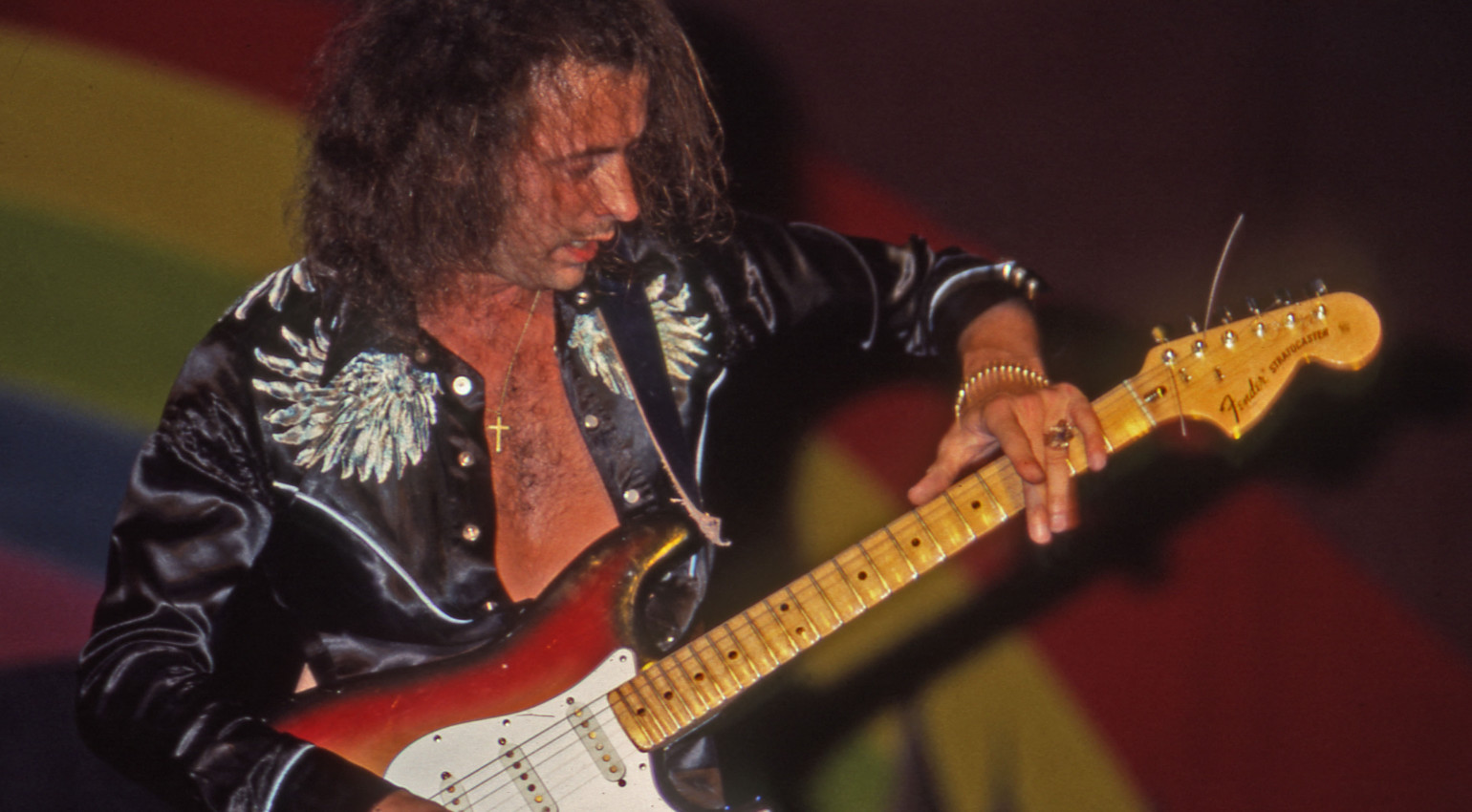
How to Get the Deep Purple Guitar Tone: “Smoke on the Water” with Plugins, a Budget Setup, or Studio Gear · Source: Pictorial Press Ltd / Alamy

We already looked at ways to achieve the guitar tones of The Strokes, Red Hot Chili Peppers, Billy Talent, and other contemporary bands. Now it’s time for an absolute classic: the Deep Purple guitar tone. For almost anyone learning to play the electric guitar, the riff from “Smoke on the Water” is one of the first. But what does it take to get closer to Ritchie Blackmore’s tone?
Richie Blackmore’s Guitar Tone:
The Making of “Smoke on the Water”
It’s a story as old as time we hear about those classic songs: At the end of a (very chaotic) album production, you don’t have enough songs: There’s still one track missing to fill up the vinyl. And then someone in the band remembers some jam from a soundcheck. And that becomes the biggest hit in the band’s history. That’s exactly what happened with “Smoke on the Water.”
Regarding the iconic riff, Deep Purple’s guitarist Ritchie Blackmore openly admits in interviews that he might actually owe Beethoven royalties. That’s because the riff is essentially just his attempt to play the 5th Symphony backwards. The jump in fourths gives it that medieval feel.
Lyrically, “Smoke on the Water” deals with the chaotic backstory behind the production of “Machine Head,” Deep Purple’s most successful album. The recording was actually supposed to take place in a former casino in Montreux. Just before it closed down, Frank Zappa played a concert there, at the end of which a member of the audience fired a flare into the straw-covered roof.
The casino, along with Deep Purple’s equipment that had already been stored there, burned down to the ground. Thankfully, no one was injured. Bassist Roger Glover came up with the song title in a dream because the band could see the rising smoke from the fire across Lake Geneva. Overall, the lyrics are an almost diary-like retelling of that fateful evening.
The Deep Purple Guitar Tone: Richie Blackmore’s Gear
After the fire, a frantic search began for a new recording location in Montreux. The Rolling Stones’ legendary mobile studio was already in town, so looking for another location close by seemed like the obvious choice. An attempt to record at the vacant Pavillon Theater failed due to the sheer volume of the amps being far too high and the resulting complaints from residents. Before they moved on, part of “Smoke on the Water” was recorded there.
According to the band, the master take of “Smoke on the Water” was recorded under dramatic circumstances. While the band was still recording a live take in the pavilion, their roadies had held shut the theater’s entrance doors with all their might to prevent the police, who had just arrived, from entering. Deep Purple barely managed to record two takes of the song, and the second one is what you hear on “Machine Head.”
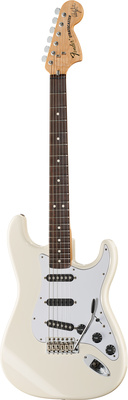
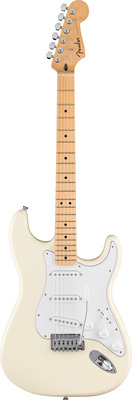
Ritchie Blackmore has always been a die-hard Stratocaster player, and his fingers that guitar are the very essence of the Deep Purple guitar tone. Richie played his black 1968 Strat during the recording of “Smoke on the Water,” plugging it through a Hornby Skewes Treble Booster into a modified Marshall Major (with a staggering 280 watts!).


Achieving the Deep Purple Guitar Tone with Plugins
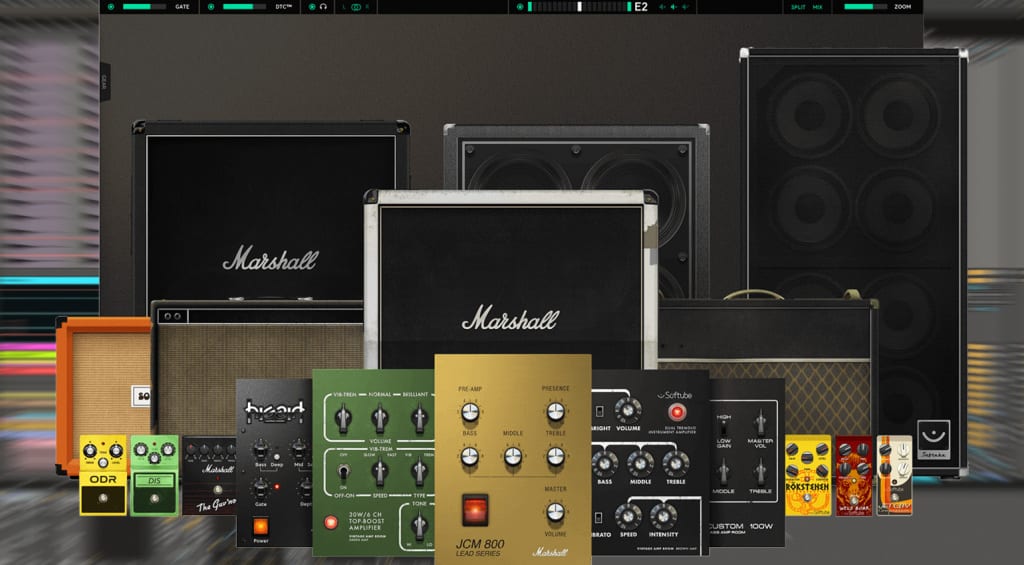
Assuming you already own a guitar (ideally a Stratocaster with single-coil pickups) as well as the necessary recording equipment (cables, an audio interface, and a DAW) there are a couple of ways to achieve the Deep Purple guitar tone. If you’re familiar with the world of the free guitar software NAM, you’ll find a matching profile here that should get you very close to Blackmore’s sound.
If you’re looking for a little more convenience, less trial and error, and faster results, you’ll find what you’re looking for in paid plugins. If you own an Apollo from Universal Audio, you can try the Marshall Plexi Super Lead 1959. It’s an exceptionally well-designed virtual vintage amp. Softube also offers a solution with the same name and similarly high quality.
The Deep Purple Guitar Tone with Beginner Gear
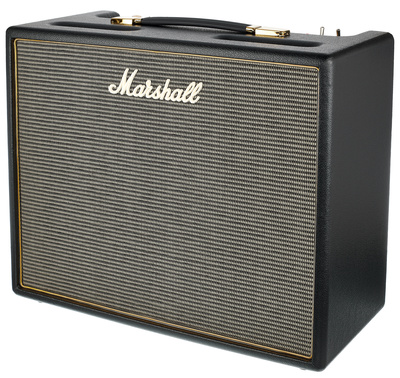
You can easily achieve the Deep Purple guitar tone even with very affordable equipment. If you’re looking for an amp, it’s worth checking out the Marshall Origin Series*. In terms of sound, it’s inspired by the time-honored Plexi series, so it’s a great starting point.
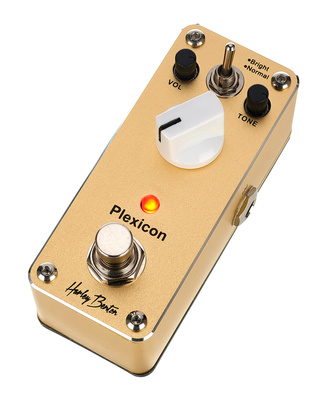
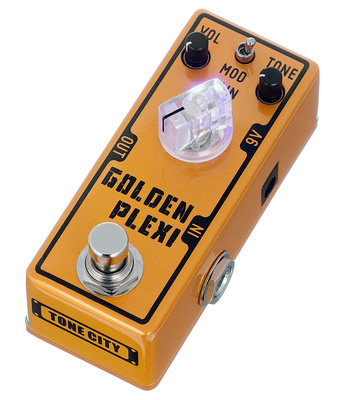
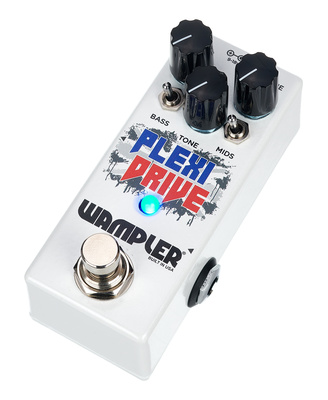
If you want to dip your toes into the world of Plexi amps and vintage Marshall sounds, you’ll find affordable entry-level pedals from Harley Benton*, Tone City*, and Wampler*. Paired with a single-coil Stratocaster, these can get you pretty close to the Deep Purple guitar tone (with some practice, of course!).




High-End Studio Gear for the Deep Purple Guitar Tone
Of course, the very first thing that comes to mind when researching the Deep Purple guitar tone is Ritchie Blackmore’s signature amp (see above). When it comes to the 280-watt monster that is Blackmore’s Marshall Major, there are a few options (aside from the exorbitant prices on the second-hand market!).
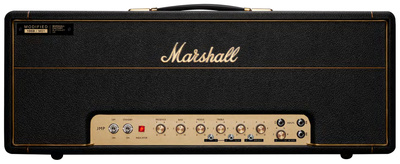
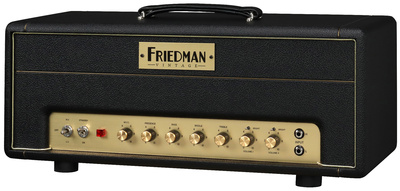
For instance, Marshall has the Marshall 1959 Modified, an amp that comes very close to the Plexi sound. And if 100 watts aren’t enough for you and you have the budget, just buy three and turn the third one up to 80%. Premium amp manufacturer Friedman also offers the Plex Head, a model that should deliver Blackmore’s signature tone in spades.

Conclusion
Sounding like Ritchie Blackmore: it’s a dream shared by many players, not just beginners. And with these tips, you have a starting point for getting closer to the Deep Purple guitar tone.
But now it’s your turn: What gear and plugins have you already used to try to sound like Ritchie Blackmore? Let us know in the comments!
*Disclaimer: This post contains affiliate links and/or widgets. When you buy a product via our affiliate partner, we receive a small commission that helps support what we do. Don’t worry, you pay the same price. Thanks for your support!

This might also interest you

One response to “How to Get the Deep Purple Guitar Tone: “Smoke on the Water” with Plugins, a Budget Setup, or Studio Gear”

Blackmore used an amp that Jim Marshall made personally for him that was basically a Vox AC 30 beefed up inside a Marshall case.