The Can’t Stop Guitar Tone: Sound Like John Frusciante Using Plugins, a Budget Setup, or Studio Gear
What gear do you need to sound like John Frusciante?

 1,0 / 5,0 |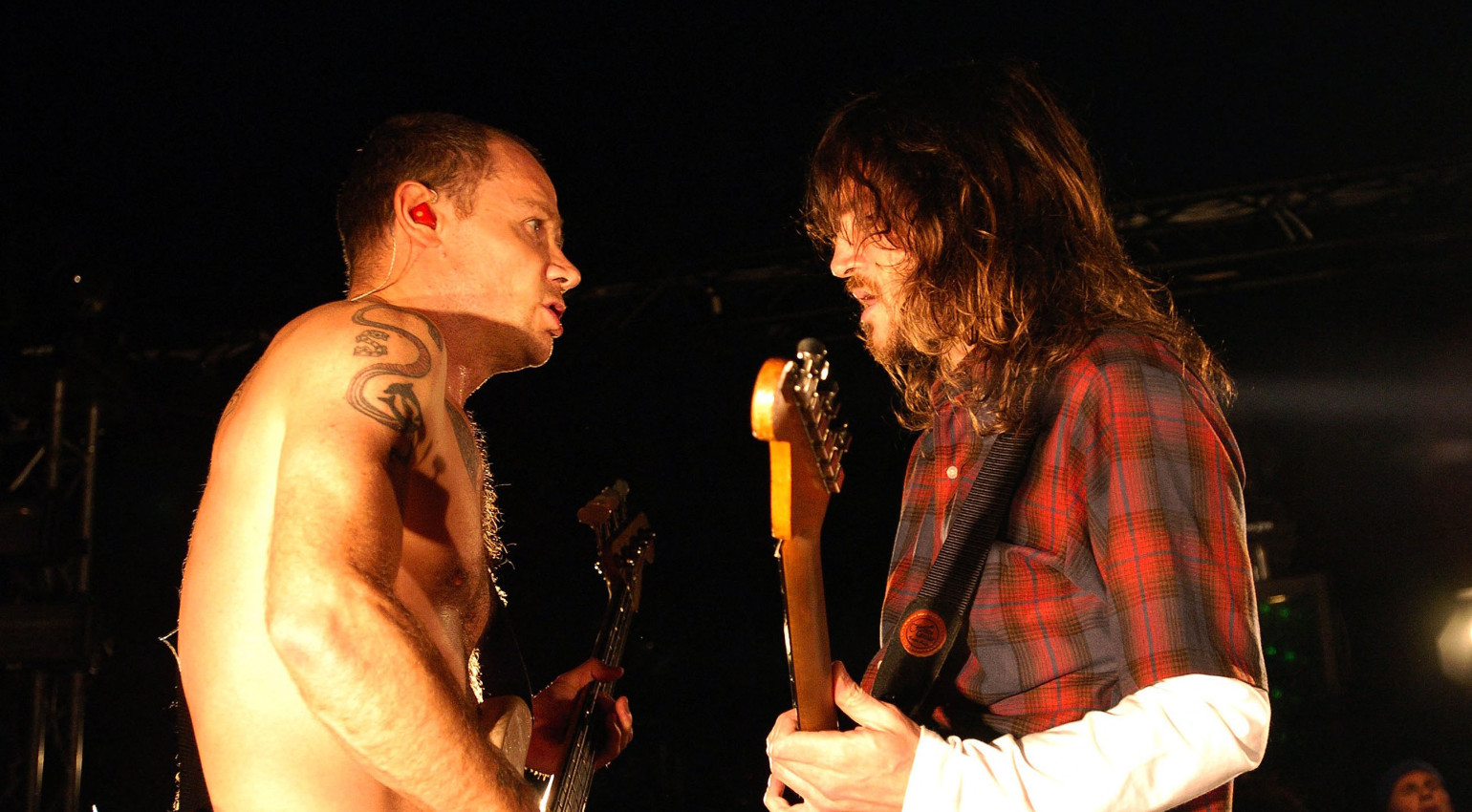
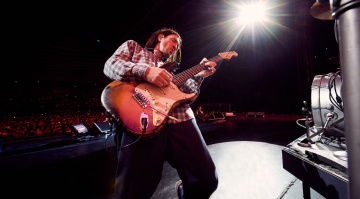
The Can't Stop Guitar Tone: Sound Like John Frusciante Using Plugins, a Budget Setup, or Studio Gear · Source: Allstar Picture Library Ltd / Alamy

How was the Can’t Stop guitar tone achieved? What gear did John Frusciante, guitarist for the Red Hot Chili Peppers, use when recording one of the band’s biggest hits? And how can you get that sound using plugins, entry-level gear, or expensive studio equipment? Following Billy Talent, Soundgarden, and System of a Down, here’s our latest episode!
The Can’t Stop Guitar Tone
How Can’t Stop Was Written
There you are, having created an album (Californication) that has catapulted your career into cosmic realms that seemed a distant dream before 1999. The song and the album were everywhere. It felt like Anthony Kiedis’s blond hair was on MTV every hour. And almost exactly three years later, the Red Hot Chili Peppers released By The Way, a follow-up that was much more melancholic, softer, and, for the most part, not nearly as funky as its massive predecessor.
Except for Can’t Stop. When that massive riff kicks in after the first crescendo, like you’ve just jumped off a bungee tower and the rope hasn’t pulled you back yet, it gets every stadium on its feet. Admittedly, because of its massive funkiness, the riff isn’t nearly as easy to play or sing along to as Seven Nation Army, which came out shortly after. Still, I’d call it one of the most important and memorable of the last 30 years. All thanks to Frusciante.
And Rick Rubin. Because RHCP’s in-house producer is said to have been a staunch advocate for “Can’t Stop” during the production of By the Way, while most of the band was fully committed to softer songs and gentle grooves. And that softer vibe can even be heard in this song, because behind Kiedis’s “singing”, the iconc riff, and the thunder of grooves from Flea and Chad Smith, you can hear John Frusciante’s angelic falsetto harmonies in the chorus. Such a vibe.
The Can’t Stop Guitar Tone: John Frusciante’s Gear
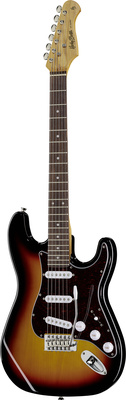
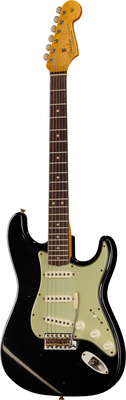
Among fans of By The Way, opinions on the guitar that was used for the recording are divided. Some point to the very Tele-esque sound, others to interviews in which John mentions his 1962 Stratocaster as his main instrument during the album’s recording sessions.
But as is so often the case, the Can’t Stop guitar tone (especially when it comes to the lick) is much more about technique and dynamics than about having the best, most expensive guitar. So practice until your fingers bleed!
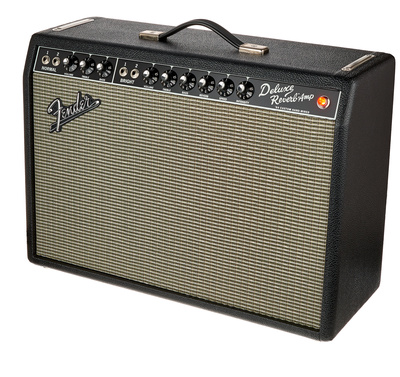
In that 2002 interview with Total Guitar, Frusciante also mentions that he used a 1960s Fender Deluxe Reverb amp during the recording of the album. However, it’s safe to assume that his tried-and-true combination of a Marshall Major 200W and a Marshall Silver Jubilee was also used here.
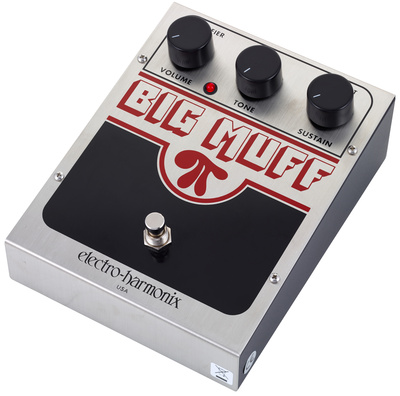
As for pedals, the only one likely used for distortion here would be a Tubescreamer variant to add some body to the sound. Then there’s the solo. If you look at John’s pedalboard from that time, you can assume he used a Big Muff for the distortion. As for the reverb in the solo, we don’t quite know for sure whether it comes from the Fender amp, from actual studio room recordings, or from a pedal.



The Can’t Stop Guitar Tone with Plugins
If you want a “Marshall-like” sound in the world of plugins, Softube’s Amp Room is one of the go-to choices, at least as far as an officially licensed version is concerned. The Silver Jubilee 2555 is also available from Softube as a single plugin for those who don’t need the full Amp Room suite.
Of course, there are also a number of free profiles available for the open-source NAM format. As for the Big Muff sound for the solo, you can find emulations of it in Amplitube 5, Guitar Rig 7, or Positive Grid BIAS X. UA Paradise Guitar Studio also includes Fender and Marshall amps to help you get closer to the Can’t Stop guitar tone.



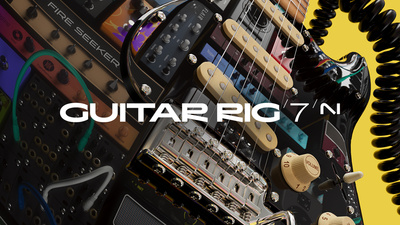

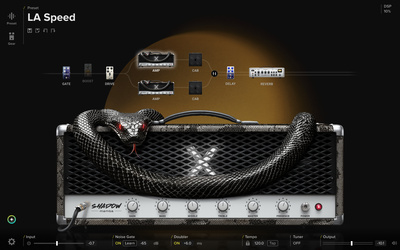

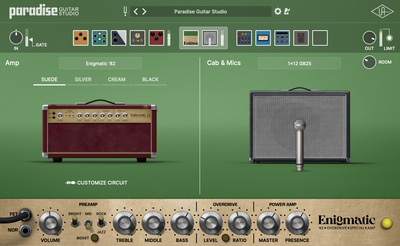
Beginner Gear for the Can’t Stop Guitar Tone
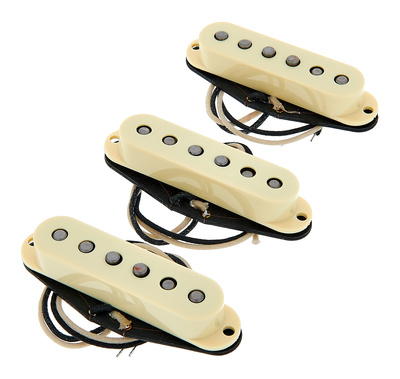
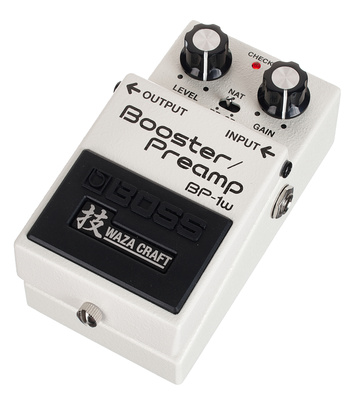
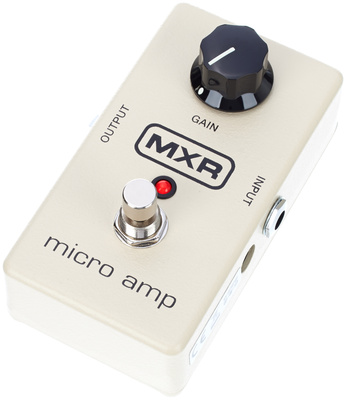
When it comes to achieving John Frusciante’s clean tone from Can’t Stop as affordably as possible using hardware, there are a number of pedals that, when paired with a classic single-coil Strat, provide a solid foundation. For example, he’s apparently used the preamp on a Boss CE-1 to add body to his sound. Options here include the Boss BP-1W*, which features exactly that, or an MXR Micro Amp.
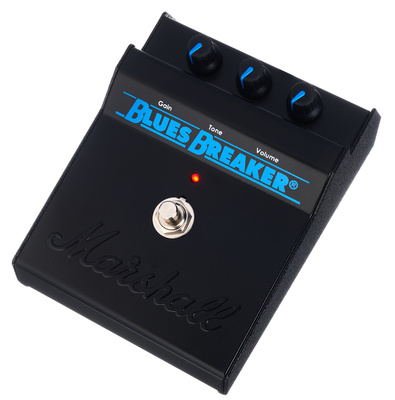
A Bluesbreaker*, with its mid-range emphasis, can also be a good way to add that Marshall-style tone. If you do decide to go with an actual amp, a Fender Champion 100* can be an excellent foundation for a clean sound. And as for the Big Muff, it’s affordable* enough to be a viable option even for beginners.




Studio Gear for the Can’t Stop Guitar Tone
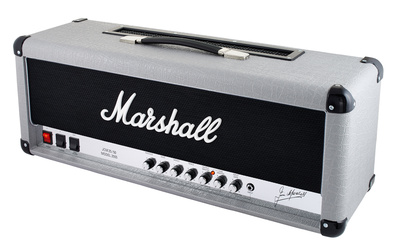
If money is no object, you should invest primarily in amps (along with an original ’62 Strat, of course). This is where the bulk of John’s clean sound comes from. A modernized version of a Silver Jubilee is still available from Marshall itself*. Things get more complicated with the Marshall Major; there are hardly any current replicas or modern versions available from Marshall itself.
And when it comes to clean Fender amp sound, the most luxurious model currently available on the market is the Fender 64 Custom Deluxe Reverb*.
Conclusion
Many roads lead to tone! Or something. A common thread running through this series so far is that, for most guitarists, most of their guitar sound comes from their fingers and their amps.
What are your approaches to the guitar sound on “Can’t Stop”? Which plugins, pedals, and amps did you use to sound as much like John Frusciante as possible? Let us know in the comments!
*Disclaimer: This post contains affiliate links and/or widgets. When you buy a product via our affiliate partner, we receive a small commission that helps support what we do. Don’t worry, you pay the same price. Thanks for your support!

This might also interest you