
Studio Gear You Only Understand After 20 Years of Recording
Audio tools with benefits that may take awhile to unlock.


We look at selected studio gear you only understand after 20 years of recording to find out which audio tools require a particular set of skills.
In this Article:
Studio Gear You Only Understand After 20 Years of Recording
In the golden age of recording, an engineer would often possess a deep understanding of electronic circuitry, while today they are simply a kid with a laptop. Over the course of recording history, there have always been processes that require years of experience to truly master. From vinyl cutting to tape machine operation, these aspects of music production helped shape the music we love through the sonic character and creative limitations.
Let’s explore a few more examples of gear used in different ways in the studio that require an almost artisanal approach to sound. These tools might not give you the instant gratification fix of the latest plugin, but mastering them will probably make you a better producer and engineer, especially in the long run.
Studio Gear You Only Understand After 20 Years of Recording: Mixing Consoles
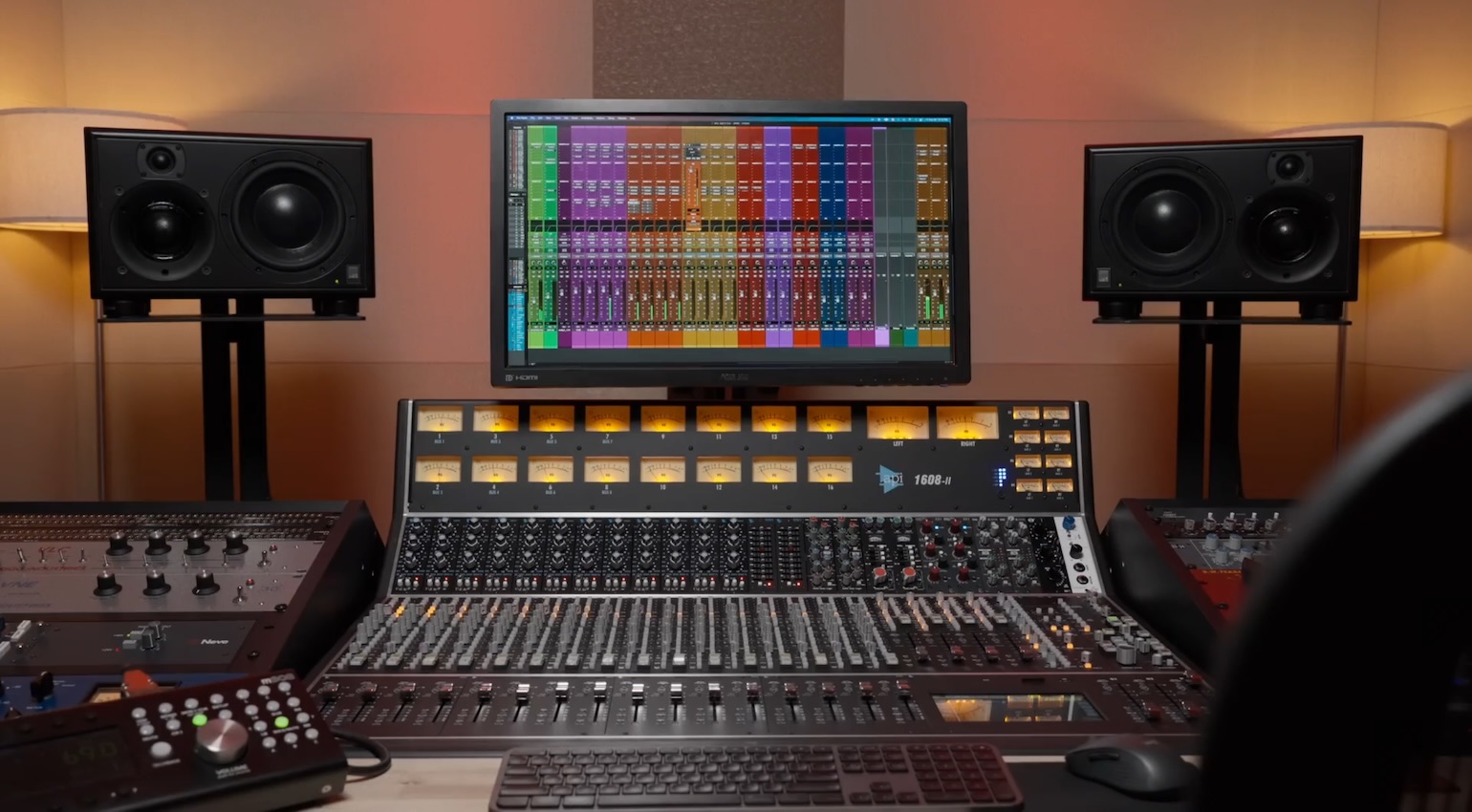
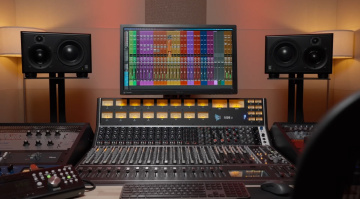
Making the decision to mix through a console rather than in the box is not a decision to be made on a whim. There are few who can justify the expense, and even for those who can, it’s hard to say that your over $100,000 investment will ever pay itself back directly. This is why only experienced, specialized users are likely to make this choice today and truly benefit from it.
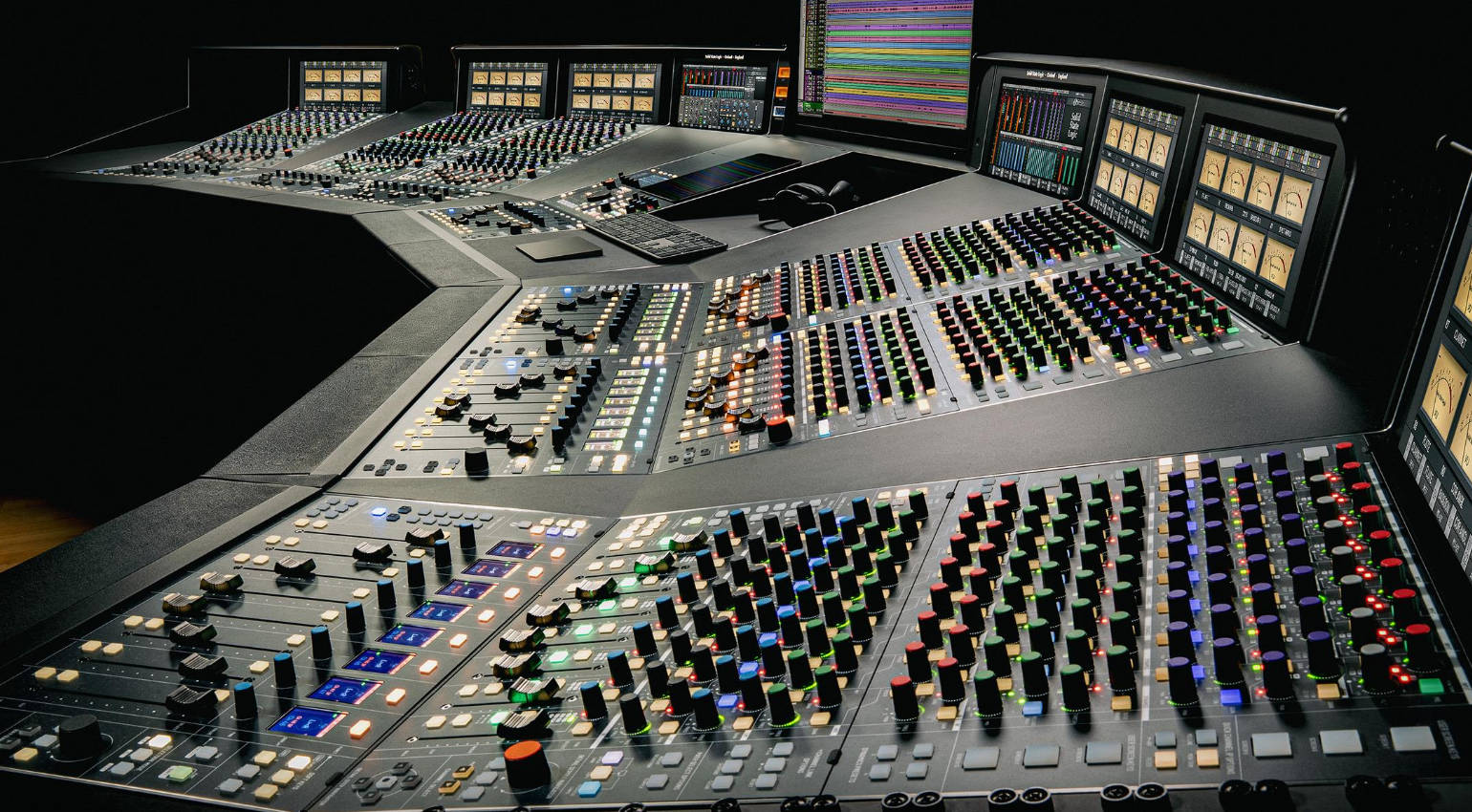
From a workflow or sound quality perspective, the advantages are minor, if any, and these are easily outweighed by the operational and maintenance costs, and the fact that you need to have spare parts on site. Aside from fulfilling a childhood dream you may have of working on a console on a daily basis, however, you are certainly investing in your studio as a business by using one.
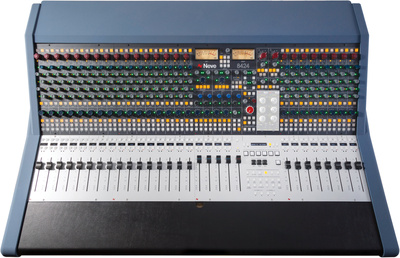
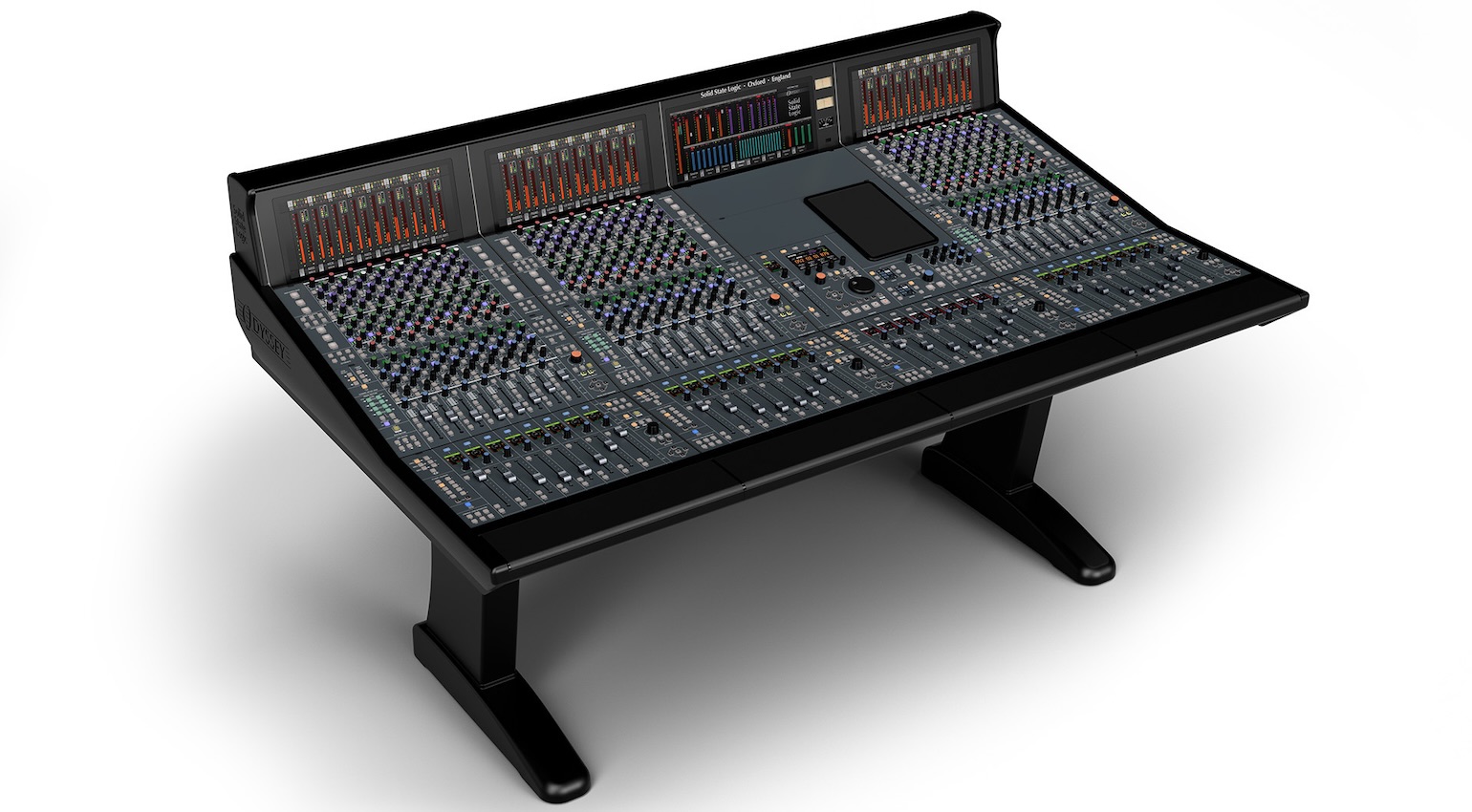
Your current clients and potential future clients will look at your studio in a different light, and this matters if you plan on actually running a business rather than just recording bands that play at your local pub. While the expense is stupendous, the recall technology provided by the SSL Oracle and Odyssey consoles, WesAudio’s ng Series, and Flock Audio patchbays makes working on a console more viable than ever, as you can flip between sessions in a matter of seconds without ever reaching for patch leads.



Studio Gear You Only Understand After 20 Years of Recording: Specialized Mic Preamps
While some of us believe all mic preamps sound the same, others, who’ve been doing this a long time, have realised that when you have an extensive selection of mics in your studio’s locker, different types of mic preamps can help us get the most from specific mics in various applications. The same also goes for hardware compressors and EQs, when these units are used in tracking.

Like any of the gear choices we make, the resulting sound of the record is what guides us. So a punchy snare sound often uses an SM57 on top running into an API-style mic preamp, with its mid-forward character. For vocals, the standard pairing is the Neumann U87 and a Neve-style preamp with its silky but dense sonic profile, whereas a high-end tube mic like the Sony C-800G is commonly paired with an Avalon tube preamp for its ultra-clean and detailed sound.
While recording all your acoustic instruments through a particular preamp will undoubtedly add certain characteristics to the overall sound, a studio’s selection of preamps is a functional toolkit used in every session to unlock unique textures and details from each instrument. Some mic preamps, like those built by Millennia, even allow you to use multiple gain stages with different topologies.


Studio Gear You Only Understand After 20 Years of Recording: Tape Machines
Whether you listen to Hip-Hop or Rock, some of your favorite records were recorded onto and even mixed off magnetic tape, and this affected the creative process and the end result through the limitations and sonic character of tape machines. Now, the reason tape emulation plugins are so popular in comparison to tape machines is due to the extensive technical know-how required.
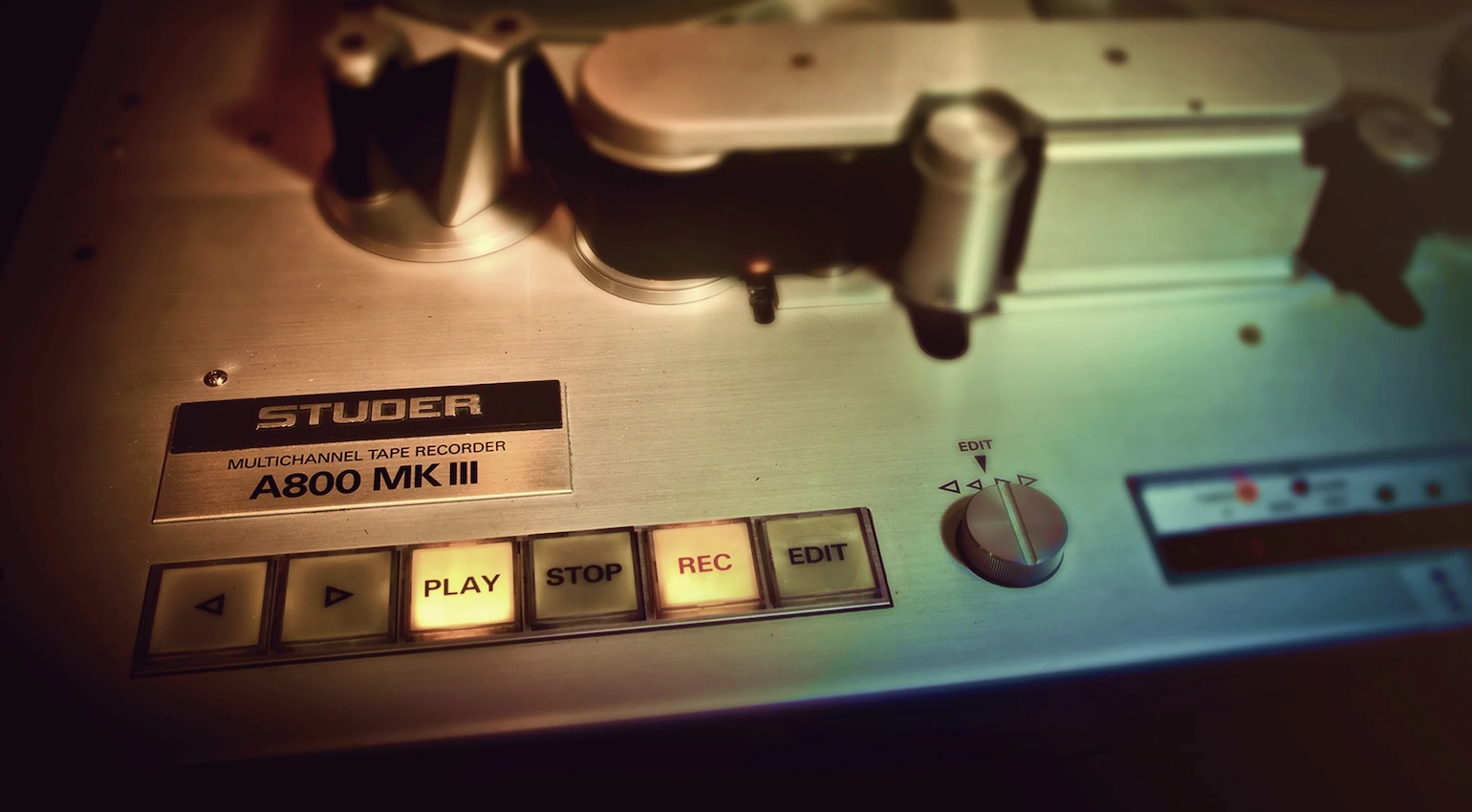
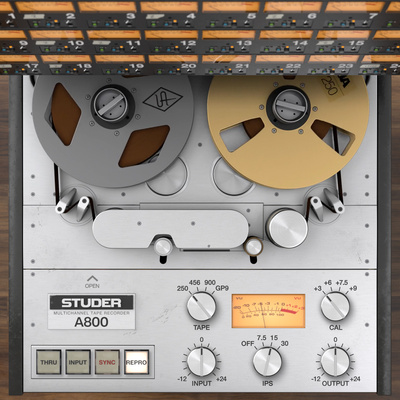
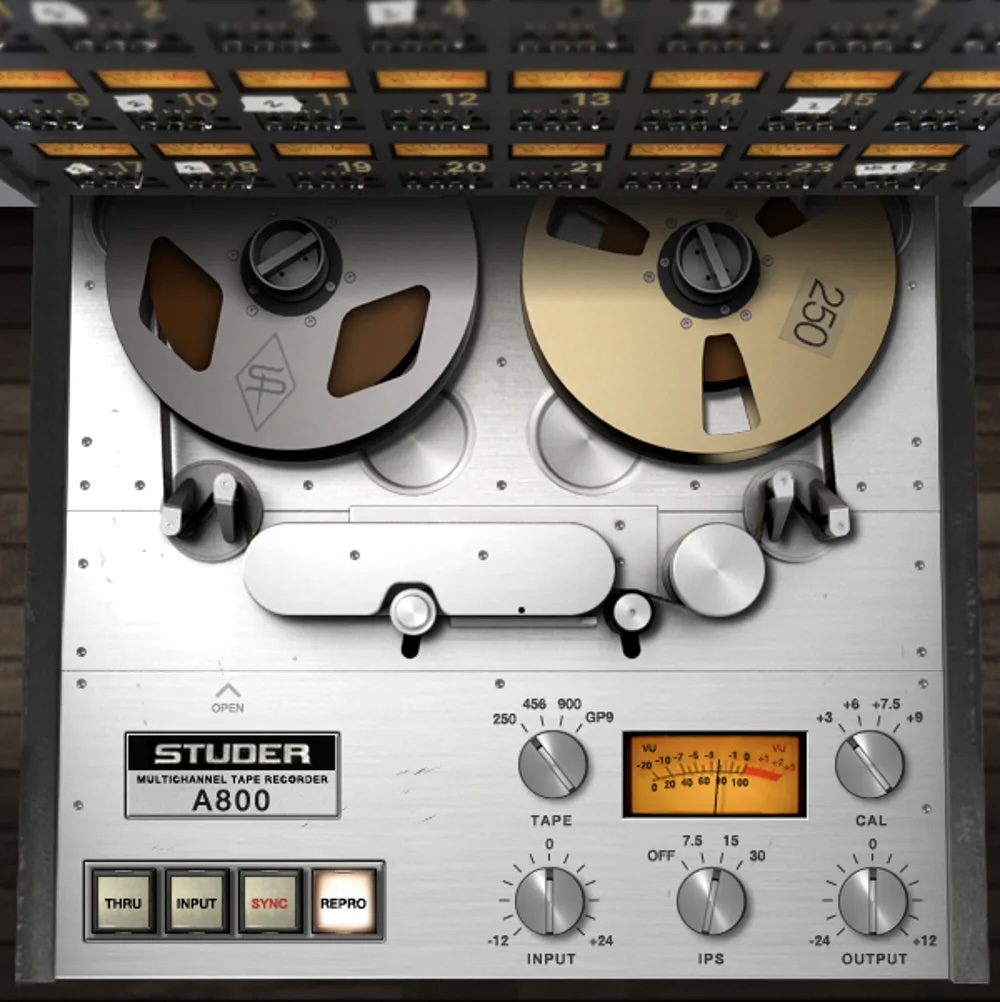
There’s no denying the pleasing sound of tape, with its harmonic saturation, gentle transient shaping, cohesion, and the natural high-frequency roll-off. However, it’s important to remember that tape machines were designed to be high-resolution recording devices, not character enhancers. This means the high-end tape machines like the Studer A800 might not sound as vintage as you think, and instead deliver pristinely clean audio reproduction.
If you plan on using a tape machine, your knowledge base needs to include maintenance aspects such as demagnetization, calibration, and alignment, as well as operational functions like gain staging, punching in, and splicing. If you’re used to thinking about music recording from a DAW perspective, the learning curve is quite steep for something that is something of a novelty.
*This item is on sale until 30 November

Studio Gear You Only Understand After 20 Years of Recording: Mobile Acoustic Treatment
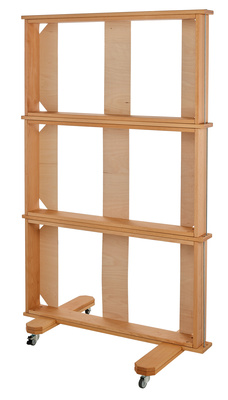
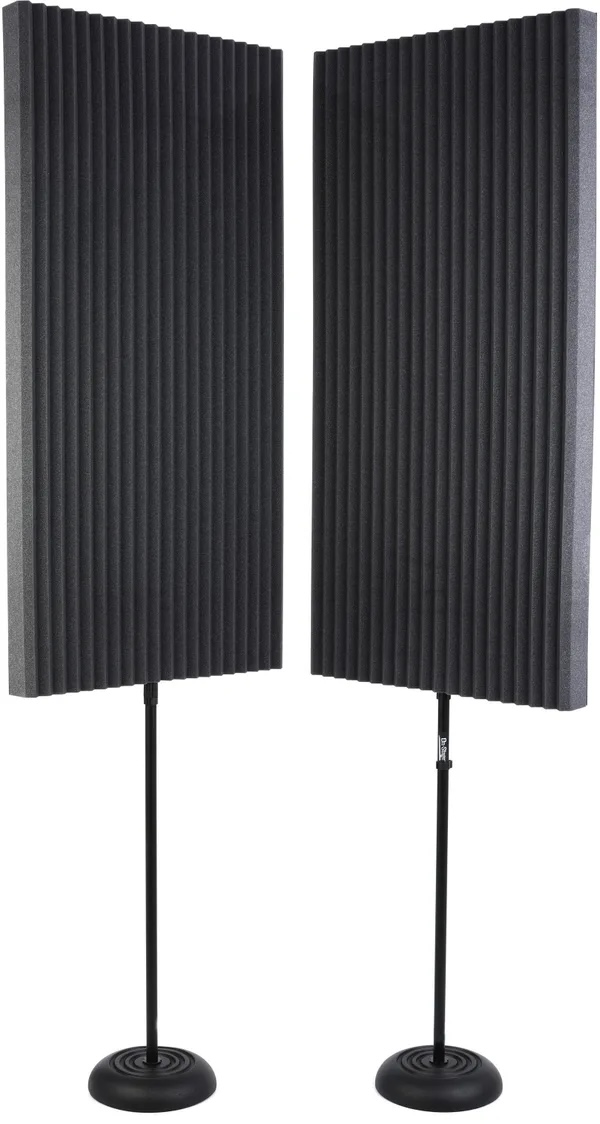
Approaching acoustic treatment takes a certain level of understanding, and while manufacturers have made things easier with room kits that will generally optimize most small- to medium-sized rooms in your home, there is quite a lot more to it when it comes to using movable acoustic gobos and baffles to shape the reflections in a studio’s live room.
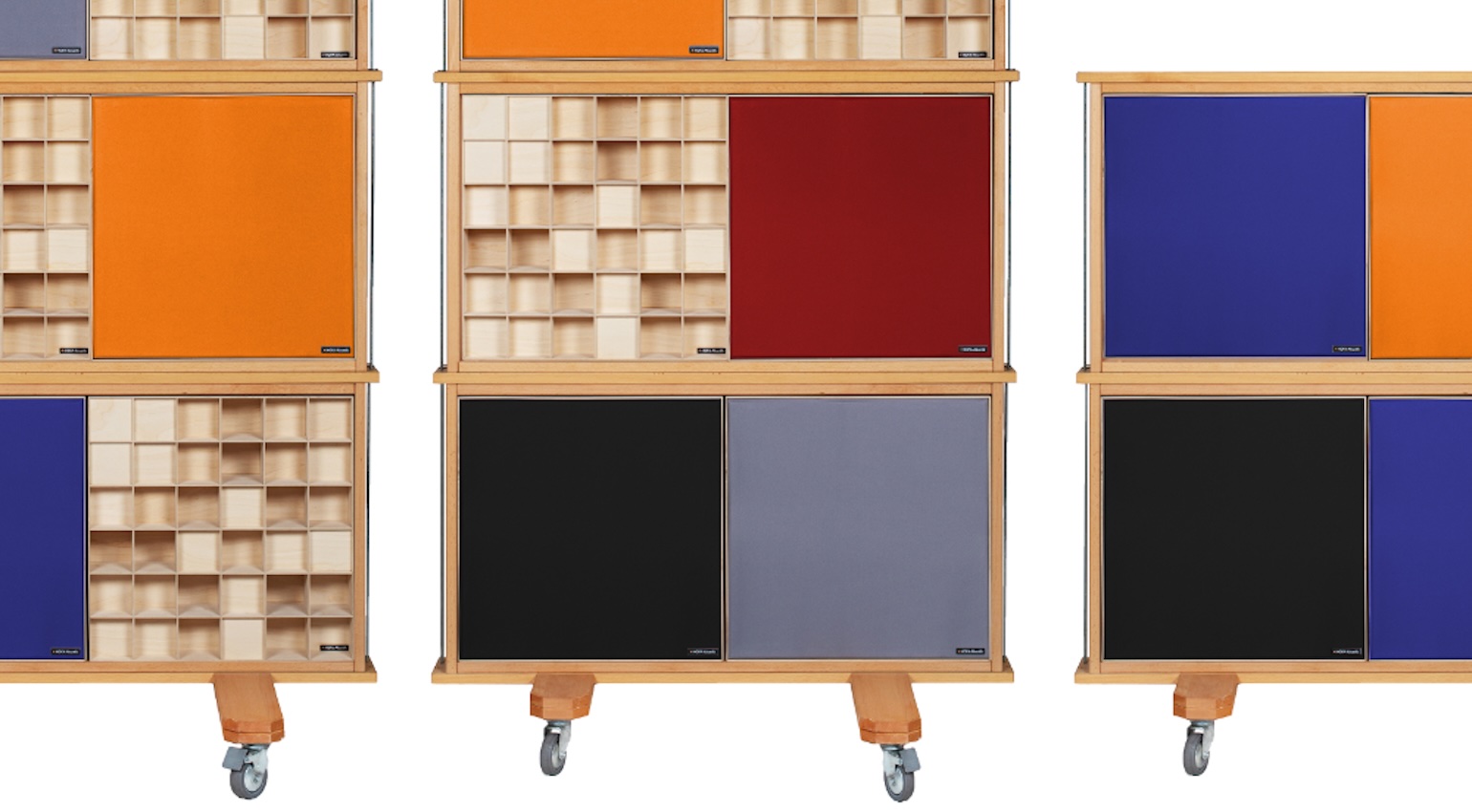
This is a space that already sounds great, so instead of treating the room’s problem areas, your goal is to create the most focused recording possible for the performance and the song. Because natural ambience makes such a big difference on drums, this is the most common recording application, using different types of shields to contain the reflections.
Another essential application for mobile treatment is when you’re recording a live band or instrumental ensemble. In the same way, acoustic shields can help you not only control the level of ambience, but also the amount of bleed between one instrument and another. This makes it an essential part of the recording process, along with microphone choices and placement.

Studio Gear You Only Understand After 20 Years of Recording: Bus Processors
Whether you use plugins or analog hardware, the processing chains you use on your channel groups and main mix bus have been carefully chosen through recommendations, experimentation, and years of trial and refinement. This is because there are so many variables that come into play, and these can shift completely from one music genre to the next.
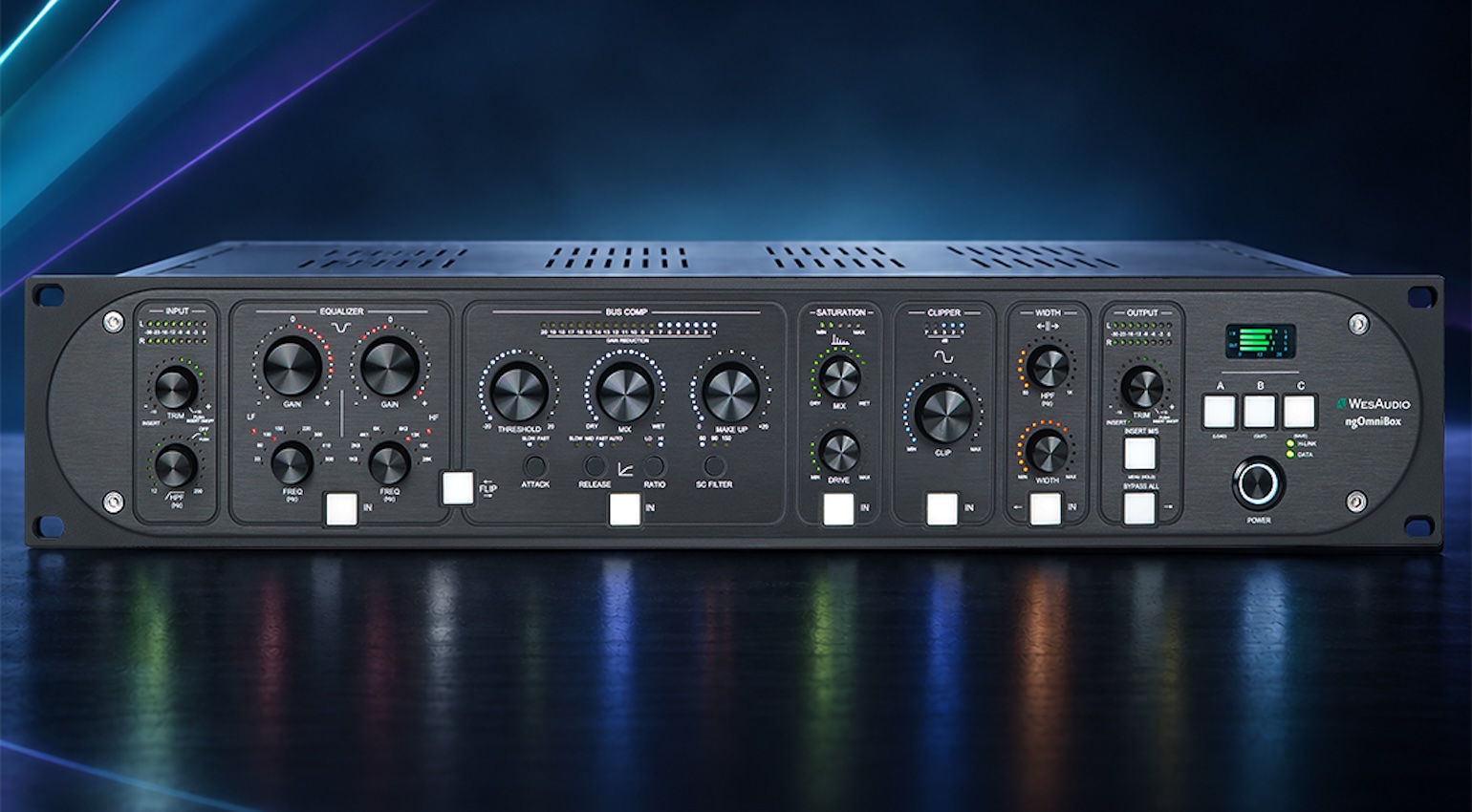
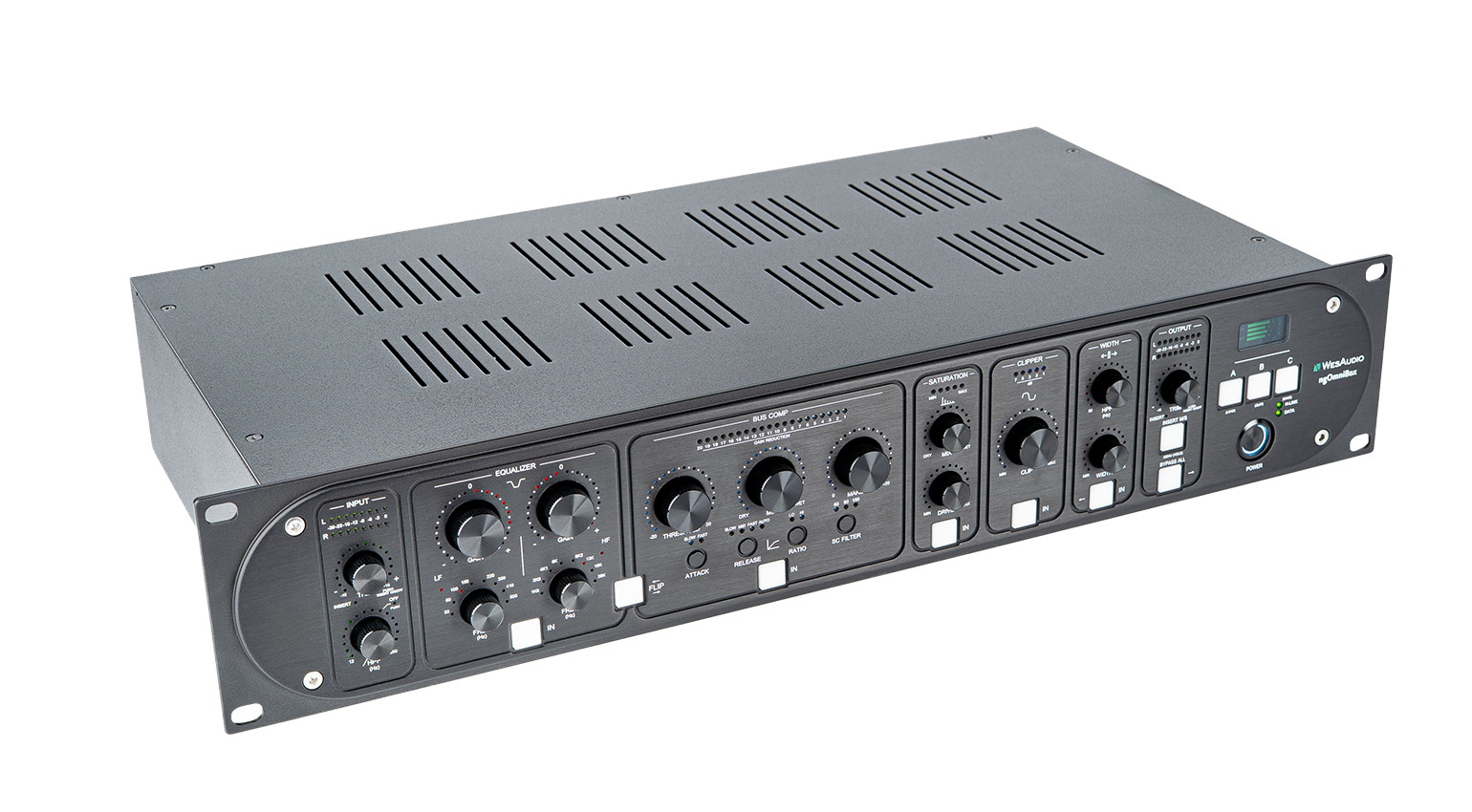
Besides all the different types of EQ and compression we have access to, there are also processes like clipping, saturation, transient shaping, and stereo imaging. To make things more interesting, there are also processors like dynamic EQs that allow us to use these tools on a per-band basis, while mid-side processors allow us to target different areas of the stereo field.
Knowing the different capabilities of plugins and hardware units, and mastering these tools takes time, which is why the skill set of a top mix engineer is so sought after. Also, while you might think plugins are the more affordable option, you can’t sell and replace the ones you don’t use as you can with hardware, so keep this in mind.

More about Studio Gear You Only Understand After 20 Years of Recording:
*Disclaimer: This post about Studio Gear You Only Understand After 20 Years of Recording contains affiliate links and/or widgets. When you buy a product via our affiliate partner, we receive a small commission that helps support what we do. Don’t worry, you pay the same price. Thanks for your support!

This might also interest you