Back 2 School: The Best Beginner’s Keyboards and Synths for Playing in a Band!

 2,0 / 5,0 |

Want to kick things off with your new band this school year? Then you’ll need the right instrument and accessories! Here’s how to find the best keyboards and synths for playing in a band!
Best Keyboards and Synths for Playing in a Band
What’s the Difference Between a Keyboard and a Synthesizer?
As a budding keyboardist in a band, you might be wondering which instrument is right for you: a portable keyboard or a synthesizer. But what’s the difference, really?
It’s not quite as clear-cut as you might think. That’s because all modern portable keyboards are essentially synths as well—albeit with a specific focus. Conversely, many (but not all!) synths have keys, so they’re also keyboards. Nevertheless, musicians usually make a pretty clear distinction between the two instrument groups.
The term portable keyboard (or arranger keyboard) refers to keyboard instruments that offer a built-in auto-accompaniment feature (the so-called arranger), loaded with a wide variety of accompaniment styles across every conceivable musical genre. This means you can sound like a whole band all by yourself, just by playing chords on the keyboard. The range extends from cheap toy keyboards for a few bucks to high-end arranger workstations used by professional solo entertainers to provide music for weddings, worship, cruises, and other events.
Among some musicians, however, such arranger keyboards have a rather dubious reputation, and some turn their noses up at them. This is probably because many of us remember the tiny keyboards of our childhood that put a whole new meaning to the word ‘cheesy’. It’s such ‘kiddie keyboards’ that give all arranger keyboards a bad rap. But don’t let that put you off—starting at a certain price point, modern portable keyboards are fantastic instruments that can do a whole lot and sound quite good. I’d still steer clear of the cheapest keyboards, though, because not only do they still sound pretty lousy, but they also lack many features that you, as an aspiring keyboardist in a band, simply can’t do without (more on that in a moment).
In contrast, a synthesizer is, first and foremost, a device that generates sounds electronically. This can be done in many different ways, and a complete overview of this extremely broad category of instruments would go beyond the scope of this article. There are analog and digital synths, monophonic and polyphonic synths, and synths with or without a keyboard. The key difference for you as a budding keyboardist is this: While a keyboard essentially spits out many different sounds and rhythms at the push of a button, a synthesizer is more about developing and shaping sounds according to your own vision. This gives you significantly more options for sound design than a typical beginner’s keyboard.
Depending on what kind of music you’re into, different synths may be worth considering. Some specialize in authentic-sounding reproductions of instruments like the piano, guitar, or strings, while others sound distinctly like synths and produce sounds that have nothing to do with real-world instruments. Still others can do both quite well. If you’re looking to experiment a bit and want to bring your own sound ideas to life with your band, a synthesizer offers you far more creative possibilities than a portable keyboard.
Another important difference is that portable keyboards have built-in speakers, while most synths do not. This is because keyboards are designed to be set up at home so you can simply start playing. With synths, on the other hand, manufacturers assume that they’ll be connected to a mixer or a PA system anyway—be it in a rehearsal room, in the studio, or on stage. So, to be able to play them at home, you’ll need at least a pair of headphones—but preferably a pair of powered speakers.
Tip: You can find more on the topic of synths on GEARNEWS, for example here, here or here.
Should you Choose a Portable Keyboard or a Synth for Playing in a Band?
As you can see, there’s definitely some overlap between the two instrument categories, and you can have a lot of fun with both. Which one you choose depends entirely on what you plan to do with the instrument. Do you mainly want to play by yourself at home and have your personal backing band at your disposal? Then an entry-level to midrange portable keyboard is a good place to start. Another thing that portable keyboards are particularly good at is, obviously, accompaniment. For example, I spent part of my teen years accompanying a small pop choir on a keyboard—no full band required.
If, on the other hand, you want to play in a band, you don’t need the auto-accompaniment feature (after all, the other band members should have something to do, too). Instead, you need to find the instrument that offers you all the sonic possibilities you need for your specific lineup and musical style. In this case, you’re generally better off with a synthesizer. And here’s a little tip: If you show up to your first band rehearsal with a ‘proper synth’, you’ll look much more professional right off the bat than if you bring a beginner’s keyboard!
Getting Started as a Keyboardist: What to Look for in a Keyboard for Beginners?
Perhaps you also had one of the infamous ‘kiddie keyboards’ as a child. What sets instruments suitable for slightly more serious musical ambitions apart from those toys?
One of the most important features to look out for is velocity sensitivity, sometimes referred to as touch sensitivity. This ensures that the harder you press a key, the louder the sound becomes. You’d think this would be a standard feature of all keyboards—yet many of the cheapest ones still don’t offer it. I would never buy a keyboard without velocity-sensitive keys (not even as a first instrument for a child, by the way!), because it deprives you of a crucial means of musical expression. Playing a keyboard without touch sensitivity isn’t just no fun—it also doesn’t sound good, since the sound will be far too one-dimensional and static. If you want to do yourself (or your child) a favor, skip the cheapest instruments that don’t offer this essential feature.
Slightly more expensive portable keyboards in the upper entry-level and mid-range categories also usually offer significantly more and better sounds than the very cheapest instruments. Another must-have feature is a split function, which lets you divide the keyboard into two separate zones with different sounds. As a keyboard player in a band, you’ll often be expected to play multiple sounds simultaneously—for example, string chords with the left hand and a piano melody with the right.
Many of the cheapest keyboards also lack other important features. For example, you should definitely make sure the keyboard has a sustain pedal jack. Like touch sensitivity, the pedal is an important means of expression that you simply cannot do without—and yet it’s often not included on beginner’s keyboards. Also, on many of the cheapest models, the headphone output is the only way to connect the instrument to a PA system or mixer. While this will usually work if you have the right adapter, it isn’t ideal; you’ll have a much easier time using the keyboard in a rehearsal room or on stage if there’s a separate line output.
If you plan to also use the keyboard for producing music on a computer, make sure it has a USB port. This transmits MIDI data to and from the computer, allowing you to use the instrument alongside music production software.
The Best Portable Keyboards for Beginners
Next, let’s check out some of the best portable keyboards for beginners available today. For the reasons mentioned above, these instruments aren’t the cheapest ones available, but the ones that can take you quite a long way on your musical journey on a budget that’s still manageable. I’ve left out cheaper keyboards that, in my opinion, lack important features even beginners can’t do without.
Tip: It’s best to get a suitable keyboard bag and a keyboard stand right away! You’ll find some tips at the end of this article.
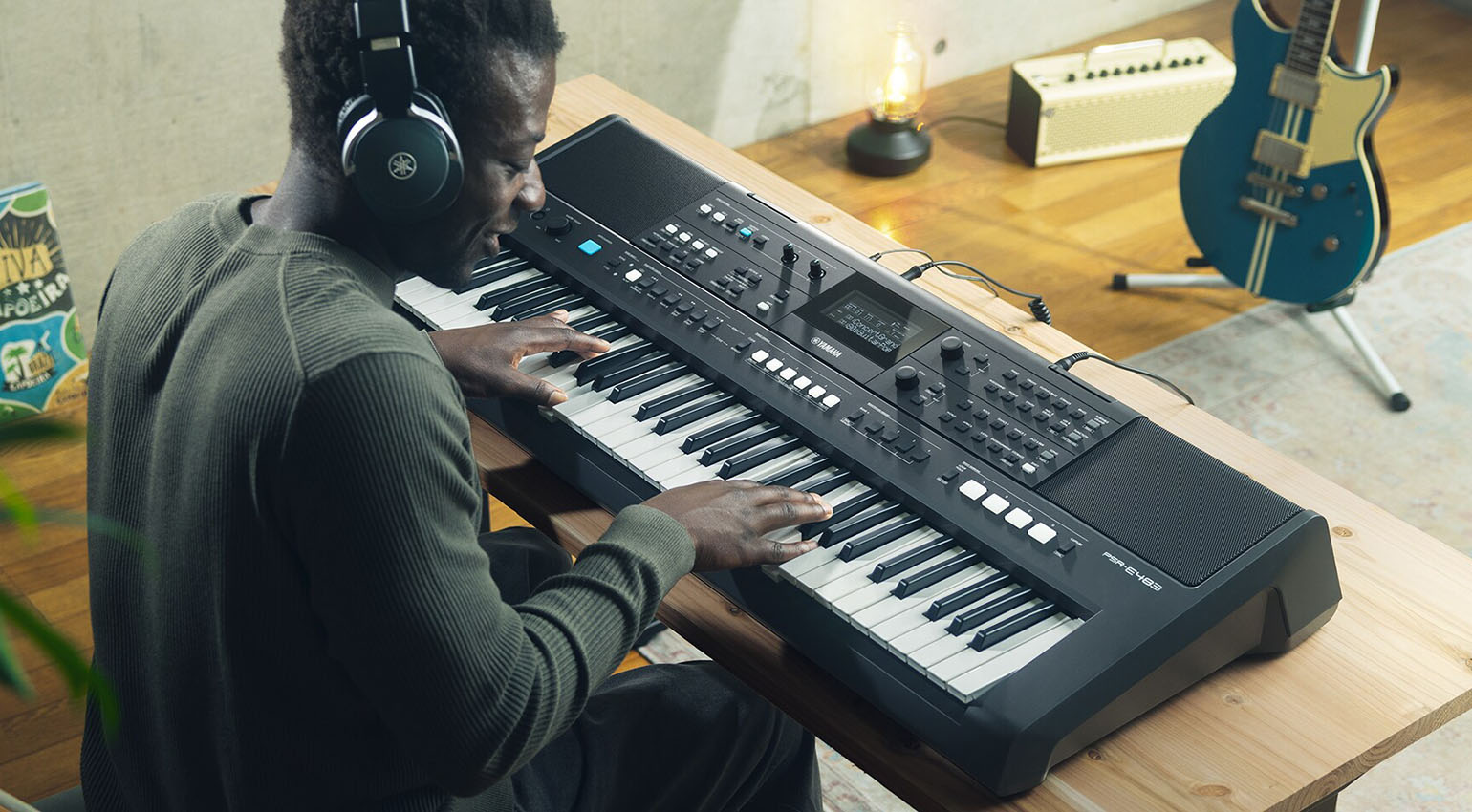
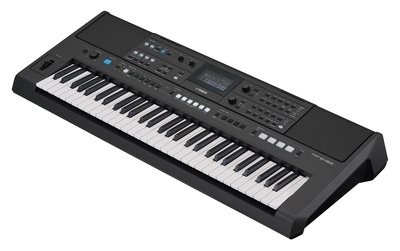
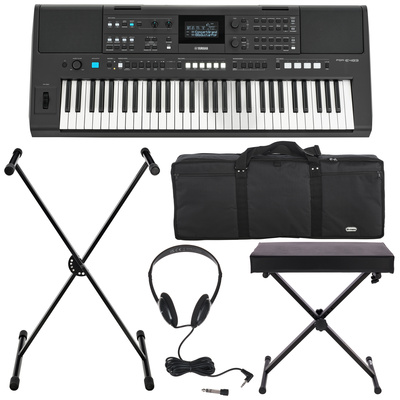
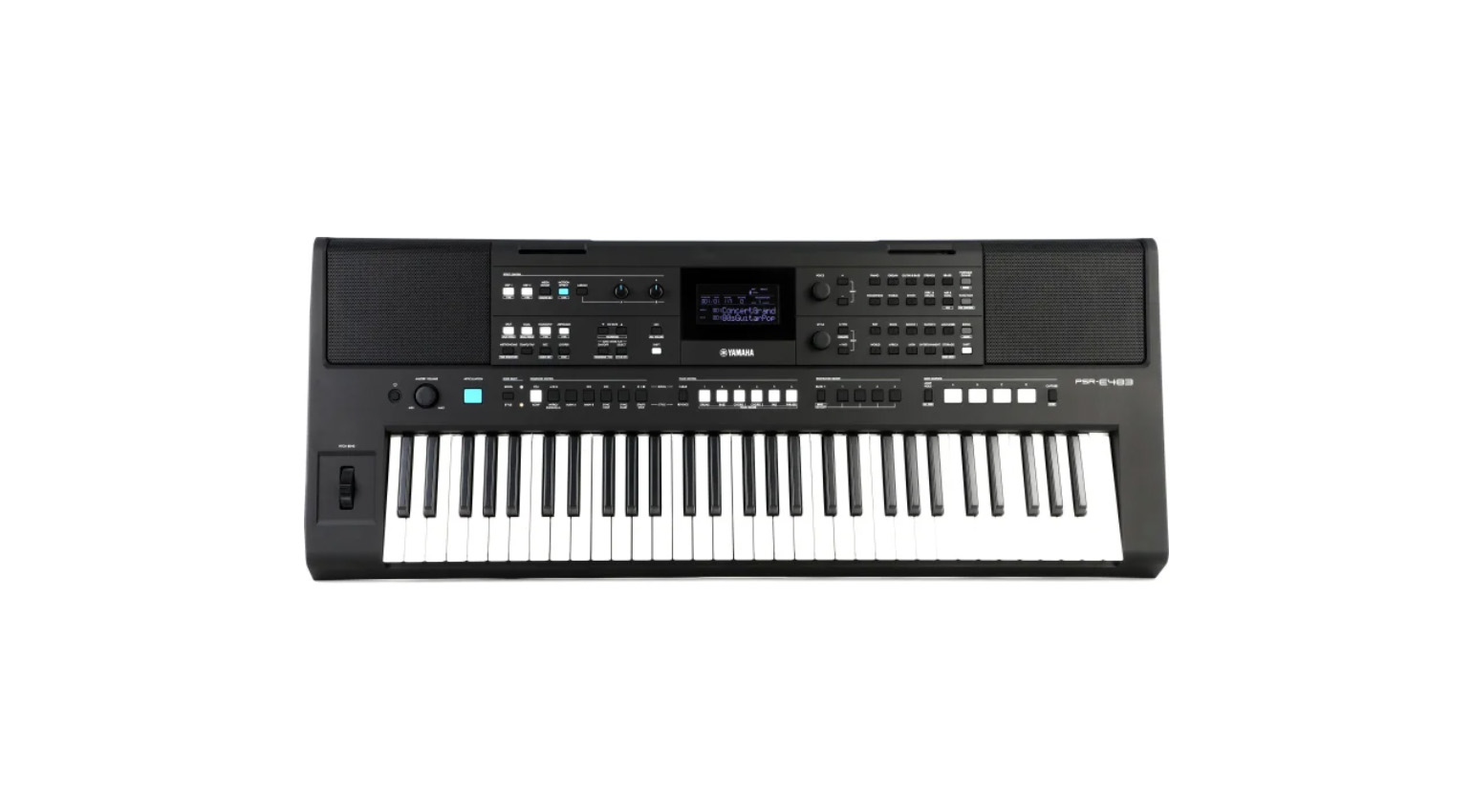
Yamaha PSR-483: Portable Keyboard for Ambitious Beginners
At the other end of the price range, Yamaha makes one of the most popular arranger workstations for serious professionals—the mighty Genos 2. Some of the flagship’s sounds and styles also appear in the manufacturer’s more affordable instruments. The PSR-E483 not only boasts a huge selection of sounds, but also offers many practical performance features, including a stereo line output, a microphone input, two Live Control knobs, and a sampling function.
The Yamaha PSR-E483 is available at our affiliate partners Thomann* and Sweetwater*.



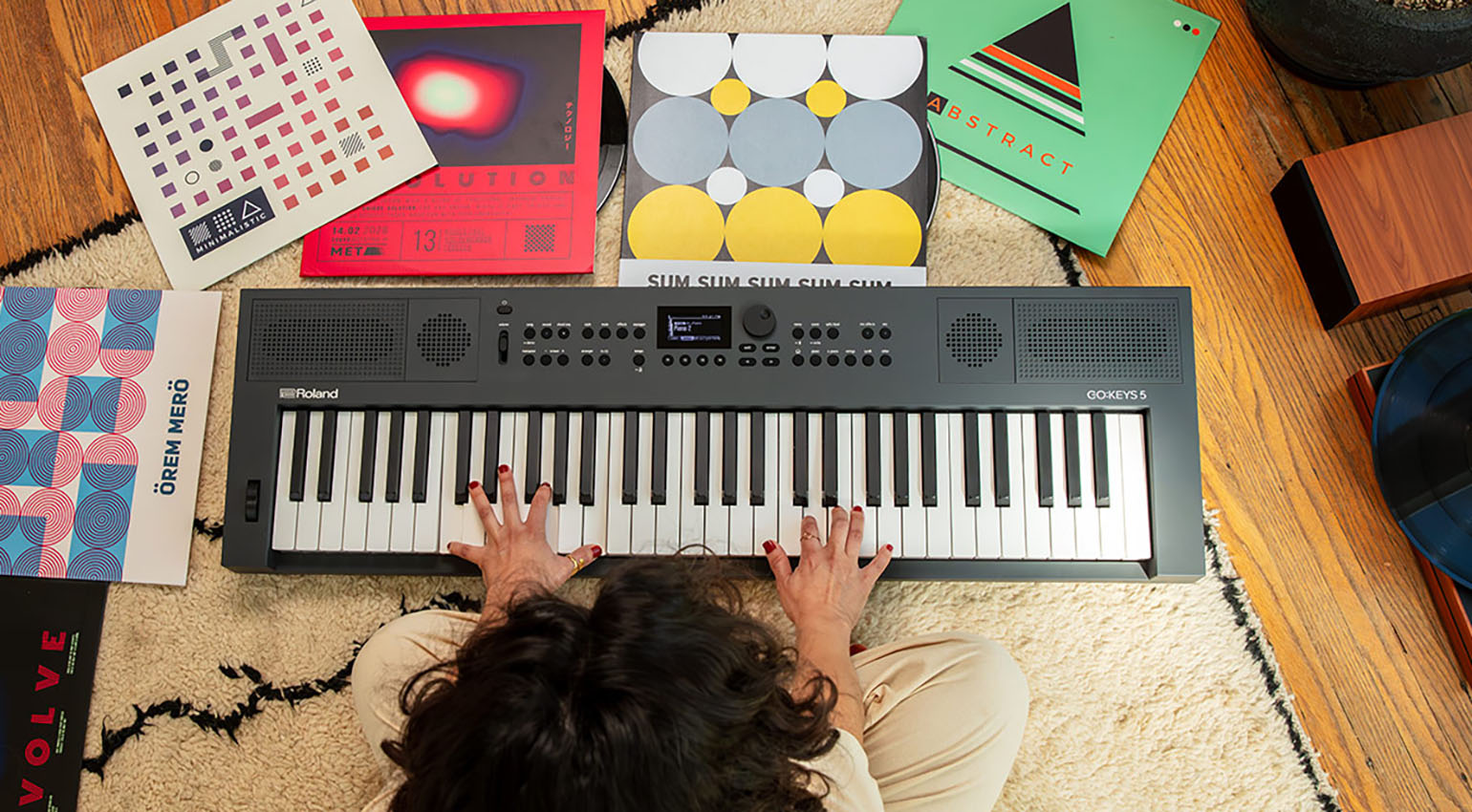
Roland GO:KEYS: Entry-Level Keyboards with ZEN-Core Sounds
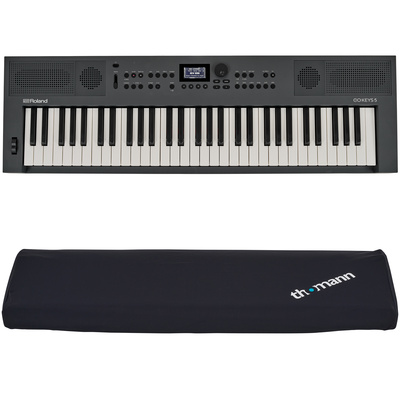
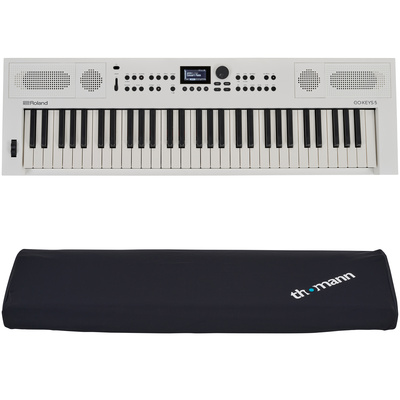
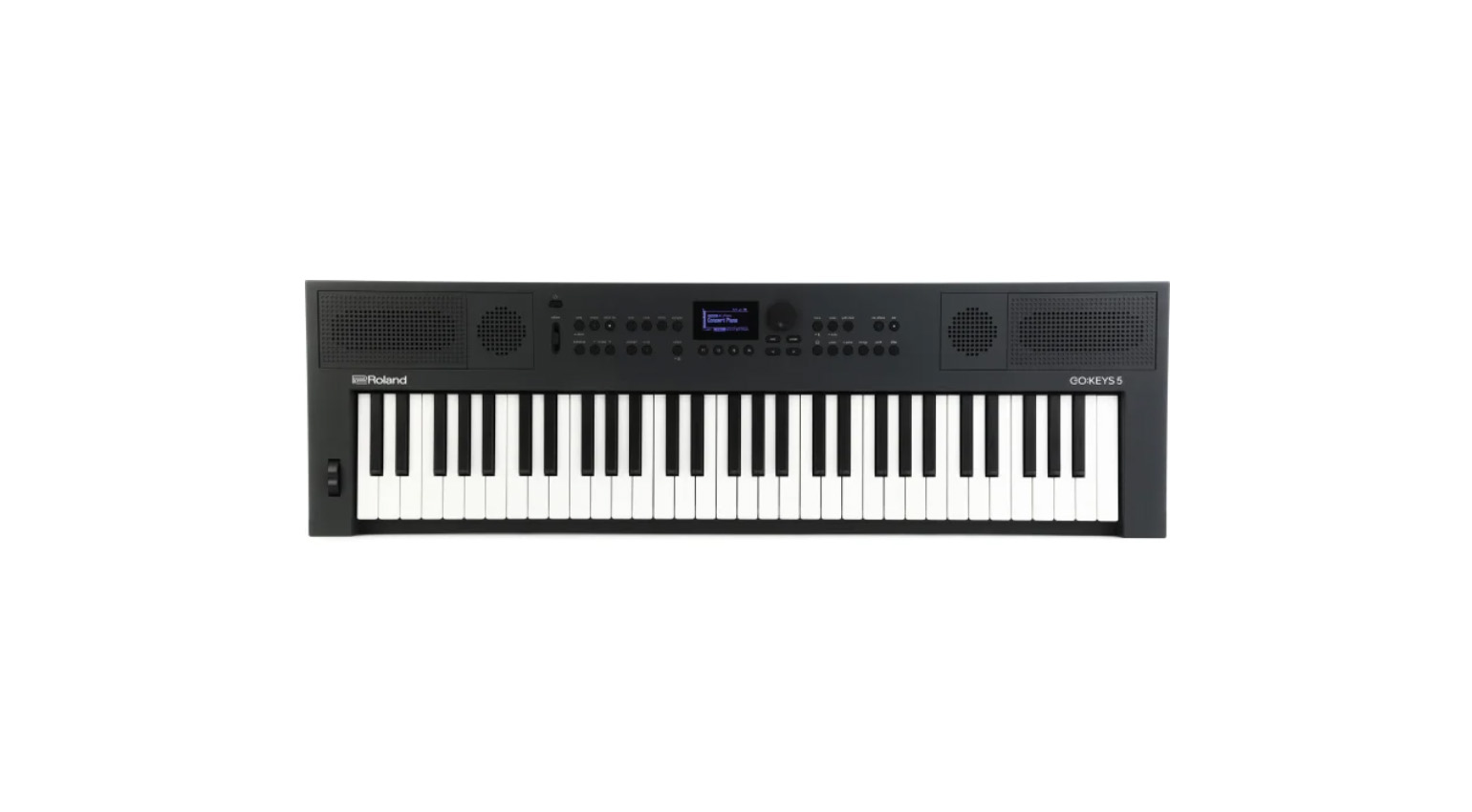
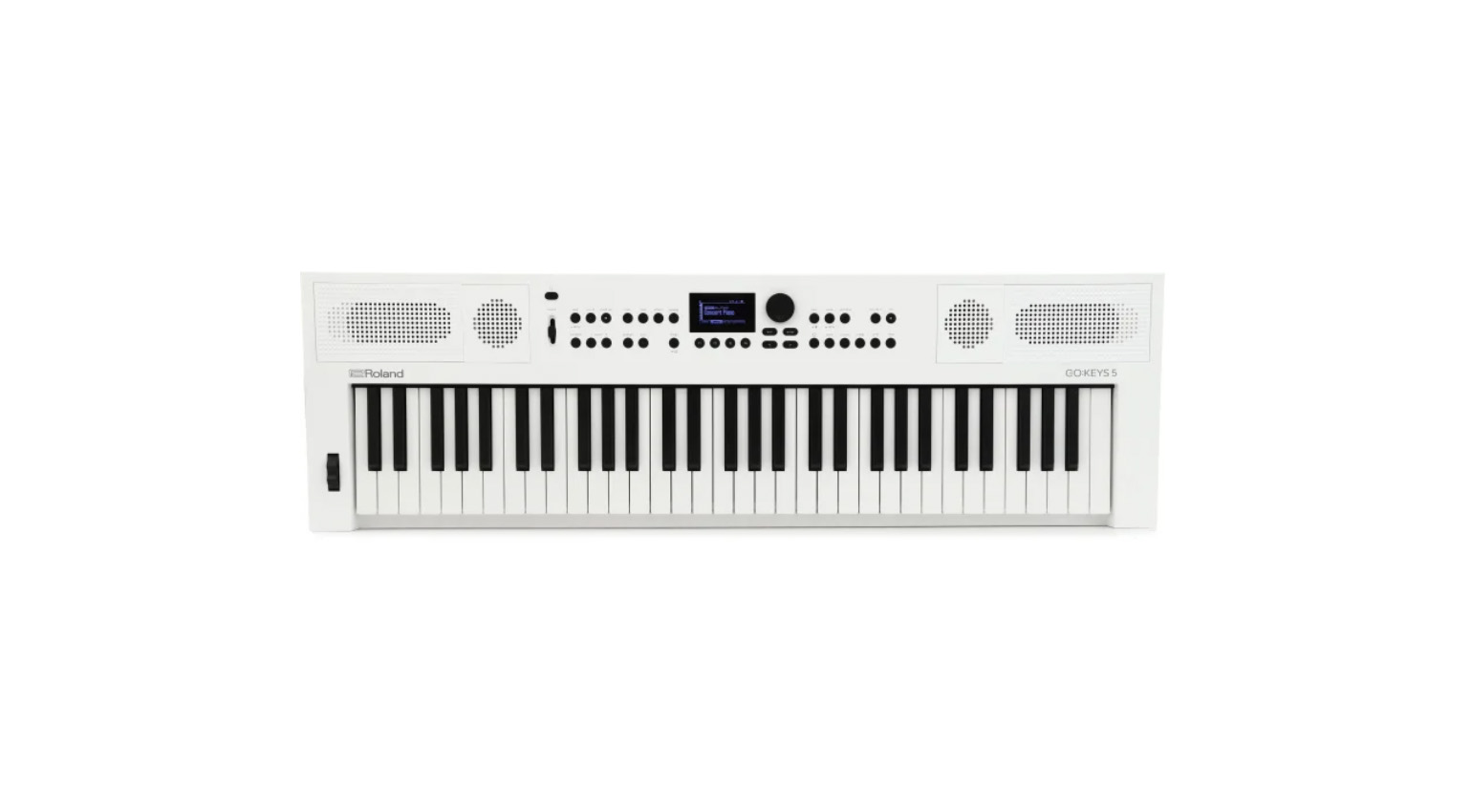
The sounds of the Roland GO:KEYS 5 are based on the same powerful ZEN-Core sound engine also used in the company’s flagship FANTOM synths. You can expand the internal sound library at any time by downloading optional expansion packs. It also features a split function, an arpeggiator, a microphone input, and a stereo output. Available in black or white, the GO:KEYS 5 is the perfect choice to get you started as a keyboardist—whether at home or in your first band. The more affordable GO:KEYS 3 lacks some features, such as the separate stereo output and microphone input.
The GO:KEYS 5 is available at Thomann* and Sweetwater*.

KORG i3: Arranger Workstation for Beginners
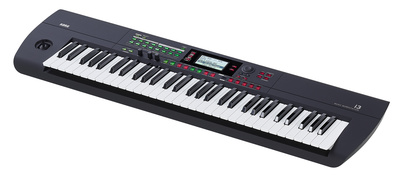
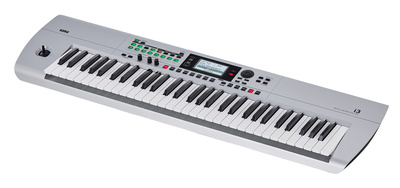
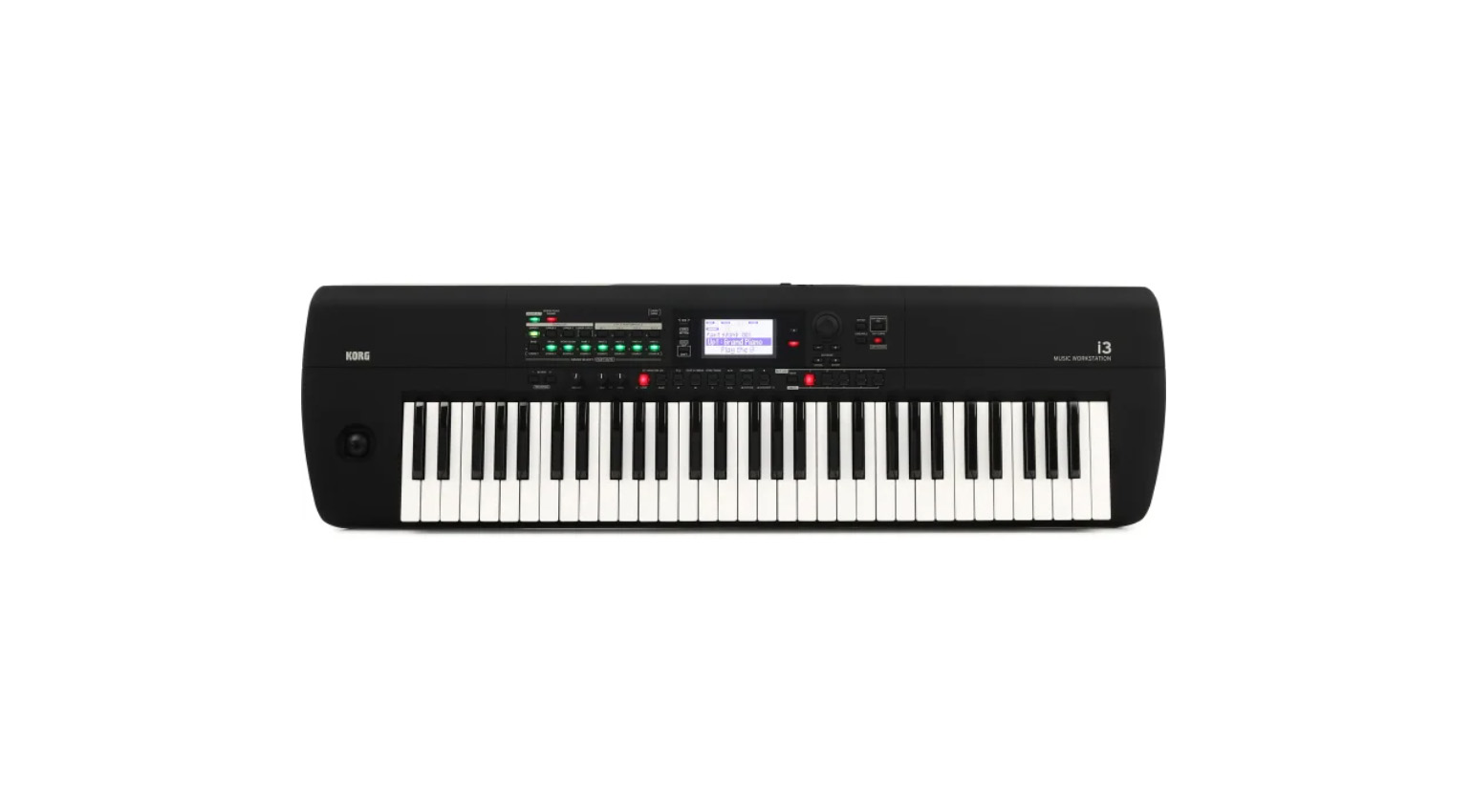
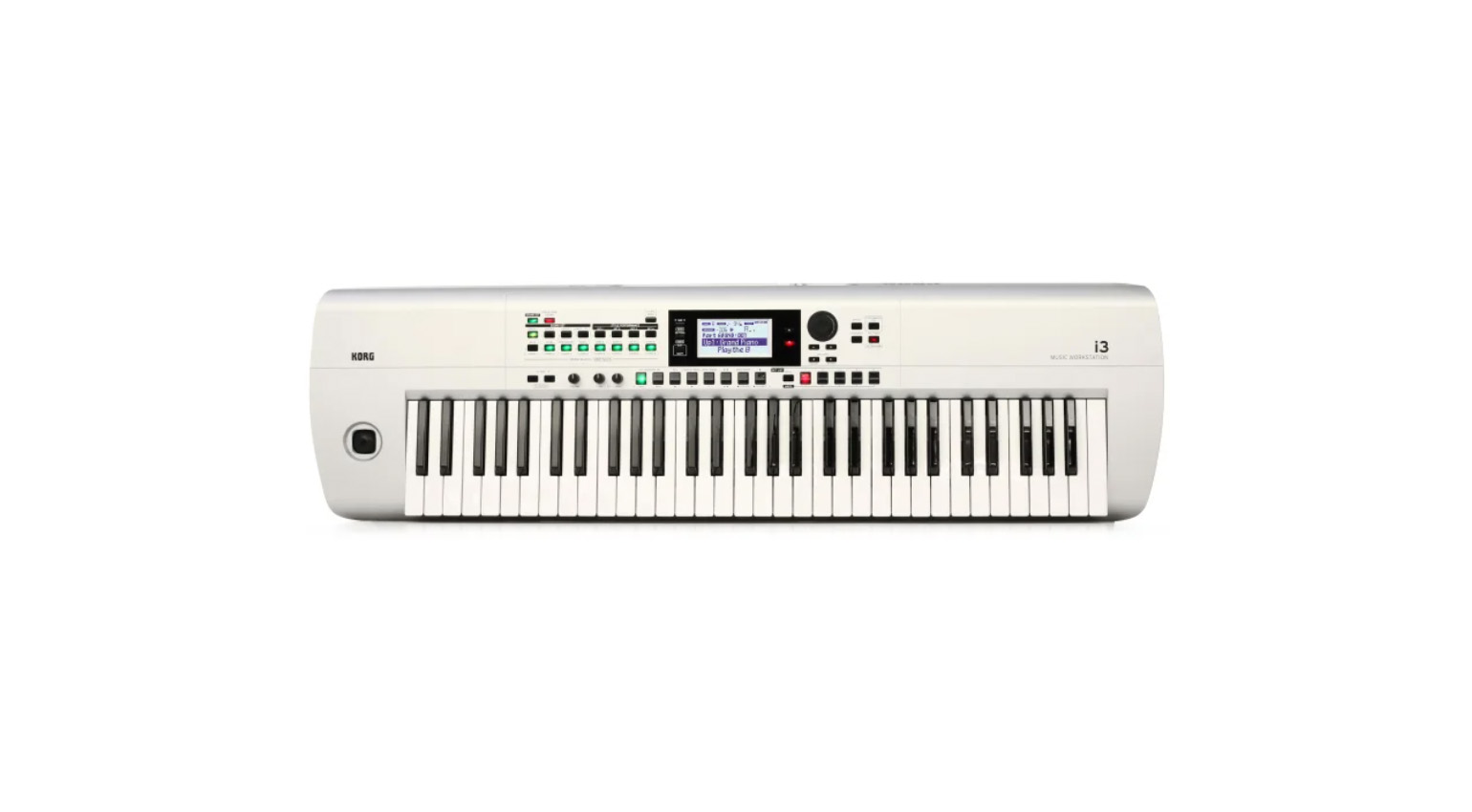
The KORG i3 is a reasonably affordable arranger workstation that’s well-suited for beginners. Available in black or silver, the i3 features 790 sounds and 270 styles. You can combine up to four sounds in a so-called sound set: three for the right hand and one for the left. The i3 also features an audio player, a built-in sequencer, a line output, and two USB ports.
You can purchase the KORG i3 at Thomann* and Sweetwater*.

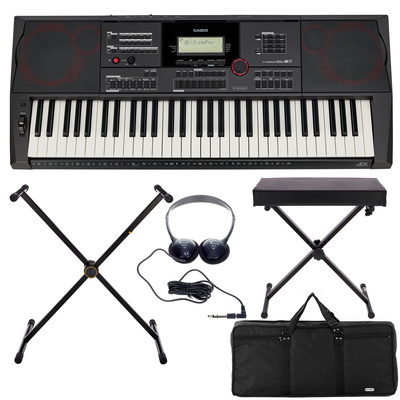
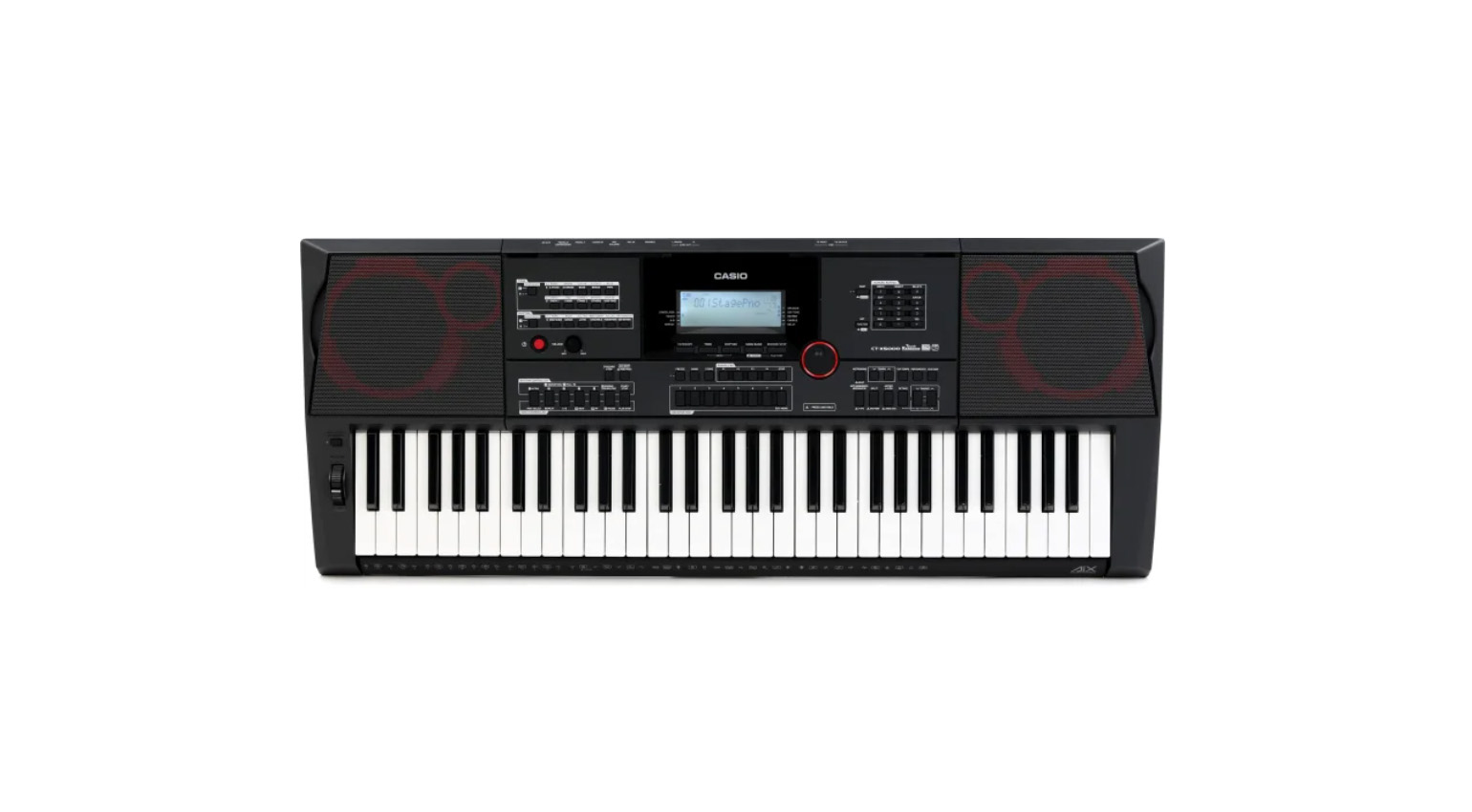
Casio CT-X5000: Casio’s Top-of-the-Line Keyboard
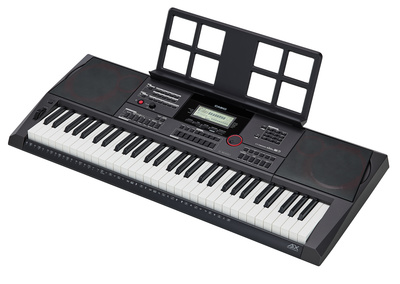
The name ‘Casio’ is closely linked to beginner keyboards—at times, it was almost synonymous. However, the CT-X5000 has nothing in common with the cheap ‘kiddie keyboards’ the brand is still often associated with. The keyboard features 800 sounds and 235 accompaniment rhythms based on the high-quality AiX sound engine. It also offers a microphone input, a line output, an arpeggiator, and two USB ports.
The Casio CT-X5000 is available at Thomann* and Sweetwater*.

The Best Synths for Playing in a Band: Where to Start
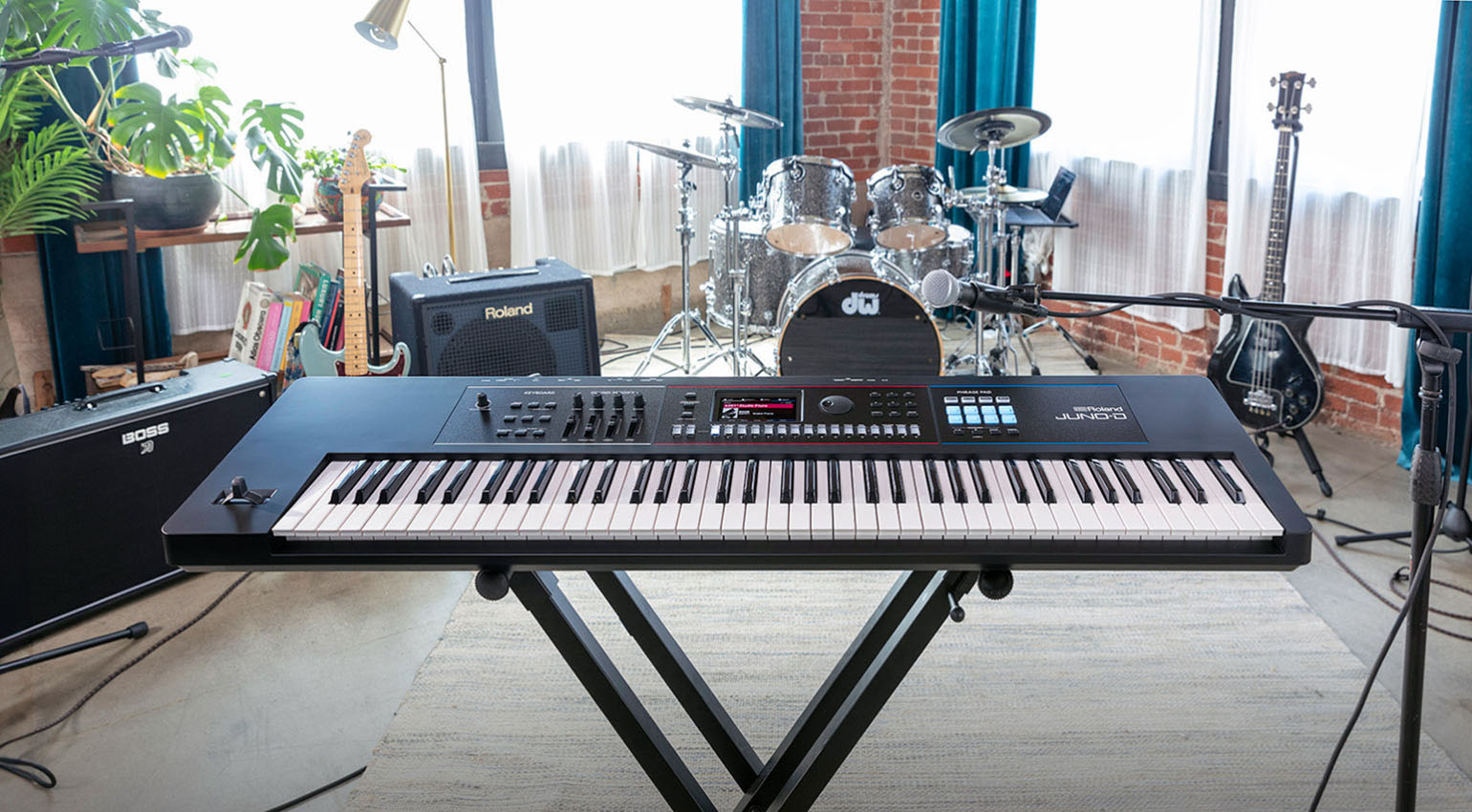
Have you decided to start with a ‘real’ synthesizer instead of a beginner’s keyboard? Then you’re faced with an almost overwhelming variety. While portable keyboards may differ in the details, they all cover roughly the same musical spectrum (many sounds at the touch of a button, built-in accompaniment rhythms). With synthesizers, it’s a completely different story: Here, it’s all about which specific sounds you want to create and what kind of sounds you need for your style of music.
Depending on the style, the keyboard player in a band may be expected to contribute mainly traditional sounds like piano, organ, or strings, distinctively synthetic timbres like synth basses, synth leads, and synth pads, or both. It’s also not uncommon to play several sounds at once. Especially if you’re not yet sure where your musical endeavors will take you, I’d therefore recommend starting with one of the following all-round synthesizers. Similar to the keyboards mentioned above, they cover a wide range of sounds—though without the auto-accompaniment feature, which you wouldn’t need in a band anyway. Instead, you’ll have a lot more options to modify and customize the sounds to your liking and put together the right sound combinations for a gig. Once you have a clearer idea of where your musical journey is headed, you can later add a second synth to tailor your setup to your band’s specific style.
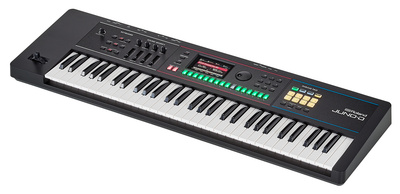
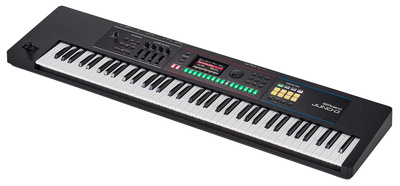
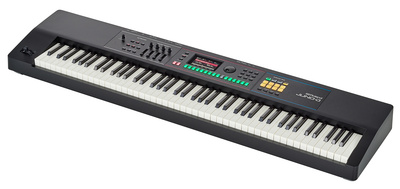
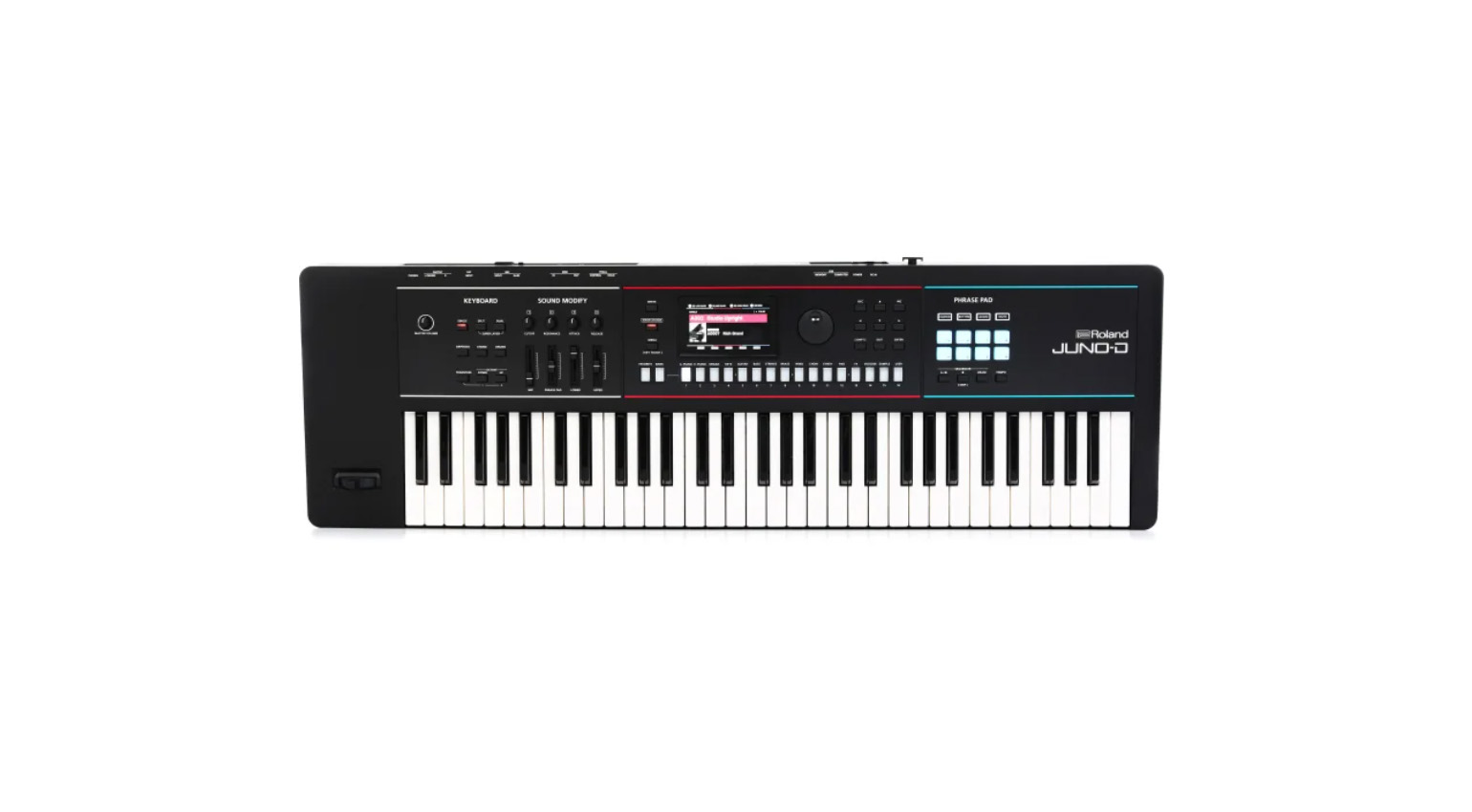
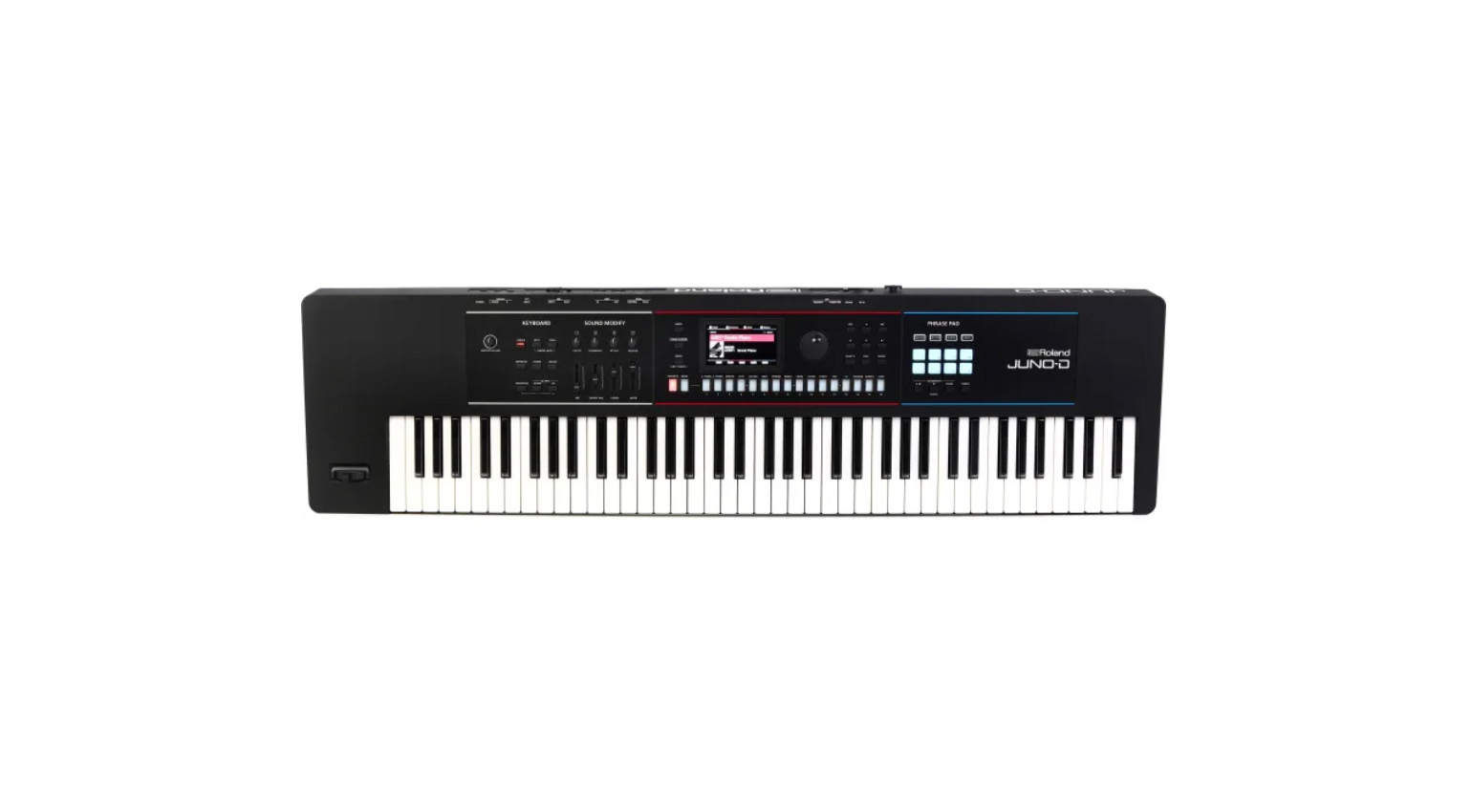
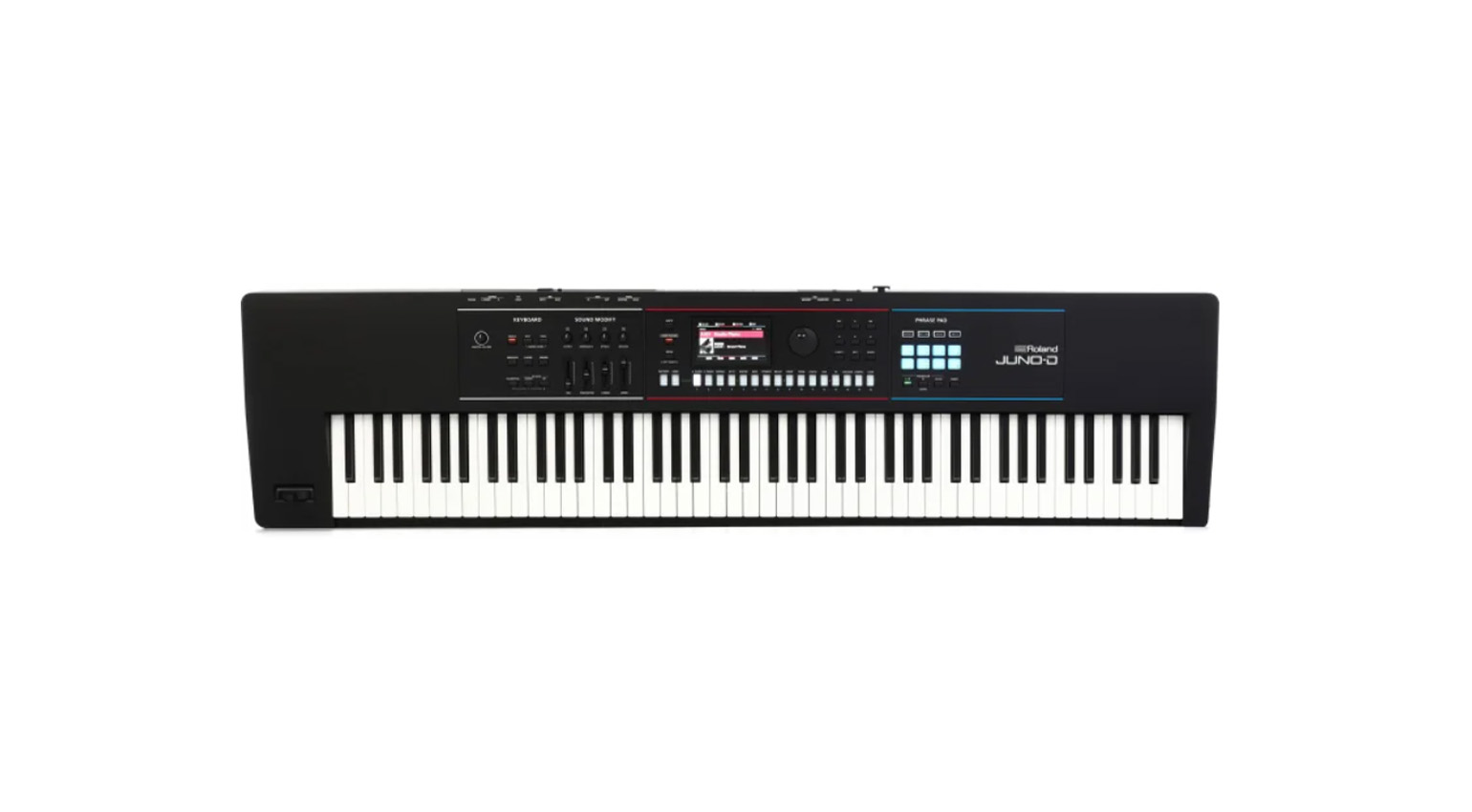
Roland Juno-D Series: One of the Best All-Round Synths for Playing in a Band
Available in three sizes and equipped with the ZEN-Core sound engine, the Roland Juno-D covers a vast range of sounds. Out of the box, it includes over 3,800 sounds, and various expansions are available to tailor the sound library to your liking. It also features numerous effects, a vocoder, a built-in step sequencer, and an audio player. You can split the keyboard into two zones with different sounds at the touch of a button. And thanks to the built-in audio interface, the Juno-D is also a great starting point for your career as a producer.
You can get the Roland Juno-D at our affiliate partners Thomann* and Sweetwater*.
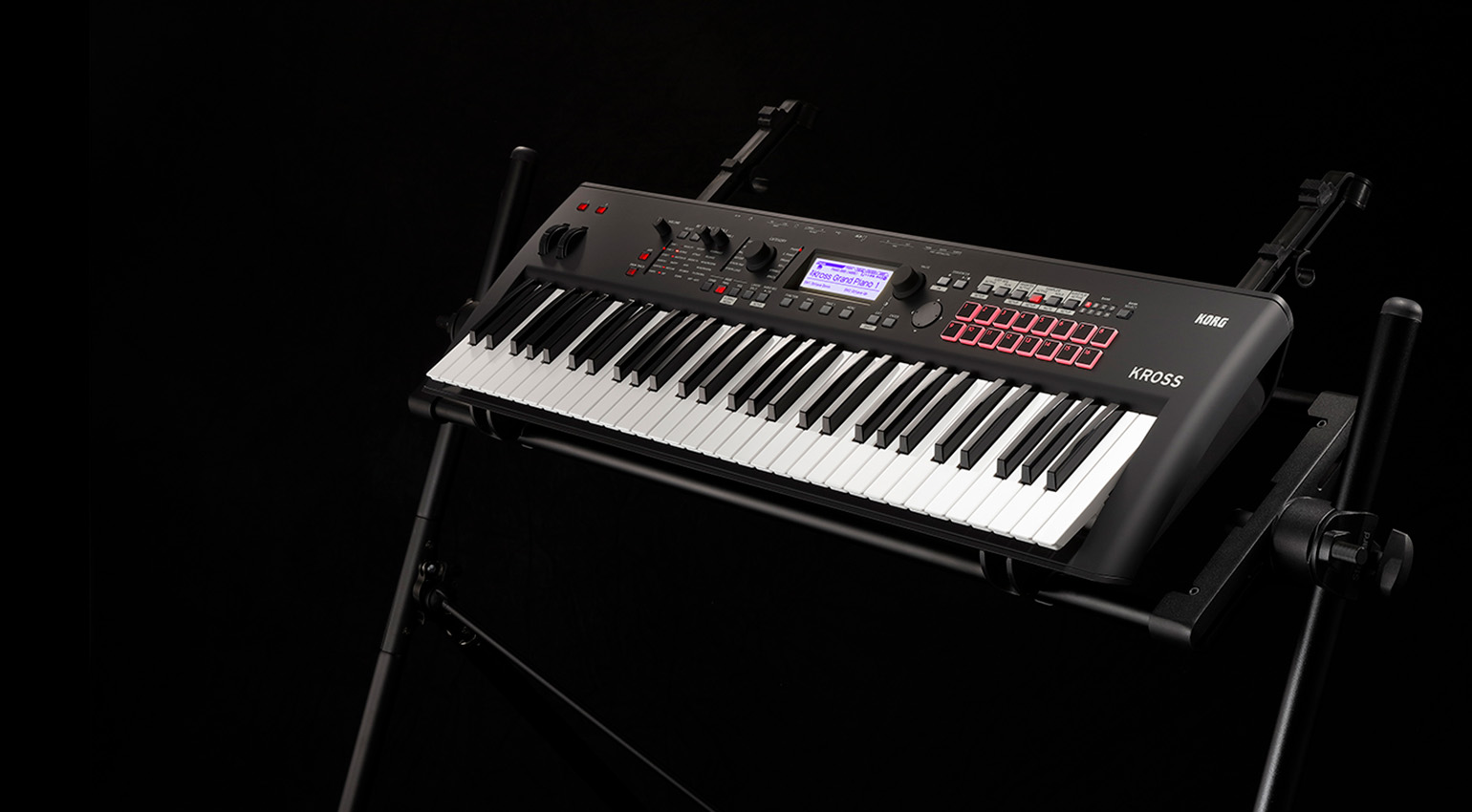
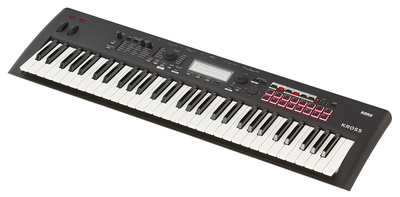
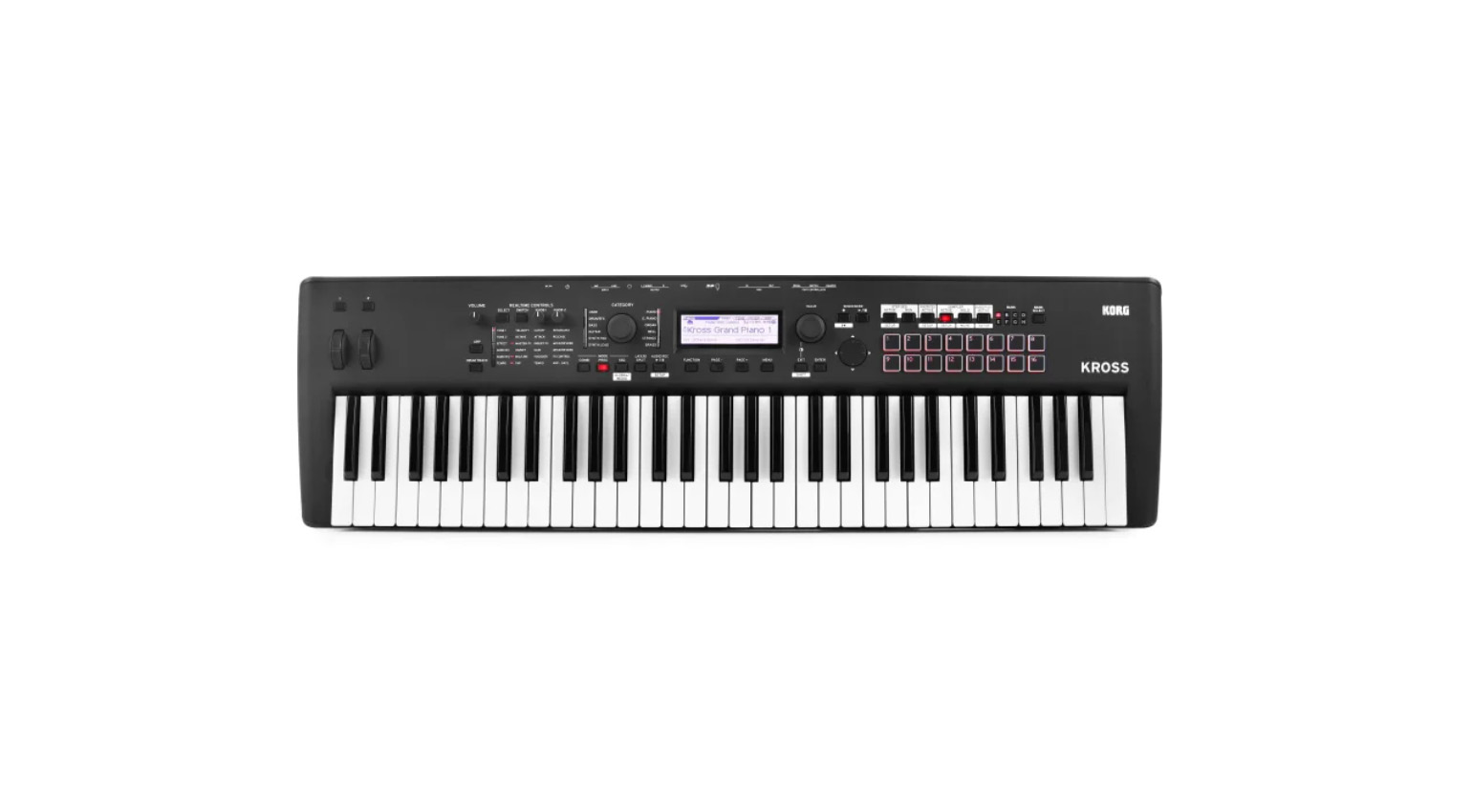
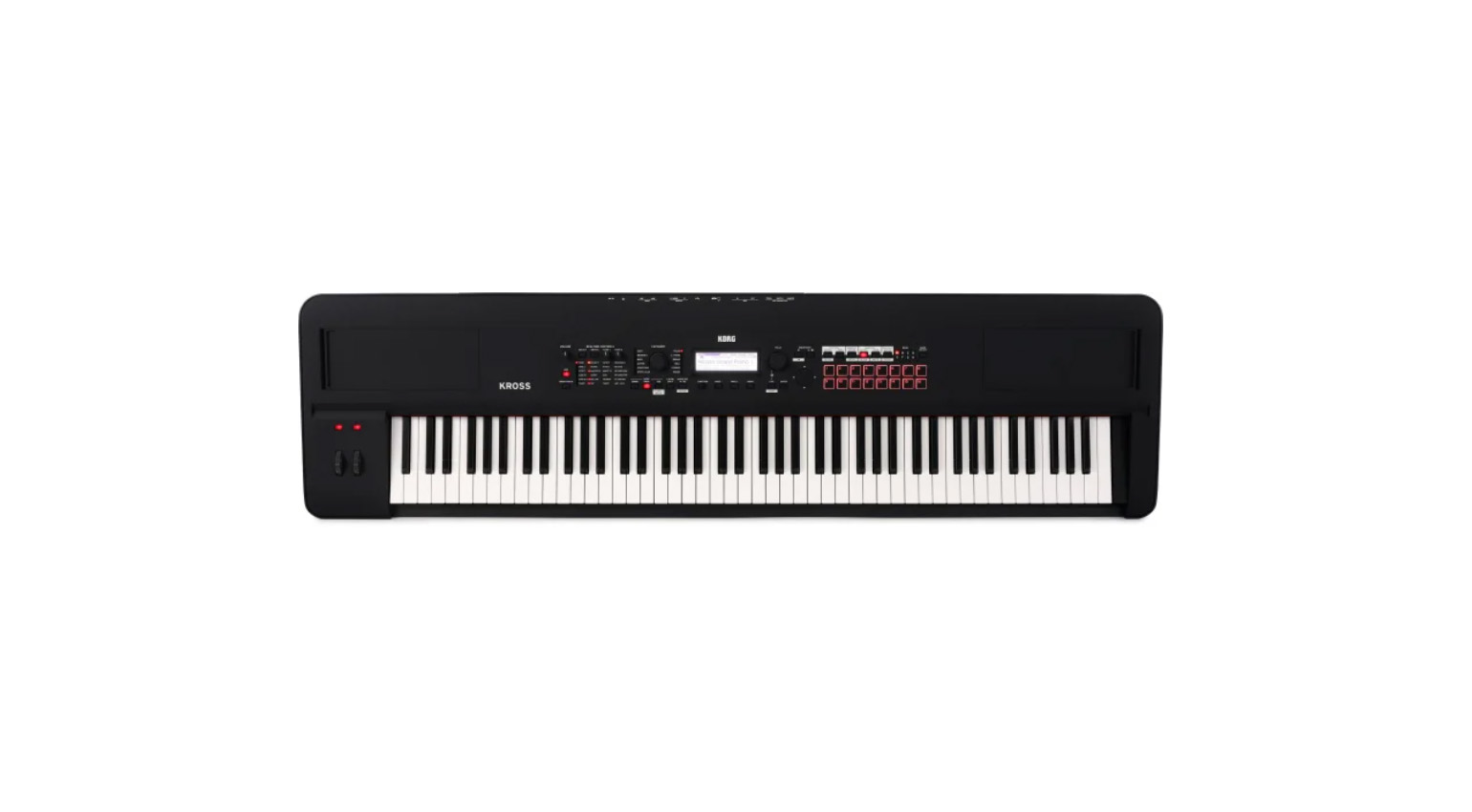
KORG Kross 2: All-Round Synth for Studio and Stage
The KORG Kross 2 offers a wide range of sounds, offering a great starting point for almost any musical style. A large rotary knob allows you to access the various sound categories directly, making it easy to find the right sounds during a performance. The synth is available with 61 or 88 keys, with the larger version featuring a hammer-action keyboard. A built-in sequencer, an arpeggiator, and numerous effects round out the features.
The KORG Kross 2 is available at our affiliate partners Thomann* and Sweetwater*.
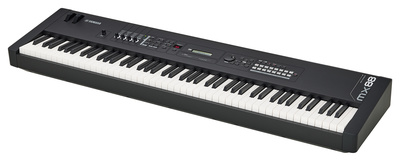
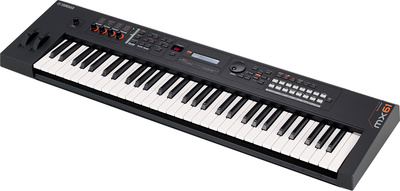
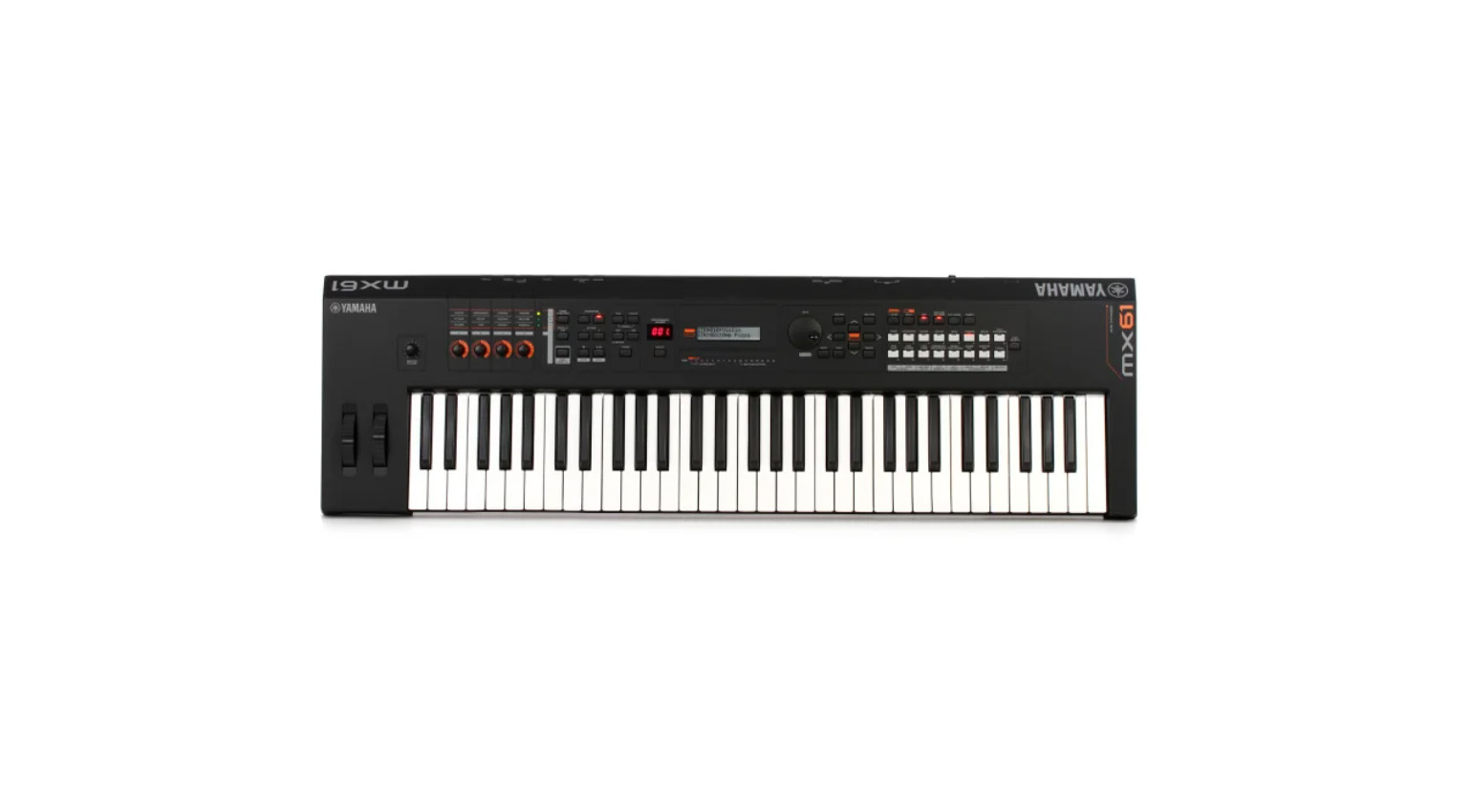
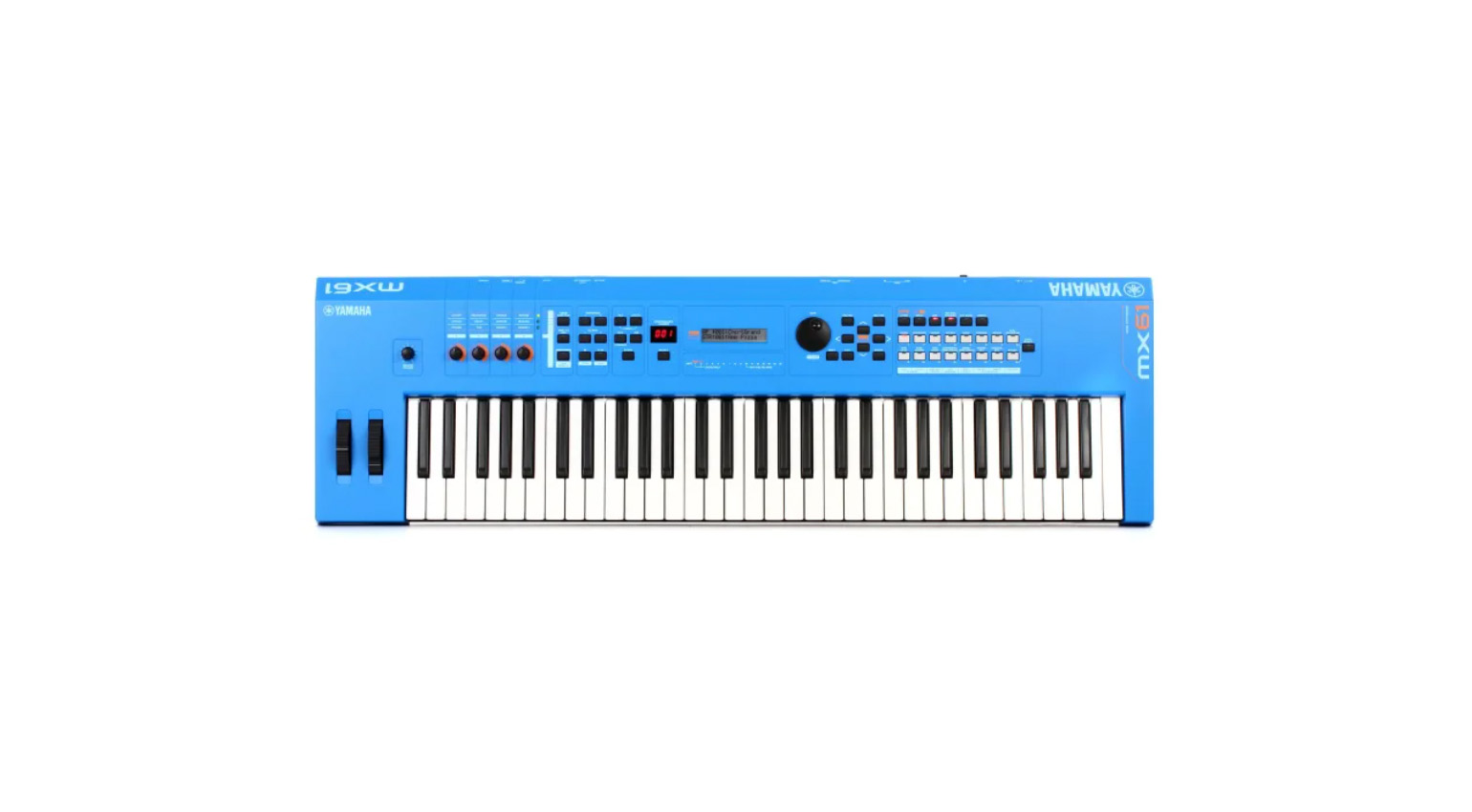
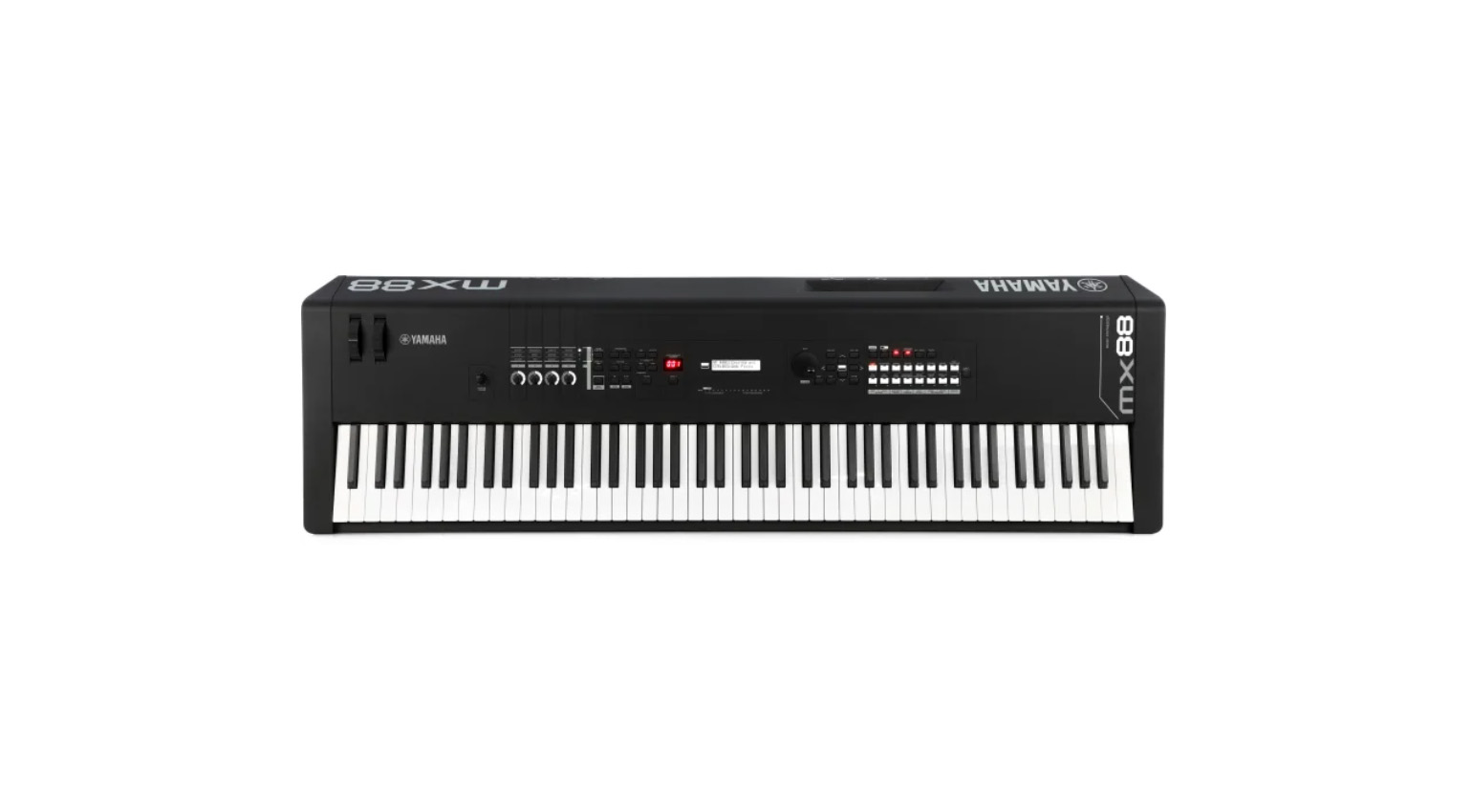
Yamaha MX: Over 1,000 Sounds at your Fingertips
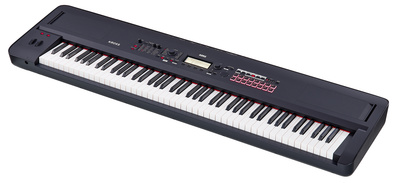
The Yamaha MX uses the same AWM2 sound engine as the significantly more expensive Montage M and MODX M flagship models. Over 1,000 sounds are available, which you can customize on the fly using four handy knobs. In addition, the Yamaha MX comes with the FM Essential app, which puts a wealth of classic FM timbres at your fingertips. The MX isn’t just one of the best beginner’s synths for playing in a band—it also offers all the features you need to produce tracks on your computer.
The Yamaha MX series is available at our affiliate partners Thomann* and Sweetwater*.
Of course, the list of great synths for playing in a band doesn’t end with these suggestions! In this article, we’ve focused on all-round instruments that offer a good starting point for live players, regardless of the style. If, for example, you’d rather produce electronic music on a computer, other synths might be a better fit. Here are a few more reading recommendations:
- Best Budget Beatmaking Gear
- Best Pocket Synths
- 5 of the Best Synths for Bass Music
- The Best Synths for Techno Productions in 2025: Powerful, Flexible and Creative
The Right Accessories for Playing Keyboard in a Band: Stands, Bags, and More
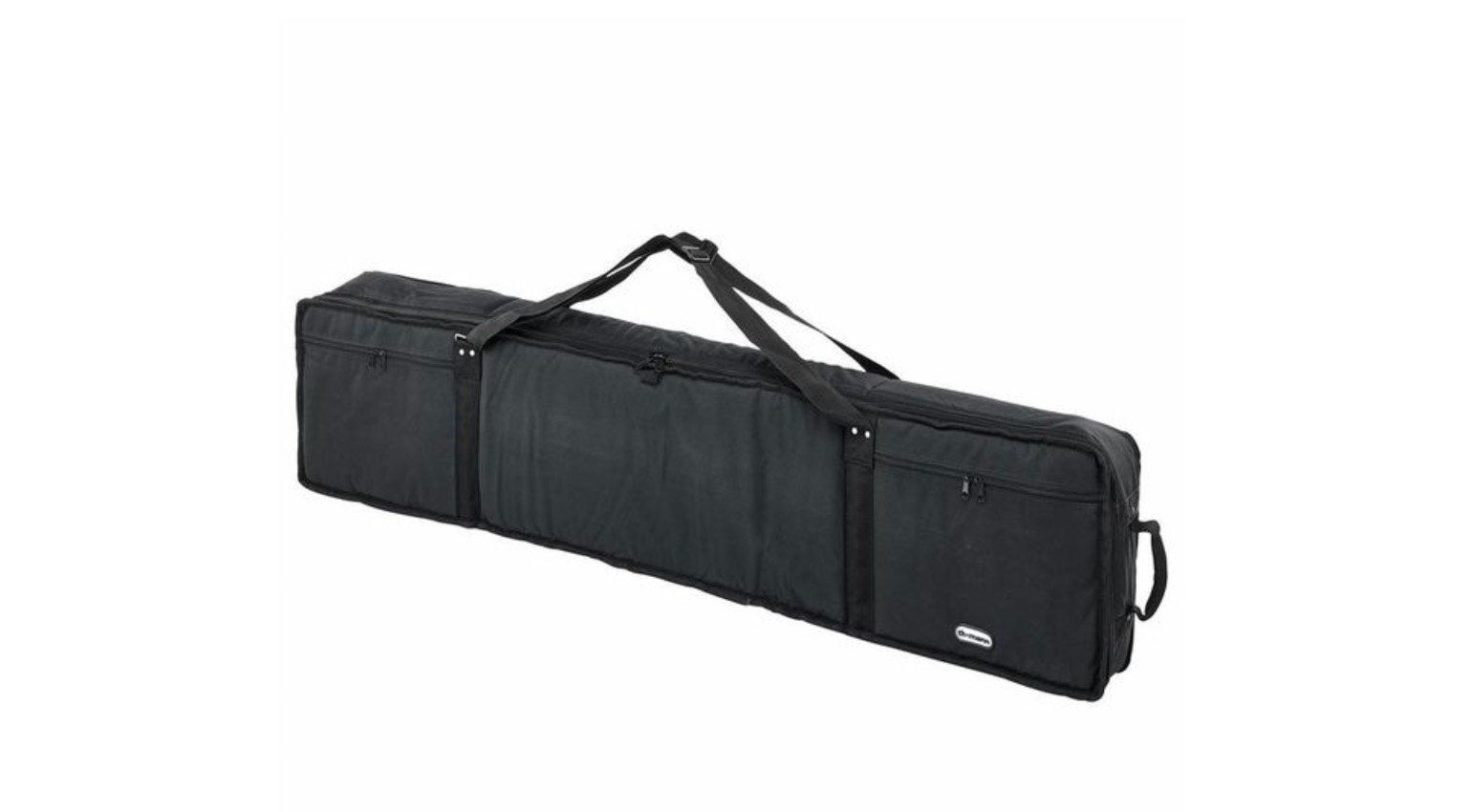
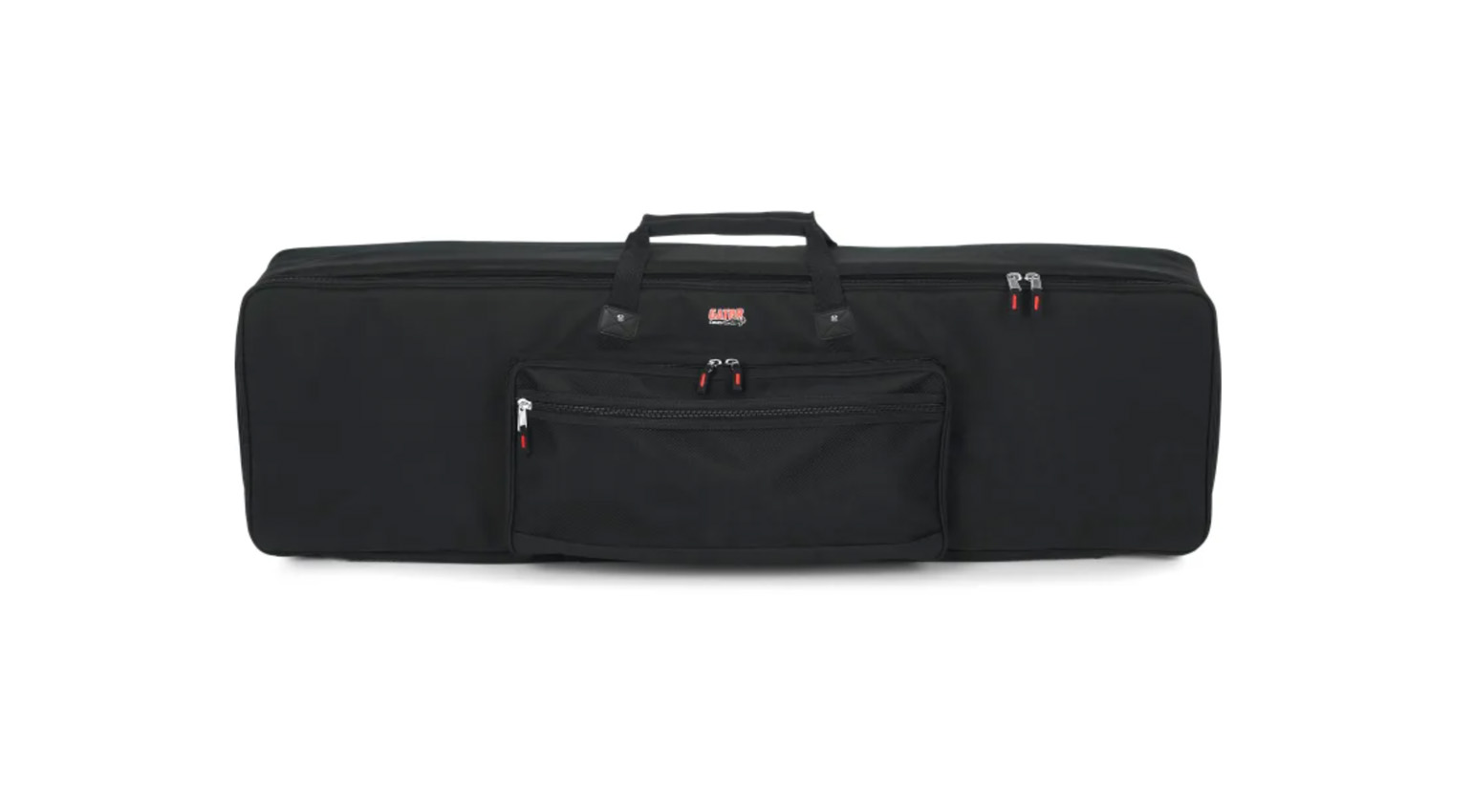
To safely transport your new synth or keyboard to rehearsals or gigs, we recommend getting a suitable bag or case. Most bags also offer space for cables, pedals, and other accessories. Some can even be carried as a backpack, which is handy if you’re traveling by bike or using public transportation. Some manufacturers offer their own branded bags for their instruments. For other keyboards, there are suitable products from other manufacturers in standard sizes. You’ll find a wide selection at Thomann* and Sweetwater*.
An even sturdier option is a rigid case made of plastic or plywood. While it weighs a bit more, it protects your valuable instrument even when it’s stacked with other gear in the trunk of your car or the cargo hold of a tour bus. And if you’re going to fly with your instrument, a rigid case is a must-have! Make sure that the size and foam padding are a good fit for your specific instrument. In addition to standard cases for common keyboard sizes (e.g., 61, 76, or 88 keys), custom cases are available for specific instruments. Tip: The Thomann Case Factory* lets you design a custom case made for your instrument with just a few clicks! Or you can choose one of the many pre-configured cases*. Sweetwater also carries a wide selection of keyboard cases*.
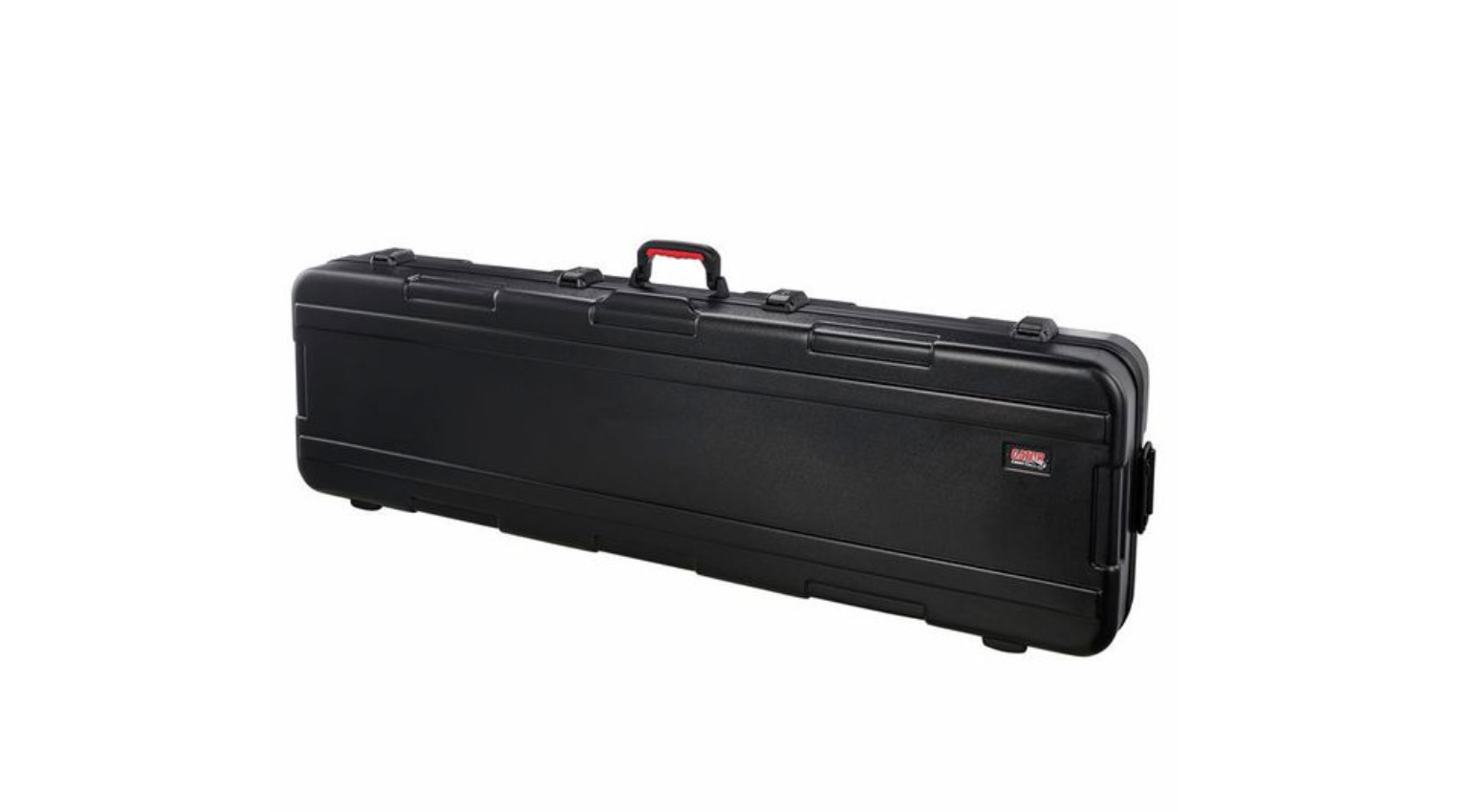
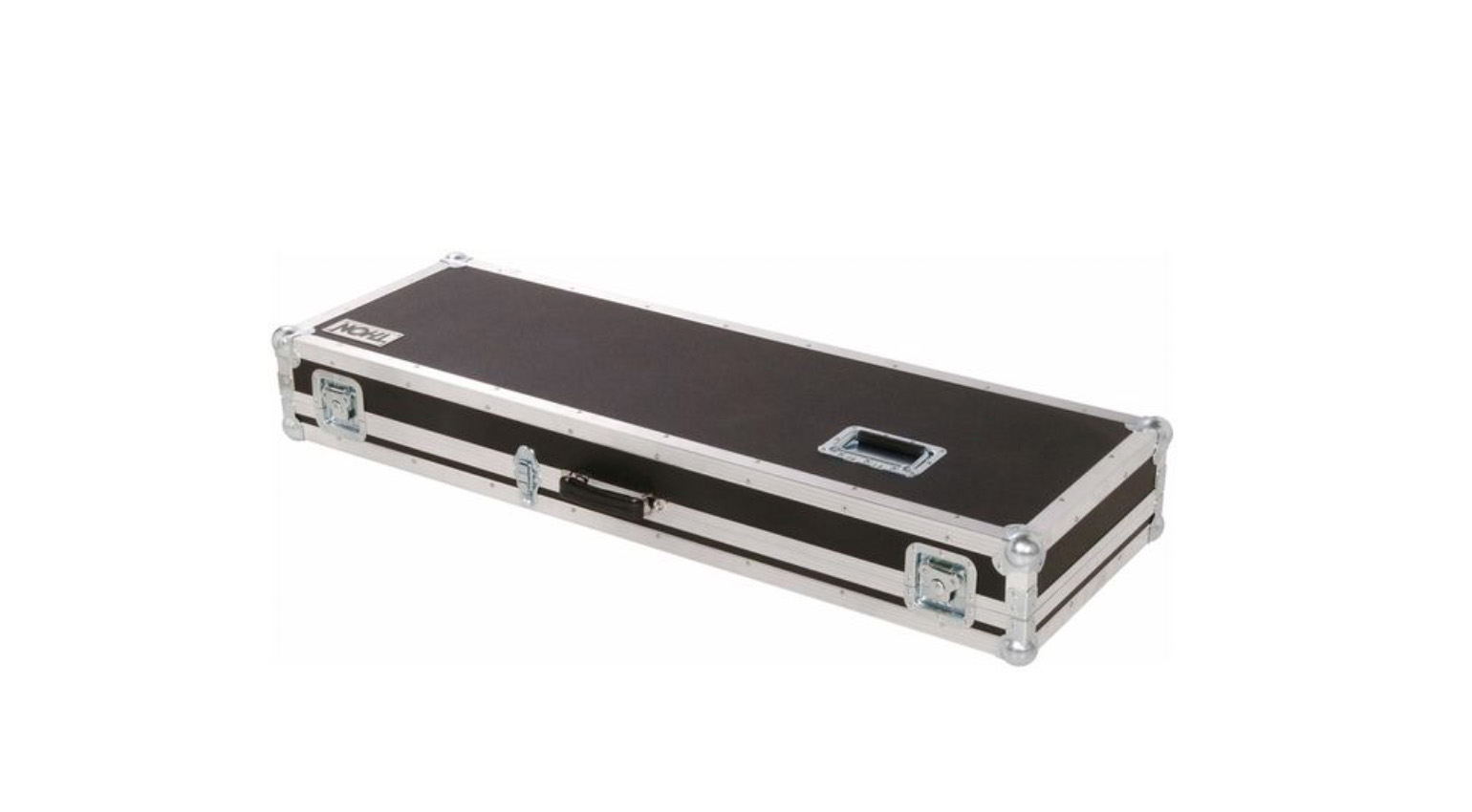
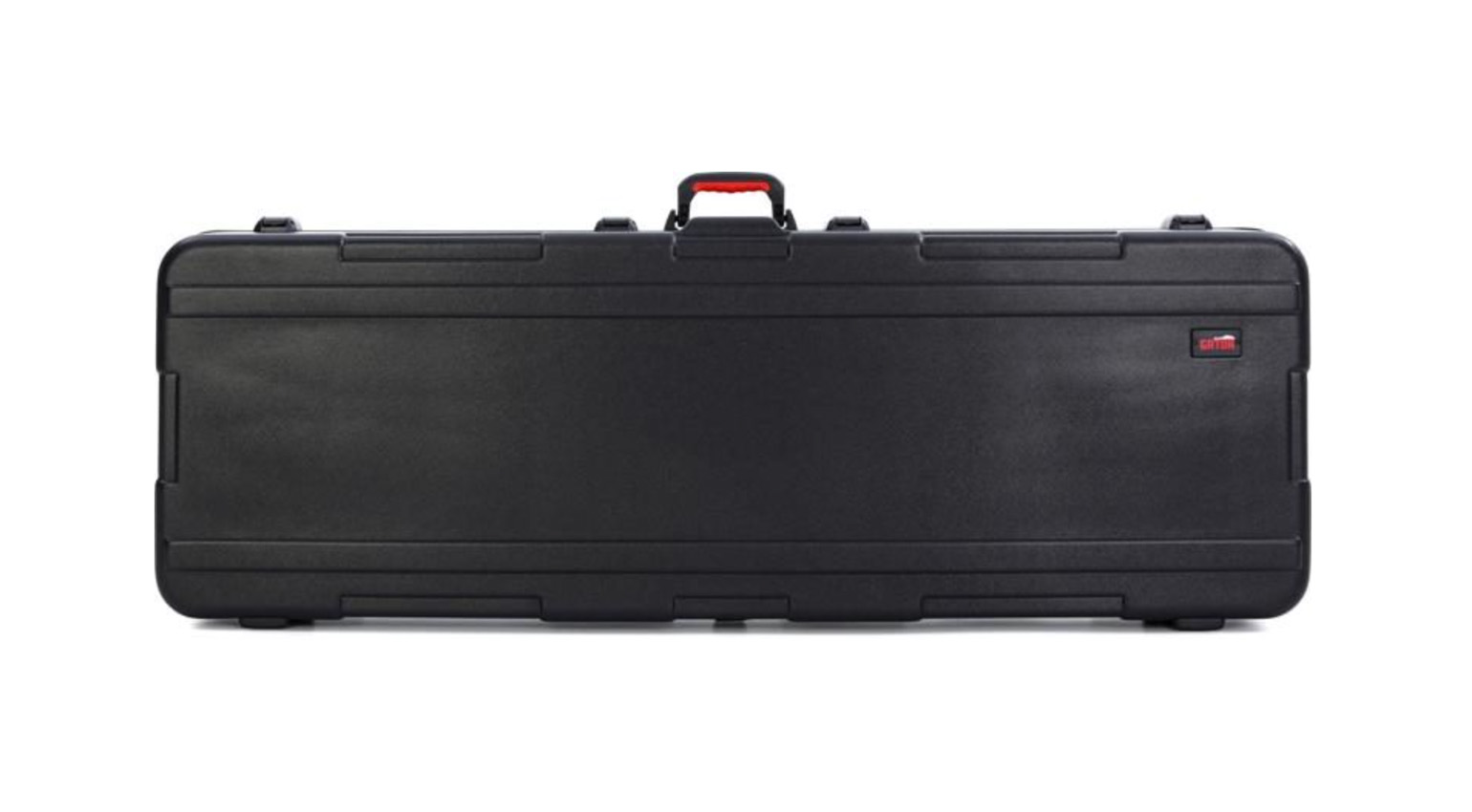
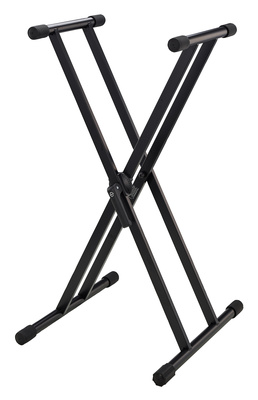
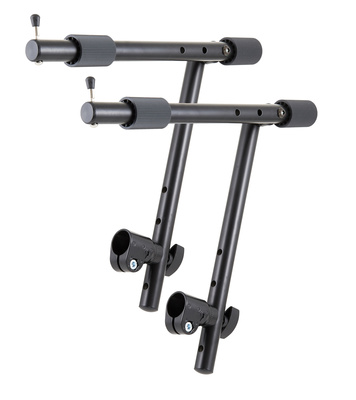
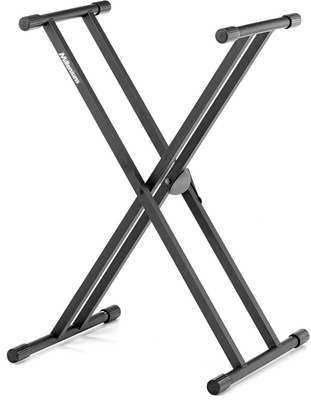
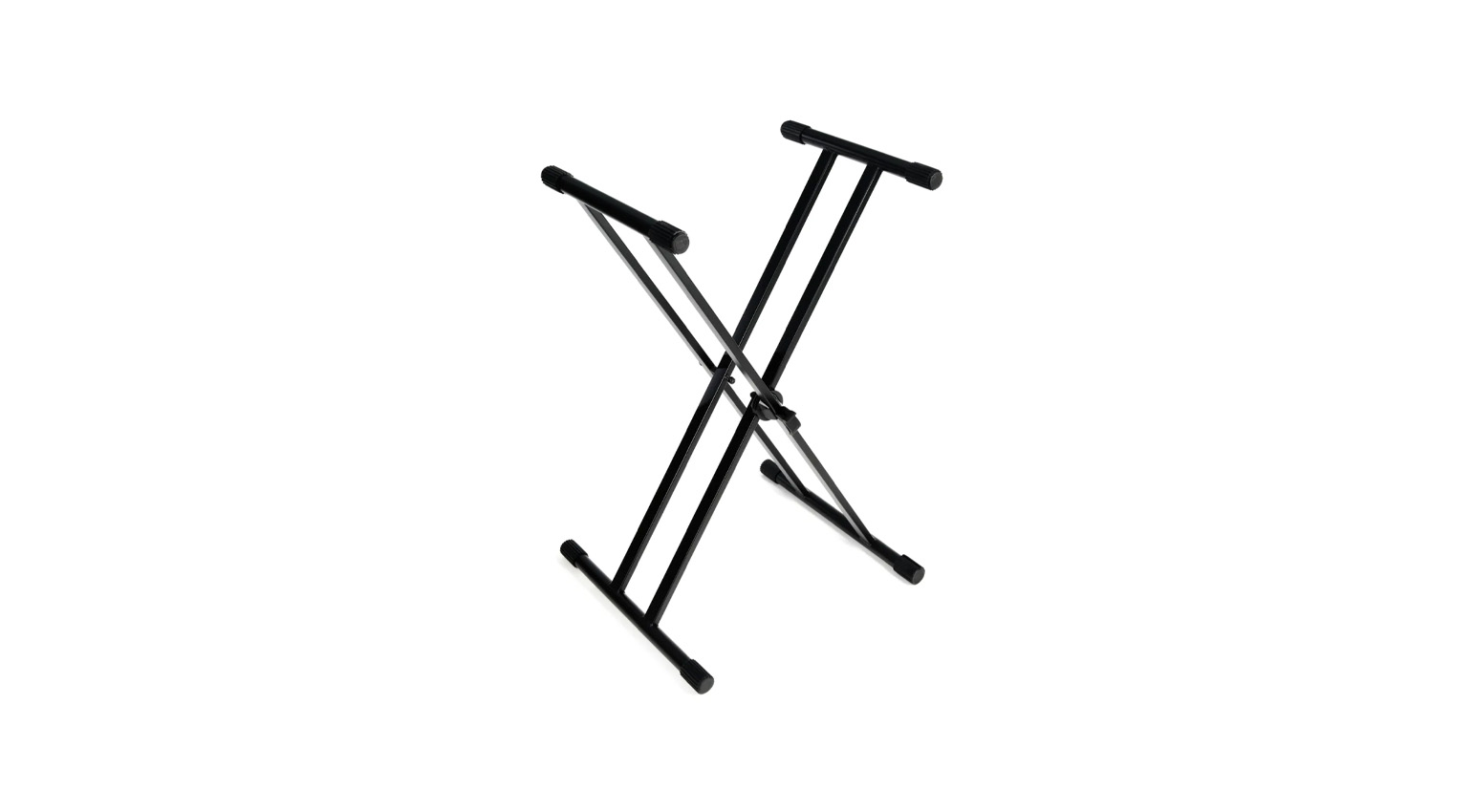
On stage and in the rehearsal room, your keyboard or synth should always be placed on a sturdy keyboard stand. Make sure the stand is designed to support the weight of your instrument—cheap stands quickly reach their limits, especially with large 88-key boards. And so you don’t have to buy a new stand right away if you add a second or even third keyboard later on, it’s best to choose a model that can be expanded to two or even three tiers if needed.
To start with, I’d go for a sturdy X-stand with double struts. These are quick to set up, easy to transport, and easy to adjust. For some X-stands, such as the K&M 18990, add-ons for additional tiers are available. You’ll find a selection at Thomann* and Sweetwater*.


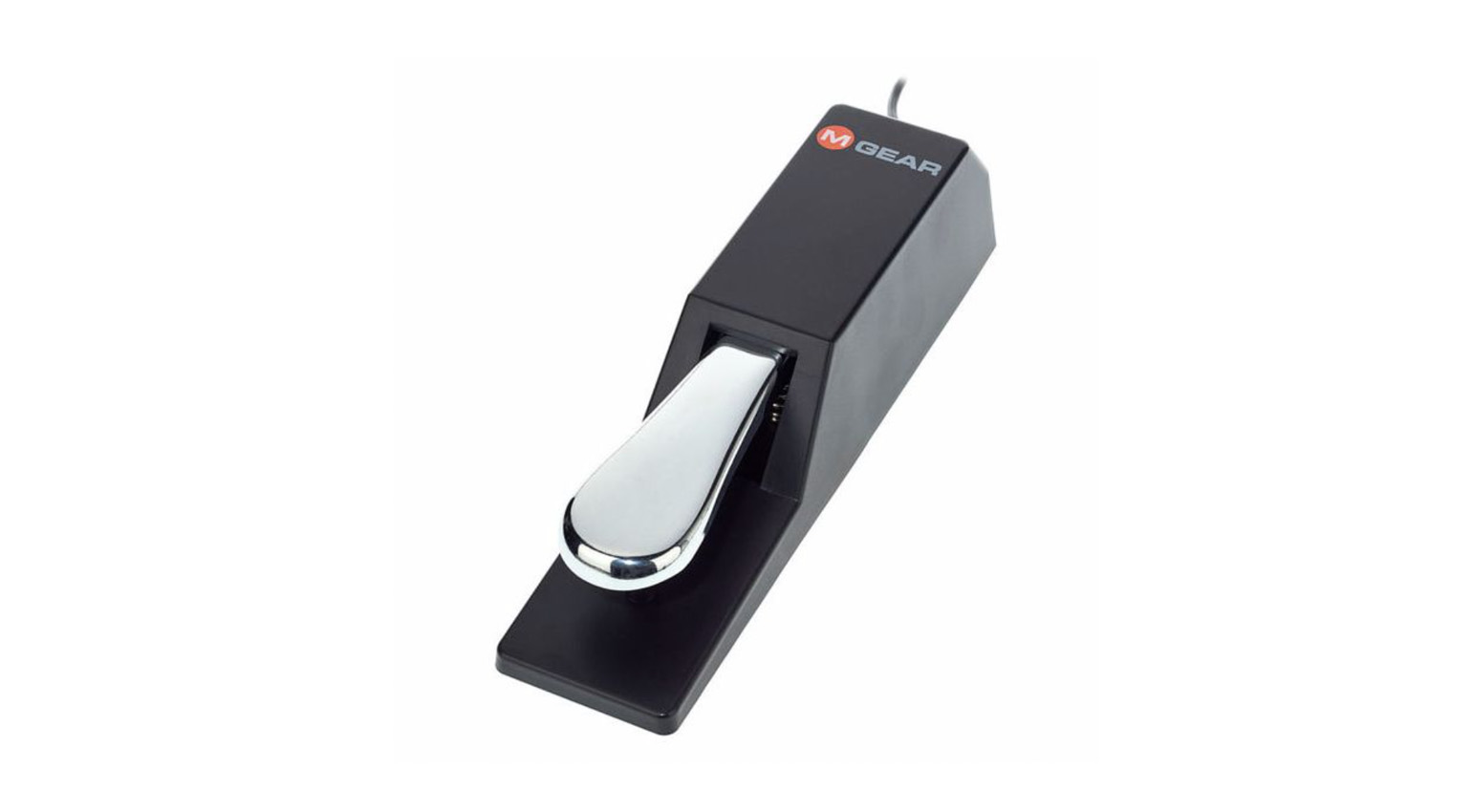
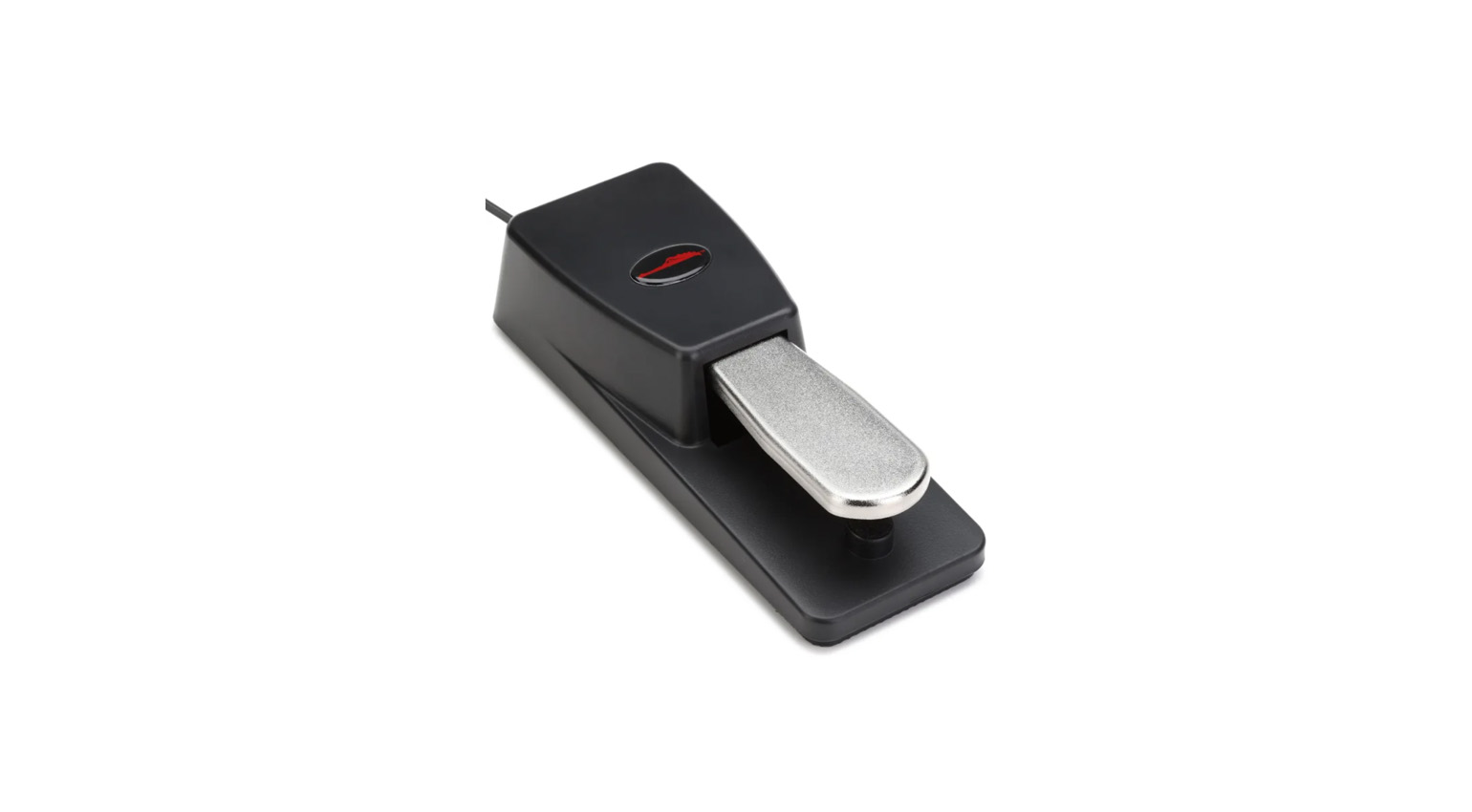
A sustain pedal is also a must-have in your keyboard bag. Some entry-level portable keyboards come with one, but it’s usually of questionable quality. If none is included or you’d like a higher-quality model that won’t slip as easily on stage, you’ll find a wide selection at our affiliate partners Thomann* and Sweetwater*. Tip: Make sure the polarity is switchable—that way, the pedal is guaranteed to work with keyboards and synths from all manufacturers.
More on Keyboards and Synths for Playing in a Band
- Best Stage Pianos for an Authentic Vintage Sound
- Best Stage Keyboards for Organ Players
- The best Digital Pianos – from budget to professional!

This might also interest you