Microphone/Preamp Combinations That Magically Work Together
Why do certain mic and preamp pairings reliably produce results?

 3,9 / 5,0 |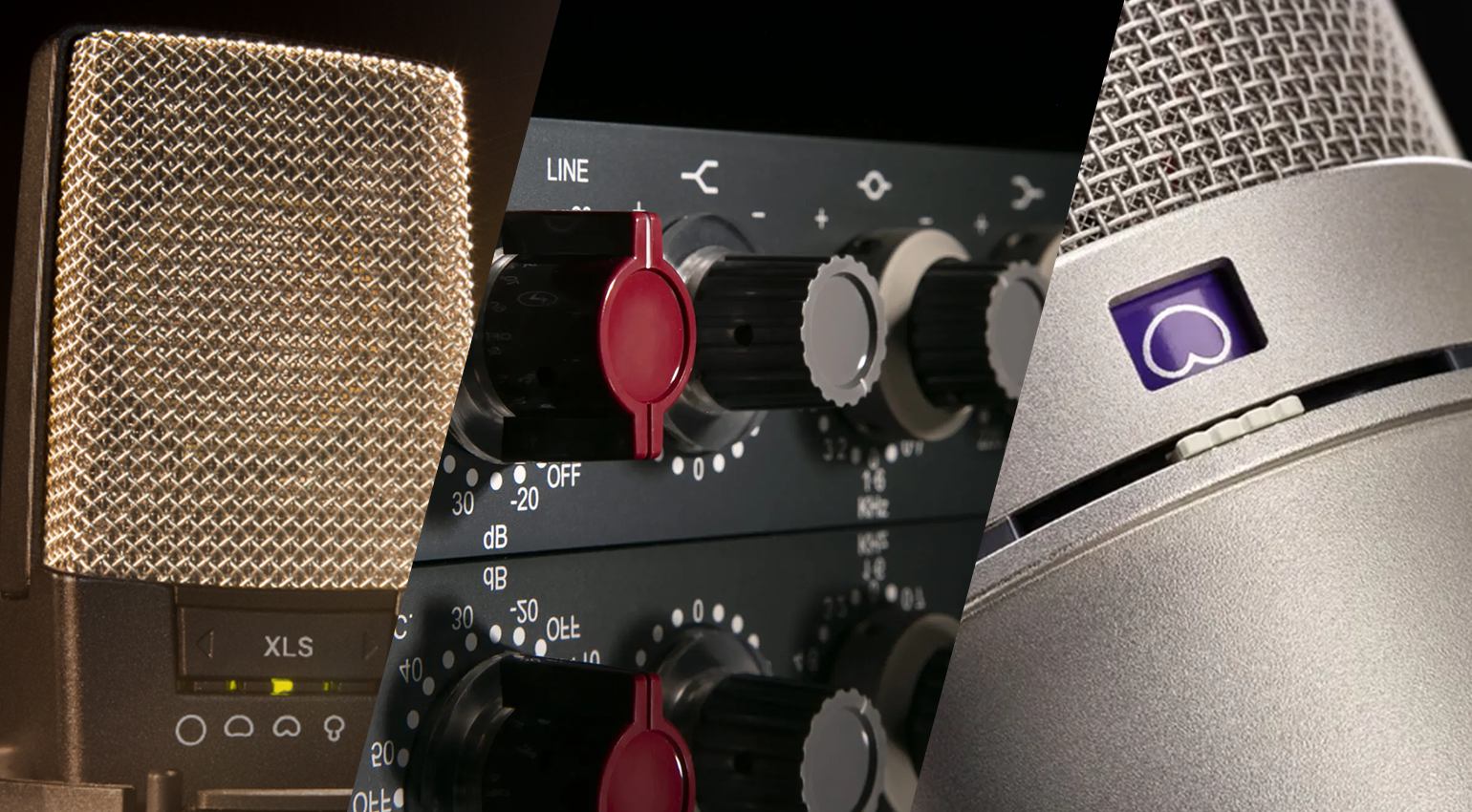
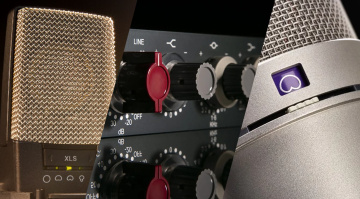
Microphone/Preamp Combinations That Magically Work Together · Source: AKG / Neve / Neumann

We explore different microphone/preamp combinations and discuss some of the benefits of pairing certain gear in your recording chain.
In this Article:
Ever wondered why, when you walk into a big professional studio, you always see the usual suspects? When it comes to microphones, preamps, and many other analog signal processors, the choices made within the circuit designs play a big role in the eventual sound and performance.
The choice to use or not use a transformer when building a piece of gear can change its character, making it better suited to certain applications than others. We’re discussing some mic and preamp pairings that complement each other for different reasons, and the beauty of equipment like this is that there are no firmware updates or subscriptions attached.
Microphone/Preamp Combinations: Neumann TLM 103 + SSL VHD
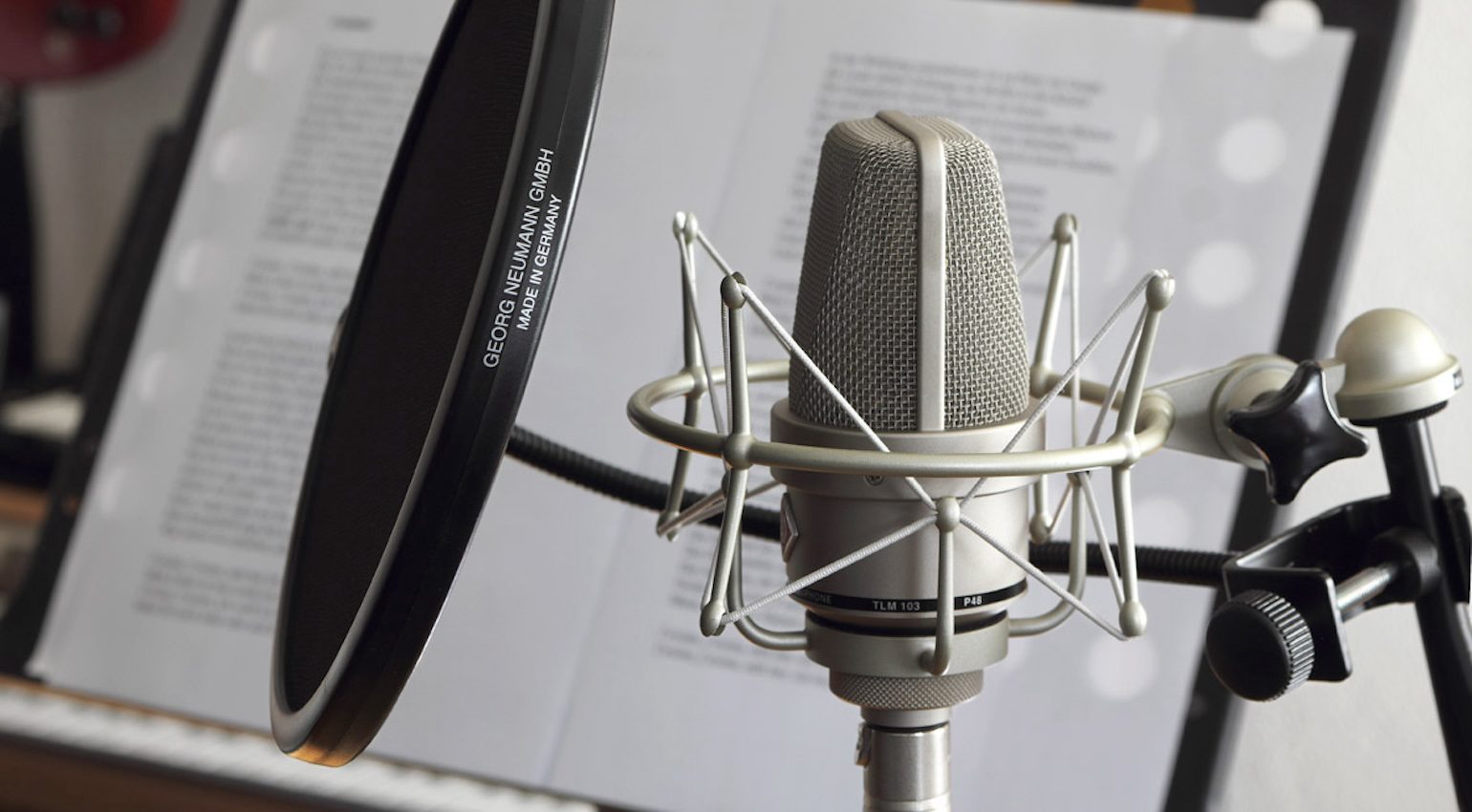
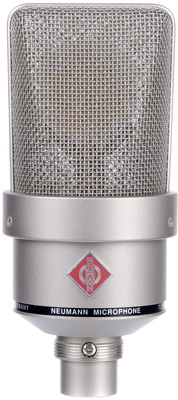
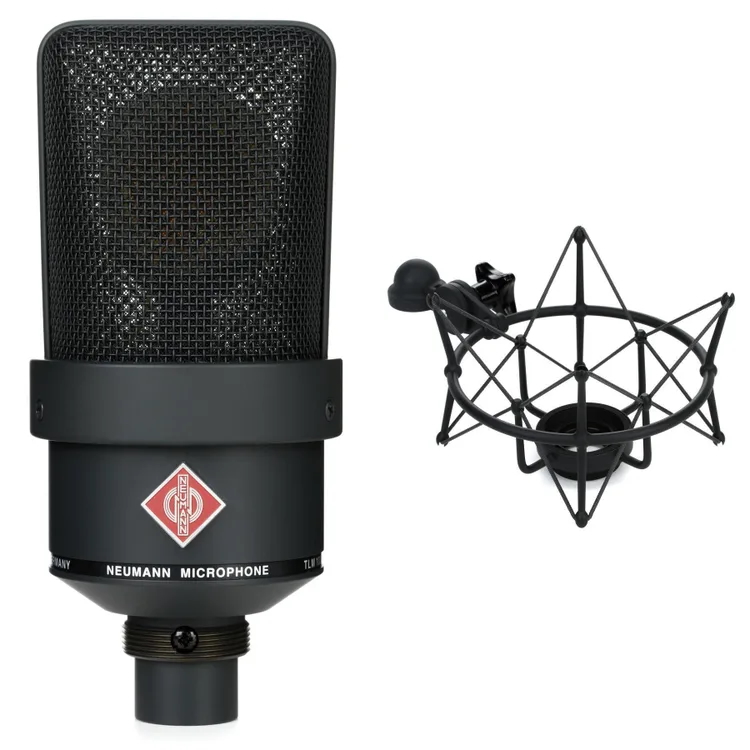
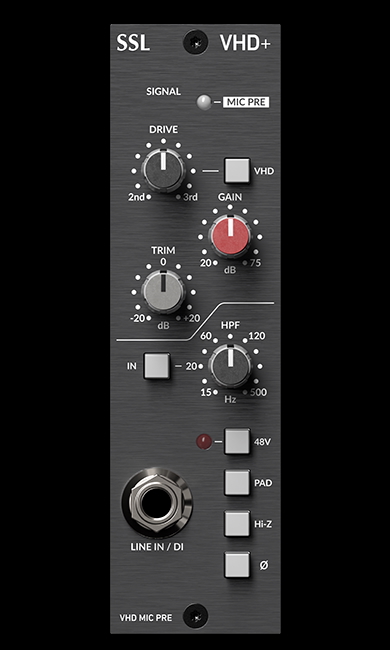
For getting a professional and modern clean vocal sound without reaching into the high-end side of the gear market, the pairing of the Neumann TLM 103 and the SSL VHD preamp is a great starting point. The TLM 103 is a tried and tested condenser in Neumann’s transformerless mic series that delivers detailed vocal clarity, for anything from a whisper to all-out belting.
The most interesting aspect about the SSL VHD console-style preamp is its flexibility. With the variable harmonic drive control, you can dial in different amounts of 2nd- or 3rd-order harmonics for tube-like warmth or transistor bite. However, you can also simply bypass the VHD section, and the preamp will function like a standard SuperAnalogue SSL preamp.
The VHD preamp is available as the VHD+ 500-series module, in the Super 9000 channel strip, and, of course, in the Duality Fuse console. This preamp will also pair well with the rather gain-hungry Shure SM7B broadcast dynamic microphone, which is also a favorite among recording artists today.





Microphone/Preamp Combinations: AKG C414 + API 512
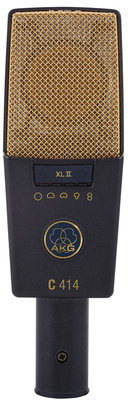
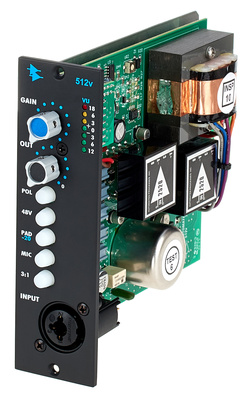
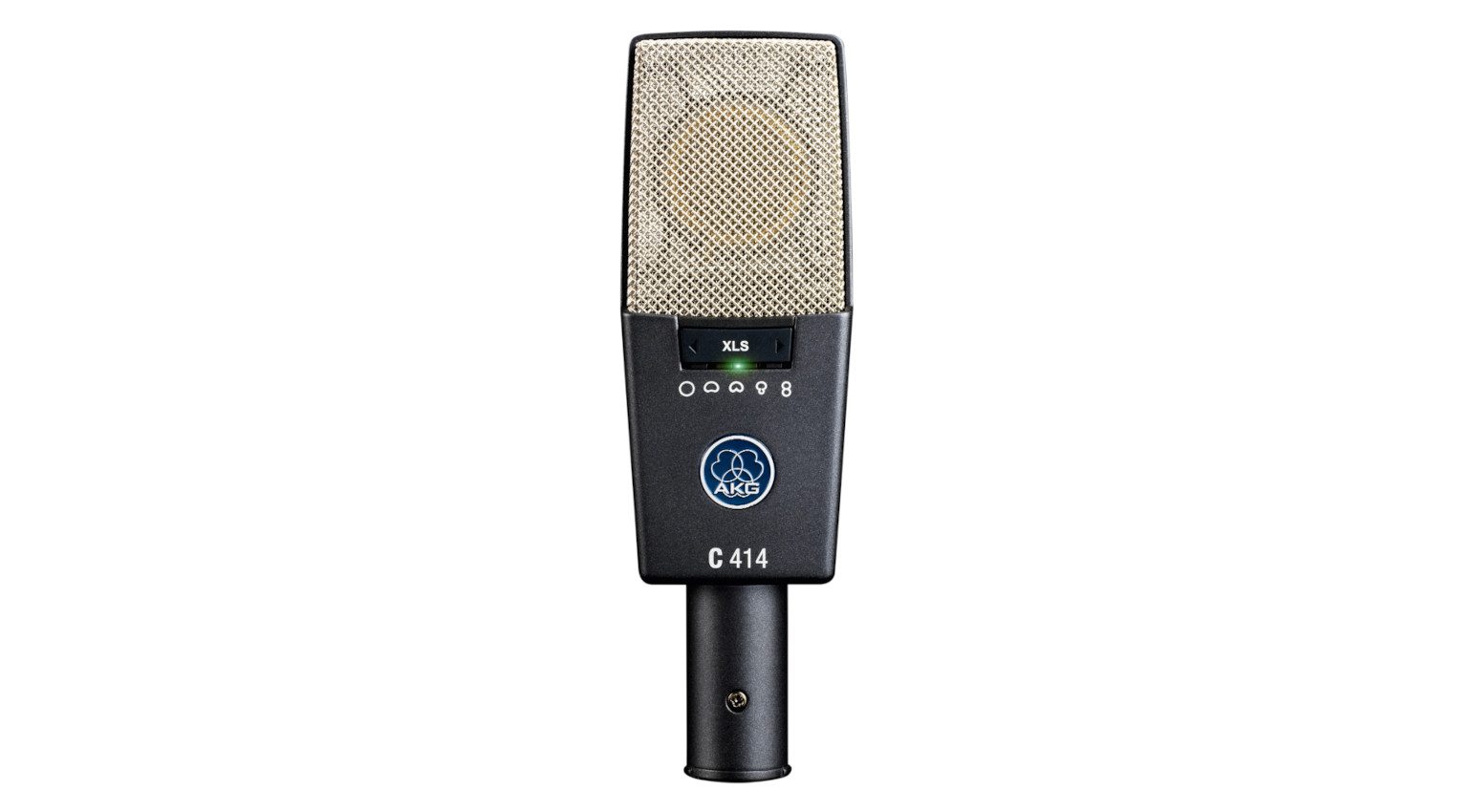
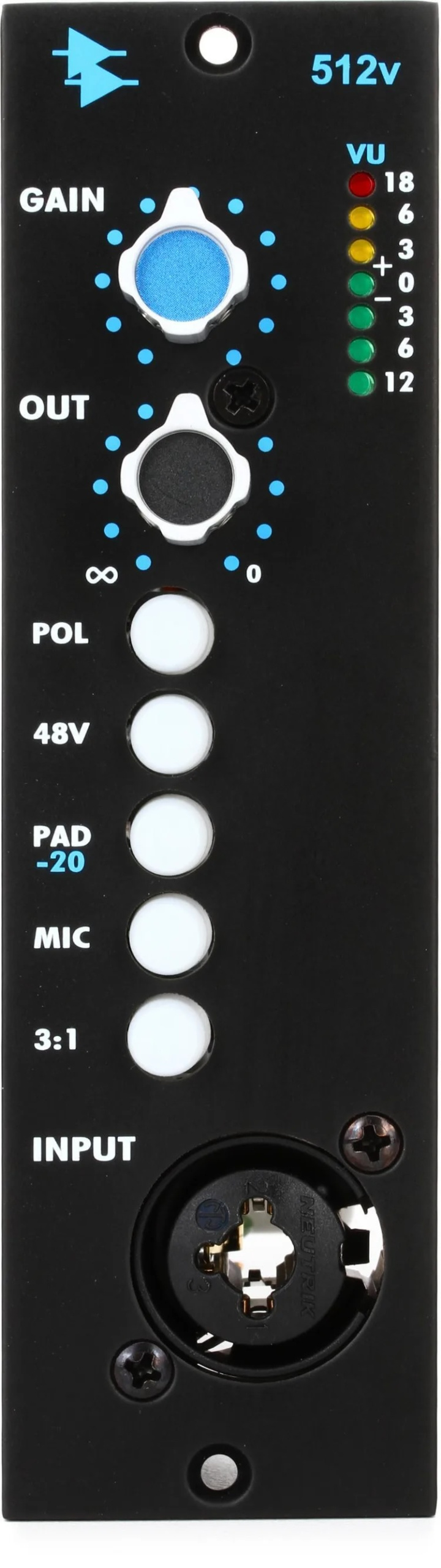
The combination of a trusted studio workhorse like the C414 and the punchy character of an API mic preamp will help you achieve great results on anything from vocals to guitars and drum overheads. In the late 1960s, AKG transitioned away from tube-based designs like the famous C12 with a series of solid-state FET condensers that would feature the C414.
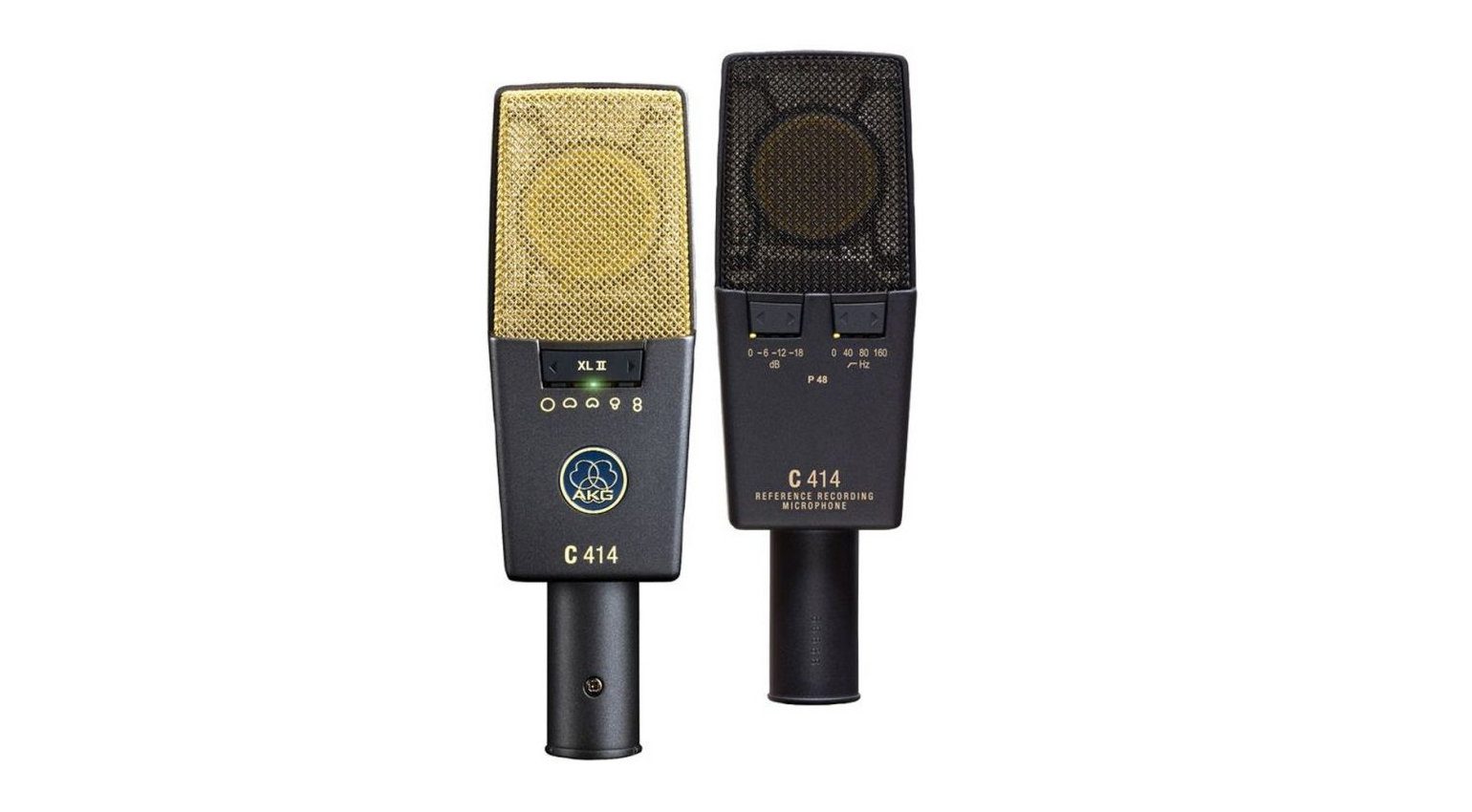
While the C414 has plenty of detail in the upper midrange that helps it enhance almost any sound source, the API 512 mic preamp brings the signal toward the front of the mix. When combined with a healthy dose of 1176-style compression, this ensures that the subtle nuances of the performance are baked into the signal during tracking.
Besides their high-quality sound, both the C414 and 512 are very much utilitarian in that you can find a way to use them on most recording projects. The current AKG C414 is available in brighter XLII and darker XLS variants, or the Austrian Audio OC818 provides a modern alternative, developed by some of the original engineers from AKG Vienna.


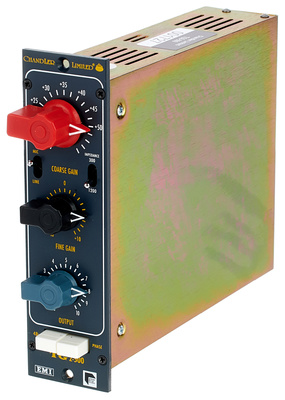
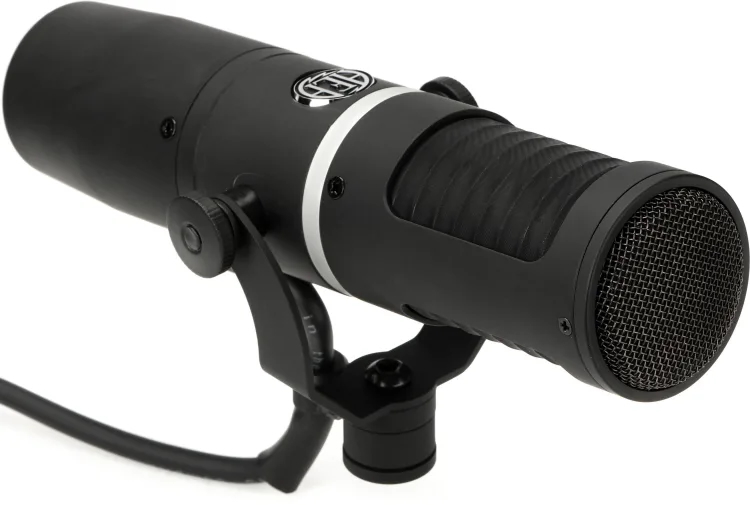
Microphone/Preamp Combinations: AEA KU5A + Chandler Limited TG2
When you want that silky vintage sound from classic pop ballads and jazz records from the 1950s, a ribbon mic is the obvious choice, but you need a preamp that complements its delicate tonal character. With the AEA KU5A, you get the sonics of a ribbon mic but without all the idiosyncrasies that come with vintage-style ribbon mic designs.
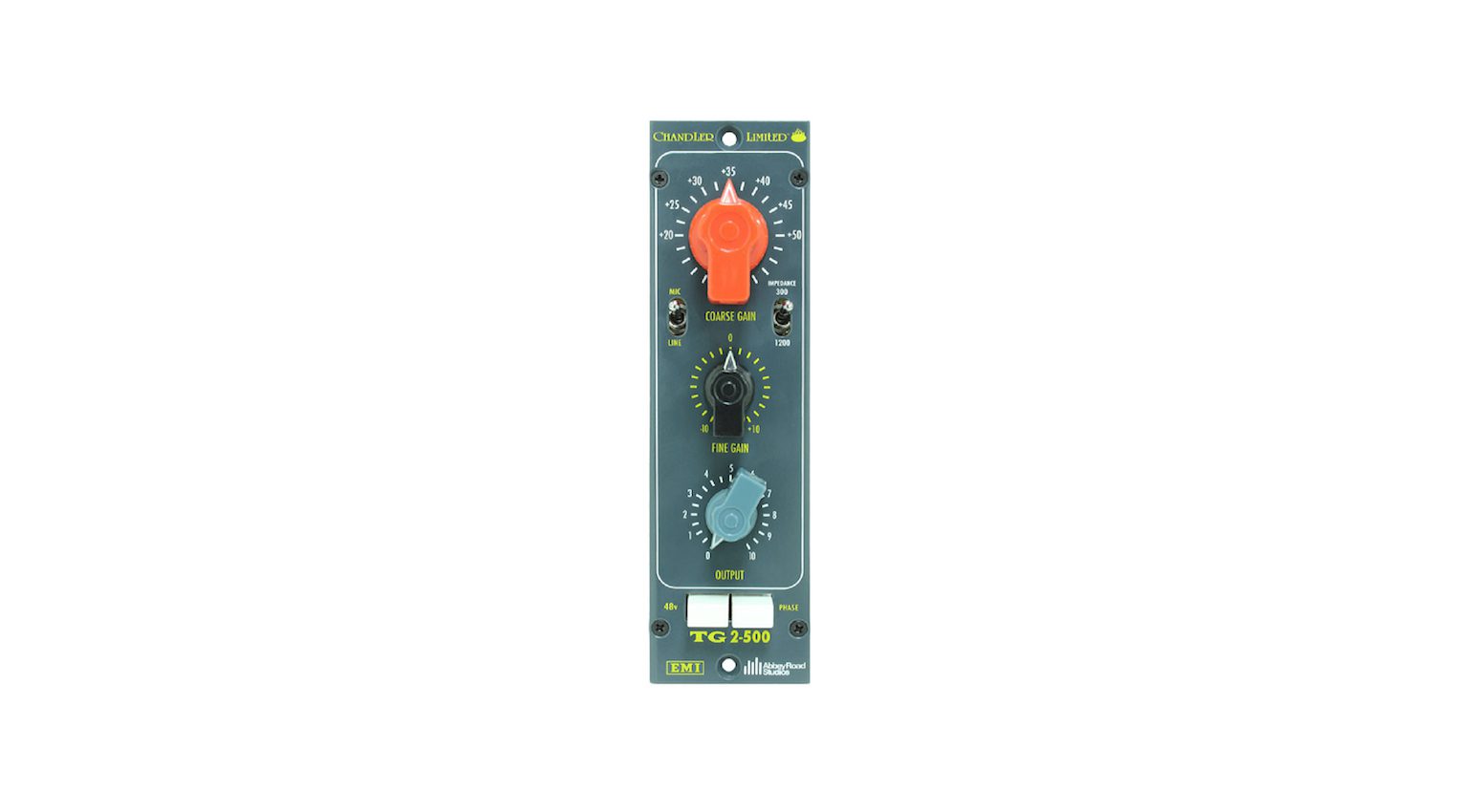
The KU5A has active electronics and a supercardioid pickup pattern, which makes it ideal for home recording, and its high-frequency response has more of a sheen than most ribbon mics. Meanwhile, the Chandler Limited TG2 is a faithful recreation of the EMI TG12428 amplifier circuit used in the consoles at Abbey Road Studios throughout the 1960s and 1970s.
Its coarse and fine gain controls allow you to match the settings to suit the style of the performer, while the output control lets you dial in some extra spice to excite the custom transformers and pull the signal back to a manageable level. Besides vocals, this combination is also ideal for guitar amps, woodwind, and string instruments.


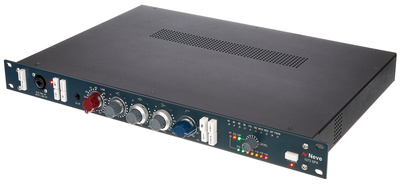
Microphone/Preamp Combinations: Neumann U 87 + Neve 1073
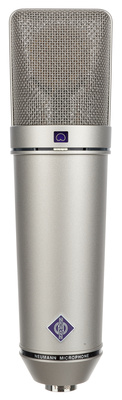
The combination of a U 87 and a 1073 remains one of the most widely used pairings in modern recording. The modern U 87 Ai comes from a long line of innovative microphone designs, like the famous U 47 and U 67 tube mics. By maintaining some of the sonic characteristics of its prestigious tube cousins and upgrading the voicing to suit the modern era, Neumann created yet another classic.
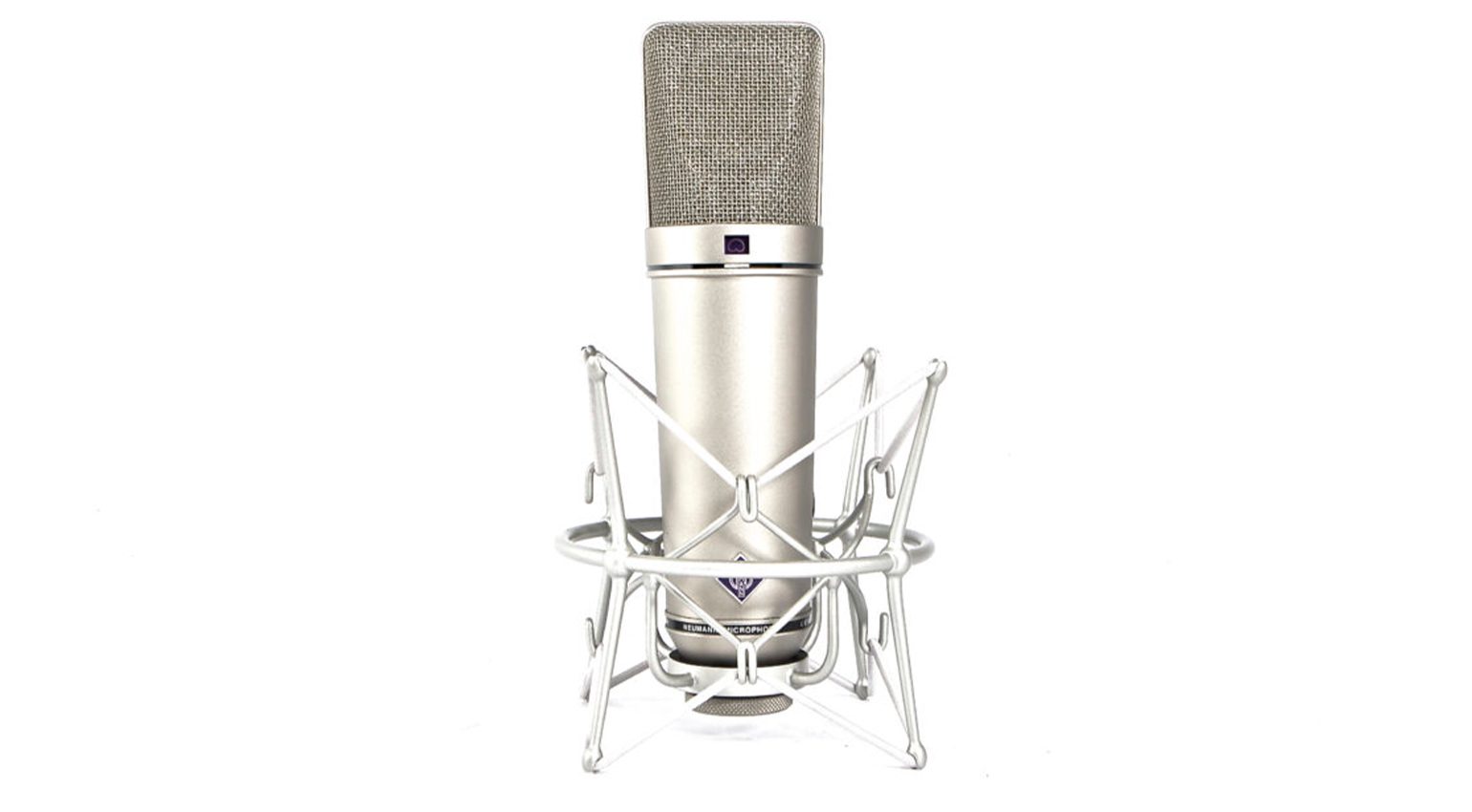
When combined with the Neve 1073, the U 87 immediately becomes more versatile. Although it retains the articulate sound with its characteristically forward midrange, the 1073 can add slight transformer saturation and reduce the rather pronounced peak between 2 and 3 kHz if required, in cases where the artist’s voice naturally has presence in this range.
While there are many different iterations of the Neve 1073 available, it’s always best to go with the version with the inductor EQ section, as this gives you a chance to musically correct unwanted areas of the frequency range, like the boominess introduced when the acoustic guitarist shifted their playing position.


Microphone/Preamp Combinations: SONY C-800G + Avalon VT-737
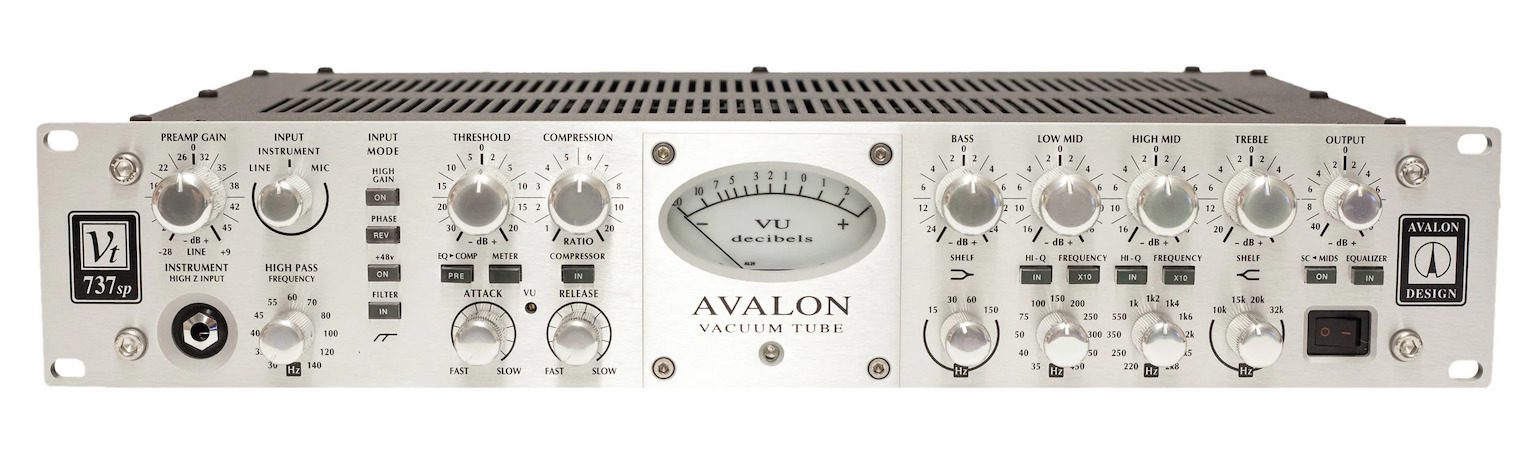
When you’re dealing with highly successful artists, they tend to want their current standard of equipment to either match the sound of their last record or go up a level. For this reason, the top studios will always have the pristine standard chain for pop vocals, which consists of the SONY C-800G tube condenser, the Avalon VT-737 tube channel strip, and often the Tube-Tech CL 1B tube compressor too.
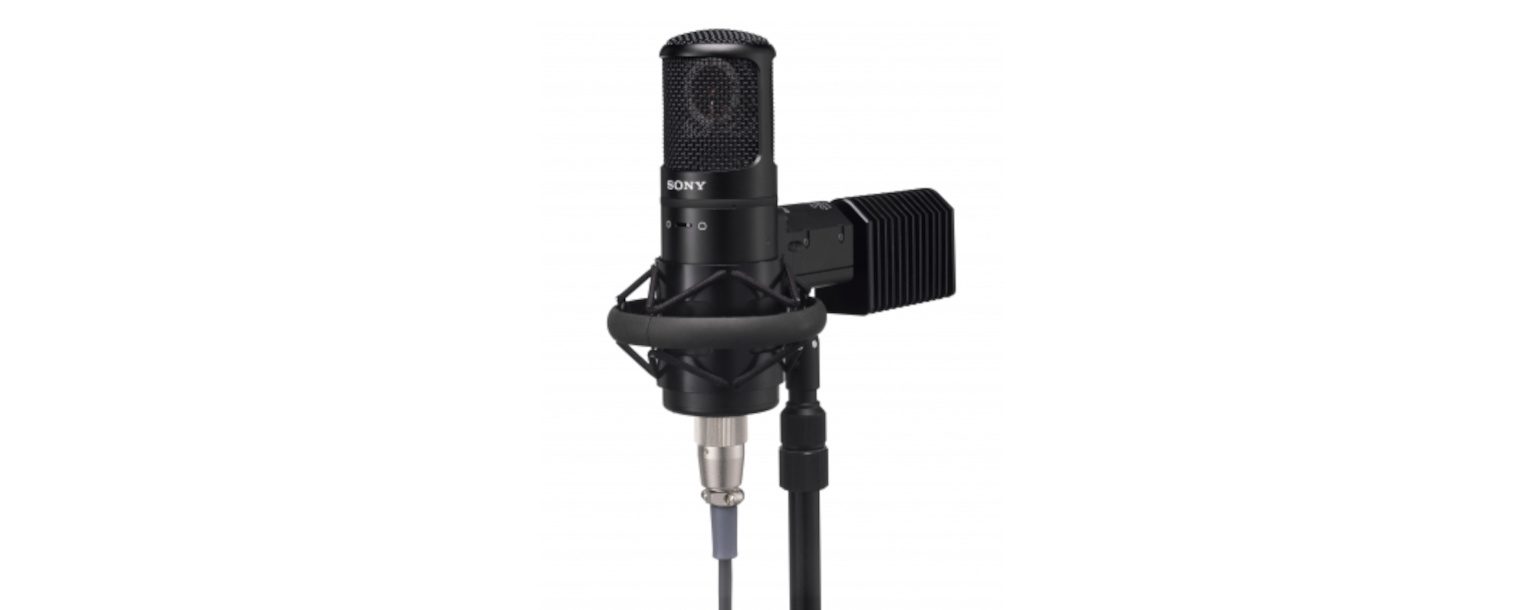
This ensures that the recordings captured are as clean as possible, making the signal ideal for post-production done in the box with plugins. The bright, full-bodied, and detailed sound of the C-800G is complemented perfectly by the tube preamp of the VT-737sp and its EQ, allowing you to control the conditions for the vocal performance to be as good as it can be.
Of course, having a recording chain that is approaching $20,000 is not necessary for most of us, but if you plan on building a studio capable of working with the biggest Pop, Hip-Hop, and RnB artists, this is certainly a level to aspire to. When working with major label acts and multiplatinum-selling producers, the same rules simply don’t apply.

More about Microphone/Preamp Combinations:
*Note: This article contains affiliate links that help us fund our site. Don’t worry: the price for you always stays the same! If you buy something through these links, we will receive a small commission. Thank you for your support!

This might also interest you

One response to “Microphone/Preamp Combinations That Magically Work Together”

I feel my wallet cringe like someone is squeezing my ass.