The Guitar Tone of “Killing in the Name”: Sound Like Rage Against the Machine With Plugins, a Budget Setup, or Studio Gear
Rage Against The Machine, not the amp!

 3,5 / 5,0 |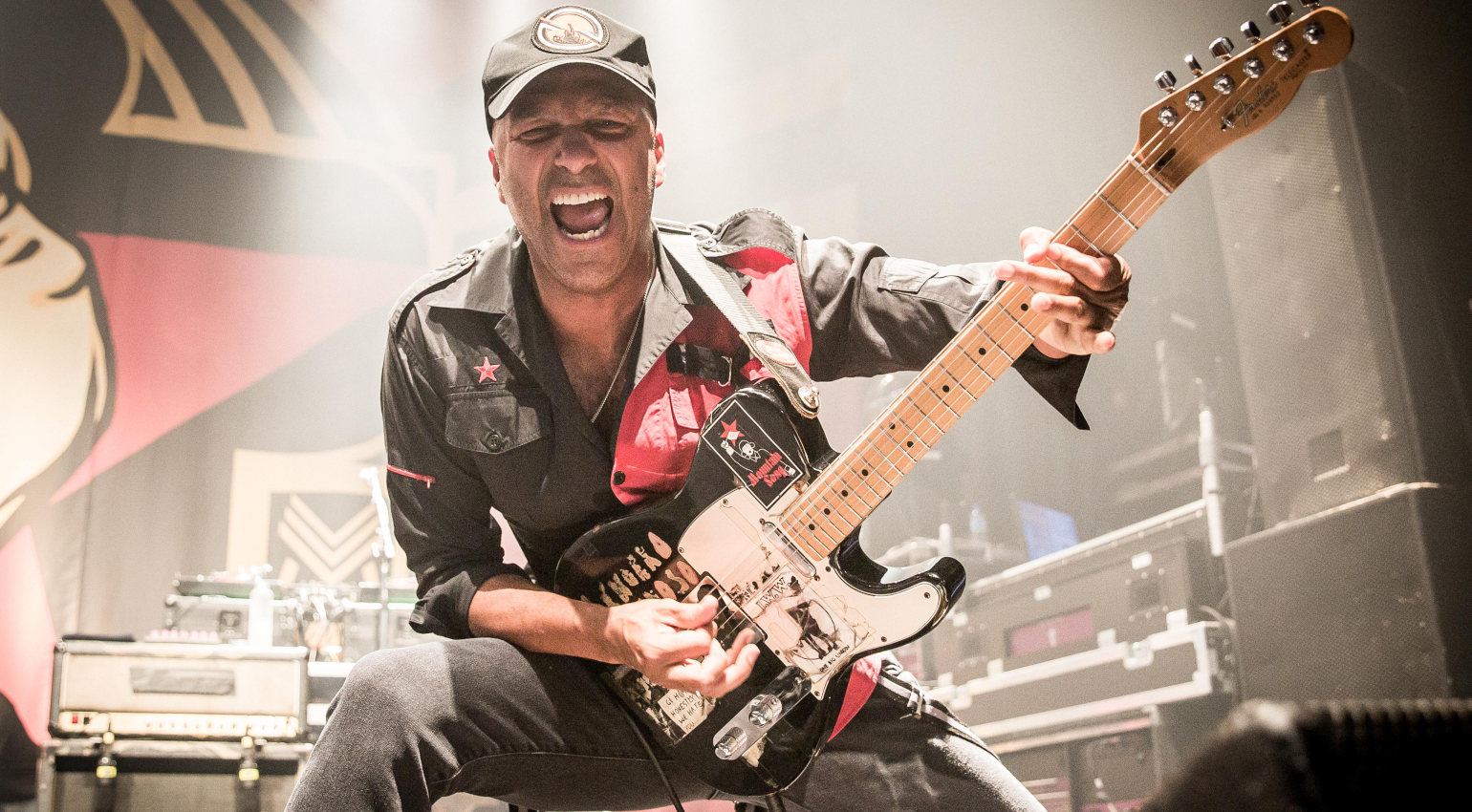
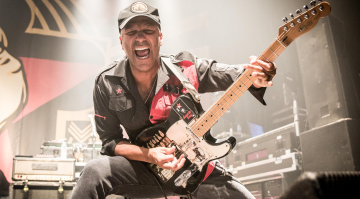
PY18XR Artist and guitarist Tom Morello performs a live concert with Prophets of Rage, the rap rock supergroup. Norway, Oslo - July 2, 2018. · Source: Anne-Marie Forker / Alamy

It’s one of the great challenges of most players at one point of their guitar journey: recreating the guitar tone of “Killing in the Name.” For many, sounding as funky, yet at the same time as unique and “in-your-face” as Tom Morello is a major milestone to achieve. Let’s take a look at how you can get closer to the sound of this juggernaut of a rock song by using plugins, beginner setups, or expensive studio gear!
Read about RATM
Rage Against the Machine: Making of a Classic
Defiant, raw, political, groovy as hell: what Rage Against the Machine unleashed on the world in 1992 with their self-titled debut album was a cultural behemoth. There was the unmatched groove of drummer Brad Wilk and the funkiness of bassist Tim Commerford. Add to that Tom Morello’s swirl of thunderous riffs, with an unheard guitar tone, somewhere between RHCP funk and almost DJ-scratching sounds.
And, of course, frontman Zach de la Rocha’s powerful lyrics, which denounced injustice, addressed—or rather, screamed about—corruption and oppression, and expressed the anger and frustration of an entire generation like no one had in a long time. Recorded at Sound City Studios (where parts of Nirvana’s Nevermind were also recorded), Killing in the Name was based on a riff that apparently came to Morello during a guitar lesson.
In a “making-of” feature, Tom recounts that shortly before that, his friend Maynard James Keenan (lead singer of Tool and A Perfect Circle) had shown him the concept of Drop-D tuning. And the first riff you hear in “Killing in the Name” is said to be the very first riff Tom created after retuning his guitar (though he played it as a bass accompaniment during his guitar lesson). He loved it so much that he had to cut the lesson short and quickly record it on a cassette recorder.
The Guitar Tone of “Killing in the Name”
To call Tom Morello’s guitar tone “unique” is a bit of an understatement. It’s precisely the wild mix of Drop-D riffs, whammy-bar antics that almost resemble scratching, and solos that are nearly impossible to decipher harmonically, complete with Kill Switch staccato, that creates this very unique sonic cocktail. When it comes to gear, however, Morello uses a lot of “run-of-the-mill gear”, though always with his own custom settings.
However, to anyone striving to get closer to the song’s endless riffs, and not just the guitar tone of “Killing in the Name”, the hardest truth about learning songs applies here, too: the sound is in the fingers.
Morello could play the crappiest guitar through the cheapest amp, and you’d still recognize his playing. So, first and foremost, analyze and study his style so that the chain of effects for the guitar tone of “Killing in the Name” actually helps you get closer.
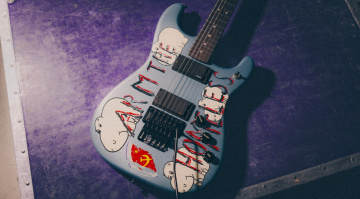
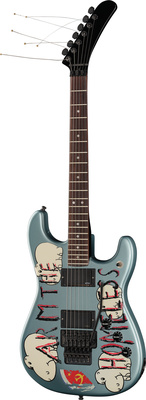
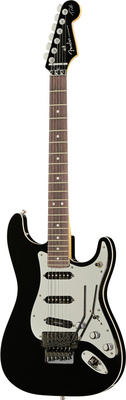
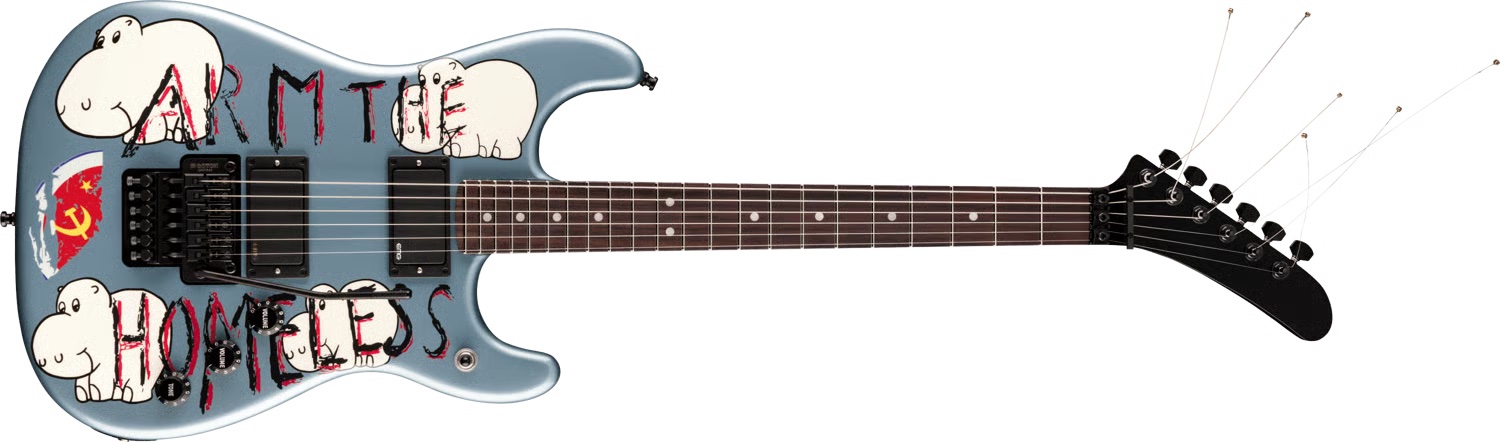
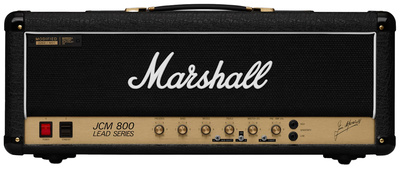
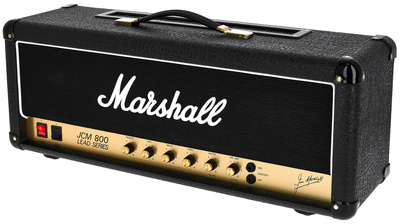
Morello has always been a Strat guy; worth noting here is his “Arm the Homeless” Strat, which features two EMG humbuckers and a kill switch. When it comes to amps, he sticks to the classic setup for that brutal crossover sound: a 50-watt Marshall head (JCM 800 2205 with Peavey 4×12 cabinets featuring Celestion G12K-85 speakers) has been his go-to for as long as anyone can remember.
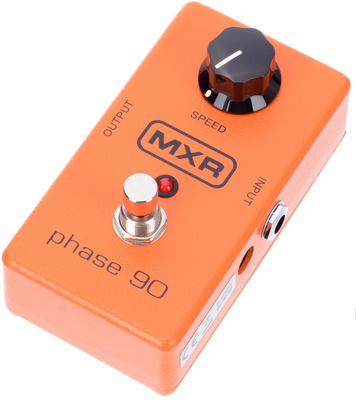
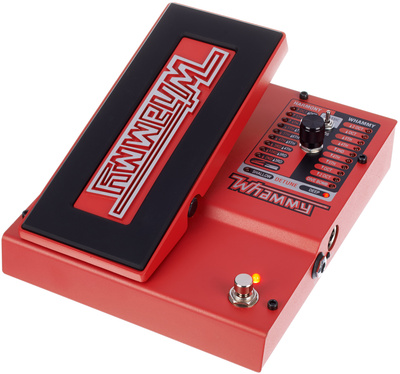
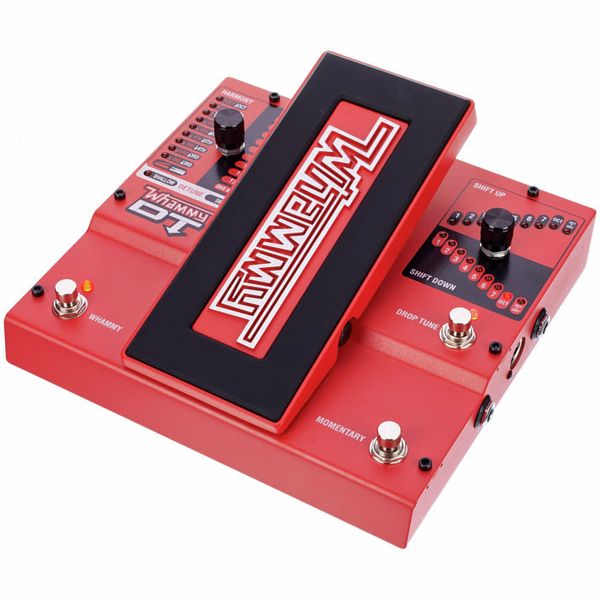
As for pedals, in addition to the Digitech Whammy, the MXR Phase 90 and Boss DD-2 are key ingredients in his sound.



The Guitar Tone of “Killing in the Name” With Plugins
The most obvious way to achieve the guitar tone of “Killing in the Name” is Tom Morello’s signature plugin from Neural DSP. It includes an emulation of the JCM 800, Morello’s entire pedalboard, the matching cabs, and presets for all kinds of RATM sounds.
Audio interface, cables, Strat, Archetype software: just load it as a standalone and rock out. And if your Strat doesn’t have a kill switch, you can simply automate the volume on the track.
Of course, there’s also a NAM Capture here that you can load in the free Gateway NAM plugin. This works great with amp captures, but with pedal captures, NAM is sill in its infancy, especially for modulation and delay effects or a Whammy.
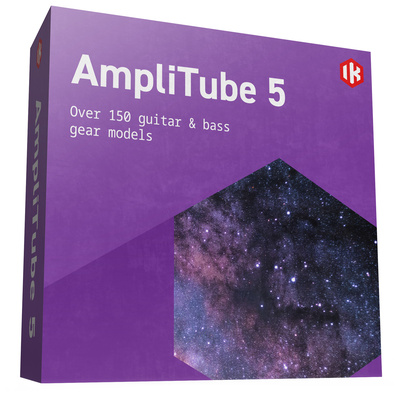
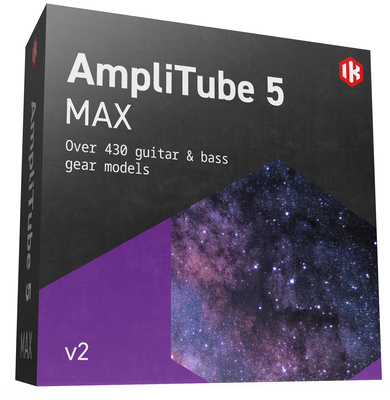
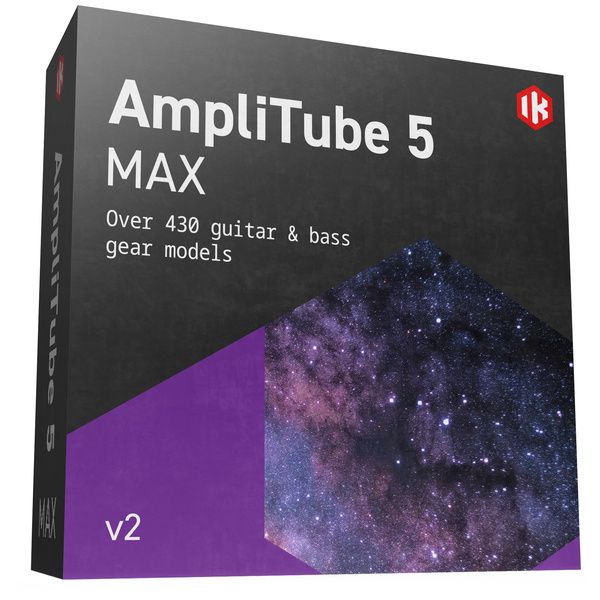
That’s where something like a complete virtual guitar suite like Amplitube 5 can help*, since it not only includes a JCM 800 emulation but also versions of corresponding pedals Morello uses.

The Guitar Tone of “Killing in the Name” with Budget Gear
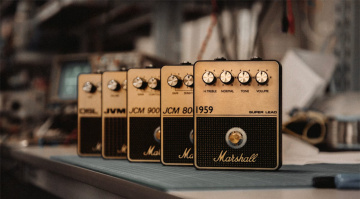
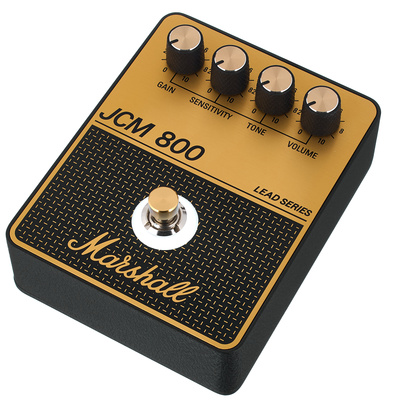
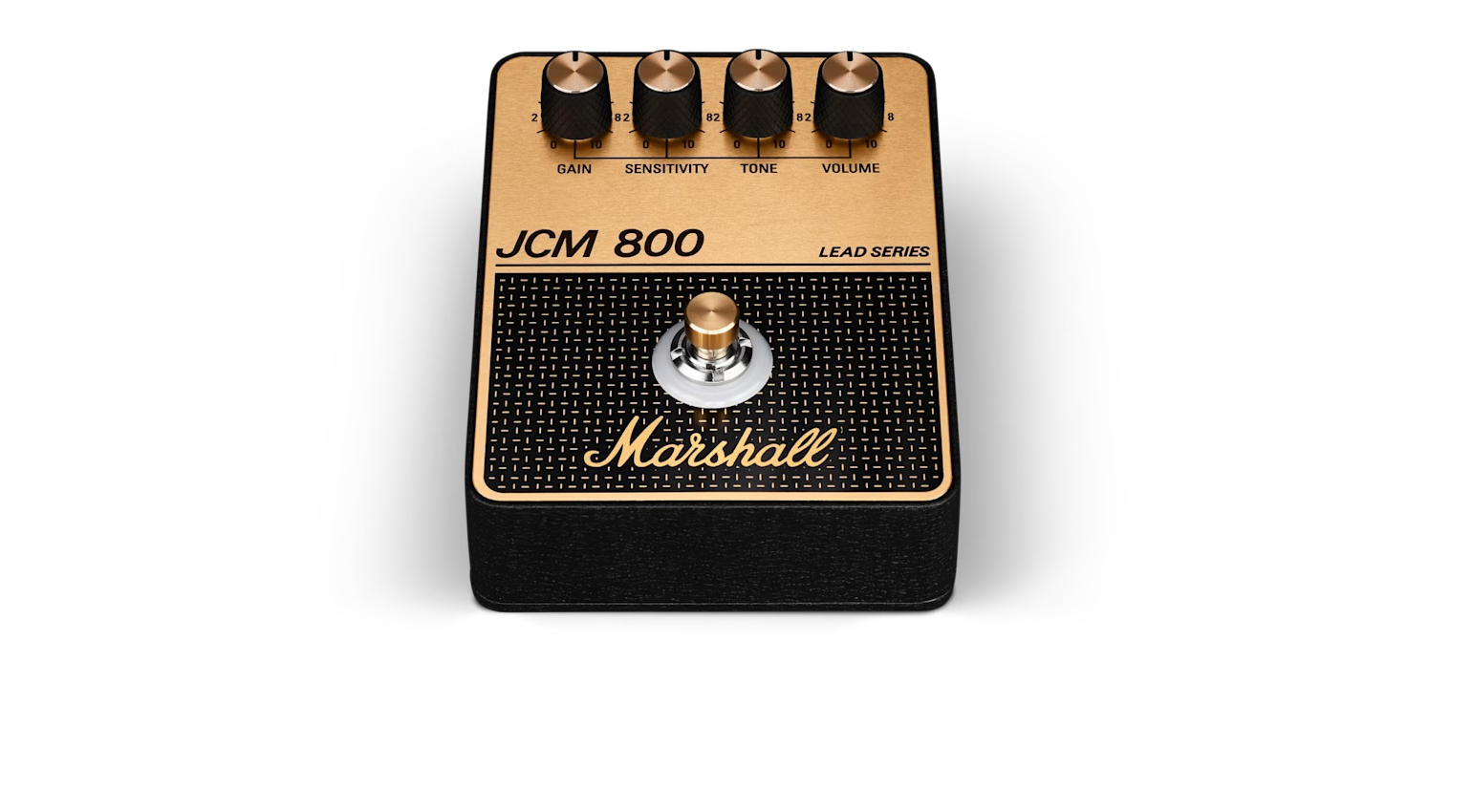
Musically speaking, emulating Tom Morello’s guitar tone doesn’t have to be expensive in the world of hardware. A Strat, JCM800-style overdrive, a phaser, and a Whammy-like effect before it—with the right amount of practice (!), you can get pretty close to the guitar tone of “Killing in the Name.” When it comes to the JCM pedal, it’s worth checking out the version from Marshall itself*.
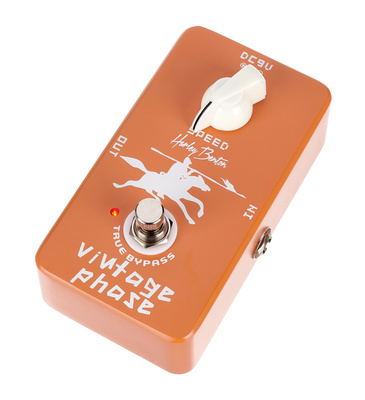
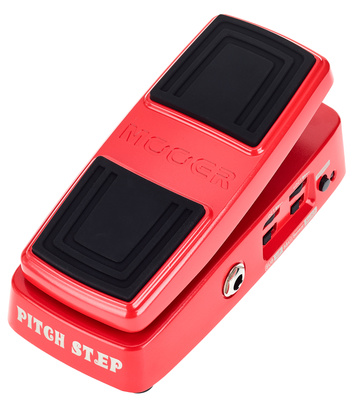
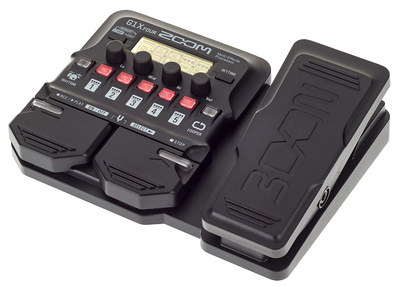
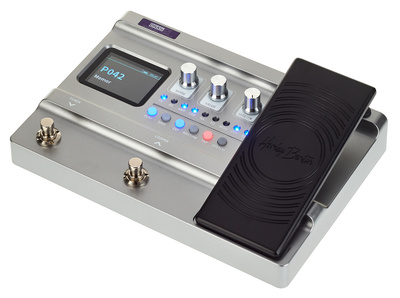
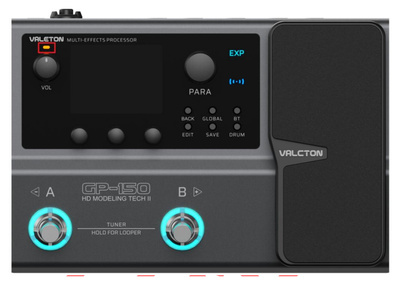
For beginners, the Vintage Phase by Harley Benton is more than sufficient as a phaser and the Mooer PitchStep is a good alternative to the Whammy. If you’re looking for an all-in-one solution in the form of a multi-effects unit, make sure it comes with an expression pedal. Otherwise, you won’t be able to achieve Whammy-like effects.





Studio Equipment for Guitar Tone of “Killing in the Name”
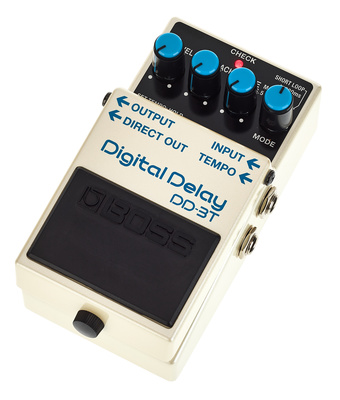
Let’s start at the beginning of the signal chain with Morello’s phaser of choice, an MXR Phase 90*, along with a genuine Whammy*. Morello also has one—and often two—delays on his pedalboard; since the DD-2 is nearly impossible to find these days, the Boss DD-3T* is a great alternative.
If internet folklore is to be believed, Tom plays—and has played—a Marshall JCM 800 2205, rather than the much more common 2203. Whether the Marshall 2203 Modified JCM 800* or the Marshall JCM 800 Reissue 2203* comes closest to that sound is open to debate.




Conclusion
Now, that we’ve presented a starting point for achieving the guitar tone of “Killing in the Name”, it’s your turn, dear readers. What gear did you use to achieve that tone? What part of the chain was most important? What didn’t really matter that much?
Let us know in the comments!
*Disclaimer: This post about the guitar tone of Killing in the Name contains affiliate links and/or widgets. When you buy a product via our affiliate partner, we receive a small commission that helps support what we do. Don’t worry, you pay the same price. Thanks for your support!

This might also interest you