Vive La France! How the French Have Conquered the World of Synths!

 4,7 / 5,0 |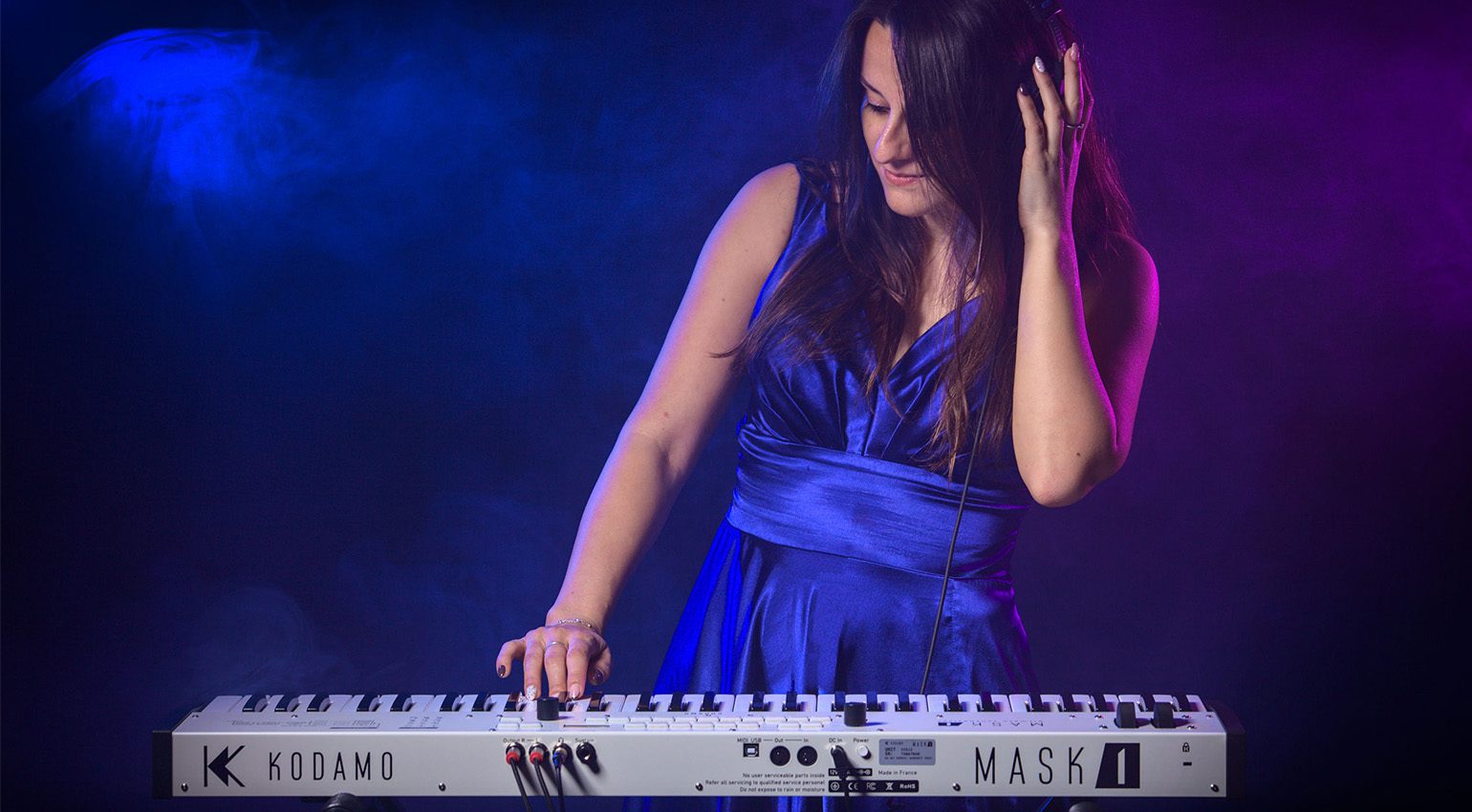

We look at how French synth designers and manufacturers have increasingly dominated the synth market in recent years.
Oooh La La! An Exploration of French Synths
Une Introduction
The old order of commercial synthesizer innovation arguably began in the United States of America, led by Moog and soon followed by the likes of Sequential Circuits, Oberheim, E-MU and more. Before that, there had been smatterings of impressive design and ingenuity from the U.K. and other places, but for the most part, the Americans led the way.
Then the Japanese entered the fray, and the emphasis shifted east, with Yamaha, Roland and KORG flooding the market with more powerful, more affordable and a wider variety of instruments that exploded when the DX7 changed everything in 1983.
Now, before many of you lambast me for missing out the likes of the Italians, the Russians, the Germans and other fine nations, I am merely trying to paint a succinct landscape of what was going on without going into vast amounts of detail. We know there were small pockets of very clever and important synthesizer design all over the world, but in the main, it was the Americans and Japanese companies that ruled the roost.
But in the last two decades, one nation has slowly but surely become a leader in terms of both innovation and volume of sales, and that is France. So I thought I’d ruminate on this phenomenon and explore some of the key players and also some of the smaller ones, too! If I miss anyone, be sure to let me know in the comments!
The Key Players
Arturia
Arguably, it has been Arturia who have lead this surge in French synthesizer dominance in the last 20-odd years. Launching in 1999 with their ‘studio-in-a-box’ software, Storm, the Grenoble-based company, started by Frédéric Brun and Gilles Pommereuil, has grown from a software developer to a company that produces music tech gear on a number of fronts.
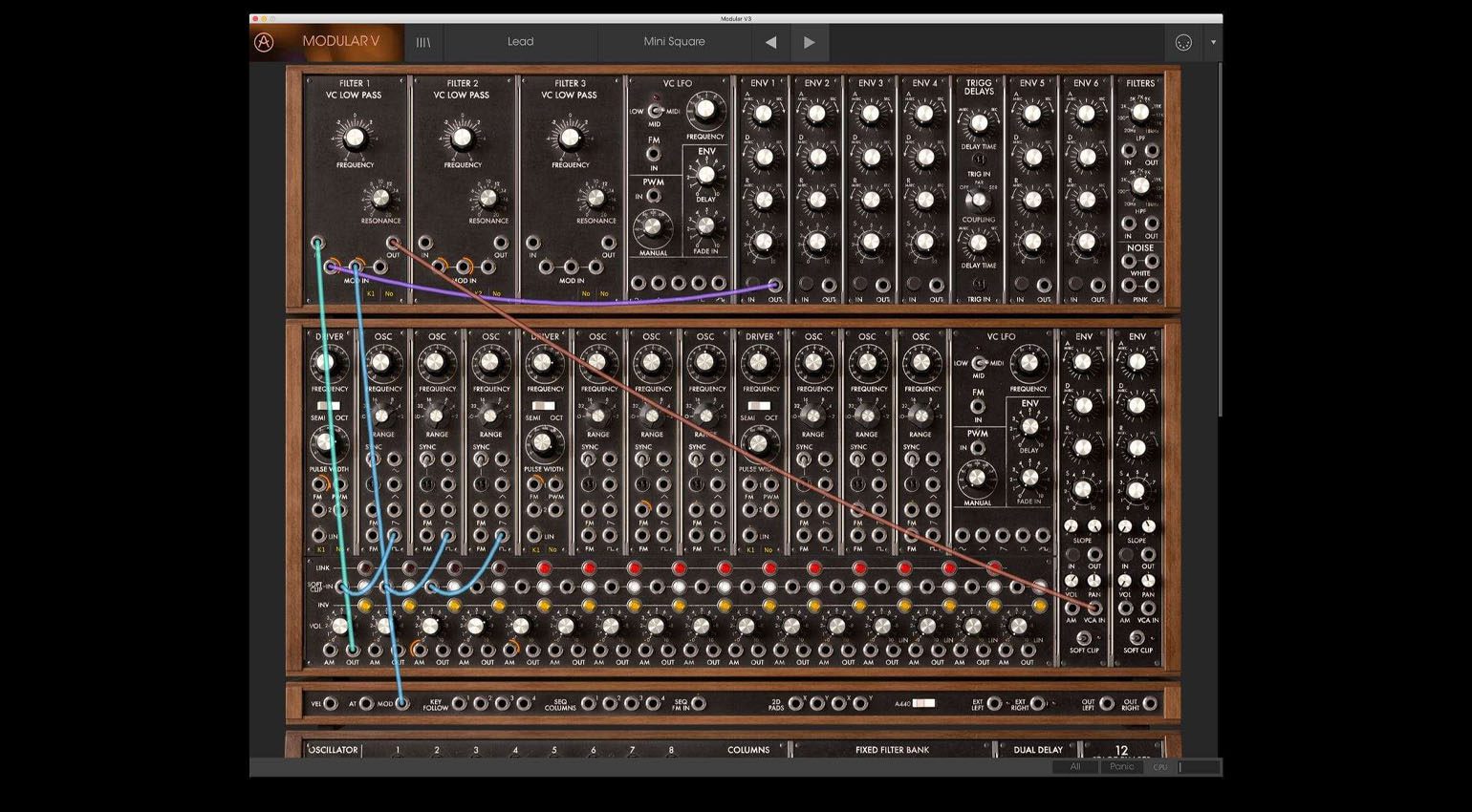
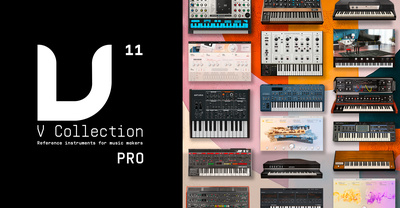
After Storm, Arturia took its first tentative steps by producing the Modular V software synthesizer, a project made in conjunction with the great Bob Moog himself. Using their TAE emulation technology, their catalogue of software synths blossomed into what we now know as the V Collection.
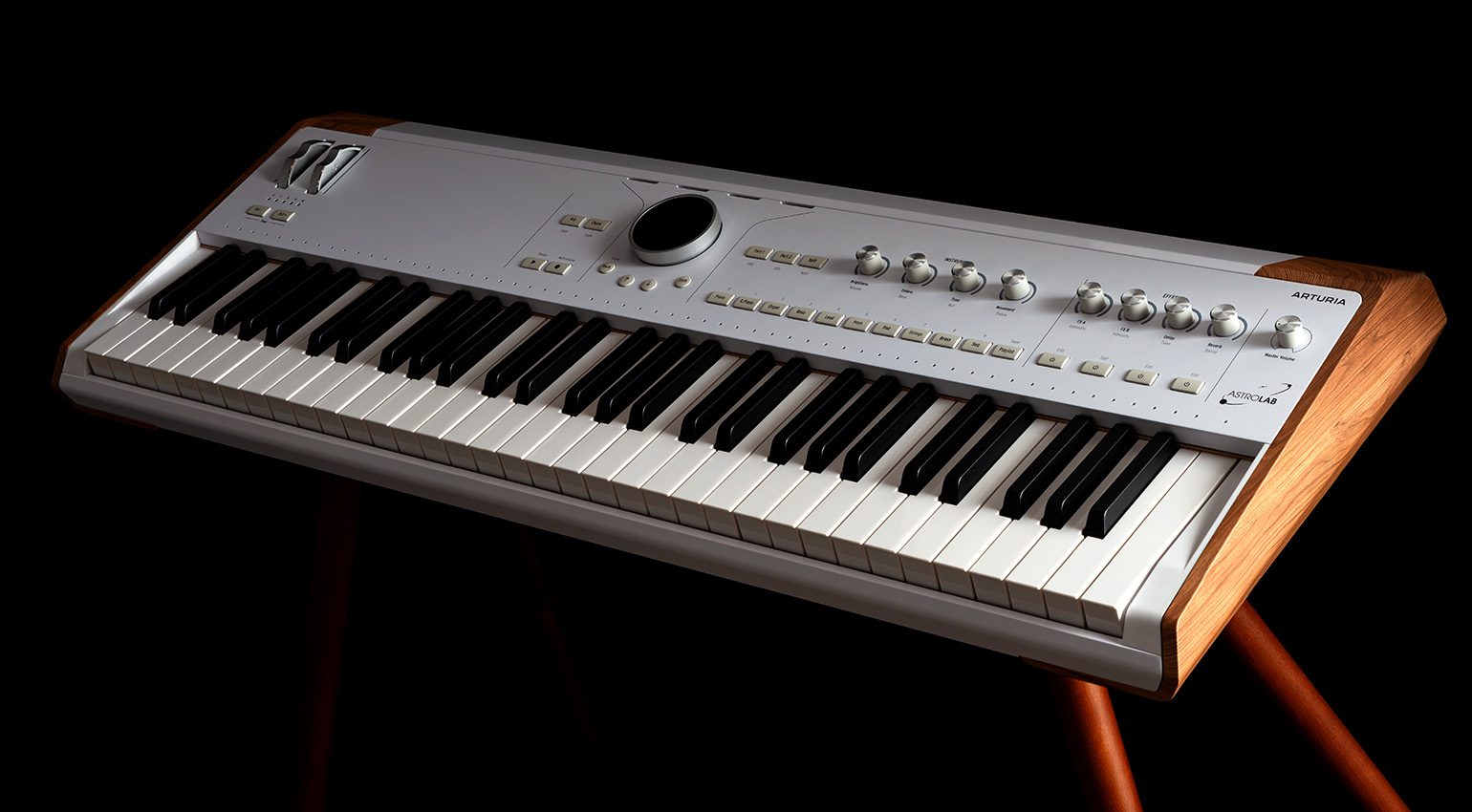
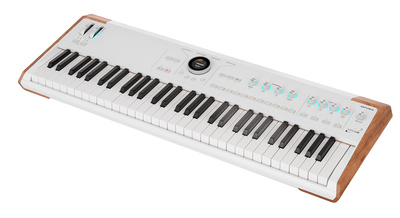
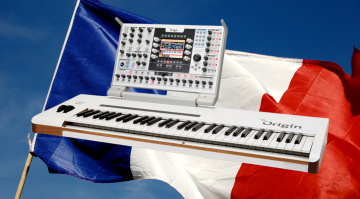
In 2009, they launched the audacious Origin, a beast of a synth designed to host numerous software recreations of synthesizers at once. Part inspired by PPG’s Realizer, this was a truly ambitious project that, ultimately, failed for a number of reasons. However, in 2024, they launched AstroLab, a synthesizer platform capable of hosting most, if not all, of the V Collection plugins.
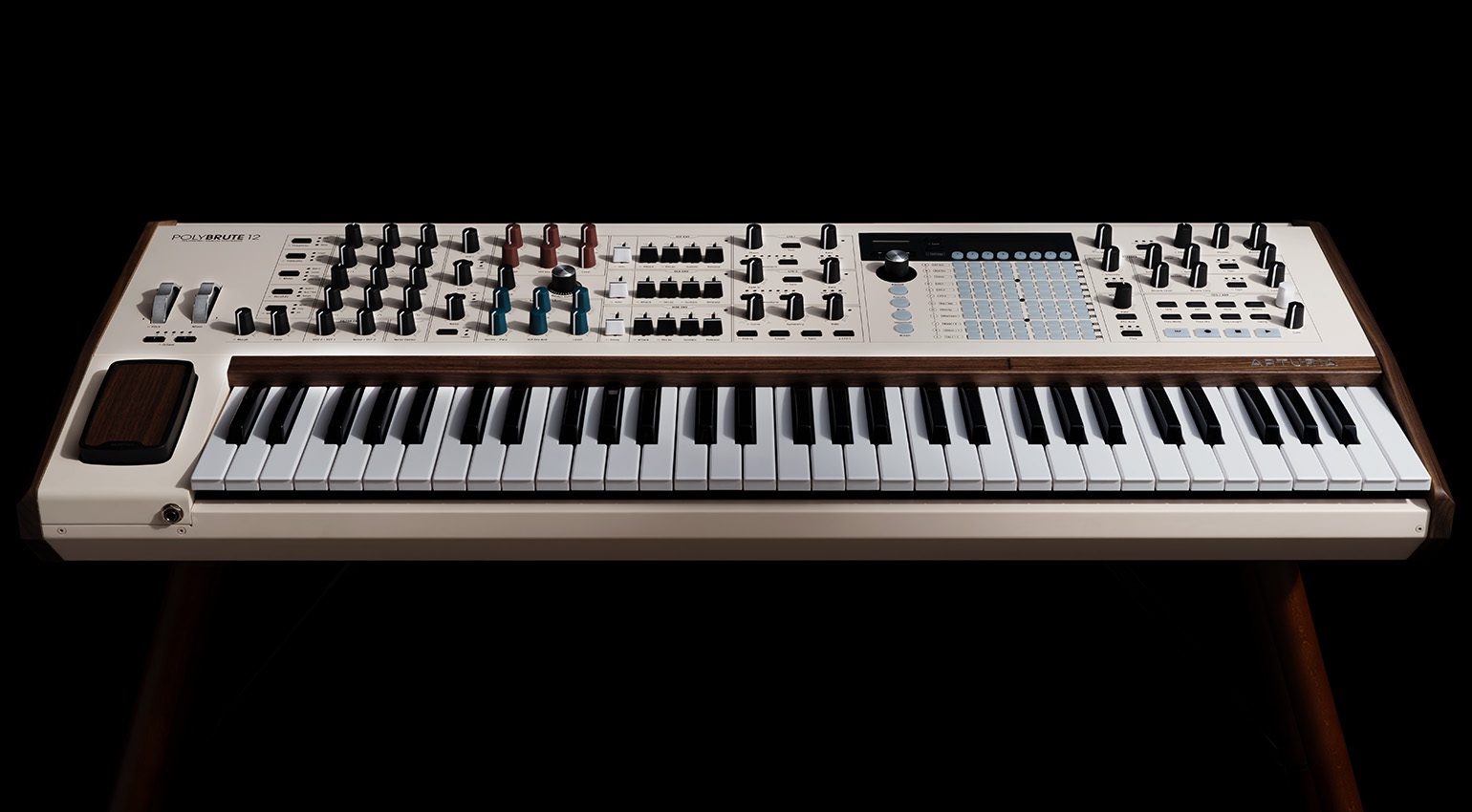
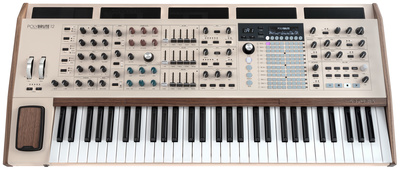
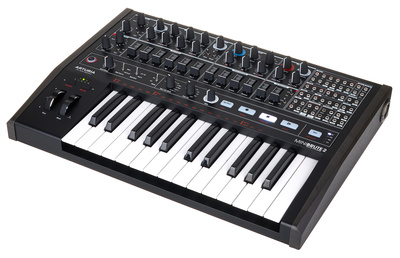
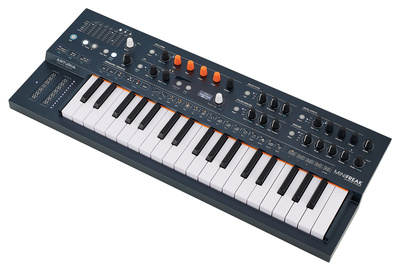
The route into hardware synths seemed obvious, and we began to see now legendary instruments like the MiniBrute, powered by Frenchman Yves Usson‘s unique Brute oscillators, come to market. Those same Brute oscillators have gone on to power more analogue synths that recently peaked with the stunning PolyBrute 12, a true analogue classic.
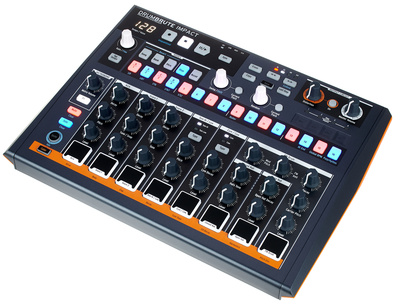
Brute oscillators found their way into drum machines, but they didn’t stop there. The Freak range is a powerful hybrid collection of synths that punch way above their weight and price. And we mustn’t forget their numerous MIDI controllers, an area of the market they also dominate. KeyLabs, KeySteps, BeatSteps and more have delivered a wide range of controllers for all needs.
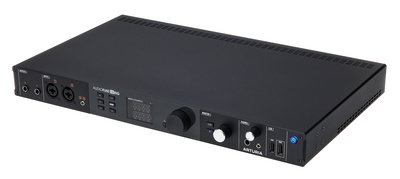
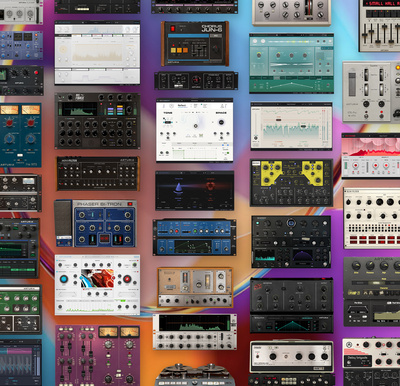
The AudioFuse range of audio interfaces offers something for every possible setup, from the bedroom to the pro studio, and their software range has grown to deliver a range of FX plugins whose quality and quantity match that of their software instruments.
It’s fair to say that Arturia have been at the vanguard of French music technology innovation, and that doesn’t look like changing at any point soon!


UVI
UVI has grown into a French software synthesis behemoth and has been around almost as long as their French compatriot, Arturia. I first encountered them in the early/mid 2000s when they began releasing large sample library instruments for use in MOTU’s Mach Five software instrument, as well as their own, free UVI Workstation.
Mach Five’s engine was designed by UVI and was a hugely powerful tool that rivalled Native Instruments’ Kontakt, albeit lacking the latter’s installed user base. It offered multiple synthesis engines as well as the ability to host UVI’s own sample-heavy collections.
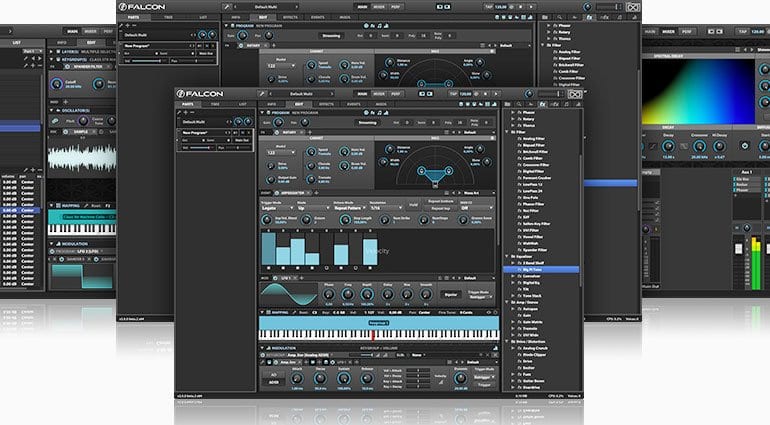
In the 2010’s, UVI and MOTU parted ways, and UVI took their code and created Falcon, the next generation of Mach Five in almost everything but name. Since then, they have continued to develop deeply multi-sampled libraries with powerful scripted interfaces that cover a wide range of vintage and modern synth recreations.
Like their French cousins Arturia, they have branched out and now produce a great range of FX plugins, as well as expanding their library of instruments to encompass orchestral, vocal and foley content. As with many developers these days, they have embraced the subscription model alongside their perpetual license model and their SonicPass represents one of the best value-for-money subs you can get today.
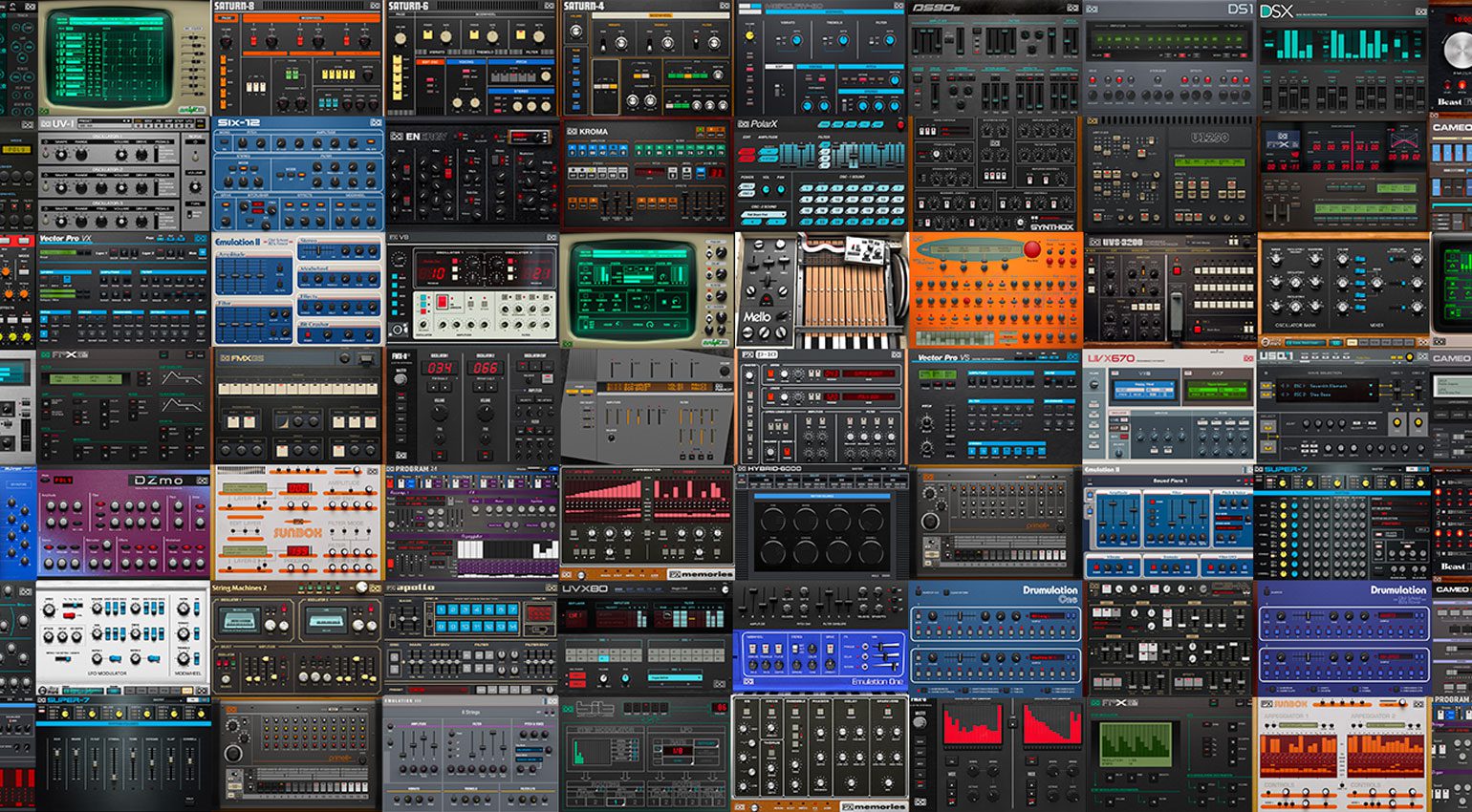
Most recently, they launched only their third software instrument after Falcon and Workstation in the form of Rumble, a multi-frequency bass instrument. UVI still represent all that is great about French music tech developers, being innovative, affordable and impactful.




Expressive E
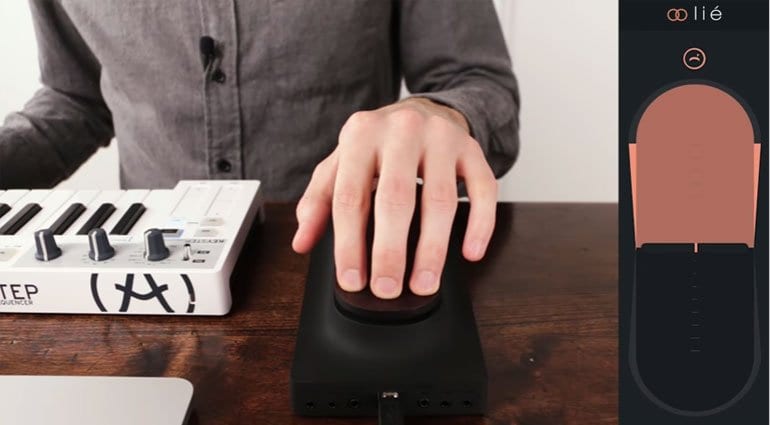
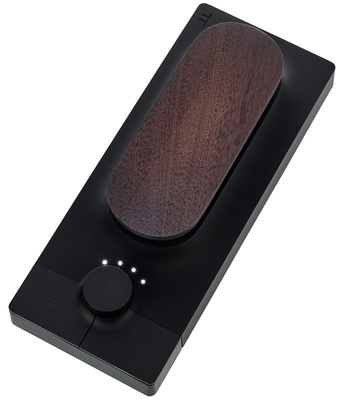
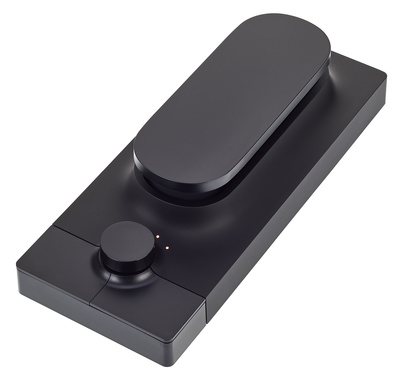
By their name alone, nobody should be under any illusion about what Expressive E’s raison d’etre is. Their Touché controller was an utterly unique tool that allowed any keyboard player to infuse their regular keyboards with immense expression.
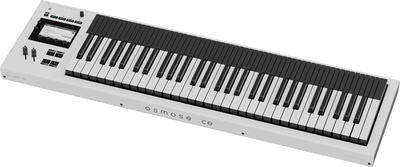
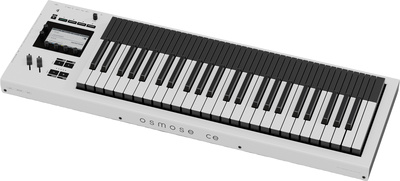
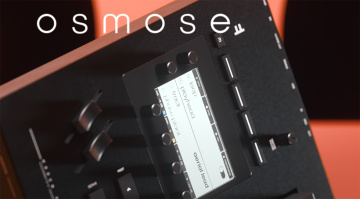
Building on the nascent flames of the MPE revolution, Expressive E’s boldest move was their Osmose synthesizer, an instrument that broke a number of rules in its search to deliver keyboard players with the levels of expression that string, brass or woodwind players were familiar with.
They set about creating an instrument whose keyboard, at first glance, looked just like a traditional western piano type interface, albeit raised above the base of the unit. However, the instant you laid hands on it, you knew you were playing something quite unique.
Coupled with the powerful Haken Audio engine, the French-designed keyboard mechanism allowed for movement in three dimensions. Furthermore, it used the MPE standard to deliver huge resolution between the start and end points of the key’s movement in the X, Y and Z axes.
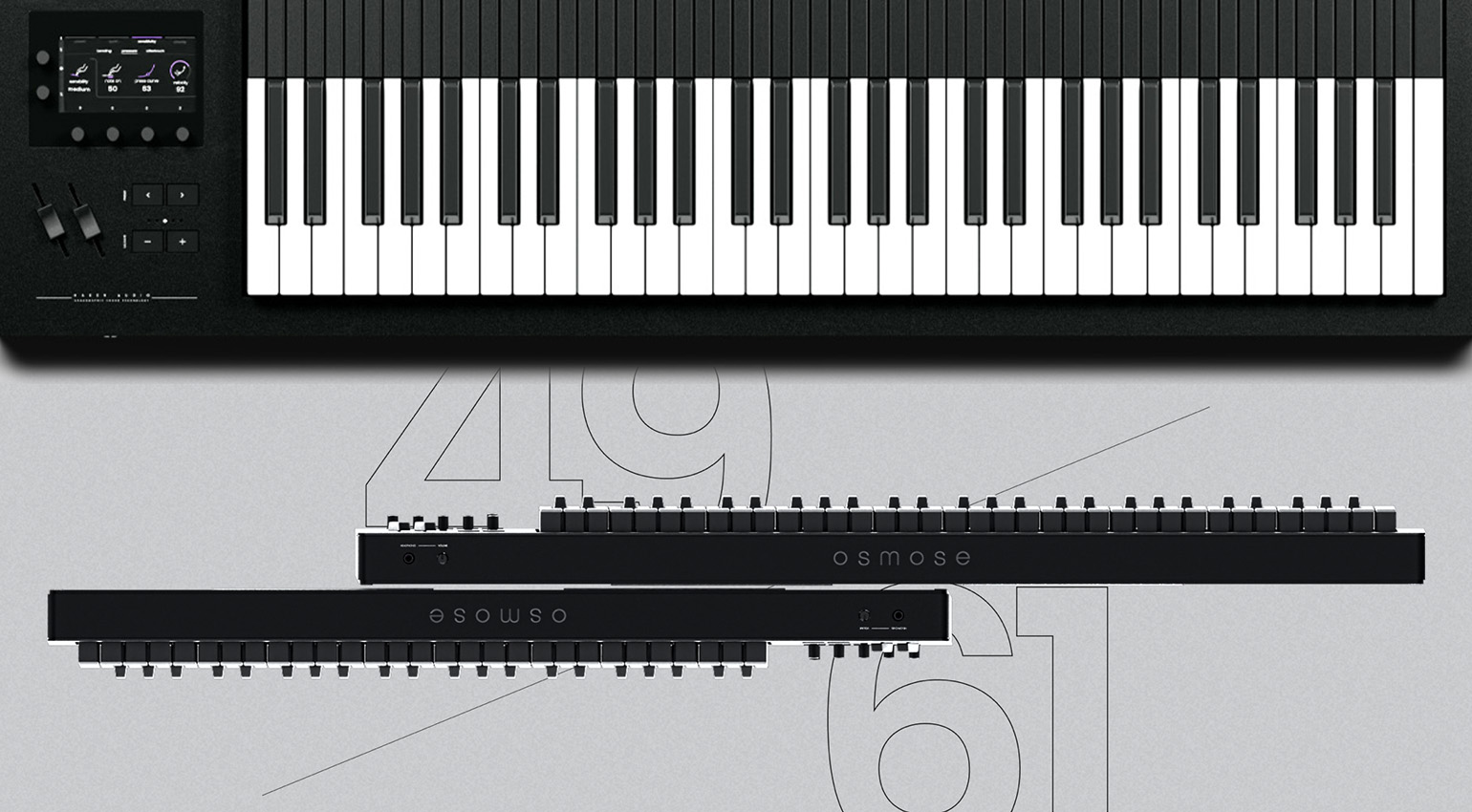
Launched as a crowdfunded campaign, the Osmose drew enormous interest and was funded almost immediately. After a slow start in getting units out, momentum picked up, and a new factory located in Poland was built to service the growing demand.
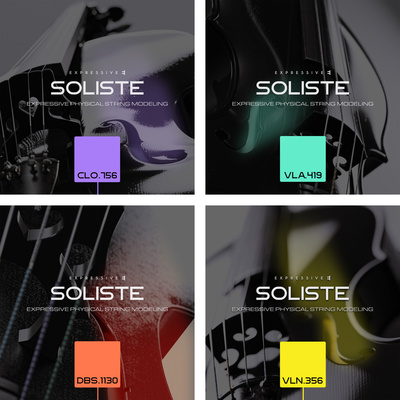
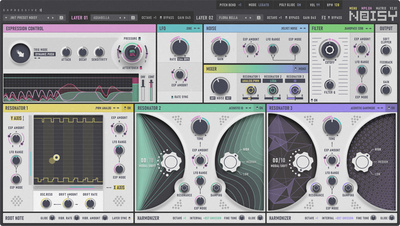
Based in Marseille, Southern France, Expressive E built support for its unique keybed by fostering partnerships with software-based MPE instrument developers, whilst at the same time developing their own MPE plugins, such as Noisy and Soliste.
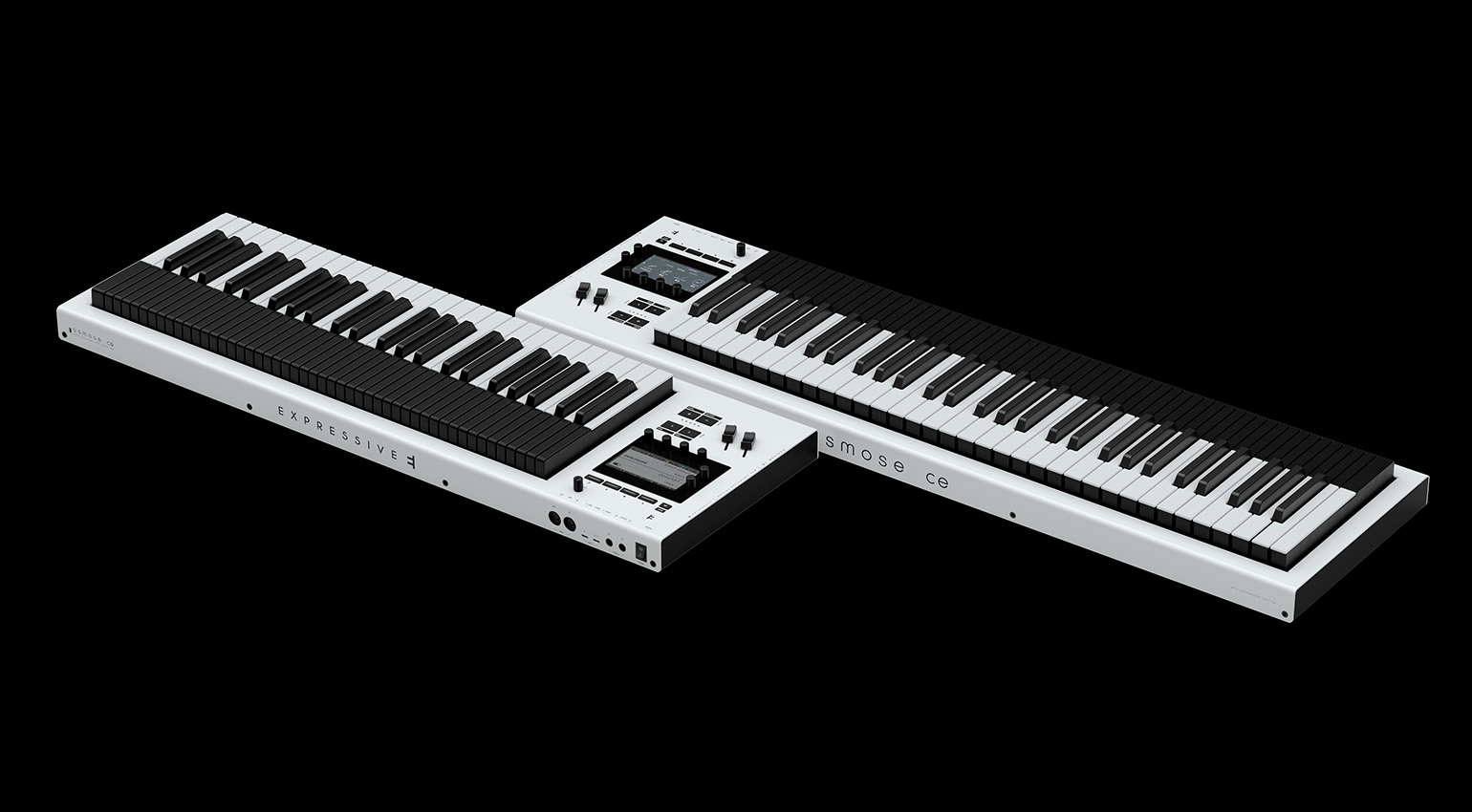
And earlier this year, they introduced Osmose CE, a controller-only version of the Osmose that comes supplied with a brilliant plugin instrument host that makes using the Osmose with MPE instruments super easy, with excellent plugin and DAW integration baked right in.

Kodamo
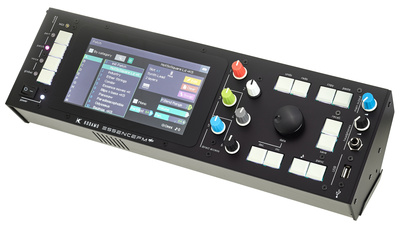
One of my favourite French synth developers of recent years has been Kodamo. As a self-confessed FM fan, the announcement of the Kodamo Essence FM massively piqued my interest. This 3U rackmount/desktop FM monster boasted 300 voice polyphony, a large touch-screen with a graphical user interface and a powerful algorithmic FM engine that pushed the boundaries of what that synthesis method allowed.
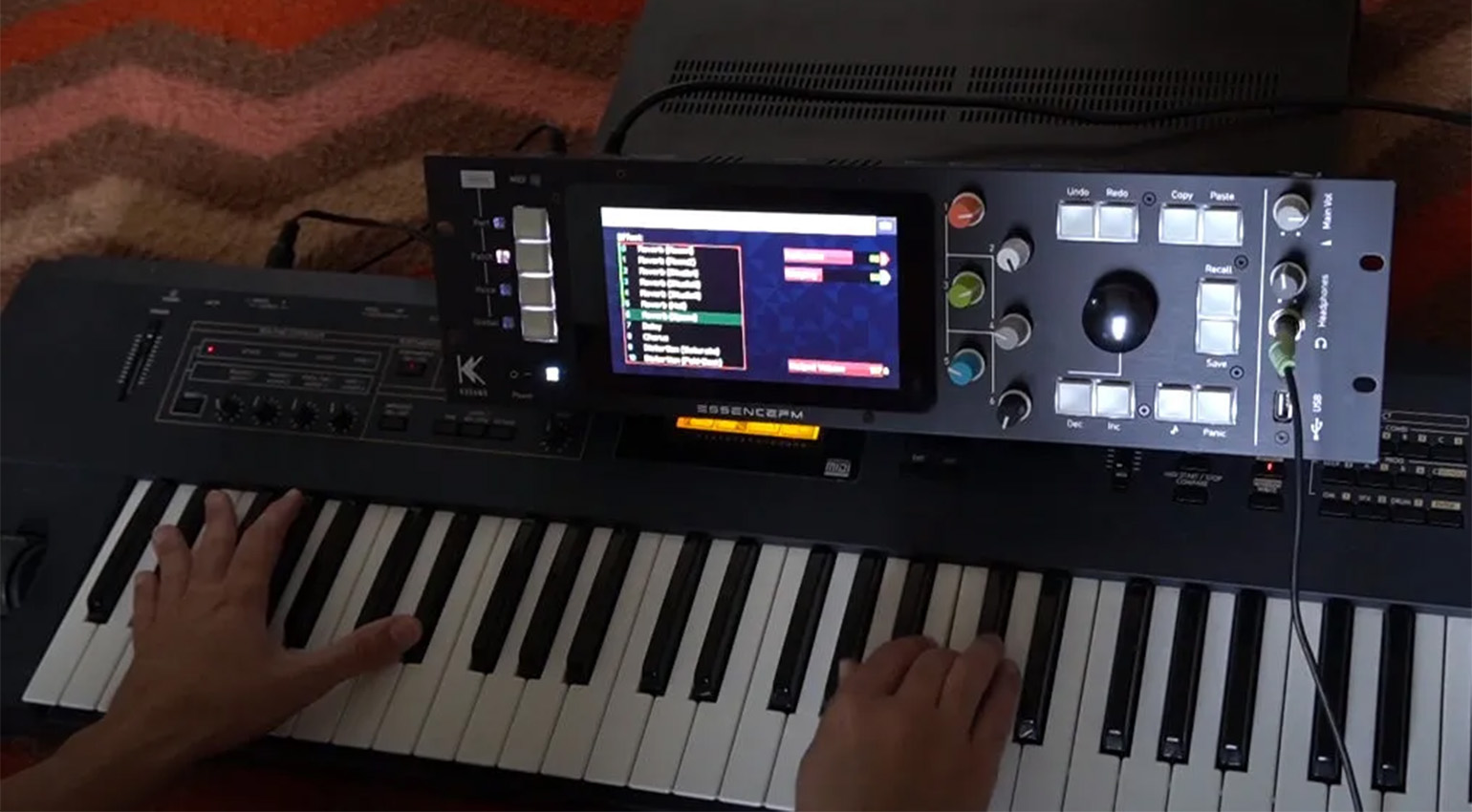
All it took for me to buy one was to watch the video below, soundtracked entirely on a single Essence FM unit. It blew me away, and I ordered one straight away. To this day, it still takes pride of place in my desk rack, front and centre.
Very much the epitome of a boutique synth manufacturer, Kodamo produced low-volume runs of the Essence FM, but continues to develop it to this day. The current version, the Mk.II, is the same as its predecessor, save for an improved case and updated nomenclature on the main panel. Firmware is still updated with new features still in the pipeline.
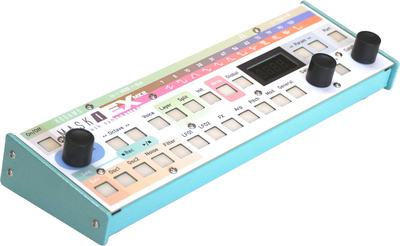
Always looking to be even more innovative, this small French developer broke new ground with their next synth, the MASK1. Using bitmasking technology, a method that slices sine waves up into ‘bits’ and then reorders them to form common or complex waveforms, the MASK1 also features some very unique play modes that allow for some hugely expressive performances.
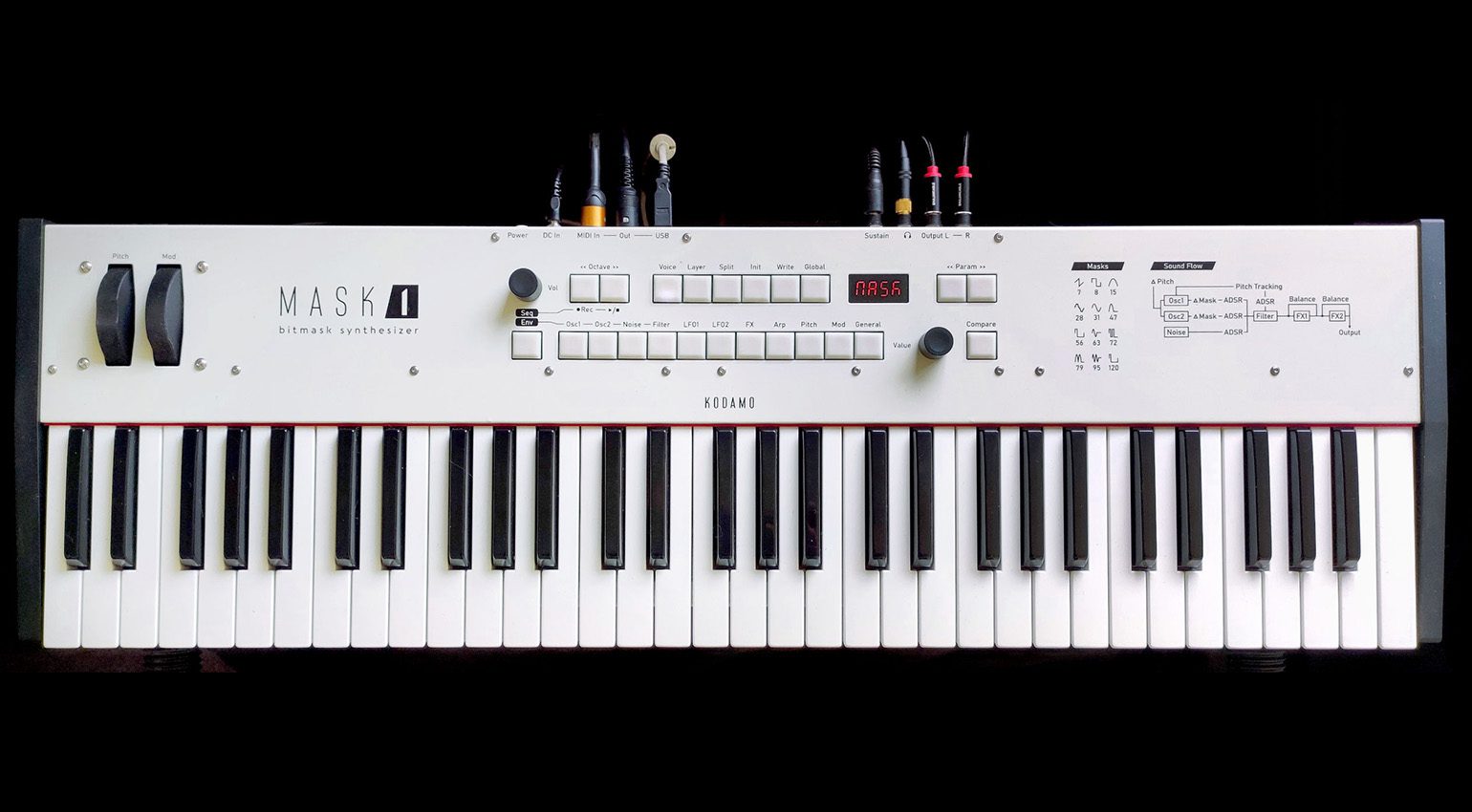
Due to their diminutive size, Kodamo are not the most prolific of French synthesizer manufacturers, but they became the victims of their own success when, after announcing an incredibly affordable desktop version of the MASK1, they sold out overnight and left many people wanting.
But with typical French resilience and determination, they soon came up with a Mk.II version of the desktop, which is now available in great numbers. And at SynthFest France a couple of years ago, they showed off a proof-of-concept instrument that blended PCM samples with their existing synthesis technology.
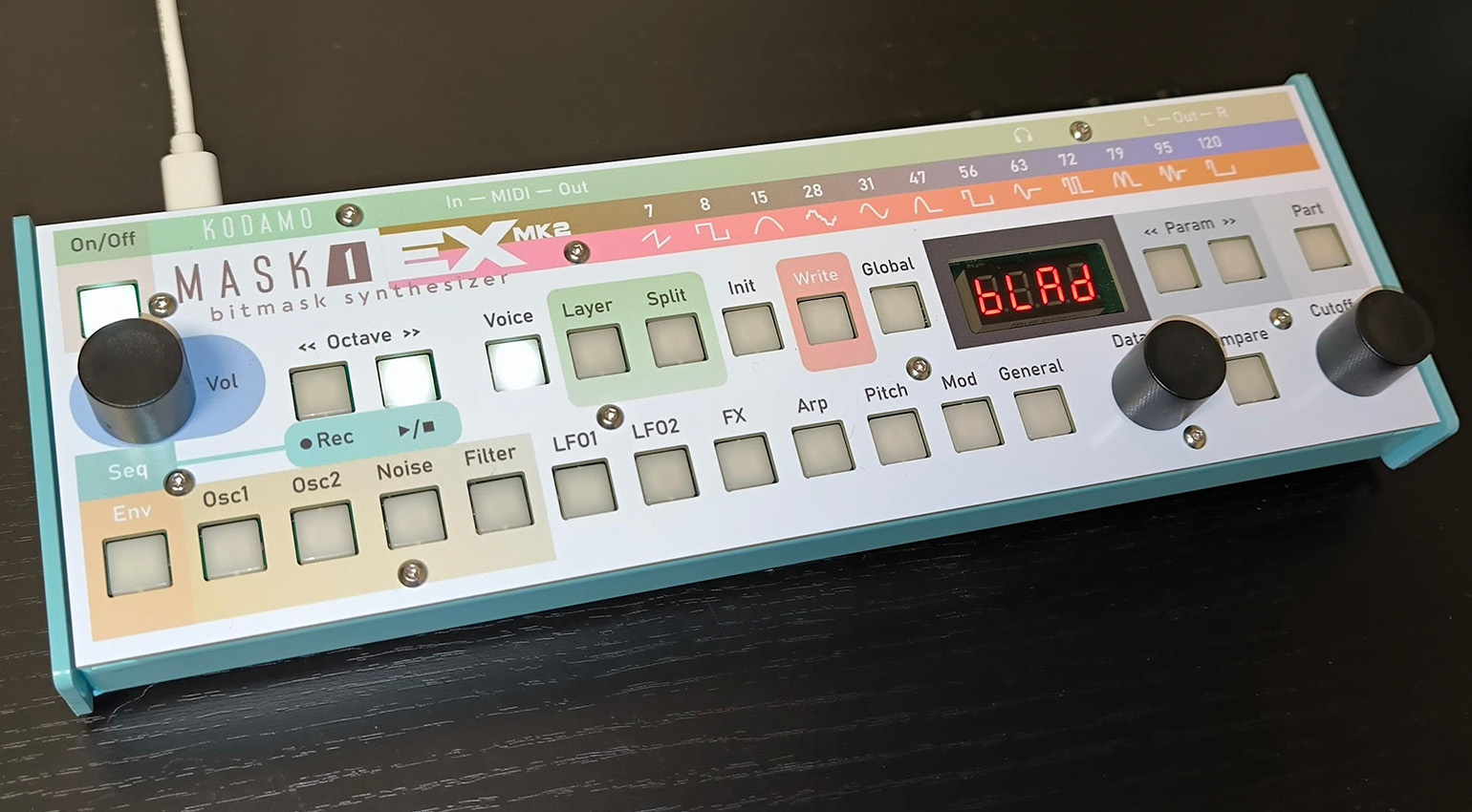
Speaking with Stephane at Kodamo recently, new instruments are already well into the development stage, and we should look forward excitedly to see what this brilliant French developer comes up with next.

Other Important French Synth Developers
Baloran
The very definition of a boutique manufacturer, Baloran hit the synth headlines when they released The River, a hugely powerful 8-voice polyphonic, multitimbral analogue synthesizer that is sadly currently unavailable, as is their Pool modular synth.
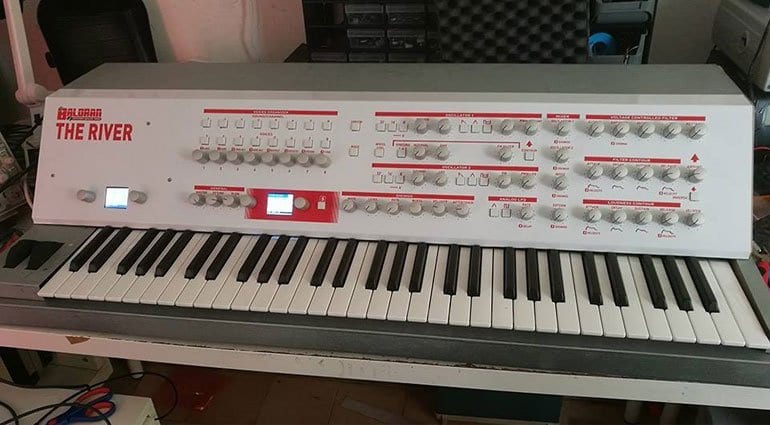
Those who own a ‘The River’ tell of its huge power and rich tone, and maybe one day, Laurent will decide to produce another run of this undeniable French masterpiece that deserves a place in the Louvre!
SynTesla
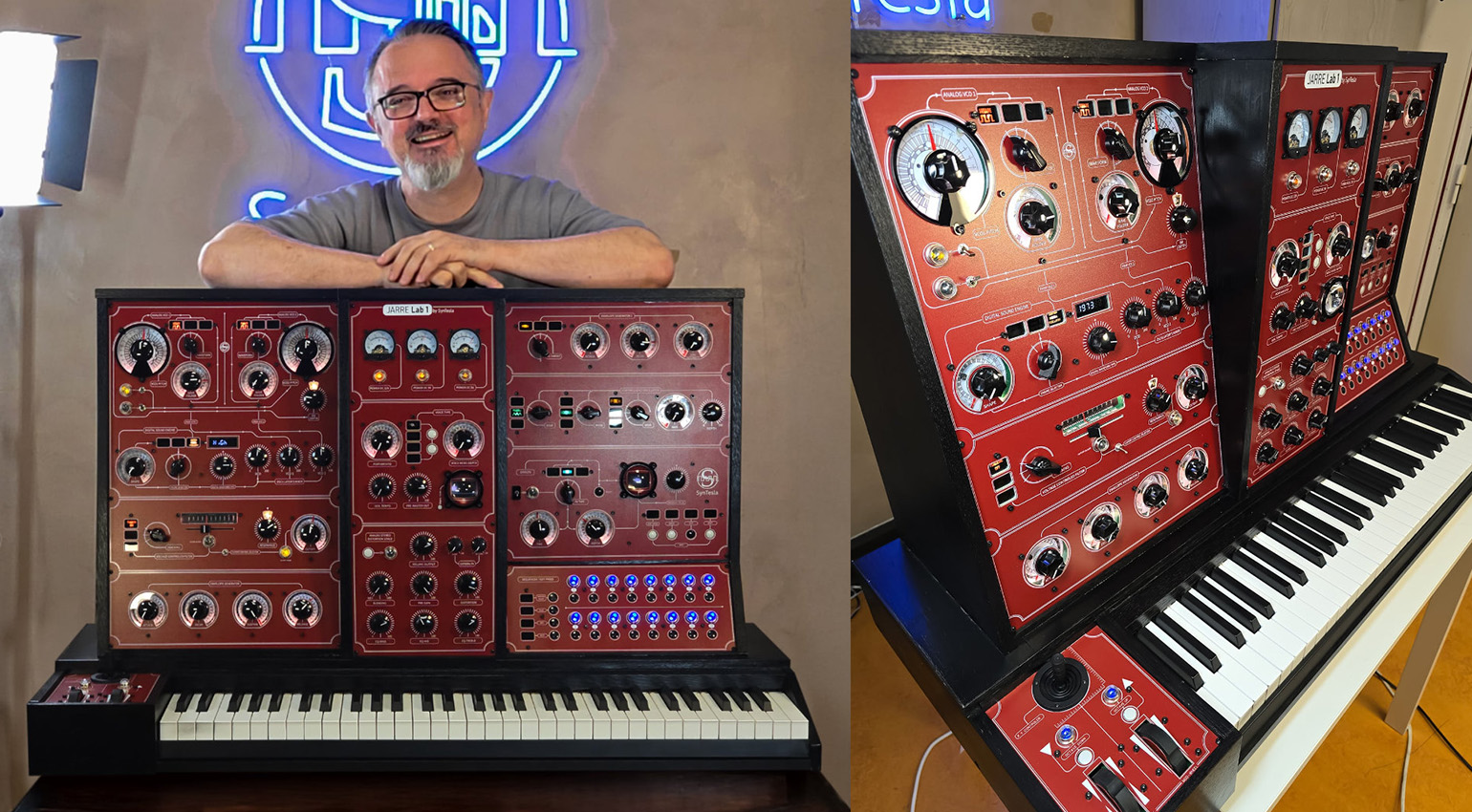
Probably best known for their ‘Steampunk’ design and their HUGE custom synth built for Hans Zimmer, SynTesla are masters of the 5U art of modular and their gear is coveted by many who dabble in those ‘dark arts’!
NRSynth
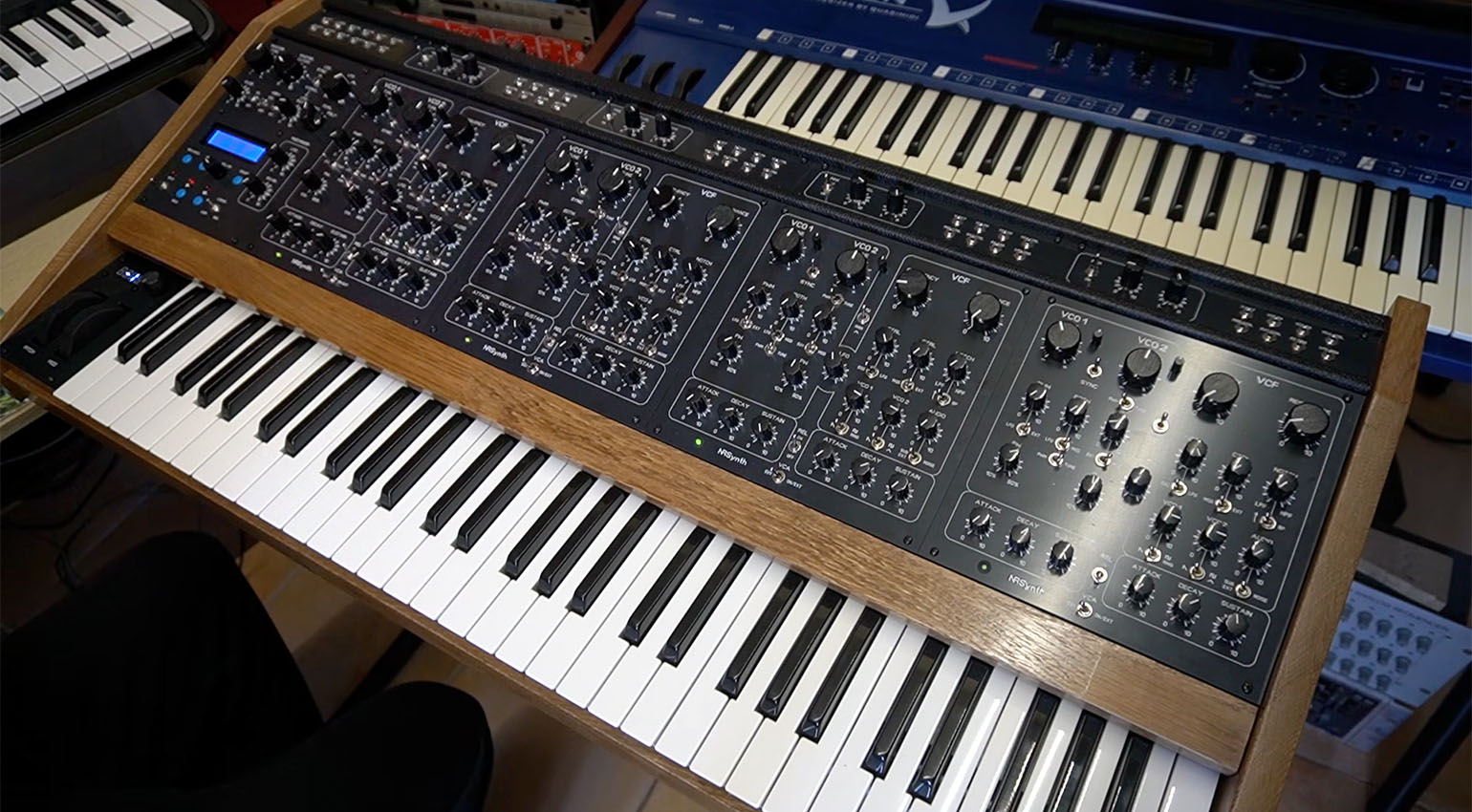
NRSynth recently debuted their Oberheim 4 Voice-inspired Quatuor that takes that concept even further. It sounds lush and very much looks the part, whilst proving that the French art of designing beautiful instruments is alive and kicking!
XILS-Labs
In the world of software synths, XILS-Labs have held their own amongst other French developers and many developers beyond their borders. They recently produced The Eighty, a CS-80 clone and then some. Other great instruments of theirs include their amazing X-505 is rightly lauded as the best clone of a Roland RS-505 their is.
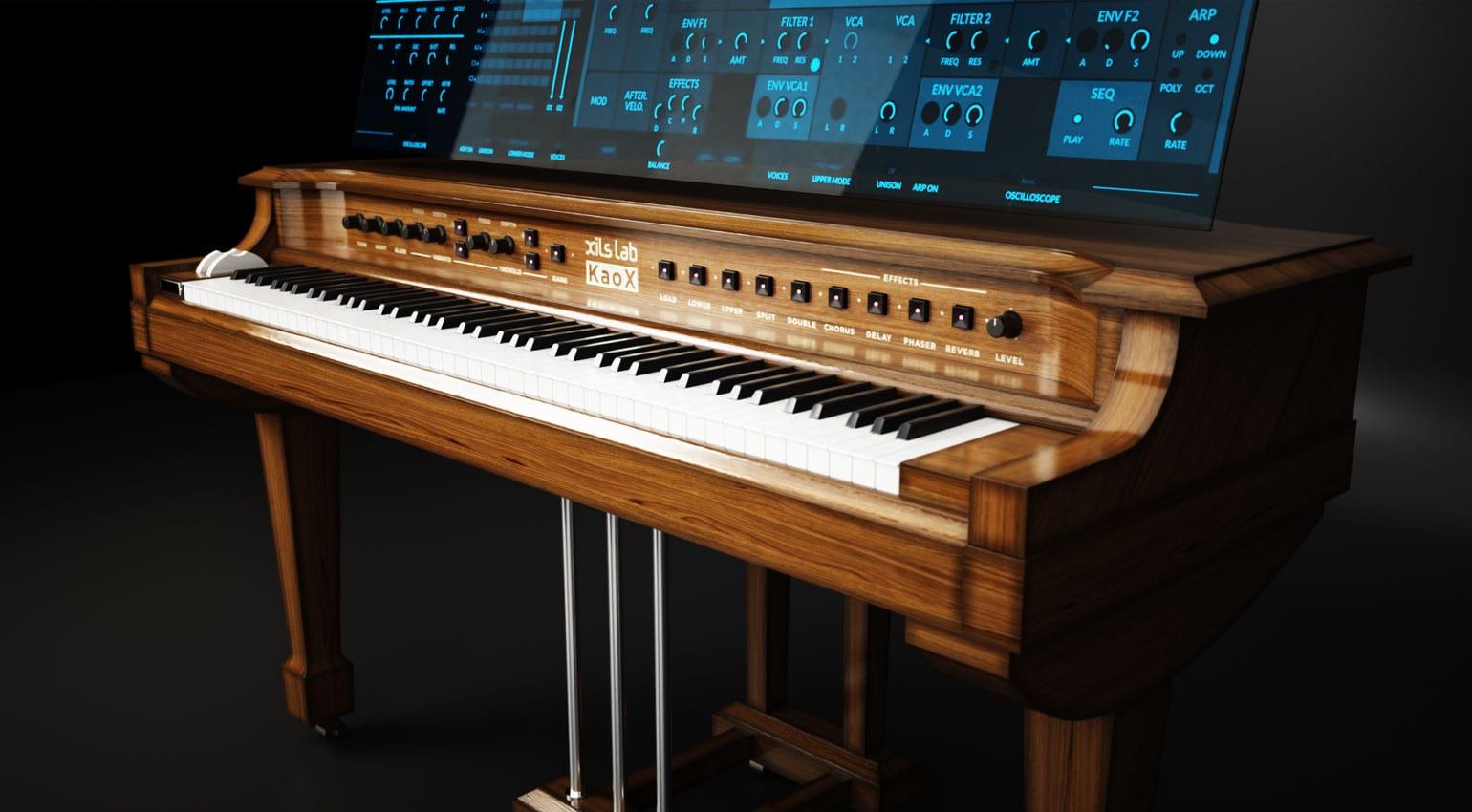
I’m particularly fond of their Yamaha GS-1-inspired KaoX, which goes some way beyond the instrument that inspired it.
Historically Important French Synth Developers
It would be remiss of me to not mention a couple of French pioneers of synthesis, so here we go…
Maurice Martenot
Monsieur Martenot developed one of the earliest electronic synthesizers in the form of the Ondes Martenot, an incredible instrument that left audiences staggered by its natural tones and deep expressive capabilites.
RSF
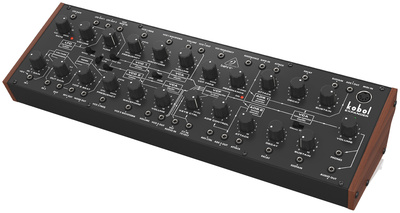
Ruben and Serge Fernandez, whose initials gave their company its name, released the monophonic Kobol in 1978. Often labelled as the French Minimoog, the Kobol had many discerning fans, but not that many were made. There were a couple of expander units developed and in the space of a few short years, they also released a polyphonic version of the Kobol.
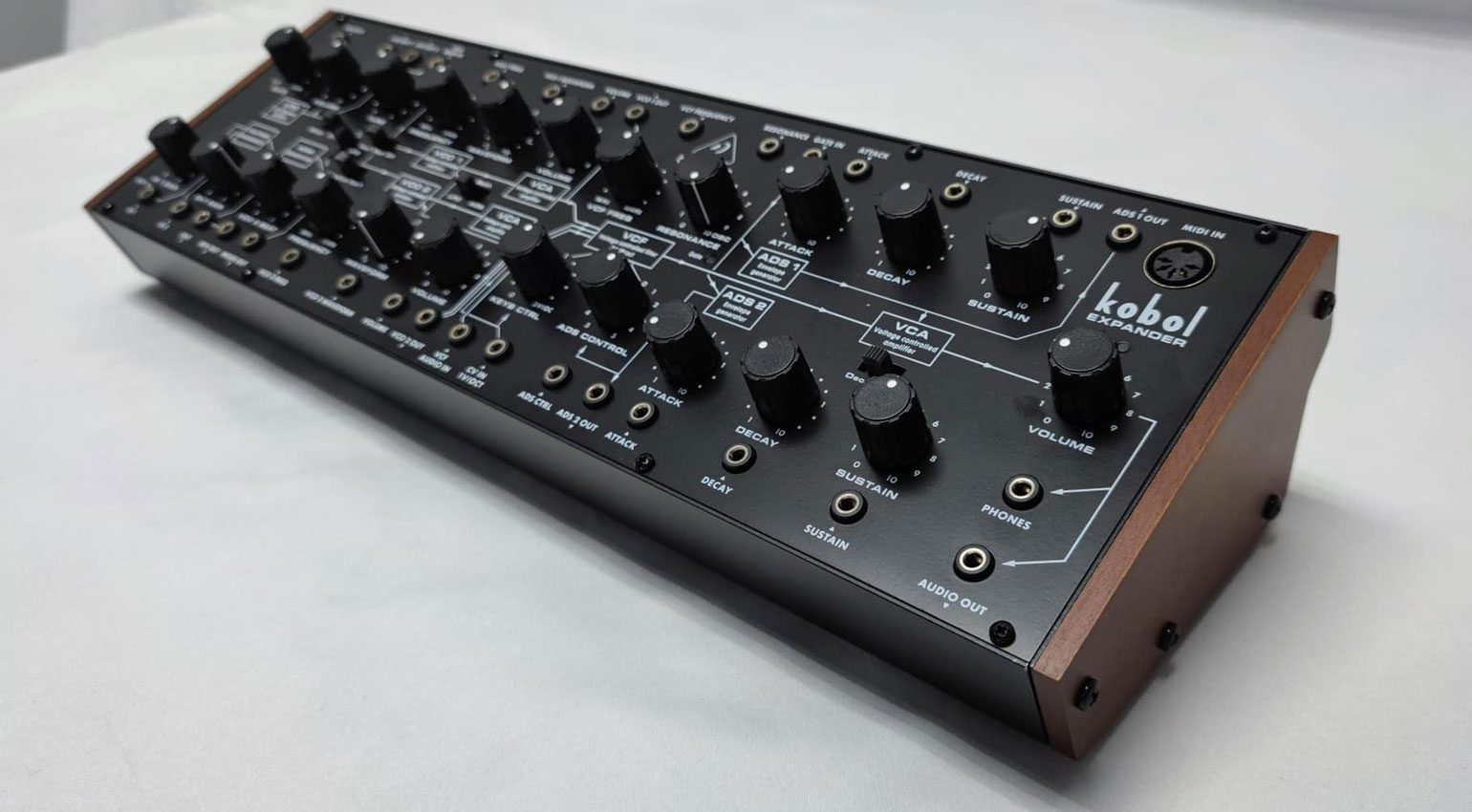
Sadly, the brothers went their separate ways, and a couple of other instruments were developed, including a drum machine, before the companies went bust in the 1980s. As you might expect, a version of the Kobol has been developed by Behringer in its desktop/Eurorack format.

And Not Forgetting…
Cyma Forma
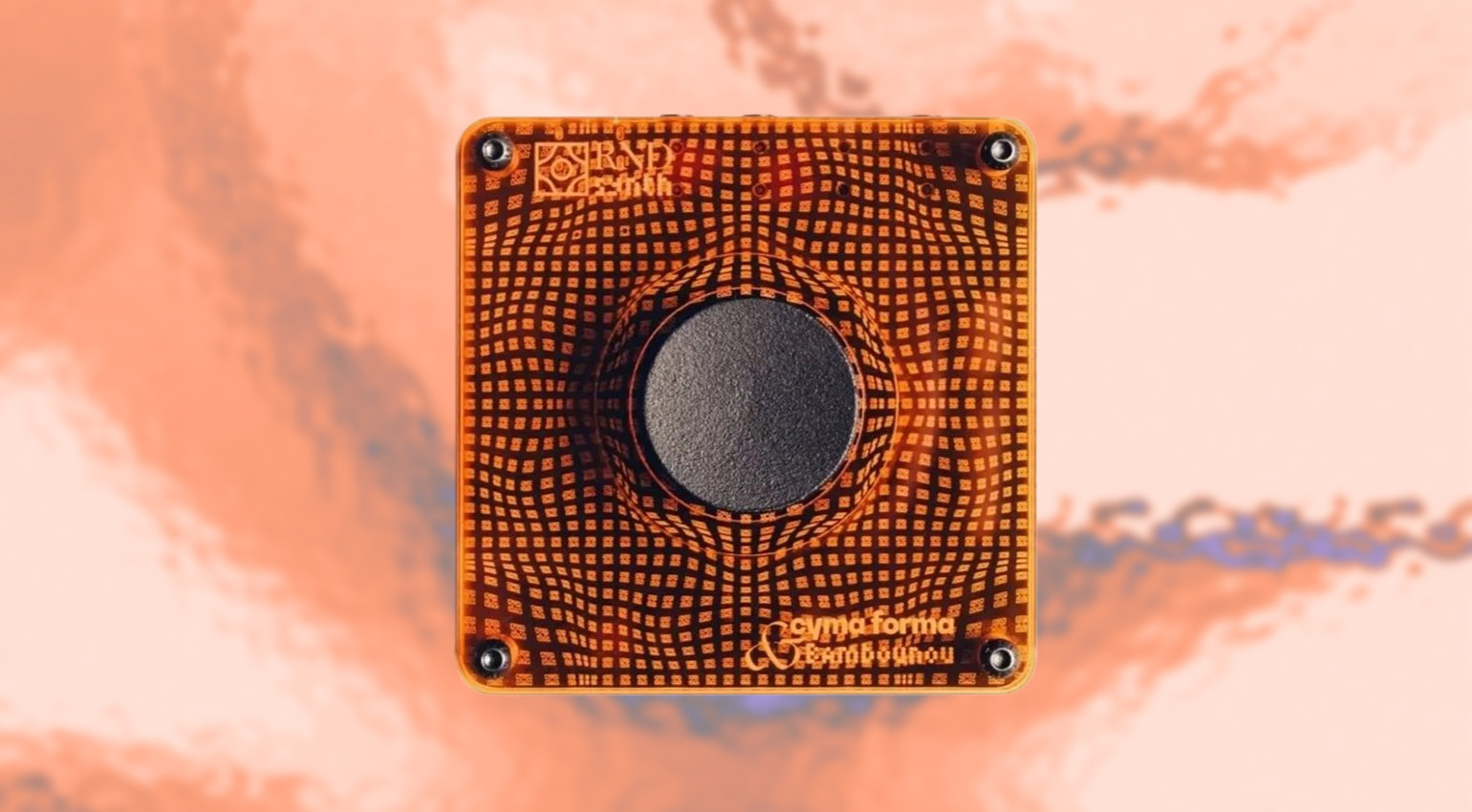
A new company whose initial project, a very intriguing drone machine called the ALT is causing a bit of a stir, along with their RND, a synthesizer with a single, solitary button!
Squarp
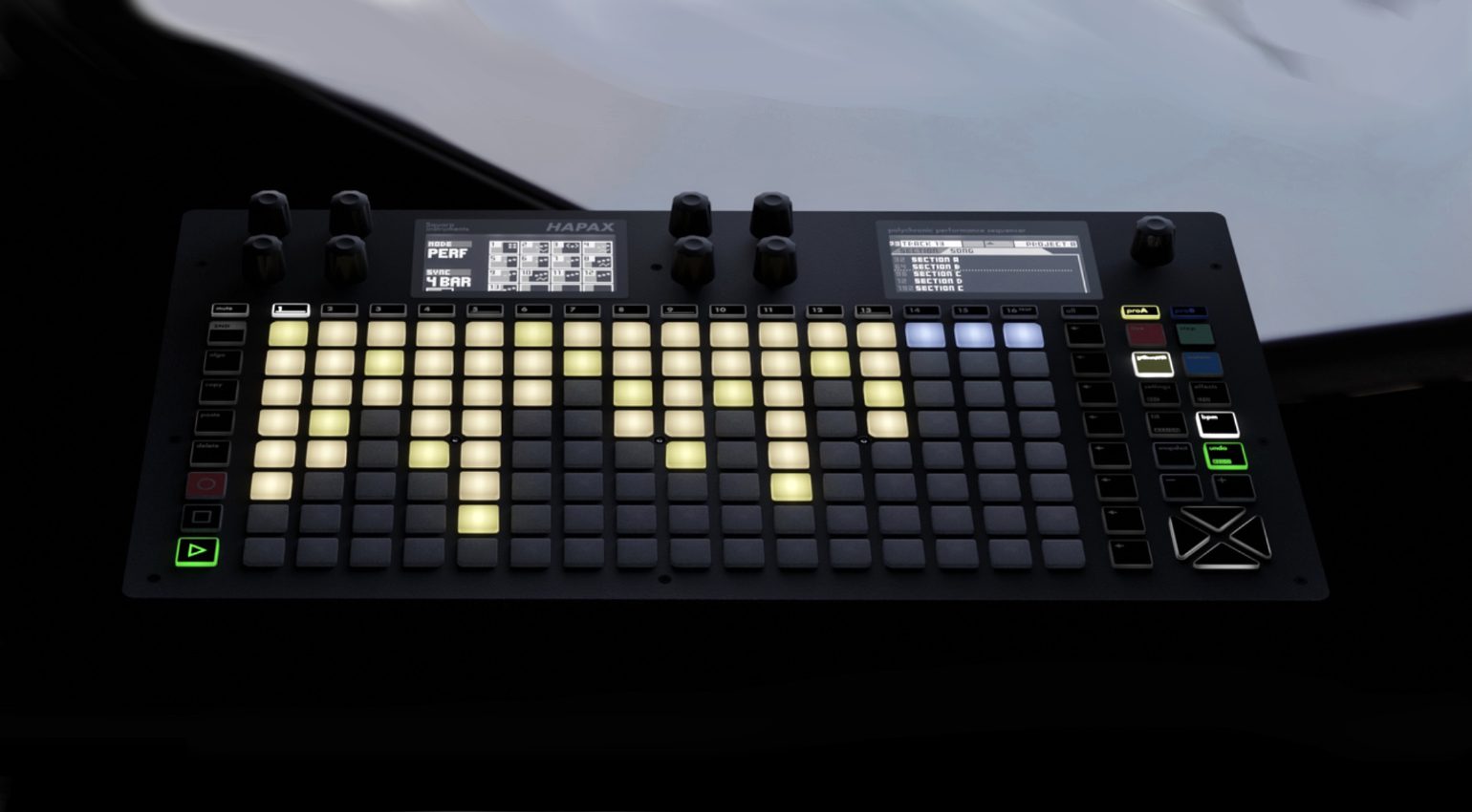
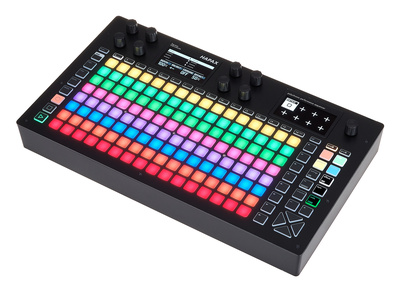
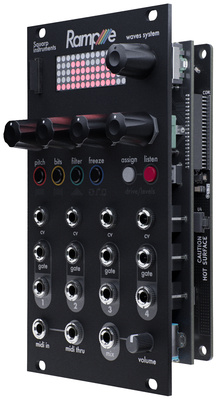
Best known for their very cool Hapax sequencer, Squarp also produce some very cool and clever pieces of Eurorack, my favourite being the Rample Turbo 4–voice Sample Player & Audio Processor!
Kiviak

Kiviak had a successful crowdfunding campaign to bring their very clever WoFi to market. This sample and synthesis instrument has a number of cool and clever features, not least its ability to connect to the internet to store and manage your sample library connection. Could it be the first ‘Internet of Things’ synth?


In Conclusion
I think you will agree that France is a hotbed of synth innovation and the French are an incredibly musical and clever bunch. In my very humble opinion, Arturia have cemented themselves as one of the world’s major manufacturers, on an equal level as any of the big American or Japanese giants, if not more so.
Unlike many of those U.S. and Japanese ‘big boys’, Arturia and the wider French synth community actually innovate and dare to dream outside of the constraints of shifting boxes to satisfy accountants and committees.
SynthFest France is an annual synthesizer event that is growing exponentially, year on year, providing a local show for French developers and providing a much-needed platform for the smaller, less affluent ones to get their products seen and, most importantly, heard. It returns on the 14th, 15th and 16th of May, 2027!
Their inherent creativity and skill have made the French a force to be reckoned with in the world of music technology, and long may it continue.
Vive La France!
*Note: This article contains advertising links that help us pay for this site. Don’t worry: the price for you will always be the same! If you buy something through these links, we will receive a small commission. Thank you for your support!

This might also interest you
10 responses to “Vive La France! How the French Have Conquered the World of Synths!”
IMO, Another that is worthy of this list is Embodme for their Erae Touch and Erae 2. Not a synth, but neither are the Squarp products.
Agreed! Good call! 🙂
MOS-LAB Synth Luthier genious
Replica with high quality components:
Moog Modular
RSF Expander
ARP 2500
EMU Modular
and more to come
All good calls, but my focus was primarily on developers of new and original gear. MOS-LAB do indeed do some great things, though 🙂
and the new first batch to come soon
Miltone 4Exp
is a hand-crafted, highly accurate analog four-voice synthesizer and expander module inspired by the legendary 1970s Oberheim Four Voice (FVS-1).
Agreed! I loved playing with this at Superbooth this year! Stunning quality!
The barest mention of the Ondes Martinot doesn’t give it the depth of importance it deserves. It deserves to be mentioned with the same reverence we give to the theremin in classical 20th century music. Not to mention Radiohead and other contemporary synth masters.
As possibly one of the earliest mass audience introductions to electronic sounds, the Ondes Martinot paved the way (with the theremin) for widespread acceptance of electronic sounds as real ‘music’…
As this article was about how French developers have grown to dominate the market over the last 20 years, the focus was never meant to be on much older instruments, as pioneering and brilliant as the Martenot was/is (new versions are still being built today). However, I felt it would be remiss of me not to tip a nod to those who paved the way, such as Monsieur Martenot and the Fernandez Brothers for the Kobol.
While not out with much new stuff recently, why not mention eowave?
You should have mentionned that Behringer’s Kobol has been developed by a french team…
You are currently viewing a placeholder content from Facebook. To access the actual content, click the button below. Please note that doing so will share data with third-party providers.
More InformationYou are currently viewing a placeholder content from Instagram. To access the actual content, click the button below. Please note that doing so will share data with third-party providers.
More InformationYou are currently viewing a placeholder content from X. To access the actual content, click the button below. Please note that doing so will share data with third-party providers.
More Information