Cyma Forma ALT Is a Beautiful Soundscape Synthesizer With Eyes and Ears

 3,6 / 5,0 |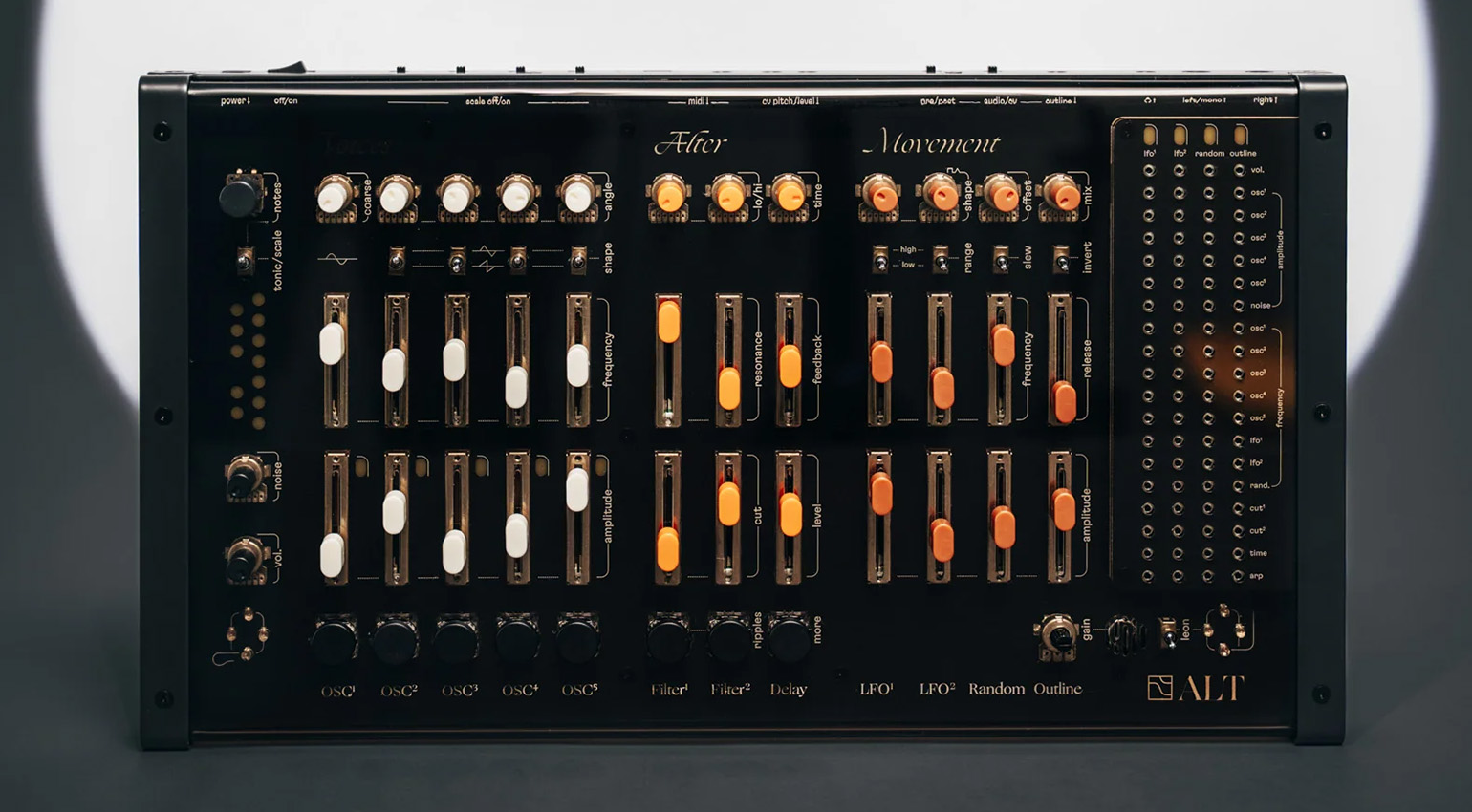

Cyma Forma ALT combines unique, melodic features and a jaw-droppingly gorgeous analog sound into a unique package. Plus it’s got light and audio sensors so it can see and hear what you’re up to…
Cyma Forma ALT
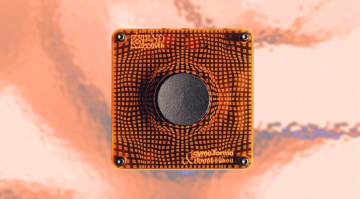
There were a lot of surprises at Superbooth 2026, but one of the biggest was RND, a single-button synthesizer with a focus on randomization from French manufacturer Cyma Forma. RND isn’t the only instrument from Cyma Forma, though. The company has been working for a while on a more involved instrument, an analog soundscape synthesizer called ALT, and it’s finally available in stores like Thomann*.
Cyma Forma ALT: What the Heck is This Thing?
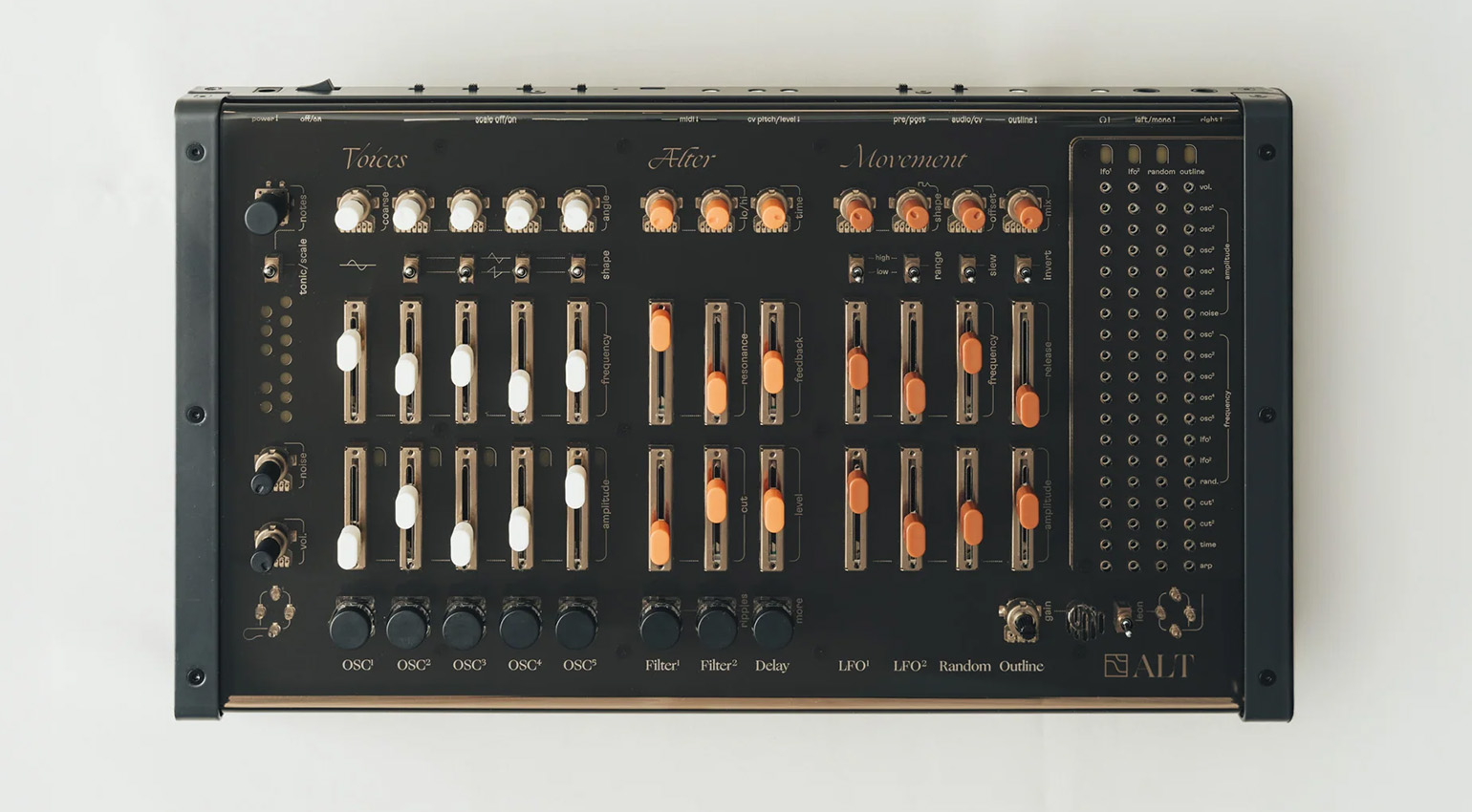
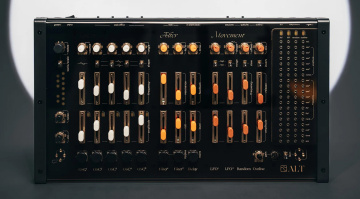
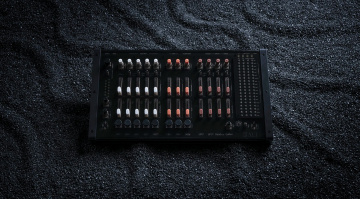
Looking at pictures of ALT, with its unique column-oriented design and pin matrix, it’s clear that it’s not your typical synthesizer. Cyma Forma describes it as a generative analog synth, and that should give you a few clues about its intention.
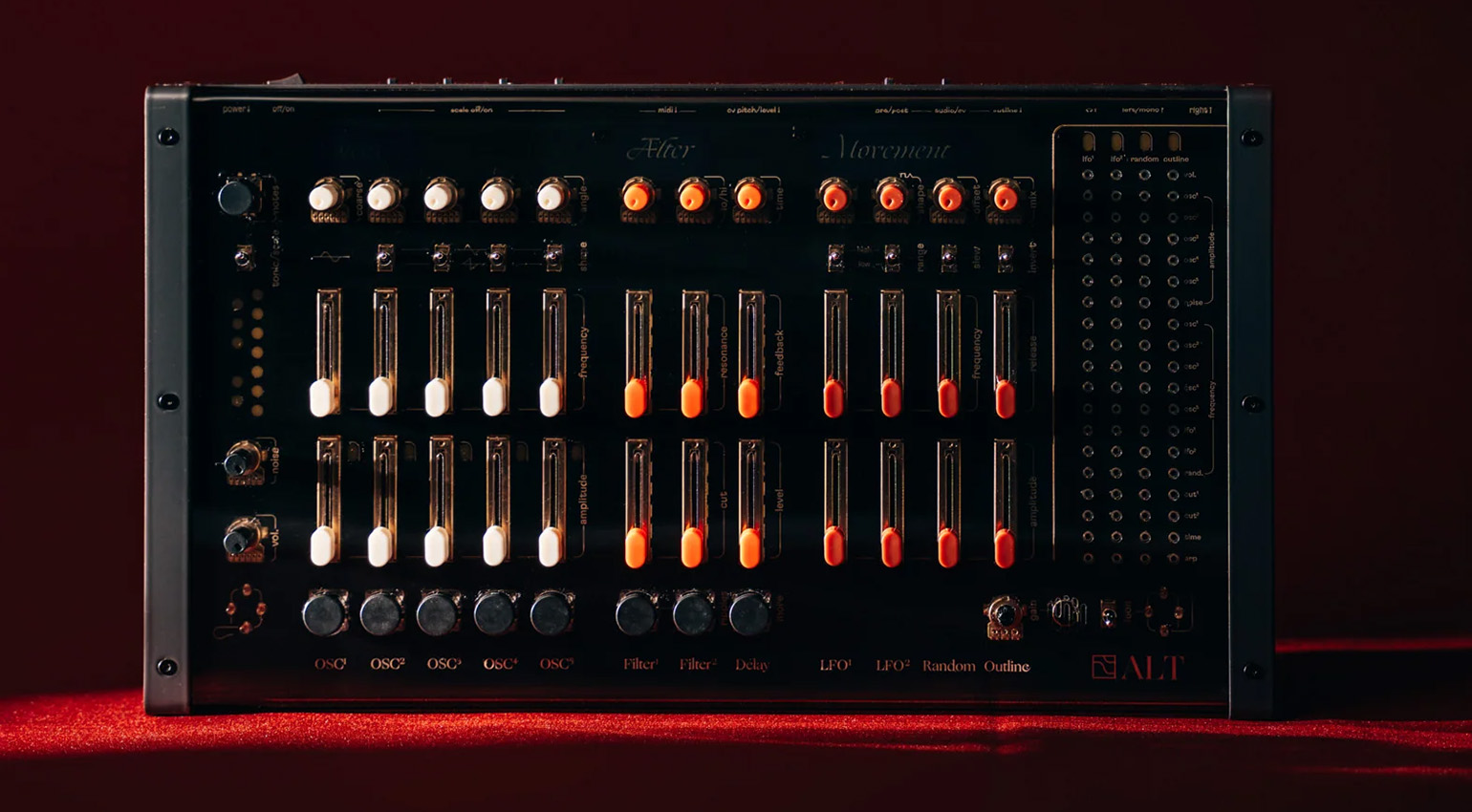
“ALT is an analog synthesizer designed for drones, soundscapes, and complex generative melodies,” the website says.
This is more than a set-and-forget machine, though. It appears to be a thoroughly playable instrument that just happens to go about things in a different way.
Cyma Forma ALT: Synthesis Explanation
Like a drone synth, ALT starts with a set of oscillators (the Voices section) that can be individually controlled. There are five of them, each with different shapes and frequency ranges, either free or set to one of 14 scales, with both equal temperament and just intonation available. Oscillators can also be independently panned and detuned.
Next, sound passes into the Alter area. Here, there are two multimode filters, both inspired by the famous KORG MS-20 circuit. These are stereo and in series, with lowpass, highpass, and bandpass modes. They can, of course, self-oscillate, giving you two extra voices if you need. They also have special performance buttons called Ripples.
The other feature of Alter is the delay. Capable of creating an infinite feedback loop, it also has a performance button called More that Cyma Forma insists is self-explanatory. Please, sir, can I have some more? Why yes, you can: there’s an audio in to patch external signals through the delay.
Finally, there’s the Movement section for modulation. This is where the pin matrix comes into play. Use this very physical mod matrix to assign modulation to the two LFOs (capable of audio rate oscillation), the Random sample and hold circuit, and the envelope follower. There’s also a “strange arpeggiator” that uses modulation amplitude levels to trigger voices in different orders.
Cyma Forma ALT: Eyes and Ears
Now, about those eyes and ears. ALT does indeed have sensory organs… of a type. The ears come in the form of an onboard microphone to trigger sounds and modulations, while the eyes are light sensors that turn the synthesizer into a theremin with control over master pitch and volume.
Cyma Forma ALT: Connectivity
Often, experimental drone synths of this type are meant to be used on their own; they don’t have extensive connectivity. ALT is different in that it’s compatible with CV and MIDI, meaning you can integrate it into Eurorack or a DAW, play it traditionally via a MIDI controller, or control it with a CV sequencer.
It receives notes, velocity, aftertouch, and pitchbend MIDI messages and has four MIDI modes, including voice splitting, monophonic transpose, silent tonic change, and real-time scale edit for chord progressions.
Cyma Forma ALT: Pricing and Availability
Cyma Forma ALT looks like a lot of fun. It can be noisy and experimental, but also very melodic. Check out the demos below to see it in action. And, I have to say, it sounds gorgeous. It’s pleasingly analog. With its generative qualities, I could see turning it on in the living room and letting the sound fill the space.
ALT is available now for €1279 from Thomann*.

More Information
- Cyma Forma ALT product page
- More about synthesizers
- Buy synthesizers at Thomann*
*Note: This article contains advertising links that help us pay for this site. Don’t worry: the price for you will always be the same! If you buy something through these links, we will receive a small commission. Thank you for your support!

This might also interest you
2 responses to “Cyma Forma ALT Is a Beautiful Soundscape Synthesizer With Eyes and Ears”
Amazing love it !!!!!
Yes but did you see the price tag?!!! A bit high for me to consider. If you still love it !!! then it might be for you 👍