The Strokes’ Guitar Tone: You Need These Plugins and This Gear to Play “Last Nite“!
Now all you need to do is practice!

 3,0 / 5,0 |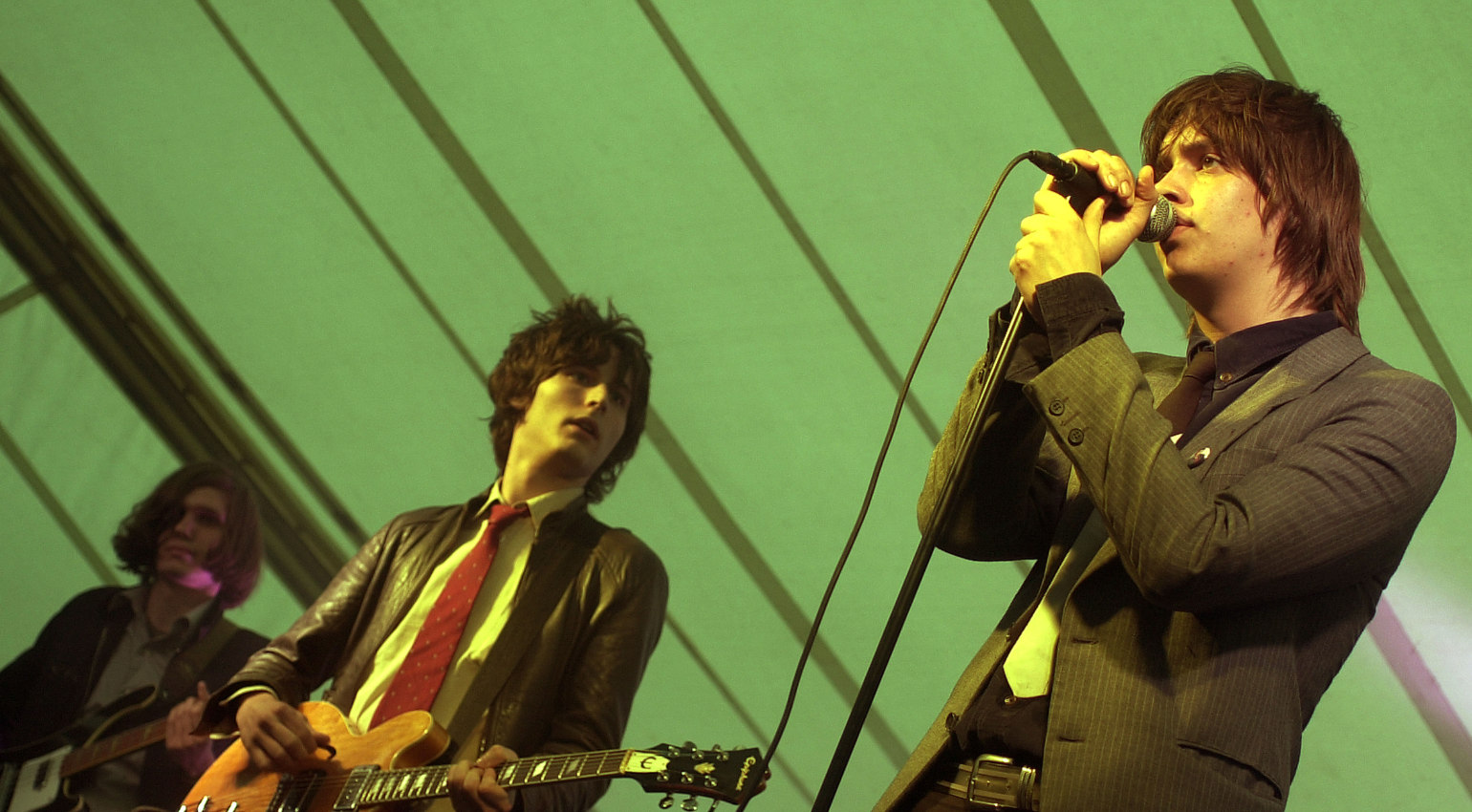
The Strokes' Guitar Tone: You Need These Plugins and This Gear to Play "Last Nite“! · Source: Pictorial Press Ltd / Alamy

The Strokes recently announced their seventh studio album, “Reality Awaits”. They also played two highly acclaimed shows at Coachella. But their biggest hit is still “Last Nite” from their debut album. So what gear or plugins do you need to get closer to The Strokes’ guitar tone? Which entry-level equipment will get you close, and which high-end studio gear sounds almost identical to what they used on the recordings?
How to Sound Like The Strokes:
Is This It: The Recording of The Strokes’ Legendary Debut Album
Before we get to The Strokes’ guitar tone, let’s take a look at the recording of “Is This It,” the band’s debut album. For many fans of modern rock music, there is a time before the album and a time after it. The impact of the album, released in 2001, was enormous, as was its success.
Moments like this are rare in music history: when albums don’t follow the zeitgeist but define and reshape it. And hardly any other album has left such a mark on guitar music in the 2000s, even in the shadow of the already disappearing nu-metal. The Strokes countered the scratchy maximalism of the Korn/Limp Bizkit riff machines with a directness and minimalism in their sound that was almost revolutionary.
Formed in 1998, The Strokes still consist of the same five members today: Julian Casablancas (lead singer and primary songwriter), Nick Valensi and Albert Hammond Jr. on guitars, Fabrizio Moretti (drums), and Nick Valensi (bass) on rhythm.
Recorded at New York’s Transporterraum studio with producer Gordon Raphael over a little more than six weeks in the spring of 2001, Is This It is a fantastic example of musical chemistry, catchy hooks, and a retro sound aesthetic fused with modern songwriting. “Last Nite,” released as the second single, is a perfect example
The Strokes’ Guitar Tone: How “Last Nite” was recorded
As he recounts in a 2002 interview with Sound on Sound, Gordon Raphael’s studio is called Transporterraum because one of Germany’s most important rock producers, Moses Schneider (Beatsteaks, Tocotronic, Turbostaat, Kreator, and many more) visited him in 1998 there. Later, when Gordon suddenly had to move to new premises, Moses supported him with equipment from his own Berlin Transporterraum studio. Thus, Gordon chose the same name to honor Moses’ support.
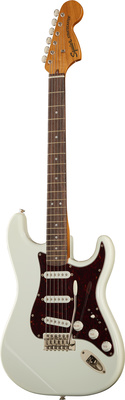
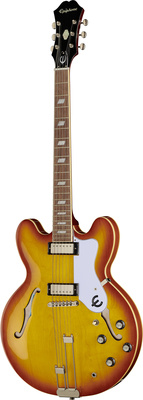
The band recorded most of the album’s songs live together in the studio. Albert Hammond Jr. played his ’70s reissue Stratocaster (which was also available for a time as a signature model from Fender), while Nick Valensi played a 1995 Epiphone Rivera. Both played through Fender Hot Rod Deville amps, along with a few distortion pedals.
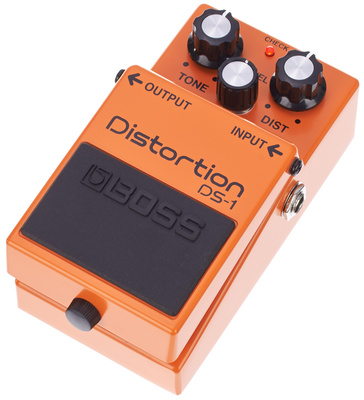
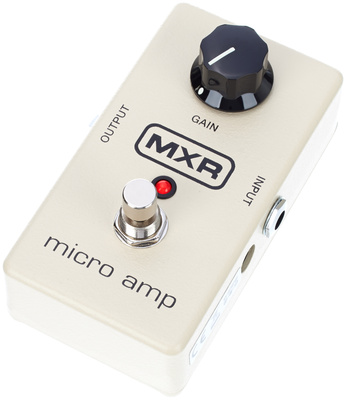
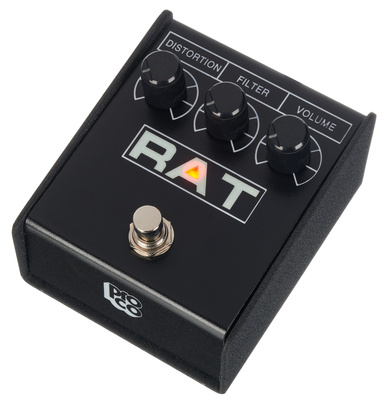
A Visual Sound V1 Jekyll & Hyde (overdrive and distortion), a RAT, a Boss DS-1, and an MXR Micro Amp are said to have been used. Producer Raphael mic’d both amps with Sennheiser MD 421s, feeding them directly into his API preamps.



The Strokes’ Guitar Tone with Plugins
If you keep your gear setup this minimal, you don’t need an endless, expensive list of plugins. Assuming you own an electric guitar, a cable, an audio interface, and a DAW, here’s a free solution to get you started: a NAM profile (read about NAM here), along with the equally free bx_distorange from Plugin Alliance.
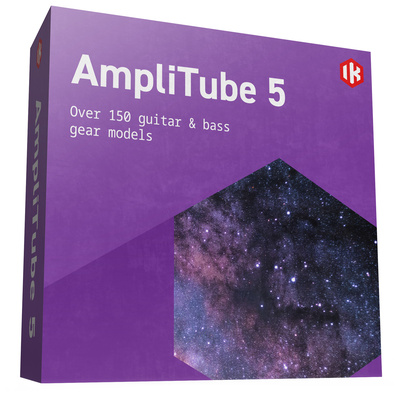
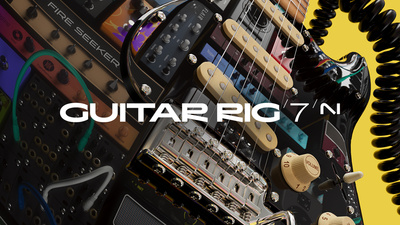
A more complete solution without having to chain different plugins and featuring compatible virtual cabinets is Native Instruments Guitar Rig 7*. The often mentioned Amplitube 5* from IK Multimedia also offers similar emulations.


Beginner Gear for The Strokes’ Guitar Tone
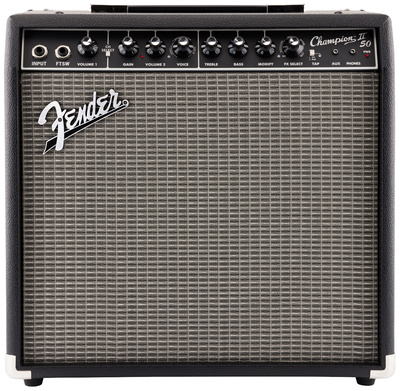
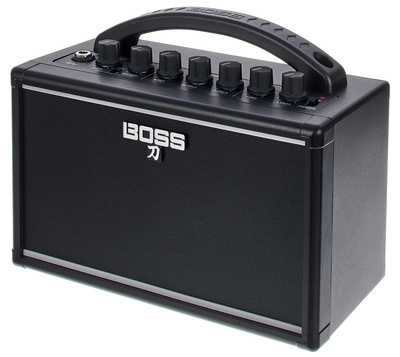
You don’t have to break the bank to get the minimalist guitar sound of The Strokes. When it comes to the amp, something like a Fender Champion II 50* or a Boss Katana Mini* is more than enough. As for the distortion, there are a few alternatives to the Boss DS-1. Although it’s not exactly bank-breaking itself.
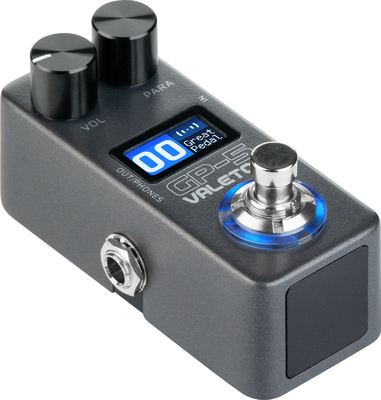
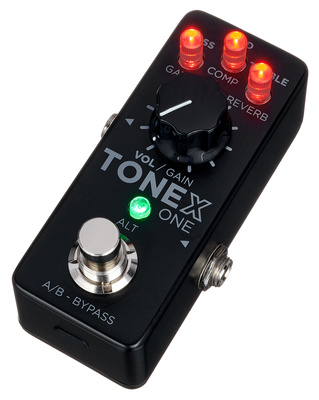
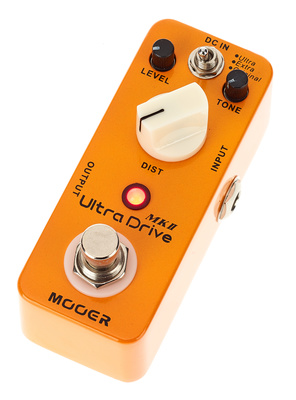
For example, the Mooer Ultra Drive Mk II* gets you pretty close to the DS-1 sound. It’s modeled after a DS-1 with a Keeley mod. But even tiny modelers like the Valeton GP-5 or IKM’s ToneX One can come close to the The Strokes’ guitar tone if you adjust the virtual components accordingly.




Studio Gear for The Strokes’ Guitar Tone
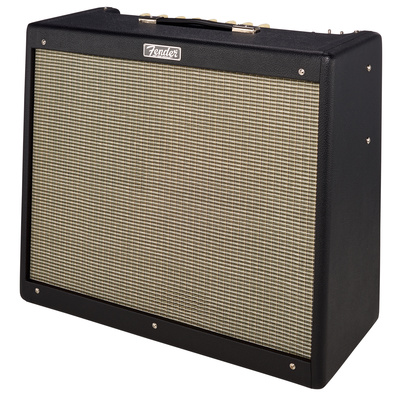
Let’s start with the amp. Conveniently, there’s a Hot Rod Deville* right from Fender! To get closer to Albert Hammond Jr.’s sound, we’ll also need in a Boss DS-1* before that, and for the solo, an MXR Micro Amp*. And if you’re more into Nick Valensi’s semi-hollow sound, you’ll want a Rat.
Namely, a ProCo Rat 2* paired with an Epiphone Riviera and a Hot Rod Deville. That should get you pretty close to The Strokes’ guitar tone! Now all you have to do is practice!


Conclusion
How do you get closer to The Strokes’ guitar tone? What plugins or gear do you use to achieve it? Let us know in the comments!
*Disclaimer: This post contains affiliate links and/or widgets. When you buy a product via our affiliate partner, we receive a small commission that helps support what we do. Don’t worry, you pay the same price. Thanks for your support!

This might also interest you