The Most Popular Studio Gear: The Home Recording Hitlist

 3,0 / 5,0 |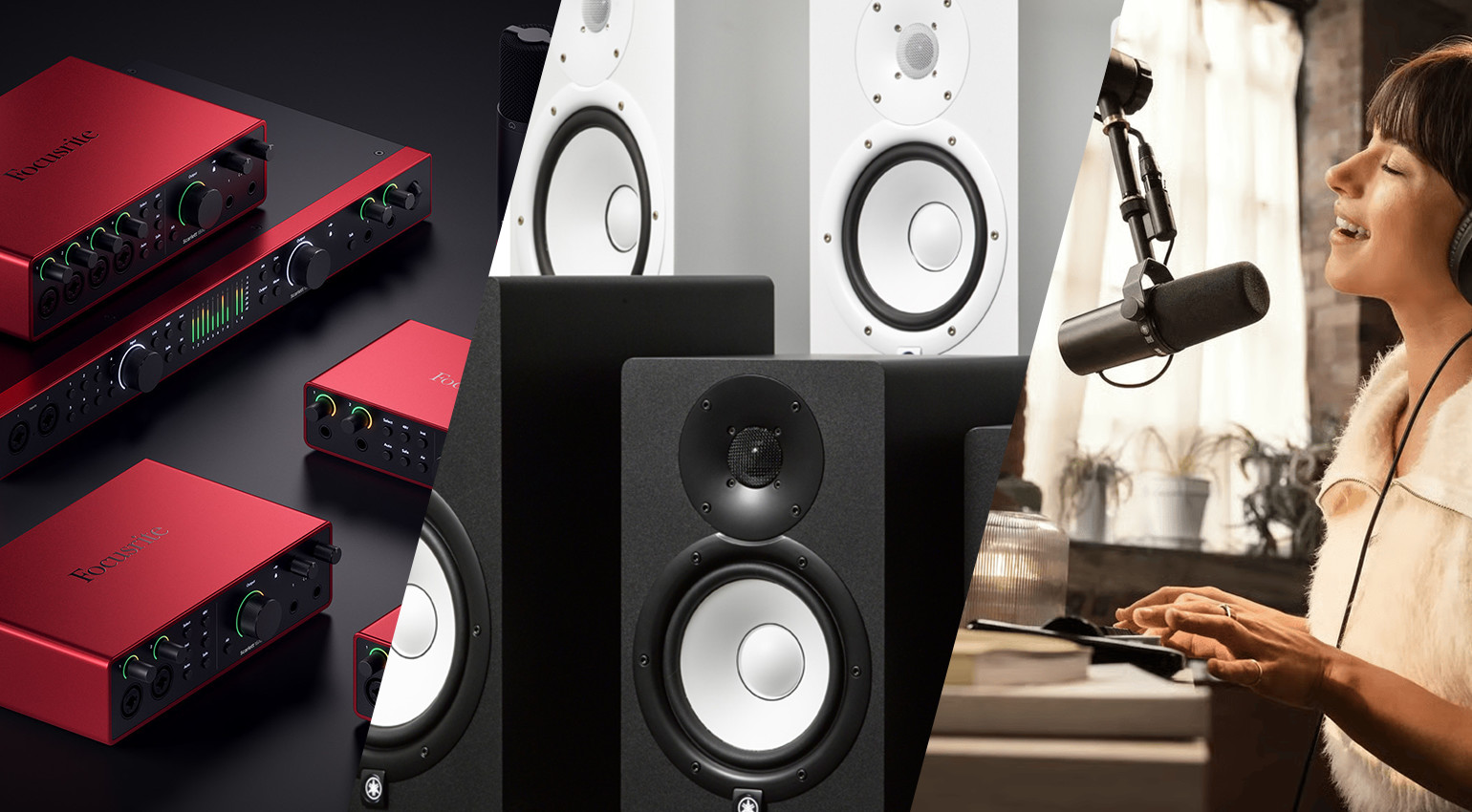
The Most Popular Studio Gear: The Home Recording Hitlist · Source: Focusrite / Yamaha / Shure

We’re discussing some of the most popular studio gear used by musicians and home studio enthusiasts for recording any style of music.
In this Article:
We’re lucky to live in a time where studio equipment doesn’t have to be the most expensive to get professional results. Of course, this is because the music production process happens mostly in the software realm, but there are still essential tools such as microphones, audio interfaces, headphones, and studio monitors that we rely on.
The Most Popular Studio Gear: Focusrite Scarlett Audio Interfaces
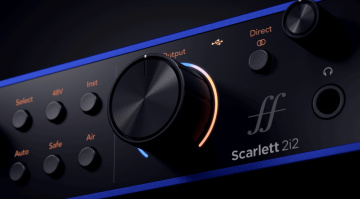
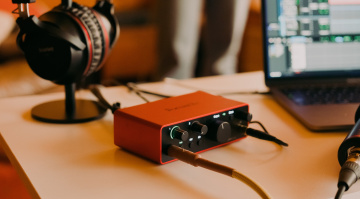
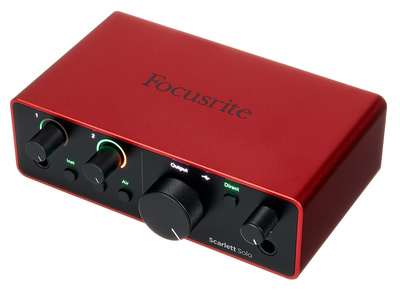
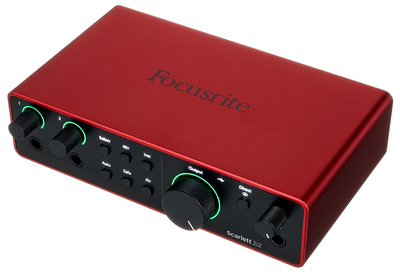
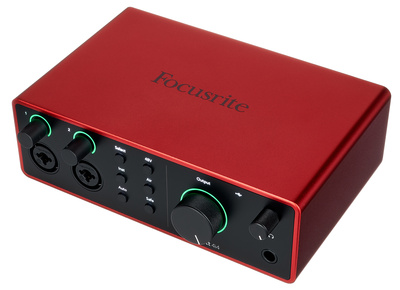
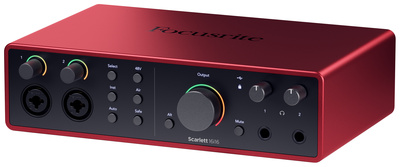
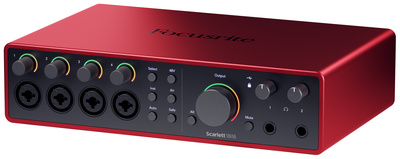
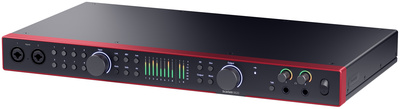
The Scarlett series audio interfaces are easily the most widely used recording tools available. First introduced back in 2011, the Scarlett series soon endeared itself to musicians and recording enthusiasts with its unmistakable red theme, straightforward controls, decent-quality preamps and converters, and simple setup process.
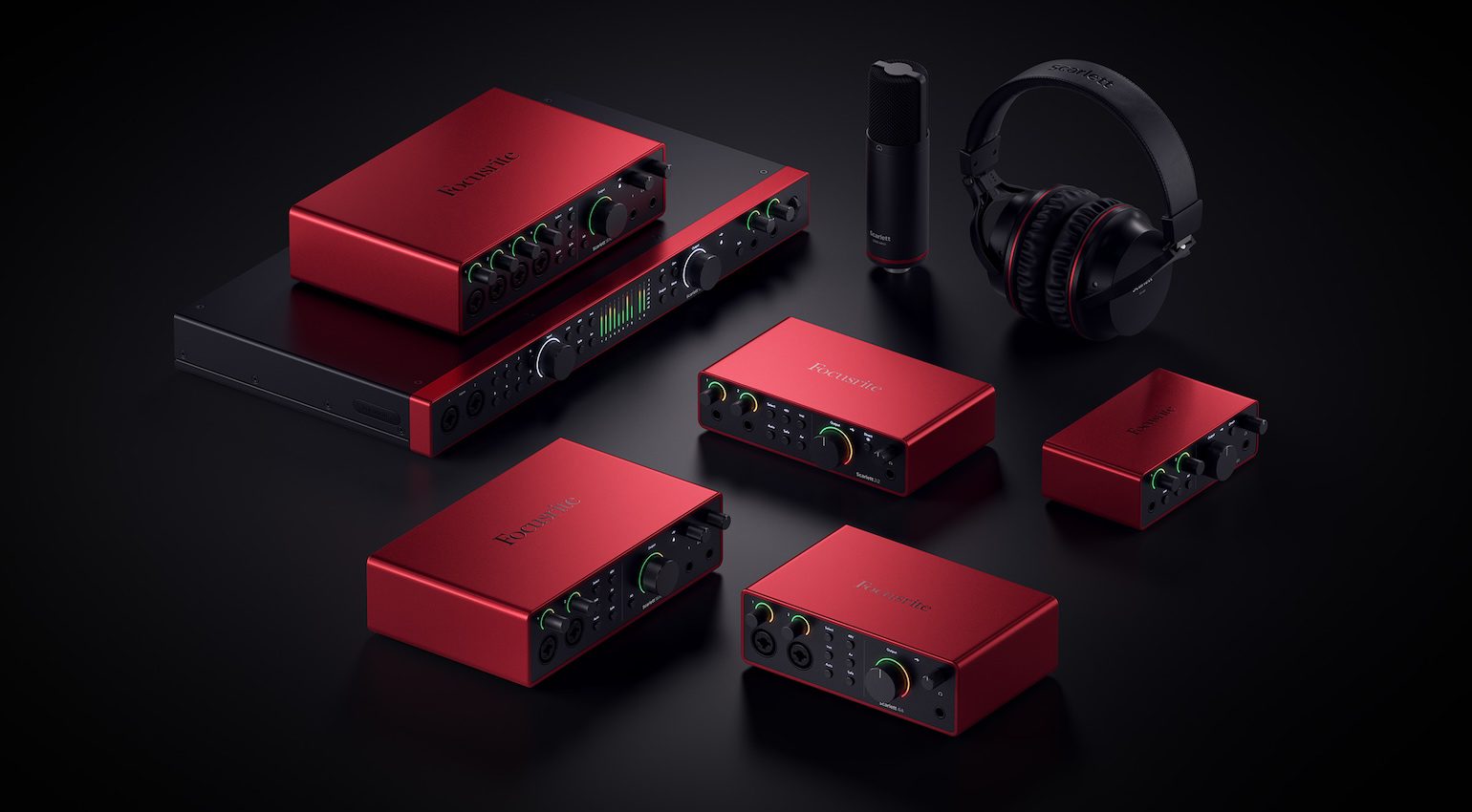
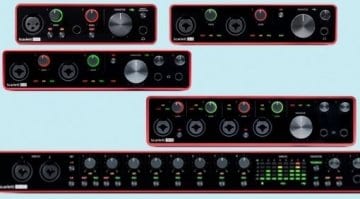
While most features are carried throughout the range and each model expands the I/O a little further, features like Auto Gain and Clip Safe are only available from the 2i2 upwards, while MIDI I/O is available in the 4i4 upwards, and ADAT I/O is available in the 16i16 upwards. All models feature the same RedNet converters and allow 24-bit 192 kHz recording.
The range of included software to get you started is extensive, with introductory versions of Ableton Live and Pro Tools, as well as some essential plugins from Celemony, Softube, Native Instruments, and Relab Development. On top of that, the preamps provide 69 dB of gain and, according to some, sound the same as the preamps in a vintage Neve console. Get it at Thomann.*


The Most Popular Studio Gear: Shure SM and MV Series Dynamic Mics
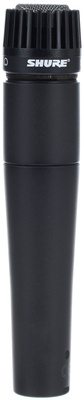
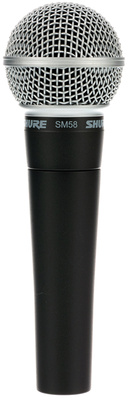
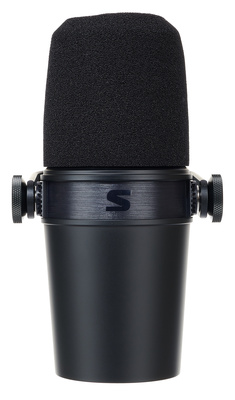
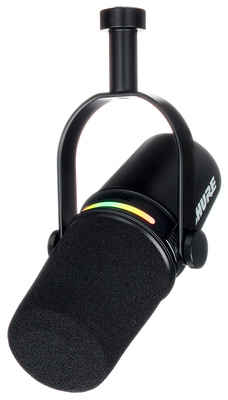
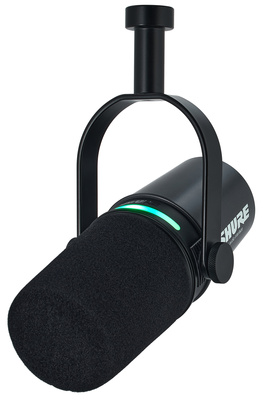
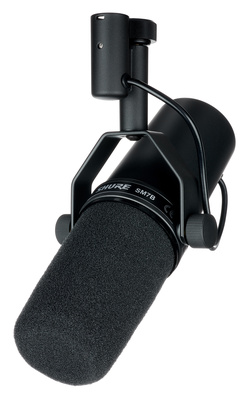
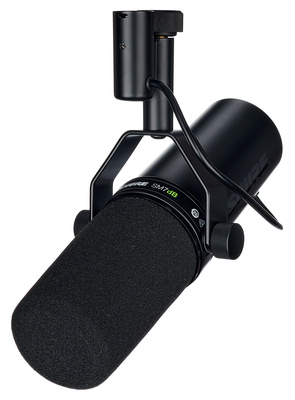
There simply isn’t a manufacturer with more industry-standard microphones than Shure. In recording, it’s the trusty SM57 with its midrange bite; on stage, it’s the indestructible SM58; and on YouTube, it’s the SM7B for speech intelligibility. The beauty of each one of these mics is their versatility and durability, allowing you to use them year in and year out for a range of recording tasks.
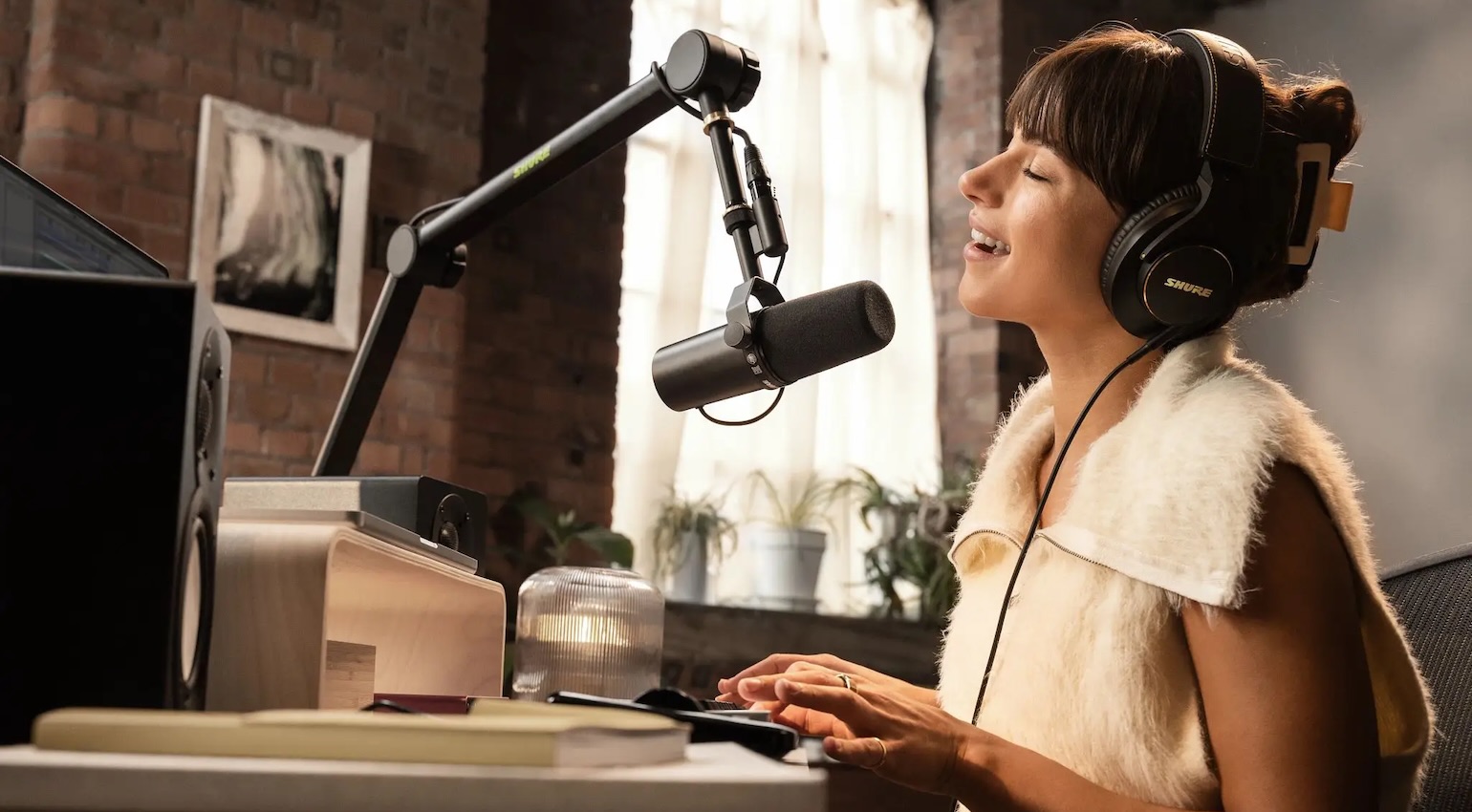
Naturally, dynamic mics tend to have lower output than condensers, but the standard of preamps in the average audio interface is always improving, and if you find your preamp wanting, you can simply add an in-line preamp like a Cloudlifter into the chain. Another benefit of dynamic mics is the localized pickup zone, which allows them to be placed right next to a sound source.
This characteristic lets you capture recordings using close-mic techniques and reduce the amount of ambient reflectivity usually found in untreated acoustic spaces. Whether you choose the SM57, the SM58, the SM7B, or the new and innovative MV series, you know you’re getting quality you can rely on for your next recording or content creation project. Get it at Thomann.*

The Most Popular Studio Gear: RODE NT Series Large-Diaphragm Condenser Mics
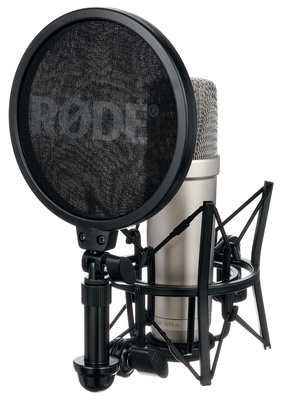
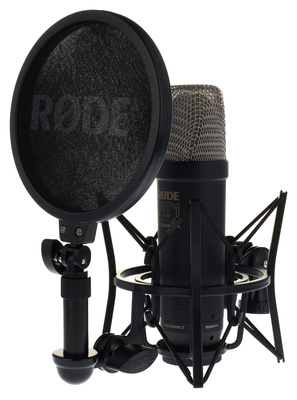
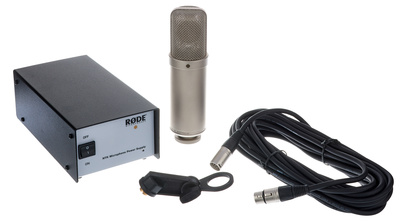
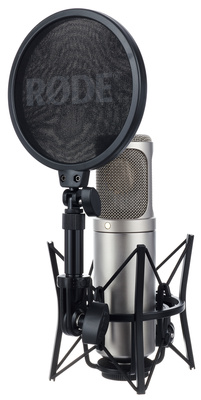
The NT Series studio condensers are foundational in the journey of RODE as a manufacturer, as its very first offering, the NT1 (released in 1991), is still one of the most widely used mics in home studios worldwide. As the recording industry shifted from physical to digital, affordable microphones became more and more relevant, so RODE’s “quality on a budget” philosophy was a magic formula.
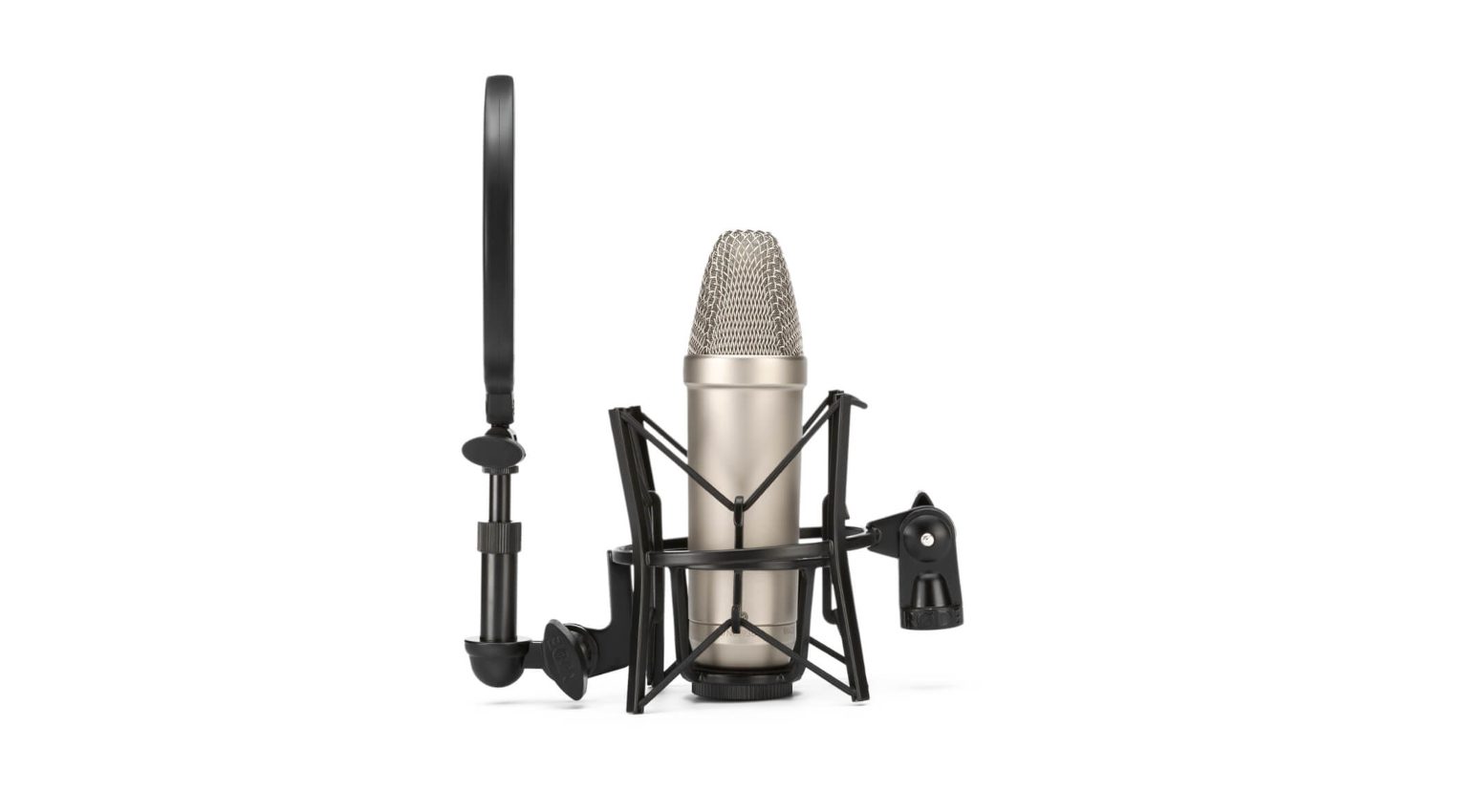
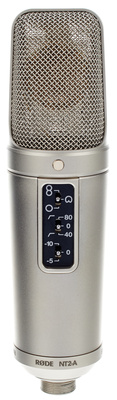
Over the years, RODE evolved to embrace the content creation era, and its popular mics evolved too. In its 5th generation, the NT1 added USB connectivity, along with some useful DSP effects, including compression and a noise gate. For a wider scope of recording applications, the multipattern NT2 provides plenty of value for its price.
Meanwhile, the tube-based NTK (cardioid) and K2 (multipattern) provide the ability to capture detail and nuance in a performance. Overall, the RODE lineup is tried and tested, and although users report having to EQ recordings to tame the high frequencies in many cases, this is part and parcel of the home recording process, especially in untreated rooms. Get it at Thomann.*

The Most Popular Studio Gear: Yamaha HS Series Studio Monitors
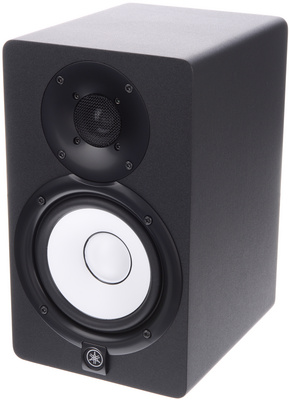
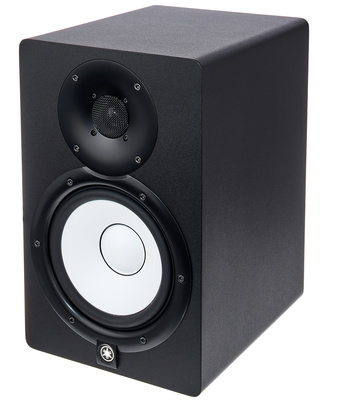
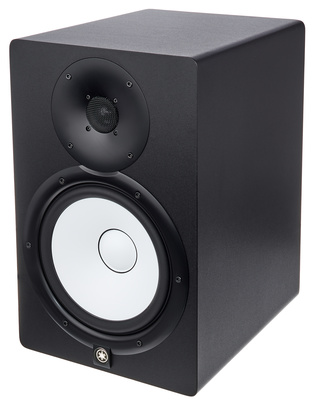
The bedroom producer’s NS10 or Yamaha HS Series is a mainstay in home recording studios worldwide. While it’s not the most pleasing monitor to the ears, it does have an unforgiving sound that ensures that mixes translate across multiple playback systems. On the monitor’s rear panel, you’ll find two EQ switches to tune the speaker for untreated spaces.
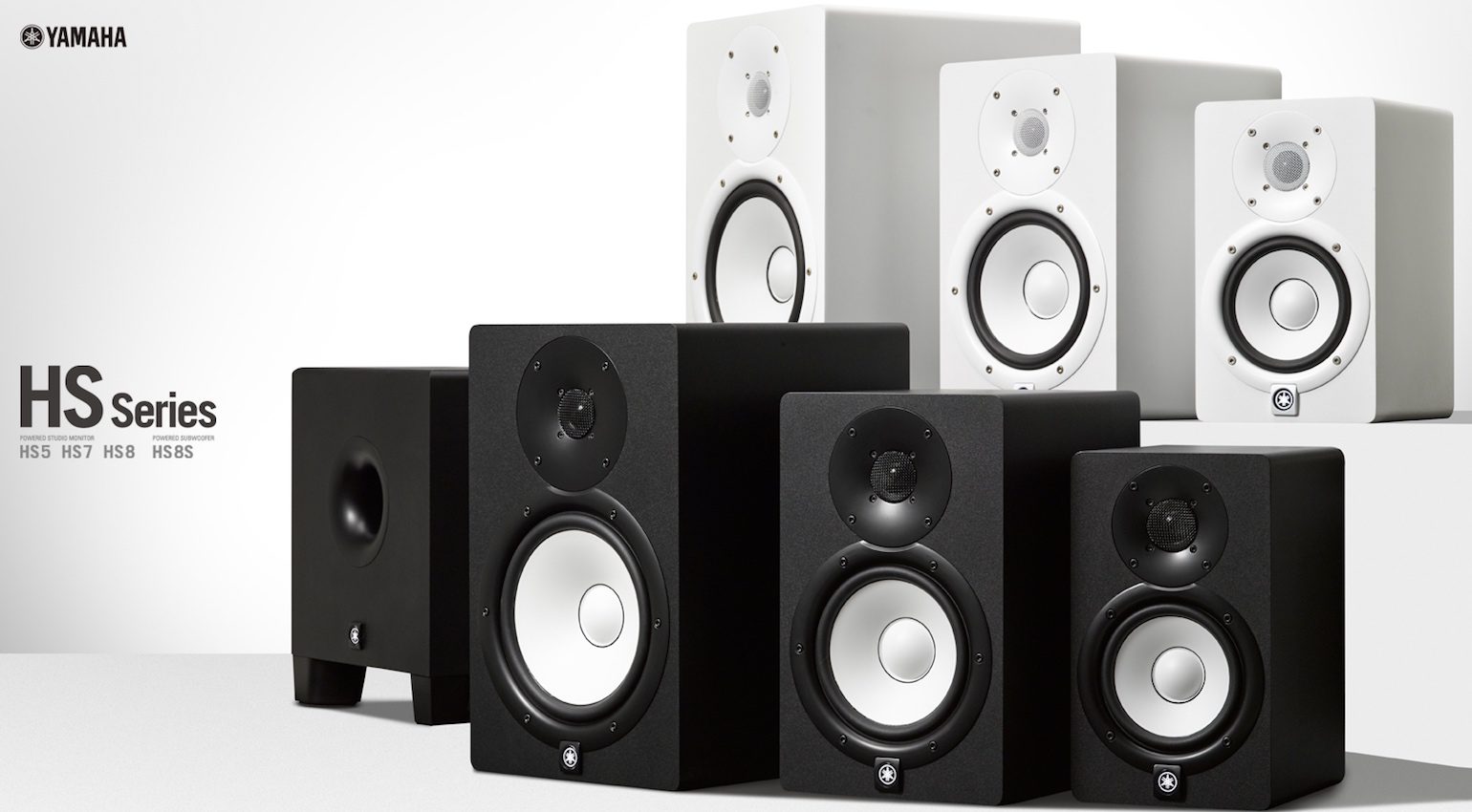
This includes the 500 Hz Room Control low shelf (-2 or -4 dB) and the 2 kHz High Trim high shelf (+2 or -2 dB), which can be used to optimize the frequency response based on your speaker placement. The problems you’ll find with these monitors are inherent in most Bass-reflex or ported speaker designs that use the cabinet as a resonating chamber to extend the low range of compact monitors.
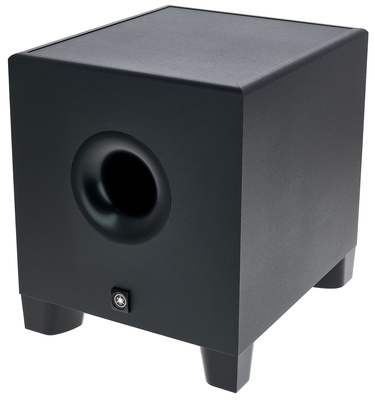
If you’ve decided to add acoustic treatment to your recording space, you can also use the HS 8S subwoofer to get a more accurate low-end. With its built-in filters, you can adjust the signal sent to the monitors (low-cut) and the range you want the subwoofer to cover (high-cut). Overall, the HS Series provides plenty of value for the price, whether you choose the 5-, 6.5-, or 8-inch version. Get it at Thomann.*

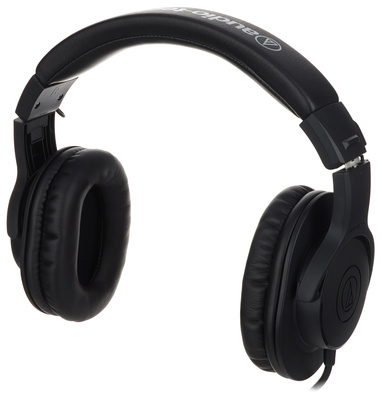
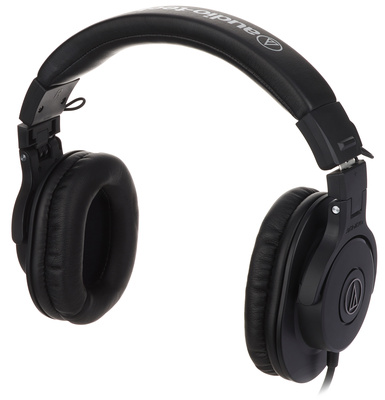
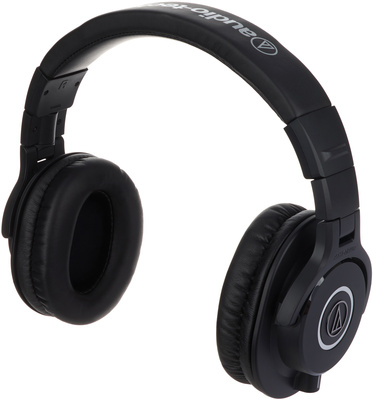
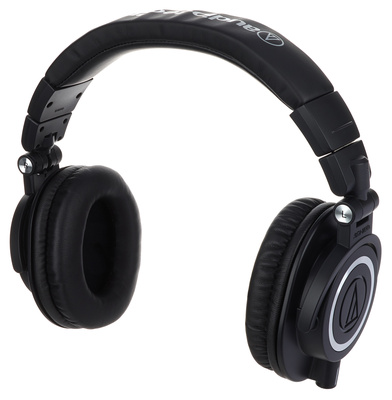
The Most Popular Studio Gear: Audio-Technica M-Series Studio Headphones
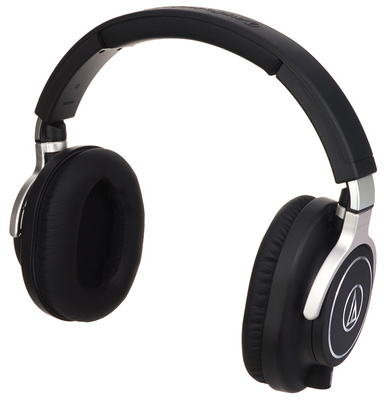
If you’re gonna be recording anything from vocals to acoustic guitar, you’ll need a set of closed-back headphones that give you an isolated post-DAW monitor signal to ensure accuracy. Luckily, the solution is not expensive, and Audio-Technica’s M Series remains a trusted choice for home studio and professional users.
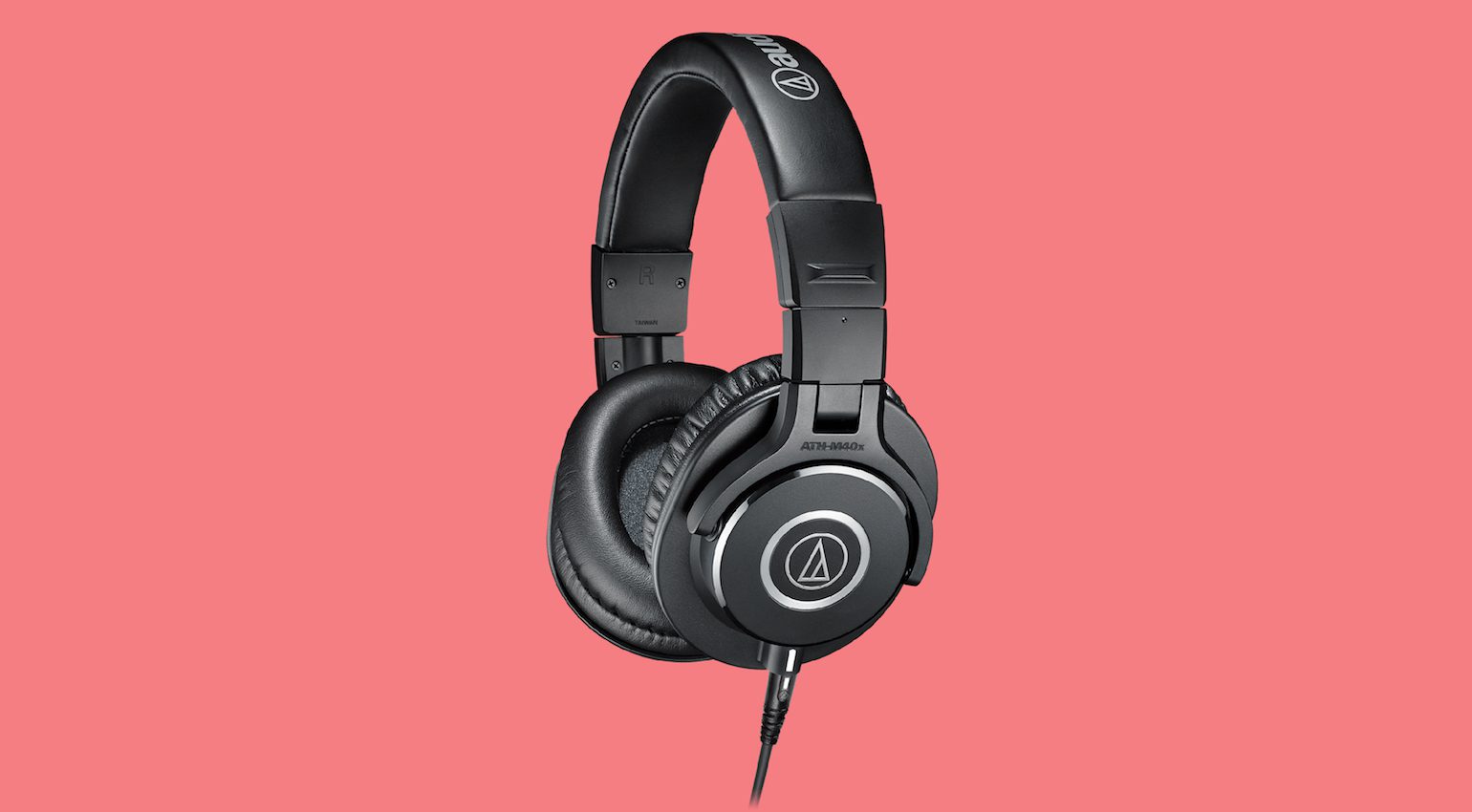
Besides the excellent passive isolation from background noise, each model in the M Series has a slightly different frequency response profile that makes it specialized for a particular task. While the entry-level ATH-M20x has slightly scooped mids, the midrange of the ATH-M30x is moderately enhanced, and the ATH-M40x is more neutral with a detachable cable.
As you go up the range, the driver size increases from 40 mm to 45 mm drivers in the ATH-M50x, which improves the transient response. For this reason, and its enhanced low-end, the ATH-M50x is popular among DJs, while the more analytical ATH-M70x is better suited for post-production editing, mixing, and mastering applications. Get it at Thomann.*

More about the Most Popular Studio Gear:
*Note: This article contains advertising links that help us pay for this site. Don’t worry: the price for you will always be the same! If you buy something through these links, we will receive a small commission. Thank you for your support!

This might also interest you