Locking Tuners: The Truth About This Popular Upgrade
Do They Really Deliver Better Tuning Stability?

 4,3 / 5,0 |
Locking Tuners: Is the Upgrade Actually Worth It? · Source: PhotoStock-Israel / Alamy Stock Foto

Hardware upgrades: pretty much every guitarist’s favorite hobby, at least for me. New pickups, better pots, a properly cut nut, and eventually: locking tuners. Few components carry quite the same reputation, supposedly delivering better tuning stability, fewer broken strings, and a whole new level for your instrument. But locking tuners don’t actually solve the problems people usually credit them for. If you’re expecting a guitar with sketchy tuning to suddenly play perfectly just because you swapped tuners, you’re setting yourself up for disappointment. Let’s break down what they actually do, and why their real advantage lies somewhere else entirely.
Locking Tuners: Everything You Need to Know Before You Upgrade
What Are Locking Tuners, Exactly?
At first glance, locking tuners barely look different from regular tuning pegs. The real difference is hiding on the inside.
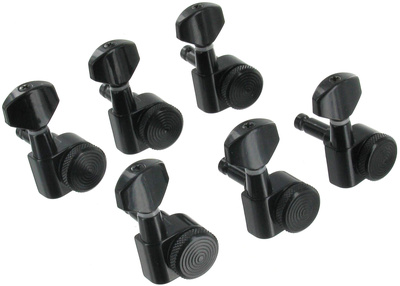
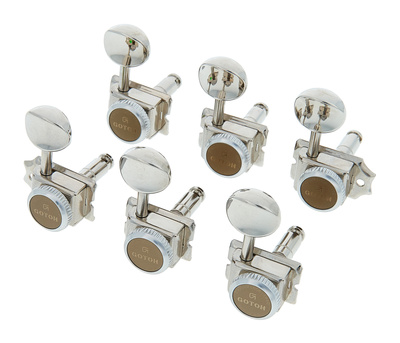
With a standard tuner, the string wraps around the post several times and essentially clamps itself in place through those wraps, sometimes well, sometimes not so much, and not always for long. Locking tuners work differently: they come with a small clamping mechanism built in. You run the string through the post, lock it down with a screw, a clamp, or a knurled wheel, and then just bring it up to pitch. In most cases, you don’t need more than a partial wrap around the post at all. Say goodbye to that messy rat’s nest of windings on your headstock.
That setup gives the impression that the string can’t move as much, which should automatically mean better tuning stability. That’s not entirely wrong, but it’s a pretty incomplete picture.
Because the windings on a standard tuner are rarely the actual source of tuning problems in the first place. Unless, of course, you skip the string cutters* entirely and wind eight feet of extra string around the post.


The Real Benefit Shows Up During String Changes
The biggest win with locking tuners is actually pretty unglamorous: string changes get a lot faster.
Anyone who maintains their own guitars regularly, or owns more than one instrument, knows the drill. Old strings off, new ones threaded through, wrapped around the post a few times, brought up to tension, tuned, stretched, tuned again, stretched again, tuned again. You know the routine.
Locking tuners cut out most of that process. Thread the string through, lock it down, tune it up. That’s genuinely it. It saves time and cuts down on mistakes during restringing too. Beginners especially benefit here, since too many or too few winds around the post basically becomes a non-issue.
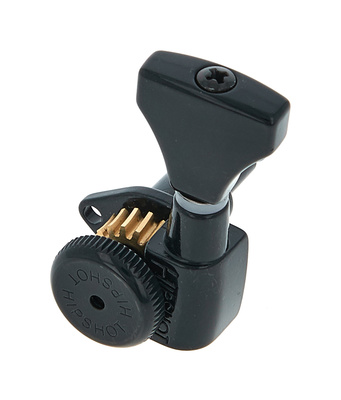
If you’re constantly testing different string gauges or prepping guitars for sessions on a regular basis, you’ll come to appreciate this convenience fast. After a few months, going back feels like a step backward. I’ll admit to committing the sacrilege of putting Hipshot locking tuners* on my 1987 Les Paul, because, well, it’s just more practical.

Especially Useful on Tremolo-Equipped Guitars
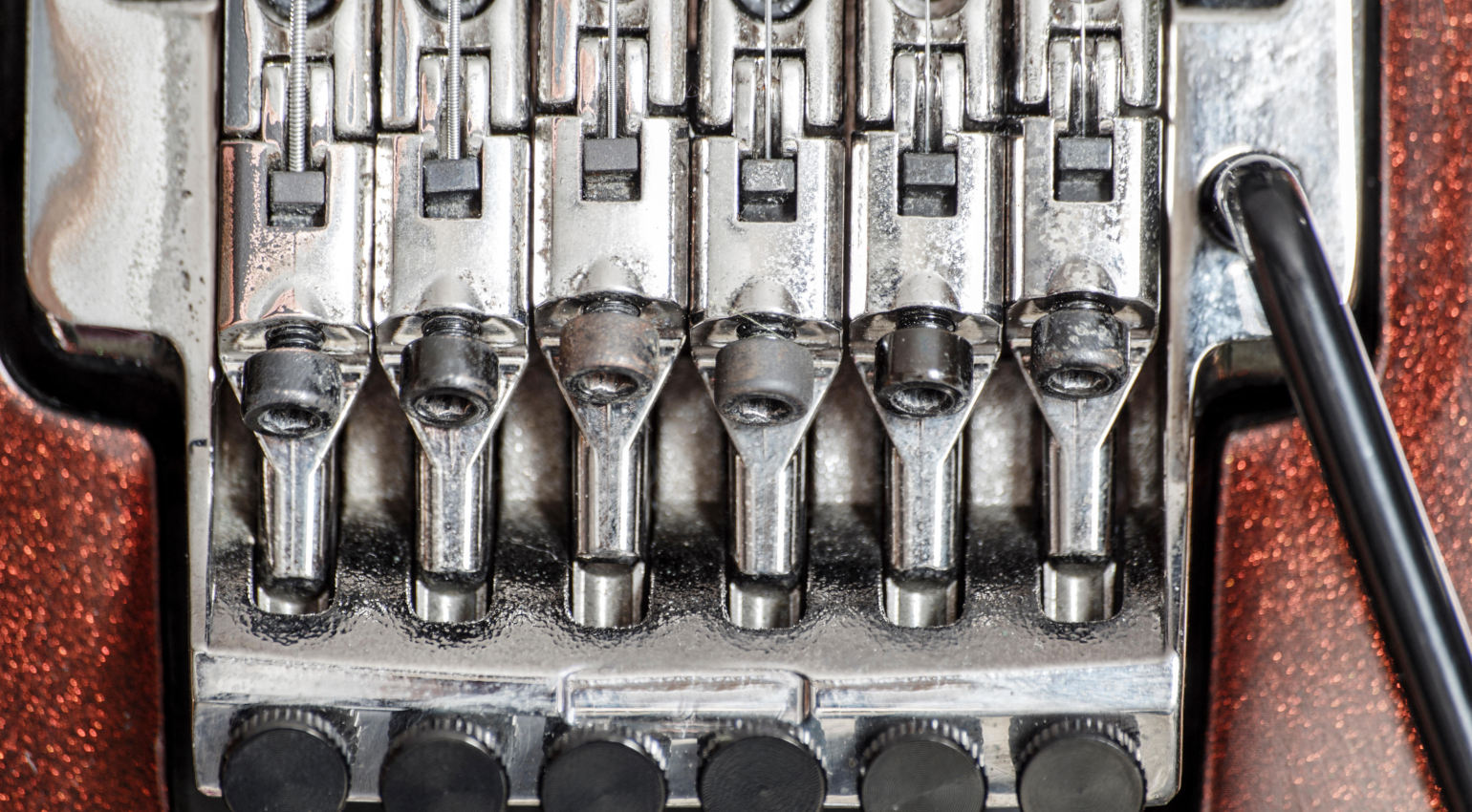
The advantage gets even more obvious on guitars with a tremolo system, or so I’ve heard. As a card-carrying Les Paul devotee, I obviously never touch those things myself.
Doesn’t matter though, because whether you’re running a classic Fender-style tremolo or a modern two-point system, every unnecessary wind around the post is extra material that can shift slightly under tension. Locking tuners cut those windings down to a minimum, which makes the string behave a bit more directly.
That said, it’s worth keeping the right perspective here. The tuner itself doesn’t make a tremolo tuning-stable. What it does is eliminate one small potential source of error within a considerably more complex system. A properly filed nut, well-lubricated contact points, and a correctly set up tremolo still remain the factors that actually matter most.
Is the Upgrade Even Worth It?
As usual, the answer is: it depends. If you own a high-quality guitar with tuners that already work cleanly and only need the occasional touch-up, you probably won’t notice any tonal difference at all. Even the raw tuning stability improvement is usually a lot more modest than the marketing brochures would have you believe.
Things look completely different if you change strings often, or if the guitar sees regular stage time. In those cases, the clamping mechanism saves real time on every single change and takes a noticeable chunk of stress out of those last few minutes before soundcheck.
There’s another angle here too, one that’s easy to overlook: locking tuners just feel good to work with. String changes feel cleaner, faster, and more controlled. Guitarists who maintain their own instruments in particular tend to develop a genuine appreciation for that.
Not every upgrade needs to change the sound, after all. Sometimes it’s enough that working with the guitar day-to-day gets easier. Or maybe you just want to try something new, which honestly is a perfectly valid reason for a guitar upgrade in my book too.

Bottom Line
Locking tuners rank among the smarter comfort upgrades you can give a guitar. At the same time, they’re also one of the most misunderstood pieces of hardware out there.
They’re not a magic fix for tuning problems, and they don’t replace a properly filed nut, a well-adjusted tremolo system, or strings that were put on correctly in the first place.
But if you change strings often, maintain your own instruments, or just appreciate a more convenient setup process, you’ll notice the difference fast. The real payoff here isn’t some dramatic jump in tuning stability, it’s how much simpler the instrument becomes to actually work with.
Good hardware doesn’t have to be flashy. For me, it’s enough if it means spending less time fighting with the technical side of things and more time actually playing. And, of course, it gives you a legitimate excuse to tinker with your guitar again.
This article was originally written by Jan Rotring for GEARNEWS.de.
*Note: This article contains affiliate links that help us keep Gearnews running. The price for you always stays the same! If you buy something through these links, we receive a small commission. Thanks for your support!


This might also interest you