Game-Changing Synths: 7 Modern Synthesizers That Have Transformed Music Making
Synthesizer disruptors from Korg, Doepfer, Expressive E, Behringer and more!

 4,1 / 5,0 |
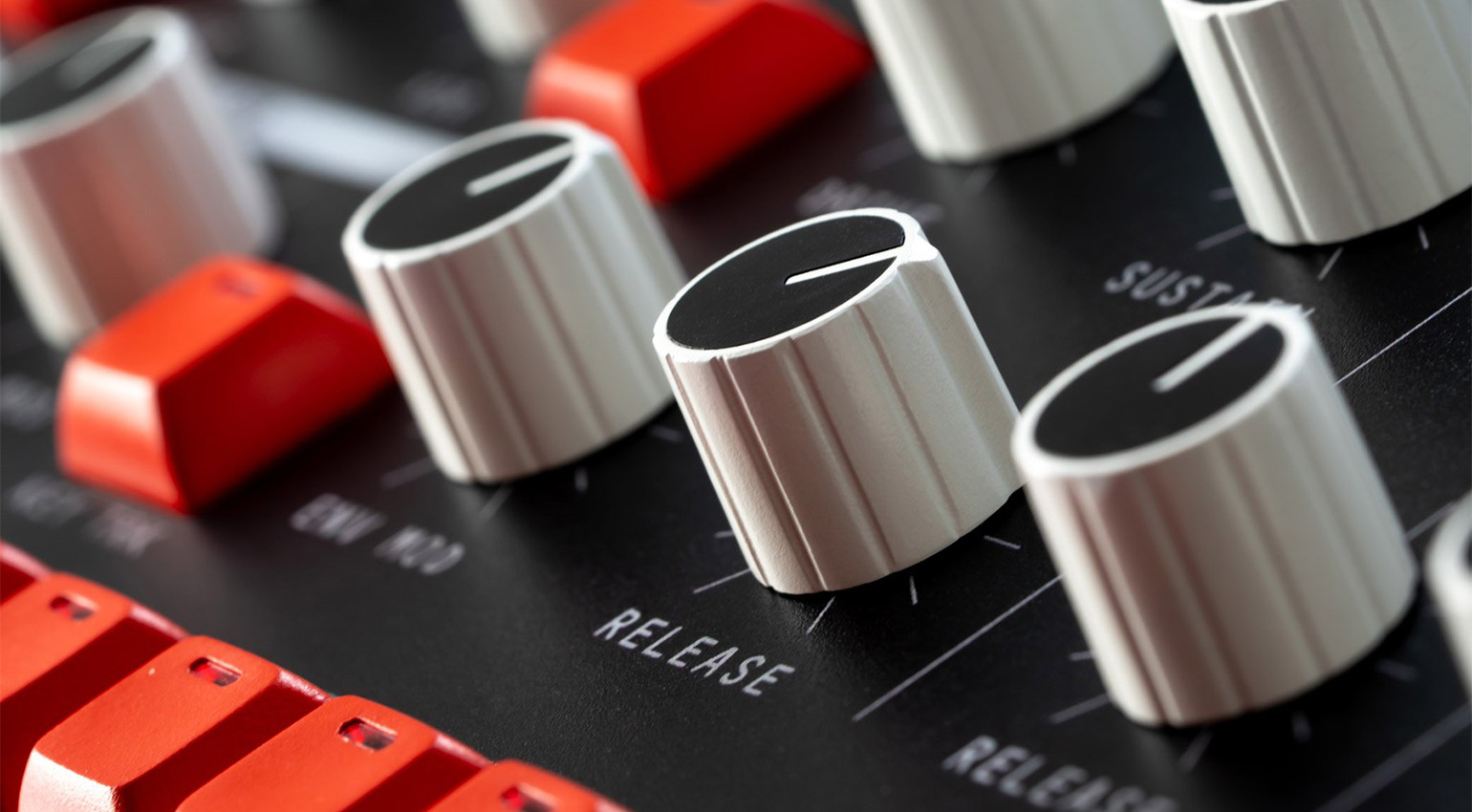

These modern game-changing synths are changing the way we make and play music.
Game-Changing Synths
We often think of game-changing synths in terms of the past. It’s easy to look back and identify the instruments that disrupted the market, like the Yamaha DX7 in 1983 and Korg M1 in 1988. Yet game-changing synths are not only confined to days gone by: they’re still being made.
What do we mean when we talk about game-changing synths? These are synthesizers that have had a striking effect on the world of music production, altering the way we engage and perform, create and even think about what a synthesizer can be.
Here then are seven modern game-changing synths that are available right now. Which ones did I miss? Let me know in the comments.
Game-Changing Synths: KORG Volca Bass
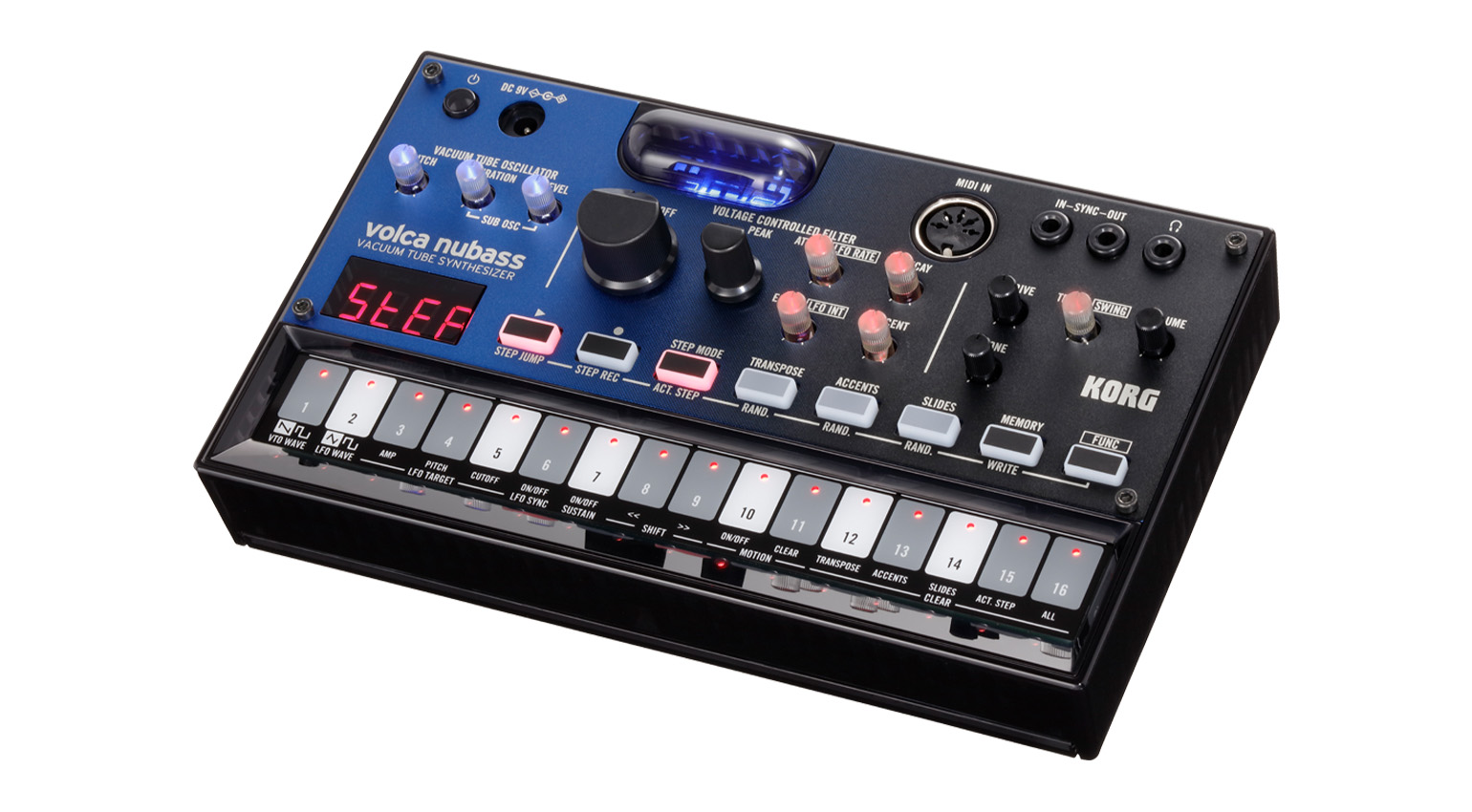
What is an appropriate size for a synthesizer? Twenty years ago, the answer would have been something that could accommodate at least a few octaves of piano keys. There were exceptions, of course, like the Roland TB-303 and Yamaha CS01. However, our perception of synthesizer size was forever changed in 2013 when KORG released the first Volca, the Volca Bass.

Roughly the size of a VHS cassette tape (ask your parents), the Volca Bass offers three VCOs of analog bass goodness plus a filter, LFO and sequencer inspired by the Electribe series. It was a hit upon release, with many models to follow. Other manufacturers jumped on the smaller-is-better bandwagon too, with Roland releasing first its Boutique and later the AIRA Compact line, and Behringer dropping Mini and Micro synths too.
The Volca Bass is still available, as is its beefed-up brother, the Nubass, which has a vacuum tube inside.
KORG Volca Bass is available from our affiliate partners Thomann* and Sweetwater*.





- KORG Volca Bass product page
Game-Changing Synths: KORG MS-20 Mini
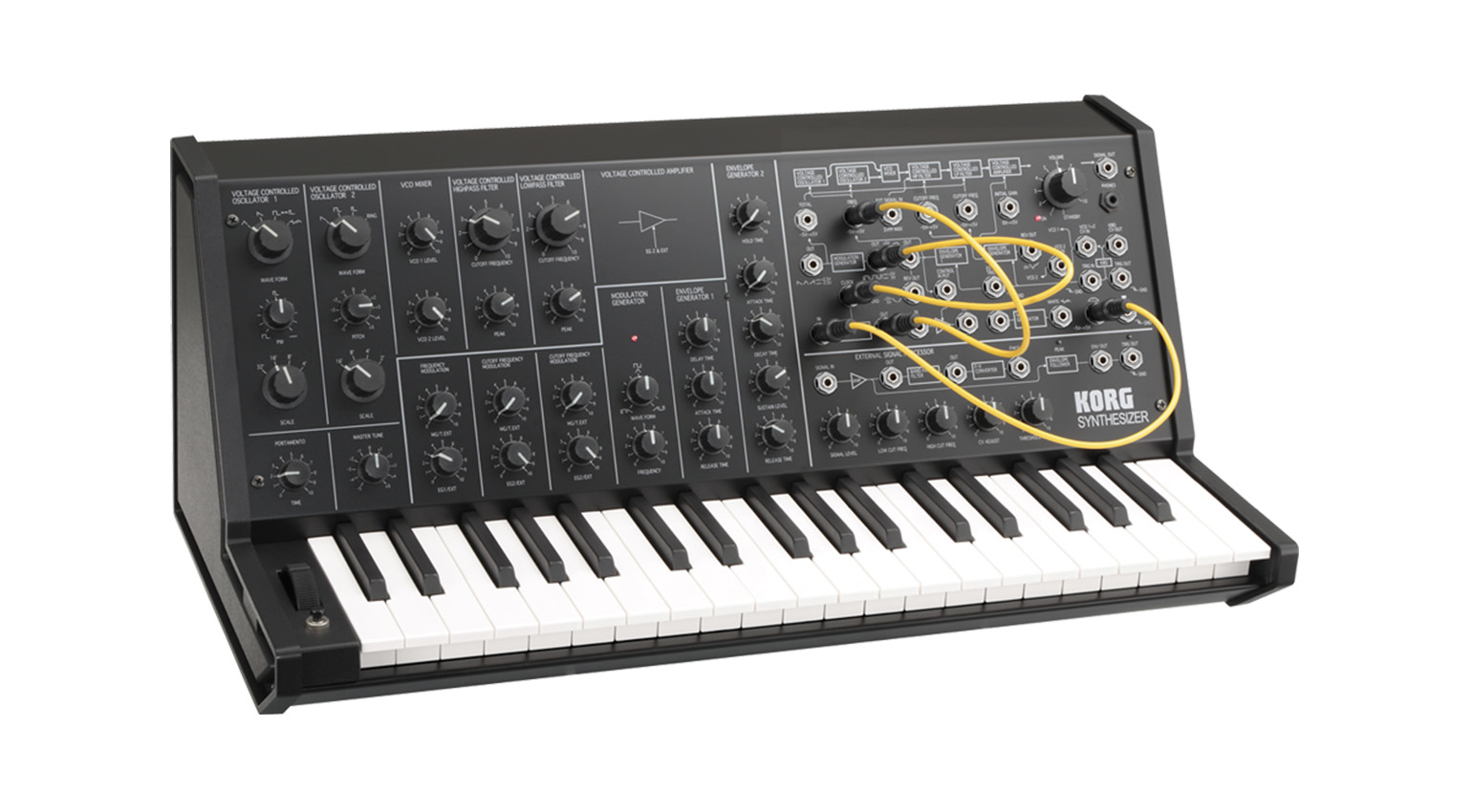
Our next game-changing synth is another from KORG, this time the MS-20 Mini. It may not look like anything groundbreaking, but there was a time when synth manufacturers had no interest in revisiting the glories of their past. That all changed when KORG reduced its 1978 MS-20 to 83% of the original size and added MIDI, helping to rekindle a long-dormant interest in analog synthesis. Debuting at NAMM 2013, it was the hit of the booth, eclipsing interest in the VA KingKorg and taking everyone by surprise.
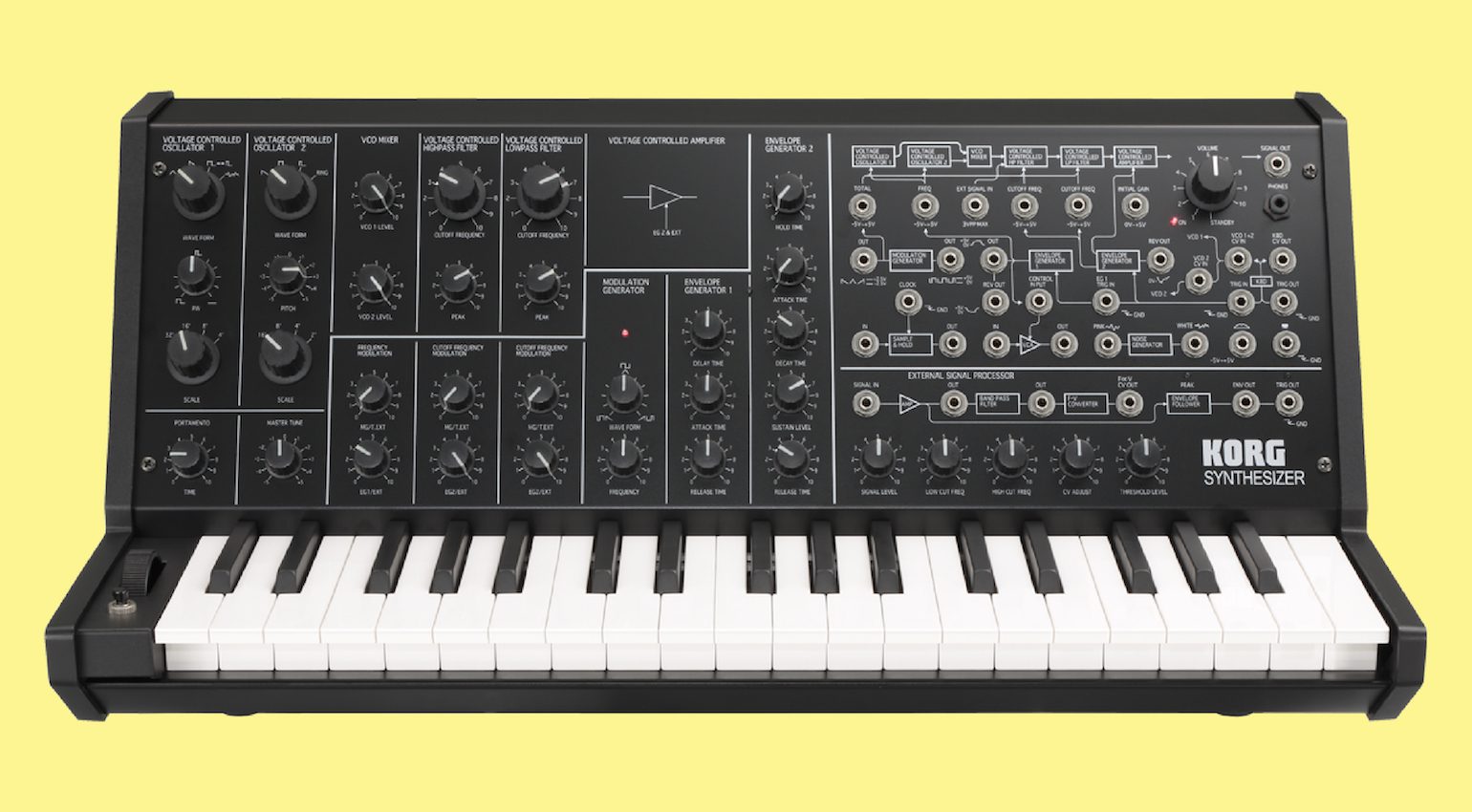
KORG went on to release a number of MS-20 (and other MS-series) synths. The company also resurrected the ARP Odyssey and 2600. Many others have followed suit, like Sequential with its Prophet-5, Oberheim and its OB-X8, and Roland and its non-ghost-chasing digital Boutique line.
The fact that the MS-20 Mini is still on sale says a lot about the enduring popularity of the MS-20 – and the desire for new analog synths in the 21st century.
KORG MS-20 Mini is available from our affiliate partners Thomann* and Sweetwater*.
- KORG MS-20 Mini product page
Game-Changing Synths: Arturia MiniBrute
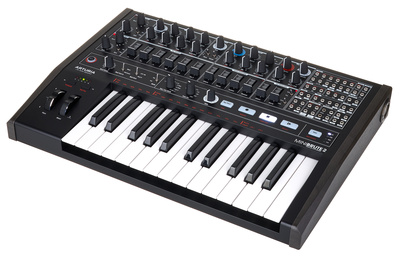
KORG was not solely responsible for the analog revival. Another big factor was the MiniBrute, an analog monosynth released by Arturia in 2012. With its noisy metalizer, esoteric Steiner-Parker filter and Brute Factor, it offered great-sounding analog synthesis to a new generation of musicians. Plus it was much more affordable than offerings from legacy companies like Moog. Who would have thought that a software company could disrupt the hardware market like this?

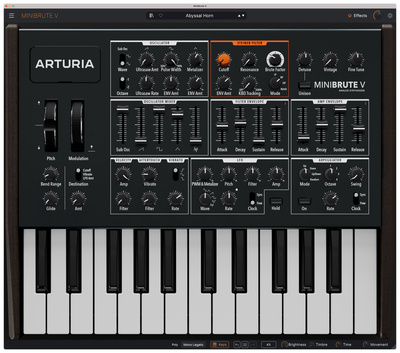
The story doesn’t end there, though. Arturia has expanded the tech from the original MiniBrute into an entire Brute line, encompassing semi-modular monosynths, powerful polysynths, drum machines, and – bringing it all full circle – software.
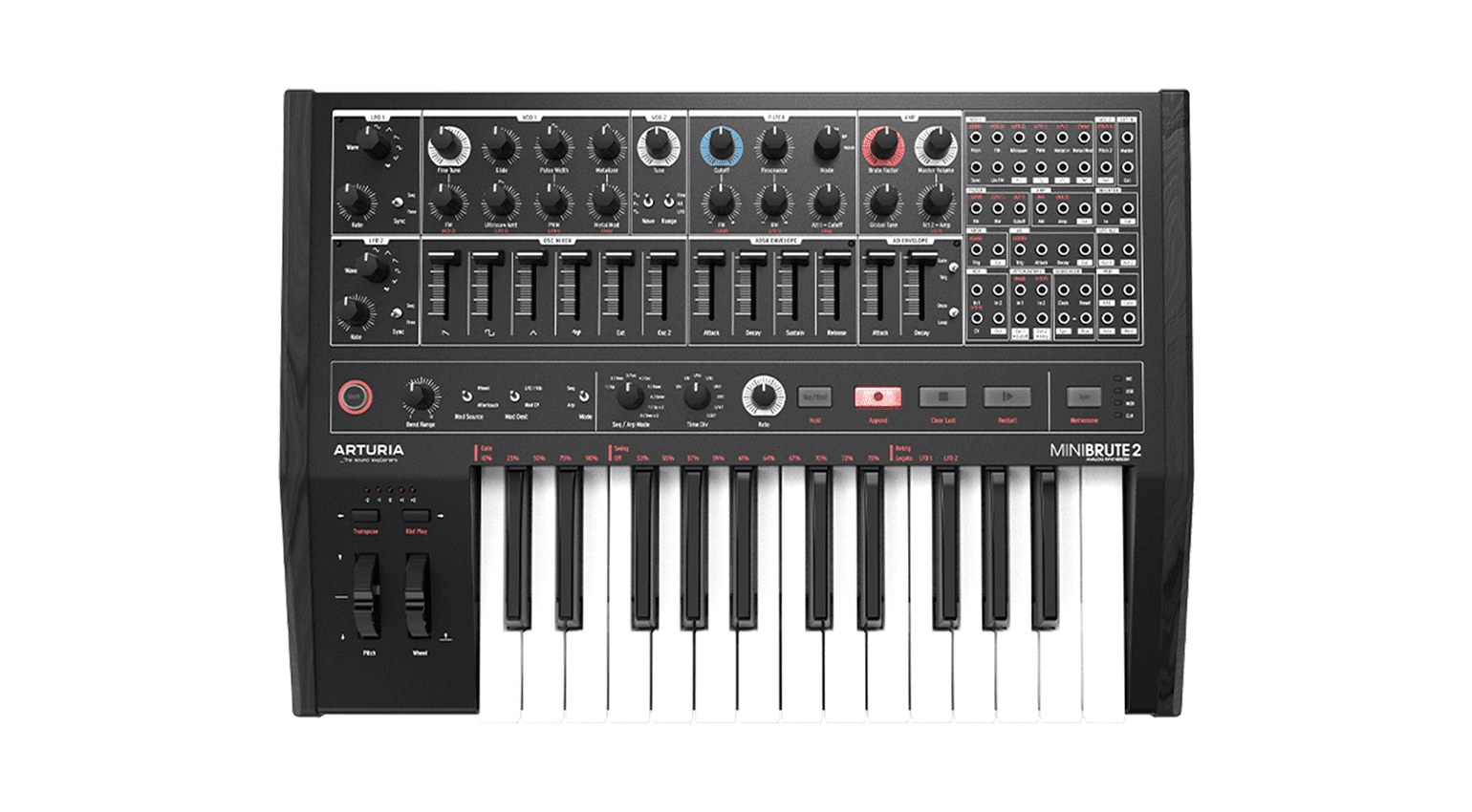
The original MiniBrute is no longer available but if you’ve been hankering for some rough and ready analog sound, try the MiniBrute 2, which expands the synthesis possibilities with a semi-modular section.
Arturia MiniBrute 2 is available from our affiliate partners Thomann* and Sweetwater*.

- Arturia MiniBrute 2 product page
Game-Changing Synths: Behringer Model D
You can’t talk about market disruptors without mentioning Behringer. Their extremely low price points and absolute deluge of synth releases have helped create a very different market than the one of just 10 years ago, one where hardware can be affordable and classic synth recreations aren’t restricted to just software.
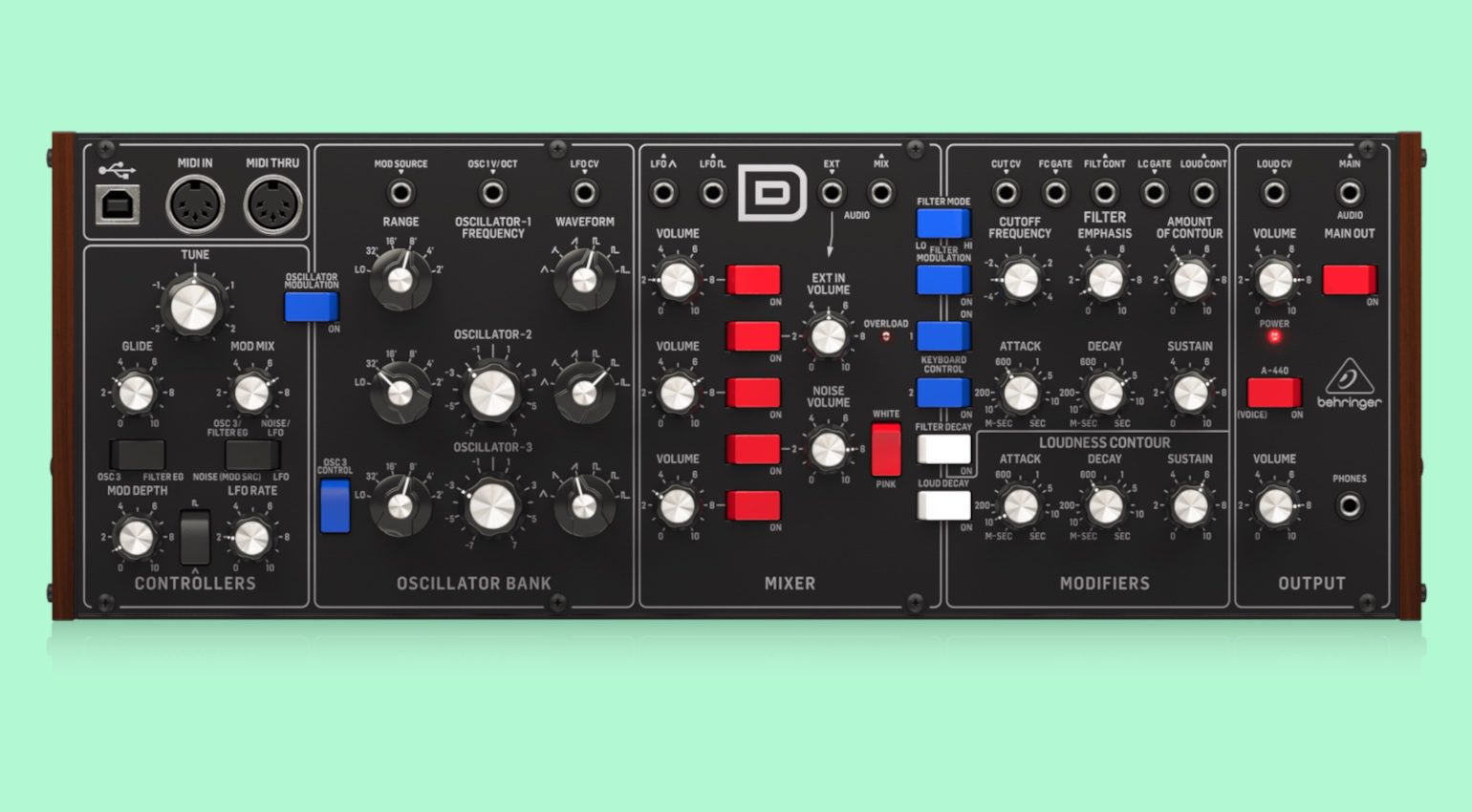
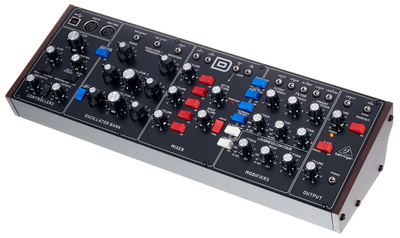
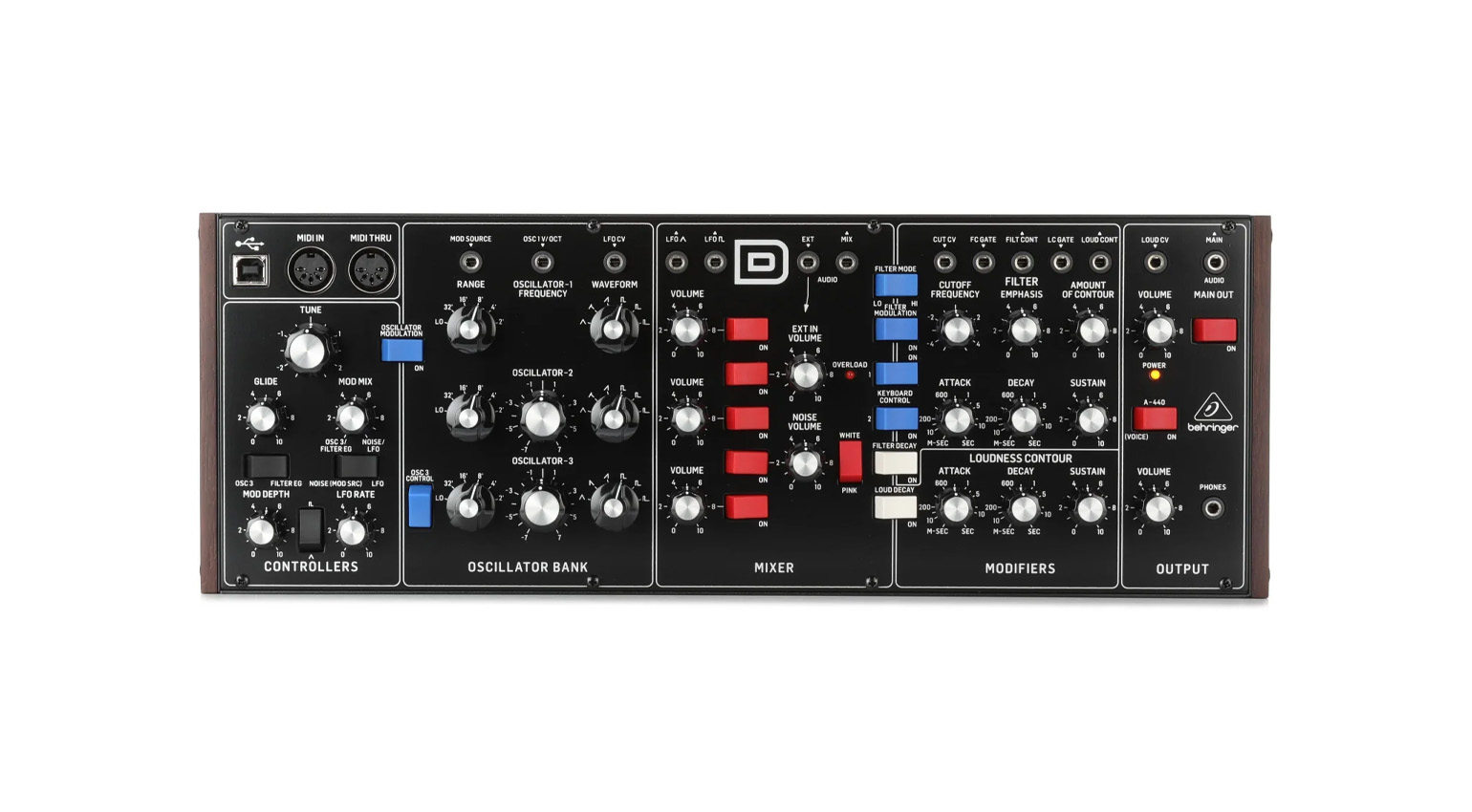
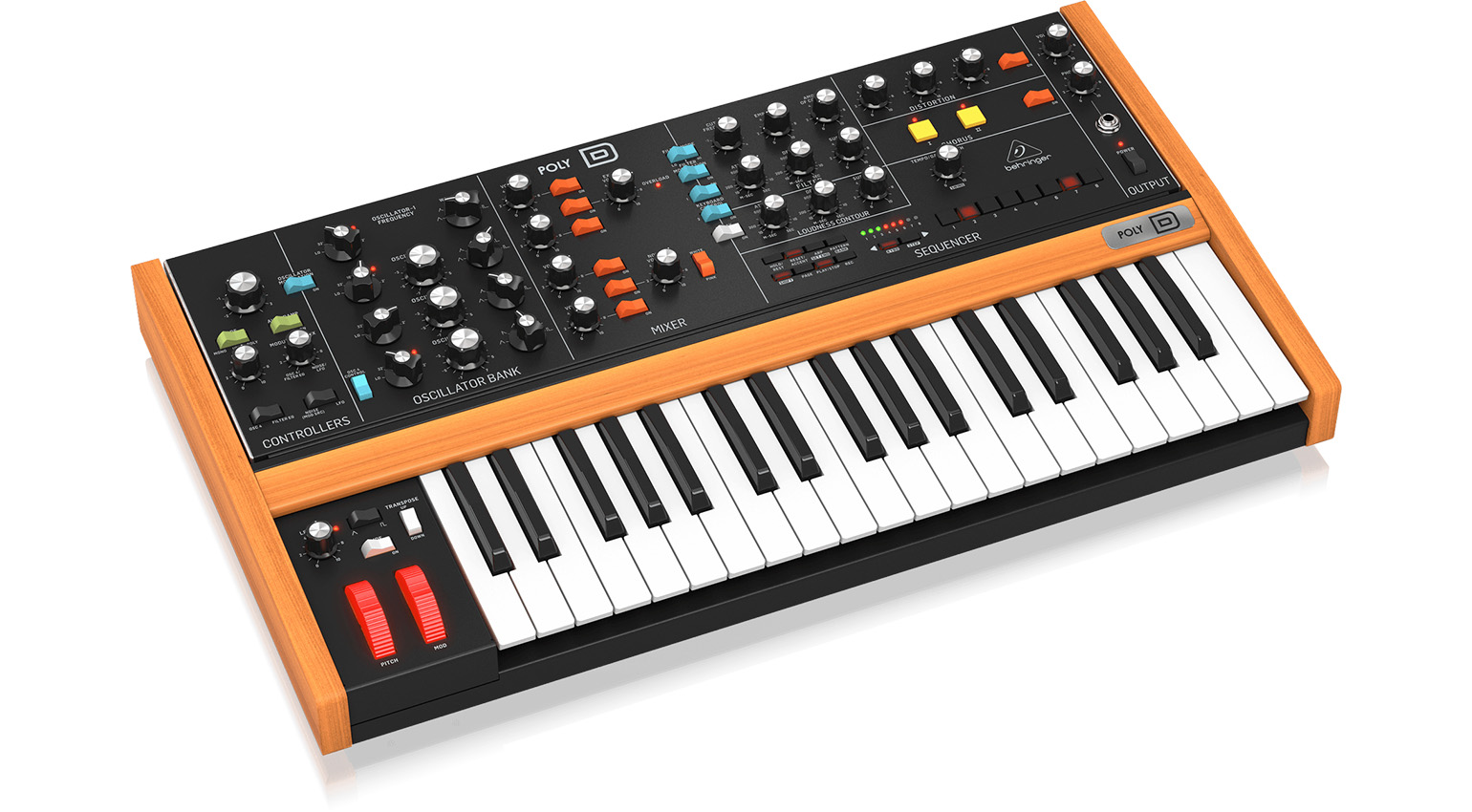
The company’s Model D, which came out in 2018, was the first and still one of the company’s best classic ‘clones’. A remake of Moog’s classic Minimoog Model D, it does away with the keys and puts the PCBs inside a box with a Eurorack-ready panel. It sounds exceptionally good, with a real power and presence, especially in the bass. If you’ve always wanted a Minimoog but can’t afford to part with a kidney, this will do very nicely instead. Upgrade to the Poly D for more of, well, everything.
Behringer Model D is available from our affiliate partners Thomann* and Sweetwater*.


- Behringer Model D product page
Game-Changing Synths: Doepfer A-100
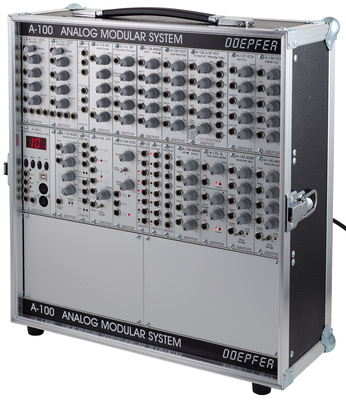
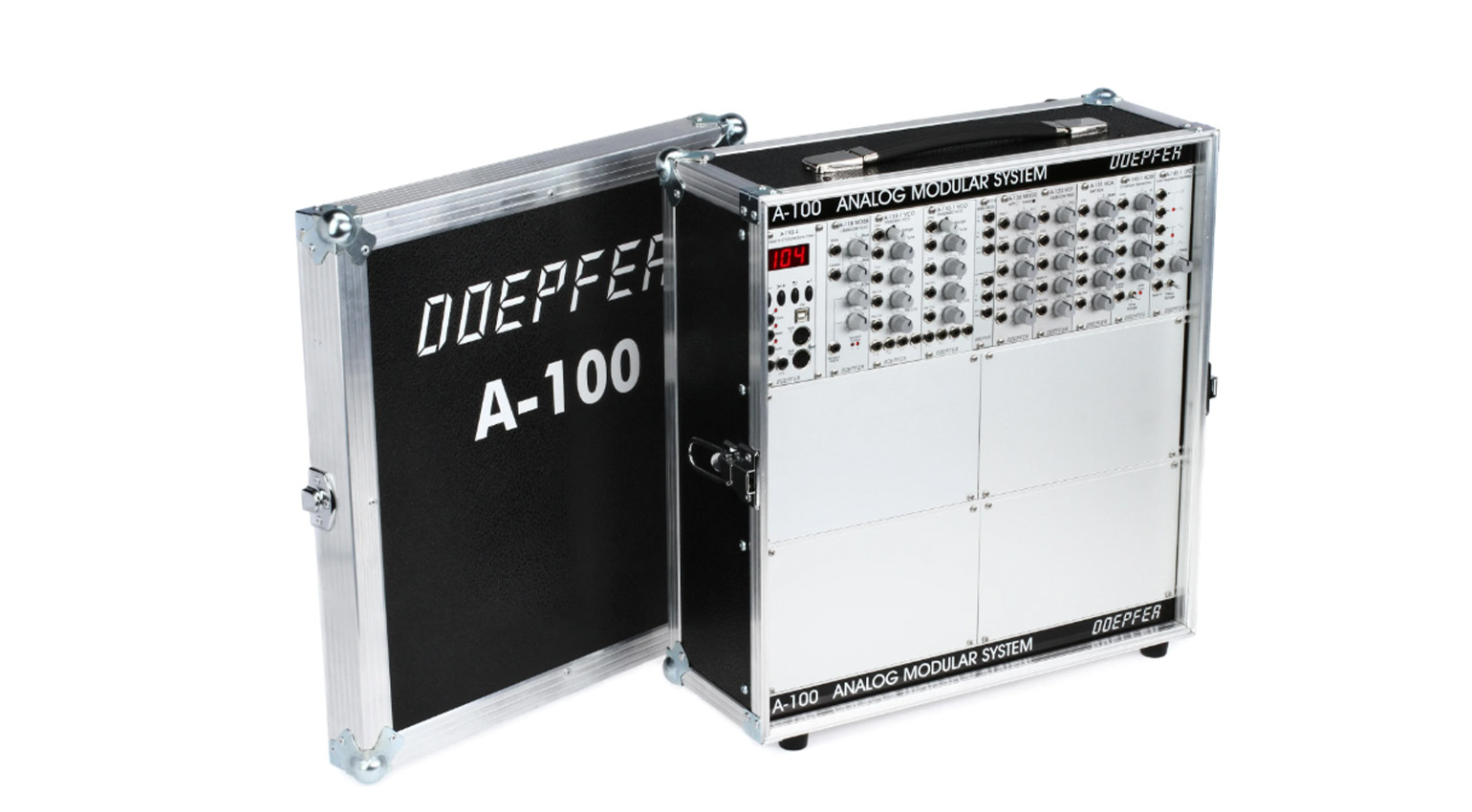
It used to be that modular synths were massive, expensive systems reserved for the truly nerdy… I mean, serious. That all changed in 1995 when Dieter Döpfer debuted the A-100 Analog Modular Synthesizer. With modules 3U high and 2HP wide, they were smaller than most other modular systems. They were also much more affordable, bringing them within reach of the everyday synthesist.

Eventually becoming known as Eurorack, Dieter’s standard became the de facto format for modular. In fact, most people will think of Eurorack before any other standard when they hear the word “modular.”
The A-100 system had 10 modules at launch time. Now Dopefer offers many more. You can still buy the A-100 Basic System, now up to version three. Our former modular man in residence, Robin Vincent, called it the perfect Eurorack for beginners. If you’re a classicist or just looking to take your first steps into the world of Eurorack, it’s a great place to start. “If you wanted to know what Eurorack was about, what it’s rooted in and where to start,” write Robin, “then give this some thought.”
Dopefer A-100 Systems are available from our affiliate partners Thomann* and Sweetwater*.

- Doepfer A-100 product page
Game-Changing Synths: Expressive E Osmose
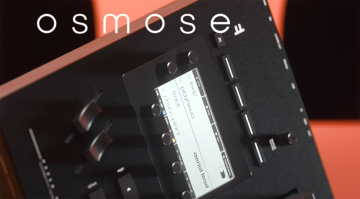
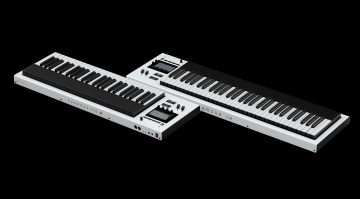
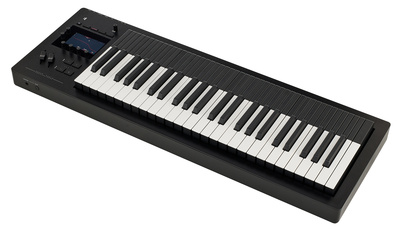
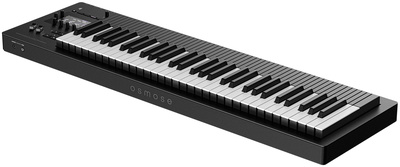
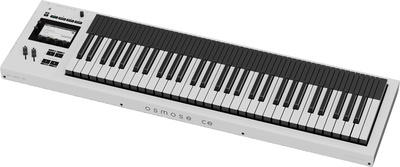
With the Osmose, Expressive E finally built a better mousetrap. And by that, I mean an advanced and very expressive music controller that doesn’t require you to relearn how to play music. There have been many amazing controllers, from the Roger Linn Design Linnstrument to the Roli Seaboard, but they all suffer from being a little too unique. The Osmose is the keyboard that you already understand – just deeper.

It’s not just a controller, though, it’s also an instrument, which makes the Expressive E Osmose a real game-changing synth. With the jaw-droppingly gorgeous EaganMatrix sound engine from Haken Audio that provides VA, FM, and physical modeling, it’s the perfect sound source for the Osmose’s unique but intuitive keybed. Our own Rob and Vincent debated the merits of the Expressive E Osmose back when it came out. I, however, am firmly in the game-changing synth camp when it comes to the Osmose. It’s a special piece of kit.
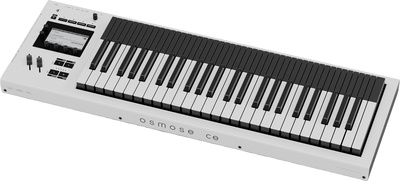
There are two models of Osmose available, the original 49-key version and Osmose 61, plus controller variants Osmose CE 49 and Osmose CE 61 if you can do without the synth engine.
is available from our affiliate partners Thomann* and Sweetwater*.



- Expressive E Osmose product page
Game-Changing Synths: Melbourne Instruments Nina
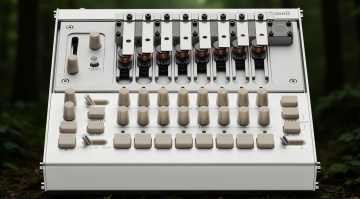
I’m going out on a limb a little with this one. Melbourne Instruments’ Nina – yes, the one with the moving knobs – has all the hallmarks of a game-changing synth. It has a novel idea (see: moving knobs), plus it’s just a great synth overall. It may be realtively new but I’m confident that it’s going to have an effect on the way synths are made going forward. Maybe not necessarily with drone motors powering instant knob recall but certainly with exciting new physical functionality.

As a synth, Nina is a corker. Three oscillators (two analog and one wavetable), 4-pole lowpass filter, effects and 12 voices of polyphony is what it says on paper, but hearing is believing. Nina is a gorgeous tabletop synth.
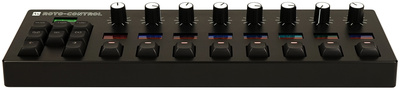
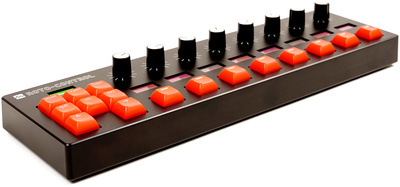
Love the idea of moving knobs but prefer them in a controller? Then Roto-Control is the one for you.
We’ve had lots of amazing synthesis advancements over the decades. Isn’t it time for some more mechanical ones?
Melbourne Instruments Nina is available from our affiliate partner Thomann*.


- Melbourne Instruments Nina product page
More Information
- More about synthesizers
- Buy synthesizers at Thomann*
*Note: This article contains advertising links that help us pay for this site. Don’t worry: the price for you will always be the same! If you buy something through these links, we will receive a small commission. Thank you for your support!

This might also interest you