David Gilmour’s Gear: The Greatest Guitarists of All Time
From Pink Floyd to Today

 4,3 / 5,0 |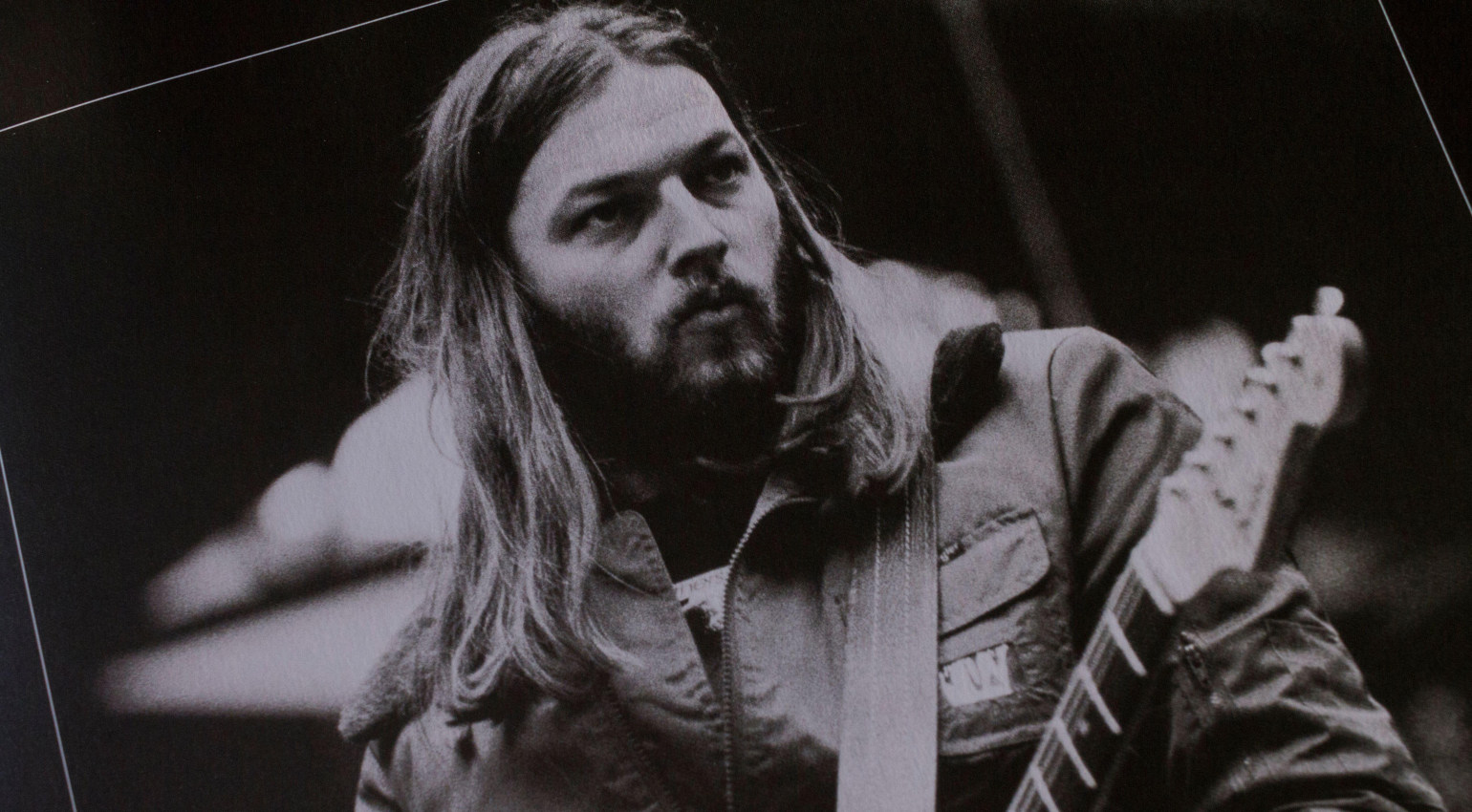

Are the greatest guitarists of all time even a real list without David Gilmour? Unthinkable. It’s about time we put the Pink Floyd mastermind under the Gearnews microscope and figure out how he packs so much emotion and character into so few notes. Black Strat, Hiwatt amps, effects: David Gilmour’s gear is worth a close look.
David Gilmour’s Gear: Table of Contents
I’m guessing I’m not alone here: when I think about guitar solos that really got to me, I end up at Pink Floyd and David Gilmour’s playing sooner or later, every single time. Not because the guitar parts were especially complex, quite the opposite, actually. Many of the most famous Gilmour moments are made up of surprisingly few notes.
But that’s exactly where the magic lives, because every note, every bend, and every pause, no matter how short, serves a purpose.
While other guitarists show off their chops with a fireworks display of notes at 400 BPM, David Gilmour’s guitar parts work more like good storytelling, basically vocal lines without words. For me, that stands out especially on classics like Comfortably Numb, Time, or Shine On You Crazy Diamond.
And it’s not just his playing that’s become legendary, his gear has too. The black Stratocaster, those massive Hiwatt amps, and atmospheric effects shaped generations of guitarists, and they’re also the reason I’ve wanted, at least once, to finally get a handle on a damn tremolo bar. Anyway, let’s start at the beginning.
David Gilmour, Then and Now
David Gilmour was born in Cambridge, England in 1946, and got hooked early on artists like Bob Dylan, the Beatles, and the Rolling Stones. Through the local music scene, he met Syd Barrett, who would later become a founding member of Pink Floyd.
Gilmour joined Pink Floyd in 1968, initially as support for Barrett, whose mental health was increasingly unstable. Not long after, he took over Barrett’s role completely and became one of the band’s defining figures. Over the following years, Pink Floyd grew into one of the most successful rock bands of all time with albums like The Dark Side of the Moon, Wish You Were Here, Animals, and The Wall.
Even after Roger Waters left the band, Gilmour remained Pink Floyd’s creative anchor and released several successful solo albums on the side. Luck and Strange, released in 2024, is his most recent album to date.
Why You Can Spot David Gilmour Instantly
David Gilmour gives himself away after about half a bar. The biggest reason for that is his phrasing. Gilmour treats the guitar almost like a human voice, and his solos are built from clear musical statements with plenty of space left between them.
Just as legendary is his vibrato. Wide, controlled, and incredibly musical, it gives even single held notes a huge amount of expression. Combined with his precise bends, the result is a style that’s instantly recognizable as Gilmour.
On top of that, there’s an exceptional sense of dynamics. Many of his solos build slowly and only reach their peak after several wonderful minutes. That patience and the steady build are exactly what make tracks like Comfortably Numb, Time, or High Hopes hit so hard.
David Gilmour’s Gear: Guitars
David Gilmour’s playing is one of a kind, no doubt about that. But feel and technique alone don’t get the job done, you need the right instruments too.
David Gilmour’s gear includes some of the most famous instruments in music history. Let’s start with the guitars.
The Black Strat: Maybe the Most Famous Stratocaster in Rock History

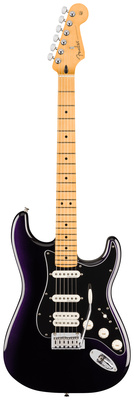
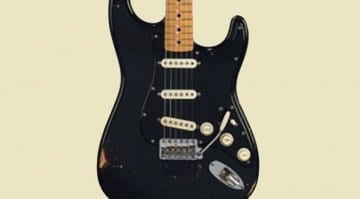
When people talk about David Gilmour’s gear, there’s no getting around one particular guitar: the legendary Black Strat. Few instruments are as closely tied to one guitarist’s sound as this black Fender Stratocaster* with a maple neck.
Gilmour bought the guitar used in New York in the early 1970s. What started out looking like an ordinary Stratocaster developed over the following decades into one of the most famous electric guitars in music history. It never stayed in its original state for long, though.
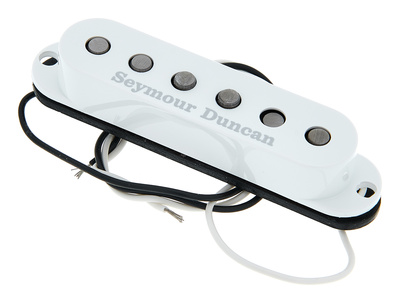
Like a lot of passionate tone-tinkerers, Gilmour was constantly experimenting with his instrument. Over the years, the Black Strat went through different necks, different tremolo systems, and countless pickup configurations. One change that really stuck was a Seymour Duncan SSL-5* at the bridge, which is still considered a key part of his later lead sound.
Today, the Black Strat ranks among the most famous instruments in rock history. In 2019, it sold at auction for nearly $14.5 million, making it the most expensive guitar ever sold. For now, anyway. Investment opportunity, anyone?



Other Key Guitars in David Gilmour’s Gear
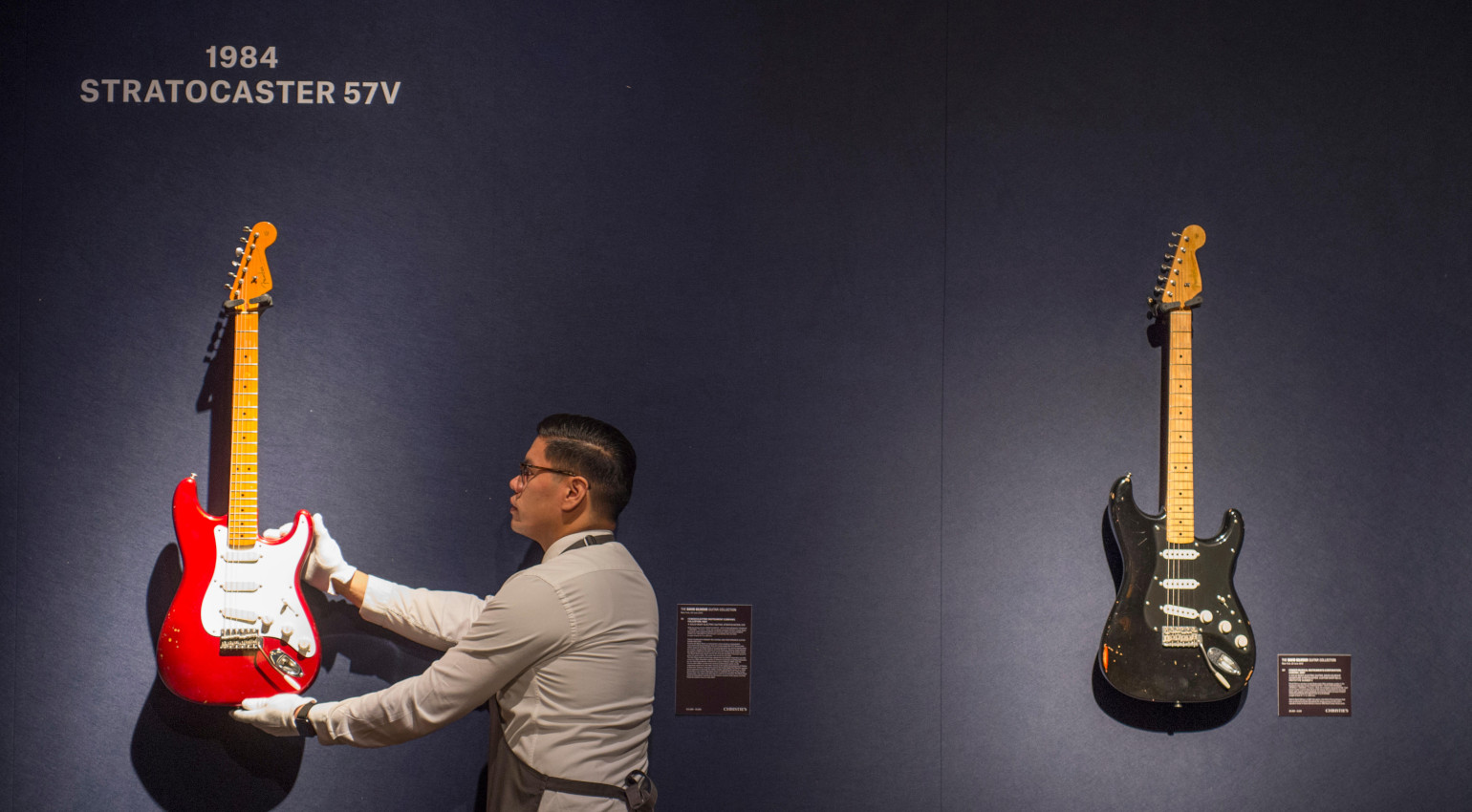
Even though the Black Strat gets almost all the attention, David Gilmour’s gear was made up of a lot more than just one guitar.
One especially well-known instrument is the so-called Red Strat, another Fender Stratocaster that saw regular use during the recording of The Wall and throughout the early 1980s. Its bright, cutting tone complements the Black Strat perfectly and shows up on plenty of studio recordings.
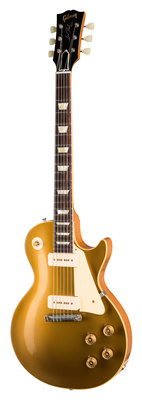
For heavier, more driven tones, Gilmour repeatedly reached for Gibson Les Paul Goldtops*. Especially throughout the 1970s, these guitars showed up on some of the most sustain-heavy solos of his career. If you’ve ever wondered why certain lead tones sound a bit fatter and more midrange-heavy than usual, a Les Paul is often the answer.
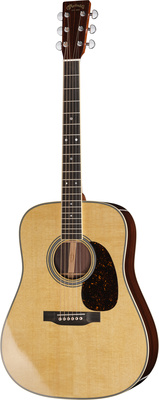
Acoustic guitars play an important role in Gilmour’s career too. The Martin D-35* in particular is closely tied to the sound of Wish You Were Here. The dreadnought’s warm, balanced tone became a fixture on plenty of Pink Floyd classics and is still considered the blueprint for a great rock acoustic sound today.


David Gilmour’s Gear: Amps
While a lot of guitarists in the 1970s were stacking up Marshall towers, David Gilmour took a different path. For decades, the heart of his sound was an amp that rarely gets the spotlight: the Hiwatt DR103.
The Hiwatt delivers massive headroom but stays remarkably clear and dynamic even at extreme volumes. That’s exactly what made it so appealing to Gilmour. Instead of pushing the amp itself into heavy distortion, he used it as a powerful platform for effects pedals like fuzz, delay, and modulation.
That approach produced a sound that stayed transparent even at high volume, headroom and all that. You can really hear that combination of clarity and sustain on songs like Shine On You Crazy Diamond or Comfortably Numb.
The Hiwatts were usually paired with massive WEM 4×12 cabinets, which added extra depth and presence to the sound. For certain recordings, Fender amps and Leslie speakers also came into play to create even more spatial dimension.
Effects: Where Music History Got Written
If the Black Strat is the heart of David Gilmour’s sound and the Hiwatt amps form the foundation, then his effects pedals are the colors on the canvas. It was never about using as many devices as possible, it was about creating atmosphere, depth, and emotion. A lot of sounds that feel completely ordinary today were a big deal back in the 1970s.
Binson Echorec: The Secret behind Echoes
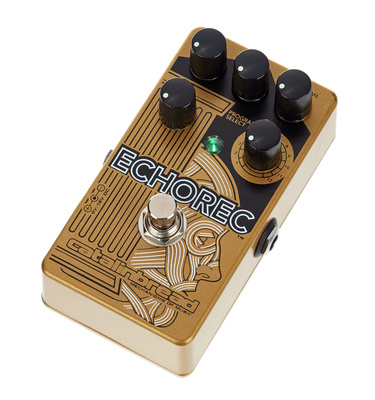
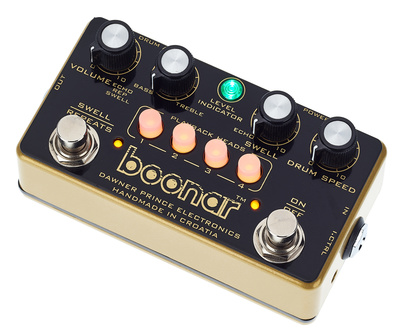
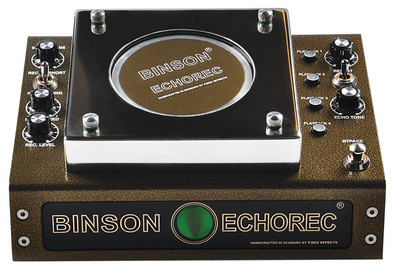
One of the most important pieces in David Gilmour’s gear was the legendary Binson Echorec. Unlike a classic tape echo, this Italian unit worked with a rotating magnetic disc, which gave it especially warm, rhythmic repeats.
The Echorec shows up everywhere on early Pink Floyd albums. The famous ping-pong delay on Echoes, or the floating lead tones on plenty of live recordings, would hardly be possible without this unit.
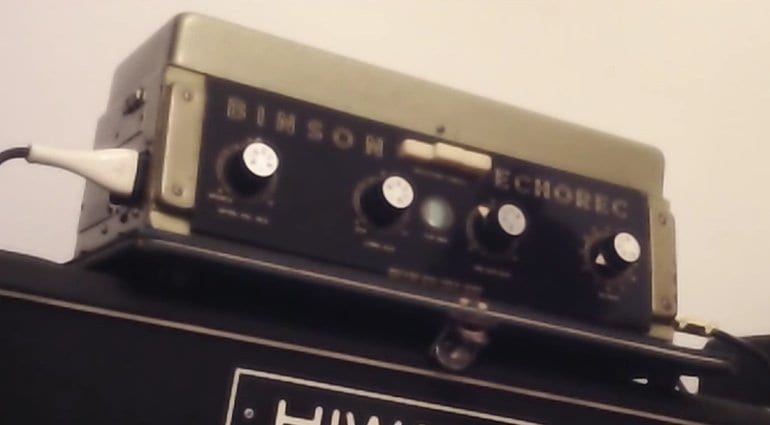
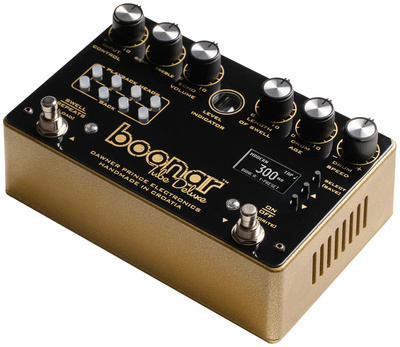
To this day, manufacturers keep trying to recreate the character of the Echorec in pedals and plugins. The original has become one of the most sought-after vintage effects units out there.



Fuzz Face and Big Muff
While a lot of guitarists get most of their distortion from a screaming amp, Gilmour leaned on pedals.
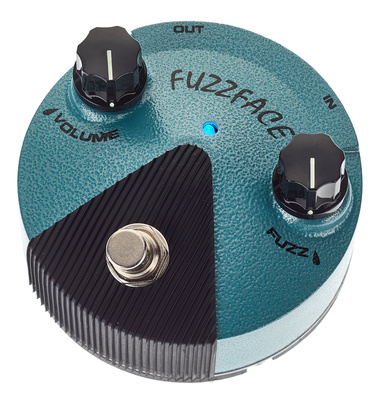
In the early years, he frequently used a Dallas Arbiter Fuzz Face. The soft, slightly compressed character of this classic shows up on plenty of recordings from the early 1970s.
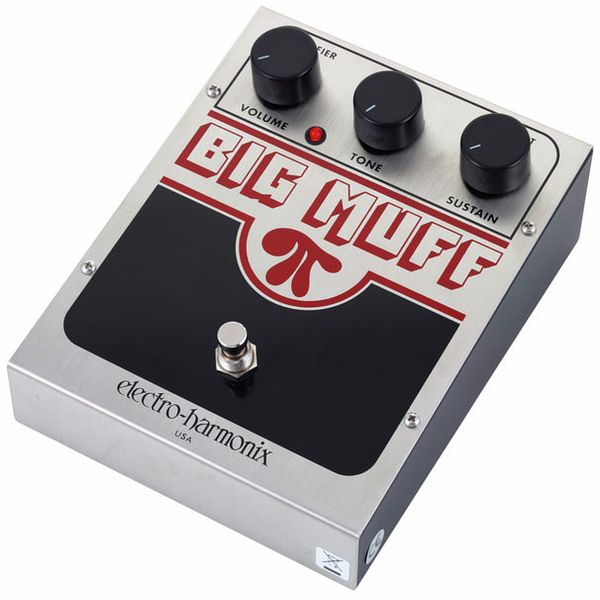
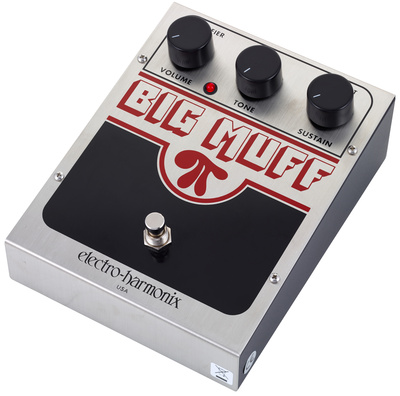
Later on, a different, still-beloved pedal became a fixed part of his sound: the legendary Electro-Harmonix Big Muff Pi*.
Few pieces of gear are as closely tied to David Gilmour as this big silver fuzz box. The Big Muff produces noticeably more sustain than a classic overdrive, delivering exactly those endless lead tones a lot of guitarists associate with him.


Modulation and Atmosphere
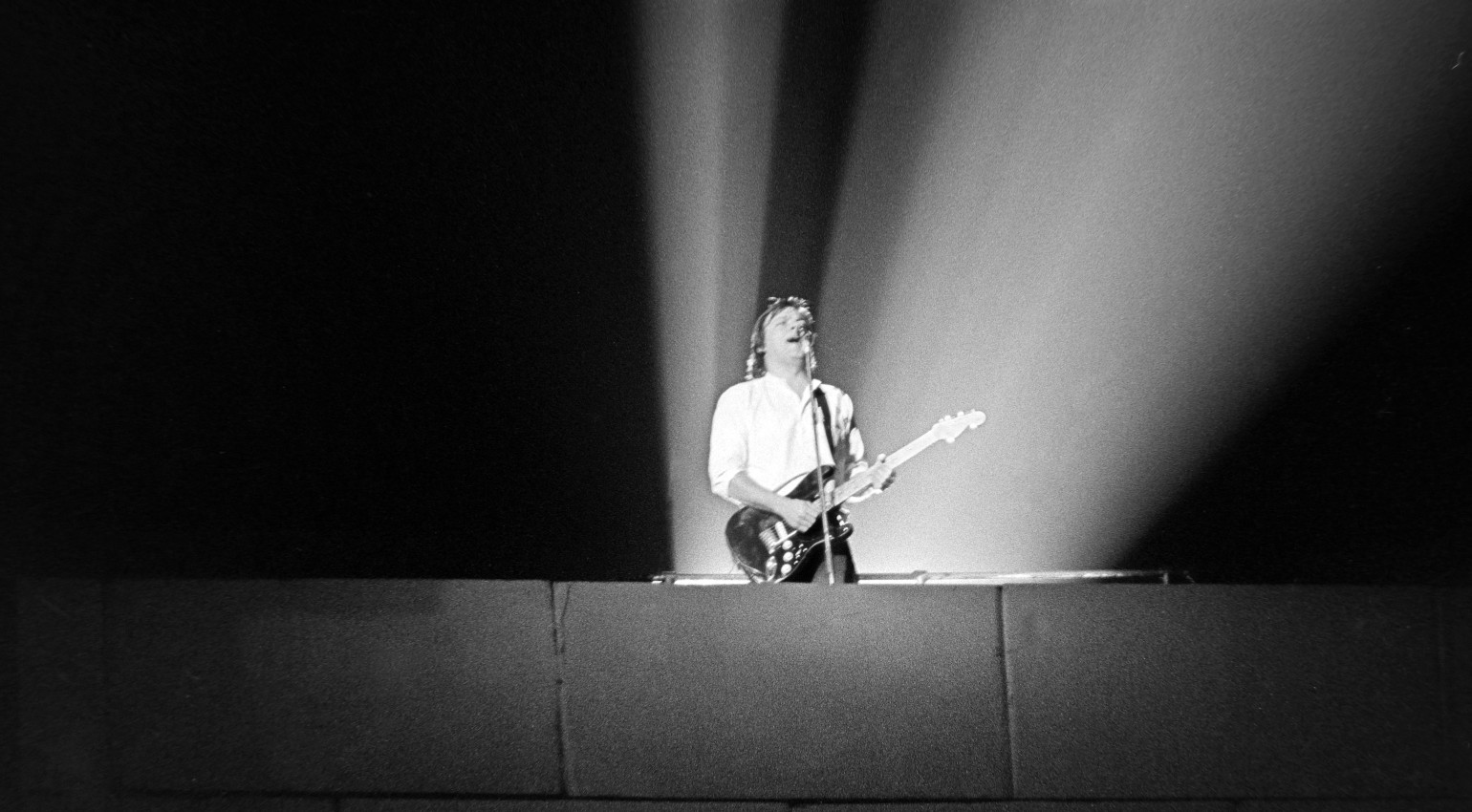
Alongside delay and fuzz, Gilmour consistently reaches for modulation effects to add extra movement to his sound.
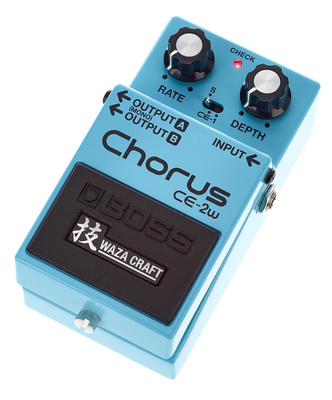
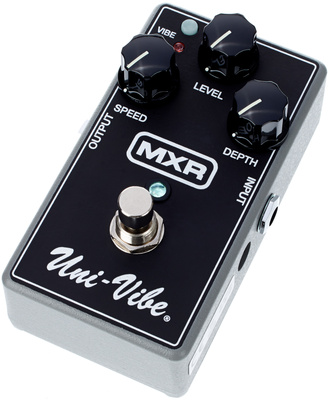
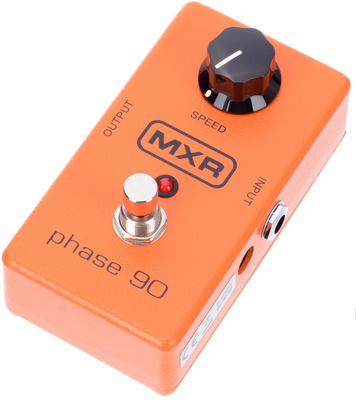
Classics like the MXR Phase 90*, various Uni-Vibe effects*, and later chorus pedals like the Boss CE-2* saw especially frequent use.
A lot of that modulation is barely noticeable on a conscious level, but take it away and a big chunk of the spatial depth suddenly goes missing.


The Sound of Comfortably Numb
If there’s one guitar solo that defines David Gilmour’s career, it’s without a doubt the final solo in Comfortably Numb.
It’s shown up on lists of the greatest guitar solos of all time for decades now. And rightfully so, because this solo basically sums up everything that makes David Gilmour the musician he is.
Interestingly enough, the technical difficulty is pretty manageable. There’s no wild tapping, no blazing scale runs, no flash for the sake of flash. Instead, the solo is built from perfectly placed melodic phrases, precise bends, and a build-up of tension that plays out over several minutes.
The real sonic magic comes from combining a few key components.
It starts with a Fender Stratocaster. The signal runs into a Big Muff, which handles that signature sustain. From there, the tone hits the clean, powerful platform of the Hiwatt amps. Delay effects add extra depth and let individual notes practically float in space.
The result is a lead tone that’s powerful and transparent at the same time. Even on long, held notes, every nuance stays audible.
What’s even more impressive is how Gilmour uses that sound. He never plays against the song, every phrase builds on the last one and leads the listener step by step toward the emotional peak. That’s serious artistry. And the more you listen to the track, the bigger it gets.
David Gilmour Today

Even at almost eighty years old, David Gilmour is still musically active. His 2024 album Luck and Strange proves that his signature playing style hasn’t lost any of its impact.
Of course, his gear has changed over the decades. Modern effects, digital systems, and contemporary studio tech have all found their way into his setup. But the core idea behind his sound hasn’t changed at all.
Dynamics, melody, and atmosphere are still front and center. And you can still spot David Gilmour after just a few bars.
David Gilmour’s Gear: The Sound between the Notes
David Gilmour is one of those guitarists who slips out of every easy category. He’s no technical monster like Steve Vai, no riff giant like Tony Iommi, and no revolutionary like Eddie Van Halen. And yet, for me, he belongs on the list of the greatest guitarists of all time without question.
The reason isn’t down to individual songs, legendary guitars, or some especially elaborate setup. His playing lives on patience, dynamics, and an exceptional ear for melody. He knows exactly when to play, and when it’s better to play nothing at all.
Anyone who digs into David Gilmour’s sound ends up learning a lot more than just guitars and amps. You learn that restraint can be a strength, that atmosphere sometimes matters more than speed, and that one perfectly placed note can hit harder than a hundred notes per second. What’s your own David Gilmour moment? Let us know in the comments!
This article was originally written by Jan Rotring for GEARNEWS.de.
*Note: This article on David Gilmour’s gear contains affiliate links that help us keep Gearnews running. The price for you always stays the same! If you buy something through these links, we receive a small commission. Thanks for your support!

This might also interest you


2 responses to “David Gilmour’s Gear: The Greatest Guitarists of All Time”

I think your article missed the fact that the esteemed publication Rolling Stone put Joan Jet ahead of David Gilmore and Brian May. Ha. That’s how insane that publication is.
Overlooked but equally as good as Comfortably Numb is No more lonely nights by McCartney