Erica Synths x Ninja Tune, Plugin Alliance, Three-Body Technology: 3 Strong Plugin Deals for Dub Delay, Mastering EQ, and Spectral De-Essing
Zen Delay as a Plugin, Two Mäag Audio EQs in One Bundle, and a Smart De-Esser on Sale

 5,0 / 5,0 |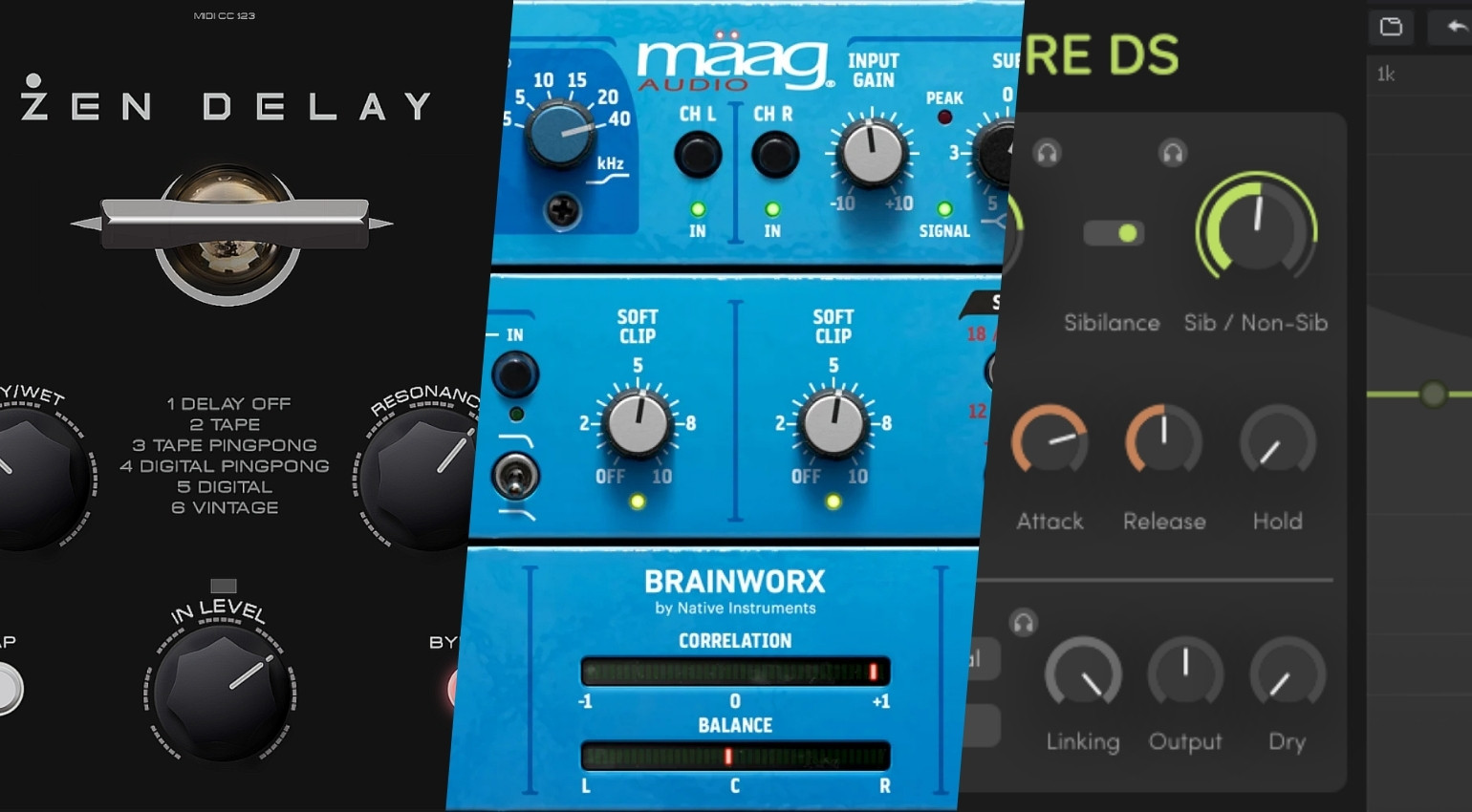
Erica Synths x Ninja Tune, Plugin Alliance, Three-Body Technology: 3 Strong Plugin Deals for Dub Delay, Mastering EQ, and Spectral De-Essing · Source: GEARNEWS

Erica Synths kicks off this week’s deals together with Ninja Tune and the Zen Delay VST, the software version of the cult delay pedal that originally came out of a collaboration with Coldcut’s Matt Black. At €19 instead of €89, this is an exceptional deal. Next up is Plugin Alliance with two Mäag Audio EQs bundled together, the EQ2 and the EQ4-MS, both known for their legendary Air Band. Rounding things out is Three-Body Technology with Future DS, a spectral de-esser that detects sibilance instead of just level. These tools genuinely belong in any plugin collection.
Software Deals of the Week
Erica Synths x Ninja Tune Zen Delay VST: Now 79% Off
Erica Synths and the British label Ninja Tune originally built the Zen Delay as a piece of hardware, inspired by a Superbooth trip Coldcut co-founder Matt Black took years ago. The Erica Synths x Ninja Tune Zen Delay VST now carries that same character fully into plugin form, adding modulation and sound design features the hardware never had. Through August 31st, the Erica Synths x Ninja Tune Zen Delay VST is available for a genuinely wild €19.
Five delay modes are on offer: Tape, Tape Ping-Pong, Digital, Digital Ping-Pong, and Vintage. The tape modes shift pitch when you change the delay time, the digital modes stay stable, and Vintage mode adds bitcrushing distortion for a deliberately lo-fi character. A 24 dB multimode filter with lowpass, bandpass, and highpass sits right in the signal path and can even be used on its own, independent of the delay.
A new LFO section on the Erica Synths x Ninja Tune Zen Delay plugin controls both filter and delay time simultaneously with FM and AM modulation, something the original hardware never offered. New groove timings with triplets and dotted note values, plus the ability to freely change the routing between the delay and filter stages, open up even more creative ground.
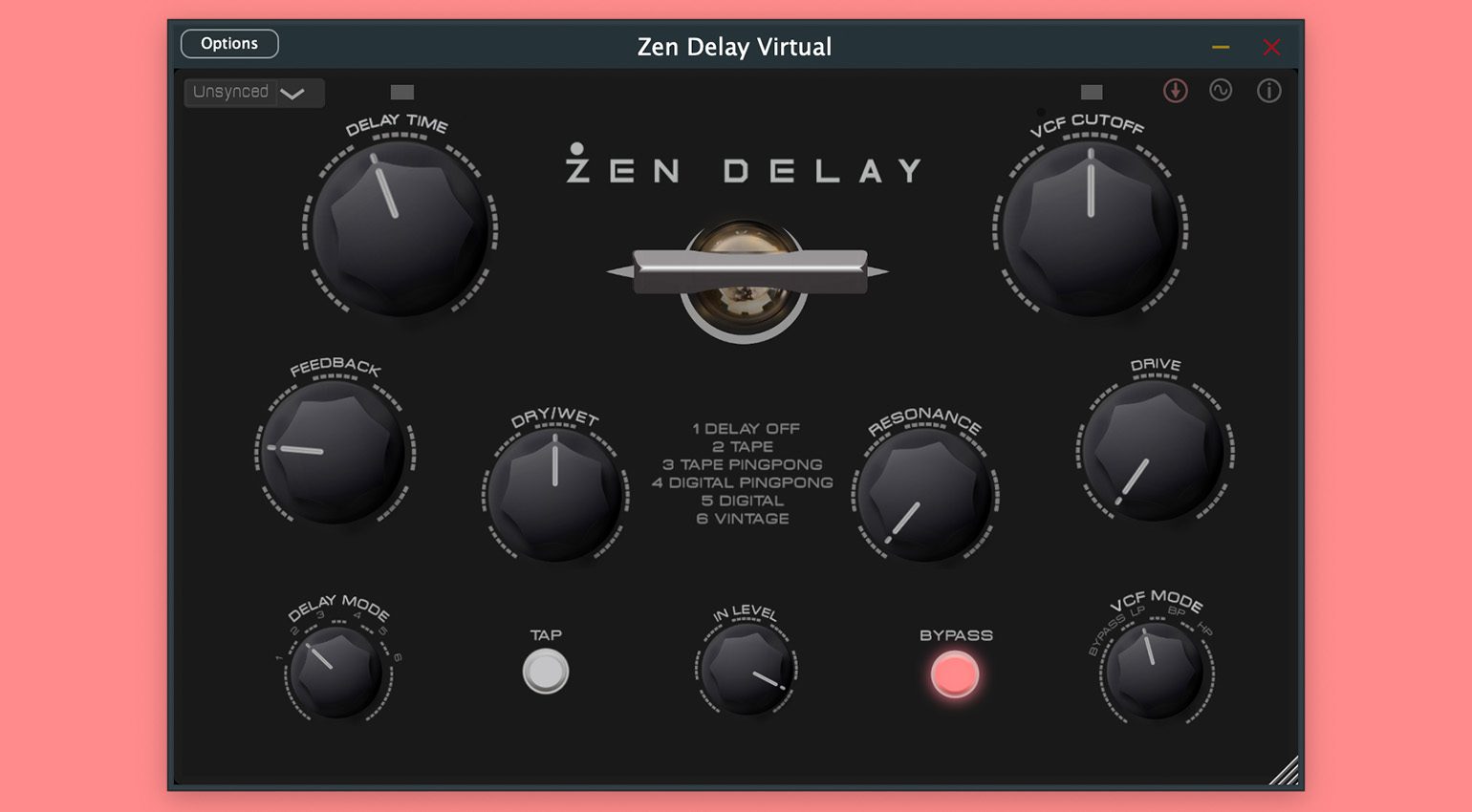
In practice, the Erica Synths x Ninja Tune Zen Delay VST works on just about any source, from drums and synths to vocals and field recordings. Chasing dub delays in the style of classic reggae productions? Crank the feedback into extreme territory and let the delay self-oscillate. Prefer experimental lo-fi textures? Combine Vintage mode with aggressive filter drive. Presets from Mijk van Dijk, Nerk from Toktok, and Dr. Walker of Air Liquide are a solid entry point into the sound world of this Erica Synths and Ninja Tune collaboration.
Through August 31, 2026, grab the Erica Synths x Ninja Tune Zen Delay VST here at Thomann* for €19.00 instead of €89.00 with 79% off.


Plugin Alliance Mäag Audio EQ2 and EQ4-MS: Now Heavily Discounted
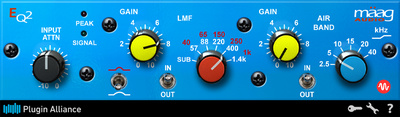
Mäag Audio built a concept with the Air Band that’s practically achieved cult status in the mixing world: a high-end boost that adds presence and shine without ever sounding harsh or brittle. This week Plugin Alliance has two Mäag Audio plugins on sale at once: the EQ2, a compact companion to the well-known EQ4, and the EQ4-MS, the new mid/side expansion of the flagship mastering EQ. Both are discounted through July 31st.
The Mäag Audio EQ2 adds a second band with tighter control over center frequency and bandwidth compared to the EQ4, which makes it the better tool for more targeted moves, while the EQ4 is built more for broad, musical lifts. The EQ2 also brings an extra 15 kHz band the EQ4 doesn’t have, plus 11 LMF bell selections, six wide and five tight, that let you work far more precisely. An input attenuator normalizes the signal before processing.
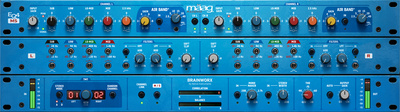
The EQ4-MS takes things further with six bands, full stereo and M/S processing, high and low pass filters per channel, expanded center frequencies and Q factors on all bell filters, Mono Maker, variable stereo width, and a soft clipper. Both plugins run on Brainworx’s patented Tolerance Modeling Technology, which simulates channel-to-channel component variance. Heads up: every Brainworx plugin is also part of a massive sale through July 31st – more infos here.
In practice, the EQ2 and EQ4-MS complement each other well. The EQ2 is the right call for problem frequencies that need more surgical treatment, like resonances in vocals or instruments. The EQ4-MS earns its keep mostly in mastering, where M/S processing lets you boost the sides of a mix harder than the center for more stereo width without any artificial widening. Chris Lord-Alge, Tony Visconti, and Dave Pensado are among the well-known names behind the Mäag Audio EQ lineup, and both plugins work fine running in parallel on the same mix without stepping on each other.
Through July 31, 2026, grab the Plugin Alliance Mäag Audio EQ2 here at Thomann* for €29.90 instead of €52.00 with 43% off. The Plugin Alliance Mäag Audio EQ4-MS is also available at Thomann* for €49.00 instead of €129.00 with 62% off.

Three-Body Technology Future DS: Now 34% Off
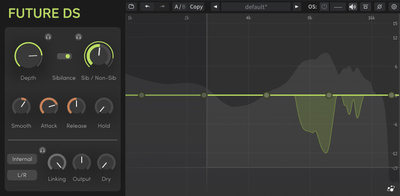
Three-Body Technology takes a different approach to de-essing than most manufacturers. Traditional de-essers react to level. Future DS reads the spectrum instead. Rather than asking whether a signal is loud, the plugin asks whether a frequency spike looks unnatural in context, and treats exactly that spot without touching the rest of the spectrum. Through August 10th, Three-Body Technology Future DS is available for €39.
Two operating modes are available through a Sibilance switch. With sibilance detection turned on, Future DS only engages when it detects actual vocal sibilance and works as a dedicated de-esser. With it turned off, the plugin behaves more like a high-frequency limiter, continuously controlling harshness without sacrificing air, which makes it just as useful on cymbals, strings, or bright mix buses.
An interactive spectrum display lets you drag boundary lines directly and draw a weighting curve to define exactly where the plugin processes more or less. Two monitoring modes, Delta and Sibilance, let you hear exactly what’s being removed or detected. By default, Future DS runs in linear-phase mode with only 128 samples of latency, and a zero-latency mode with minimum-phase processing is available for live use.
In practice, the difference from a traditional de-esser shows up fast: Future DS targets sharp S-sounds or harsh consonants precisely, without touching the surrounding frequencies and the air of a recording along with them. If you’ve pushed an aggressive EQ boost in the upper mids or highs to bring vocals forward, Future DS is the tool that pulls back exactly the harshness that move introduced, without killing the shine you were after. The interactive display makes dialing this in noticeably more intuitive than working with a purely parametric de-esser.
Through August 10, 2026, grab Three-Body Technology Future DS here at Thomann* for €39.00 instead of €59.00with 34% off.

*Note: This article contains affiliate links that help us keep Gearnews running. The price for you always stays the same! If you buy something through these links, we receive a small commission. Thanks for your support!

This might also interest you