Loudness War 2026: Is This Still a Thing, and How Loud Does a Track Actually Need to Be for Streaming Right Now?
Streaming Has Been Normalizing Loudness for Years. A Lot of Producers Are Still Mastering Like It's 2015.

 4,8 / 5,0 |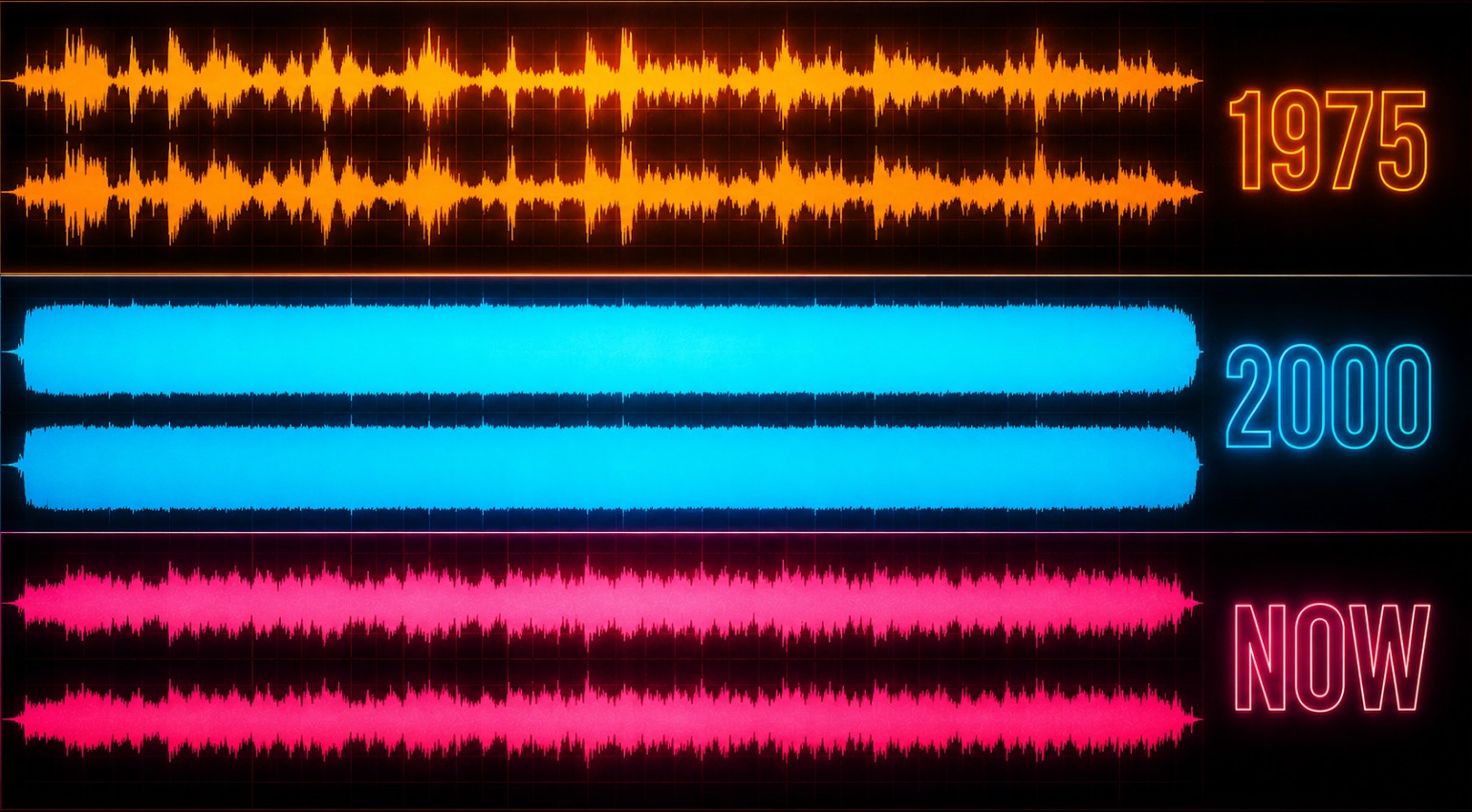
Loudness War 2026: Is This Still a Thing, and How Loud Does a Track Actually Need to Be for Streaming Right Now? · Source: GEARNEWS

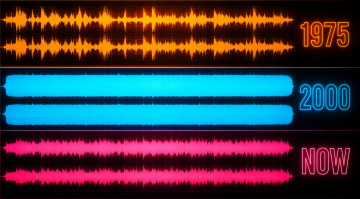
A decade ago, mastering had one job: get louder than everybody else. Every track had to hit hard the second someone skipped to it, every single had to beat the last one in raw level. In 2026, that arms race is technically over. Spotify, Apple Music, YouTube, and Tidal all normalize loudness automatically. Slam the limiter to the ceiling now and you don’t get rewarded for it anymore. You get the opposite: worse dynamics, more distortion, and a track that ends up quieter after normalization than the smart, dynamic master sitting next to it. The loudness war isn’t over. It just changed sides.
If your monitoring situation isn’t dialed in yet, start there first. Without accurate listening, you’re going to make the wrong calls during mastering anyway: Monitoring Setup for Electronic Music Producers.
Loudness War 2026 at a Glance
- Spotify, Apple Music, YouTube, and Tidal all normalize loudness automatically. Mastering louder gets you nothing anymore.
- Target loudness varies by platform. There’s no single LUFS number that works everywhere.
- True peak and sample peak are not the same thing, and mixing them up risks audible distortion after platform conversion
- Heavy limiting kills dynamics and transients, and you’ll hear it first in kick and bass on electronic tracks
- Loudness normalization doesn’t make mastering pointless. It makes dynamics more important than raw volume.
- Hardware limiters and mastering plugins handle the loudness workflow very differently
- If you’re releasing across multiple platforms, you need a deliberate compromise, not a one-size-fits-all number
Loudness War 2026: LUFS Targets, True Peak, and Mastering Tips for Spotify, Apple Music, and Streaming
Loudness War 2026: What Loudness Normalization Actually Does
Before we get into the loudness war itself, let’s get the technical part straight. Streaming platforms measure a track’s average perceived loudness in LUFS, short for Loudness Units Full Scale. If your track comes in above the platform’s target, it gets turned down automatically on playback. Below the target, it usually gets left alone, and on some platforms it even gets a small boost.
Here’s what that actually means in practice: a track mastered at minus 6 LUFS, slammed and over-limited, gets pulled down to Spotify’s target the second it plays. What’s left is a track that was produced ultra-loud but now sounds exactly as quiet as a properly dynamic master sitting at minus 14 LUFS. The only difference is that the slammed track lost dynamics during limiting that it’s never getting back. You gave up sound quality for a loudness advantage that doesn’t exist anymore.
LUFS Targets for the Major Platforms in 2026 vs. Loudness War
This is where it gets concrete, and honestly, this is the part most of us are still working off outdated numbers for. Here’s a rundown of what actually matters right now:
Spotify normalizes to minus 14 LUFS integrated by default, with a true peak ceiling of minus 1 dBTP. Master louder and you get pulled down automatically. Master quieter and you’re left alone, unless someone’s flipped on the “Loud” setting in their Spotify app, which targets minus 11 LUFS. Almost nobody touches that setting manually.
Apple Music works similarly but targets minus 16 LUFS integrated, using Sound Check as its normalization feature. That’s noticeably quieter than Spotify, and on certain genres, especially bass-heavy electronic music, you’ll actually hear the difference between platforms.
YouTube normalizes to minus 14 LUFS, close to Spotify, but runs its own algorithm that’s a bit more forgiving with short-term level spikes.
Tidal also targets minus 14 LUFS, though their HiFi Plus tier sometimes serves uncompressed source files where normalization steps in less aggressively.
So what does that mean in practice? A target somewhere between minus 14 and minus 16 LUFS integrated, with true peak at minus 1 dBTP, is the smartest compromise for most releases in 2026. If you’re focused on one platform, you can dial it in tighter. If you’re releasing everywhere at once like most independent producers do, that middle ground is your best bet. Here’s more on the modern loudness standards (EBU R128) if you want to go deeper.
True Peak vs. Sample Peak: The Difference People Keep Getting Wrong
This is where the most common technical mistake in streaming mastering happens, and it’s directly tied to the whole loudness war conversation. Sample peak only measures the digital samples that actually exist. True peak estimates what happens when that digital signal gets converted back to analog, meaning during D/A conversion on playback.
Between two samples, the actual signal peak can spike higher than either of the measured samples around it, something called an intersample peak. If your track reads 0 dB on a sample-peak basis, the true peak could easily be sitting at plus 0.3 or plus 0.5 dBTP. The result: audible distortion the moment a platform compresses your track or converts it to a lossy format like AAC or Ogg Vorbis.
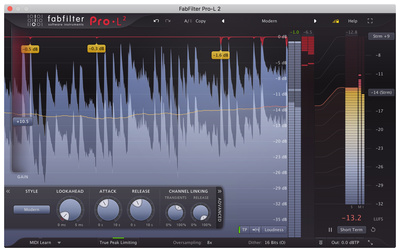
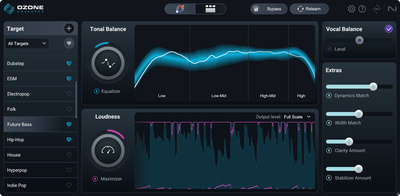
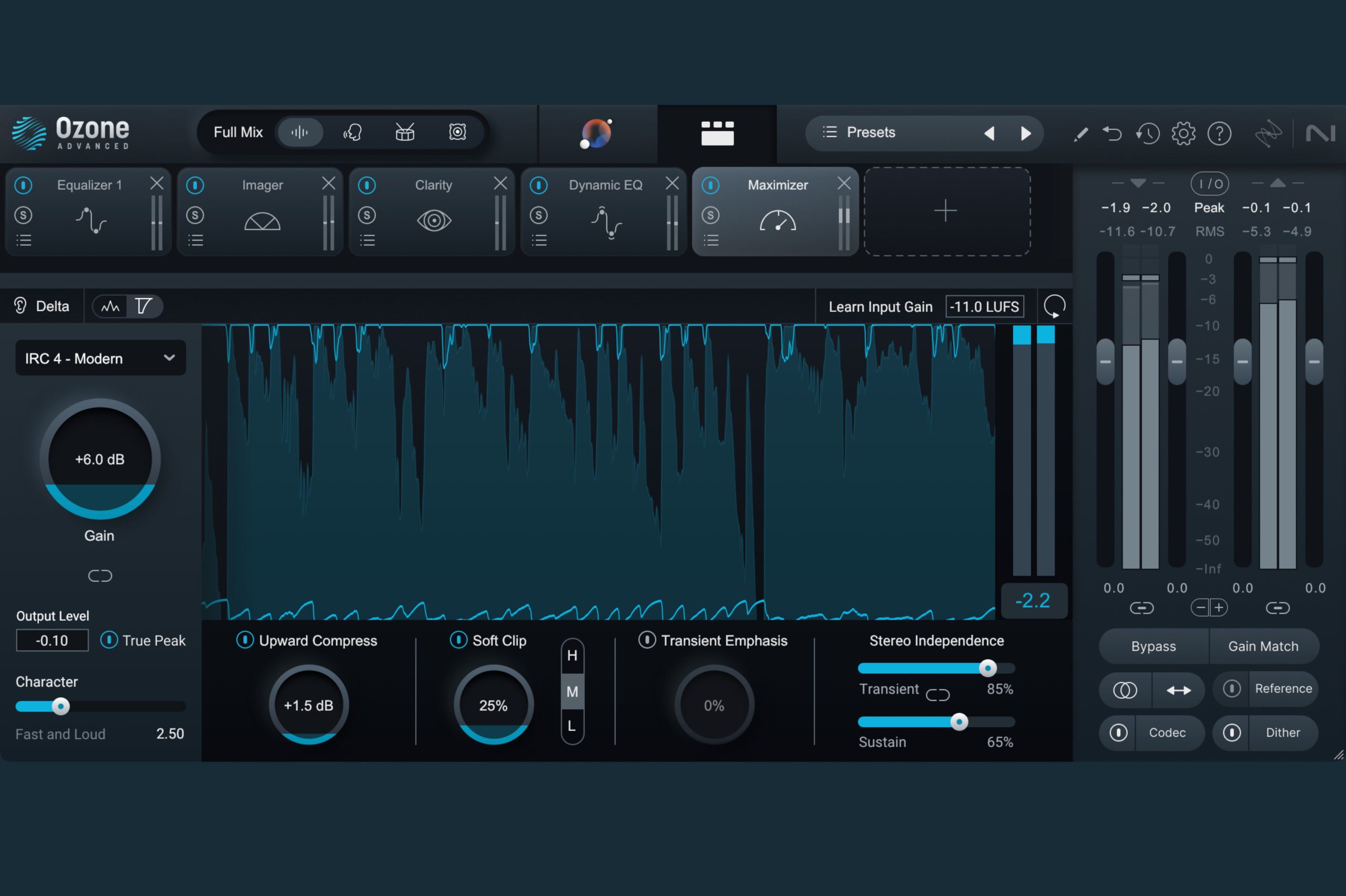
The fix is simple. Use a limiter with true peak limiting and stick to a ceiling of minus 1 dBTP, not 0 dB. FabFilter Pro-L 2* and iZotope Ozone 12* both handle true peak limiting reliably right inside the plugin, no extra meter required.



How Heavy Limiting Wrecks Your Kick and Bass
This one matters a lot in electronic music specifically, because kick and bass take the biggest hit from aggressive limiting. A limiter reacts to peaks, and in most techno or house tracks, the kick is the loudest transient in the entire mix.
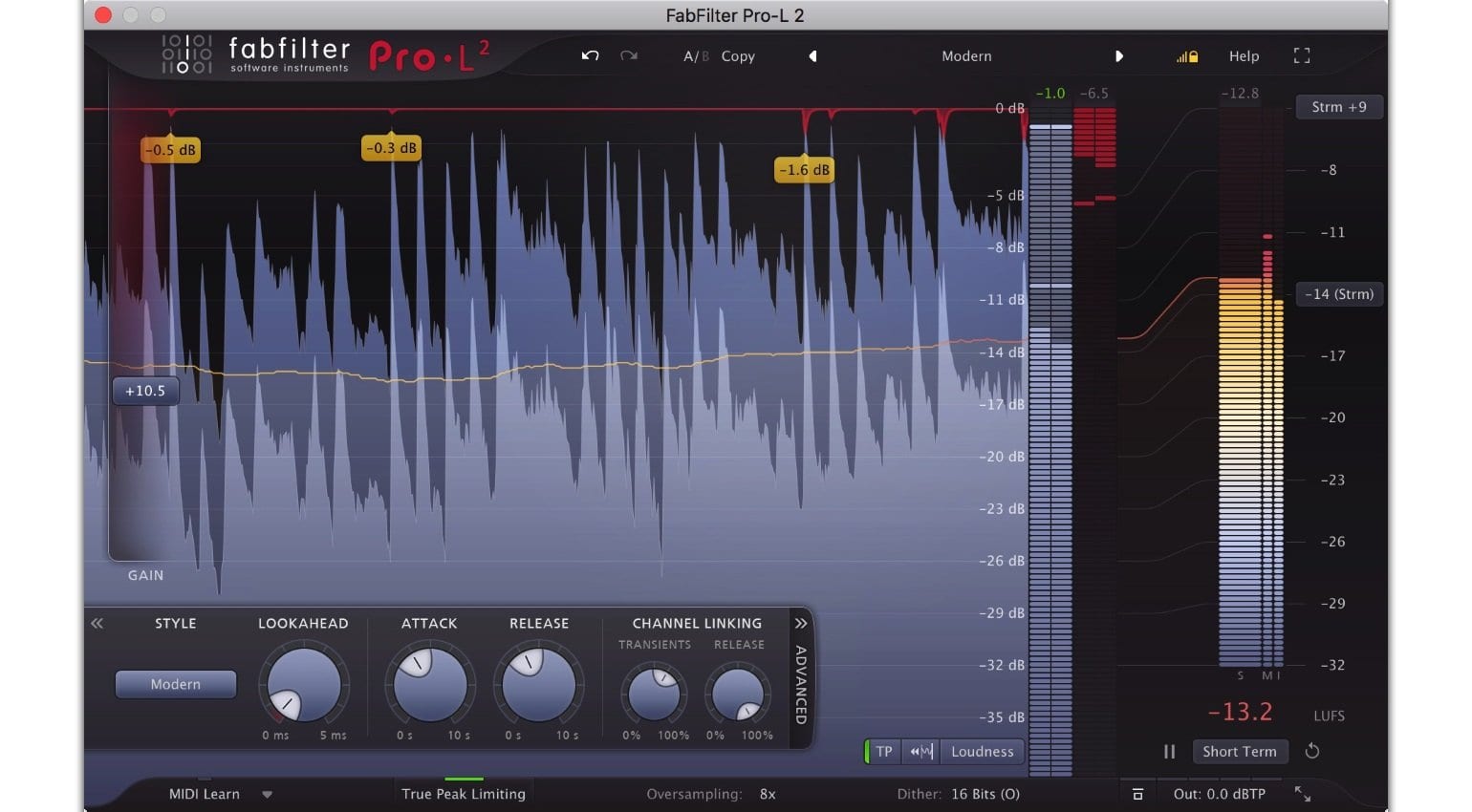
Push the limiting too hard and the kick loses its attack, the punchy front edge that gives it energy and definition. Instead it goes round, soft, almost squashed-sounding. That feels completely different on a club system than it does through studio headphones, and that’s exactly where the loudness war collides with how people actually master for clubs.
I can back this up from my own sessions. I notice it immediately on my own tracks the second I push past 3 or 4 dB of gain reduction on the mix bus. The kick loses its punch, and I hear it even on cheap headphones. My workaround: go easier on the limiter and instead build the mix loud enough on its own, so the limiter isn’t doing all the heavy lifting by itself.
Hardware vs. Software in the Loudness Workflow
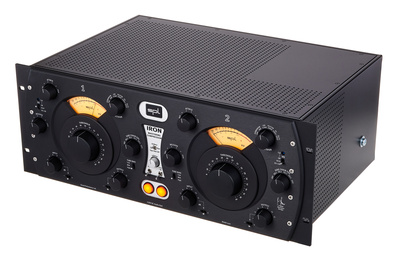
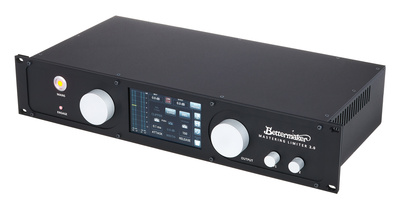
This is where the conversation gets genuinely interesting from a technical standpoint. Classic hardware limiters like the SPL Iron* or the Bettermaker Mastering Limiter* run on a different level philosophy than modern mastering plugins. Analog limiting tends to react more gently to transients, because physical circuits just can’t move as fast as digital look-ahead algorithms.


Digital limiters like FabFilter Pro-L 2* use look-ahead technology that sees peaks coming before they actually hit. That gives you extremely precise limiting with no audible artifacts, as long as you don’t push it too far. For loudness management in a world built around platform normalization, that precision is a real advantage. You can hit exactly minus 1 dBTP without any guesswork.
If you still love that analog character, Plugin Boutique* has plenty of analog limiter emulations that nail that behavior without giving up the precision of a modern true peak limiter. That’s honestly my personal sweet spot for home studio work.
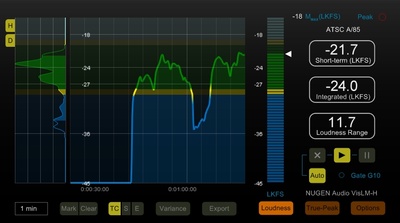
If you want to measure loudness outside your DAW entirely, grab a dedicated loudness meter like the Nugen Audio VisLM*, also available as a standalone plugin, and it shows you every relevant platform standard at a glance. I personally also reach for the YOULEAN Loudness Meter Pro 2 a lot, and there’s even a free version if you want to try it first.

Mastering for Multiple Platforms at Once
Most independent producers aren’t releasing on one platform exclusively. That means you need a strategy that holds up on Spotify, Apple Music, and YouTube simultaneously, without building a separate master for every single service.
In practice: master to minus 14 LUFS integrated with true peak at minus 1 dBTP. That sits close enough to every major platform’s target that normalization barely touches it either way. If you want more precision, iZotope Ozone 12* has a built-in streaming loudness module that shows you exactly how loud your master lands on each platform.
Some producers build separate masters for specific releases, vinyl or DJ pools being the usual case, with different loudness targets. For most home studio work, that’s overkill. One solid master at minus 14 LUFS covers about 90 percent of release situations.
Common Mistakes in Loudness Mastering Right Now
Still Limiting Off Sample Peak Instead of True Peak
A lot of older tutorials still teach limiting based on sample peak. That was fine ten years ago. Today it’s a real risk. True peak limiting is the standard in 2026, not the exception.
Delivering a Quiet Mix and Then Slamming It in Mastering
If your mix doesn’t have enough energy going into mastering and you end up relying on the limiter to save it, you’re going to lose serious dynamics. A good mix should already be doing most of the work before the limiter even gets involved.
Mastering Loud Out of Habit
This is really the core of the whole loudness war thing. A lot of producers still master reflexively loud, even though normalization erased that advantage years ago. It’s a habit that costs you dynamics and gets you nothing in return.
Skipping the Platform Check Before Release
If you’ve never actually listened to your track on Spotify or Apple Music before releasing it, you don’t know how normalization is treating it. A quick check before release saves you frustration later.
FAQ: Loudness War 2026
Is the Loudness War Actually Over?
Technically yes, since normalization makes mastering louder pointless. Practically, not quite, because plenty of producers still master loud out of habit and give up dynamics for nothing. Personally, I consider it over.
What’s the Best LUFS Compromise for Streaming in 2026?
Minus 14 LUFS integrated with true peak at minus 1 dBTP works well across most platforms at once, without needing a separate master for every service.
Does Loudness Normalization Make Mastering Pointless?
Not at all. Dynamics, tonal balance, and stereo image matter just as much as they always did. What’s changed is whether loudness itself is a competitive edge, and right now it isn’t.
What’s the Difference Between LUFS and dBFS?
dBFS measures raw digital level. LUFS measures perceived loudness over time, weighted to match how humans actually hear. For streaming mastering, LUFS is the number that matters.
Do I Need Special Hardware for Loudness Mastering?
No, a solid plugin handles this fine. FabFilter Pro-L 2* or iZotope Ozone 12* both show you true peak and LUFS directly in the plugin.
Does a Quietly Mastered Track Really Sound as Loud on Spotify as a Loud One?
Yes. Normalization brings both tracks to the same perceived level. The only real difference is that the quieter master kept more of its dynamics, which usually makes it sound better.
What Happens If I Just Ignore Loudness Entirely?
Your track will probably end up either over-limited and flat, or normalized down so far that it sounds thin next to everything around it. Both are avoidable.
Should I Master Differently for Clubs Than for Streaming?
Generally, yes. DJ pools and vinyl releases tend to handle more headroom and less limiting better, since the playback system reacts differently than headphones or laptop speakers. For most home studio producers, though, a solid streaming master covers it.
Conclusion: The Loudness War Just Changed Sides
Louder is not better anymore. Full stop. That’s the real shift that’s settled in over the last few years, even if not everyone’s caught up to it yet. Streaming normalization technically ended the classic loudness war, but plenty of producers are still mastering out of habit like it’s still running. Club mastering especially still squeezes every last bit out of the file.
If you actually want to sound good in 2026, focus on dynamics, not raw volume. A track with punch and breathing room beats a flat, over-limited one every single time normalization pulls them to the same level. That’s not a taste thing. That’s just physics. And at the end of the day, what actually matters is the feeling the song gives someone when they hit play.
Let go of the old logic. Master for dynamics, not for a volume contest that stopped mattering a decade ago. The loudness war is over. Not everyone’s gotten the memo yet. Pass it on if you found this useful, and if you’ve got a different take, drop it in the comments.
More on Loudness War 2026
- Monitoring Setup for Electronic Music Producers
- Analog vs. Digital in the Home Studio
- All Mastering Plugins at Thomann*
- All Mastering Tools at Plugin Boutique*
*Note: This article about the loudness war contains affiliate links that help us keep Gearnews running. The price for you always stays the same! If you buy something through these links, we receive a small commission. Thanks for your support!

This might also interest you

One response to “Loudness War 2026: Is This Still a Thing, and How Loud Does a Track Actually Need to Be for Streaming Right Now?”

44% of tunes recently uploaded to Deezer are AI generated. You could have the best master on Earth, but it’s still going to be swamped by AI made, AI mastered tunes. Is there really much point in good dynamics at -14 LUFS if you’re outnumbered ten to one by a ‘perfectly-produced’ AI album made in one hour?