Recording Without Plugins: Old School Techniques That Still Work
Analogue recording methods that still hold up today.

 1,9 / 5,0 |
Recording Without Plugins: Old School Techniques That Still Work · Source: Wikipedia / Soundtoys / PNGtree

Recording without plugins is virtually impossible these days, but there are still tried-and-tested techniques that deliver results before you dive into your DAW.
In this Article:
While a good portion of the recording methodology we used in the tape and console days is no longer relevant, there are still aspects that remain essential in today’s music creation process. Even when we generate most of our sounds with a computer, there are still elements like vocals that are reliant on acoustic sound waves and human performance.
It’s here in the analogue domain where we can optimize gain structure and choose between a clean or coloured signal path going in. In post-production, we can fix almost anything, from timing and pitch to tonality and dynamics, but we can’t replay the take with more emotion. Let’s look at some ways of getting the most from recording without leaning on in-the-box processing.
Recording Without Plugins: Mic Choice and Positioning
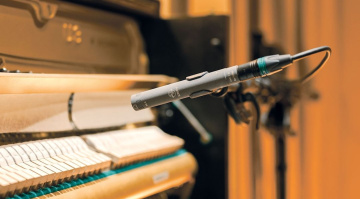
You don’t need to have intimate knowledge about the circuits inside every microphone ever designed, but knowing the strengths and weaknesses of the mics in your own locker will help you get the best recordings possible in your space. Finding out which microphones sound best on particular sources requires experimentation, because regardless of how much theoretical info you’ve read, certain choices come down to taste.
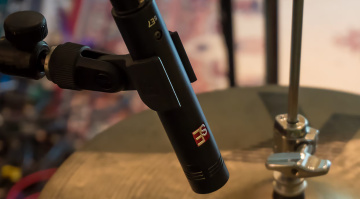
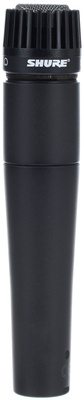
Dynamic mics, like the Shure SM57 or the SM7B, sound good on almost anything when positioned up close. However, they aren’t the best choices as room mics, and this is where it helps to know about omnidirectional condenser mics, which are far better for this job. Each mic responds slightly differently when placed at different distances, so understanding mic placement to find the sweet spot in your room is important.
Tilting a mic just off axis can remove harshness, while pulling it back a few inches can get rid of the boominess created by the proximity effect. Most of the time, we are using less than ideal acoustic spaces around the house, so using the most sensitive tube condenser you can find is going to expose the imperfections of the environment rather than complement the source.


Recording Without Plugins: Committing to the Sound
No matter which instrument we are recording, the effects, whether it be compression, EQ, delay, or reverb, play a role in the writing of the song. If you disconnect your pedal board and simply record your guitar directly, you then face the task of trying to reconstruct each tone in post-production. By committing to your sound from the get-go, you avoid decision paralysis, which can slow down productivity.
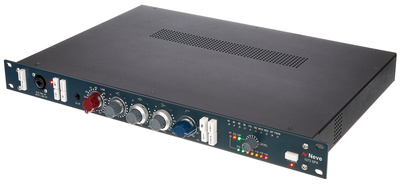
There are also advantages to recording with compression on the way in, and to see why, all you have to do is look a little further down the production line. Particularly when we record instruments that require layering, such as vocals and guitars, having transients that stick out unpredictably does no good when you need to add bus compression at two separate stages for cohesion and glue.
With a peak limiter shaving transients on the way in, you can layer takes easily without worrying about inadvertently triggering the compressor on the channel group or your mix bus. By trying to create the most complete sound you can before you jump into your DAW, you can save time and give yourself confidence in the overall sound of your project.

Recording Without Plugins: Capturing a Performance, Not Perfection
Writing and performing are two different skill sets that feed into each other directly as you gain experience. When it comes to recording, a group of musicians playing together provides unpredictable variables that are more likely to yield unique results than making thousands of edits in a DAW.
Whether you’re recording an ensemble of live musicians or simply taking an approach that involves playing the whole song through, focusing on the emotional impact of the performance rather than technical precision alone can give your records a timeless feel. By creating a perfect mosaic of tiny slices instead, you might achieve perfection on a superficial level, but the fragility of the human touch is lost in the process.
In today’s musical landscape, where more than half the conversations involve AI, this becomes a way to make your music stand out. Even in electronic music, switching from copy/pasting to a live arrangement style can become a gateway to new sonic exploration. This can unlock ideas that simply aren’t accessible from a linear arrangement approach.

Recording Without Plugins: Acoustic Problem Solving
Rather than following a “fix it in the mix” philosophy, the engineers of the past developed methods for correcting issues in the room, which often involved some ingenious workarounds. One of the most famous examples is Tony Visconti’s 3-way gated microphone system, which he used when recording the vocals for Heroes by David Bowie.
Due to the limitation of having only one track for vocals, Vosconti positioned close, medium distance, and far mics with gates on the last two that only opened up at certain levels. This meant the intimate parts of the performance remained intimate, while the louder passages were reinforced by all three mics and the natural ambience of the room.
With limitless DAW channels, of course, there is no need to think this way, but there is a lot we can learn by adding limitations into our workflows. Another example is Eric Valentine’s use of cymbal overdubs on Songs For The Deaf by Queens Of The Stone Age. An unorthodox and painstaking technique, for sure, but it produced the incredibly dry and upfront drum sound that shaped the album.

Recording Without Plugins: Creative Limitations
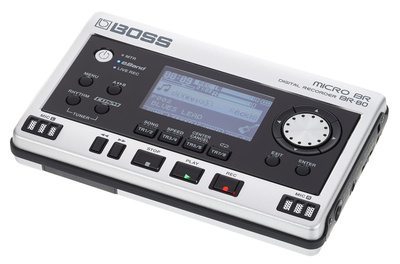
Adding limitations to your setup can be extremely rewarding. For instance, Kevin Parker’s use of the BOSS BR Series digital multitrack recorders on Tame Impala’s Innerspeaker album rather than a DAW proved to be a choice that shaped the recording workflow. Meanwhile, the COSM amp sims and effects, as well as the built-in limiter on the BR Series, were key elements that contributed to the sound.
You don’t have to do much to add limitations into your setup; all it takes is a little discipline and focus. For your next EP or album project, simply select 5 pieces of gear or plugins and stick to them religiously for the entirety of the creative process. Using one or two unusual instruments can also add unexpected surprises, and don’t be afraid to use standard presets.
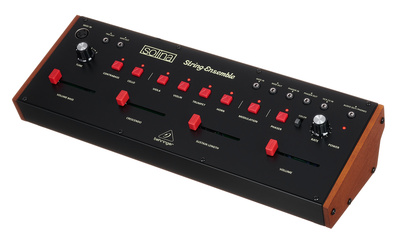
Some of the most unique songs were made with presets, like Clint Eastwood by Gorillaz, which used a stock rhythm preset that became the foundation of the track, while strings from the ARP Solina added a Horror movie-like atmosphere. Sometimes, stepping away from a computer for even a portion of the creation process can be liberating, too, as there is no way to check emails from hardware instruments.

More about Recording Without Plugins:
*Note: This article contains affiliate links that help us fund our site. Don’t worry: the price for you always stays the same! If you buy something through these links, we will receive a small commission. Thank you for your support!

This might also interest you