The 9 Best Tremolo Pedals for Any Budget: Vintage Pulses and Modern Vibes
Harmonic Trem, rhythmic enhancer, and much more!

 4,3 / 5,0 |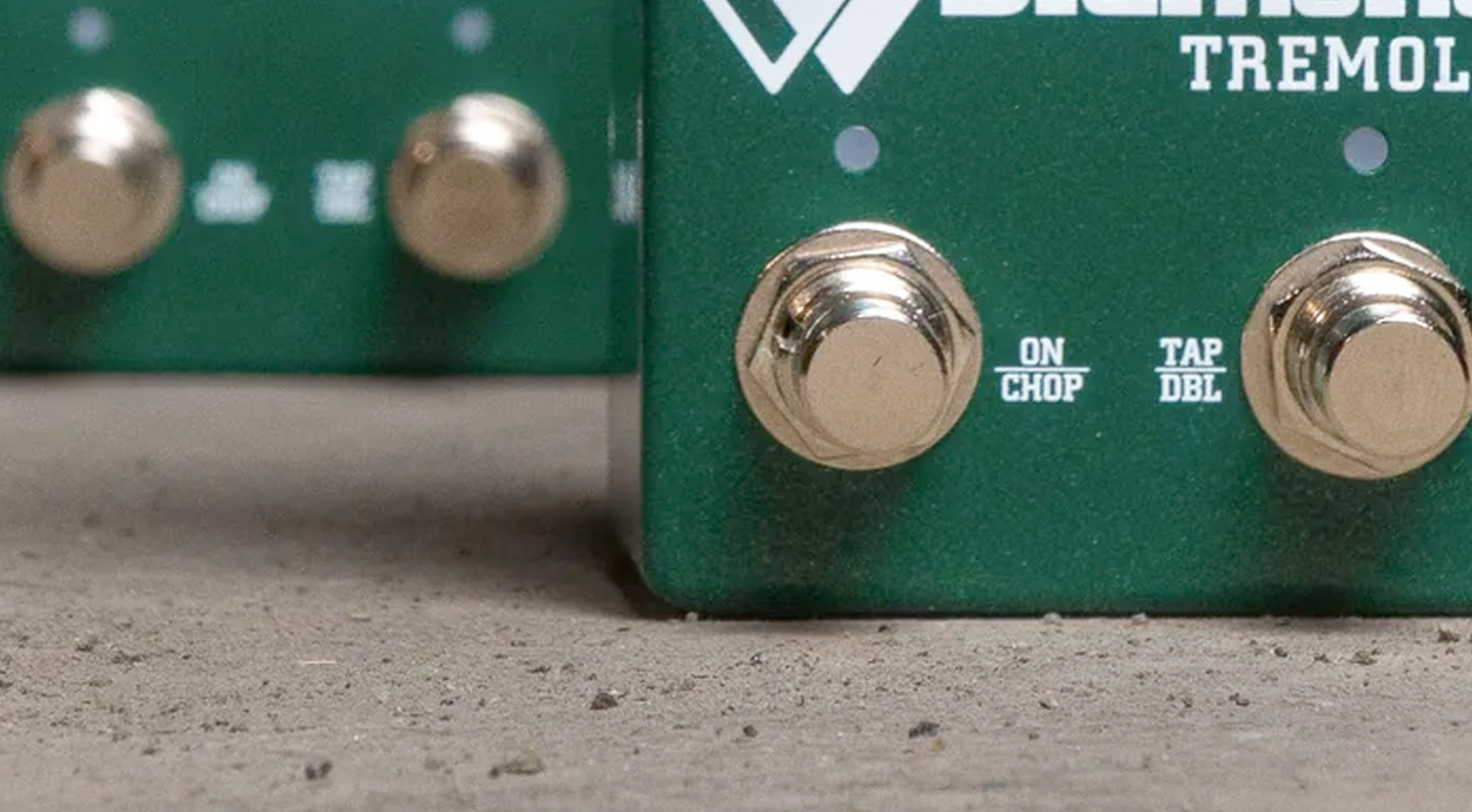
The 9 Best Tremolo Pedals for Any Budget: Vintage Pulses and Modern Vibes · Source: Diamond Pedals

Tremolo is the fastest way to make a plain part feel alive: surf shimmer, swampy pulses, choppy indie stutter, or perfectly clocked “slicer” rhythms that lock to a drummer. The good news: today’s best tremolo pedals cover everything from faithful vintage amp wobble to modern, tempo-synced, stereo motion.
Our Picks:
How did we get here?
Tremolo is a volume modulation effect, meaning your signal gets louder and quieter in a repeating pattern. The idea predates pedals: early guitar amps introduced built-in tremolo/vibrato circuits even in the late 1940s, and it became a defining “movement effect” of classic American amps through the ’50s and ’60s.
A lot of the confusion starts with naming: many amp makers historically labeled tremolo as “vibrato” (even though vibrato is pitch modulation). Fender’s famous “harmonic vibrato” circuit from the early ’60s is especially beloved because it splits and modulates parts of the frequency spectrum, creating a deeper, almost three-dimensional motion that feels closer to a chewy pseudo-vibrato than simple on/off volume pulsing.
There are quite a few iconic songs that make use of the tremolo effect like The Smiths – “How Soon Is Now?”, “Like A Stone” by Audioslave, and Green Day’s “Boulevard of Broken Dreams”. And if you look around further, you’ll find the effect on other, non-guitar-related songs, too. Portishead’s “Roads” is a prominent example.
The Best Tremolo Pedals: What to look for
There are a few different tremolo styles, namely the smooth “amp-style” tremolos, hard, choppy square-wave effects, or the harmonic tremolo flavor. These different tremolo types and wave shapes can feel radically different under your fingers.
In addition, when you’re looking for the best tremolo pedals, functionality is key. Tap tempo (and subdivisions) can be a big deal if you play to a click or want rhythmic trem that lands perfectly in time. Additionally, a shape control helps you determine whether the effect’s pulses are round, percussive, or somewhere between. Plus, a volume control helps avoid the perceived volume drop that some tremolos can introduce.
Finally, some of the best tremolo pedals keep it classic and immediate. In contrast, others add MIDI, presets, expression control, and multi-mode engines that can cover optical/bias/harmonic styles in one box. As always, this list is strictly ranked by price.
TC Electronic Choka and Pipeline
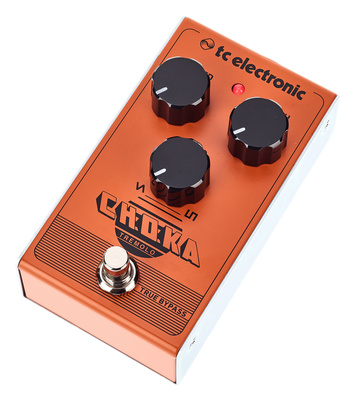
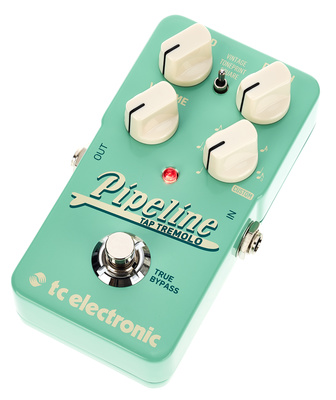
The Choka Tremolo* represents the stripped-down, old-school end of the spectrum of the best tremolo pedals. Its fully analog circuit and three simple controls (Depth, LFO shape, and Speed) get you classic amp-style tremolo without menus, presets, or sync options. The Pipeline Tap Tremolo*, on the other hand, pushes the tremolo concept into modern territory.
Tap tempo, subdivisions, a switchable Vintage/Square mode, and TonePrint support make it more flexible, while the built-in volume boost helps counter the often perceived level drop common with tremolo effects. Compared directly, the Choka is ideal for players who want pure, analog simplicity, while the Pipeline is better suited to rhythmic, tempo-locked parts and preset-style versatility.


Electro Harmonix Nano Pulsar and Super Pulsar
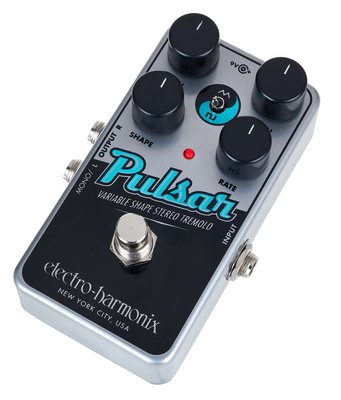
The EHX Nano Pulsar Tremolo* sits at the compact, performance-focused end of EHX’s lineup. It delivers classic tremolo plus panning in a small enclosure. Stereo outputs, adjustable wave shapes, and selectable rising or falling sawtooth modes make it a versatile choice for players who want more than basic amp-style wobble without blowing up their pedalboard.
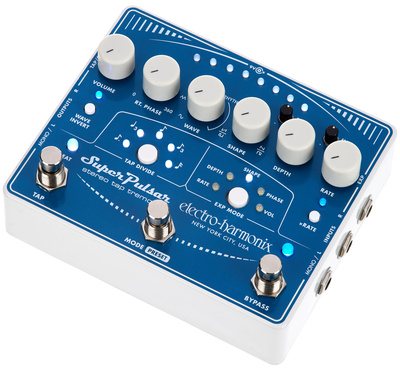
The Super Pulsar, by contrast, offers stereo I/O, tap tempo, external clocking, rhythmic patterns, per channel-phase control, and preset storage. Compared directly, the Nano Pulsar is immediate and compact, while the Super Pulsar is deep, programmable, and stage- or studio-ready. These pedals are aimed at very different types of players, but both firmly belong on our list of best tremolo pedals.

Boss TR-2 and SL-2
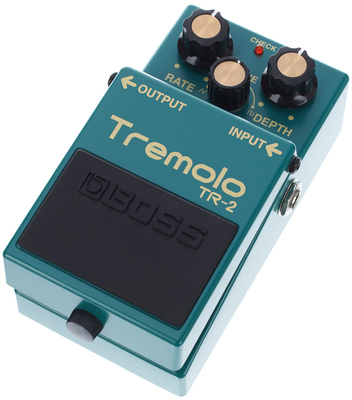
The Boss TR-2 Tremolo* is the definition of a no-nonsense classic effects pedal. With its Wave, Rate, and Depth controls, it delivers traditional amp-style tremolo that sounds both smooth and musical. It’s compact, reliable, and does exactly what it promises, plus the TR-2 just sounds good.
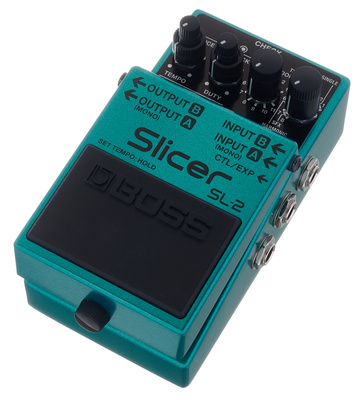
The SL-2 Slicer*, in comparison, takes the idea of tremolo into far more rhythmic and experimental territory. Instead of volume pulses, it chops your signal into complex patterns with tap tempo, MIDI sync, stereo motion, and optional deep editing via Boss Tone Studio. Compared directly, the TR-2 is about timeless wobble and simplicity, while the SL-2 is a creative rhythm engine for modern genres, looping, and electronic-influenced guitar work.

JHS Pedals Tidewater and Kodiak
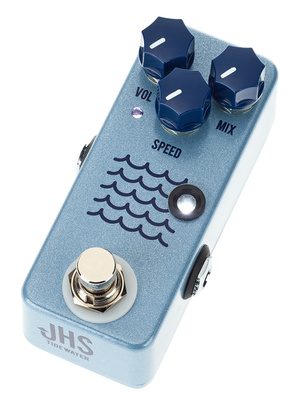
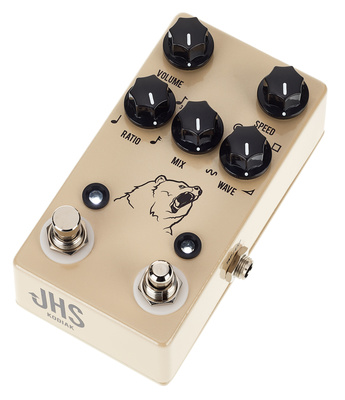
The Tidewater Tremolo* is JHS Pedals’ love letter to classic amp trem. It focuses squarely on vintage Vox and Fender Blackface–style movement. The Tidewater offers a simple Volume, Speed, and Mix layout that makes it extremely easy to dial in smooth, musical pulses. Plus, internal DIP switches let you slow the speed range even further, and with ultra-low current draw and a tiny footprint.
The Kodiak*, by comparison, still gets you those familiar Vox and Blackface flavors, but it adds tap tempo, waveform shaping, rhythmic ratios, and expression or external tap control. Side by side, the Tidewater is all about simplicity and feel, while the Kodiak is designed for players who need tremolo to lock to tempo, or change its sonic character mid-song. Both sound unmistakably JHS, but they serve different roles. Also, each is a definite must for our list of the best tremolo pedals.

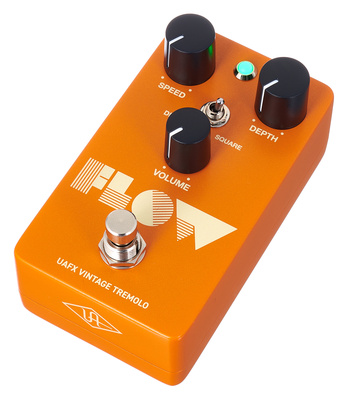
Universal Audio UAFX Flow Vintage Tremolo
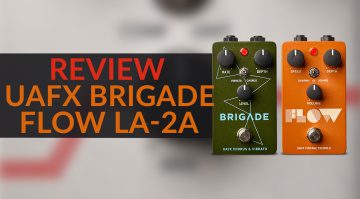
Moving into more premium territory, the Universal Audio UAFX Flow Vintage Tremolo* brings studio-grade modeling to the best tremolo pedals conversation. It recreates three tube-based tremolo flavors (harmonic Dharma, smooth ’65-style sine, and hard square-wave chop), each paired with an emulated preamp circuit and a handy volume boost.
Tap tempo and selectable true or buffered bypass make it easy to integrate into modern boards without sacrificing feel. Compared to more traditional tremolo pedals, the Flow is less about minimalism and more about authentic character. Especially the harmonic trem mode adds depth and motion that feels almost three-dimensional.

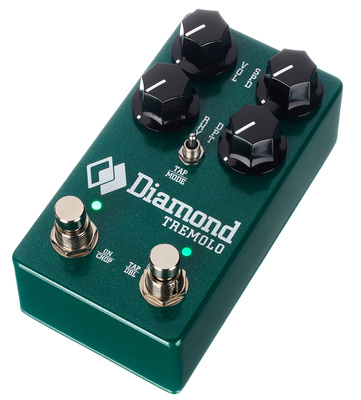
Best Tremolo Pedals: Diamond Tremolo
The Diamond Tremolo* is as versatile as it gets when it comes to tremolo pedals. With 11 different rhythm modes, three core waveforms, and a dedicated Chopper mode, it gives you everything from smooth pulses to hard, stuttering cuts that feel almost percussive.
Controls for Speed, Depth, Volume, and Rhythm keep things intuitive despite the pedal’s depth. What truly sets it apart is how playable it feels live. Momentary and latching options, tap tempo with subdivisions, and Diamond’s signature “Geezer” mode for exaggerated movement are unique sonic options. Compared to more amp-style tremolos, this one is less about nostalgia and more about groove.

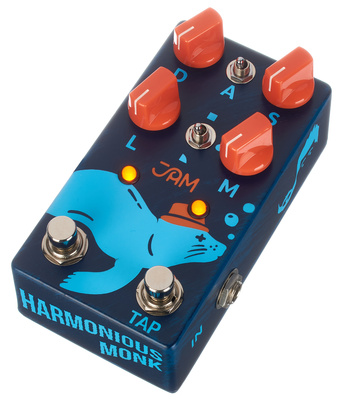
Jam Pedals Harmonious Monk MKII
The Jam Pedals Harmonious Monk MKII* is where boutique craftsmanship meets endless tremolo character. Its fully analog harmonic tremolo circuit offers three LFO shapes and a switchable harmonic/amplitude mode. With added headroom and internal EQ trims, it’s voiced for players who care about nuance and touch.
It offers a couple of unique takes on tremolo, including tap tempo with ramping and speed multiplication, and a chop (kill-dry) option. If you’re after organic movement with boutique flair, this handmade Greek stompbox is one of the best tremolo pedals to consider.

Strymon Flint V2
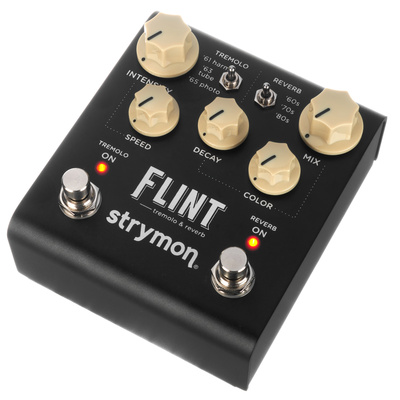
The Strymon Flint V2* blends classic tremolo with studio-grade reverb. Its three tremolo modes (Photo (’65-style), Tube, and Harmonic) cover the full vintage spectrum, while the matching ’60s, ’70s, and ’80s reverbs add depth. Both effects can also be used independently or reordered.
The Flint V2 additionally offers full MIDI via TRS or USB-C, up to 300 presets, expression control, and high-end converters driven by a powerful ARM processor. However, in true Strymon fashion, it never feels clinical or lifeless: the JFET analog frontend keeps the response warm and amp-like. If you’re looking for timeless tremolo tones with future-proof control, the Flint V2 easily earns its place at the top tier of the best tremolo pedals.

Origin Effects Deluxe 61 Tremolo & Drive
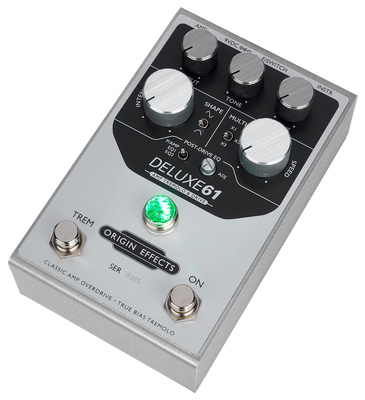
The Origin Effects Deluxe 61 Tremolo & Drive* takes a different approach from most entries on this best tremolo pedals list by recreating an entire vintage amp circuit rather than just the effect itself. Based on a coveted early-’60s Fender brownface design, it combines true bias tremolo with an authentic analog drive stage, complete with a push-pull output section and reactive load. The result is a pedal effect that breathes and pulses like a real amp.
You can push the front end for gritty breakup, then let the tremolo modulate the entire signal just like the original amps did, with tap tempo and external switching bringing it into modern workflows. For players seeking true amp-style tremolo with character and depth, the 61 is among the most authentic and ambitious tremolo options available today.

Conclusion
As always with our best-of lists, now is your turn. What tremolo pedal do you swear by? Which secret weapon did we forget? Also, what song made you fall in love with this amplitude effect? Let us know in the comments!
FAQ – Best Tremolo Pedals
What does a tremolo pedal actually do?
A tremolo pedal modulates volume, creating a pulsing effect that ranges from subtle movement to hard, rhythmic chopping.
What’s the difference between standard and harmonic tremolo?
Standard tremolo raises and lowers the full signal volume, while harmonic tremolo splits the signal into two to three frequency bands and modulates their amplitude differently.
Do I need tap tempo on a tremolo pedal?
Tap tempo isn’t essential for classic amp-style tremolo, but it can be useful if you play rhythmically locked parts or use backing tracks.
Can tremolo pedals cause volume drop?
Yes, since tremolo lowers volume by design, some pedals can feel quieter. Because of that, many of the best tremolo pedals include volume compensation or boost controls.
Where should a tremolo pedal go in the signal chain?
Tremolo usually works best near the end of the chain, after overdrive and modulation, so it affects the full signal.
*Disclaimer: This post contains affiliate links and/or widgets. When you buy a product via our affiliate partner, we receive a small commission that helps support what we do. Don’t worry, you pay the same price. Thanks for your support!

This might also interest you
2 responses to “The 9 Best Tremolo Pedals for Any Budget: Vintage Pulses and Modern Vibes”

I have been playing for 60 years and only one pedal fell within my budget. My Behringer Tremolo can match the sound of the Tube trem in my 1964 Epiphone. It can match the tone of my old self built Heathkit rig I used for 40 years on stage with the photo-optic base. And it cost me $30. I’d try the Choka at that price which sounds similar to the Behringer, and I have used TC Helicon stuff before. I know that every budget level should be covered, but only one at the lover end? Guys, get off the monetary exclusivity kick. If you wonder why more younger players are not emerging, maybe we give the impression that image is more important than getting the job done
I’m big on tremolo and I’ve owned most of these at some point. The truth is you get what you pay for. The Origin Effects RevivalTrem (Deluxe61) is the best classic Fender-style trem hands down. Totally organic and reacts just like the real thing. That would be my quality pick for the real aficionados. Another quality high-end option is the Effectrode Delta Trem, which is tube-driven, lush and organic, but a bit impractical for gigs and can be finicky with the power supply.
The Flint will get you most of the way there and has some more diverse options and useful reverbs. One of the best do it all pedals for classic amp effects. All of the tremolos are quality, but be aware that the short tank spring verb isn’t going to surf if that’s your thing.
Jam is a great option for the analog purists, but a difficult price point. I’d instead recommend a bargain sleeper, the Fender MTG, which is an actual tube-driven tremolo that you can get for about $100 on the used market and it compares well to the best of the best. The TR-2 is also classic, but I’d mostly go with that if using other Boss pedals.