One-Trick Pony Studio Devices That Are Actually Brilliant
Studio gear that developed a reputation for a singular purpose.

One-Trick Pony Studio Devices That Are Actually Brilliant · Source: Make Noise Pro Audio

We look at pieces of recording and production gear that fall into the category of one-trick pony studio devices, but may be more useful than you think.
In this Article:
Recording studios may have evolved considerably over the years, but there are always specific pieces of equipment on which we continuously rely for a singular task. Throughout the 1980s, for example, engineers used Drawmer gates for their incredibly fast and precise characteristics, even alongside the SSL 4000 series consoles which had gates on every channel.
Today things are different, of course, as even a basic DAW system comes with most, if not all, the tools you need for record production and mixing. However, even in this DAW-based workflow, there are still specialized tools we use in particular areas, be it in the tracking or mixing phases of the music production process.
One-Trick Pony Studio Devices: Transient Designer
The SPL Transient Designer first emerged in the late 1990s, using Differential Envelope Technology (DET) to control the attack and sustain of a signal. The development of this concept was one of the early exploits of a young engineer named Ruben Tilgner, who went on to establish the premium audio brand we know today as elysia.
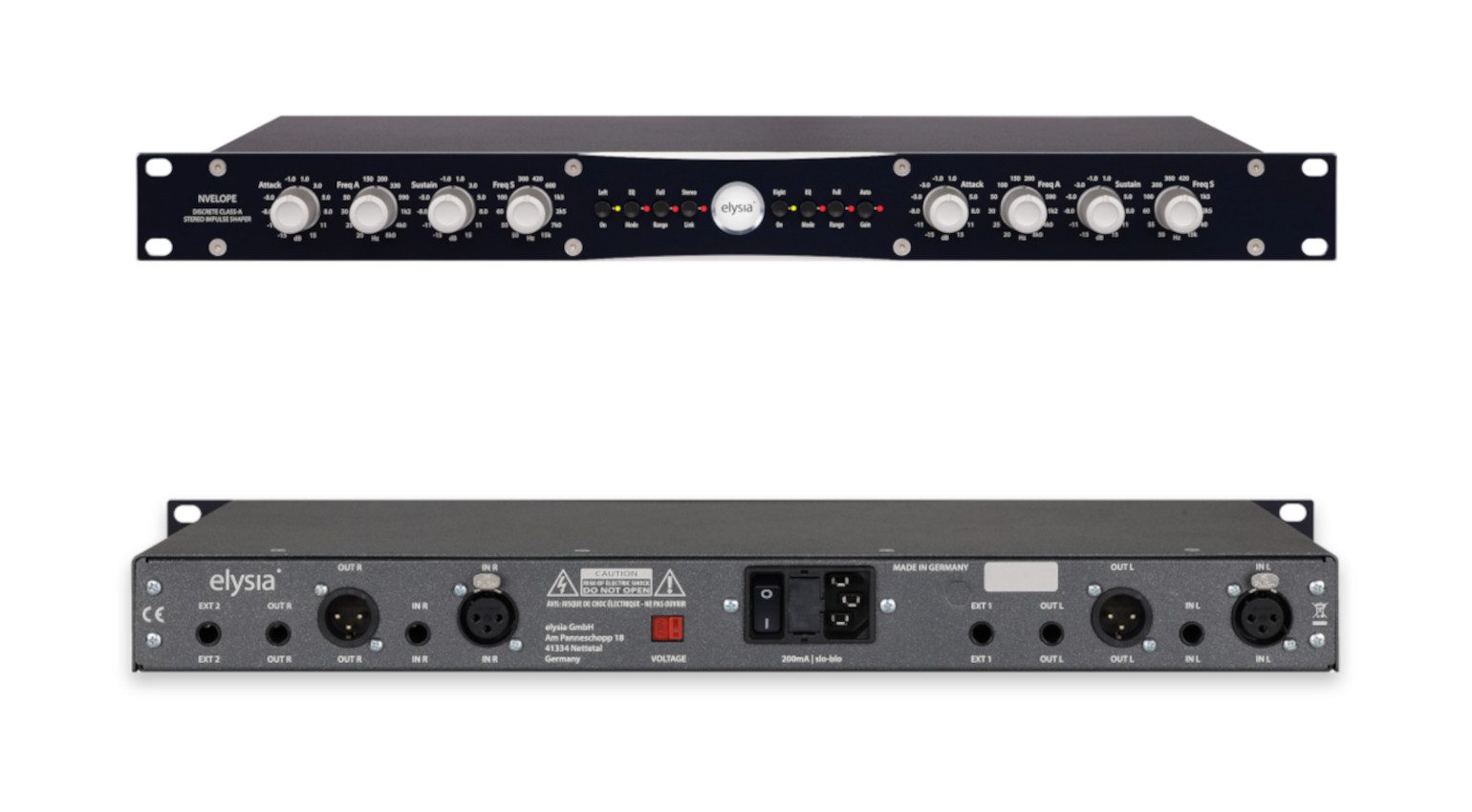
The system used a pair of automated envelope followers which adapted automatically to the input signal, allowing you to shape the envelope without requiring a threshold control like a compressor. At the time when the Transient Designer was launched, engineers were still heavily reliant on compressors, expanders, and gates for dynamics shaping.
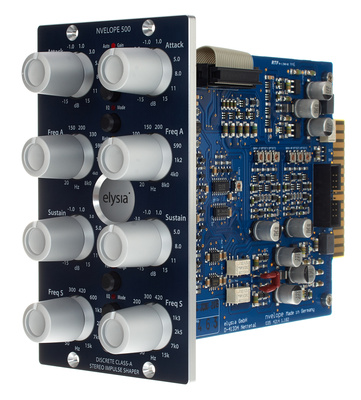
This meant that although it’s a rather niche application, a Transient Designer could save you the time spent tweaking two or three other processors, instead of targeting the sound envelope directly. Tilgner later expanded on this concept, and in 2012, elysia launched the nvelope, which added dual-band functionality and auto-gain for a wider range of applications.




One-Trick Pony Studio Devices: De-Esser
The idea of frequency-dependent level control is certainly not a new one. In fact, some of the earliest forms of de-essing were used in the film industry in the 1930s to control harsh sibilance on dialogue tracks. Years later, in the 1950s and 1960s, de-essers found their way into the vinyl mastering and cutting process, where limiting high frequencies protected cutting heads and vinyl playback.
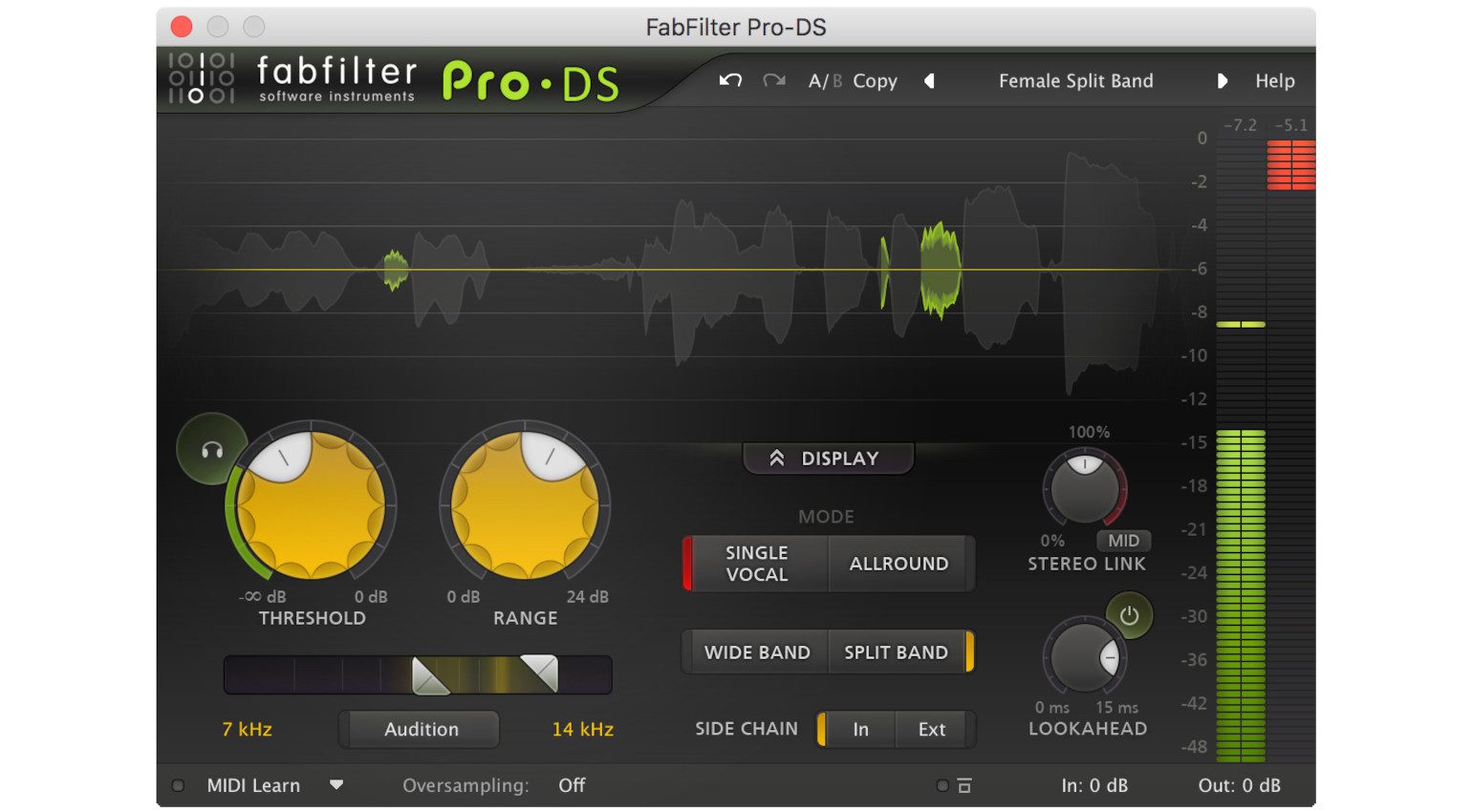
Over the course of the 1970s and 1980s, de-essers became essential parts of the record production workflow, with notable examples like the Orban 516EC and the dbx 902 being adopted before SSL made de-essing functionality standard on all channels of the 4000 series consoles. Today, we have a staggering amount of de-essing solutions available in software format.
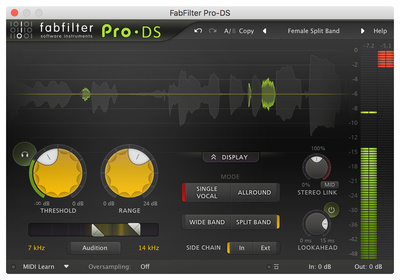
Besides the tried-and-tested clip gain method and a vast range of plugins like FabFilter Pro-DS, there are also advanced spectral editors for targeting sibilance and other unwanted artifacts, such as iZotope Ozone and Steinberg SpectraLayers. This allows you to treat vocals and other recordings, like taming cymbals in drum overheads.

One-Trick Pony Studio Devices: Shure Level-Loc
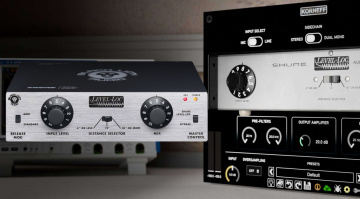
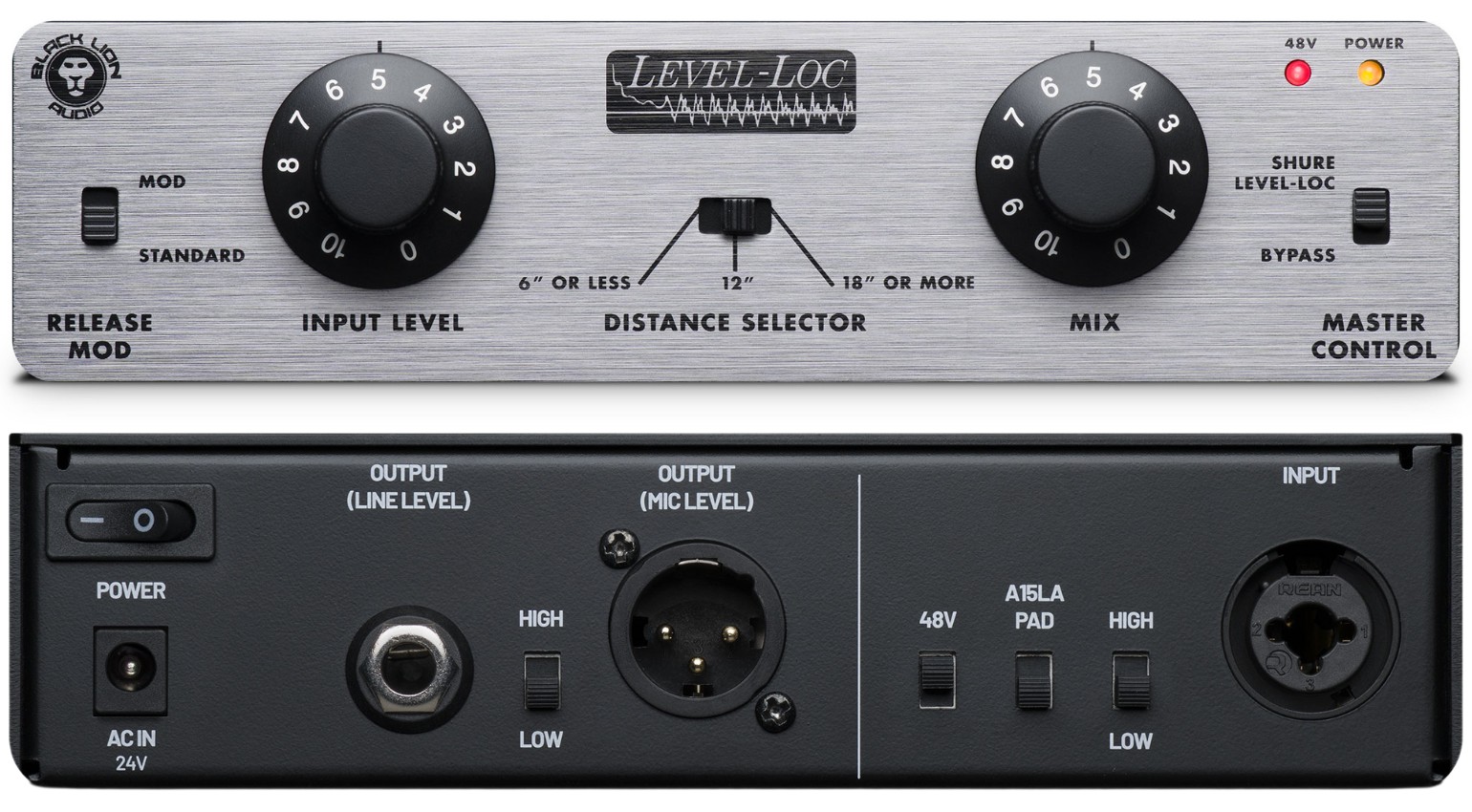
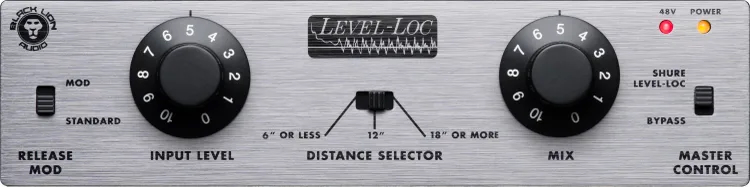
Introduced in the late 1960s, the Shure Level-Loc was originally an affordable and portable brickwall limiter designed to protect PA systems from sudden signal spikes. Initially, the unit dealt with microphone-level signals exclusively and had a Distance Selector switch to get a consistent signal from a speaker who wasn’t at an optimum distance from the microphone.
A decade later, automatic gain control became a feature in live sound gear, so the Level-Loc was discontinued and became a neglected flea market special, until it was discovered by engineer Tchad Blake in the 1990s. Since then, from Tom Waits to Tame Impala, we’ve enjoyed the magic that the Level-Loc brings to drum recordings.
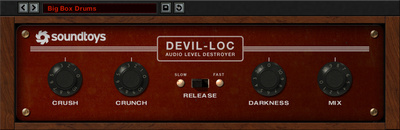
Its fast-acting, signal-dependent compression makes it an easy tool to use, whether you’re an experienced engineer or not. Today, you can access decent emulations of the Level-Loc in the form of some excellent plugins from Soundtoys and Korneff Audio. Meanwhile, Black Lion Audio has decided to remake this classic as a hardware unit with a few modern tweaks.

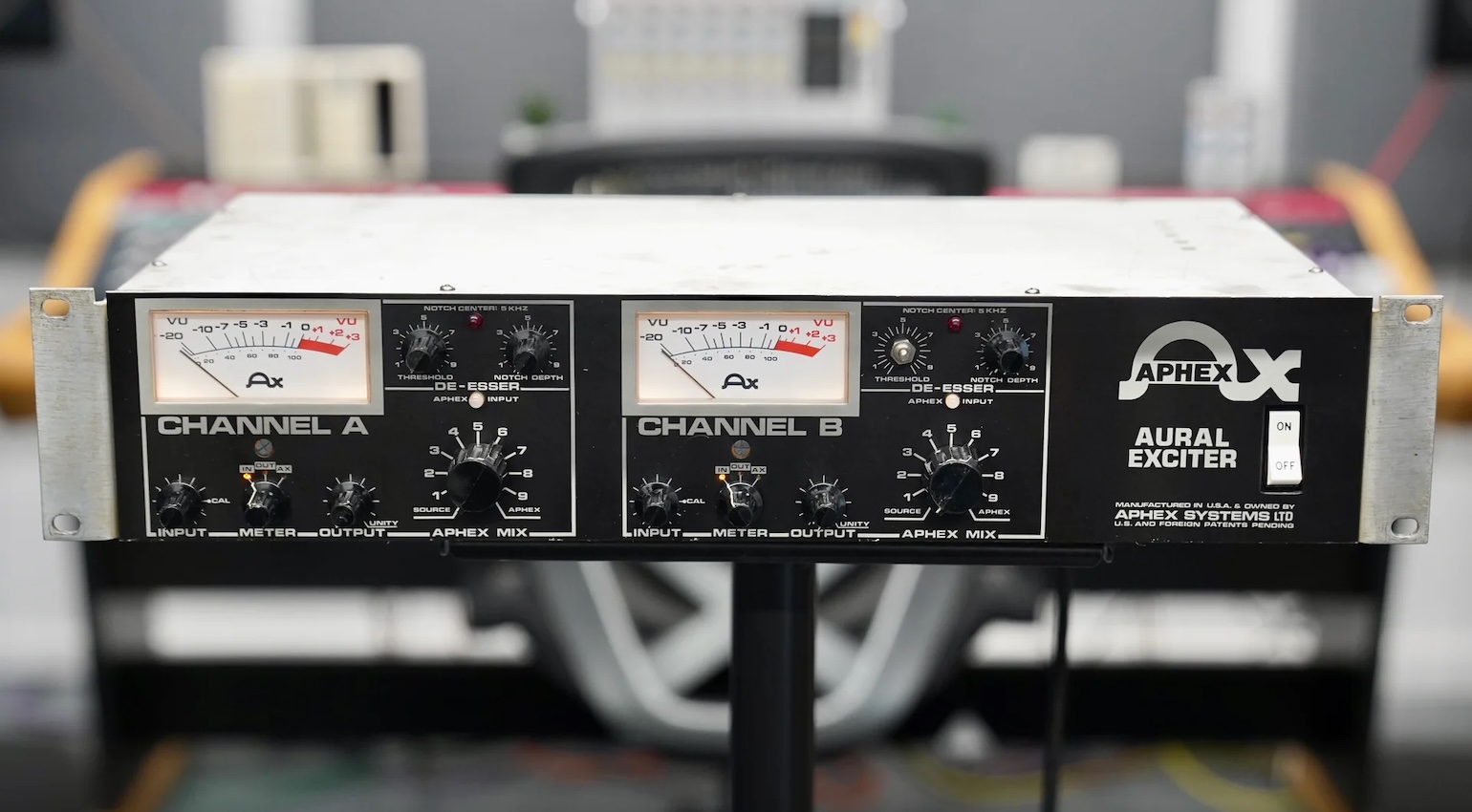
One-Trick Pony Studio Devices: Aphex Aural Exciter
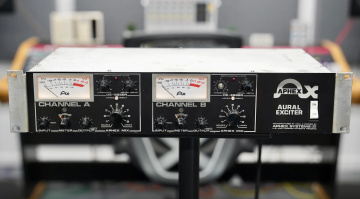
The Aphex Aural Exciter is an unlikely industry standard that first appeared on the market in the mid-1970s. This now legendary audio processor was actually born out of an engineering mistake when the designer Curt Knoppel was putting together a Heathkit tube amplifier kit. Through miswiring one of the channels, the tubes received a massive voltage deficit, which created insane amounts of distortion.
However, when this distorted signal was blended with the original clean signal, the sound became thicker, brighter, and instantly more intelligible. Well, the rest, as they say, is history, and Knoppel felt he had something special on his hands and later founded Aphex Systems with Marvin Caesar to market the effect to the world.
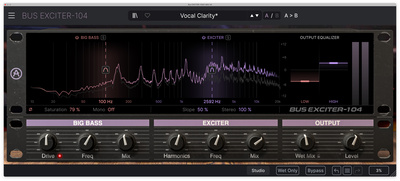
Naturally, the sonic character of modern music has changed considerably since the 1970s and -80s, so the Exciter sound isn’t quite as en vogue as it once was. Meanwhile, the concept of using blended saturation to enhance a mix remains, and you can find impressive saturation devices from companies like Thermionic Culture, Looptrotter Audio Engineering, and GainLab Audio, as well as an impressive Aural Exciter plugin from Arturia.

One-Trick Pony Studio Devices: Eventide Harmonizer
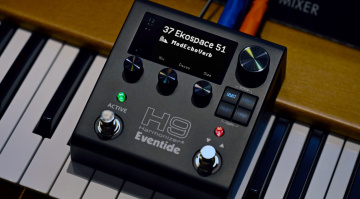
While the Eventide Harmonizer is known ubiquitously as a multieffects processor, it began as the world’s first commercially available digital effects processor in the mid-1970s with one purpose: pitch shifting. Designer Tony Agnello’s original idea was to allow vocalists to harmonize live with the help of a keyboard controller.
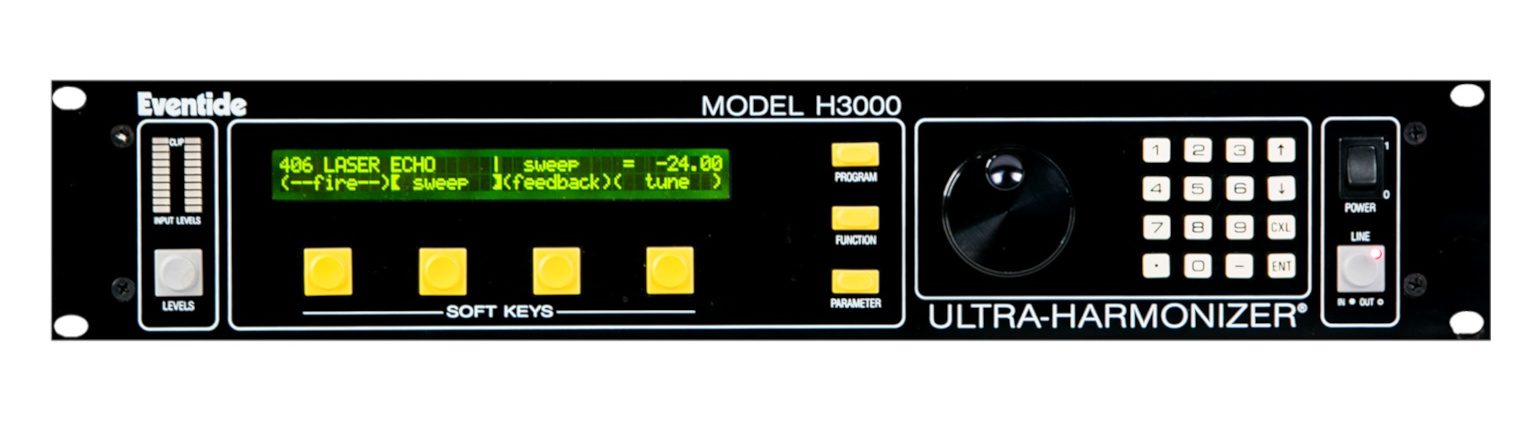
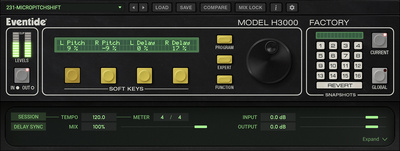
However, things changed with the release of the H949 in 1979, with its more transparent algorithm and a setting called MicroPitch, which would become a standard for studio vocal production. The reason it caught on is that it created a wide stereo image from a single mono lead vocal track, almost like a unison detuning effect, except astonishingly clean and transparent.
Throughout the 1980s, the Harmonizer’s “secret vocal trick” made even average singers sound larger than life and saved hours of studio time that might have been spent recording and layering overdubs to achieve a similar effect. While there are many ways to achieve similar results in your DAW today, there are still excellent plugin recreations of the Harmonizer effect from Soundtoys and Eventide.

More about One-Trick Pony Studio Devices:
*Note: This article contains affiliate links that help us fund our site. Don’t worry: The price for you always remains the same! If you buy something through these links, we receive a small commission. Thank you for your support!

This might also interest you