
5 Forgotten Synths: Lost to Time
Sad and Lonely Synthesizers from Roland, KORG, Alesis, EML and More

 5,0 / 5,0 |

Not every synth can be a classic. For every CS-80 and Jupiter-8, there are countless that, while not bad, never make it into the musician collective unconscious. These are five of those forgotten synths.
5 Forgotten Synths
Synths Lost to Time
A lot of synthesizers have been released over the decades. Even if we start with Moog modulars in the 1960s, we’re still talking thousands. And with the number increasing all the time thanks to growing interest, manufacturing prowess and lower prices, it’s staggering to think just how many music-making machines are born every year. It stands to reason then that not every synthesizer will be remembered. That doesn’t even mean that they’re bad, they just didn’t filter down into collective memory.
Today, let’s celebrate some of these forgotten synths, ones that still deserve our attention and love. Of course, I fully concede that you may still remember (and even use!) some of the ones on this list. They just don’t get mentioned as often as their contemporaries.
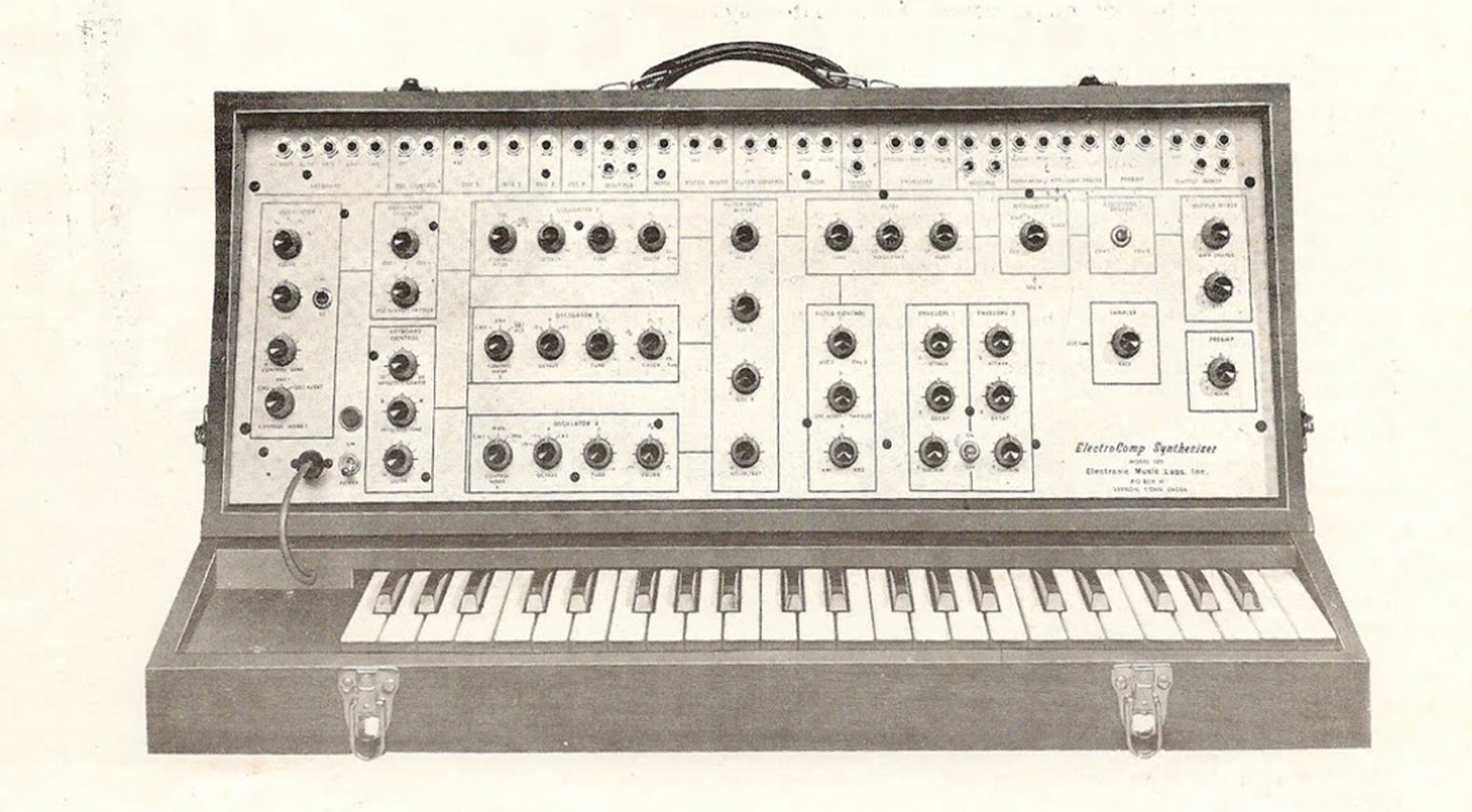
Forgotten Synths: EML ElectroComp 101
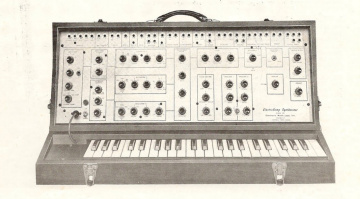
The two best-known American synth companies of the early 1970s are Moog and ARP, but there were more, just operating on a smaller scale. One of them was Electronic Music Laboratories, or EML. They made a few different synths in the first half of the decade, including the ElectroComp 101.
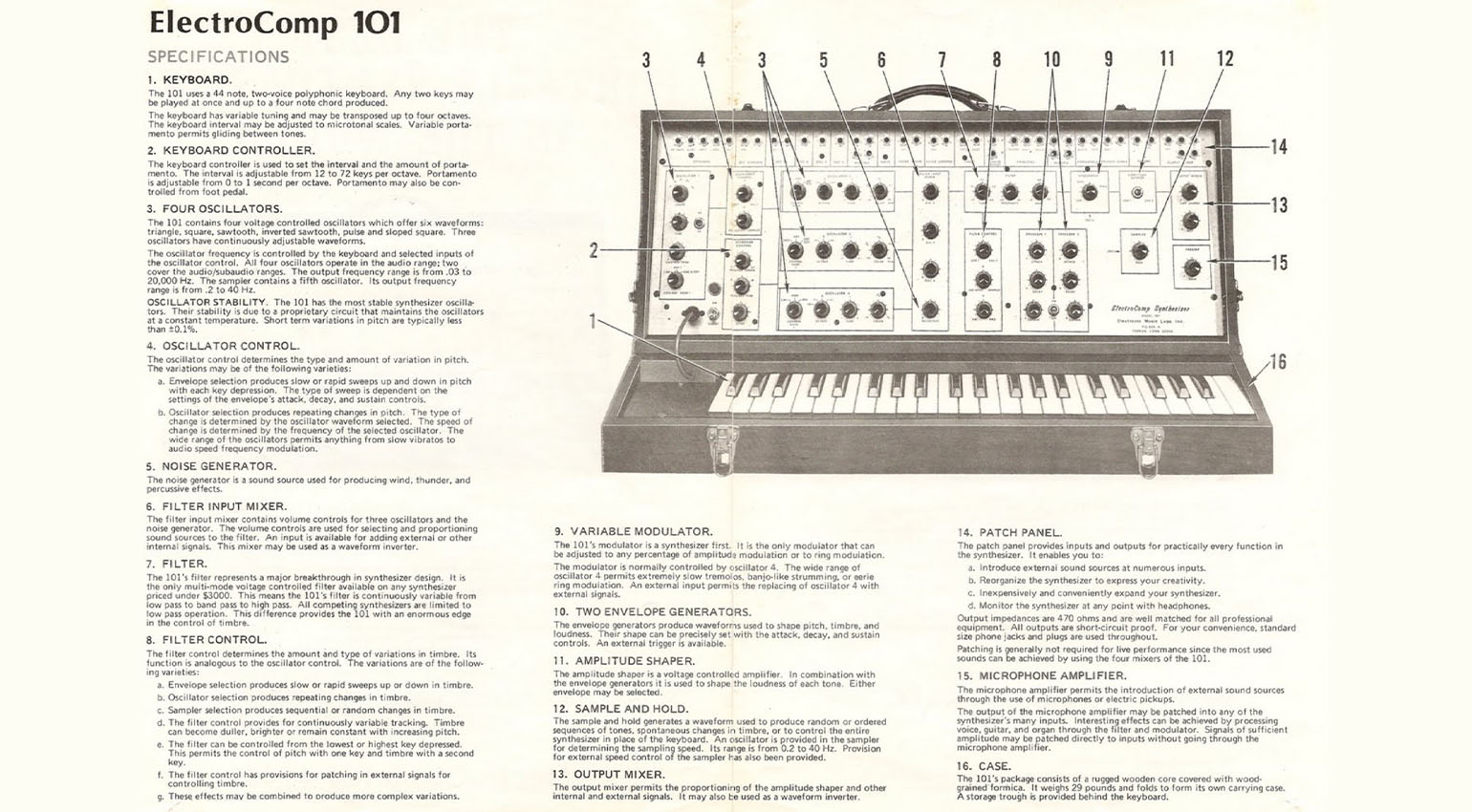
Semi-modular (and possibly even predating the ARP 2600), the 101 included four oscillators, a multimode filter, two envelope generators, duophonic voicing, and those patch points. It had a sound distinct from other synths of the time, raw and powerful. You can hear it put to good use on tracks by The Octagon Man, who also featured a picture of the synth on one of his album covers.
The ElectroComp 101 is exceedingly rare. Recently, Denver Synth Labs made a soft synth emulation of it. Check it out and keep the 101’s memory alive.
Forgotten Synths: Gleeman Pentaphonic
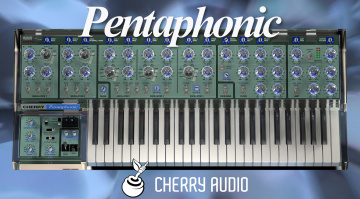
A decade after EML produced the ElectroComp 101, a company called Gleeman based out of Mountain View, California (just up the road from where Dave Smith and team were making Prophets) developed a polyphonic analog synth with a twist. Well, a few, actually. For one, it had DCOs, not VCOs, still relatively unusual in 1981. The other is that some models came in a transparent case. I saw one once at Five G in Tokyo, and it’s a real beauty. You’d think something so striking wouldn’t get forgotten.
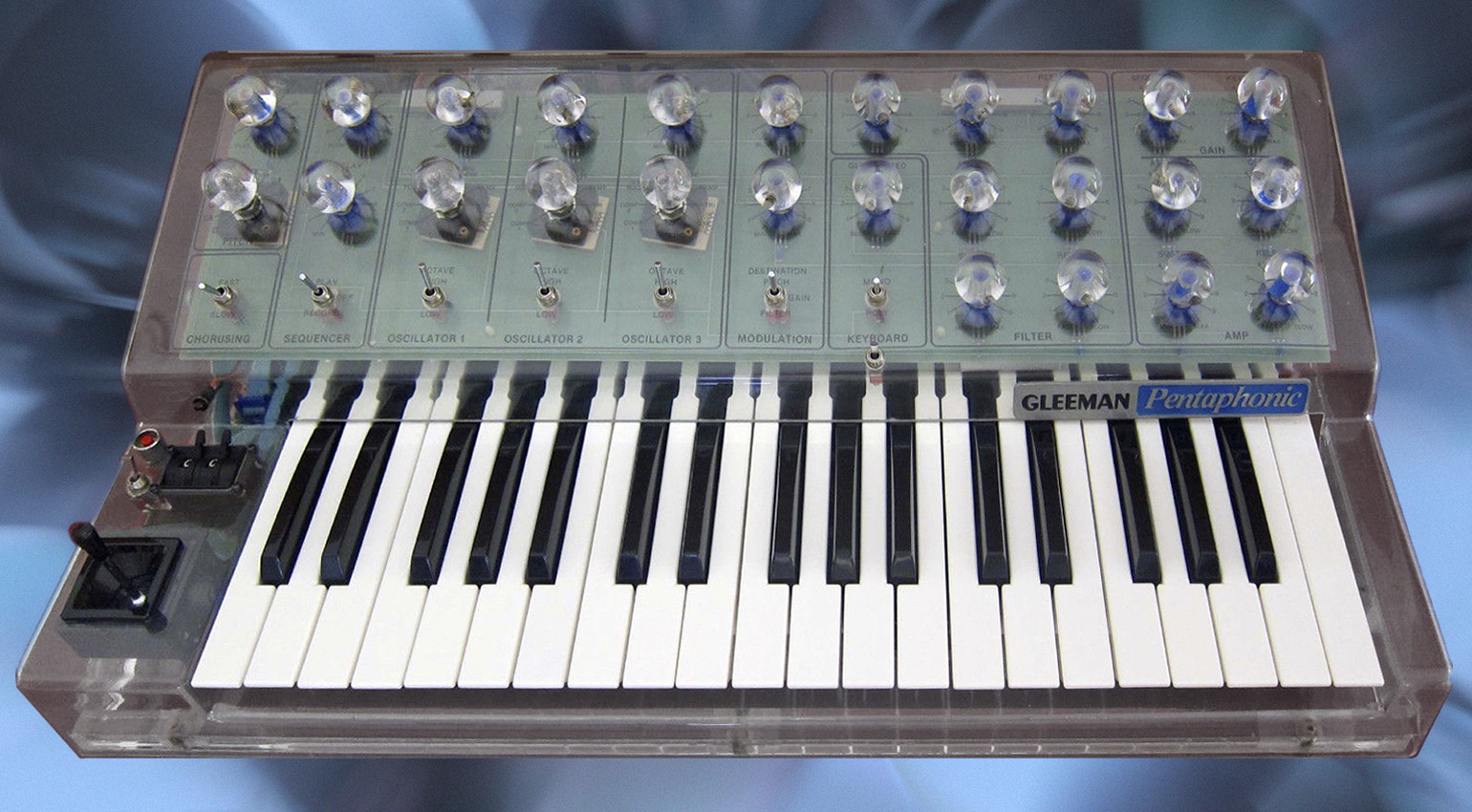
Just this year, Cherry Audio – who are no strangers to emulating obscure synths – did their thing and brought the Gleeman brothers’ creation back to life. Called Pentaphonic, it lets the other Silicon Valley five-voice synth live again.
Cherry Audio Pentaphonic is available from Thomann*.


Forgotten Synths: Roland MKS-7 Super Quartet
It’s hard to think of a better-known single-oscillator Roland poly than the Juno-106. With its beautiful sound and wide sweet spot, it’s arguably surpassed only by its older sibling, the Juno-60. Funny, then, that the rackmount version – which is actually more powerful – should be so unknown.
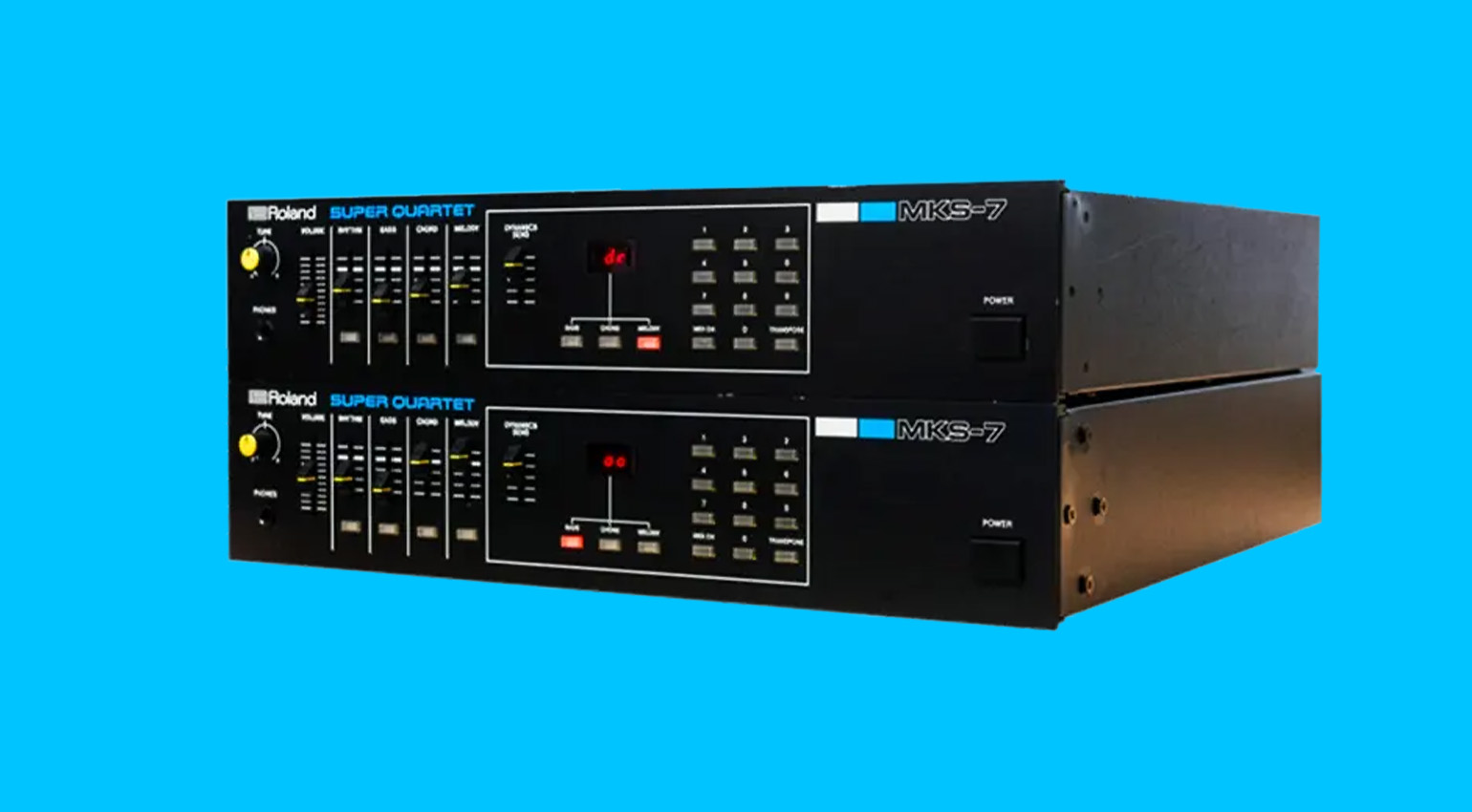
In the mid-1980s, Roland took advantage of the power of MIDI and released a series of rackmount synths. Although many were based on keyboard models, the company gave them unrelated-sounding names. For the 106, the keyless model because KMS-7 Super Quartet. Nothing Juno-sounding about that at all!
Except it is a Juno. Well, actually three of them. The multitimbral box gives you access to three levels of Juno sound: a two-voice polyphonic melody section, a four-voice chord section, and a monophonic bass one. In addition, there’s a complement of drum sounds borrowed from the TR-707. Sounds like heaven, right? And yet such a forgotten synth.
If you can find an MKS-7 on the market, make sure it’s had its voice chips changed, as they suffer from the same failures as the 106. Or skip the hassle and get UVI’s Super-7, a sample set for UVI Player or Falcon.
UVI Falcon is available from Thomann*.

Forgotten Synths: KORG T1
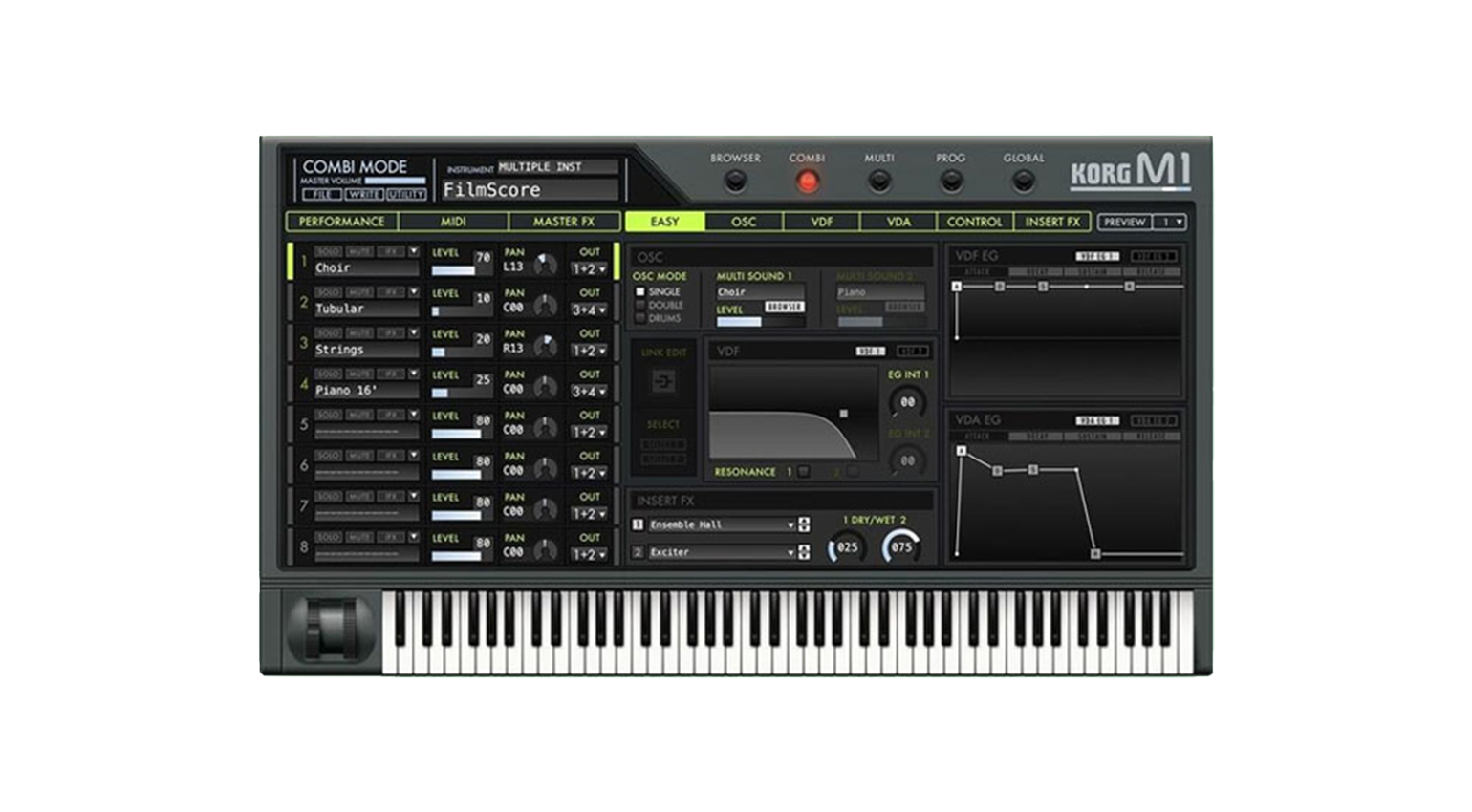
Everyone knows the M1. KORG’s 1988 workstation changed the sound of popular music with its sample-synthesis-based synth. The fact that it had drum sounds and a sequencer too made it all the more popular. The next synth series of note from the company was the 01/W, but this was not, in fact, the M1’s successor. That was the T1.
Really more of an M1 upgrade, the T series came in three variations: the now standard triumverate of 61 keys (T1), 76 keys (T2) and 88 keys (T3). All had better keybeds than the M1. Although it had essentially the same synthesis engine, KORG blessed them with 16MB of ROM. Think of the line as M1 Premium.
People who have owned a T1 crow about its great keybed. But if all you want is M1-style organs and piano, the original (or even the software) will do you fine.

Forgotten Synths: Alesis Ion
The 1990s saw virtual analog take over the synth world in a big way. Today, we remember Roland’s JP-8000, the Nord series, the KORG microKORG, and a handful of others as the best VA machines. But there’s one that often gets left out of the conversation, and that’s Ion from Alesis.
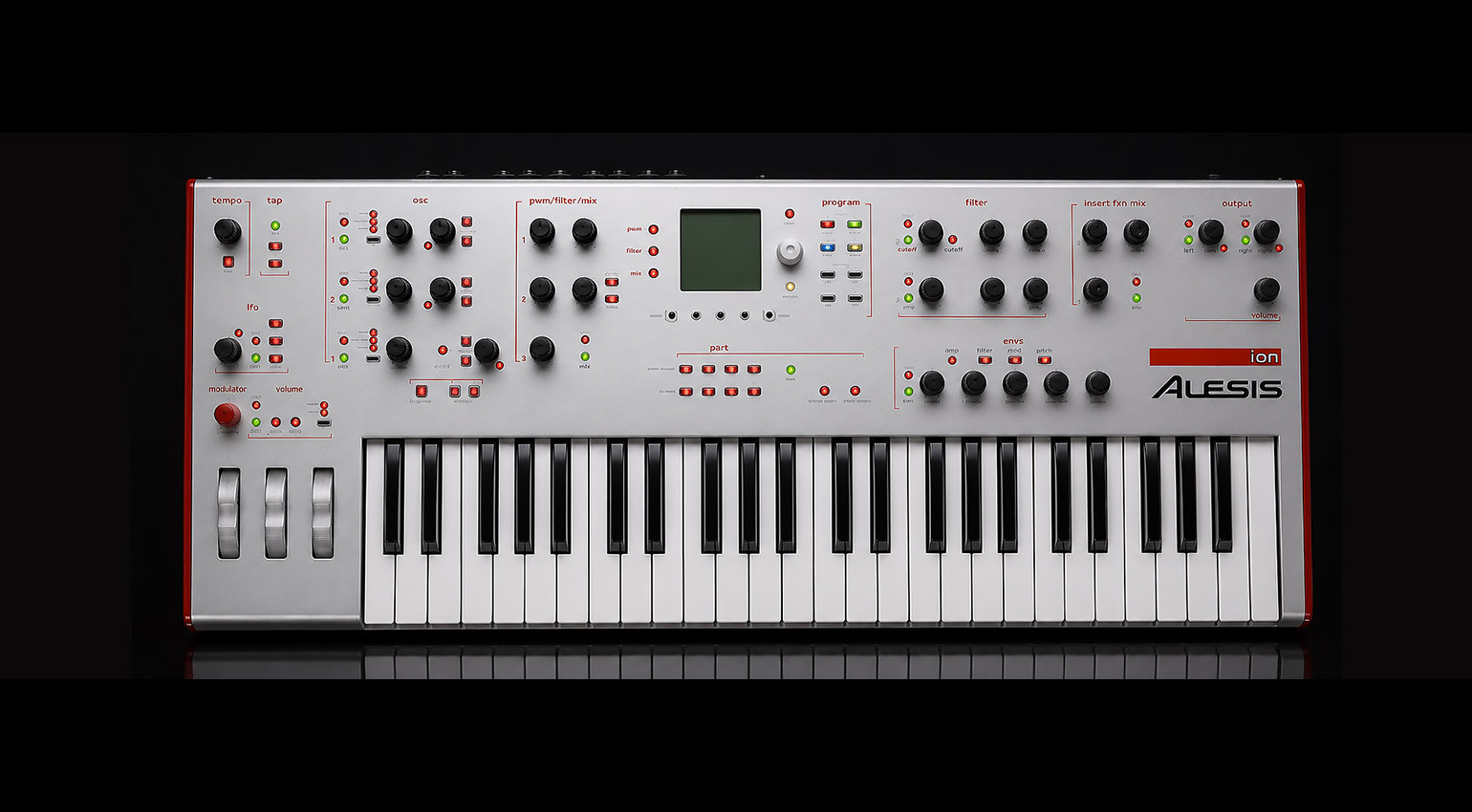
Released not long after the (much better known) Andromeda A6 (which recently got emulated splendidly), Ion boasted a selection of filter models emulating those of classic synths like the Minimoog, SEM and TB-303. This is par for the course now, but special in 2003. It also offered formant and comb filters – again, cool new stuff at the time.
The Ion doesn’t come up for sale so often, but its cut-down little brother, the Micron, does. It has almost the same engine, just in a smaller package that sadly has fewer controls. If you get a Micron, you may want an editor. Oddly, in 2009 AKAI put the Micron’s engine into a different chassis and called it the MINIAK. Also forgotten, and perhaps for a good reason.
More Information
- More about synthesizers
- Buy synthesizers at Thomann*
*Note: This article contains advertising links that help us pay for this site. Don’t worry: the price for you will always be the same! If you buy something through these links, we will receive a small commission. Thank you for your support!

This might also interest you


One response to “5 Forgotten Synths: Lost to Time”

According to Contemporary Keyboard Magazine (Later shortened to Keyboard), Steiner~Parker was once the fastest growing synth manufacturer. Mark Vail interviewed Nyle Steiner about the Synthocon which really sits this list. The EVI and the EWI were wind controllers reminiscent of trumpets and woodwinds. The Master’s Touch expanded the capabilities of keyboard synths.