Creative Mix Tools For Breaking The Rules
Flexible signal processors for a wide range of mixing applications.

 2,8 / 5,0 |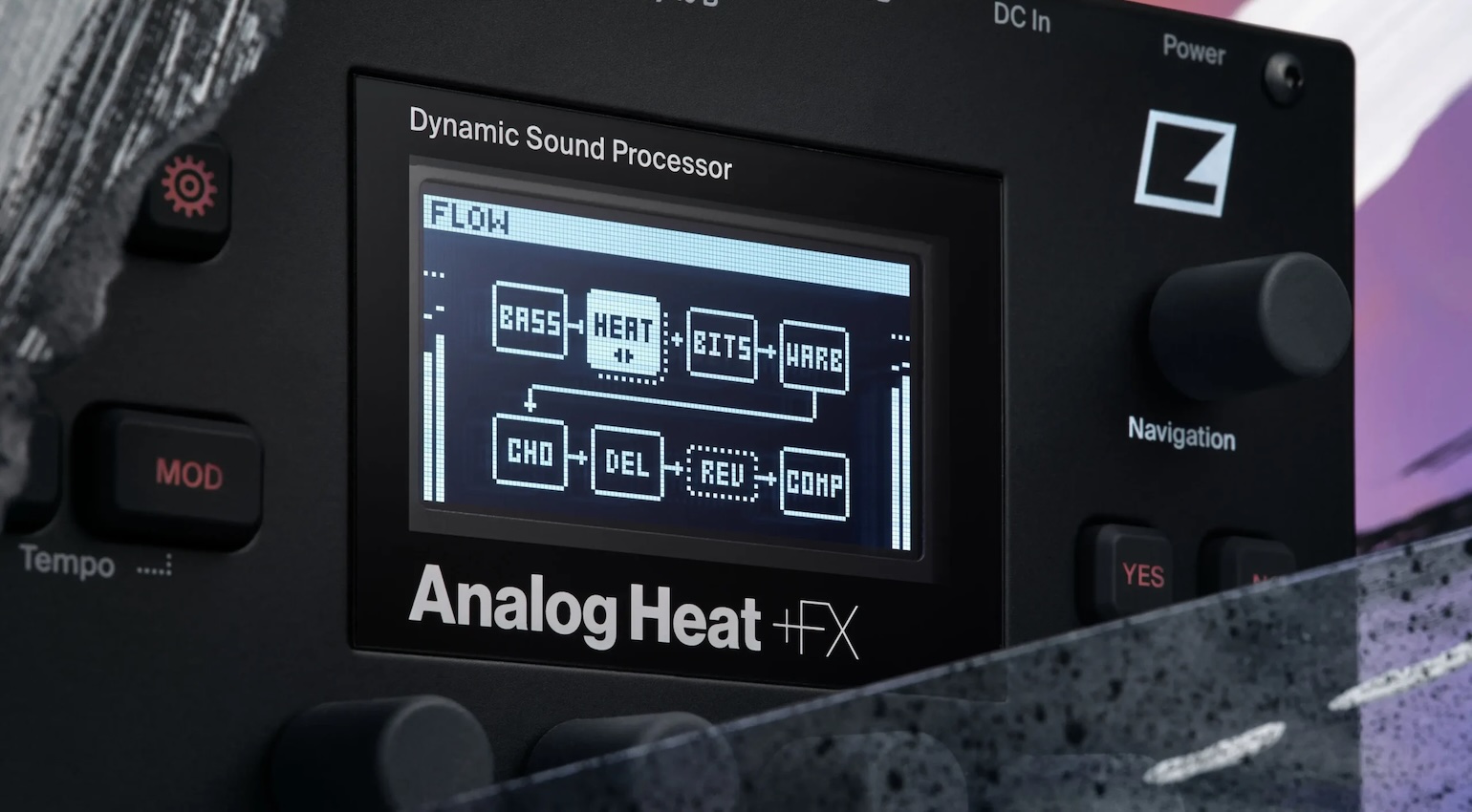

We explore creative mix tools that give you the freedom to break out of the traditional mold when it comes to signal processing and sound shaping.
In this Article:
Naturally, every mix engineer has a particular methodology and workflow in terms of how they approach a mix. Regardless of the genre, there are core techniques that will be used for dynamics and tone-shaping to lay a solid foundation. However, what happens when the mix needs a little extra magic, or a creative spark leads you to do something out of left field?
We’re discussing a range of gear that you can turn to when you want to do something slightly unexpected with a particular sound. This could involve adding broad and colourful EQ boosts, an overdose of saturation, or setting your compressor to absolutely destroy a drum bus. Here are some tools that do what they are supposed to do, and then some.
Creative Mix Tools: Soundtoys
While the term “desert island” doesn’t hit quite the same when we’re talking about plugins, if there is one plugin bundle you should have alongside your bread-and-butter essentials like FabFilter and Soothe, it’s undoubtedly Soundtoys. If you look around, you can find thousands of plugins that mimic the sound and processing behaviour of classics like the 1176, LA-2A, or Pultec EQP-1A.
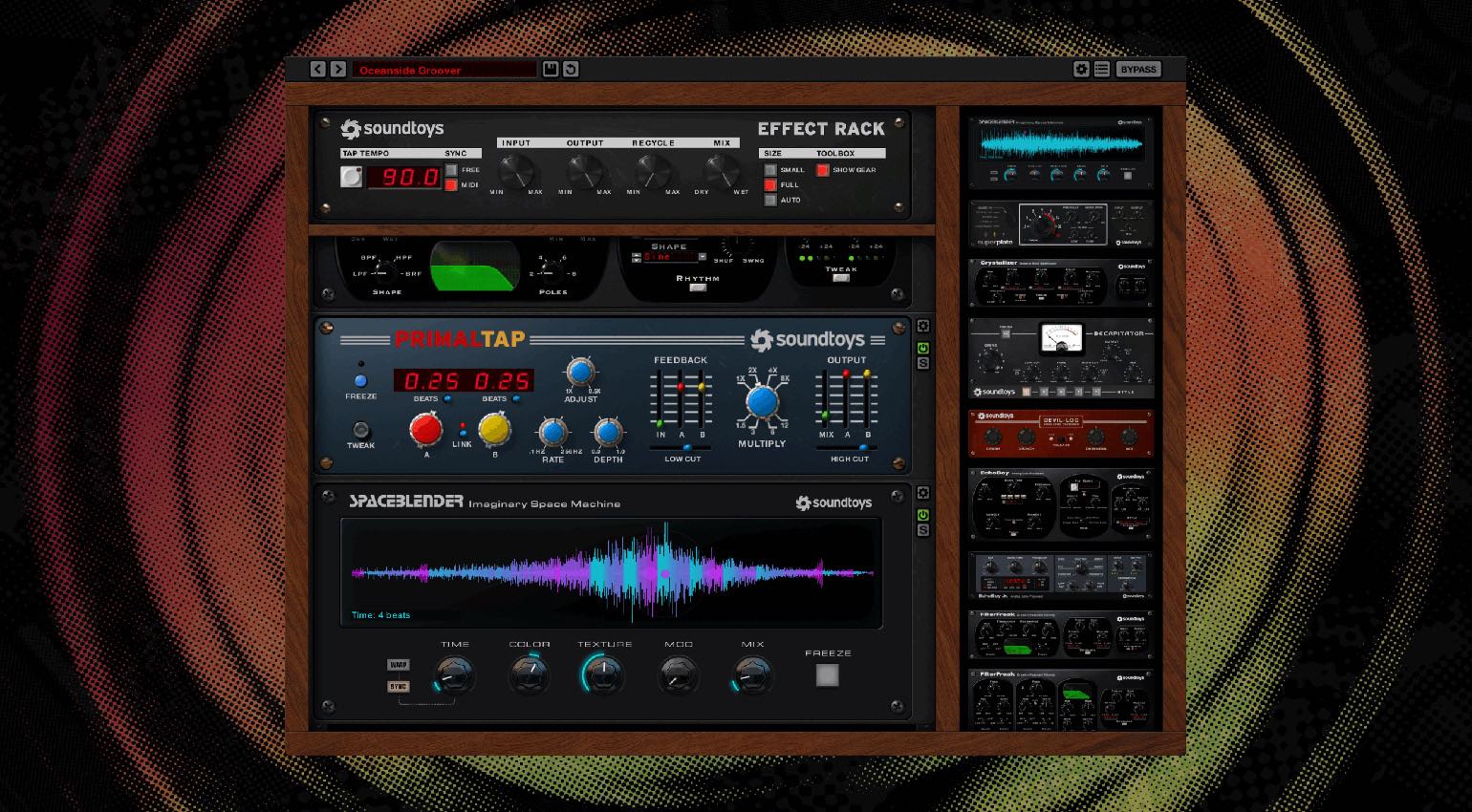
However, while most of these plugins might have excellent sound quality and produce great results, they simply don’t give you the freedom to make those little creative mistakes that can really bring the mix to life. This is where the Soundtoys bundle really excels, and there are individual plugins that combine fluid interfaces with excellent analog modeling, as well as ways to combine multiple processors.
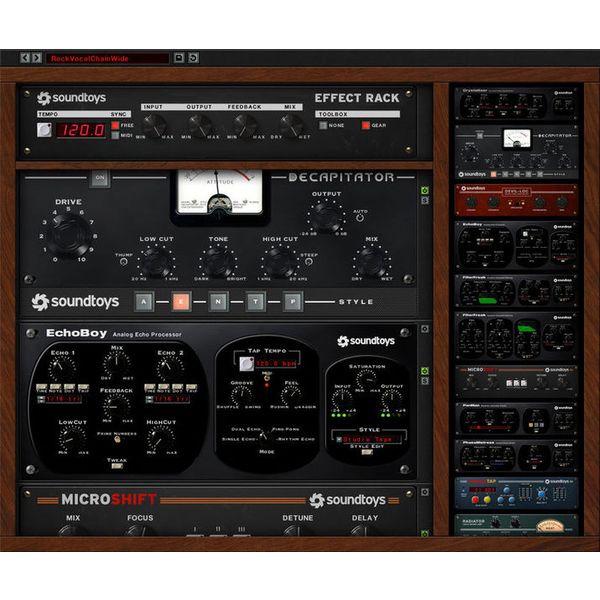
From classic tape echoes and plate reverbs to transformer saturation circuits and vintage digital effects, Soundtoys has a well-rounded collection of 23 signal processing tools that are likely to find their way into every DAW session, and the useful Effect Rack lets you create and recall entire chains in just a single plugin instance, which saves on clutter.



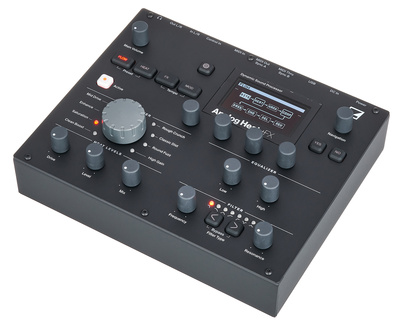
Creative Mix Tools: Elektron Analog Heat +FX
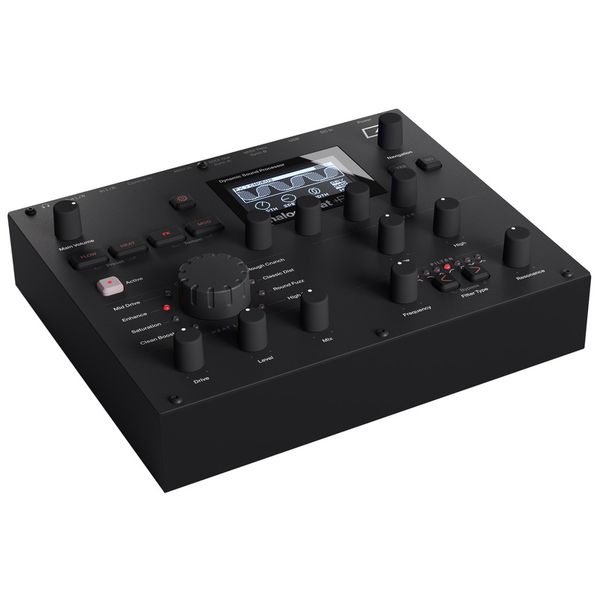
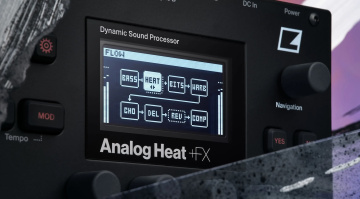
Even in clean and pristine RnB mixes, there is always room to add color and texture to elements like falsetto vocals for contrast and depth. The Analog Heat +FX is a stereo hybrid effects box with a choice of eight analog character circuit types, a resonant multimode analog filter, a 2-band analog EQ, and a DSP effects engine with eight digital effects algorithms.
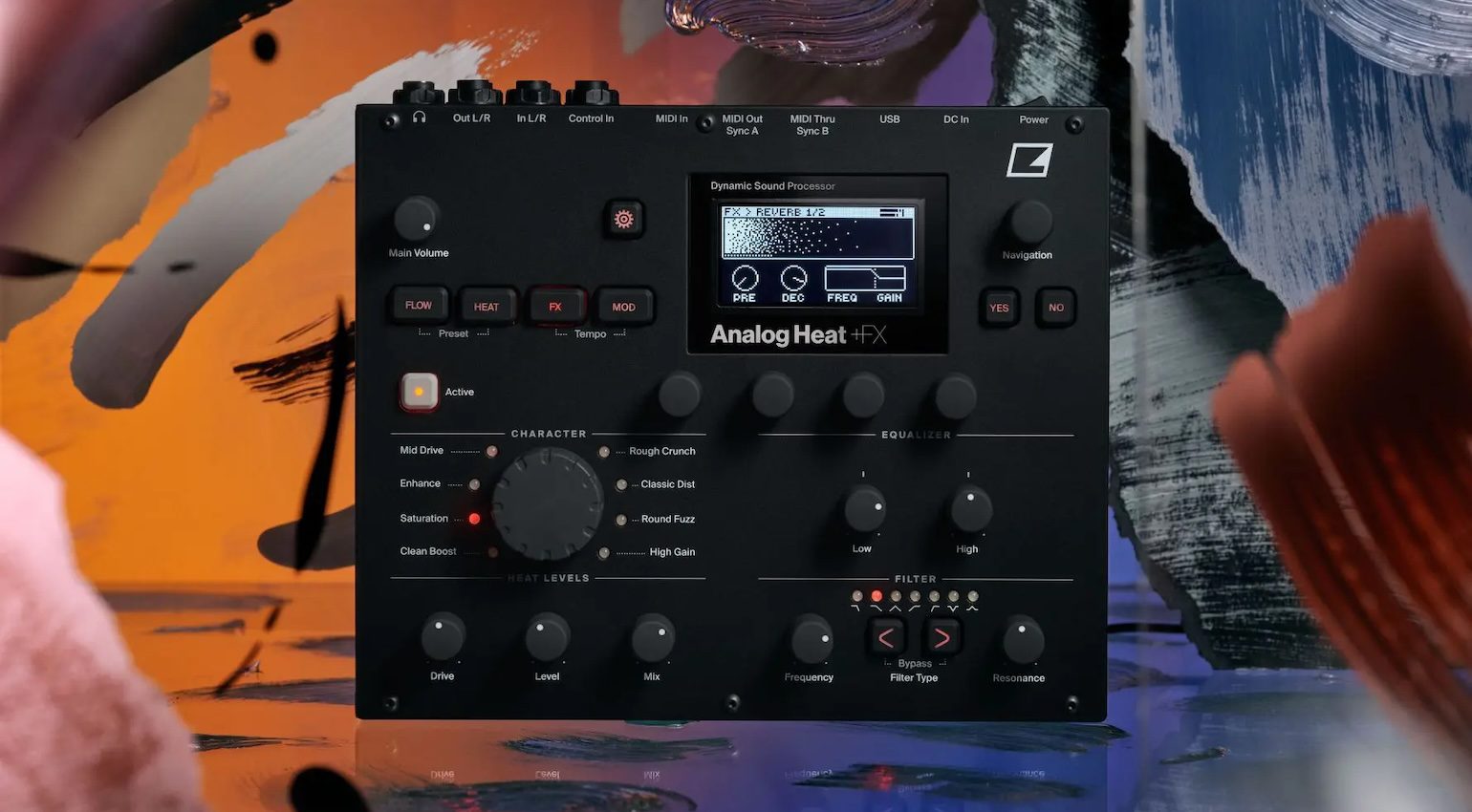
The beauty of the Analog Heat is how easy it is to incorporate into your DAW workflow with Elektron Overbridge, which allows you to use a plugin interface to send signals from your DAW via USB. In addition, there is bi-directional control, so you can automate your effects and then precisely tweak each automation lane in your DAW.
The analog circuit types include a console-like clean boost, tape saturation, tube enhancer, midrange overdrive, gritty textural clipping, classic solid-state distortion, fuzz tone, and aggressive high gain. Overall, the Analog Heat provides a very versatile effects platform, whether you use it for parallel channel sends or bus processing.

Creative Mix Tools: Rupert Neve Designs 542
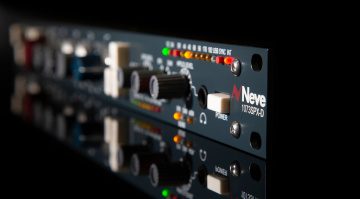
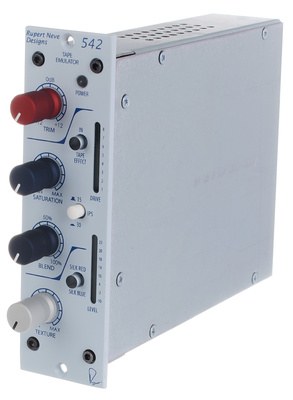
The 542 tape saturation module from Rupert Neve Designs is an extremely flexible processor that uses a tape head drive circuit and a custom transformer to recreate the sonic qualities of magnetic tape recording. This includes that distinctive compression and the emphasis of third-order harmonics that we’ve heard on so many iconic records.
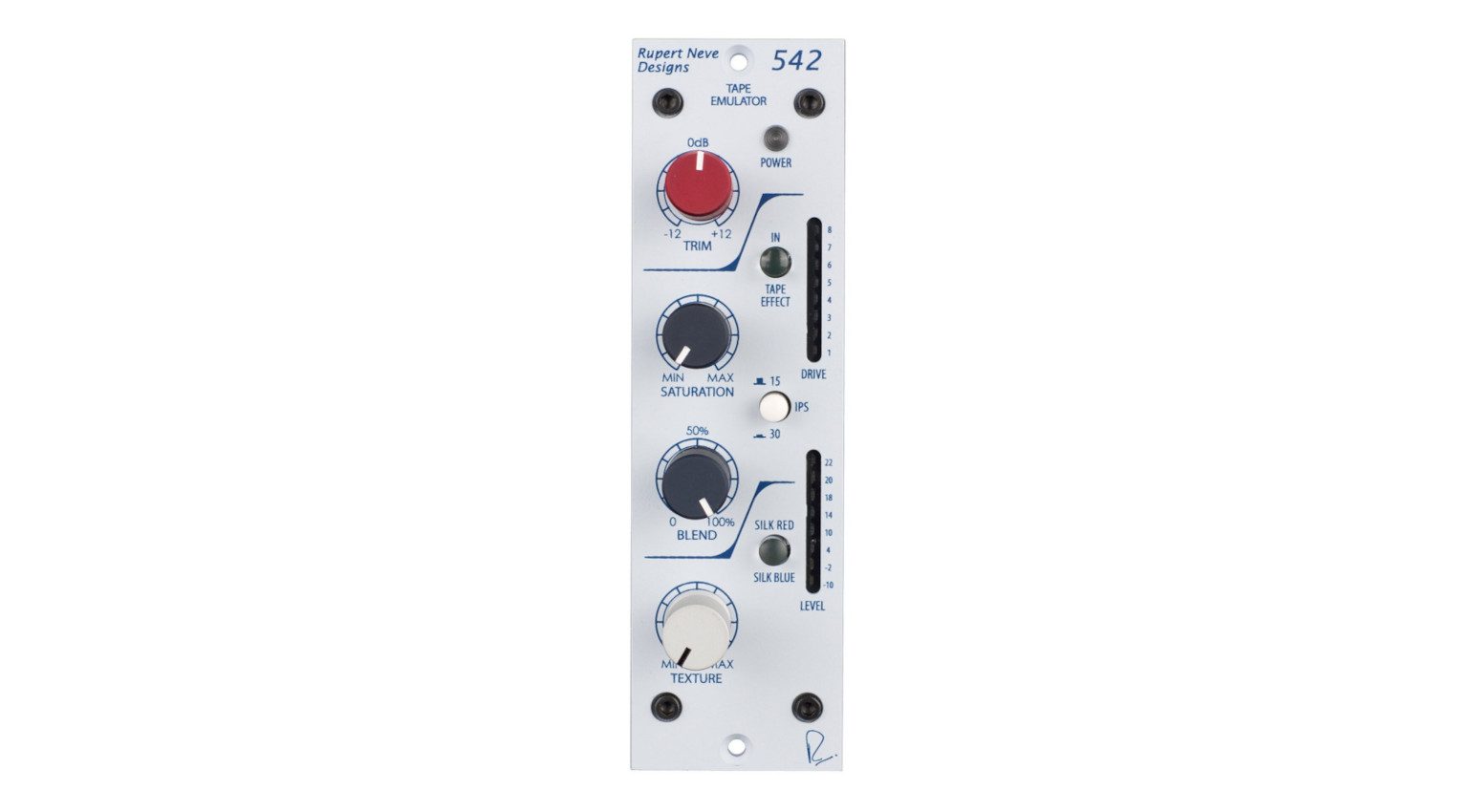
Although the control set is rather simple, you can achieve a wide range of sounds, and the wet/dry mix control allows parallel processing, so you can blend the amount of texture you want to add. In addition, there are different tape speeds, including 15 IPS for warmer low-end response and a 30 IPS setting for a brighter, more hi-fi sound.
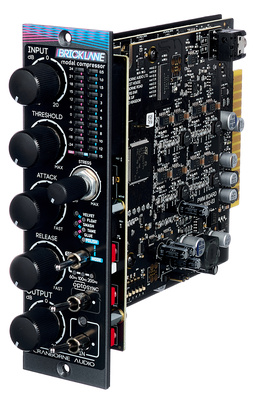
For dialing in harmonics, there is Rupert Neve’s Silk circuit control, which gives you Red to enhance the midrange and highs, while the Blue mode emphasizes the low-end and mids. As the 524 is a single 500-series module, the only drawback is that you need two of them to process in stereo. However, it’s still an incredibly versatile unit for tracking and mixing.

Creative Mix Tools: Cranborne Audio Brick Lane MC4
How many compressors can you cram into one rack unit? Try four. The flexible Brick Lane MC4 is a 4-channel PWM compressor with digital recall and plugin control, and six different modes that allow it to mimic the behaviour of the classic 1176, LA-2A, and SSL Bus compressors as well as doing transient shaping or mastering compression.
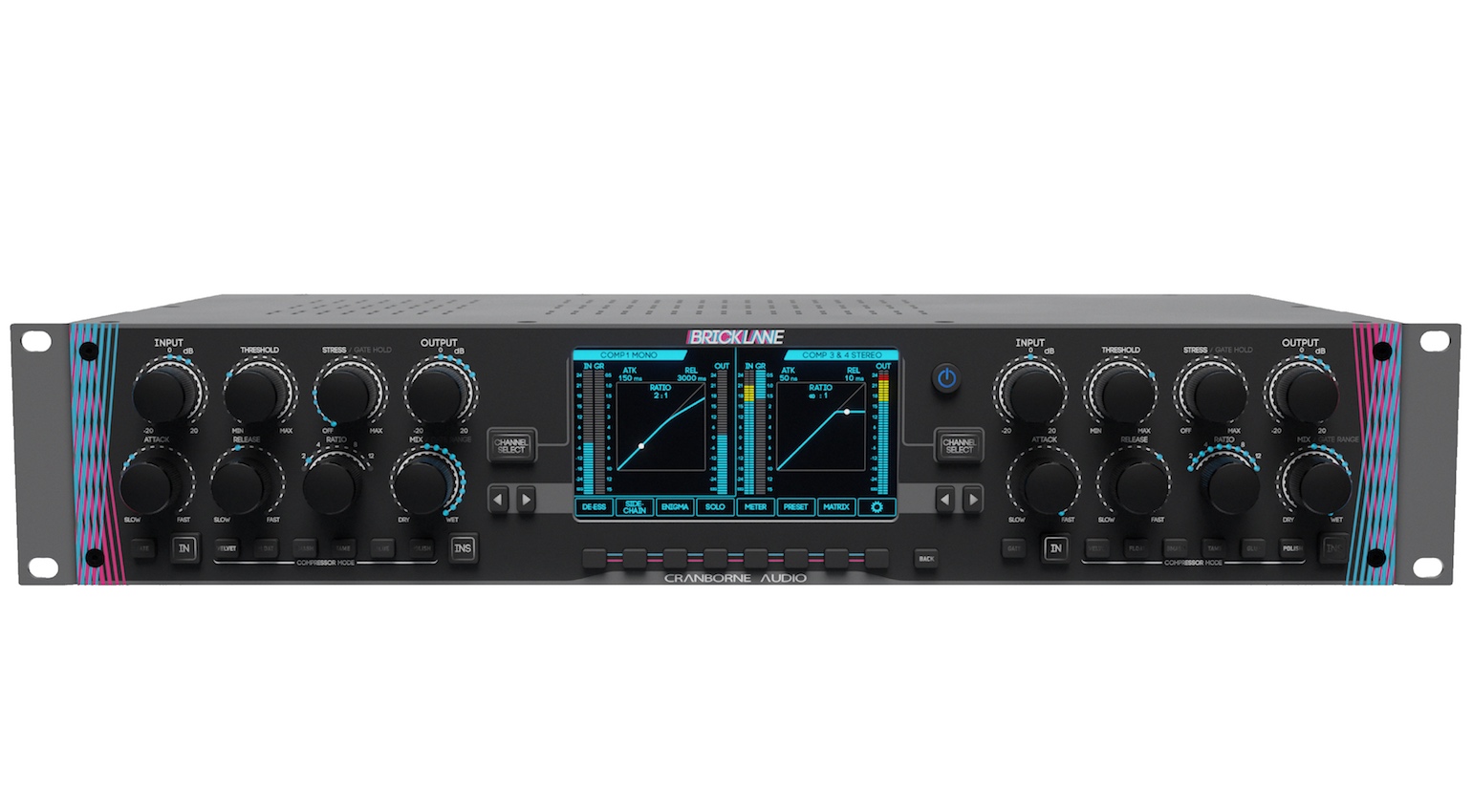
Each of the four channels not only has its own external sidechain, but a set of insert points as well. This, of course, lets you trigger each of the four compressors separately, and you can insert your favourite EQs of choice into the signal path to shape the spectrum tonally before the compressor does its thing.
The channels can be set up in mono, stereo, mid-side, dual-band, series, and de-essing with flexible routing, so you can use the Brick Lane MC4 for almost any application imaginable. Deeper features also include a Stress control for dialing in varying degrees of coloration and the Enigma compression control for fine-tuning.

Creative Mix Tools: Chandler Limited EMI TG 12345 Curve Bender
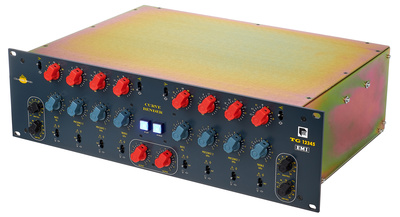
The Curve Bender is one of the finest EQs you’ll find when you’re looking for a different tone-shaping approach than what is possible with the clinical precision of a plugin. Hand-wired and assembled in Shell Rock, Iowa, the Curve Bender uses custom-wound transformers within its circuitry, which is designed to recreate the sound of the classic EMI consoles.
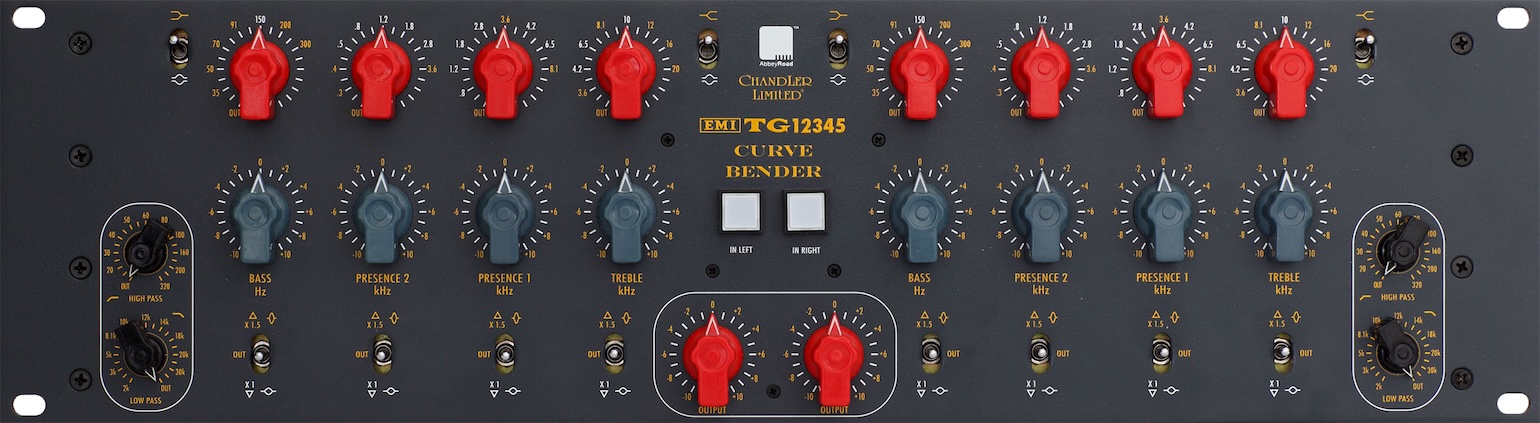
It functions as a 4-band stereo or dual-mono EQ with additional high- and low-pass filters and output gain controls. The inductor-based EQ bands are linked to vintage-modeled discrete germanium transistors, so you can get a slightly colored and glued sound without even touching the EQ section. Each band also allows you to switch the gain range for increased saturation and harmonics, and the lowest and highest bands can be switched to shelving filters.
One of the important aspects of the Curve Bender’s workflow is its heavy-duty stepped rotary switches that make mirroring settings across the two channels and precise recall possible. This allows you to use the Curve Bender in your mastering studio, or as a dual-mono tracking EQ to sweeten sources on the way in, or anything in between.

More about Creative Mix Tools:
*Note: This article contains affiliate links that help us fund our site. Don’t worry: the price for you always stays the same! If you buy something through these links, we will receive a small commission. Thank you for your support!

This might also interest you