Alchemy Lab, a Controller for your SID and an Editor for your Oberheim: Synth Journal

 4,3 / 5,0 |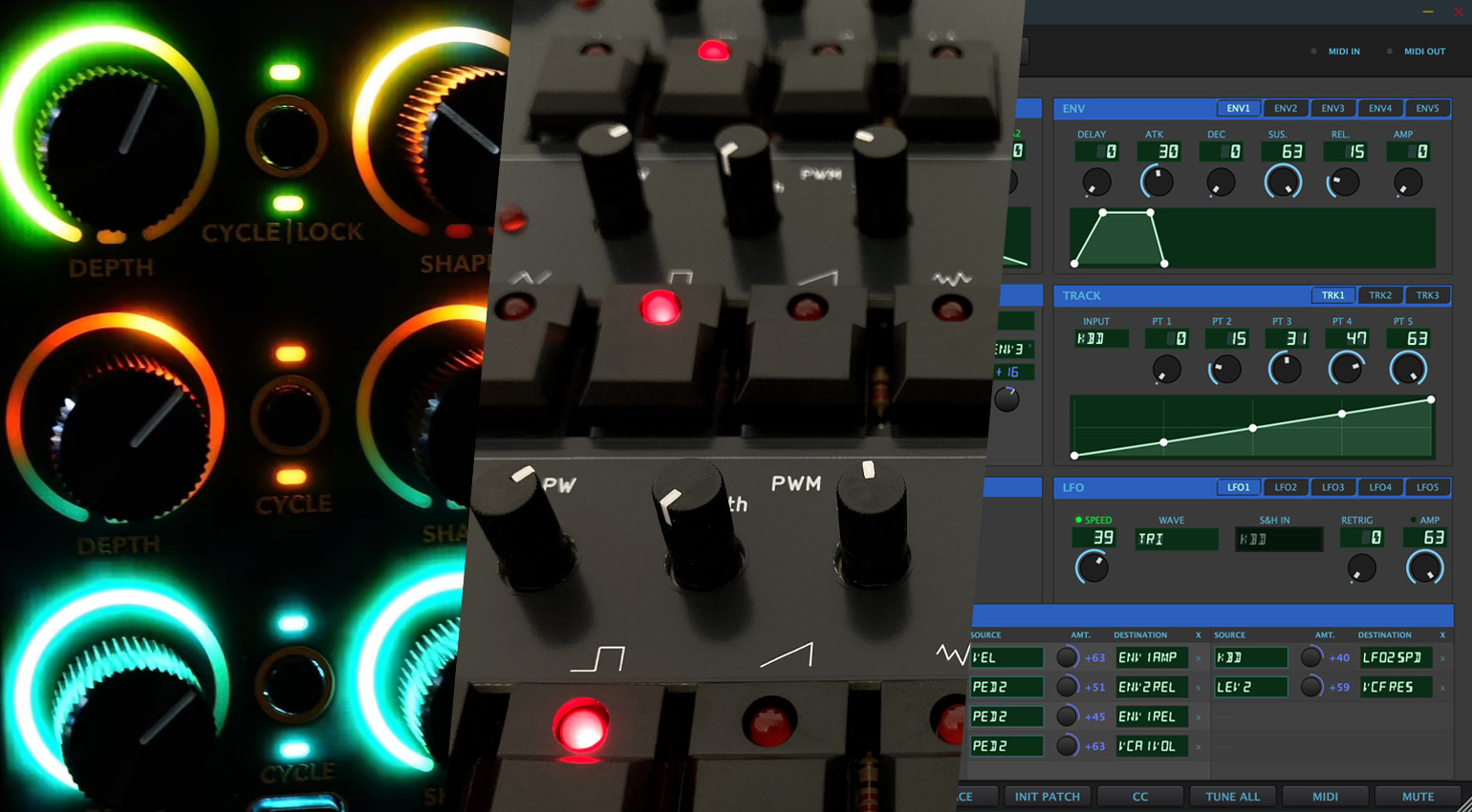
Alchemy Lab, a Controller for your SID and an Editor for your Oberheim: Synth Journal · Source: Hermetic Modular, MIDI_IN, jbboz

This week in Synth Journal: Alchemy Lab, Hermetic Modular’s exciting new open-source DSP platform for Eurorack, the hands-on controller the SID chip deserved all along, and a modern software editor for the Oberheim Xpander and Matrix-12.
Synth Journal
Hermetic Modular Alchemy Lab: An Open-Source DSP Platform for Eurorack
We’ve seen the concept before in modules by Noise Engineering (Versio, Legio, Alia) and Bastl Instruments (Kastle 2 / Citadel): DSP-based Eurorack modules that you can turn into something completely different by swapping the firmware. Buy one module, own many – sounds like a great deal!
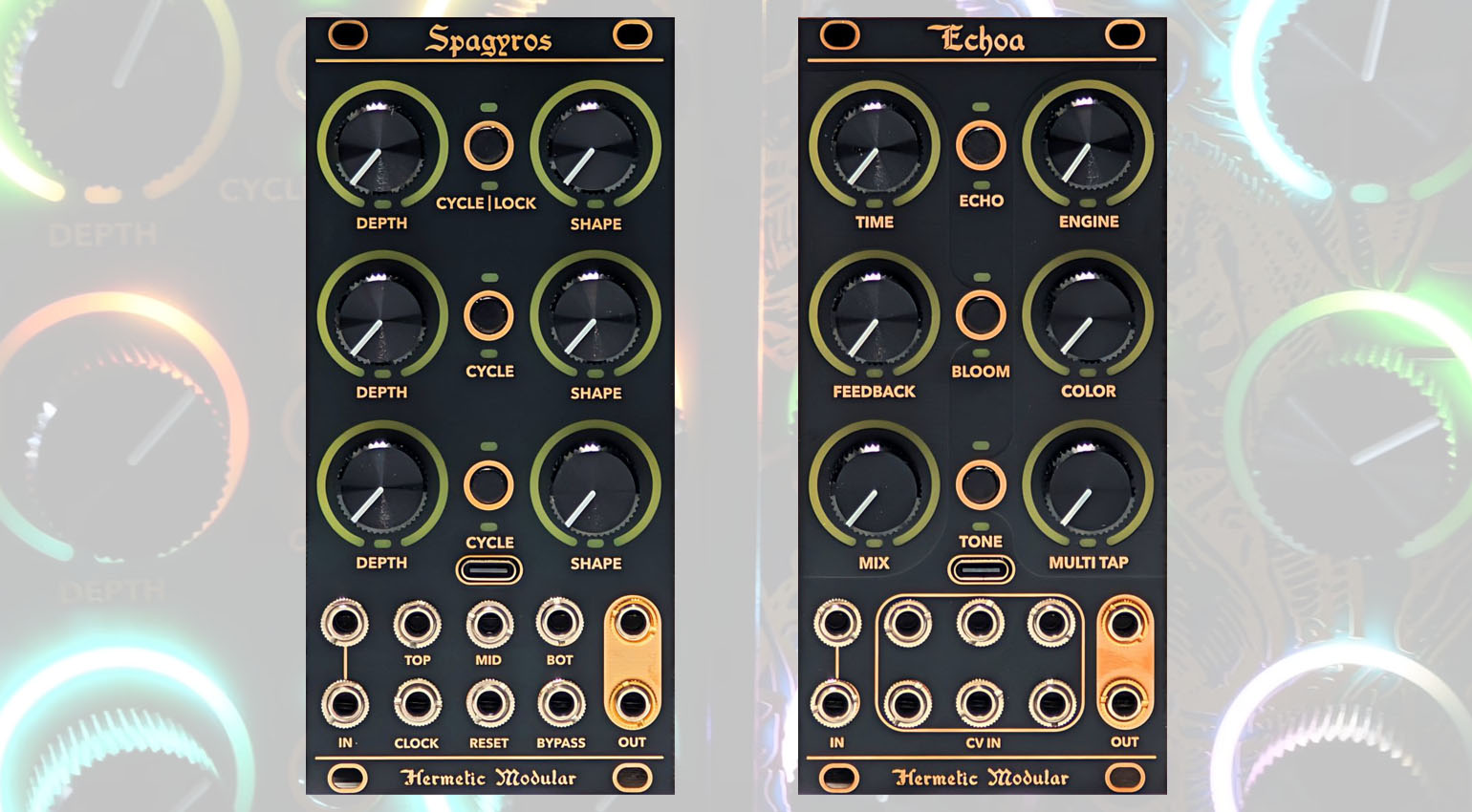
The new Alchemy Lab by Hermetic Modular is another take on the same idea. Along with the hardware module, the new manufacturer has released the first two firmware modules built on the platform. Echoa is a stereo delay with four delay lines (two per stereo channel) and flexible routing. Through spectral separation of the reflections, you can also achieve reverb-like textures. The module supports parameter locks and lets you record up to 4 seconds of knob movements.
Spagyros is a performance-focused multi-effects module with nine algorithms, three of which can be used simultaneously. Block 1 includes a DJ-style filter, a bitcrusher/saturator, and a riser effect. Block 2 offers a couple of rhythmic effects (beat repeat, rhythmic gate) and a phaser. Block 3 adds delay, reverb, and a scannable audio buffer.
With Echoa and Spagyros, the Alchemy Lab platform is off to a great start. But what’s most exciting is what the future may hold. Alchemy Lab is an open framework that invites you to hack the firmware and turn your own visions into reality. For this purpose, Hermetic Modular provides an SDK that gives you all the tools you need to go to work on the firmware, provided you have a healthy dose of hacker energy.
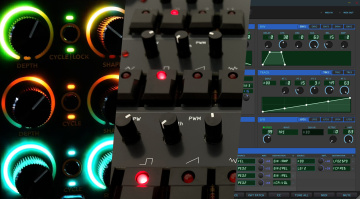
The Daisy-based hardware platform runs on an ARM Cortex-M7 CPU. The 12 HP module offers six rotary knobs with multi-colored LED rings, three buttons, six CV jacks, stereo inputs and outputs, and a USB-C port on the front panel. On the back, there’s a header for connecting things like expansion modules and sensors. Those are a lot of opportunities to get creative and build something amazing.
The Alchemy Labs launch bundle is now available for $299. The bundle includes both front panels for Echoa and Spagyros.
MIDISID Physical Control Surface: The Ultimate SID Controller
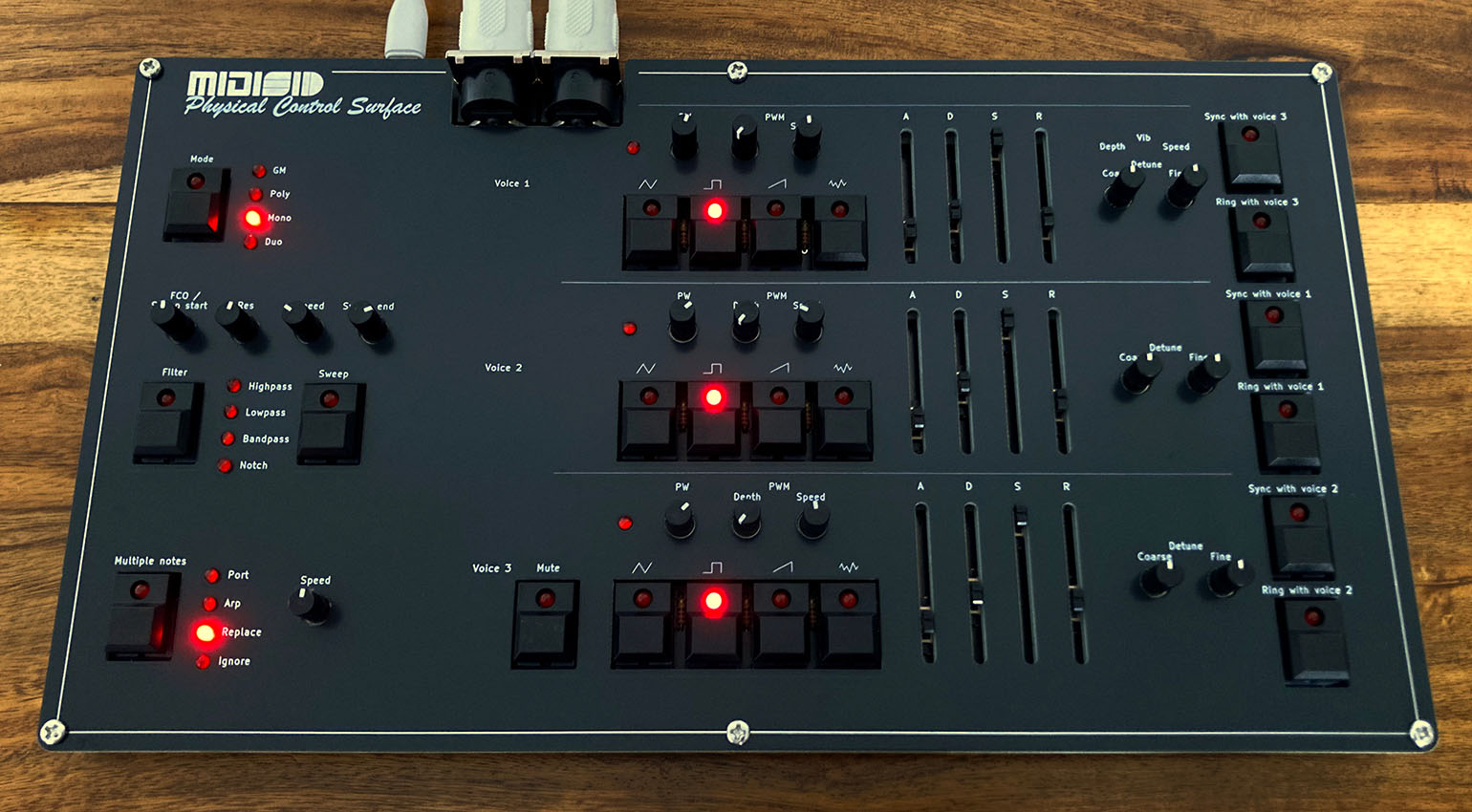
The legendary SID chip not only provided the soundtrack to the golden age of home computing and gaming, it also enjoys lasting popularity as a synth for music production, especially in lo-fi electronica. One popular way to add the SID sound to your setup is the MIDISID, a compact synth built around a pair of reverse-engineered Kung Fu SIDs. While it sounds great, its four-knob user interface isn’t exactly what I’d call fun.
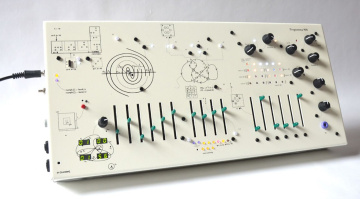
But now you can give your MIDISID the controller it deserved all along! The MIDISID Physical Control Surface by MIDI_IN puts all SID parameters for the three voices at your fingertips, including the waveforms, ADSR envelopes, PWM, Detune, and more. Ring modulation and sync (both of which are responsible for many classic SID timbres) are also just a push of a button away. Design your chiptune sounds in style!
The MIDISID Physical Control Surface is £175 at Lectronz. The tax and shipping cost depend on your location. The controller is currently out of stock, but you can leave your email to get notified when it’s available again.
XpandrLink: Free Software Editor for the Oberheim Xpander and Matrix-12
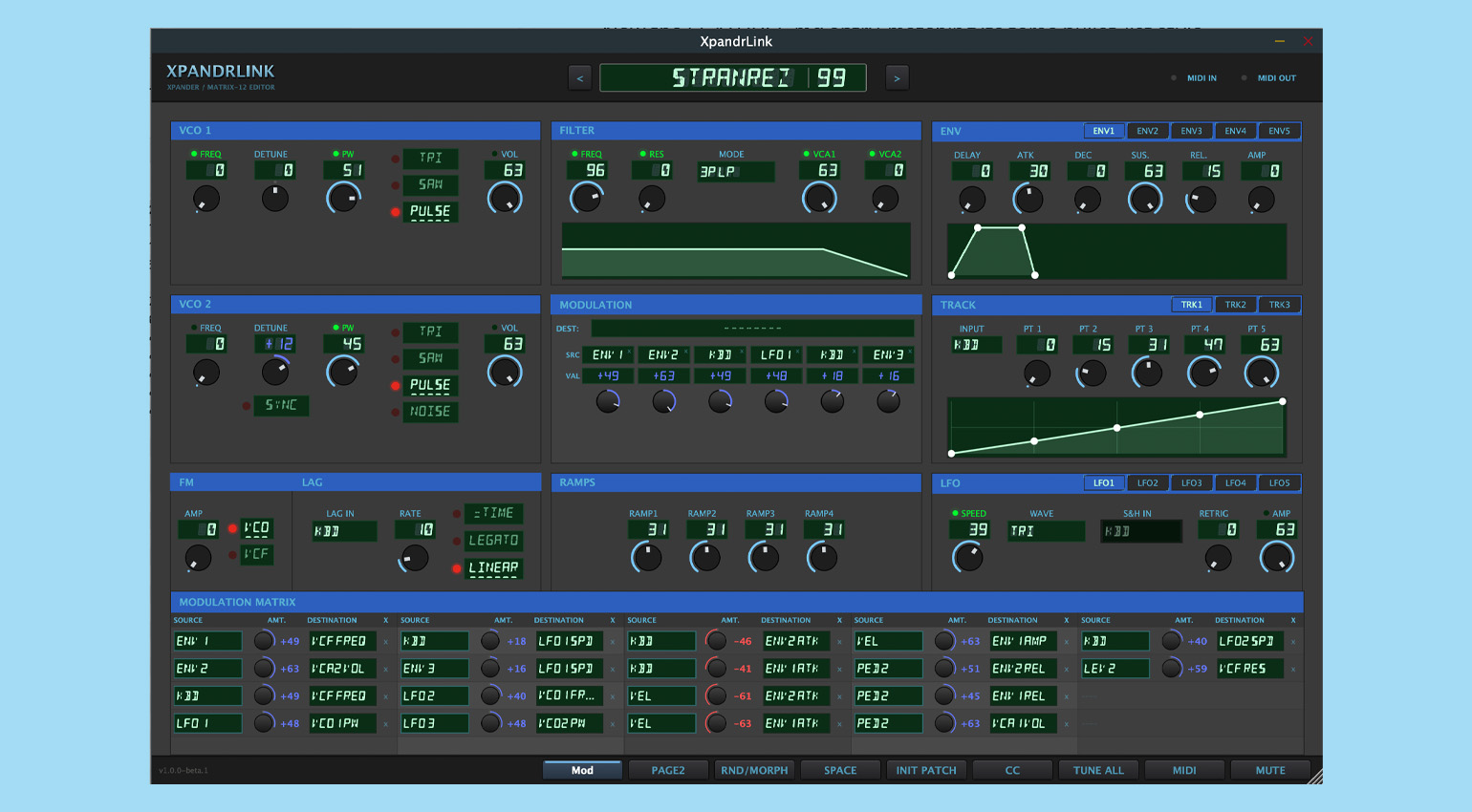
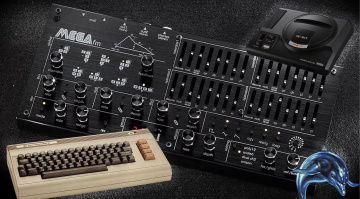
If you’re among the lucky few who own an Oberheim Xpander or Matrix-12, this one’s for you. XpandrLink is a new software editor for the pair of analog polysynths, available as a standalone app and VST3/AU plugin for macOS and Windows.
The editor builds on the foundation laid by the older XplorerEditor, whose developer had explicitly encouraged further developments and suggested a JUCE port.
XpandrLink provides direct access to all parameters of the synths, including the 20-slot modulation matrix. The software communicates bi-directionally with the hardware synths. Twist a knob on the hardware and the changes are instantly mirrored in the software, and vice versa.
In addition, the editor includes a modern librarian with comprehensive import and export functionality. You can also morph between two patches.
XpandrLink is now in open beta. You can download the editor for free from the developer’s Github page.
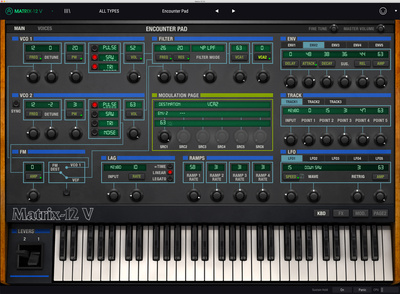
And just in case you don’t happen to own an Oberheim, Arturia’s Matrix-12 V is a great way to bring the sound of these classics to your DAW! It’s currently 33% off at Thomann* until 17 August 2026.


SILT: A Generative Tape Loop Instrument that Runs in your Browser
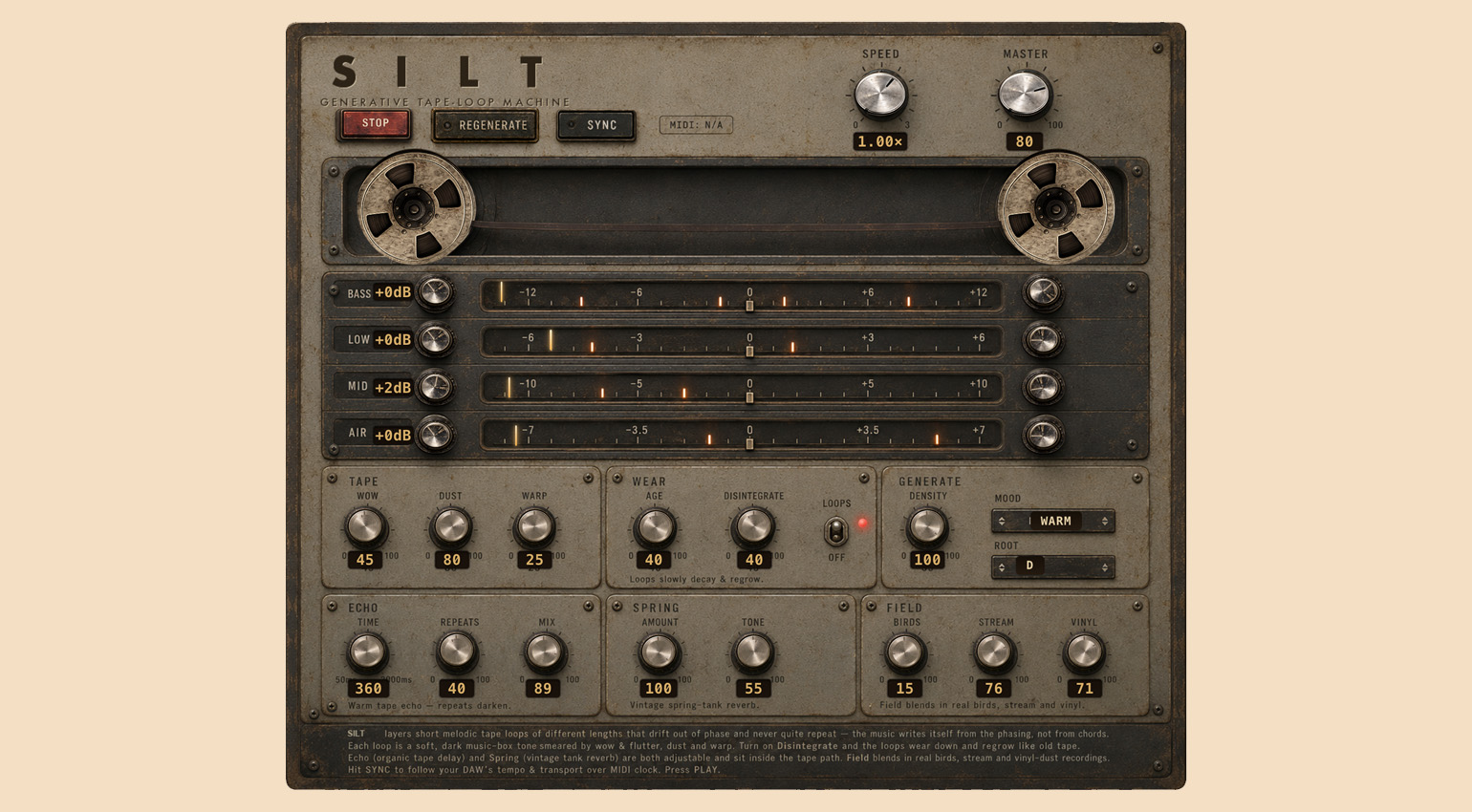
And now for something completely different. SILT is a generative tape loop instrument that runs as a plugin in your DAW or as a free demo version in your browser. Just hit Play, and SILT generates four independent loops that play simultaneously. As the loops are of different lengths, they’ll inevitably go out of phase, creating the ever-changing web of unexpected timbres and textures tape music is universally loved for. You can adjust the mood, key, and density, and add field recordings such as birds chirping. However, there’s no way to record your own material; SILT is all about letting yourself be inspired by the generative engine.
In addition, SILT includes a tape simulation with wow, flutter, and all the typical artefacts of magnetic tape. It also syncs to your DAW if desired. And as the melodies are always pentatonic, they’re a great starting point for building more complex arrangements on top of them.
The free browser version runs for a few minutes and then asks for your email. The plugin version is available for macOS and Windows (VST3/AU) and costs $29.
*This post contains affiliate links and/or widgets. When you buy a product via our affiliate partner, we receive a small commission that helps support what we do. Don’t worry, you pay the same price. Thanks for your support!

This might also interest you