Analog vs. Digital in the Home Studio 2026: The Ultimate Guide for Producers and Engineers Who Are Tired of Getting It Wrong
This Debate Is as Old as the DAW Itself. And Most People Get It Wrong.

 3,6 / 5,0 |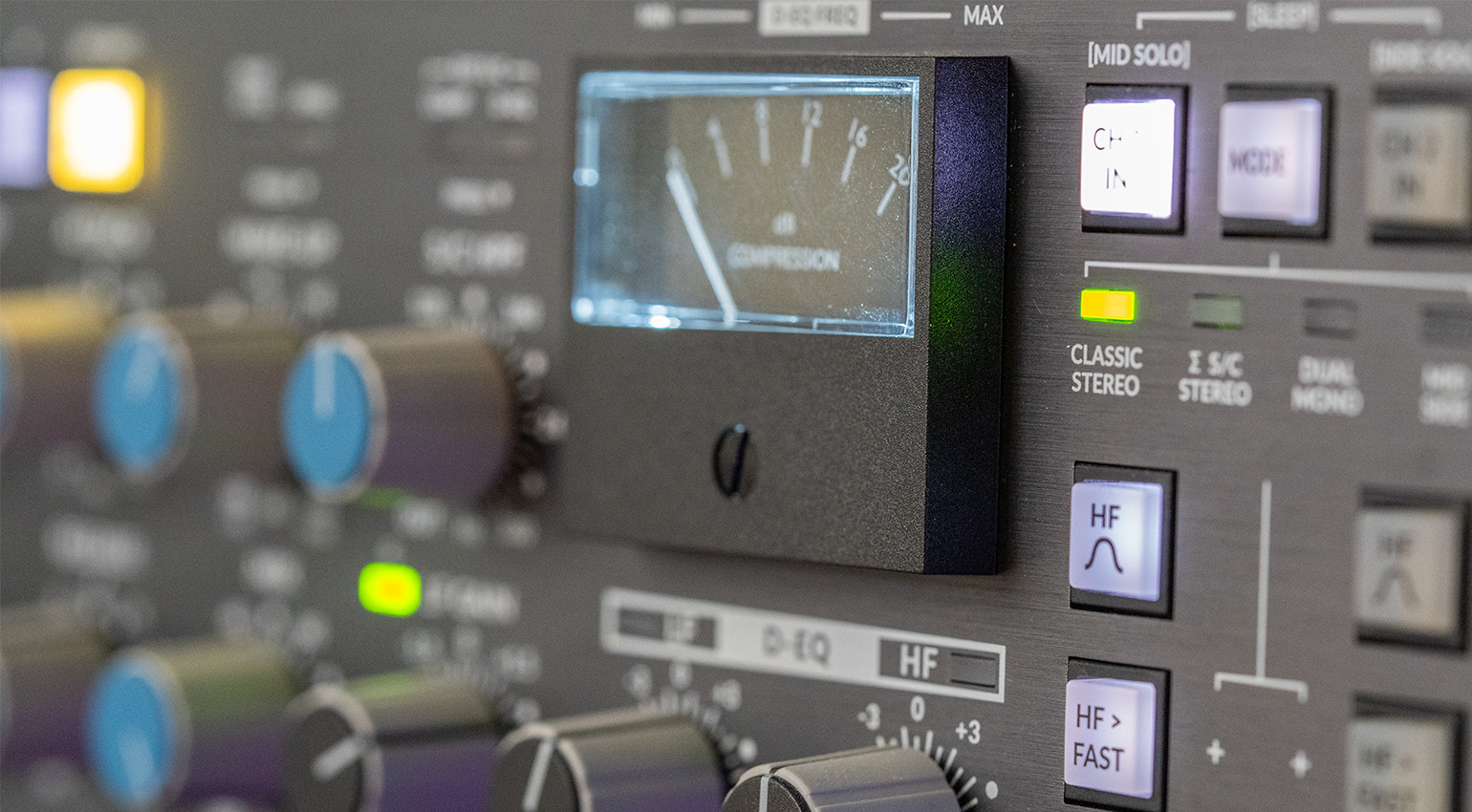
Analog vs. Digital in the Home Studio 2026: The Ultimate Guide for Producers and Engineers Who Are Tired of Getting It Wrong · Source: Marcus Schmahl

Few topics split the producer community as reliably as analog vs. digital in the home studio. Some swear by hardware compressors, tape machine emulations, and the “warm” sound of analog circuitry. Others crank out chart records entirely in the box and see zero reason to change that. Both camps are right. And both are wrong.The uncomfortable, more interesting truth: what you have in your studio shapes what you make. Not just how it sounds, but how you think, what decisions you make, and ultimately what songs come out the other side. Today we’re getting into what’s actually behind the analog vs. digital debate, where it holds up, and where it completely misses the mark.
Analog vs. Digital in the Home Studio at a Glance
Everything you need to know about outboard gear, DAW workflows, signal chains, and creative process to actually have an informed take on analog vs. digital in the home studio.
- The sonic difference in analog vs. digital in the home studio is real, but in a lot of situations smaller than the community thinks
- Analog outboard changes more than just the sound. It changes how you work.
- Digital tools can do things today that analog simply cannot
- The gear you have shapes what music gets made before a single note is recorded
- There’s no objectively better side. The song decides, not the signal chain.
- Hybrid setups aren’t a compromise. They’re often the smartest move.
- Starting with the wrong gear costs you time, money, and creative focus
Analog vs. Digital in the Home Studio: What Outboard Gear Really Changes and Why the Song Always Wins
What “Analog” in the Signal Chain Actually Means
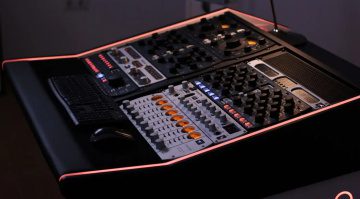
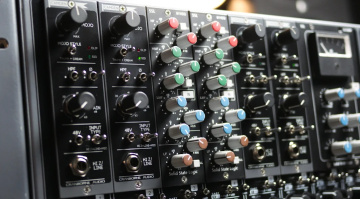
Before the analog vs. digital in the home studio debate can go anywhere useful, it helps to get clear on what we’re even talking about. In the home studio context, “analog” usually means one of three things: hardware outboard gear like compressors, EQs, or preamps sitting physically in your signal chain. Or analog synthesizers and sound generation, meaning circuits that convert voltage into sound without a digital converter ever getting involved. Or third: plugins and software that emulate analog circuits, which are basically digital tools designed to feel analog.
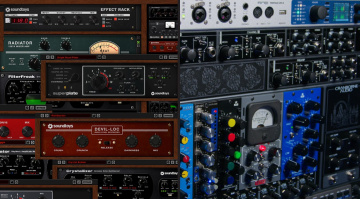
These three categories get mixed up constantly, and that’s where most of the confusion comes from. A UAD plugin emulating a Neve 1073 is not an analog device. It’s a very good digital tool that behaves similarly in certain situations. An actual Neve 1073 has a physical transformer that responds to transients differently than any algorithm, at least for now.
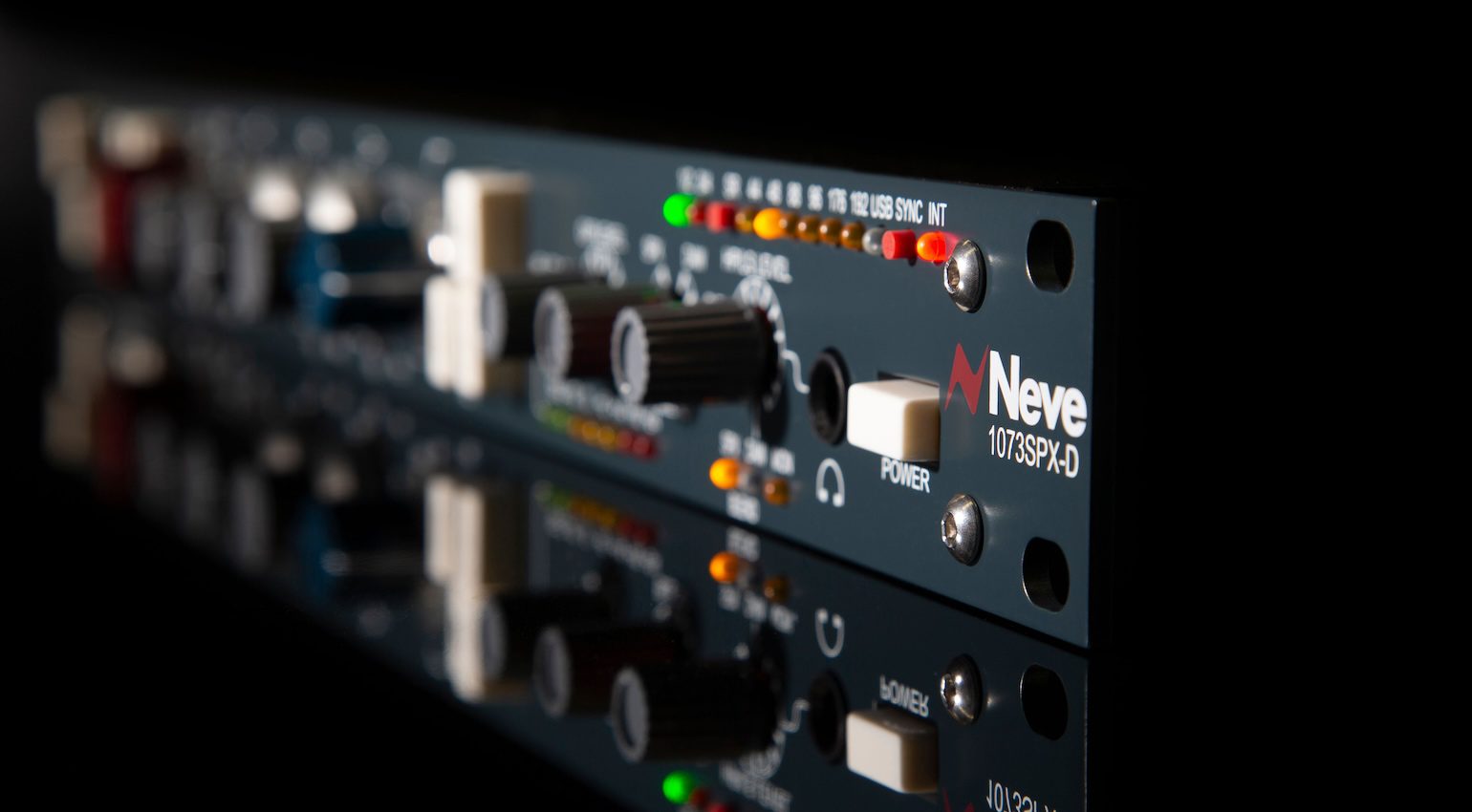
Here’s the key thing: analog in the signal chain always means conversion. The signal has to leave the digital world, pass through the analog device, and come back. Every conversion theoretically costs you something, and every extra cable, jack, and connector is a potential failure point. Choosing outboard gear means buying a system, not just a compressor: an interface with enough high-quality outputs, a patchbay for clean routing, decent cables throughout. The Focusrite Scarlett 18i20* or the Universal Audio Apollo x6* are typical starting points for this path, because they have enough outputs to feed a real outboard setup.



What Digital Can Do That Analog Can’t
The pro-analog crowd in the analog vs. digital in the home studio debate tends to overlook what’s happened on the digital side over the last few years. Modern plugin developers like Fabfilter, Waves, Plugin Alliance, and Softube are building tools that have no analog equivalent in certain areas. A dynamic EQ that responds to level on a per-frequency basis just isn’t something you can do sensibly in the analog domain. Multiband compression with surgical precision, mid/side processing at the push of a button, spectral editing algorithms that pull individual frequency components out of a mix — all of that is digital and has no analog counterpart.
Then there’s reproducibility. A digital plugin sounds the same tomorrow as it does today. An analog device ages, drifts, behaves slightly differently depending on room temperature, and reacts to voltage fluctuations. For some producers that’s a feature. For others it’s a problem. If you work collaboratively, share sessions, or need to reproduce a revision months down the line with exact recall, digital wins. Total recall, par excellence.
Worth noting too: analog outboard tends to sound best when it’s being driven in the specific level range it was designed for. Too quiet into the unit and the characteristic sound stays hidden. Too hot and it distorts in ways you might not want. Digital doesn’t have that issue in the same way, as long as you’re staying clear of 0 dBFS.
Where Outboard Gear Actually Changes the Creative Process
This is the real core of the analog vs. digital in the home studio debate. Analog outboard doesn’t just change the sound. It changes how you work. And that’s often the bigger deal.
A hardware compressor has knobs. Real knobs with physical resistance. When you’re dialing in attack and release on an SSL Bus+ Compressor* or an Empirical Labs Distressor*, you’re doing it completely differently than dragging a plugin slider. You turn, listen, turn some more. That’s a different cognitive process than visually aligning a slider to a specific value. A lot of producers say they make more intuitive decisions with hardware and spend less time second-guessing or undoing. I can vouch for that personally.

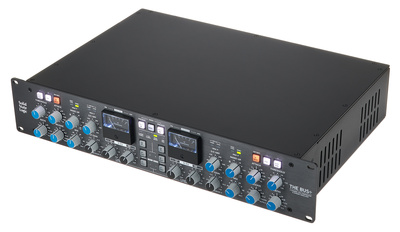

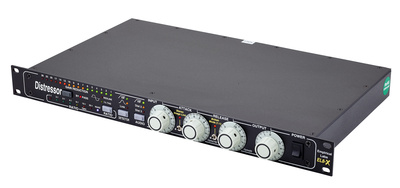
Part of that comes down to the fact that hardware has no undo. Sounds like a drawback, but it’s often a feature: you make a decision and move on. The infinite-undo effect in DAWs is well documented. When you can reverse everything, you’re less likely to commit to anything. Hardware forces commitment. That’s actually freeing.
Analog gear also changes how you hear your material. A tape machine in the signal chain forces you to make level decisions early. The noise floor that comes with tape saturation changes how you approach EQ and compression. You’re working against a medium with its own character, and that shapes the music before you’ve touched a single fader in the mix.
How Your Gear Shapes the Process Before You Even Start
This is the part that gets talked about least in the analog vs. digital in the home studio conversation, and it’s probably the most influential factor. What you have in your studio determines what you make. Not as a limitation — as a creative framework.
Working with a modular synthesizer like a Eurorack system* means thinking in voltages, triggers, and physical connections. That leads to different sounds and different structures than working inside a software synth. Not better, not worse — fundamentally different. Having a Roland TR-8S*, an Elektron Analog Rytm*, or a Roland TR-1000* on your desk changes how you build a beat, because you’re physically playing it instead of drawing it in a piano roll. The result carries that decision.

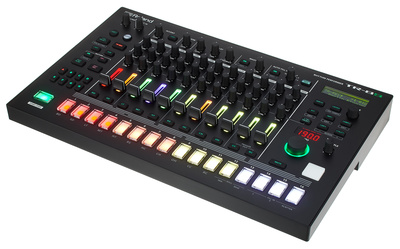
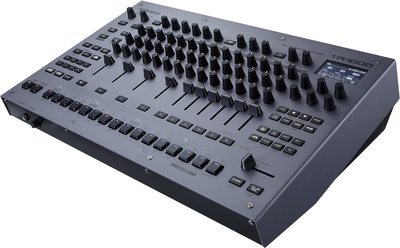

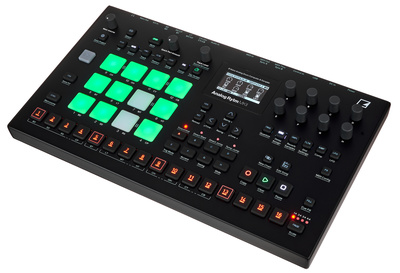
The same logic applies to constraints. A four-track recorder forces you to decide what matters before you hit record. A DAW with unlimited tracks tempts you to hoard: one more layer, one more variation, one more option. Producers who import analog constraints into their digital workflow — even by consciously setting their own rules — tend to end up with more focused results.
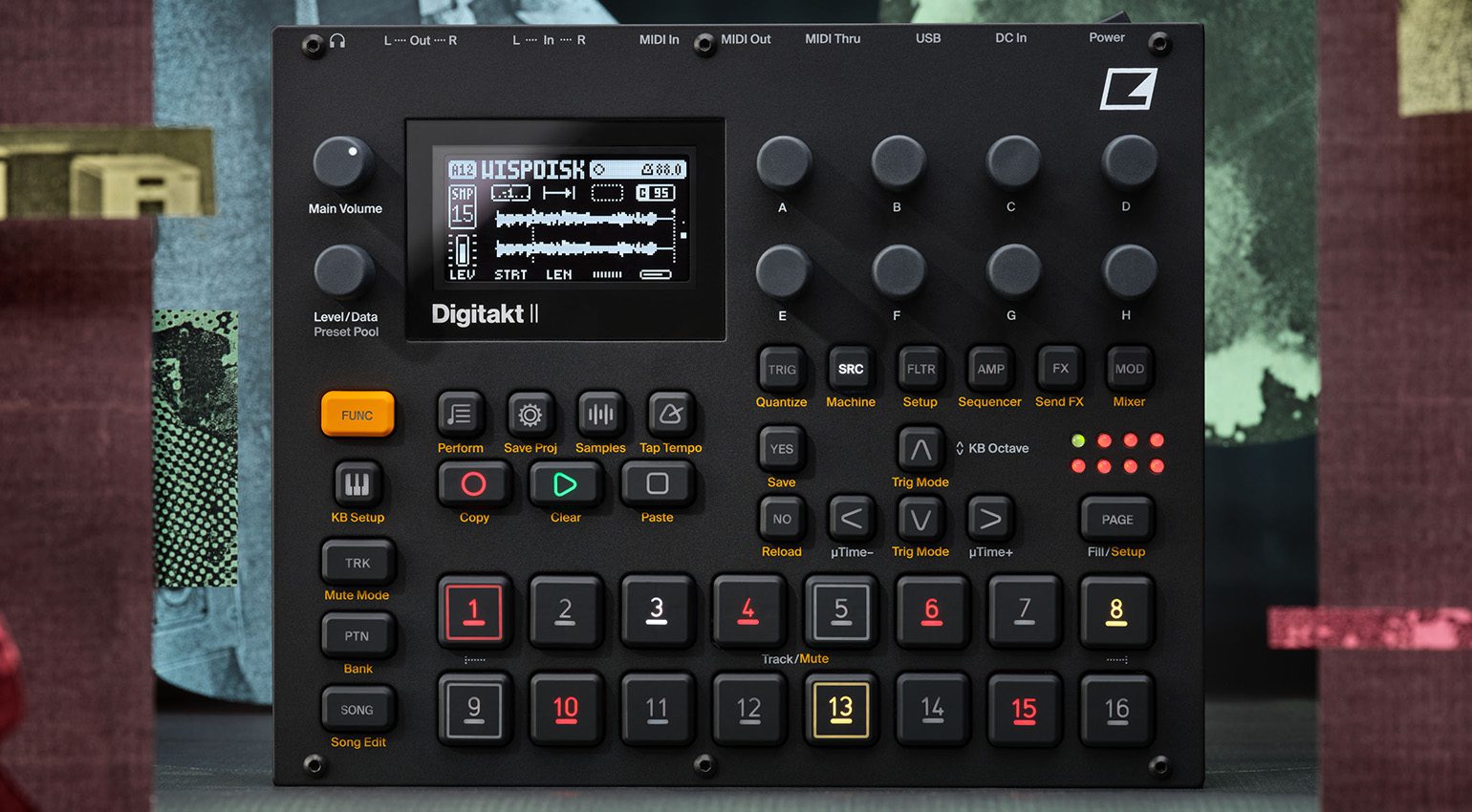
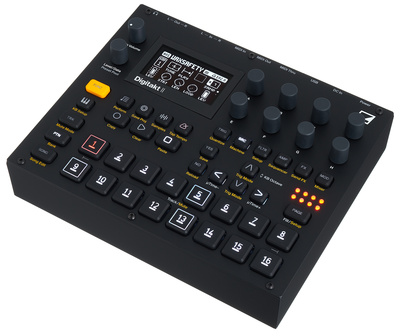
Concrete example: working with an Elektron Digitakt II* as your sequencer means working with eight tracks, trig conditions, and a specific step logic that pushes you toward certain patterns. Building that same beat in Ableton means thinking about it differently. Both approaches are valid. But they don’t lead to the same place.
Three Real-World Scenarios: Analog vs. Digital in the Home Studio Head to Head
Scenario 1: Compressing the Mix Bus
Digital: You load an SSL G-Bus Compressor plugin*, set ratio to 2:1, attack to 30ms, release to auto. You’ve got instant before/after comparisons, A/B testing, saved settings, and exact recall three months from now. It sounds good. Really good, actually.
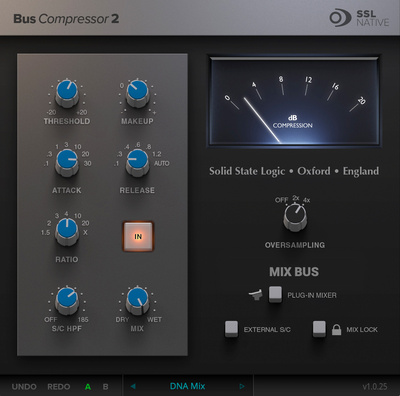
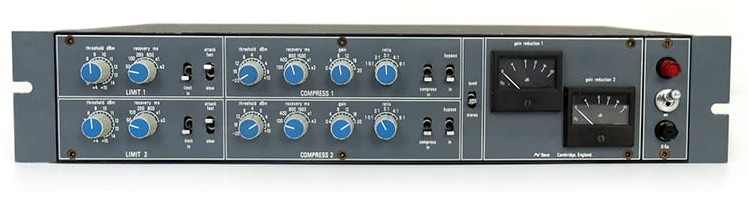
Analog: You route the signal through a real bus compressor, say a Neve 33609*. The transformer responds to transients in a way no plugin exactly replicates. You turn, listen, turn some more. You commit and move on. The sound has a physical quality that’s hard to describe but easy to hear.

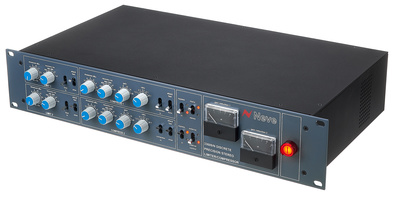
Which is better? This is analog vs. digital in the home studio in its most direct form. For reproducibility and speed: digital. For that specific sound and the specific feeling of working that way: analog. For the finished song: usually doesn’t matter, as long as you know what you’re doing.
Scenario 2: Recording a Synth Bass
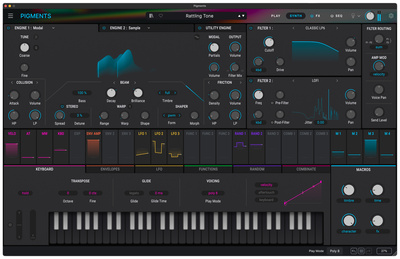
Digital: You open Serum, Vital, or Arturia Pigments*. Thousands of presets, unlimited modulation, fully non-destructive. You can change that sound tomorrow.

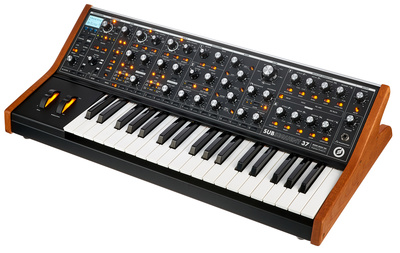
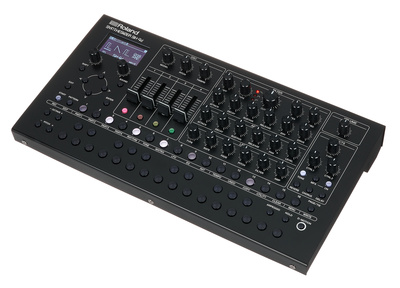
Analog: You reach for a Moog Subsequent 37* or a Roland SH-4d*. You play the bass in real time, with all the imperfections that come with it. The filter has a physical character. You record, and what’s recorded is recorded. That commitment changes how you build the rest of the track around it. That’s analog vs. digital in the home studio at the level of sound generation.

Scenario 3: Mastering in the Home Studio
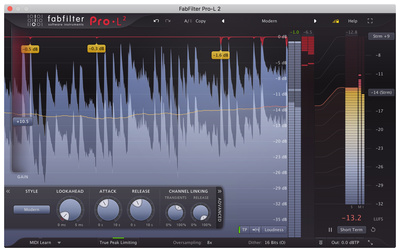
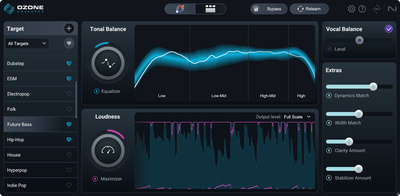
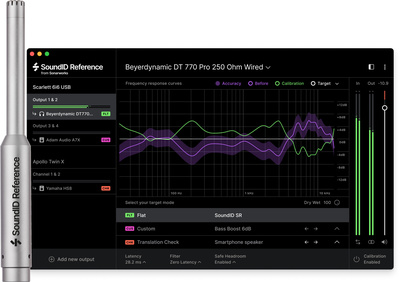
Digital: You use FabFilter Pro-L 2*, Ozone 12*, maybe Sonarworks SoundID Reference* for monitor calibration. You see everything, control everything, and the result is reproducible on any system.



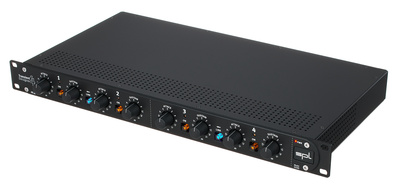
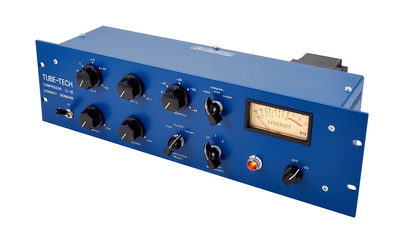
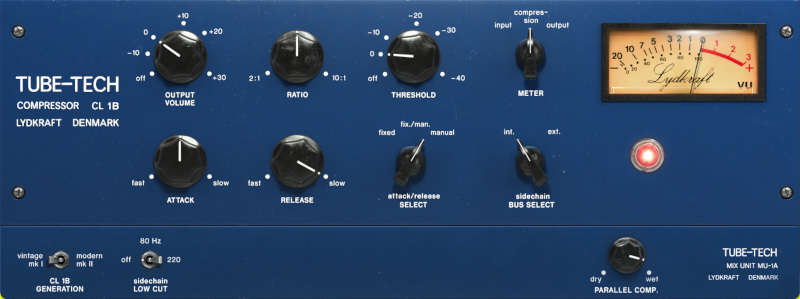
Analog: You route through an SPL Transient Designer* for transient shaping or a Tube-Tech CL 1B* for optional compression. The difference is audible, but the question is whether it justifies the cost and effort for a home studio mastering session. Both tools are also available as plugin versions, by the way.


Honest answer: in most cases, no. Professional mastering with analog gear makes sense in professional environments with professional ears and professional monitors. In the home studio, digital mastering tools are the smarter, faster route.
Common Mistakes in the Analog vs. Digital in the Home Studio Debate
When you follow the analog vs. digital in the home studio conversation long enough, the same mistakes keep showing up.
Using Gear as an Excuse
The most common one: producers convince themselves that a specific piece of hardware or software will make their music better. Sometimes that’s true. Usually it’s not. Gear doesn’t fix compositional problems. A weak arrangement sounds weak through a Neve preamp just as much as it does through a built-in sound card. That’s just facts.
Forgetting About Workflow
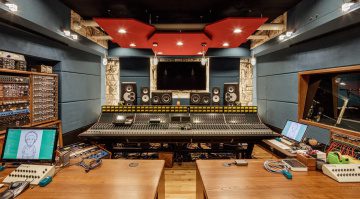
Analog gear doesn’t sound good in a vacuum. It sounds good in a workflow, through an interface, in a room, through monitors. If you drop an expensive hardware compressor into a bad monitoring setup, you won’t hear the difference reliably. Knowing the gear inside out before you commit to it matters just as much.
Confusing Nostalgia with Quality
“Warmth” isn’t a technical term. It usually describes harmonic distortion, specific frequency response curves, or saturation characteristics. All of that can be replicated digitally, and replicated well. The question is whether it’s relevant to your track. Personally, I love the analog sound in my own productions. It’s honestly become part of my signature.
Ignoring the Process
Buying analog gear because it sounds better, without caring about the changed process, leads to disappointment. In the analog vs. digital in the home studio conversation, process is at least as important as sound. Probably more.
FAQ: Analog vs. Digital in the Home Studio
The most common questions about analog vs. digital in the home studio, all in one place.
Does Analog Actually Sound Better?
Analog sounds different, not necessarily better. In certain situations, with certain material and certain gear, the difference is audible and relevant. In plenty of others, it isn’t. The answer depends on the song, the context, and the producer’s ears.
Is Outboard Gear Worth It for Beginners?
Rarely. When it comes to analog vs. digital in the home studio, beginners get way more out of better monitors, treated room acoustics, and actually understanding their digital tools than they do from hardware outboard. Get the digital setup solid first, then think about analog.
What’s the Cheapest Way into Analog Outboard?
A compressor like the Warm Audio WA-2A* or the dbx 266xs* are solid entry points with real sonic character. You’ll also need an interface with enough outputs, at least a decent stereo pair.
Can I Combine Analog and Digital?
Yes, and for most home studios that’s the smartest approach. Analog vs. digital in the home studio doesn’t have to be an either/or decision. Digital for precision, flexibility, and reproducibility. Analog for specific sonic character and a different creative process. Hybrid isn’t a compromise. It’s a conscious choice.
Does Analog Mastering Make Sense in a Home Studio?
In most cases, no. Professional analog mastering requires professional monitors, professional room acoustics, and professional experience. In the home studio, good digital mastering tools are the more effective and faster route.
What Does “In the Box” Mean?
“In the box” describes a workflow that runs entirely inside the DAW, with no external hardware in the signal chain. Every processing step — compression, EQ, effects, mastering — happens as plugins inside the software.
Do I Need a Patchbay for Outboard Gear?
For more than two or three outboard units: yes. A patchbay like the Behringer PX3000* or the Neutrik NYS-SPP-L1* keeps routing manageable and saves a ton of time in the long run.
Does Analog Gear Really Change the Creative Process?
Yes, and that’s one of the most underrated aspects of the whole analog vs. digital in the home studio conversation. Physical interaction with hardware changes cognitive processes during production. Turning a knob instead of clicking leads to different decisions. That’s not marketing. That’s something producers across the board have experienced firsthand.
Conclusion: Analog vs. Digital in the Home Studio
Analog vs. digital in the home studio isn’t a technical question. It’s a creative one. The right answer isn’t picking a side. It’s understanding what each tool actually changes, sonically and in terms of process.
Going analog means buying more than just a sound. You’re buying a specific way of working, deciding, and listening. That can change the music. But only if the fundamentals are already in place: solid monitoring, a treated room, and a real understanding of what your ears are and aren’t hearing.
Staying digital means losing nothing. Modern tools are good enough that sound quality alone is rarely a compelling argument for hardware anymore. What’s sometimes missing is the process difference: the turning, the committing, the working against a medium with its own personality. You can import that into a digital workflow too, through deliberate constraints and self-imposed rules.
But: the song always wins. Not the gear, not the signal chain, not the philosophy behind it. A great track sounds great because someone made great decisions. And great decisions can be made with analog or digital gear. That’s the uncomfortable but genuinely liberating truth behind analog vs. digital in the home studio.
More on Analog vs. Digital in the Home Studio
- How to Use a Reference Track in the Studio
- All Outboard Gear at Thomann*
- All Studio Monitors at Thomann*
- All Synthesizers at Thomann*
*Note: This article contains affiliate links that help us keep Gearnews running. The price for you always stays the same! If you buy something through these links, we receive a small commission. Thanks for your support!

This might also interest you
3 responses to “Analog vs. Digital in the Home Studio 2026: The Ultimate Guide for Producers and Engineers Who Are Tired of Getting It Wrong”

“Warmth” = an indeterminate term used by internet hacks, marketing types and marginally illiterate software reviewers.
Number of times this term has ever been used by professionals in a real studio = zero.
Also, just attenuate a 6k shelf.. Like magic, you have warmth.
It is mindboggling that news sites still want to make “Analog vs. Digital” a thing in 2026.
The obvious answer is:
It doesn’t matter anymore. You’ll end up using both!
A bold strategy: talking about hybrid studios without mentioning MIDI jitter over USB that can massivel affects synchronized outboard gear.