The Best Mid-Range Audio Interfaces for Studio and Stage
Audio interfaces entering the professional end of the market.

 4,4 / 5,0 |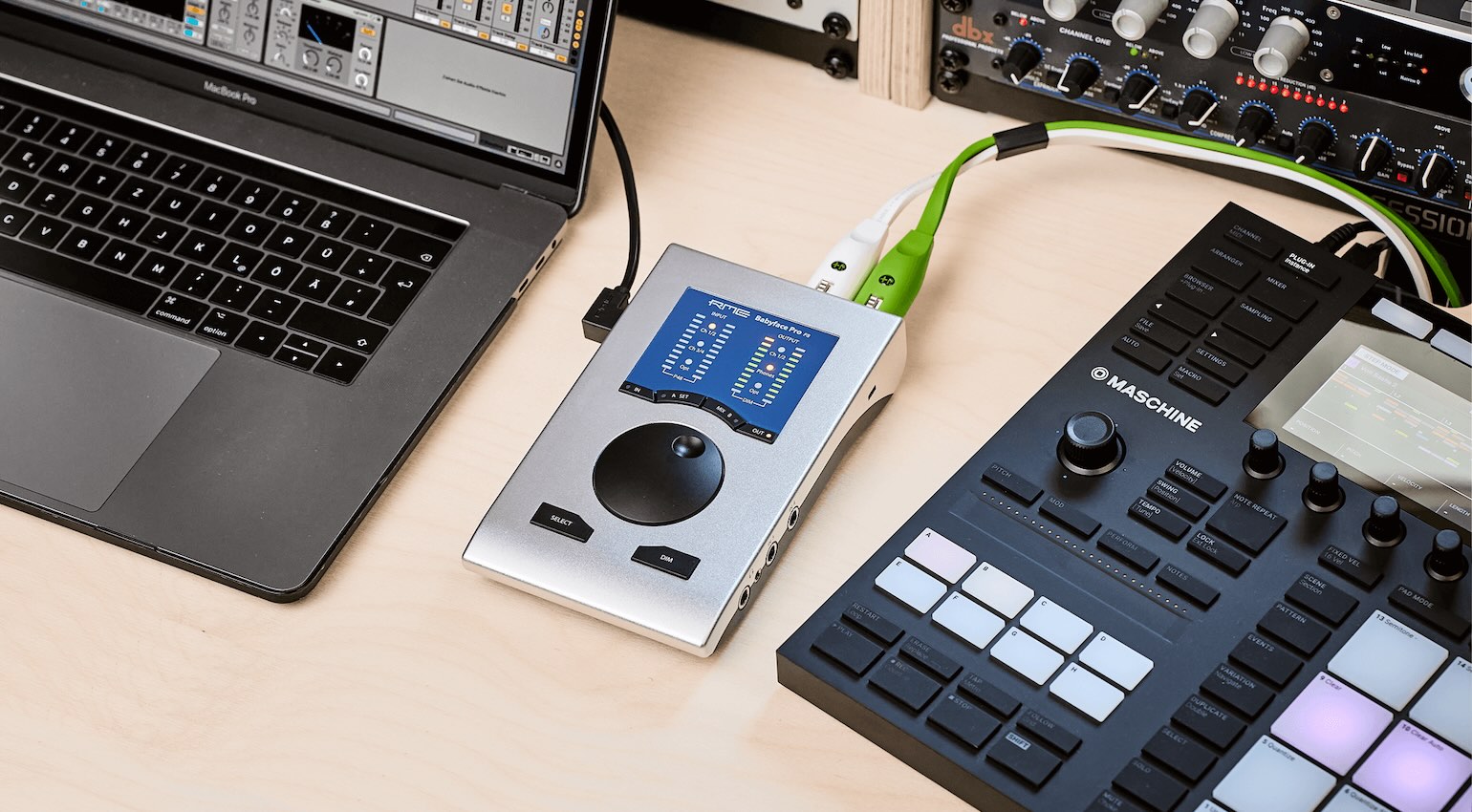

Looking to replace your cheap entry-level audio interface with something a bit more advanced? We’ve put together a guide to some of the best mid-range audio interfaces for home recording and music production.
In this Article:
When you first get into recording music, a simple, inexpensive USB audio interface with two inputs and two outputs can go a long way. Check out our budget audio interfaces guide for some affordable suggestions.
At some point, however, you’ll likely find that two channels just don’t cut it anymore. Or maybe you want to up your game with more professional-grade preamps and converters. In this guide, we check out some of the best mid-range audio interfaces in a price range of roughly $500 – $1500. Most of them offer at least four inputs and four outputs, which gives you more flexibility for connecting your gear.
Should you buy a USB or Thunderbolt Audio Interface?
To make a long story short: USB, no question. USB 2.0 or 3.0 is the more sensible choice for most applications. Every computer has USB ports, and the advantages of Thunderbolt are only really noticeable in some very specific cases. Meanwhile, most manufacturers offer decent drivers for their USB interfaces, so the performance should be consistently good in this price range.
Whether the interface uses USB 2.0 or USB 3.0 doesn’t really matter. The higher bandwidth of USB 3.0 is only really necessary for seriously high channel counts. And while USB 3.0 transmits data faster, it doesn’t usually lead to a lower latency – a crucial difference that is unfortunately often confused.
Another advantage of USB is that most current USB interfaces also work with iOS devices. Find out more about audio interfaces for iPad and iPhone here.
Thunderbolt is fantastic, but it mostly exists in the Mac universe – and Macs are much more expensive, just like the interfaces themselves. And you can easily spend $100 or more on cables alone, which are better invested in the interface itself.
But there is one thing that can make Thunderbolt a good choice even for smaller interfaces: It can supply significantly more power, so high-quality interfaces don’t need an additional power supply. And that’s really cool, especially if you’re on the road a lot.
Mid-Range Audio Interfaces: Microphone Inputs and Preamps
If you need to connect a lot of microphones or instruments, you should make sure that you have enough analog inputs. This way, you don’t have to constantly unplug and reconnect stuff, and nothing gets in the way of the creative flow.
In order to record vocals or acoustic instruments, you need microphone preamps – and powerful ones at that! There should be at least two of them, so that you can record in stereo. If you want to record a drum set or the whole band, you’ll need significantly more preamps – and the microphones themselves!
Mid-Range Audio Interfaces: Why You Should Have an ADAT Port
Digital ADAT, AVB, or MADI connections are another important consideration. While you’ll mostly be using your interface’s analog inputs and outputs for home recording, these connectors make it easy to add additional analog I/O or microphone preamps at a later date. Running out of preamps? Just connect an external 8-way mic preamp and converter like the Focusrite Clarett+ OctoPre to your interface’s ADAT port. Similar solutions exist for adding more line inputs and outputs, e.g. the RME ADI-8 QS. Investing in an interface with an ADAT, AVB, or MADI option is a great way to future-proof your studio, with ADAT being the most widespread option.
Mid-Range Audio Interfaces: Instrument Inputs and Combo Jacks
Nearly all mid-range audio interfaces offer so-called instrument or Hi-Z inputs for passive instruments like electric guitars or basses. How many you need depends on how many instruments you want to record at the same time. Many interfaces offer XLR-1/4” combo jacks that let you connect either an XLR microphone or a line-level source or instrument via a 1/4” TRS or TS cable – albeit not simultaneously.
Mid-Range Audio Interfaces: How Many Analog Outputs Do You Need?
We’ve talked so much about the ins, let’s move on to the outs. There should be at least one stereo output, so you can connect your monitor speakers. A headphone amplifier wouldn’t be bad either – especially if you need to make acoustic recordings in the monitoring room. All of the interfaces presented in this guide have separate converters for headphones and speakers, so that you can prepare a separate mix for the musician. Two headphone outputs are even better, as is the case with SPL, Focusrite, and Steinberg.
If you want to connect a second pair of speakers, a second pair of line outputs can spare you the investment in a dedicated monitor controller. Some interfaces even have complete monitoring sections with buttons for speaker selection, talkback, and other functions. Additional outputs (and inputs!) are also needed to send signals to analog outboard gear for processing. The same applies to surround setups: A 5.1 setup requires six outputs for monitoring alone.
Direct Monitoring and DSP effects
If you want to record, you have to be able to hear yourself. This is called monitoring. And if the signal you’re recording has to go through the computer first before you can hear it, there is usually an unpleasant delay. This latency can really get in the way of a good recording, to the point where singing or playing becomes impossible. For this reason, all of the interfaces on this list offer hardware-based direct monitoring. This means that the signal from the input(s) is routed directly to the speakers or headphones, without passing through the computer.
Some interfaces even offer DSP effects. In contrast to plugins running in your DAW, these effects are processed by the interface itself, which means that you can apply them to your monitor signal with virtually no latency. Want to add some EQ, compressor, and reverb to the voice during recording to give the singer a better feel for their voice? No problem!
Mid-Range Audio Interfaces: Focusrite Clarett+
Focusrite offers one of the biggest selections of audio interfaces in the entry-level and mid-range segments. If you’re looking for a mid-range audio interface with plenty of analog I/O, this is probably the way to go.
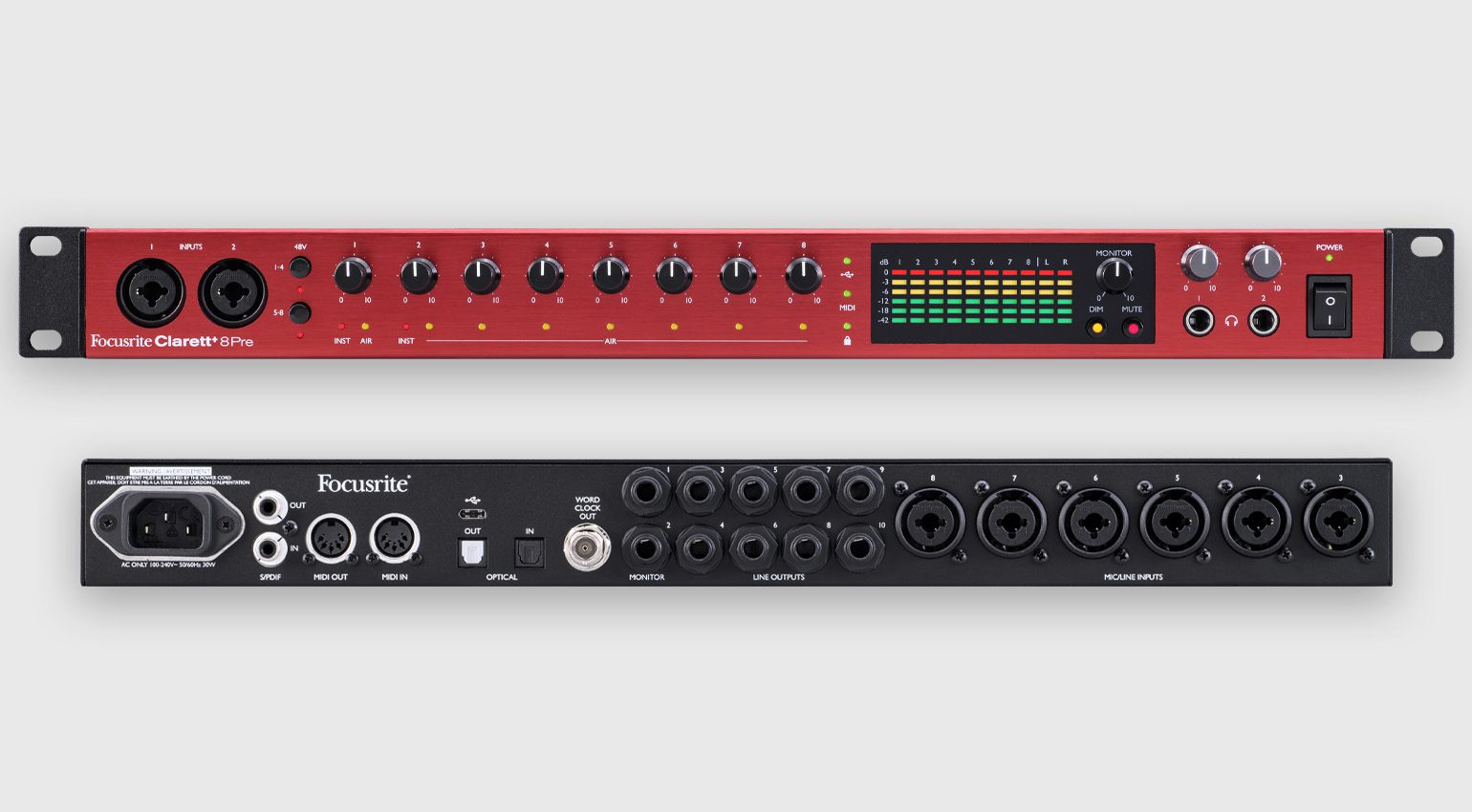
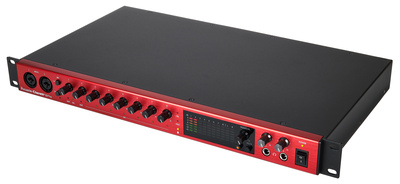
One step above the Scarlett series is the Clarett+ 8Pre audio interface from Focusrite’s mid-range Clarett series. It boasts eight Clarett preamps, which are based on the classic ISA110. Both have many hardware controls but are otherwise quite straightforward, so they’re perfect for bands and owners of small studios.
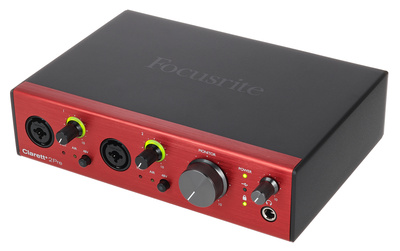
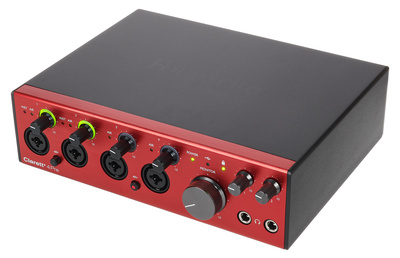
If you only need two preamps and are looking for a more compact interface with an ADAT expansion option, the Clarett+ 2Pre is a great, affordable option. Get it at Thomann.*


Mid-Range Audio Interfaces: MOTU
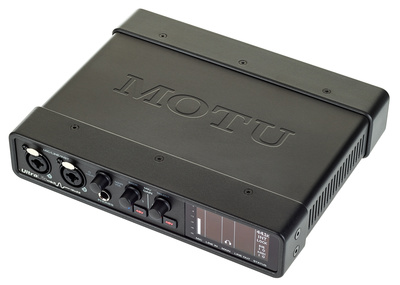
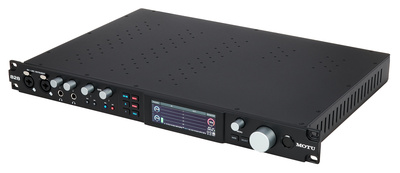
Although the affordable M Series has become extremely popular for recording on a budget, it’s the rest of the MOTU range that has been the choice of professionals in studio and on stage for over 20 years. Starting with the UltraLite, you get high-quality ESS Sabre32™ conversion with low-latency and 125 dB dynamic range.
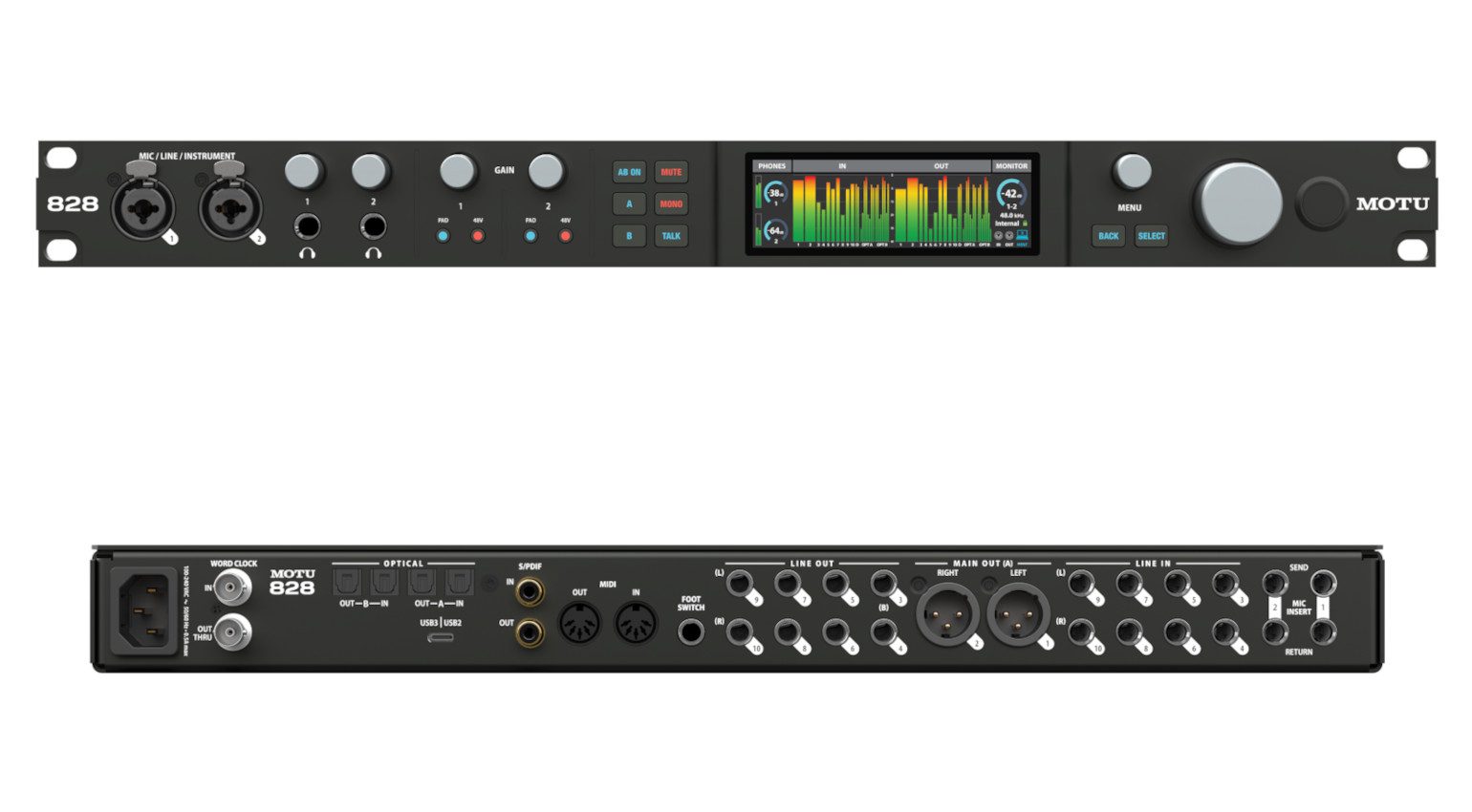
It might be only a compact half-rack size, but the UltraLite has many of the same features as the larger interfaces in the range. This includes low-noise XLR combo mic preamps, reamping capabilities, DC-coupled outputs, loopback, and digital expansion via ADAT and S/PDIF. MOTU interfaces are also particularly easy to manage via the accompanying CueMix software.
This lets you manage your I/O, internal routing, and monitoring from macOS, Windows, and iOS. As you go up the MOTU range of audio interfaces, what you sacrifice in portability, you make up for in connectivity options and scalability. Overall, MOTU is still one of the best options in this $500-$1,500 price range. Get it at Thomann.*

Mid-Range Audio Interfaces: Universal Audio Apollo
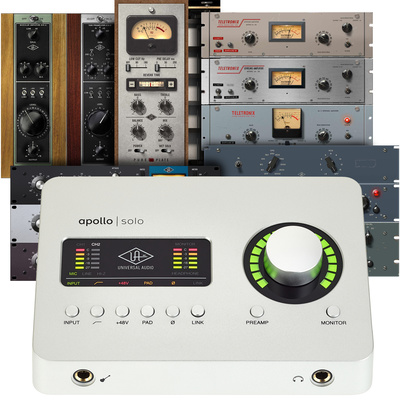
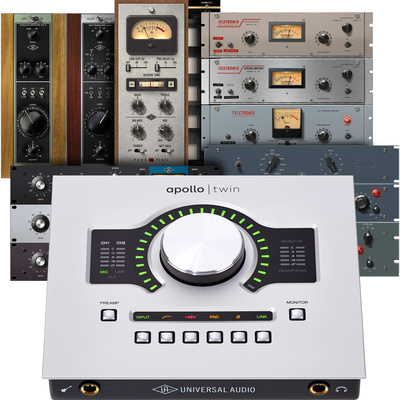
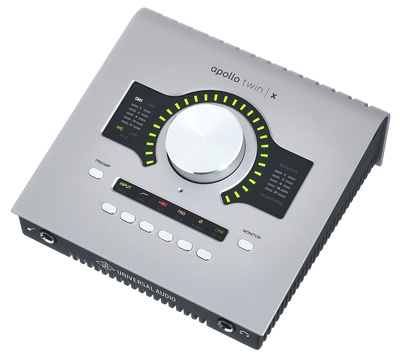
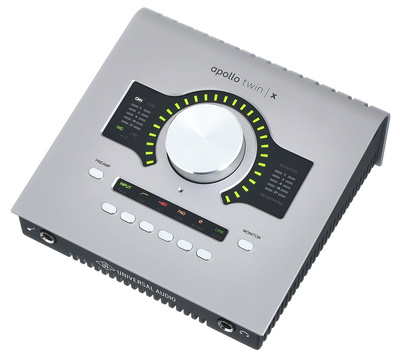
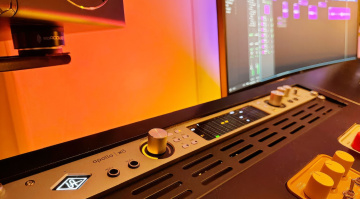
By now, most of us are familiar with the accessible Volt series interfaces from Universal Audio, as well as the rackmount Apollo X that became an industry staple after Pro Tools went native in 2010. However, for those of us who aren’t shopping in that more high-end $2000 price range, the Apollo Solo and Twin X series interfaces are formidable options.
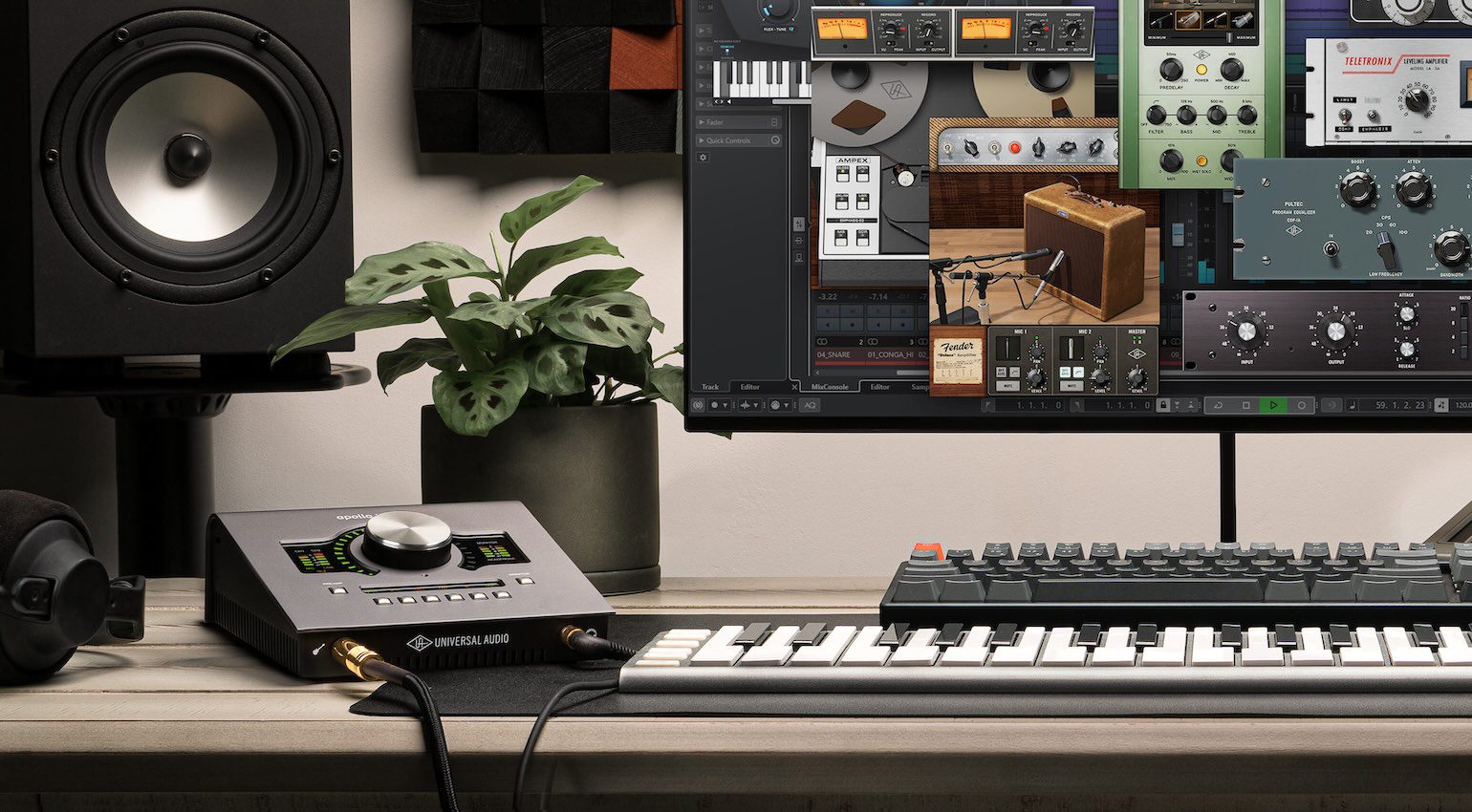
Of course, the 24-bit 192 kHz conversion stages are of excellent quality, and the Unison mic preamps allow the added flexibility of UA’s preamp modeling technology. However, it’s the onboard SHARC DSP systems and the amazing library of UADx plugins that set the Apollo series apart from any other audio interfaces.
Although the majority of UAD plugins are now available natively, there are still a few rarities that are only available to Apollo owners. In the case of each model, you get to choose the number of processing cores and the package of bundled plugins. While external DSP isn’t perhaps the drawcard it once was, it’s still useful to take some of the processing load off your native CPU. Get it at Thomann.*

Mid-Range Audio Interfaces: RME
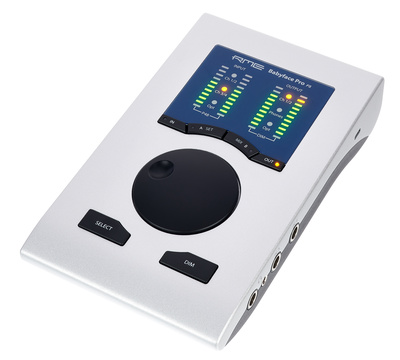
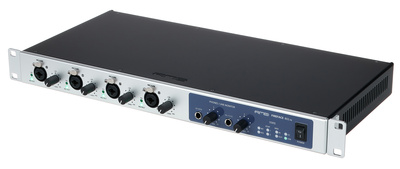
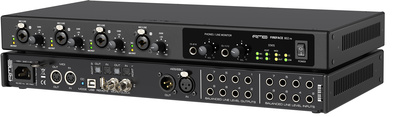
RME offers some of the best quality audio interfaces in this price range in terms of having ultra-clean preamps and transparent conversion stages with stable SteadyClock FS clocking. Like the MOTU interfaces, some of the RME models function as standalone digital mixers and recorders, with the TotalMix FX for control and management.

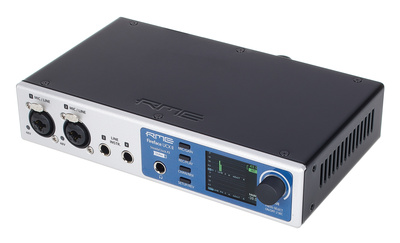
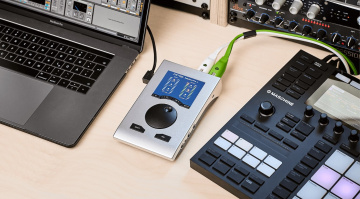
The most compact and portable option in the RME range is the Babyface Pro FS, which is a 12×12 24-bit 192 kHz interface with MIDI and ADAT connectivity with SMUX support. As you go up the range, the UCX II offers more inputs with DC-coupled outputs, and additional connectivity formats such as wordclock, AES/EBU, and S/PDIF.
One thing that sets RME apart from other manufacturers is the stability of their drivers and the longevity of their product support. This makes these interfaces more of a long-term investment than many of the options that you find on the market. Overall, RME remains one of the best options you can find before you start delving into high-end territory. Get it at Thomann.*

More about Mid-Range Audio Interfaces:
*Note: This post contains affiliate links and/or widgets. When you buy a product via our affiliate partner, we receive a small commission that helps support what we do. Don’t worry, you pay the same price. Thanks for your support!

This might also interest you
6 responses to “The Best Mid-Range Audio Interfaces for Studio and Stage”

You are currently viewing a placeholder content from Facebook. To access the actual content, click the button below. Please note that doing so will share data with third-party providers.
More InformationYou are currently viewing a placeholder content from Instagram. To access the actual content, click the button below. Please note that doing so will share data with third-party providers.
More InformationYou are currently viewing a placeholder content from X. To access the actual content, click the button below. Please note that doing so will share data with third-party providers.
More Information
“And the Winners are: RME, MOTU, Universal Audio”
Nobody that tried most audio interfaces brands out there can disagree with that. Rock solid stuff from these brands.
The one thing missed from the UAD product is the sheer expense of the native plug-ins. Sure, the barebones interface is a decent value, but add in a dozen or so of UAD’s best plug-ins, you’ve quadrupled the price.
I am not buying any audio interface that can’t use RJ45 for output.
I thought about the Yamaha dm3, the cheapest Dante mixer, only the Yamaha Dante stagebox is a cheaper Dante interface.
but now Mackie updated the dlz to use RJ45 for NDI. and at 800 that makes it the midrange interface/mixer that wins it all in terms of possible use cases and expansion.
How do you have a mid range audio interface shootout and not mention Audient EVO series? With auto gain adjust? With the SP8 you can get 16 mic pre’s for $1100.
The EVO 16 and the SP8 were featured in these roundups:
https://www.gearnews.com/the-best-multichannel-audio-interfaces-for-home-recording/
https://www.gearnews.com/the-best-adat-preamps-for-your-home-studio/
Ita crazy that Antelope Zen Quadro or Discrete 8 Oryx are not included. The price to feature ratio is unbeatable in any aspect. My Zen Quadro is rock solid , sounds amazingly clear, it came with tons if free effects and the DSP is more powerful than an apollo x4 which costs like 3 times more