Unnecessary Studio Gear That Is Actually Worth Having
I range of equipment that does more than you expect.


We investigate equipment that is often referred to as unnecessary studio gear to find out if certain audio tools remain useful in any recording studio.
In this Article:
The way we record and mix records has changed the way we prioritize the tools we use. Compressors that were used for tracking in decades past are now seen as luxury processors for adding character and vibe. Meanwhile, plugins are the essential tools that do most of the heavy lifting when it comes to bringing a song to life.
However, music production isn’t only about functionality and workflow. We also work the way we do because it feels right and it’s relevant in the creative process. With these ever-evolving philosophies considered, are there particular pieces of equipment that could be deemed unnecessary that have benefits we may have overlooked?
Unnecessary Studio Gear: Cranborne Audio 500R8
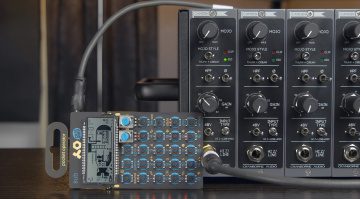
The world of 500 series modules opens up possibilities when it comes to adding hardware to your setup in a relatively affordable way that can be used for tracking, as well as channel inserts and bus processing in your DAW. The only trouble is that getting signals into a 500 series rack and back isn’t always a straightforward process, depending on your audio interface.
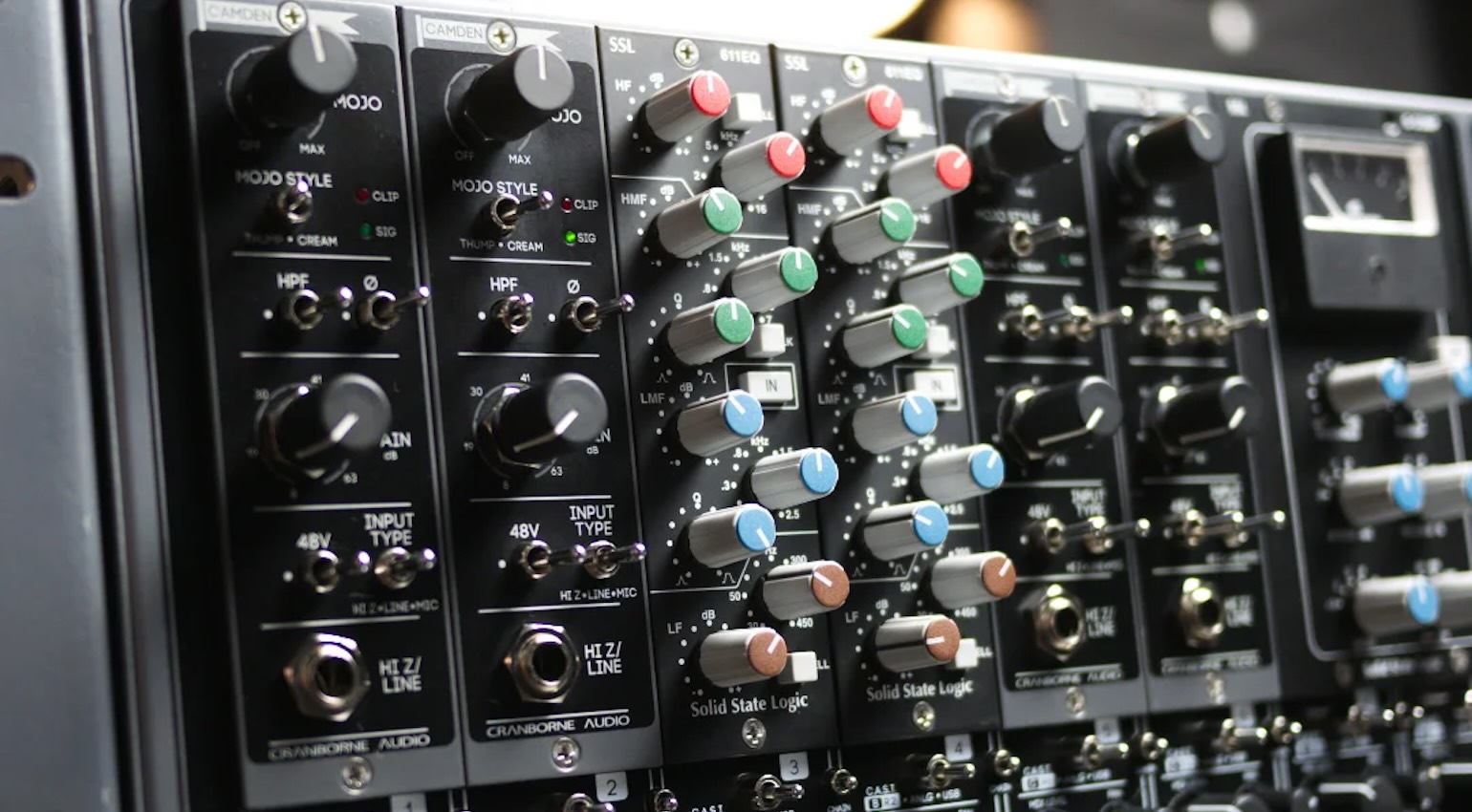
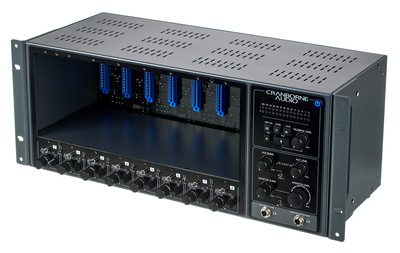
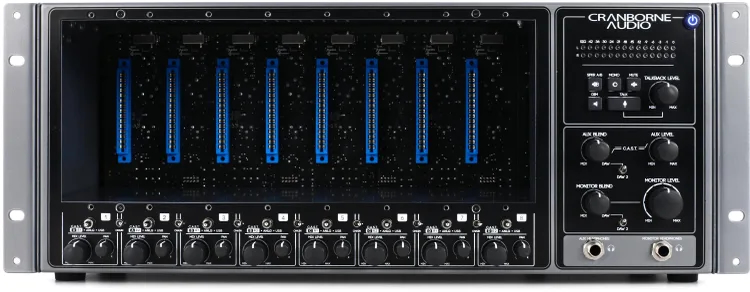
Well, Cranborne Audio thought about this conundrum extensively when they designed the 500R8. This 500 series chassis has eight slots for housing your favourite modules, but it is also an audio interface and monitor controller with talkback functionality. The 500R8 functions as a 28×30 USB audio interface with ADAT and MIDI I/O, as well as reference-grade clocking.
In addition, it also provides a flexible analog summing solution for mixing through your 500 series modules from your DAW. The 500R8 system can be expanded even further with the 500ADAT chassis, giving you more slots for modules, and it also interfaces with the CAST analog format that transmits four channels of balanced analog signal via common CAT5 cabling.



Unnecessary Studio Gear: Flock Audio Patchbays
When your studio reaches a certain size, it becomes impractical not to use a patchbay for signal routing. The basic premise of a patchbay is that it allows you to permanently connect your DAW I/O, hardware effects I/O, and any instrument in your studio, and flexibly reconfigure the routing of multiple channels in a matter of seconds.
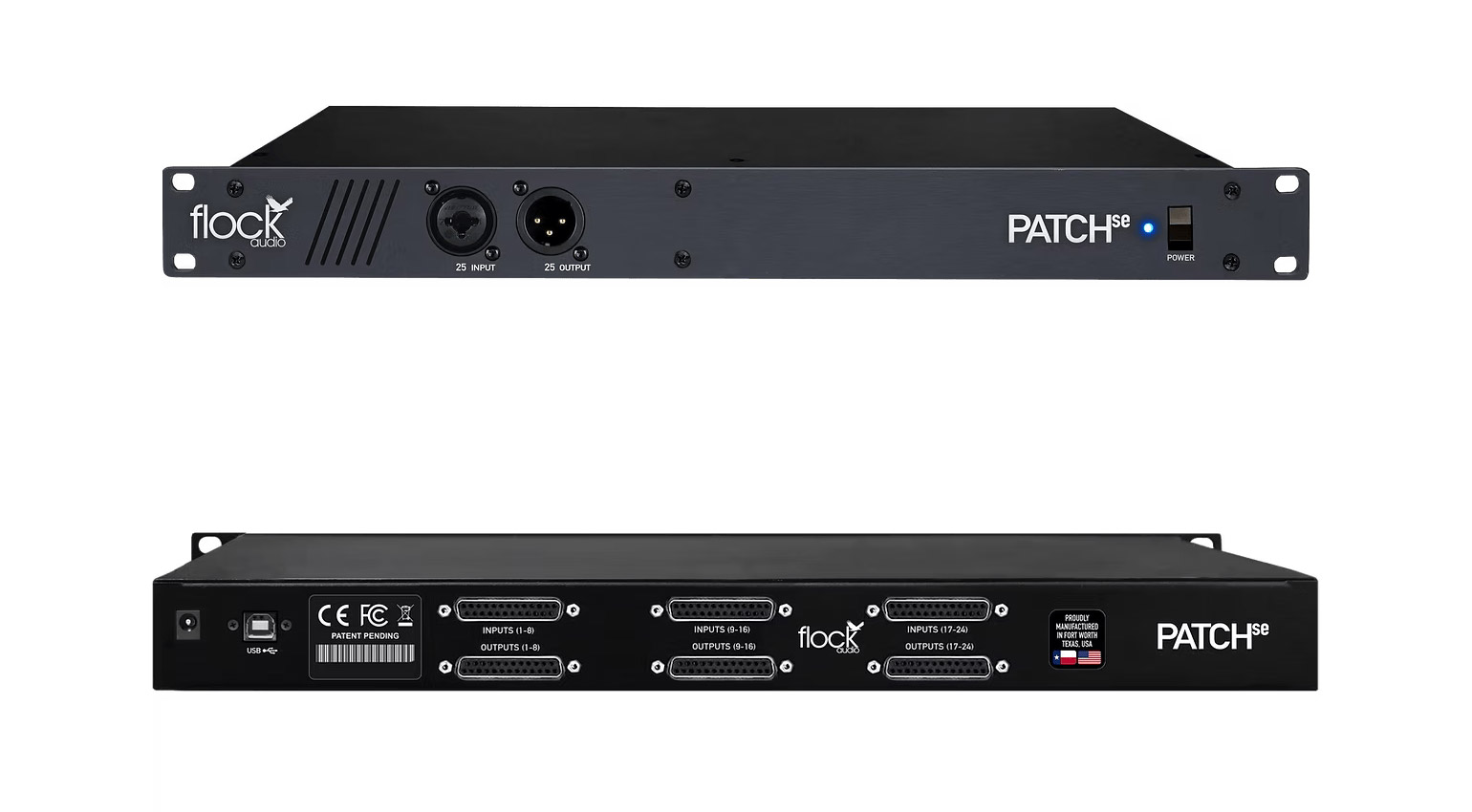
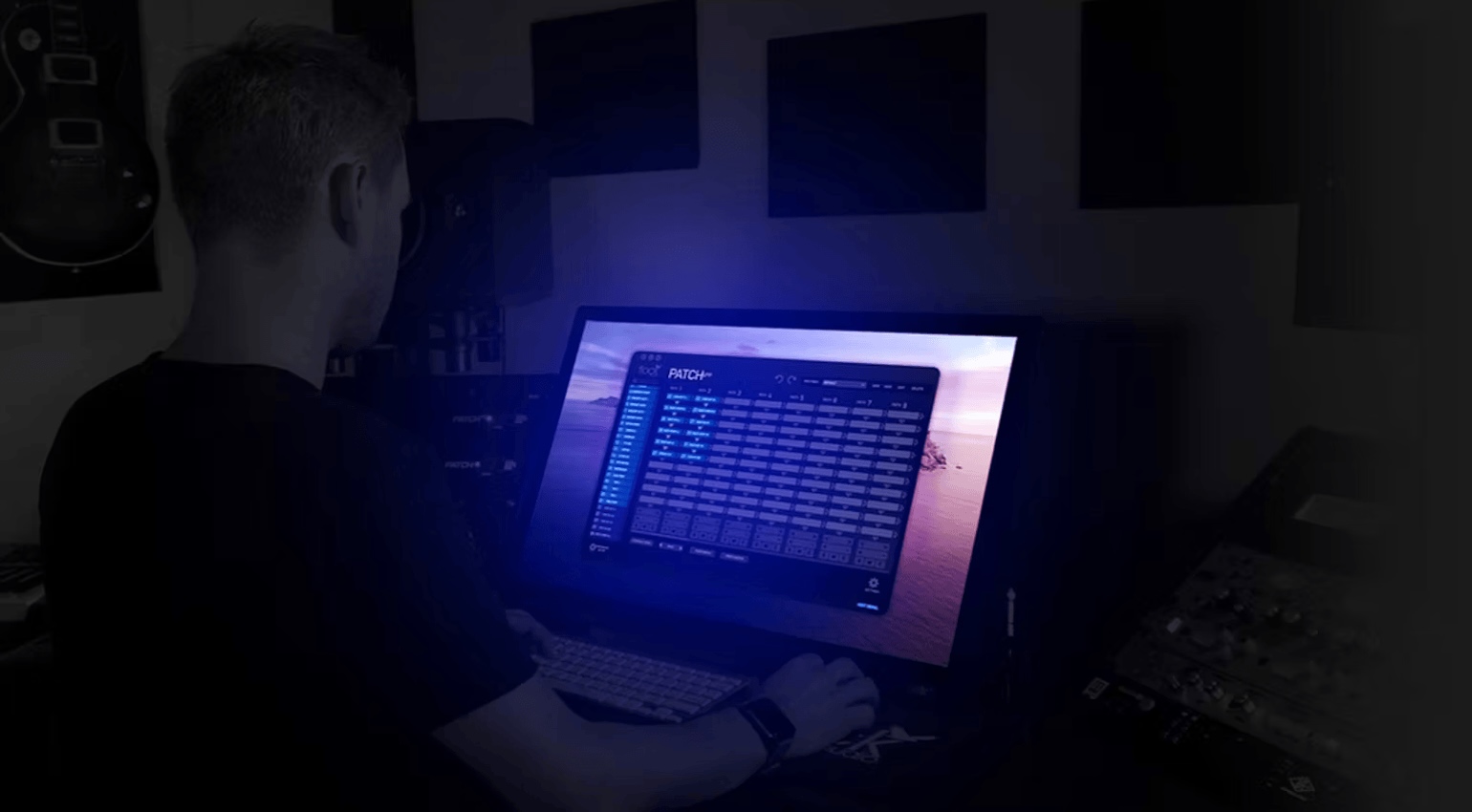
The only problem with using an analog patchbay in a digital studio is constantly having to take photos of your patch routings in order to recall them later. Luckily, the geniuses at Flock Audio have solved this problem with their range of digitally controlled analog patchbays. This lets you control all your routings from a convenient software interface, while the signals retain their integrity in the analog domain.
Before you suggest it, there are no AD/DA converters. Instead, Flock Audio has implemented a complex analog switching matrix that allows the system to reconfigure the signal path based on messages sent via USB. While this might not be as fun as patching loads of colorful cables, it does make recalling sessions a breeze, which means work gets done faster.



Unnecessary Studio Gear: SSL SiX
In the context of a modern home studio, one could argue that an analog mixer is slightly redundant. With some of the multichannel audio interfaces available today, you can wire up most of the gear in your studio and still have inputs to spare. However, when you are combining electronic instruments like synths and drum machines with effects pedals, routing can become a little more complex.
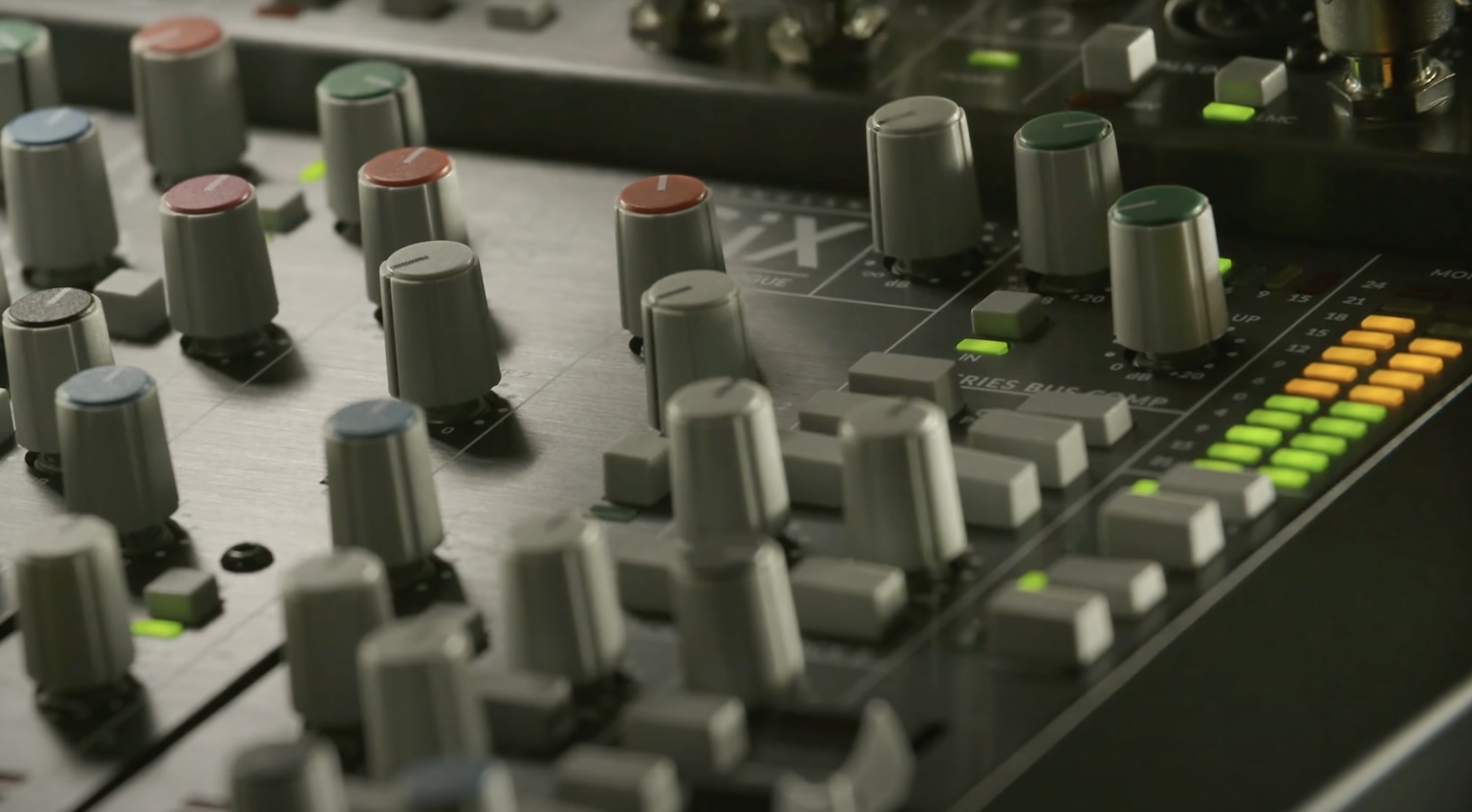
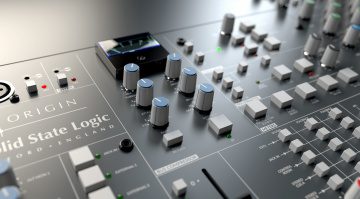
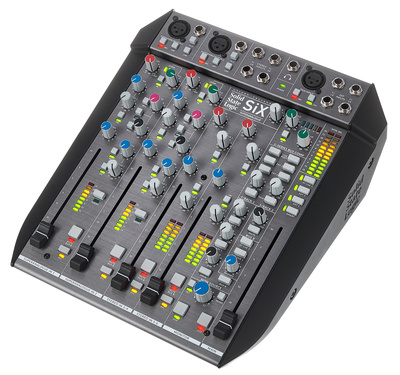
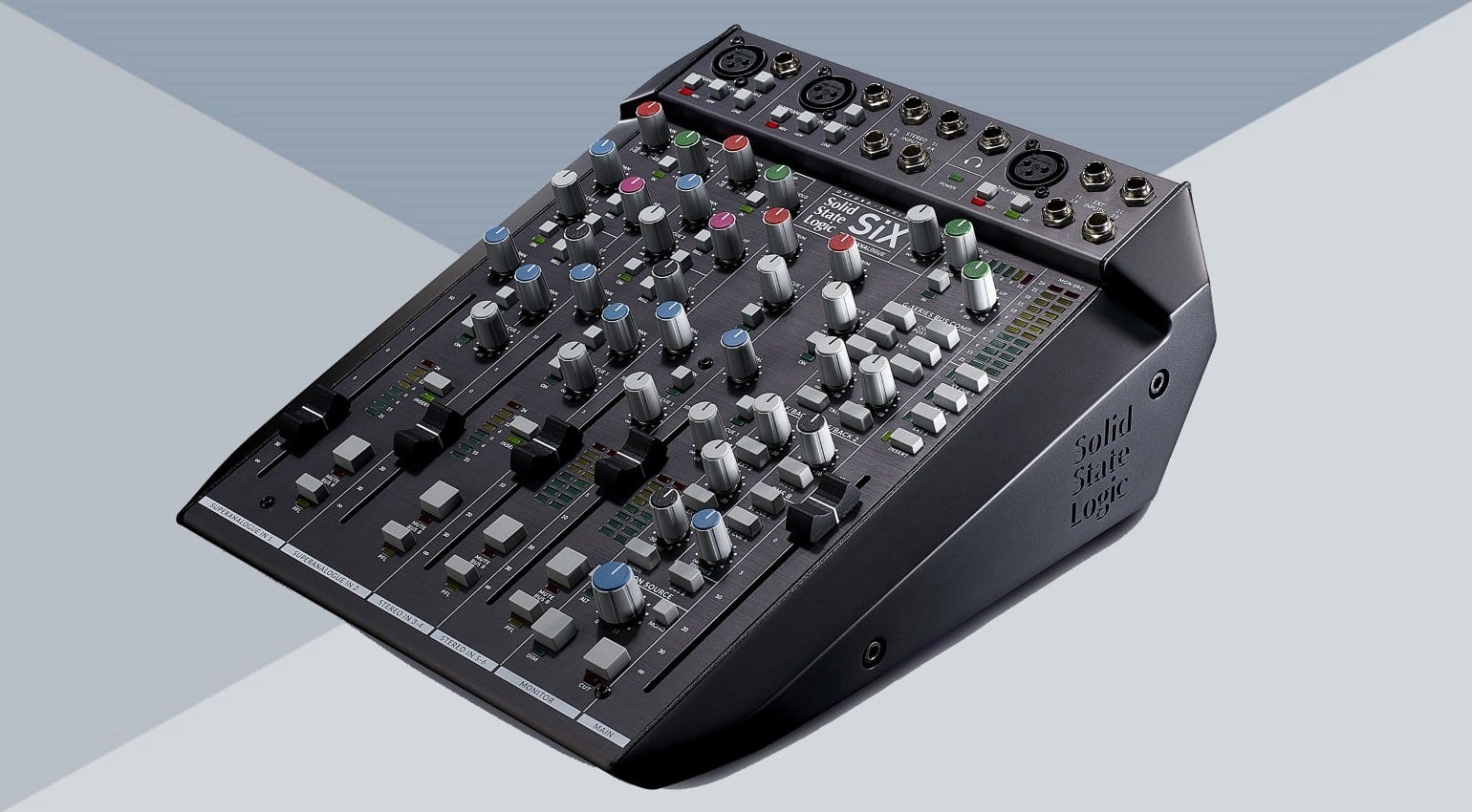
This is where even a compact mixer like the SSL SiX can come in handy. Rather than having to replug cables every time you want to make a new sound, a mixer allows you to leave all your instruments connected with your effects chains on aux sends. Besides this basic routing functionality, the SiX also provides an excellent monitoring section for working with other musicians.
A mixer can also provide the ability to send signals to and from your DAW and blend them with your hardware effects to create sounds that might not be possible with plugins. Either way, if you plan on using any kind of recording chain that involves more than simply plugging the mic or instrument directly into your interface, a mixer can actually become a creative addition to your setup.

Unnecessary Studio Gear: SPL 2Control
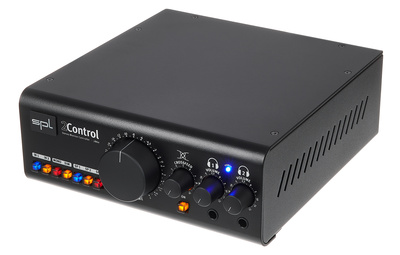
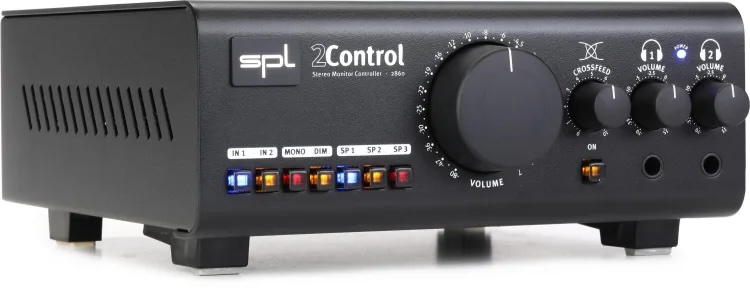
A monitor controller is something most musicians wouldn’t consider essential, and they’d be right for the most part. Most audio interfaces and analog desktop mixers provide an adequate control knob to adjust the levels of your studio monitors and headphones, and some even let you switch instantly between two pairs of speakers.
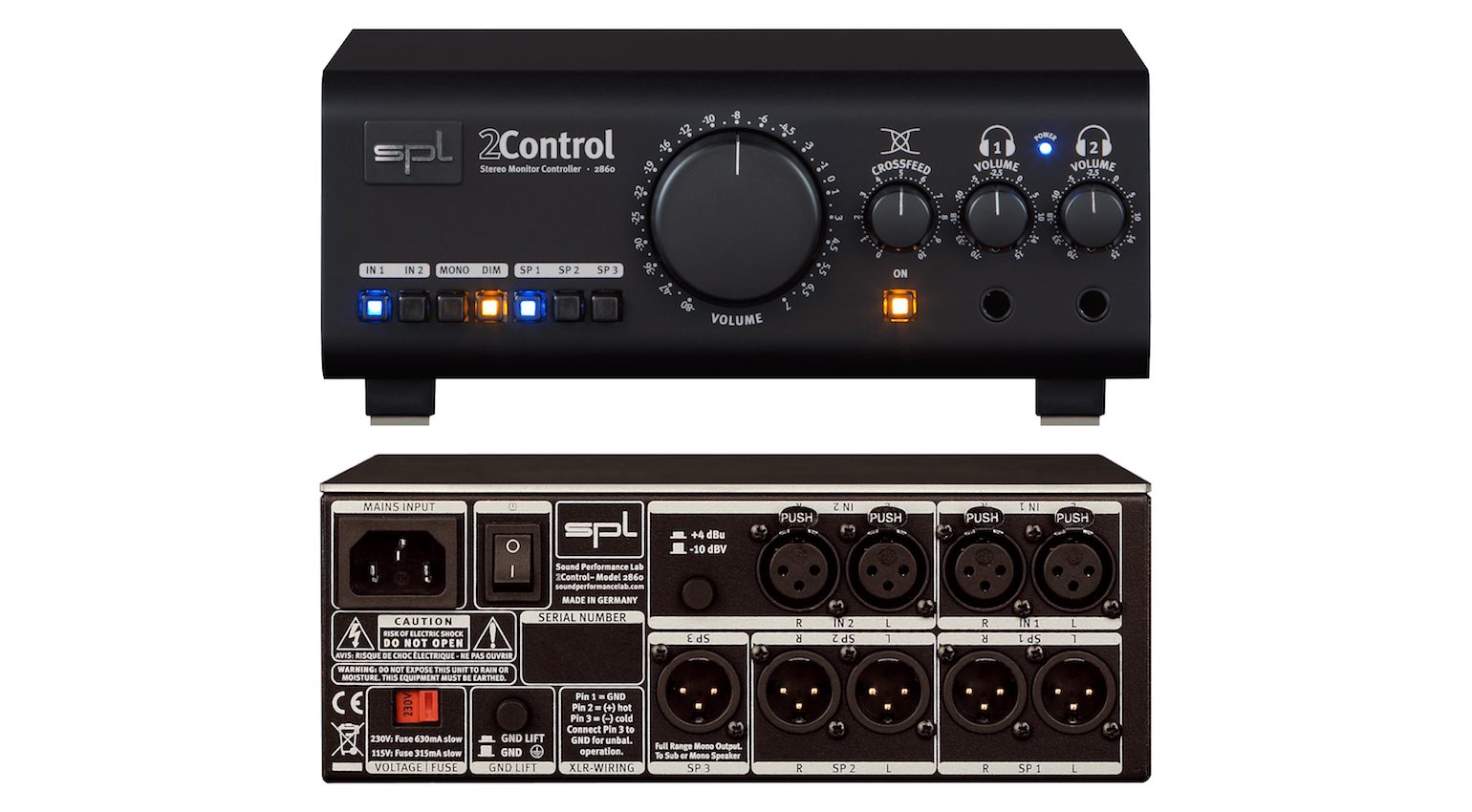
However, there are always cases where having a more specialized, dedicated tool for monitor control makes sense. For instance, when you’re connecting multiple sets of speakers and you have both stereo and mono speakers, like your primary production monitors and a cube monitor you use for referencing your mixes.
This is where a box like the SPL 2Control comes in, with the right connections for your speakers and well-lit, color-coded switches that make switching between monitors easy and precise. In addition, the two built-in headphone amplifiers provide feeds for the engineer and artist, and the crossfeed feature simulates the feel of your monitor system on your headphones.

Unnecessary Studio Gear: Summit Audio TLA-100A
The choice of whether to track using compression or not remains a debate amongst modern producers and recording engineers. According to the new-school approach, there’s absolutely no need to track using compression when you’re doing all your processing in the box, right? Well, if you take a look back at recording history, using dynamics control during recording was standard practice.
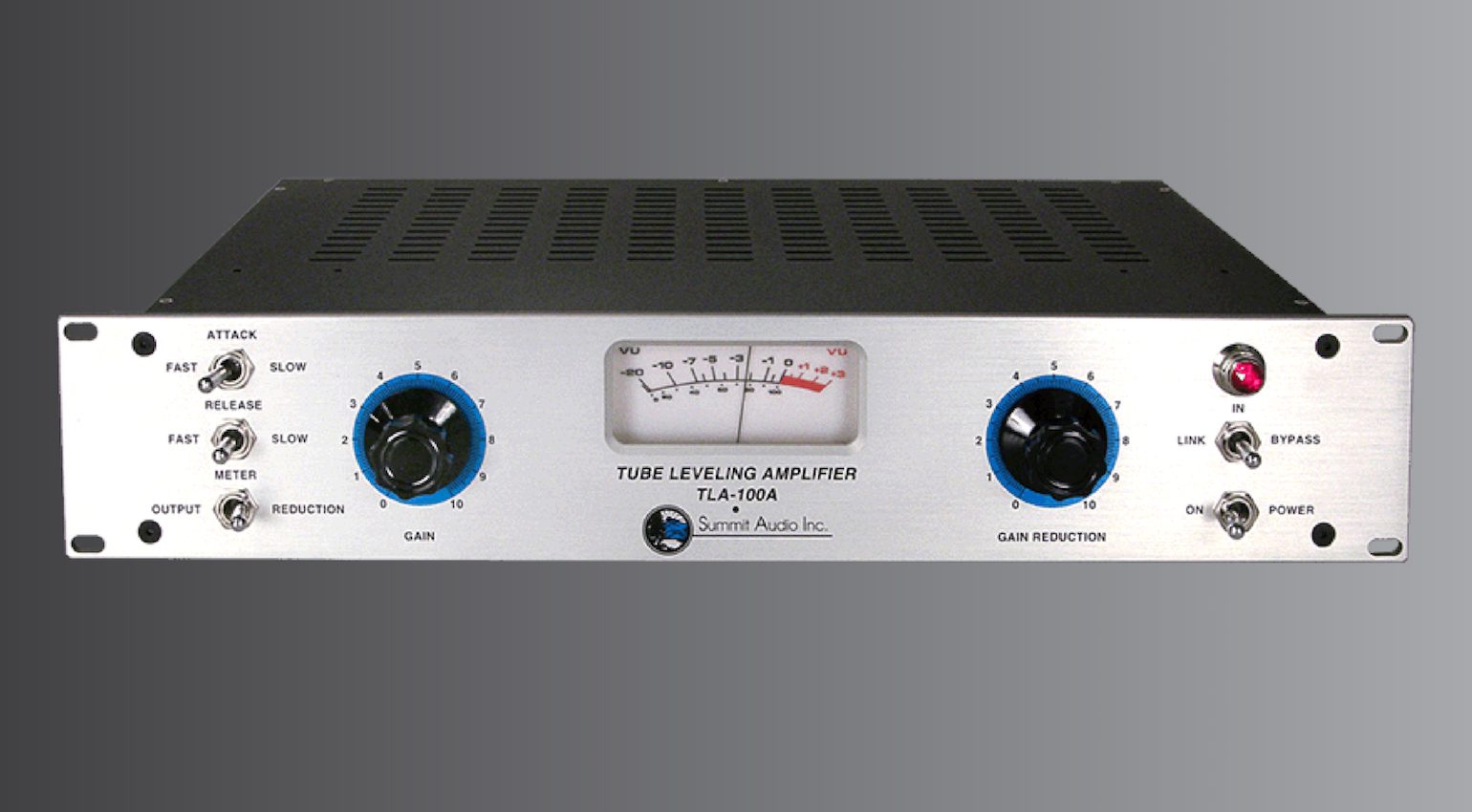
For this reason, the Summit Audio TLA-100A is one of the longest continuously produced compressors from a single, original manufacturer, used since the 1980s as a set-and-forget peak leveler, particularly on vocals. While the TLA-100A may look similar to the LA-2A, this tube leveler uses a proprietary solid-state “compression cell”.
It does give you simple input-dependent operation common to optical levelers, but the compression onset is much faster and more similar to a transistor-based circuit. The result is a piece of gear that remains relevant today, ideal for shaving down those spiky vocal transients without noticeable coloration.

More about Unnecessary Studio Gear:
*Note: This article contains affiliate links that help us fund our site. Don’t worry: The price for you always remains the same! If you buy something through these links, we receive a small commission. Thank you for your support!

This might also interest you