Streaming Fraud: Music Industry Launches Global Counteroffensive
IFPI and BVMI push distributors toward five new minimum standards

 5,0 / 5,0 |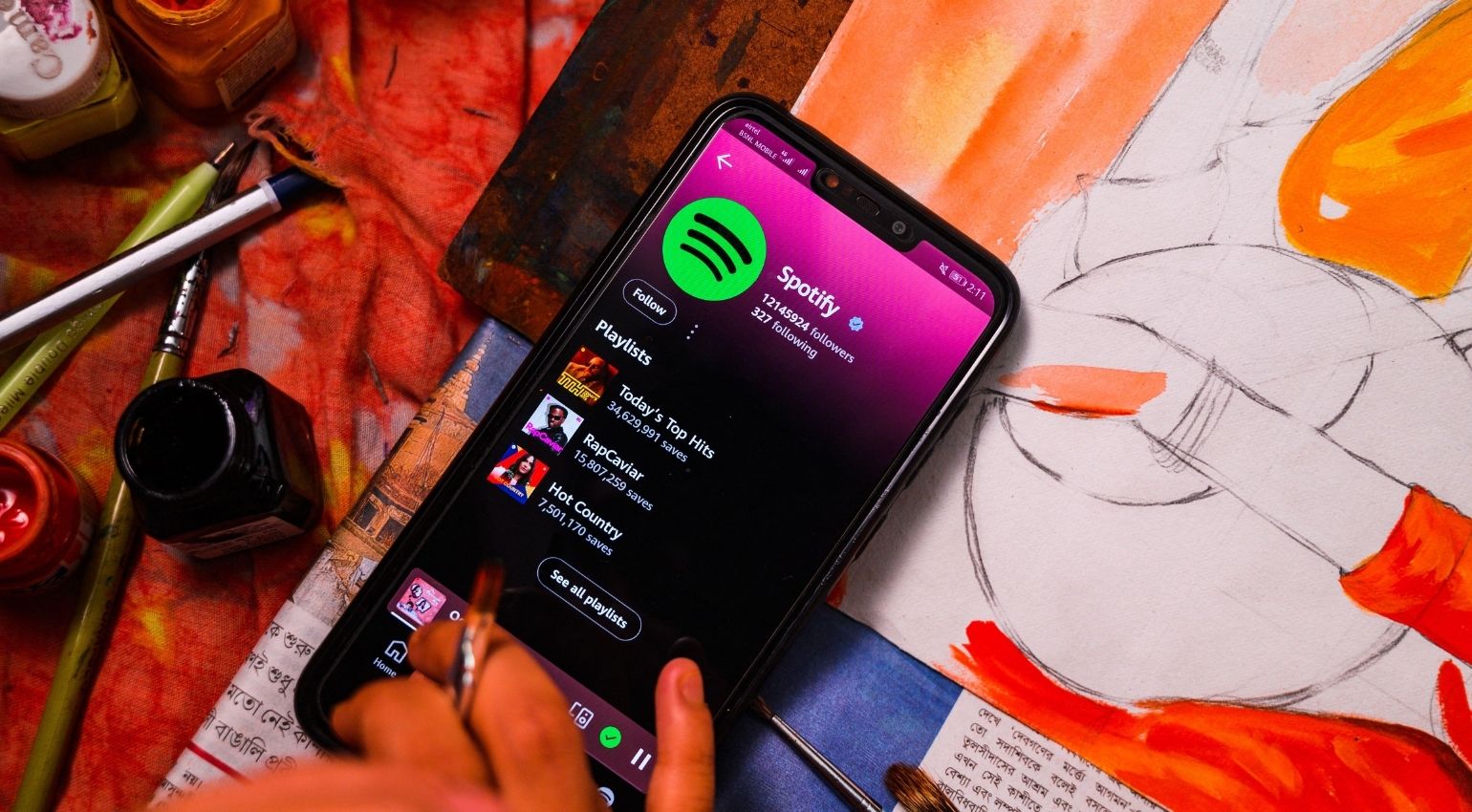
Streaming Fraud: Music Industry Launches Global Counteroffensive · Source: Majority World CIC / Alamy

The IFPI, the international music industry’s global trade body, has launched a worldwide push against systematic streaming fraud on digital music services, working alongside its German affiliate, the Bundesverband Musikindustrie (BVMI), and a wide range of industry players. With the new Streaming Integrity Initiative (SII), the music business is responding to a problem that directly undermines artist income and threatens the foundation of the entire streaming ecosystem.
Streaming Fraud: The Five New Minimum Standards From the Music Industry
Streaming Fraud: The Business of Fake Streams
Streaming fraud covers the deliberate manipulation of digital music platforms to siphon money out of royalty pools through fake or automated plays. Criminal operators rely on automated tools and bot networks to artificially spin up plays on tracks. That routes serious money away from the people who actually made the music, artists, songwriters, publishers, and labels, and into the pockets of fraudsters instead. Beyond the direct financial hit, this kind of fraud also skews reach metrics, charts, and recommendation algorithms.
Now the goal is to actually shut this down. Honestly, this feels like a genuinely important move for the music industry’s long-term survival.
Why Distributors Specifically Are the Focus
This new push targets digital music distributors specifically, not the streaming platforms themselves. These services act as the actual gateway into the market, taking in recordings on behalf of musicians and labels and passing them along to platforms like Spotify, Apple Music, or Amazon Music. Because of that gatekeeper position, distributors can actually stop fraudulent content before it ever goes live, a much more effective approach than chasing down fake streams after they’re already out in the wild.
Five Obligations for Distribution Partners
The initiative lays out five concrete minimum standards for the industry. The core piece is introducing strict identity and rights verification, modeled on financial-sector “Know Your Customer” principles, to properly verify who’s actually behind an account. On top of that, the self-regulation framework requires content screening using modern detection tools, catching copyright violations, fraudulent uploads, and abusive AI content early.
The standards also cover effective fraud investigation processes and clear measures against repeat offenders. A legally compliant information-sharing framework between signatories is meant to stop bad actors from simply hopping to a new provider after getting banned somewhere else, apparently a real loophole up until now. The fifth point commits signatories to continuously evolving their own protection systems, since fraud tactics keep changing too.
Who Is Backing the Initiative
The Streaming Integrity Initiative is backed by the three major labels, Sony Music, Universal Music, and Warner Music, alongside industry bodies like IMPALA and Merlin. A long list of distribution services is also on board, including Absolute Label Services, ADA, AWAL, CD Baby, CmdShft, Ditto Music, FUGA, GoDigital, HYBE, IDOL, InnerCat Music, Redeye, Revelator, RouteNote, Secretly Distribution, Symphonic, The Orchard, Too Lost, and Virgin Music. A genuinely impressive lineup that shows just how seriously the industry is taking this at this point.
BVMI chairman Florian Drücke emphasized that streaming fraud distorts fair competition and demands an international response. The initiative builds on the IFPI’s broader End Streaming Fraud campaign, which aims to raise awareness of the growing threat streaming fraud poses to the entire music ecosystem.
A Word on How Effective This Will Actually Be
As sensible as these five minimum standards sound, the initiative currently runs almost entirely on voluntary commitments from signatories, there’s no independent, mandatory enforcement body behind it. Whether the promised information-sharing actually stops repeat offenders in practice, or fraudsters just find new workarounds, remains to be seen. Still, this is a genuine starting point for something important. Onward from here.
Do you think an industry-wide voluntary commitment like this can actually make a dent in streaming fraud, or does this really need outside regulatory pressure to work?
More Information
- Streaming Integrity Initiative in Detail
- IFPI’s End Streaming Fraud Campaign
- More on BVMI
- More on IFPI

This might also interest you