The Beast Returns: MESA/Boogie Resurrects the Iconic 90s Triple Rectifier
The legend returns: MESA/Boogie reintroduces the 90s Triple Rectifier!

 4,0 / 5,0 |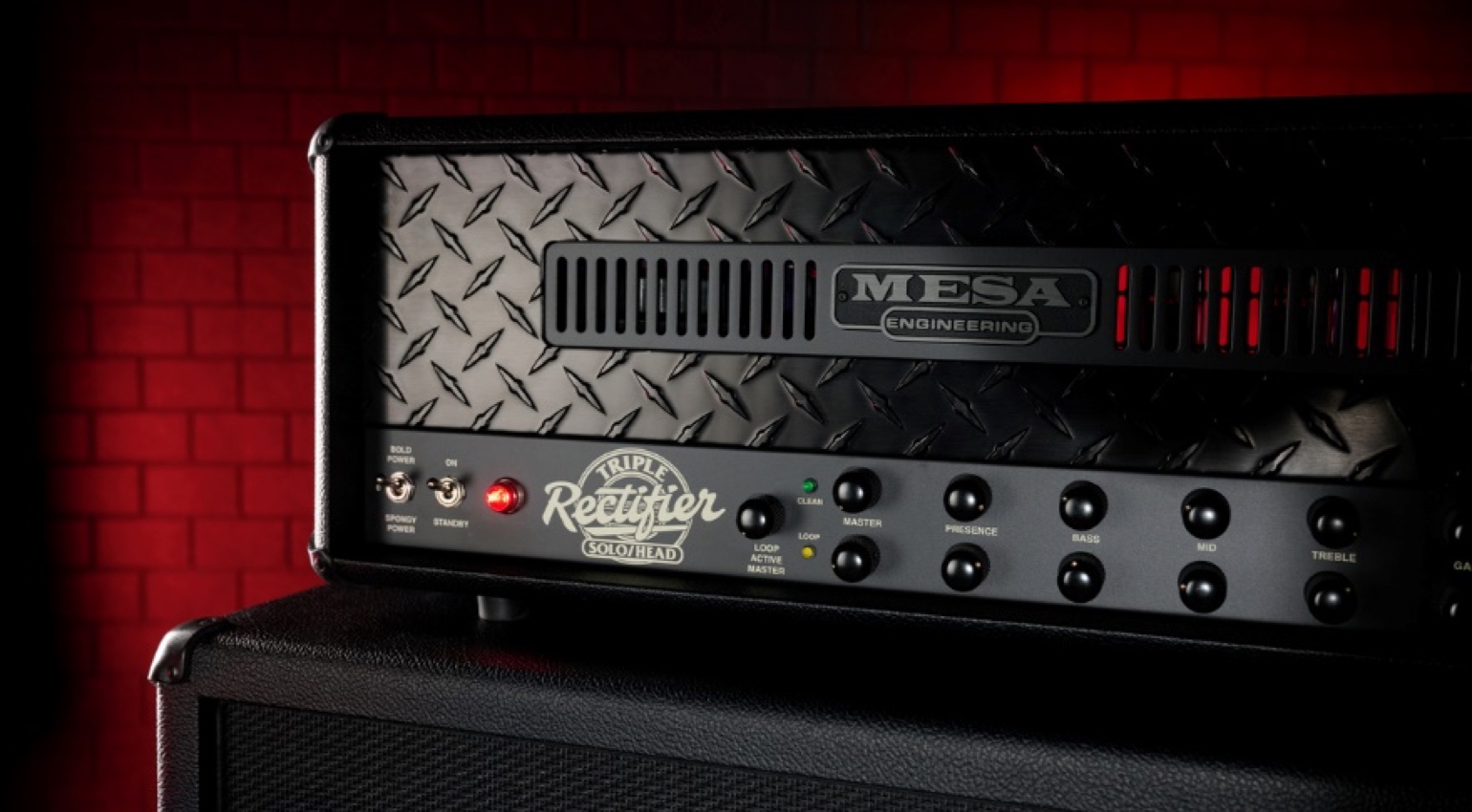
The Beast Returns: MESA/Boogie Resurrects the Iconic 90s Triple Rectifier · Source: Gibson/Mesa/Boogie


MESA/Boogie has officially announced the return of the legendary 90s Triple Rectifier Solo Head. Following the successful relaunch of its 100-watt sibling, the Dual Rectifier, MESA is now bringing back the “big brother”—a 150-watt powerhouse designed for players who believe that excess is barely enough.
90s Triple Rectifier
The ’90s Beast
Originally released in 1992, the Rectifier series didn’t just join the market; it defined an era. Its crushing high-gain wall of sound became the sonic foundation for grunge, punk, and the birth of nu-metal. I can distinctly remember that tone suddenly becoming the one every high-gain tone chaser wanted in this period, and many of my peers lusted after their tone.
Now, thirty years later, MESA is recreating that exact 2-channel magic, built by the same artisans in California who handcrafted the originals.
But will it be quite the same in 2026, as things have moved on considerably and many players now utilise amp modeling live and in the studio to achieve these high-gain US amp tones?
Blacked-Out Menace
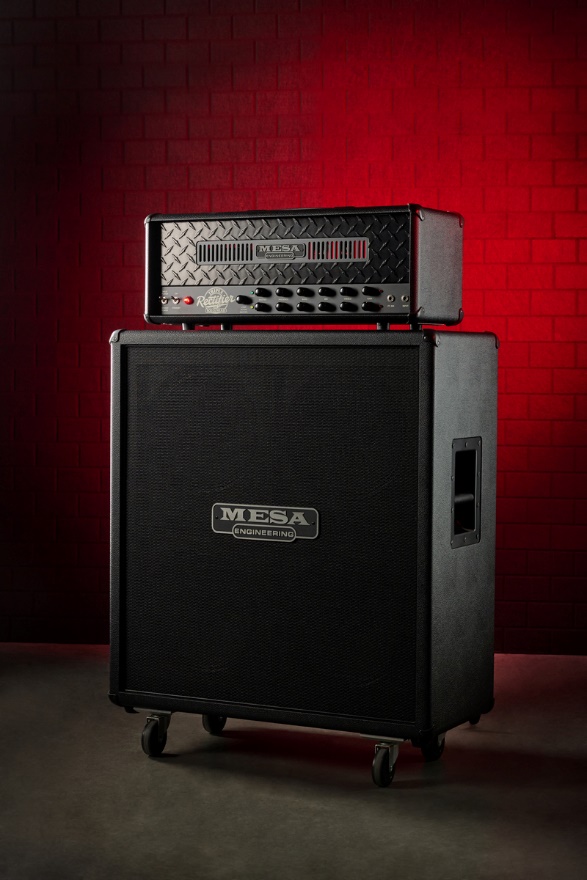
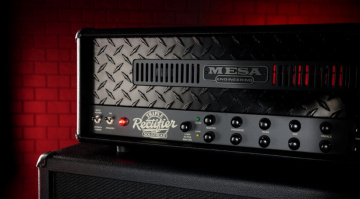
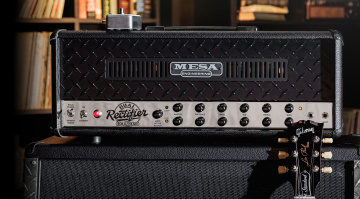
The “new” 90s Triple Rectifier maintains the exact circuit architecture that made the original a multi-platinum staple, but it adopts a more aggressive aesthetic. The amplifier features a “blackout” chassis, black speed knobs, and the iconic black diamond plate.
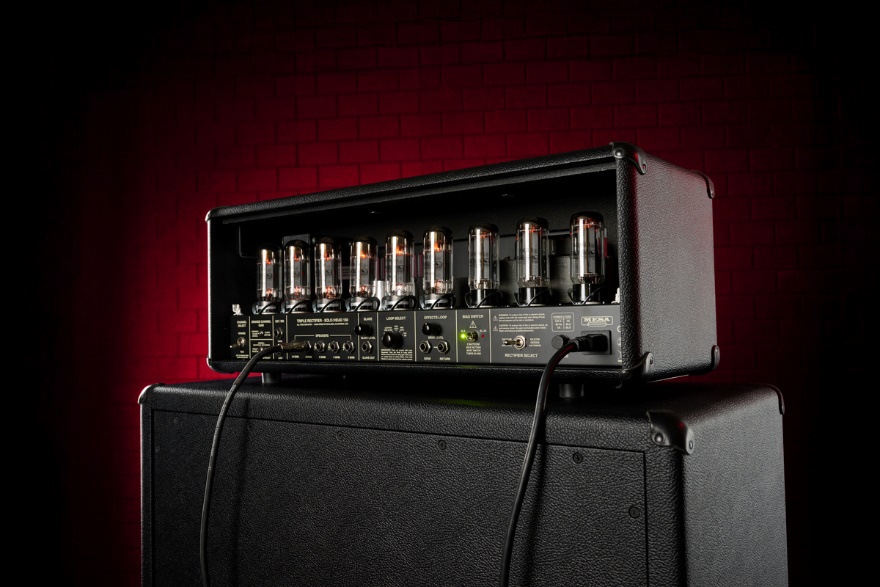
Under the hood, a “wall of glowing glass”—consisting of six 6L6 power tubes and five 12AX7 preamp tubes—delivers the massive headroom and percussive low-end that many modern digital modelers still struggle to replicate.
However, in 2026, it will cost a small fortune to re-tube this amp, and these amps used to burn through tubes fast when driven hard, so take the upkeep into account if you have never owned one before.
That Power, That Sound
The Triple Rectifier’s hallmark is its versatility in power and feel. Players can toggle between Vacuum Tube rectification for a “sagging” vintage feel or Silicon Diode for a tight, lightning-fast tracking response. The “Bold/Spongy” power switch further allows musicians to alter the internal voltage, mimicking the “brown sound” of a variac.
These amps remain a 2-channel design, featuring the famous “Channel Cloning” technology. This allows the “Orange” and “Red” channels to be configured for a variety of Clean, Vintage High-Gain, or Modern High-Gain modes, ensuring that while the amp is a high-gain monster, it remains a surgical tool for the studio.
FAQ
What is the main difference between the Triple Rectifier and the Dual Rectifier?
The primary difference is power and headroom. The Triple Rectifier delivers 150 watts via six 6L6 power tubes, whereas the Dual Rectifier delivers 100 watts via four 6L6 power tubes. This extra power gives the Triple a tighter low-end response and significantly more “clean headroom” before the power section distorts.
Is this the 2-channel or 3-channel version?
This specific reissue is based on the 2-channel circuit from the 1990s. While 3-channel versions were introduced later (around 2000), many purists prefer the 2-channel version for its specific gain structure and raw tonal character.
What does the “Rectifier” switch actually do?
It allows you to choose how the AC power is converted to DC. The Tube setting offers a compressed, “breathing” feel popular for blues and classic rock. The Silicon Diode setting provides a faster, punchier, and more aggressive attack preferred by metal and hard rock players.
Can I use EL34 tubes instead of the stock 6L6s?
Yes. The amplifier features a Bias Select switch, allowing you to swap the factory-installed 6L6 tubes for EL34s if you prefer a more “British” mid-range character.
Is it too loud for home use?
With 150 watts of tube power, the Triple Rectifier is exceptionally loud. However, the “Spongy” setting reduces the internal voltage to act as a built-in power reducer, making it slightly more manageable, though it is still designed primarily for the stage and studio.
What is included in the box?
Each head comes with a compact, one-button footswitch for channel switching and is backed by MESA/Boogie’s 5-year transferable warranty.
Verdict
Gibson now owns MESA/Boogie, so we always knew they would reissue these models at some point, as they have a reputation for tapping into nostalgia and pulling at guitarists’ heartstrings. These amps are brutally loud, and I survived the 1990s and beyond; however, my hearing did take a beating from this type of tube amp.
I wouldn’t recommend them to anyone unless they play large stages or own a recording studio where stage volume isn’t an issue. Cool, but probably far too loud for most guitarists in 2026 and not as flexible as modern amps.
However, if you must have ‘that sound,’ then these ’90s Beasts should (hopefully) get you there, plus having a 5-year warranty is better than servicing a beat-up original.
Price & Availability
They are available at Thomann for $4290/£3799/€4399.


More Information

This might also interest you
One response to “The Beast Returns: MESA/Boogie Resurrects the Iconic 90s Triple Rectifier”

5k for a reissued low end guitar amp with only 150 watts is completely unacceptable! Technology has surpassed this dinosaur and nostalgia isn’t worth 5k unless you’re worth $10 million+. One could venture into a used instrument store or a pawn shop and find a 350-650 dollar amp and cab that would blowaway this 5k amp, for example, an old 5150 or Marshall set up would crush this 5k junk, especially with all the pedalboard options available today. And also don’t count out the new Ai music apps, they’re delivering the greatest solos and amp sounds one could only dream about years ago! Personally, I have no need for band mates and their antics now that Ai music apps are here! Take note, Ed Sheeran just did a live concert without a band, his music was all loops from digital programming- basically its ai generated just like Daws etc, but the starlets love to claim it’s all originally by a human, yeah after that human chose to use an outside digital source in the creative process. I wouldn’t buy this 5k amp.