Hardware EQs for Recording and Mixing: Flavoursome Sound Shaping
Hardware EQ units and modules for recording and mixing.

 4,5 / 5,0 |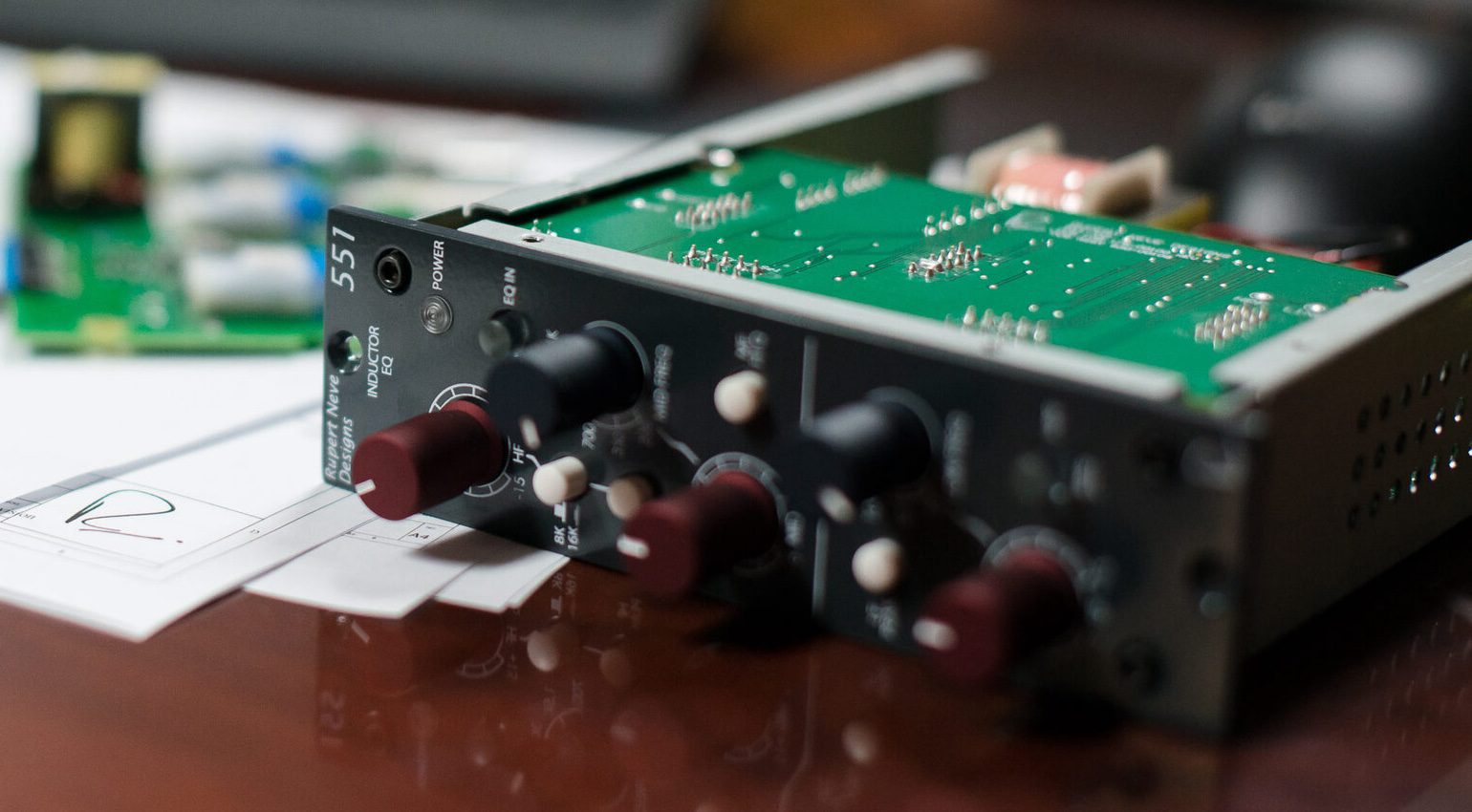

When tracking vocals and instruments at home, getting a decent-quality signal going in is always a challenge. To tackle this problem, we’ve selected some of the best EQs for recording to take your input stage to the next level.
Key Facts about Hardware EQs:
- Hardware EQs are renowned for the musical contours they use to shape signals with their analogue circuitry, adding character, depth, and colouration in ways that plugins can’t.
- Classic EQ designs often use smoother, broader filter curves instead of ultra-precise surgical ones. This makes them ideal for shaping and enhancing vocals, guitars, drums, bass, and the mix bus with a natural and harmonically pleasing sound.
- Passive EQs sometimes use tube- or transformer-based makeup gain stages, which can introduce saturation and warmth, a sound heard on so many legendary recordings.
- In a modern studio workflow, EQs have different applications, from enhancing different elements during the recording process to creating separation in the mix, and of course, they are used in mastering too.
In this Article:
There are many reasons for using EQ while tracking. This goes beyond managing frequencies correctively to avoid doing so in post-production. Instead, the idea is to use the EQ as an extension of the instrument or microphone to create the best performance possible.
Unlike most plug-in EQs you’ll come across, a decent hardware EQ allows you to make extreme frequency boosts across the spectrum whilst still sounding musical. It gives you the power to shape and balance each take to fit a particular section of a song or match voice recordings for more seamless ADR.
How to find the Best Hardware EQs
It’s important to note that some of the best hardware EQs are passive EQs. This means they require preamplification and will benefit from being chained to a compressor with discrete makeup gain.
Building a quality input stage at home is not cheap, but there are ways to save plenty by avoiding the pro studio route.
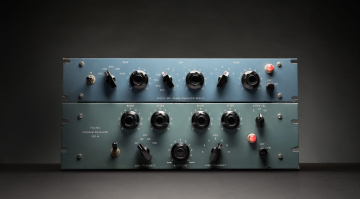
Hardware EQs: Klark Teknik EQP-KT
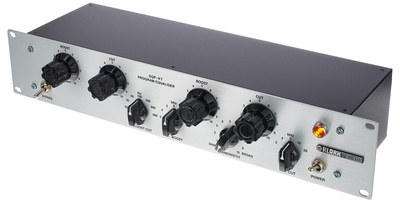
The Klark Teknik EQP-KT is an affordable recreation of the classic Pultec EQP-1A program EQ from the 1950s. Designed with Midas input and output transformers and 12AX7 and 12AU7 tubes, it gives you as close a user experience to the original as you can expect for the money.
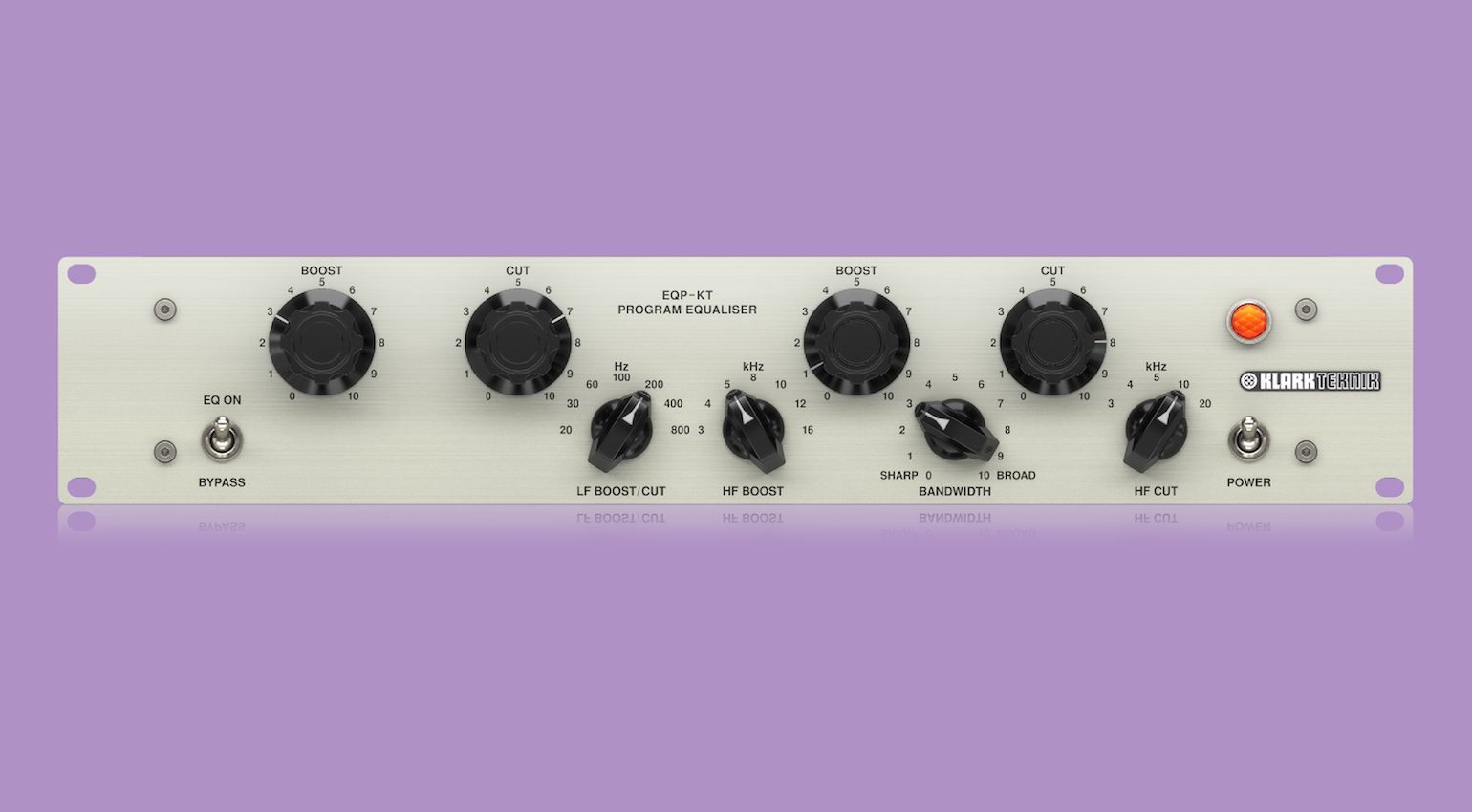
Even if you’re not looking for a Pultec-style EQ, the EQP-KT is a good starting point for building your recording front end with outboard gear. Moreover, as a beginner, you’re far more likely to develop a feel for frequencies with this type of EQ than you would using a plug-in. Get it at Thomann.*
- More from Klark Teknik


Hardware EQs: Golden Age Project EQ-81 MKIII
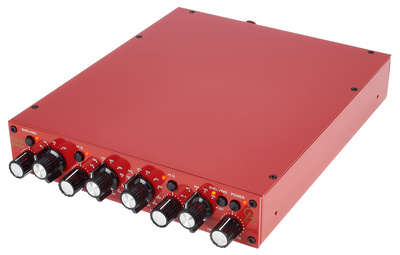
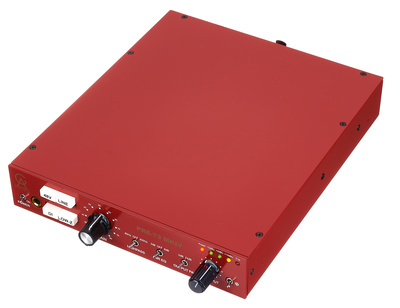
Another reasonably priced vintage-style option is the EQ-81 MKIII from Golden Age Project. This 4-band inductor EQ is based on the design of the famous Neve 1081 console EQ from the early 1970s.
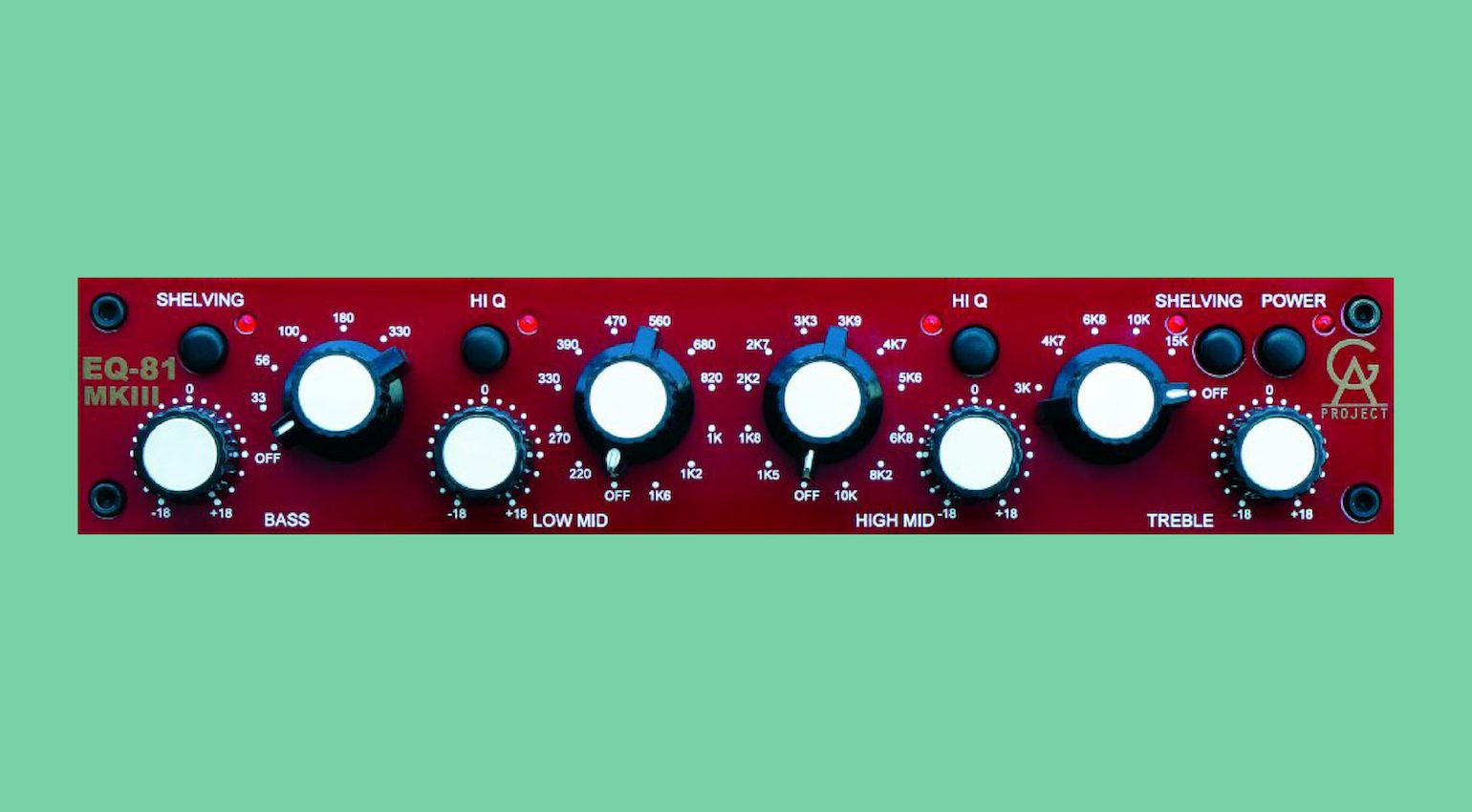
You have two switchable bell/shelving filters for your high and low frequencies, each with five selectable bands, and two midrange bell filters with a Hi Q feature.
Overall, it’s a great budget option, especially when racked up and combined with the Pre-73 MKIV preamp to form a more complete Neve-style channel strip. Get it at Thomann.*

Hardware EQs: SSL 611 EQ
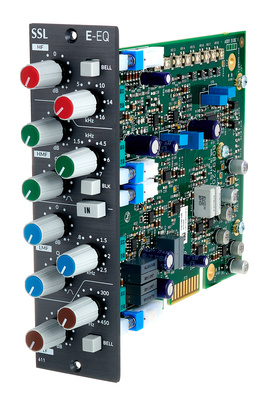
If you’re looking for a high-end EQ sound, 500-series is a great option for building your tracking rig module by module. The 611 EQ from Solid State Logic is a versatile module based on the channel strips in the E-series consoles.
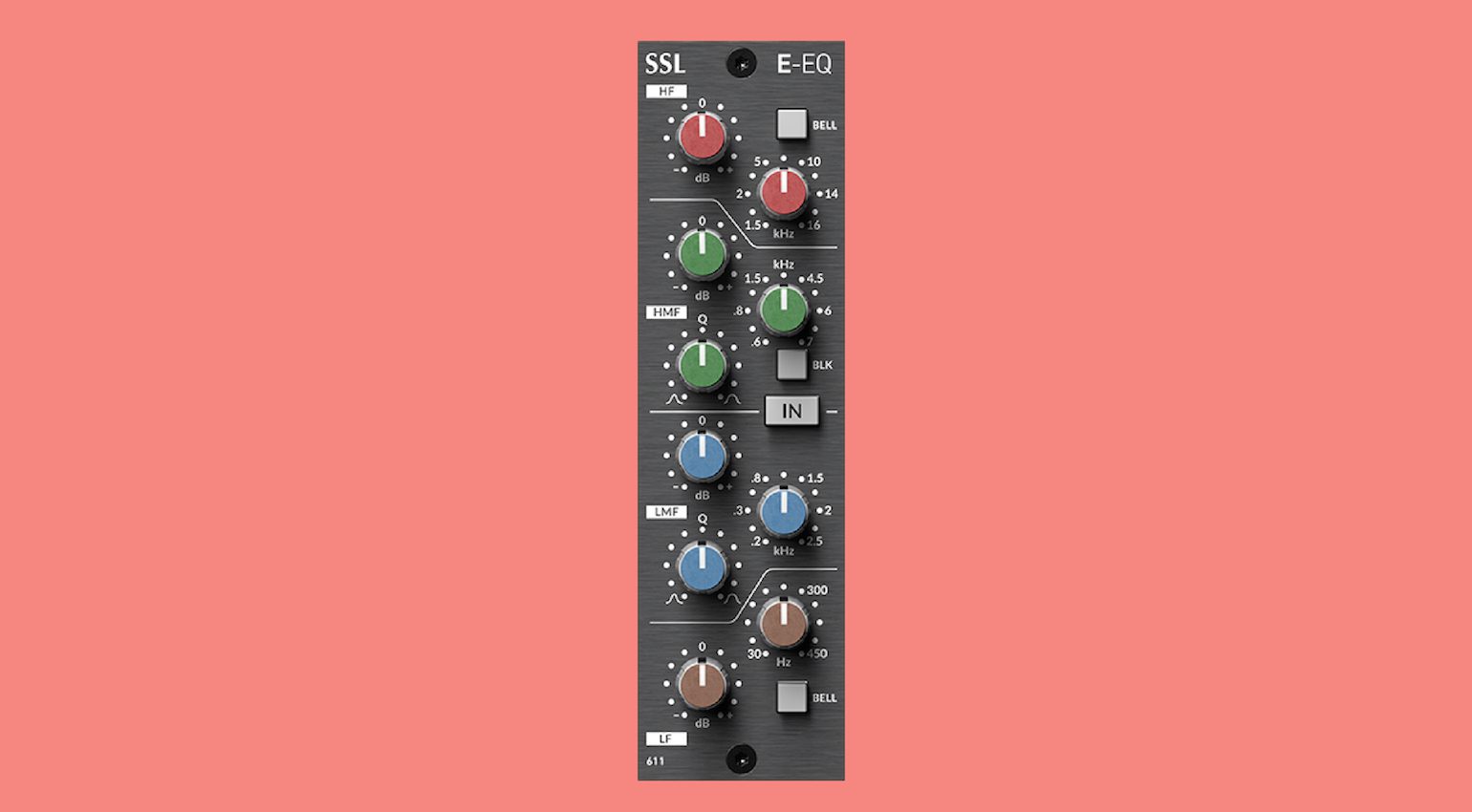
The controls may be tightly laid out to accommodate this format, but you still have the precise level of control you’d expect from an SSL console-style EQ with variable Q on both of the mid bands.
In addition, you can switch between two characteristically different EQ circuits. The “Brown” from the early ’80s is known for its musical sound and allows you to cut or boost by 15 dB. Meanwhile, the “Black” EQ circuit is more precise with a tighter low-end and 18 dB of gain to play with. Get it at Thomann.*

Hardware EQs: Heritage Audio PEQ-2
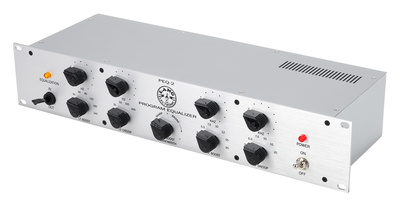
After acquiring Lang Electronics, Heritage Audio released the PEQ-2 single-channel passive program equalizer. It has some useful variations on the Pultec-style design, such as more selectable frequency bands and the ability to cut/boost a different set of bands.
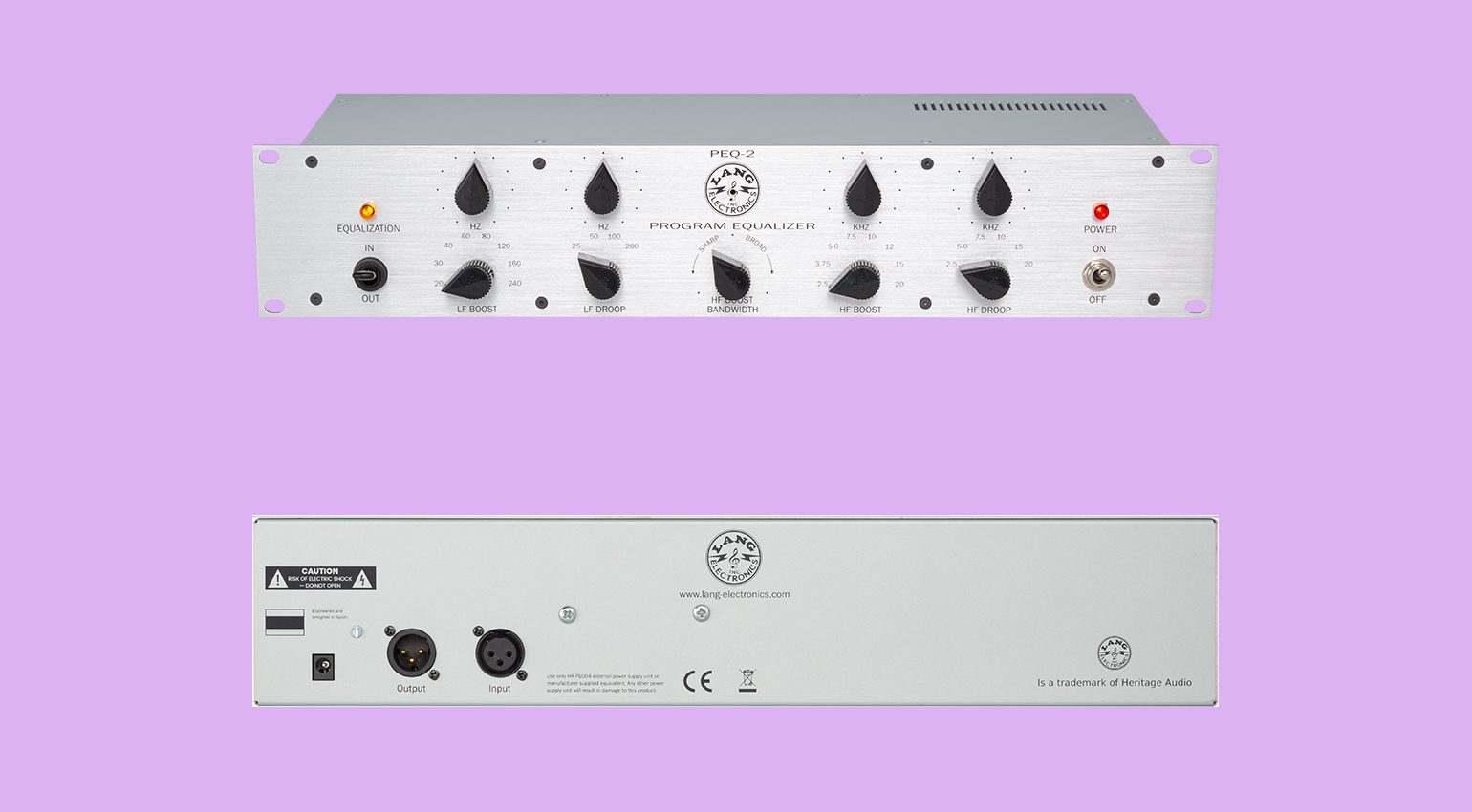
Overall, the layout and easily visible controls make it very easy to use in both tracking and mixing situations, and the variable Q-factor control allows you to shape the contours of your high-frequency curves more precisely. Get it at Thomann.*

Hardware EQs: Rupert Neve Designs 551
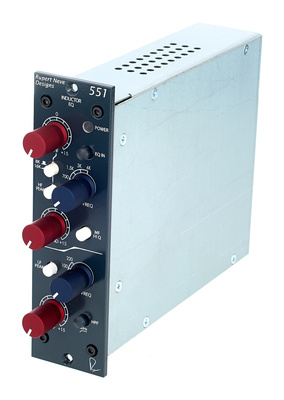
The RND 551 Inductor EQ is one of the most sought-after EQ modules for the 500-series format. Rupert Neve has designed this module as a modern take on the legacy of Neve console-style EQs.
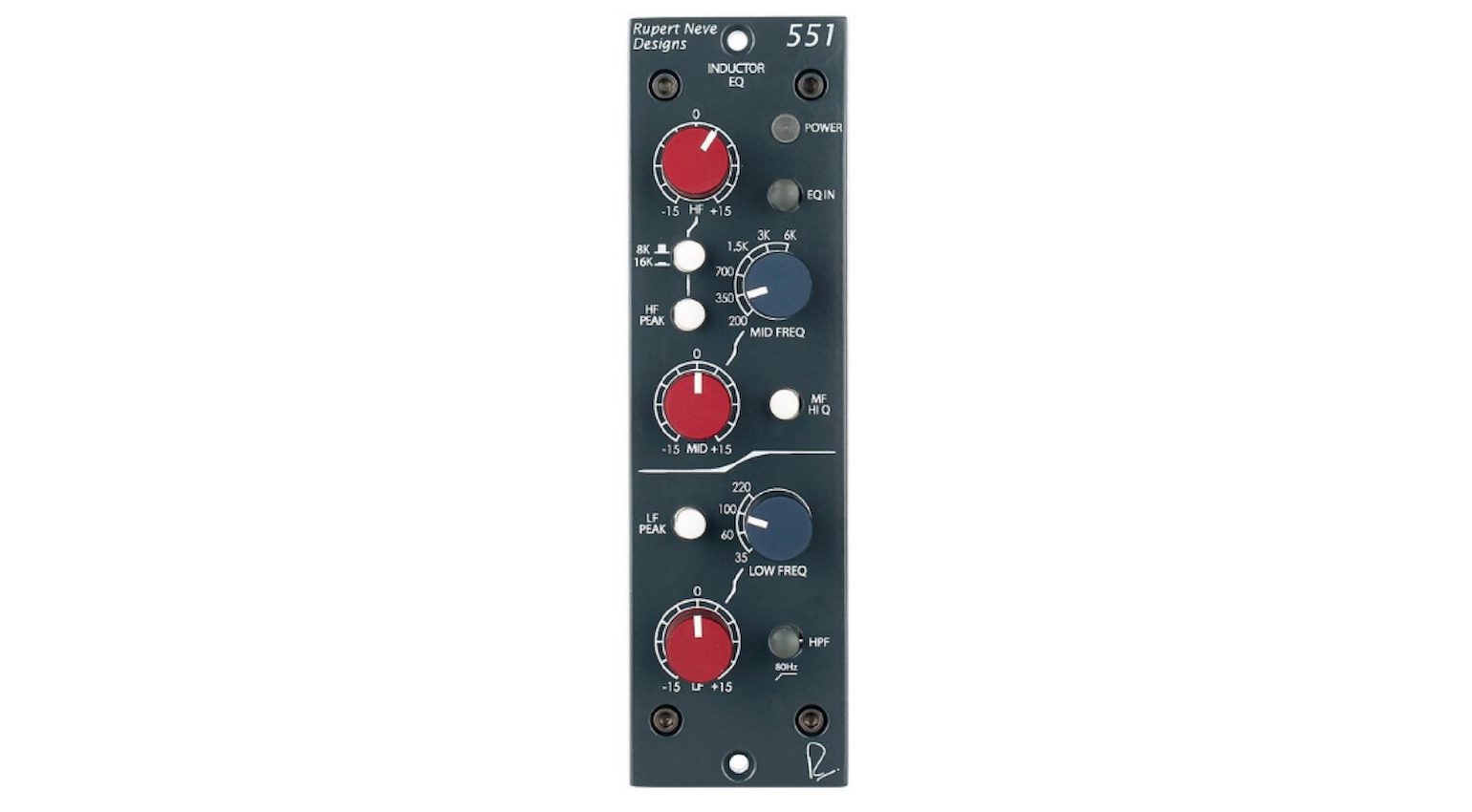
You get all the warmth and the desirable transformer sound you’d expect from a vintage EQ, with an intuitive layout that really suits modern music production.
Whether you are aggressive or more subtle with your EQ adjustments, the 551 is sure to surprise your ears on any source you decide to use it on. Get it at Thomann.*

Hardware EQs: Cranborne Audio Carnaby
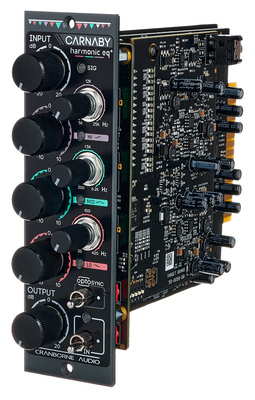
The Carnaby is a unique harmonic EQ that features dynamic response circuitry that increases boosts and cuts, as well as harmonics, when the circuit is driven harder. Although it performs the same function, this makes it more of a multiband saturator than a traditional equalizer, as the bands use harmonic saturation for boosting and cutting.
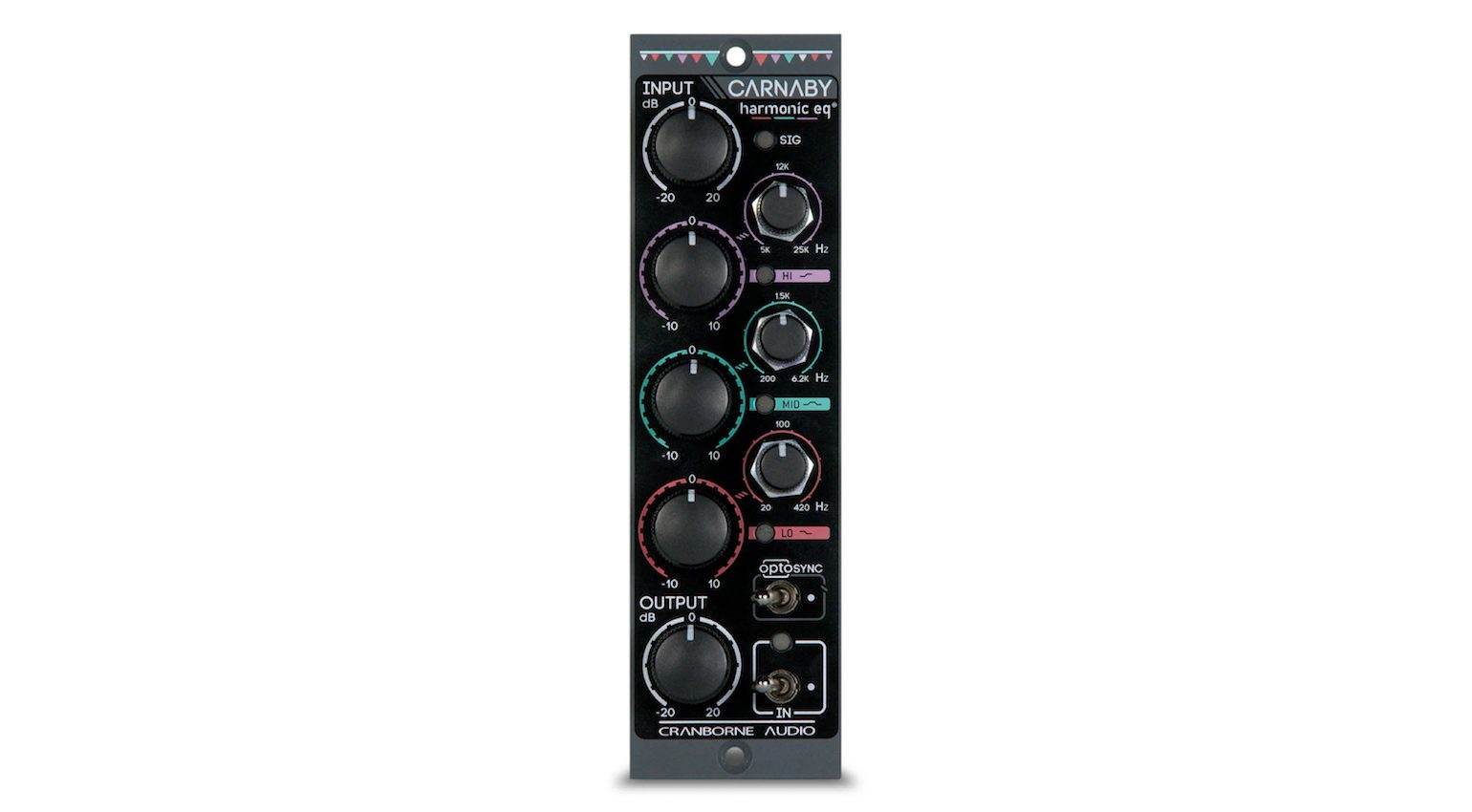
The Carnaby is available in two formats for different types of users. The more affordable option by far is the Carnaby 500, which is a stereo-linkable module for the 500 series format. Both Carnaby models feature high and low shelving filters with proportional Q-factor, and a midrange peaking filter with fixed Q.
Meanwhile, the Carnaby HE2 has a range of other features, such as variable high and low cut filters, plugin-based digital control and recall, and three processing modes: stereo, dual-mono, and mid-side. Overall, either version of the Carnaby provides great value for the price. Get it at Thomann.*

Hardware EQs: Trident Audio Developments
Although it is now owned by PMI Audio Group in California, the famous Trident Audio brand began as a console manufacturer in the UK in the early 1970s. Through Trident Studios, the designs of Malcolm Toft and Barry Sheffield became famous, especially the EQs which were used by The Beatles, Queen, David Bowie, and Elton John.
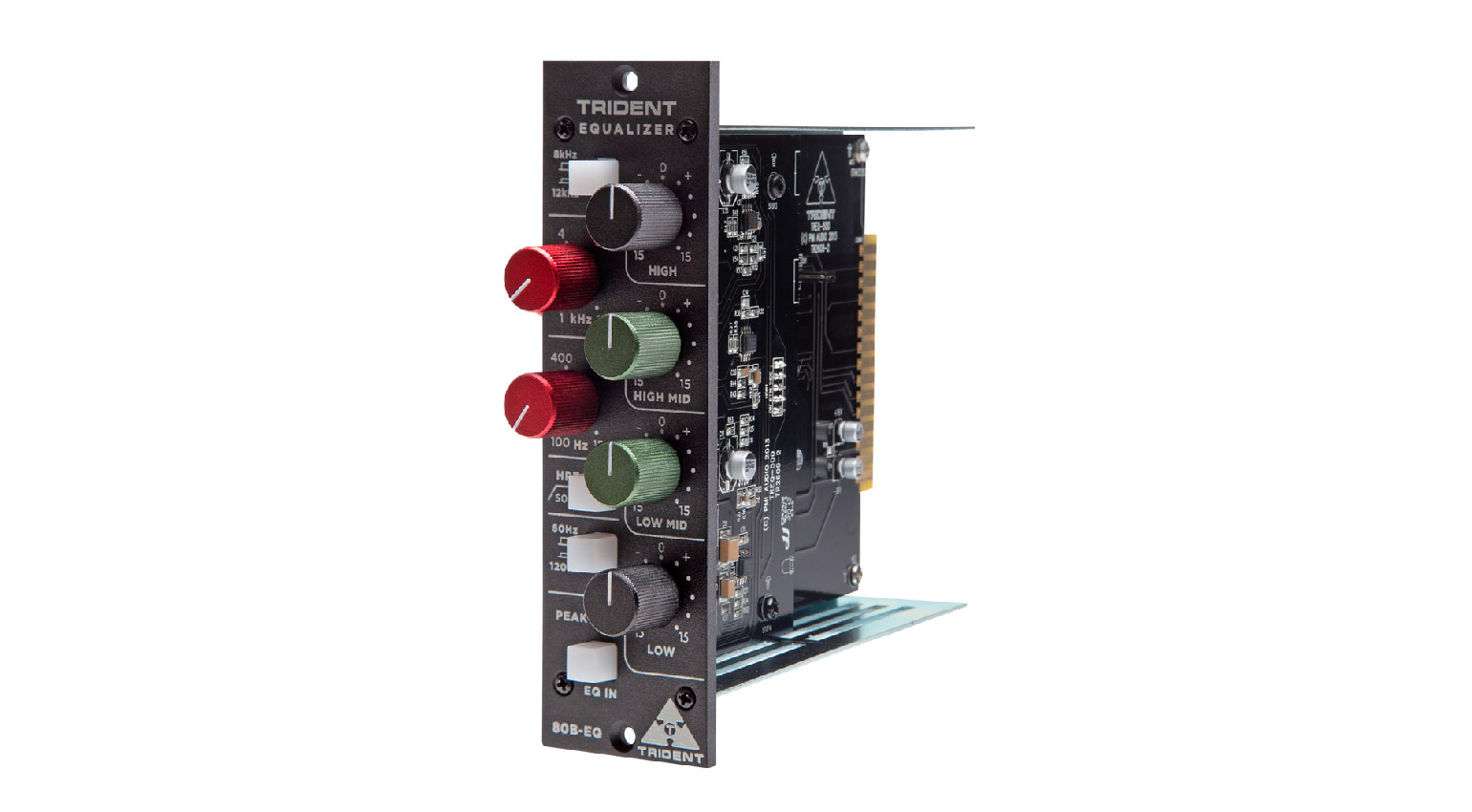
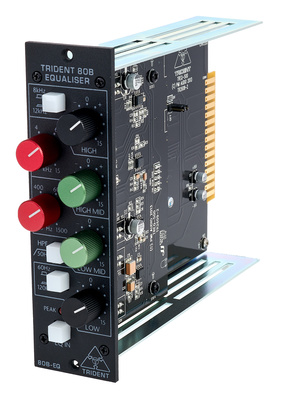
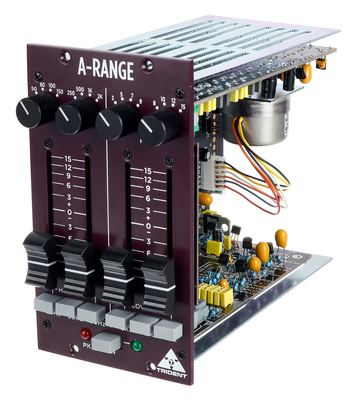
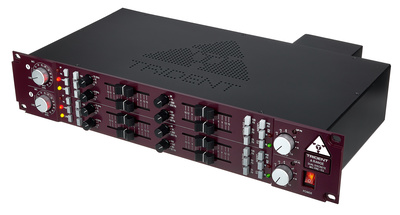
In the 500-series, the Trident 80B is a particularly affordable 4-band EQ module, based on the one from the 80 Series console. Perhaps the most famous of Trident’s outboard EQ designs is the A-Range with its boost and cut faders, selectable frequency bands, and switchable high and low-pass filters.
The A-Range is available in a 4-band mono 2-slot 500-series module and a 4-band 2U 19-inch rackmount dual channel strip with inserts. All of these options are ideal for recording, giving you that classic British EQ sound and a very intuitive interface that helps you dial in sounds quickly. Get it at Thomann.*

Hardware EQs: IGS Audio
Founded by Igor Sobczyk in 2003, IGS Audio is a boutique audio manufacturer based in Poland. Specializing in hand-built classic preamps, EQs, and compressors, ISG takes classic designs and gives them modern durability, with added features that keep them relevant in the music production landscape of today.
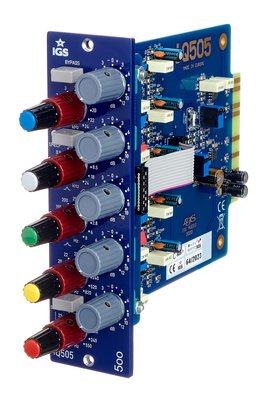
In the IGS range, there are EQ options for recording, mixing, and mastering for 500-series and 19-inch rackmount formats. In 500-series, you can find modules like the 573EQ inductor EQ, inspired by the famous Neve 1073, as well as the more transparent IQ505, based on the Sontec MEP-250A.
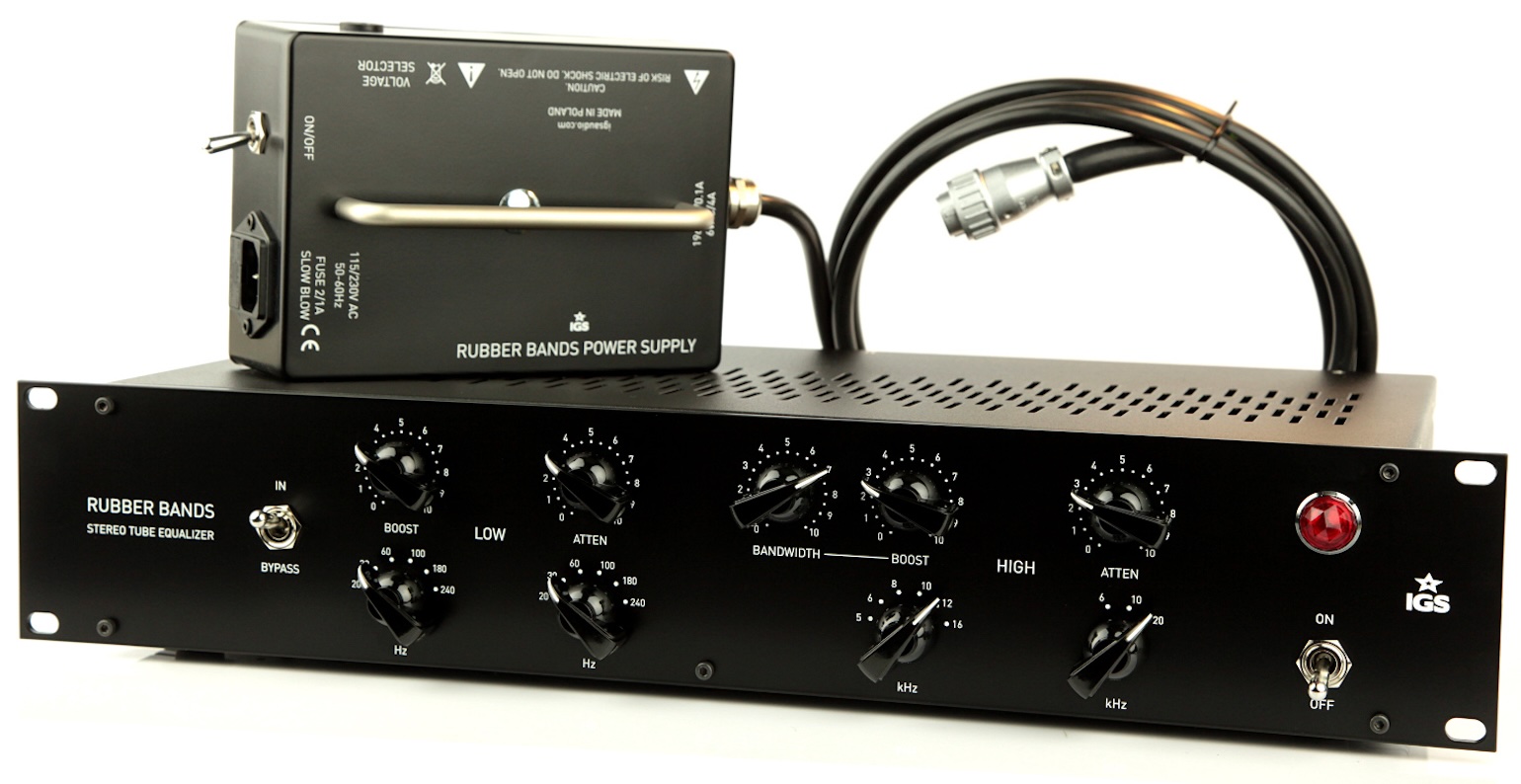
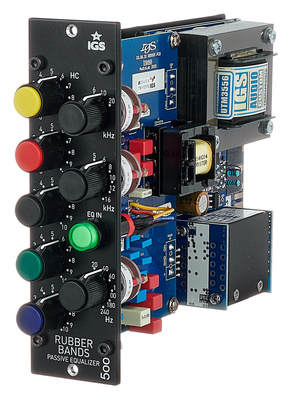
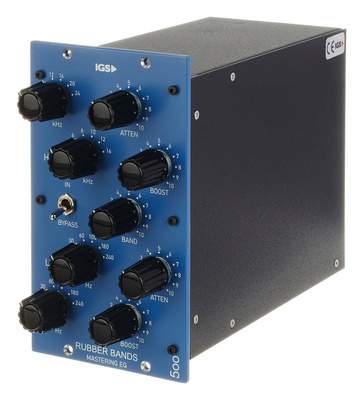
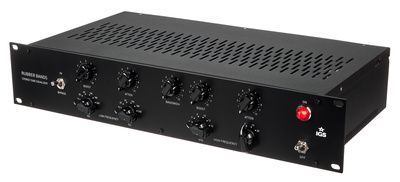
In addition, IGS has a range of Pultec-style EQs called the Rubber Bands series. Here, you can choose between mono or stereo 500-series modules or a stereo rackmount processor. Naturally, the mono EQs are useful for enhancing vocals and instruments while tracking, and the stereo options can also be used for bus processing. Get it at Thomann.*

Hardware EQs: API 550
The API 550 is a classic EQ designed in the late 1960s that became famous for its sound and usability. Today, the modern versions capture all the magic of the original with the high headroom and tonal consistency produced by the 2520 Op Amp. The key to the sound of the 550 lies in a feature known as proportional Q.
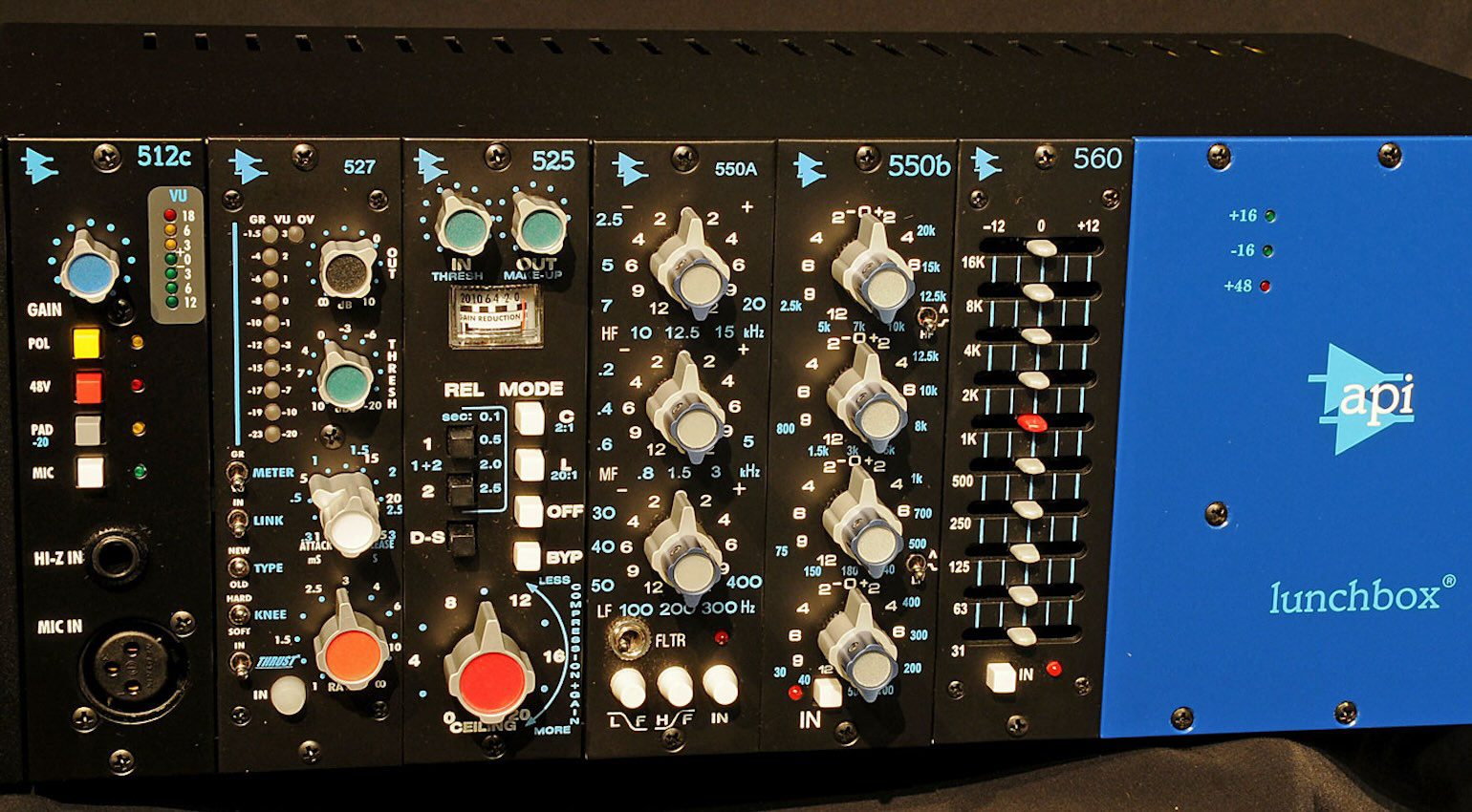
This intuitive feature narrows the bandwidth as you increase your boosts and cuts. This means that subtle adjustments will have a wider and more natural-sounding Q-factor, while more extreme settings allow you to target specific areas of the frequency range more precisely. Also, the 550 has selectable frequency points for each band, so you can easily recall your favourite settings.
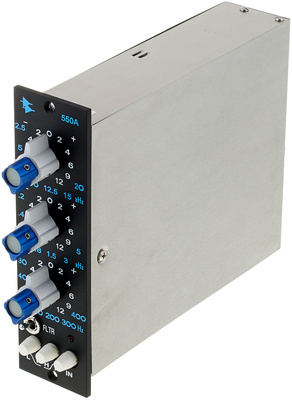
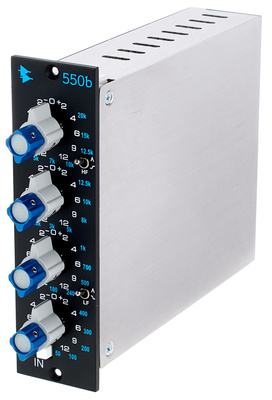
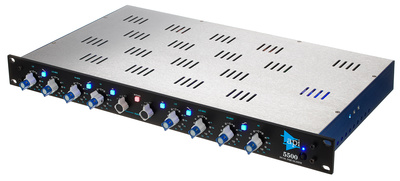
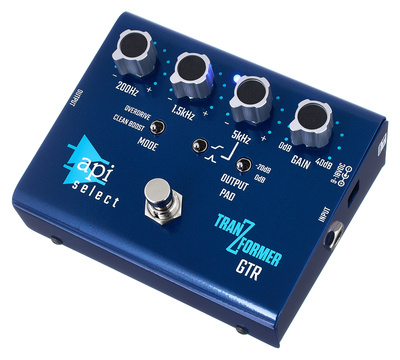
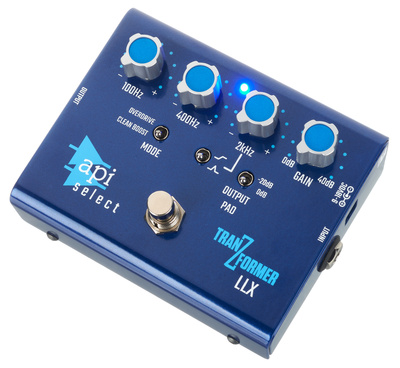
The 550 design can be found in the 550A and 550B modules for the 500 series format, and the 5500 dual rackmount EQ unit, as well as the TranZformer pedals for guitar and bass. A 550 EQ is a considerable investment, so be sure to check out the API Select range for more affordable options. Get it at Thomann.*

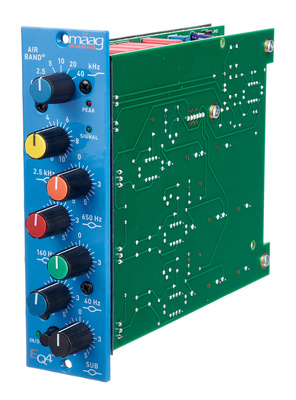
Hardware EQs: MÄAG AUDIO
When it comes to EQs, MÄAG AUDIO is among the very best, and they are used and loved by some of the biggest names in the business, like Tony Visconti, Silvia Massy, Joe Barresi, and Chris Lord-Alge. Unlike the legendary Neve, SSL, and API EQ designs, MÄAG AUDIO has a modern approach from a relatively new company, founded in 2009.
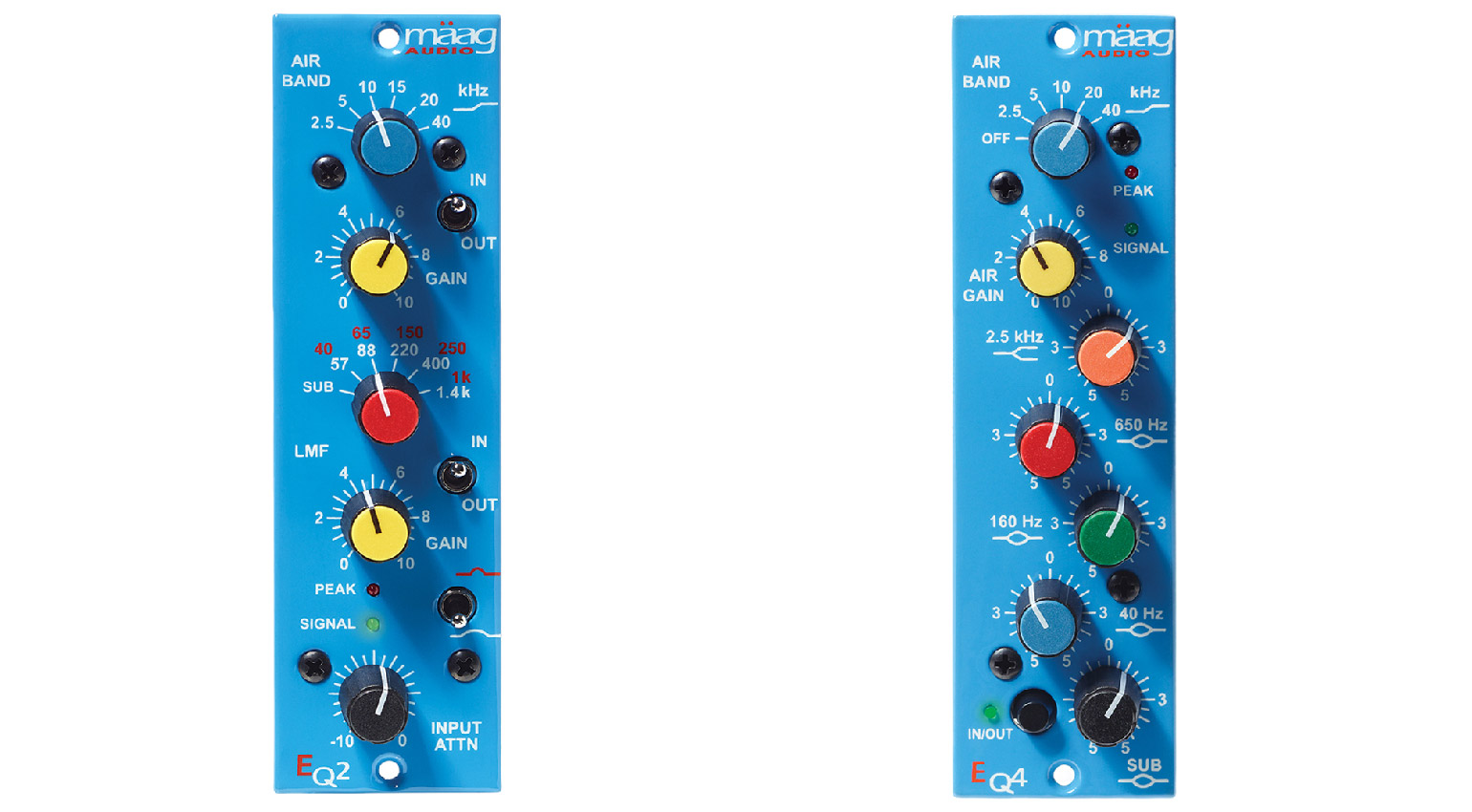
The first thing you’ll notice about MÄAG EQs is how amazingly simple they are. These EQs are created to be musical instruments, painting broad colourful strokes rather than surgical tools for folks in lab coats. Each model is equipped with the renowned switchable Air Band that adds a desirable gloss to high-frequency content.
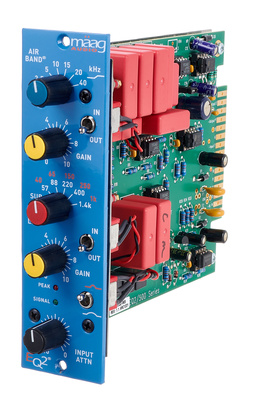
However, all frequency points and Q-factors are either fixed or selectable, so you aren’t fiddling around for hours trying to find the right sound. The MÄAG range starts with a basic 2-band 500 series module, the EQ2-500, which has no cuts but a global attenuator control for gain staging signals while tracking. Get it at Thomann.*

Hardware EQs: Chandler Limited
Renowned for its line of officially authorized modern recreations of classic EMI recording gear, Chandler Limited is a high-end manufacturer based in Shell Rock, Iowa. When it comes to EQs, there’s no denying the importance of the Curve Bender stereo 4-band EQ, which is loved by top engineers like Ryan Hewitt and Tony Maserati.
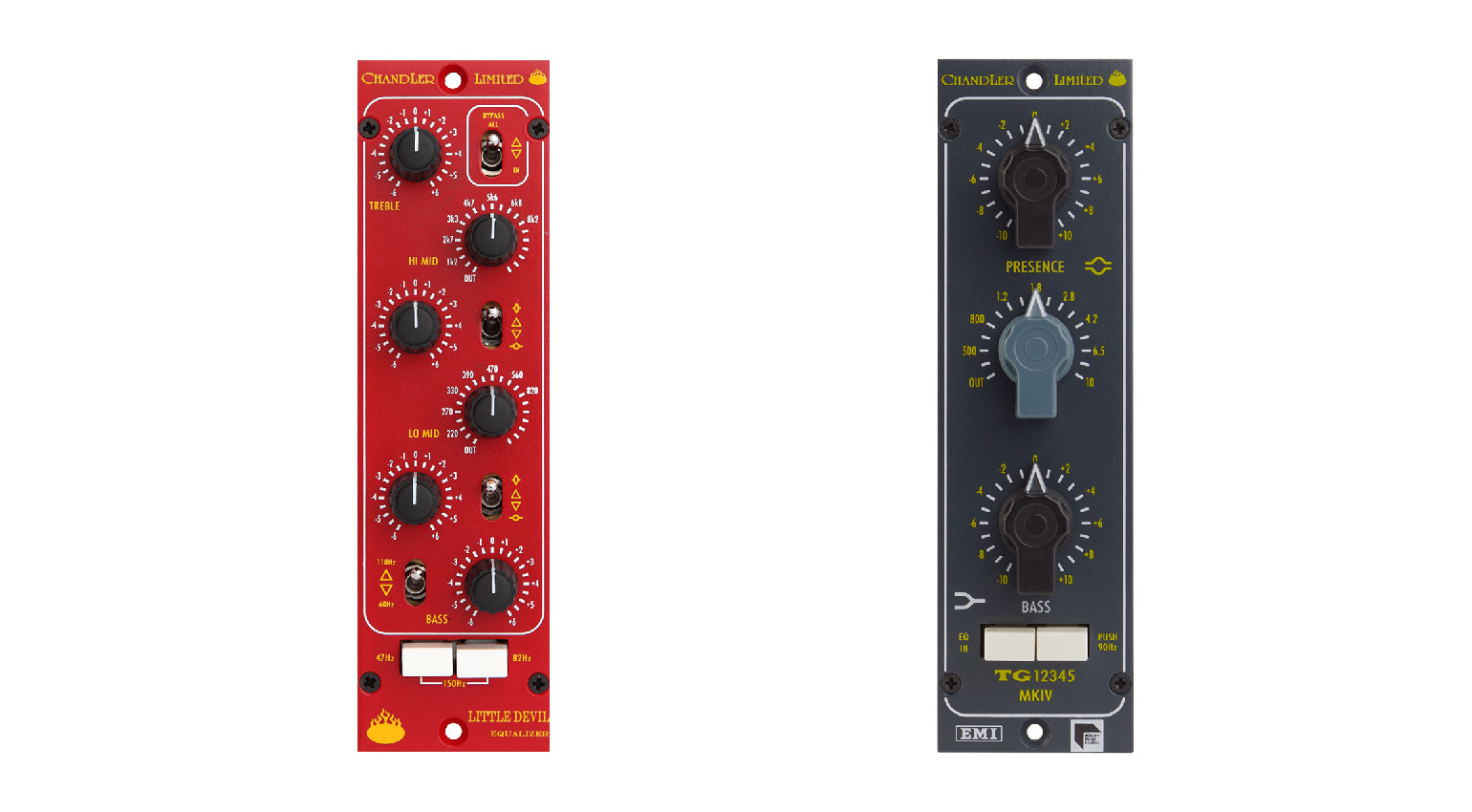
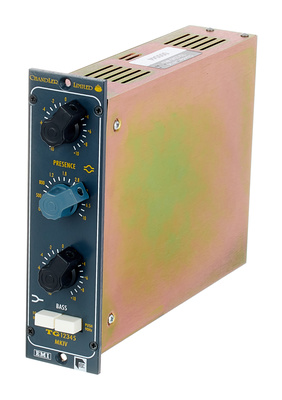
However, there are also more affordable options in the Chandler range that deliver unique character and colour when shaping sounds. Also in the EMI TG series is the TG12345 MKIV EQ 500-series module, a simple but colourful 2-band EQ. Its presence band has seven selectable frequency settings (500 Hz, 800 Hz,1.2 kHz, 1,8 kHz, 2,8 kHz, 4,2 kHz, 6.5 kHz, and 10 kHz), while the bass band works at 90 or 150 Hz.
Also, in the 500-series format is the Little Devil line of modules inspired by the Neve 1081 console channel strip. The EQ in this series is a 4-band inductor design with discrete circuitry and custom transformers, as well as a Baxendall-style tone control that makes it flexible for enhancing a wide range of instruments. Get it at Thomann.*

FAQs:
1. What is a hardware EQ?
A hardware EQ is a physical processing device for boosting and cutting specific areas of the frequency range within an audio signal for recording, mixing, or mastering.
2. Why do engineers still use hardware EQs?
Engineers and producers use hardware EQs for the musical response of the filter curves, the colour and saturation they impart, and the overall analogue tone they add to a signal.
3. Are hardware EQs better than plugin EQs?
When compared, plugins and hardware EQs have different strengths and weaknesses. While hardware can introduce a unique character, plugins offer unparalleled flexibility within the DAW workflow.
4. What are hardware EQs commonly used for?
Hardware EQs are most often used to enhance vocals and instruments during tracking and mixing, as well as in the mastering process.
5. Do hardware EQs work in modern digital studios?
Yes. With the help of digital recall, hardware EQs can be controlled from a DAW, making them precise tools that produce repeatable results.
More about the Best EQs for Recording:
- Pultec-style EQs
- All about EQs
- Everything vintage
- The Magic of Passive EQ
- Thomann’s guide to Equalizers
*This post about the best EQs for recording contains affiliate links and/or widgets. When you buy a product via our affiliate partner, we receive a small commission that helps support what we do. Don’t worry, you pay the same price. Thanks for your support!

This might also interest you