The Gear of Stevie Ray Vaughan: Inside the Setup of One of the World’s Greatest Guitarists
Texas, Sweat, and a Tone Like a Sledgehammer

 1,5 / 5,0 |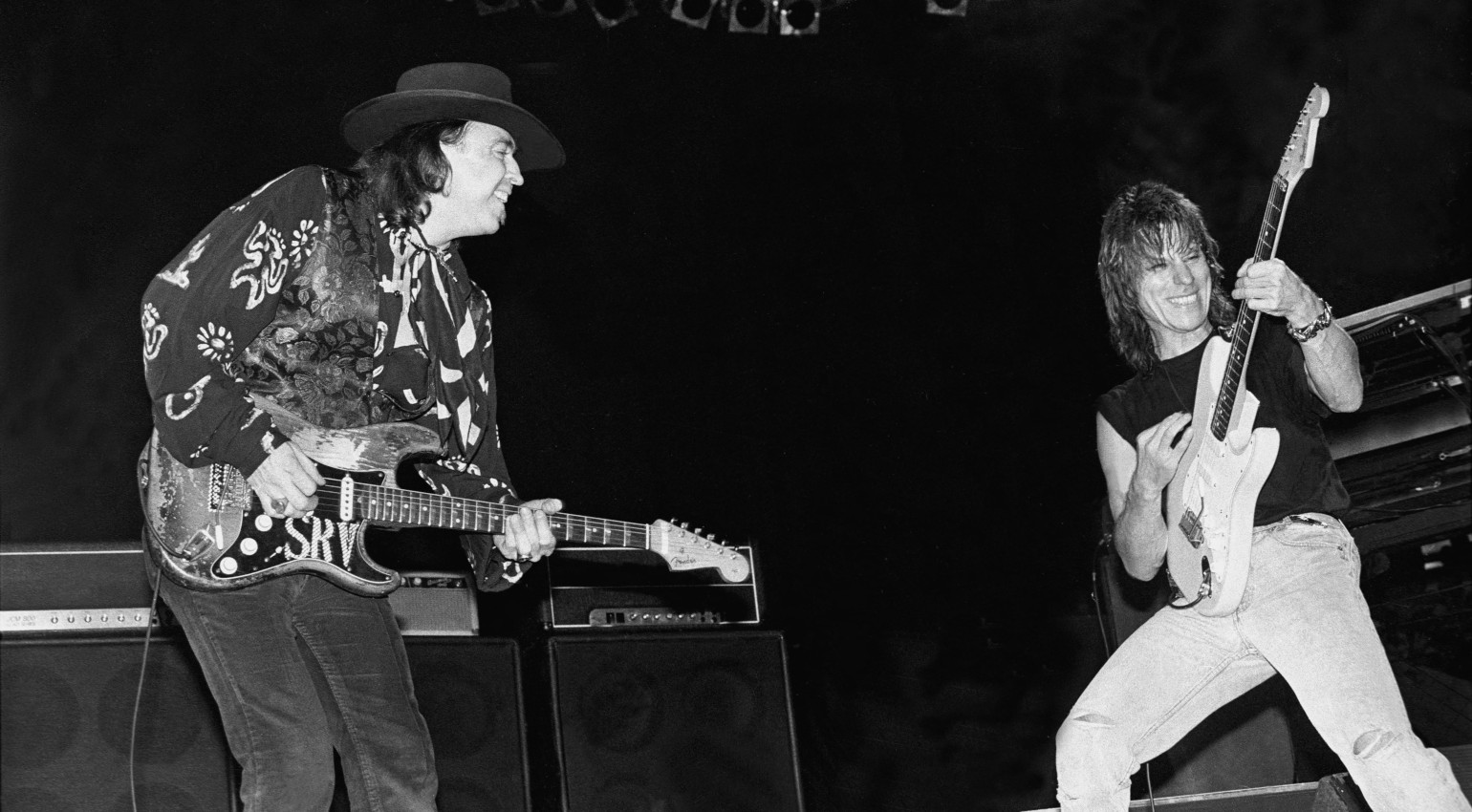
The Gear of Stevie Ray Vaughan: Inside the Setup of One of the World’s Greatest Guitarists · Source: John Atashian / Alamy

There are guitarists you can break down technically. And then there are players where every attempt at analysis ends in pure respect. Stevie Ray Vaughan belongs firmly in that second group. The first time I heard “Texas Flood” through a serious sound system, it was obvious that this was more than tone. It felt like impact. Power, dynamics, and emotion compressed into every note. Even if that sounds exaggerated, it still does not fully capture what happens when he plays. That alone makes it worth diving into the gear of Stevie Ray Vaughan as part of our series on the greatest guitarists of all time.
The Gear of Stevie Ray Vaughan: Overview
On paper, SRV’s setup looks almost unspectacular. A Stratocaster, a few old Fender amps, a Tube Screamer. No overloaded rack, no boutique circus, no endless gain stages. And yet it sounds massive. Honestly, that is exactly why it is worth taking a closer look at the gear of Stevie Ray Vaughan. It shows how much can be achieved with the right ingredients when the hands truly know what they are doing. Among the greatest guitarists in the world, minimalism clearly plays a bigger role than many might think.
The Guitars: Stratocaster or Almost Nothing
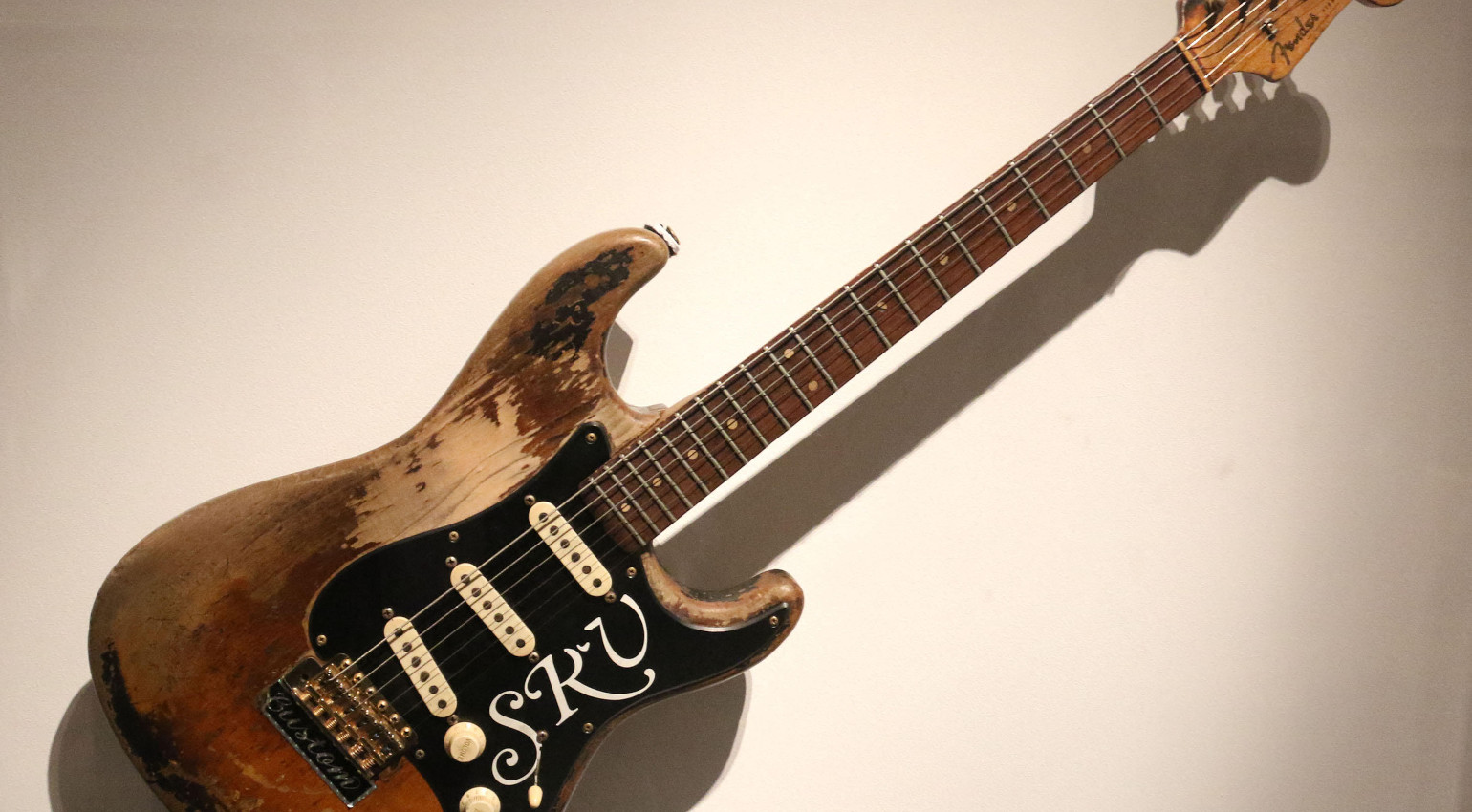
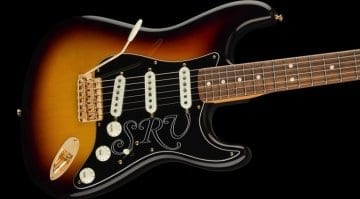
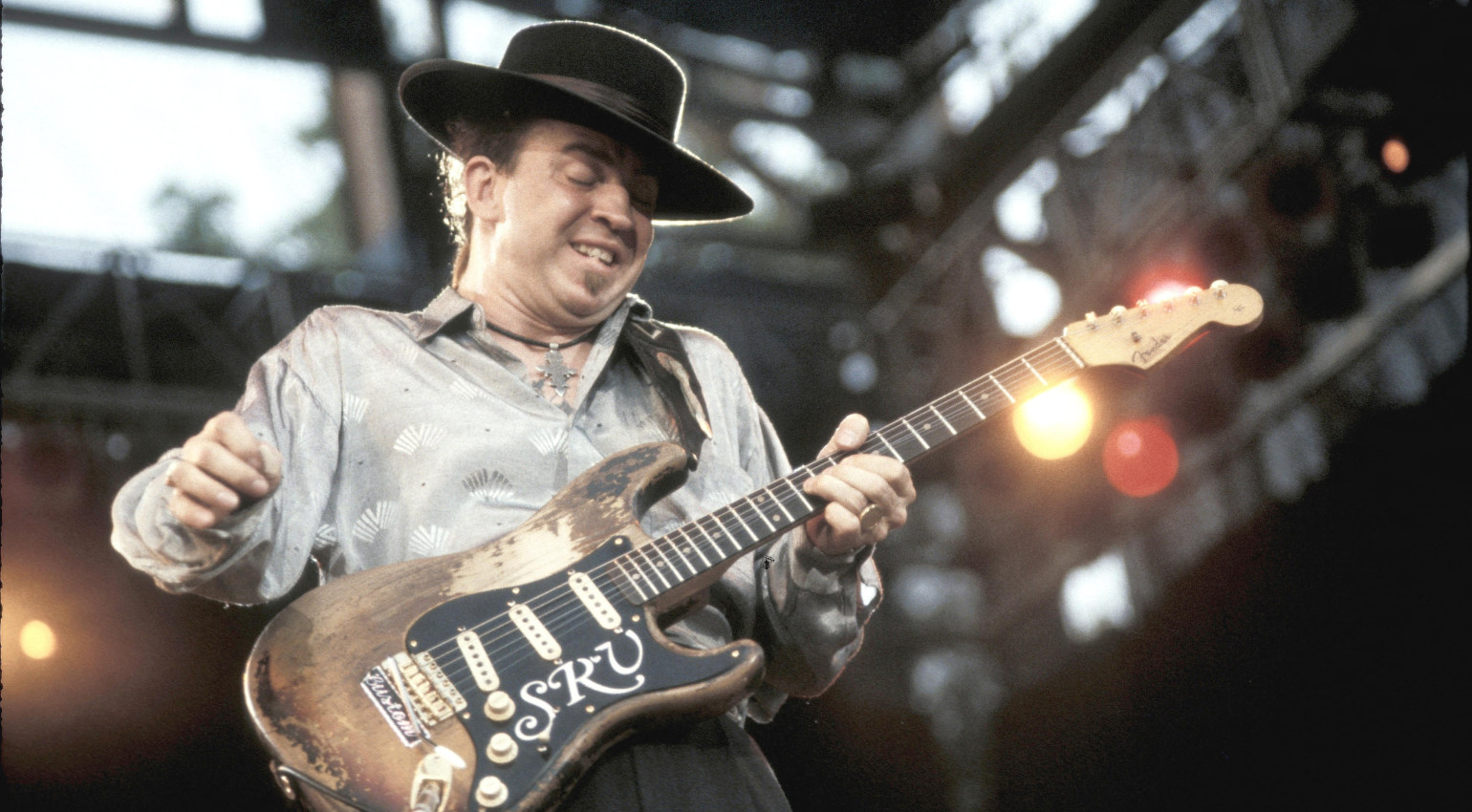
When you talk about the gear of Stevie Ray Vaughan, one guitar is impossible to ignore: his legendary “Number One.”This heavily worn sunburst Stratocaster is arguably one of the most famous electric guitars in music history and a major reason why guitar aging became so widely celebrated.
From a technical standpoint, “Number One” was a true hybrid. The body dated back to 1963, while the neck came from 1962. It featured a thick, full C profile that many modern players today would probably describe as extreme, some might even say baseball bat territory. Yet that substantial neck likely played a crucial role in the instrument’s sustain and overall stability.
Another detail that often gets overlooked involves the tremolo system. It was a left handed unit mounted for right handed use. This placed the arm above the strings, allowing SRV to grab it more naturally while playing. Details like this reveal something essential about the gear of Stevie Ray Vaughan. This was not the setup of a collector preserving vintage value. It was the toolset of a working musician shaping his instrument to fit his hands without compromise.
Beyond “Number One,” SRV also relied on other Strats, most notably “Lenny.” He used it for softer, almost floating tones on tracks such as “Riviera Paradise” and “Lenny.” The guitar was presented to him as a birthday gift from his wife and close friends, who pooled together 350 dollars to buy it. In hindsight, that turned into quite an investment, as “Lenny” was later auctioned for more than 600,000 dollars.
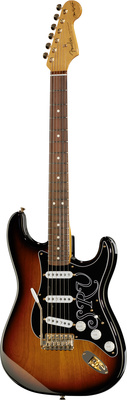
Although other models appeared in the gear of Stevie Ray Vaughan, including a Gibson ES 335 and a Gibson Johnny Smith hollowbody, his name remains inseparably linked to the Fender Stratocaster. That connection ultimately led to several signature models* that continue to carry his legacy forward.


Strings, Setup, and Feel: How Resistance Shapes the Tone
Anyone discussing the gear of Stevie Ray Vaughan and only casually mentioning string gauge misses a crucial detail. SRV typically used extremely heavy string sets, often ranging from .013 to .058*. That is not a myth. It is well documented. And above all, it is intense.
That said, there is another important factor. He usually tuned his guitars down a half step. This slightly reduced string tension, but it did not turn the setup into something comfortable. Combined with relatively high action, the result was a playing feel that many modern guitarists would probably consider unplayable.
Gear of Stevie Ray Vaughan: So Why Go Through All That Effort?
Heavy strings carry more mass. More mass means more energy hitting the amp. When paired with cranked tube amplifiers, this produces a tone with remarkable dynamics, clarity, and sustain. Still, heavy strings alone do not create a great sound. Without a strong attack and controlled vibrato, they remain nothing more than thick strings.
The gear of Stevie Ray Vaughan was built around resistance. Every bend required intention, and every vibrato pushed against real string tension. That physical effort likely shaped his wide, aggressive, almost vocal style of vibrato that became one of his defining trademarks.
His sound thrived on contrast. A light touch remained clear and bell like. Digging in harder immediately triggered compression and saturation. That dynamic range only worked because the setup did not give in easily. When watching live footage, it often feels as if SRV is physically wrestling with the instrument. And that tension is exactly what you hear.
Amplifiers: Loud Is Not an Option, It Is a Requirement
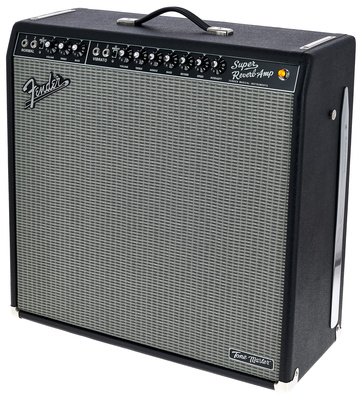
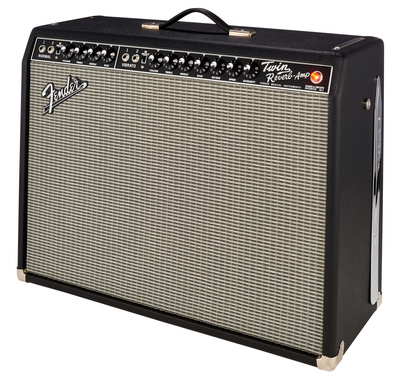
When it came to amplifiers, Stevie Ray Vaughan relied primarily on classic Fender models such as the Vibroverb, Super Reverb, and Twin Reverb. These were fundamentally clean amps with plenty of headroom, substantial power, and room to breathe.
The crucial point is this. These amplifiers were not designed as high gain machines within the gear of Stevie Ray Vaughan. They were loud. Extremely loud. And that was intentional.
SRV did not generate his distortion mainly through preamp gain. He created it through sheer volume and power amp saturation. When a 40, 80, or even 200 watt all tube amplifier is pushed hard, the power section begins to respond. The tone becomes denser and more compressed while remaining articulate. Not a muddy distortion, but an open and responsive overdrive.
In the studio, he also experimented with dual amp setups. A Vibroverb could emphasize the midrange while a Super Reverb added width and shimmer. The core philosophy, however, stayed the same. A loud, clean foundation that reacted directly to the picking hand.
Anyone trying to recreate this sound at living room levels quickly runs into technical limits. It can be approximated. Emotionally, though, it feels different. Within the gear of Stevie Ray Vaughan, volume was not a side effect. It was part of the concept.
Effects: Less Than You Might Think
When looking at photos of the gear of Stevie Ray Vaughan, the setup appears surprisingly restrained. No massive pedalboard, no complicated signal chains. That is precisely the point. Minimalism.
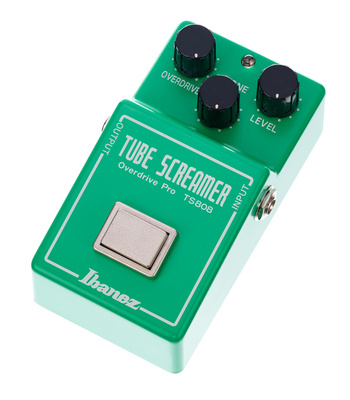
The most famous pedal in his rig was the Ibanez Tube Screamer TS808. He primarily used it as a mid boost. The Tube Screamer* pushes the mids forward, tightens the low end slightly, and adds subtle compression. Combined with an already loud Fender amplifier, this created a dense and focused lead tone that cut through effortlessly.
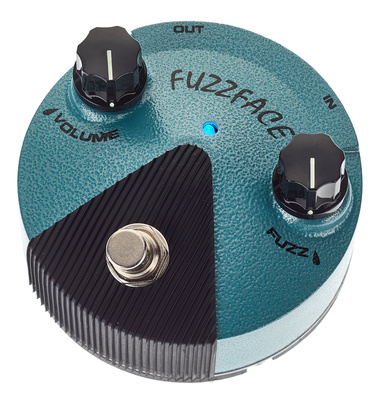
Another iconic pedal in the gear of Stevie Ray Vaughan was the Dallas Arbiter Fuzz Face. The influence of Jimi Hendrix is unmistakable here. The Fuzz Face delivered more aggressive and raw textures. Still, SRV used it with more control and structure than many of his contemporaries. The pedal could color the tone, but it never took over.
A wah pedal* was also part of the setup, though used sparingly. It served less as a classic funk effect and more as an expressive tool during solos.
What stands out just as much is what was not there. No permanent delay, no lush reverb, no heavy modulation. The sense of space largely came from volume, amplifiers, and microphone placement.


Playing Technique: The Real Secret

At this point, it has to be said clearly. The most important component in the gear of Stevie Ray Vaughan was his hands.
His attack was powerful yet controlled. He often combined a pick with his fingers, especially in more complex rhythmic passages. This hybrid approach allowed him to accent certain strings aggressively while letting others ring out more subtly.
His vibrato was wide, fast, and almost physical. It did not come only from the fingers but from the wrist and sometimes even the entire forearm. You can see it clearly in live footage. That physical motion created the singing, almost vocal quality that makes his solos instantly recognizable.
What impressed me most, however, was his dynamic control. Within seconds, he could move from nearly clean picking to full overdrive without touching a single switch. Everything came from pick attack, the volume knob, and direct interaction with the amplifier.
How to Recreate the SRV Sound Today
The good news first. You do not need a six figure vintage rig to get close to the SRV tone. The challenging part is that you have to put in the work.
The Foundation
A Fender Stratocaster with vintage style single coils is essential. Not a high output metal set, but moderate, open pickups with clear top end detail.
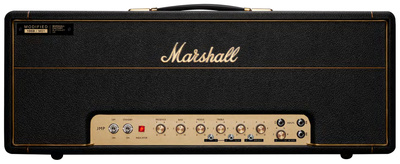
Pair that with an amp offering plenty of clean headroom. Ideally, a Fender style tube amplifier works best, although a Marshall Plexi can also deliver strong results. The key is that the core tone should not start heavily distorted.
A Tube Screamer type overdrive used as a mid boost makes sense here. Keep the drive moderate, raise the level slightly, and adjust the tone control to match the amplifier. The goal is not maximum distortion but presence and cut. In this context, there is nothing wrong with using the original. A Ibanez Tube Screamer TS808 belongs on any serious pedalboard.

The Setup
If you feel adventurous, try heavier strings. Maybe not jumping straight to .013, but .011 or .012 can already make a noticeable difference, especially if you are coming from .009 sets. What really matters is a precise guitar setup so the feel remains controlled and responsive.
The action can sit slightly higher than on modern shred oriented setups. This supports sustain and reduces unwanted fret buzz when you dig in hard. Just be aware that the learning curve is steep.
Conclusion: The Gear of Stevie Ray Vaughan Was More Than Blues
Stevie Ray Vaughan was not a nostalgic player copying old tones. He was an extremist in the best possible sense. His sound was loud, uncompromising, and emotionally charged.
The gear of Stevie Ray Vaughan proves that great tone does not come from complexity. It comes from clarity. A Stratocaster. A loud clean amp. A mid boost. And above all, hands that know how to control dynamics.
*Note: This article about the gear of Stevie Ray Vaughan contains affiliate links that help us fund our site. The price remains the same for you. If you make a purchase through these links, we receive a small commission. Thank you for your support.

This might also interest you