Filament Aims to Make Orchestration Easy and Fun – Synth Journal
Plus an ASR-10 recreation and a DAW for your RIDDIM!

 5,0 / 5,0 |

Filament is a dream come true for musicians who score orchestras using plugins, but its power and capabilities can be used for much more.
Synth Journal – Filament and More!
Filament Real-time Orchestration Plugin
It’s all very well having big, expensive and comprehensive orchestral sample libraries, but they won’t sound like a real orchestra unless you have the knowledge and experience to play them the way a real orchestra plays.
Not everyone has the time or finances to spend years studying this stuff, although in my opinion, they should always try, but some of us need a helping hand and Filament, from Forma Labs Audio, seeks to be that helpful assistant.
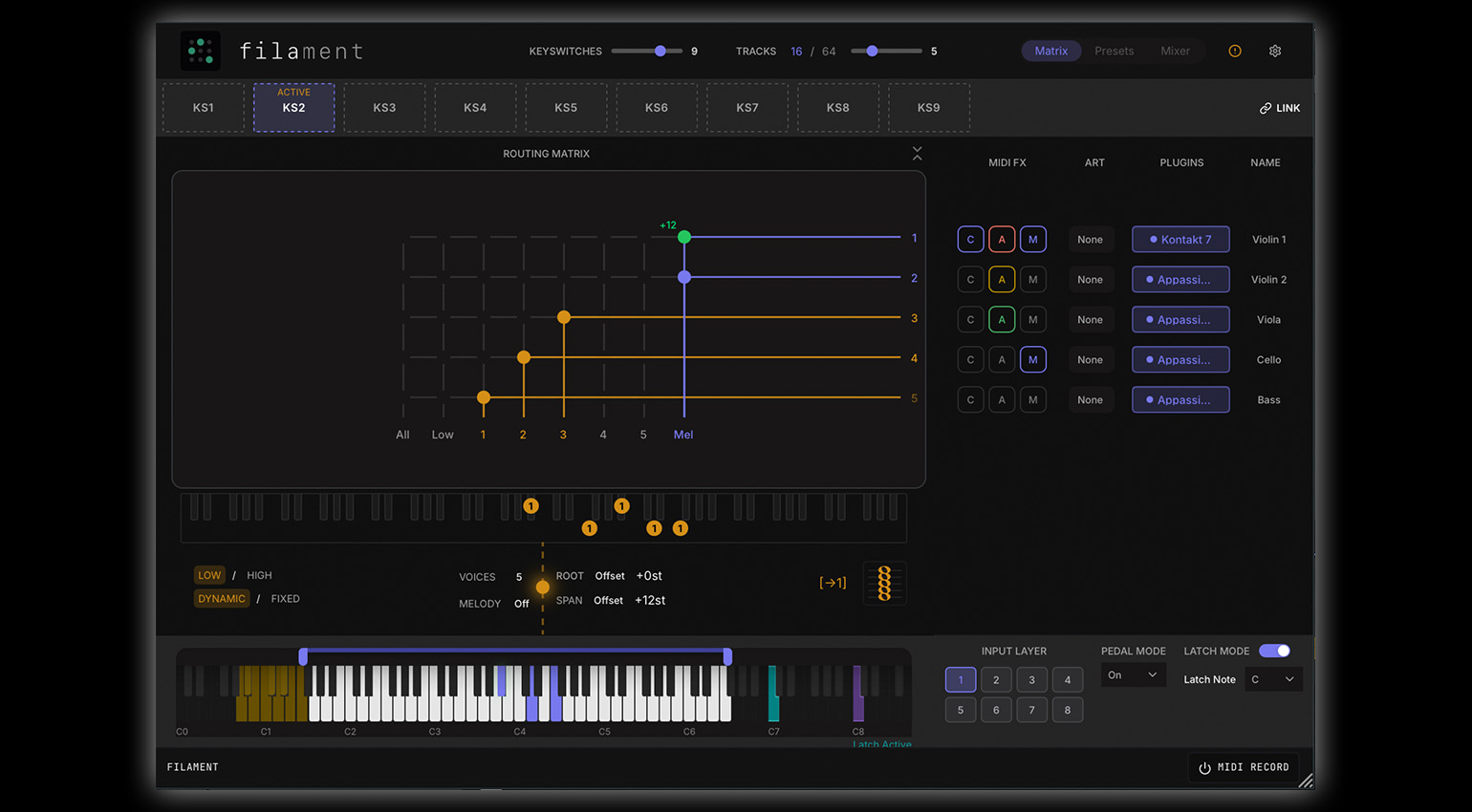
Filament is a plugin that, in itself, can host up to 64 VST/AU instruments in a single DAW track. Load up your libraries into Filament, define your input ranges for each, set up chord detection, routing and filters and even set up keyswitches that allow you to move seamlessly between different setups.
Using Filament’s Smart Filter, it will automatically play the right instruments in the right ranges, ensuring that what you hear is how an orchestra would play. Filament even has a built-in phrase arpeggiator with five playback modes. Every output row within Filament can have its own arpeggiator, allowing for multiple, complex arpeggiations across your orchestra.
Filament has a built-in mixer so that you can have complete control over all 64 loaded instruments with multiple output support. It’s all incredibly comprehensive and hugely impressive, and don’t think that Filament is something just for those who wish to score for orchestra.
These same techniques can be applied incredibly creatively using any instrument plugin loaded into Filament. Imagine doing a complex orchestration with your VA synths, combined with samples or choirs. The capabilities offered by Filament are pretty incredible. I’ve had Filament for a week now and have barely scratched the surface.
Powerful MIDI Tools from Midifex
You know how it is when you find something really useful that makes your life so much easier, you sometimes feel that you don’t want to tell anyone else about it because you want it to be your special secret? Well, that’s how I felt about Midivex by Midifex!
When someone told me about it, I didn’t quite believe the hype, but I tried the free version and was instantly hooked. So much so that I instantly bought a full licence! Midivex is a software MIDI router that goes way beyond its core functionality.
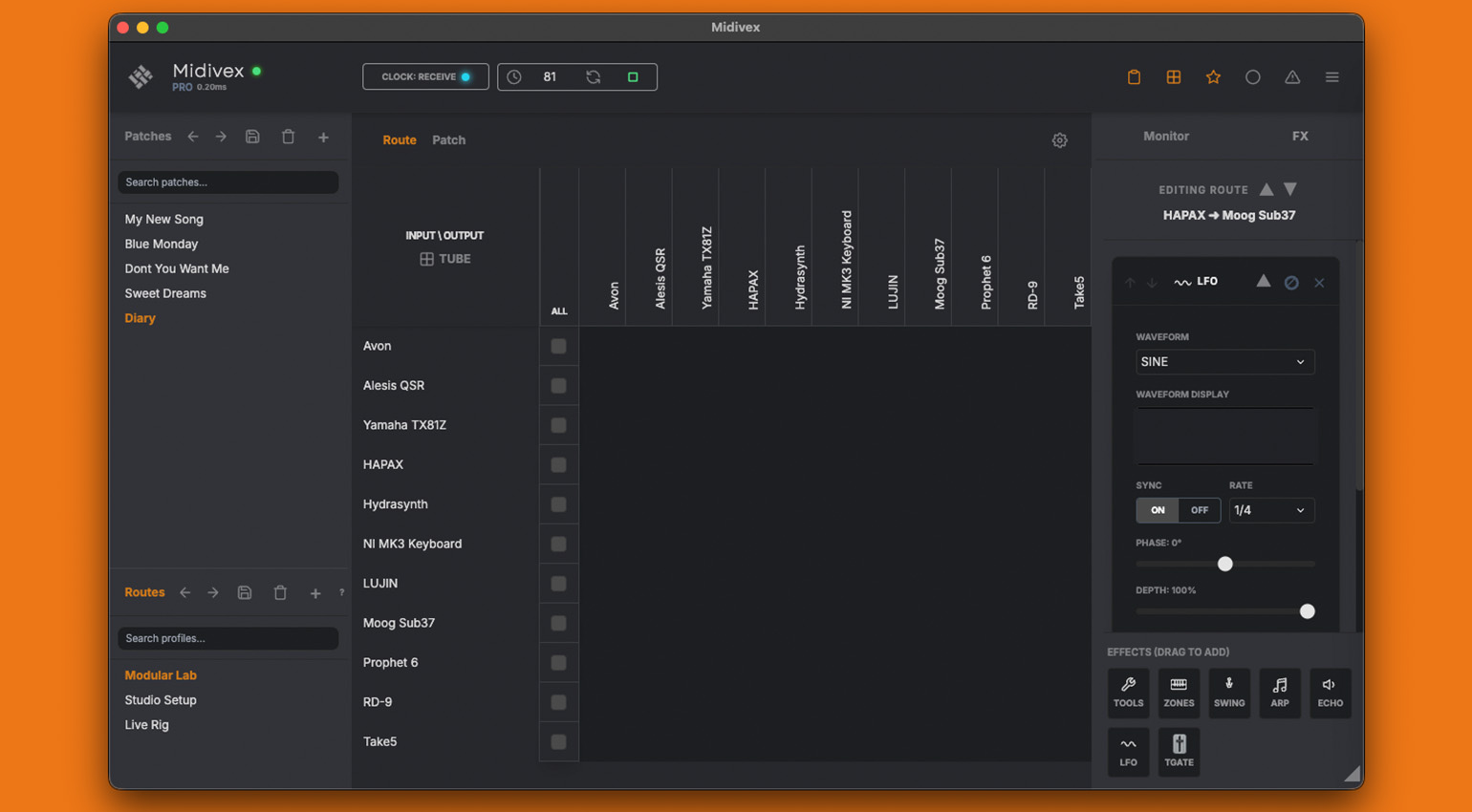
At its heart, it is a very easy-to-use MIDI router that allows you to connect anything to anything that is connected to your computer. You can store each individual routing set-up as instantly recallable presets If you have different tracks that require unique MIDI configurations, just save the set-up for each track and recall when necessary.
There’s a raft of MIDI FX as well as some remarkable extra bits, such as its ability to remember what patches you were using on your synths and storing them so that you can call them back later! They’ve even built in a full drum MIDI sequencer called Trax.
Trax is actually available as a standalone freebie if you don’t have a need for the MIDI routing, but honestly, any self-respecting computer-based musician who uses MIDI will have a use for Midivex! And talking of freebies, Midifex also provide one of the best plugin manager applications I’ve ever used. Easy to use, Plugoff is invaluable for managing large plugin libraries.
Check all their tools out over at midifex.com.
GWAAN DAW – A DAW for your TE EP-40 RIDDIM
I think the last thing anyone expected to enter into the Teenage Engineering EP-40 RIDDIM arena was a DAW designed for it, but hey, here we are and it’s a genius idea! Developed by the brilliantly named Wadadawadada, GWAAN DAW is browser-based so requires no installation.
And why would you want this? Well, I, for one, much prefer visual feedback, and this gives me just that. It has two modes. Mode 1 allows you to use the EP-40 as a controller, sending pad hits and notes to the DAW which records them as audio.
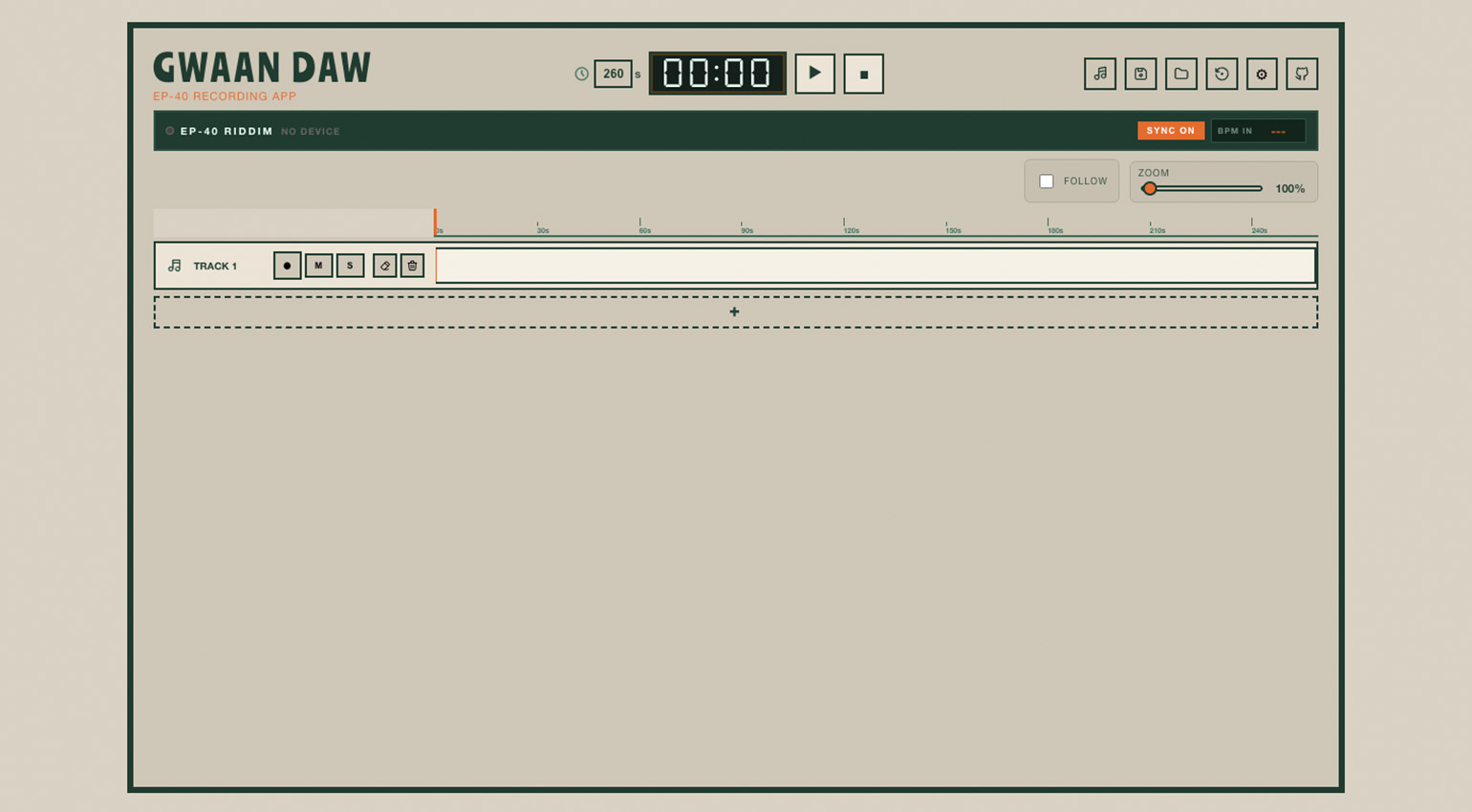
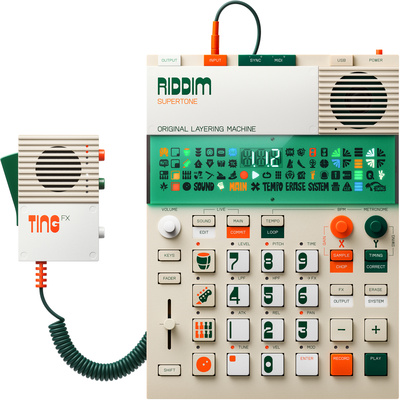
Mode 2 sees GWAAN DAW operate more as a traditional DAW, sending MIDI notes to the EP-40 to play the samples and sounds held within the unit. You can also record audio into the DAW from the RIDDIM over USB without the need for an audio interface.
It’s clever, simple, and I wouldn’t be in the least bit surprised if Teenage Engineering makes the dev an offer and snaps this up! Try it out for yourself by visiting the GWAAN DAW website, and check out the Github page for more details.


A New Ondioline?
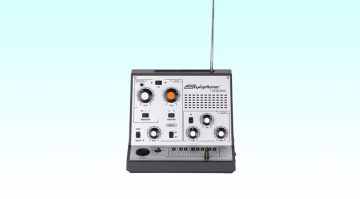
Not a huge amount of info on this one, but definitely something of great interest. The original Ondioline, invented by Georges Jenny, was an early synthesizer that wowed audiences wherever it was played and still sounds amazing today.
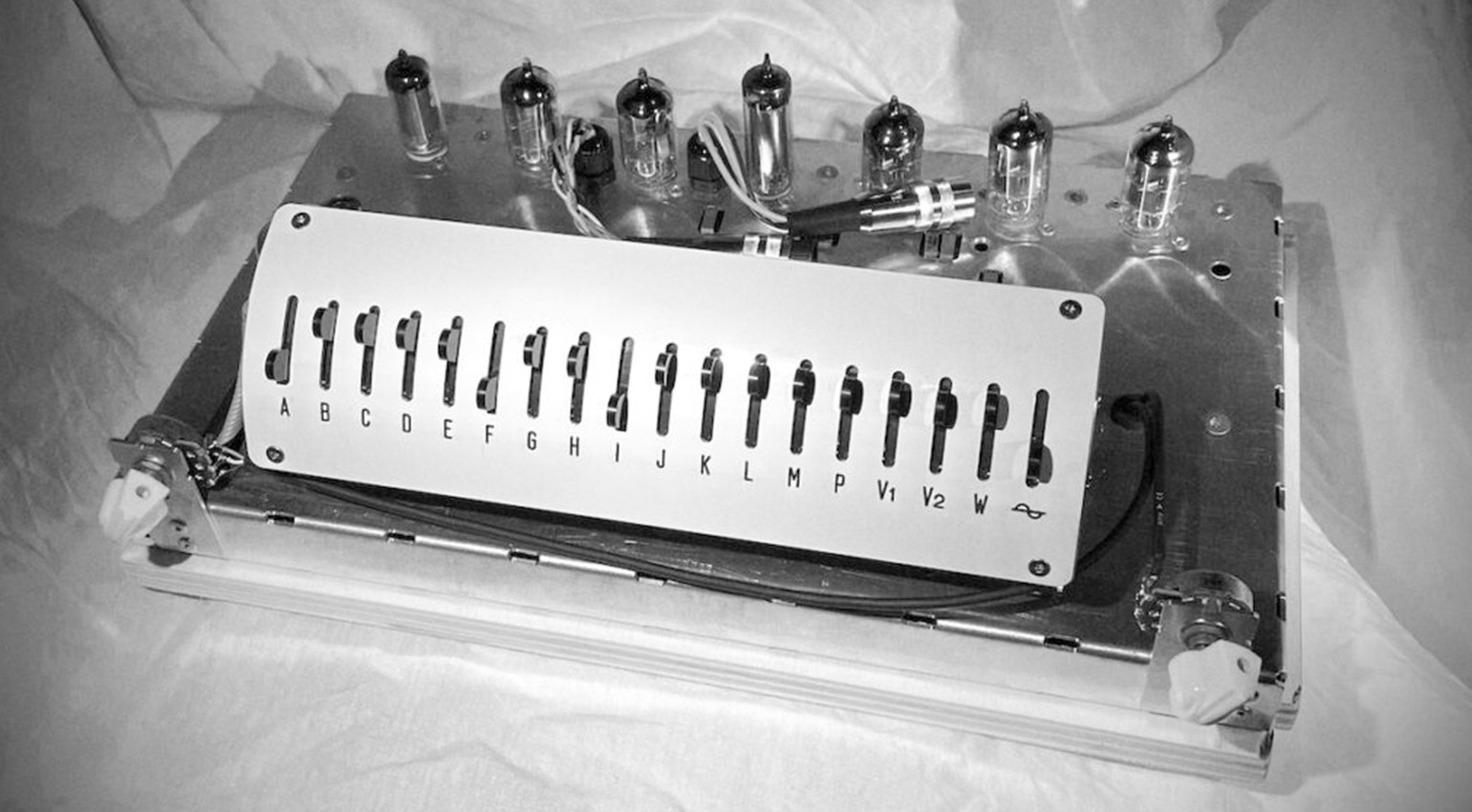
Now, after a number of years researching, developing and designing, a new version is supposedly coming later this year. Early images posted on their website reveal a meticulous attention to detail and a very faithful reproduction.
There are no details of pricing, but this looks very much like a hand-built, boutique piece, so expect to pay handsomely for one of these new versions. You can register your interest over at their website.
Nord – The Making of the Red Keyboards
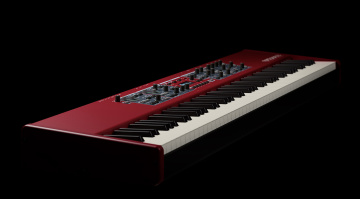
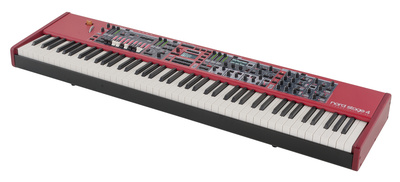
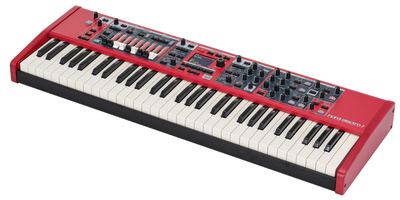
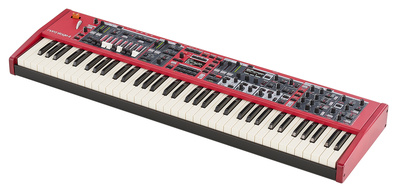
I’m always fascinated to see how instruments are made, and this is no exception. Nord, whose distinctive red keyboards are seen on stages the world over, has released a 16-minute mini-documentary about how these instruments are created at their factory in Stockholm, Sweden.
It’s a great way to kill quarter of an hour, whether you’re a Nord user or not and, if anything, it demonstrates the care and attention that goes into these instruments and why they are so revered and so popular among professionals and have been for many years.


Moog Model 351 Theremin at the BMF
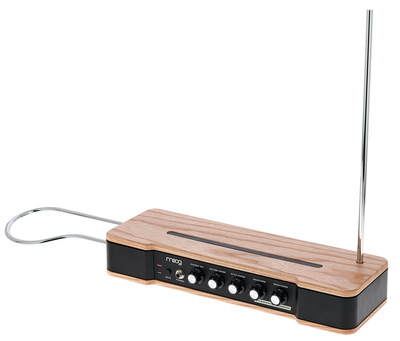
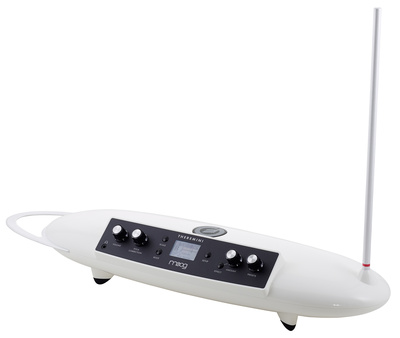
Excellent news reaches us from the Bob Moog Foundation, the organisation set up by Bob’s amazing daughter, Michelle Moog-Koussa, to preserve and promote the enormous legacy of her father. You will probably know that before producing some of the most groundbreaking and important synths of all time, Bob’s first love was Theremins.
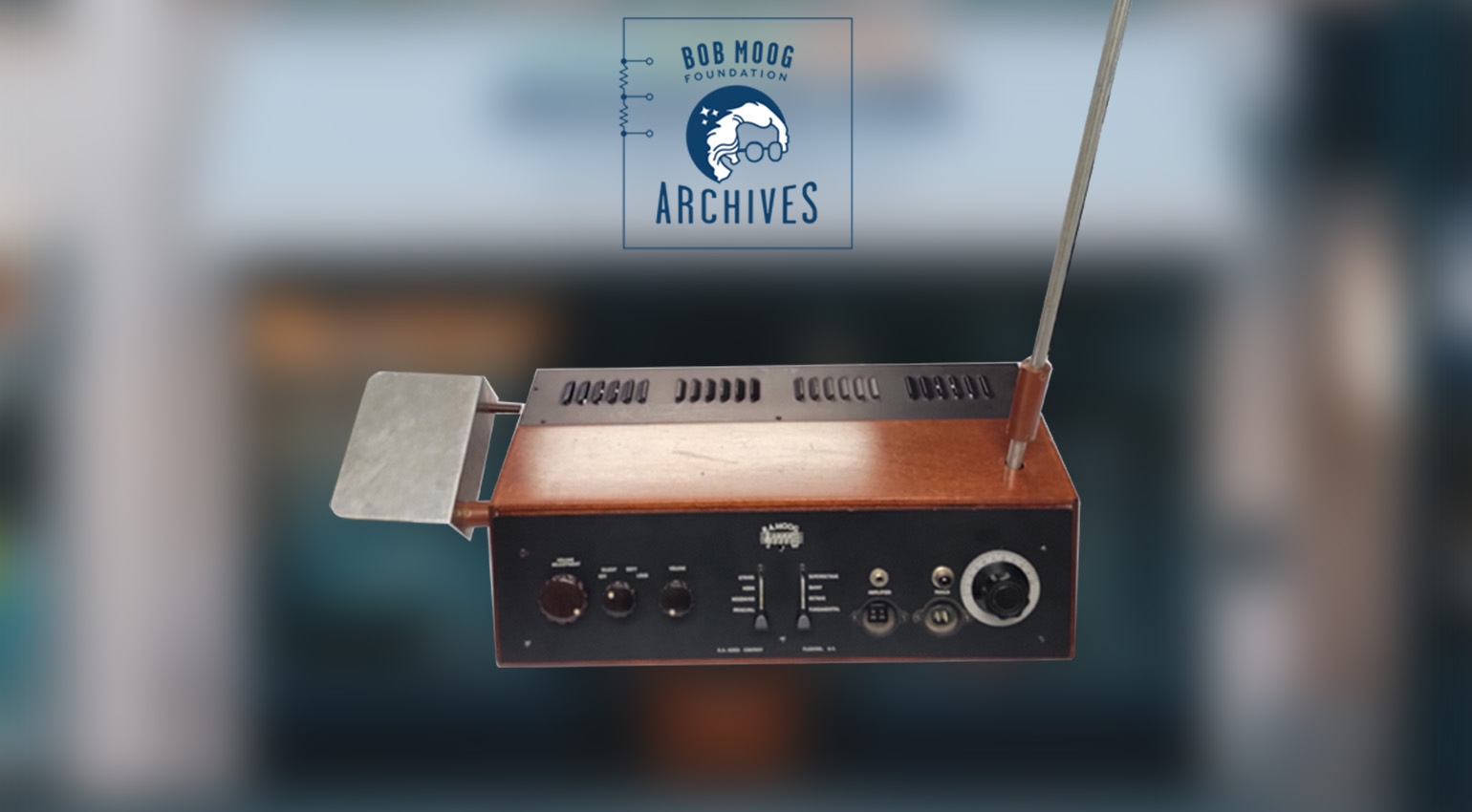
In 1953, R.A. Moog, the company Bob set up to make and sell his creations, started making and selling the Model 201 Theremin. A year later, at the tender age of 20, R.A. Moog released the Model 351 and a pristine example of the 351 has been generously donated to the BMF Archive!
Valued at a cool $25,000, it has been donated by Tammy and Phil Miemeyer. Tammy’s grandfather purchased the unit in 1955 and was a keen user and performer with his Theremin, which was hand-built by Bob with help from his father, George.
The Model 351 joins other rare, unique and immensely important instruments in the BMF archive. Acquisitions like this, and the preservation of such items, are made possible by the donations to the Foundation, either directly or via their amazing raffles.

ASR-V – Another Ensoniq Clone?
Ensoniq clones seem to be popping up all over the place. We just had the Ensoniq ESQ-1 from Cherry Audio, and the SQ-80 has received love from Arturia, as well as a free SQ8L by Siegfried Kullmann. There was also recently a free SD-1 from sojusrecords.
But their ASR-10 always got a lot of love from the hip hop community, with famous users such as Kanye, Pharrell, The RZA and more. Recently, a new hardware recreation called OAK Sampler was announced, so there is clearly a market for it.
My inbox has been receiving a number of emails about a new plugin based on the ASR-10, called ASR-V. Strangely, the developer, Hare Tech, has been asking people to front up $99.99 just to get in on the beta version, with the bonus of moving to the release candidate at no extra cost.
If that wasn’t odd enough, the full price of the plugin will be $199.99, which, given the market, is awfully steep for such a thing. There is, however, an introductory discount of $50. The thing is, $200 for a plugin by an unknown developer, with a $100 buy-in at the beta stage sounds somewhat… how shall I say…? Off?
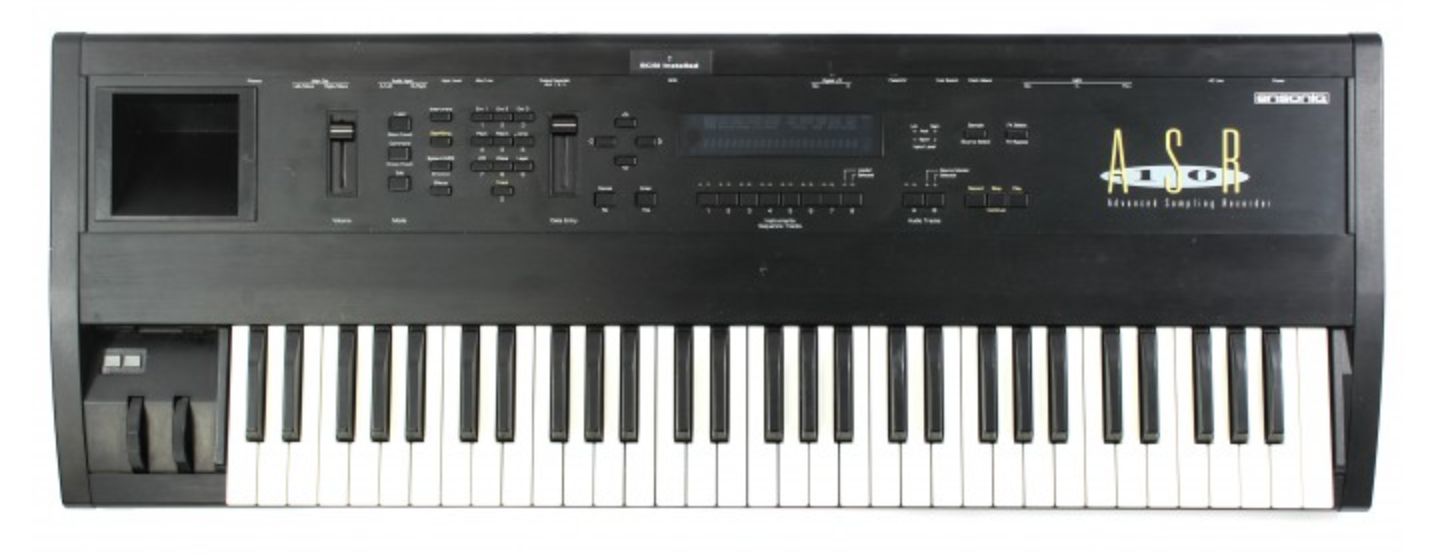
It claims to be able to fully replicate the hardware, as well as adding a ton of extra functionality that the original didn’t or couldn’t do. The whole endeavour is admirable and if it is as good as it claims to be, will sate many people’s appetites for a plugin recreation of the ASR-10.
I always want to encourage new developers and their projects, and I fully appreciate that this seems to be a one-man band, so they don’t have the luxury of deep pockets and need to pay the bills. I’d love to have a play with this, even as a demo (none currently exists), just to see what the fuss is about. I wish them the best of luck and would be delighted to have my concerns proven wrong. As always, we at Gearnews say “Caveat Emptor” (buyer beware!).
Check ASR-V out here.
*Note: This article contains advertising links that help us pay for this site. Don’t worry: the price for you will always be the same! If you buy something through these links, we will receive a small commission. Thank you for your support!

This might also interest you