Ableton Push Was Built from Lego First: The Wildest Origin Story in Music Tech
How a Box of Plastic Bricks Helped Shape One of the Most Influential Music Controllers Ever Made

 4,0 / 5,0 |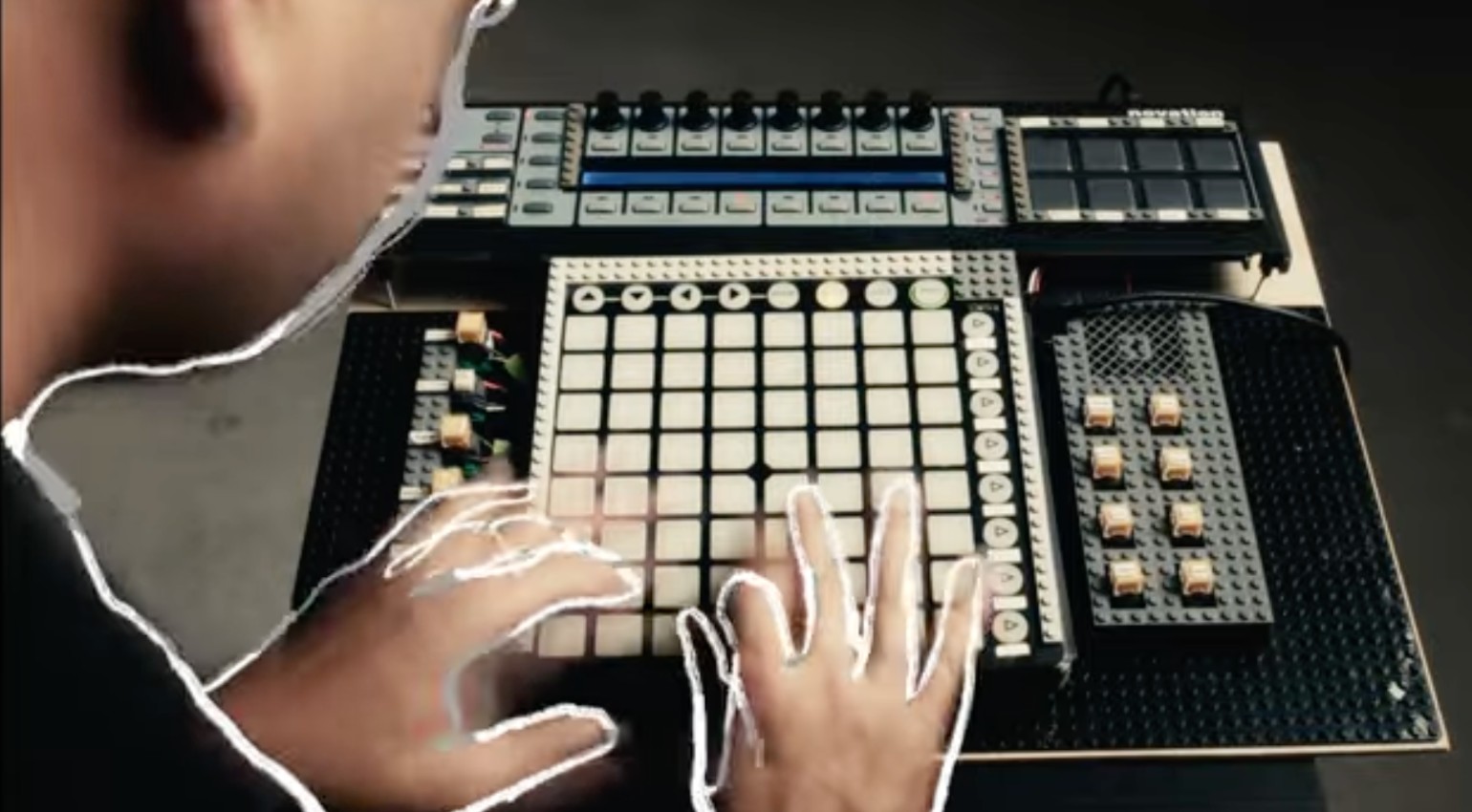
The Wildest Origin Story in Music Tech: Ableton Push Was Built from Lego First · Source: Ableton

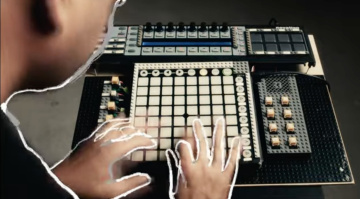
Who would have guessed: the Ableton Push*, one of the most influential hardware controllers of the past decade, started life as a Lego model. Jesse Terry, Head of Hardware at Ableton, recently sat down with the Powerhouse Museum in Australia to show one of those early prototypes and talk through how a handful of plastic bricks eventually became an instrument that changed the way people make music.
Ableton Push Prototype: Jesse Terry Reveals the Lego Origins of the Push Controller
Lego as a Design Tool
It sounds like a fun story, but there’s real logic behind it. Terry built two Lego prototypes of Push to experiment with button placement and ergonomics quickly and cheaply, without committing to anything. Where should each button sit? What does it feel like to actually play? What layout makes sense for the workflow?
Lego turned out to be ideal for this: quick to reconfigure, nothing permanent, everything up for debate. That flexibility is exactly what allowed Terry to run through many iterations before landing on the right design. One of those two prototypes now lives in the Powerhouse Museum in Sydney.
What Push Was Actually Supposed to Do
Terry describes the development of Push as an attempt to reconcile two worlds: the physical, rhythmic experience of playing with your hands and the processing power of a computer. He first got into Ableton Live while writing about it for a music magazine and got hooked on the way you could stretch audio and move it around like a rubber band.
The prototype process itself was a kind of sampling: he took apart other products and borrowed the parts he liked. The goal was something that a total beginner could pick up without years of training, but that would also reward practice and let someone become genuinely skilled over time.
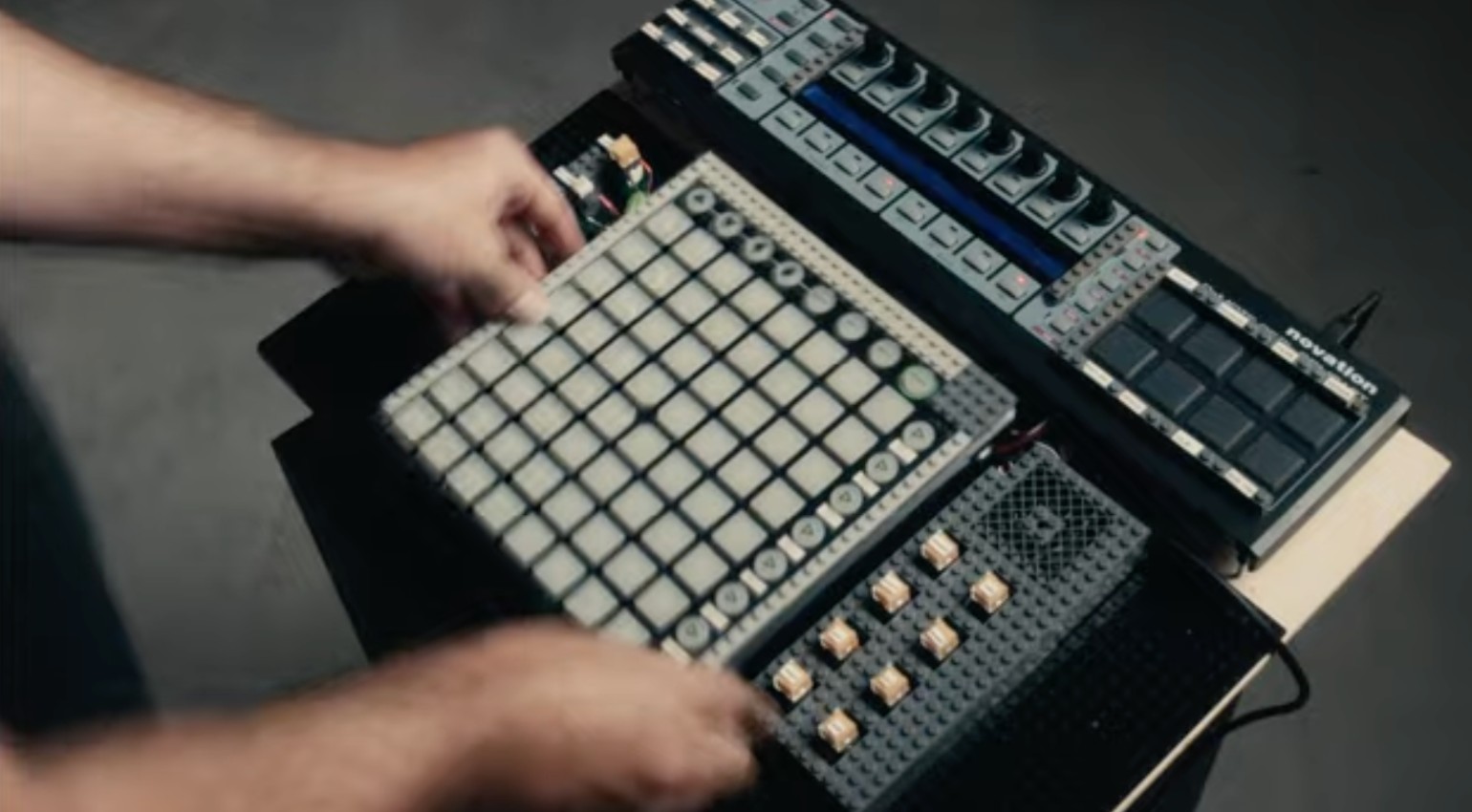
Tactility was never a side issue in this process. The subtle variations in rhythm and pitch you get from playing with your fingers simply can’t be reproduced with a mouse or a keyboard. Those small human deviations from the grid are exactly what gives music its feel, and Terry wanted Push to be the bridge between that human quality and everything a computer can do with sound.
Ableton Push Today
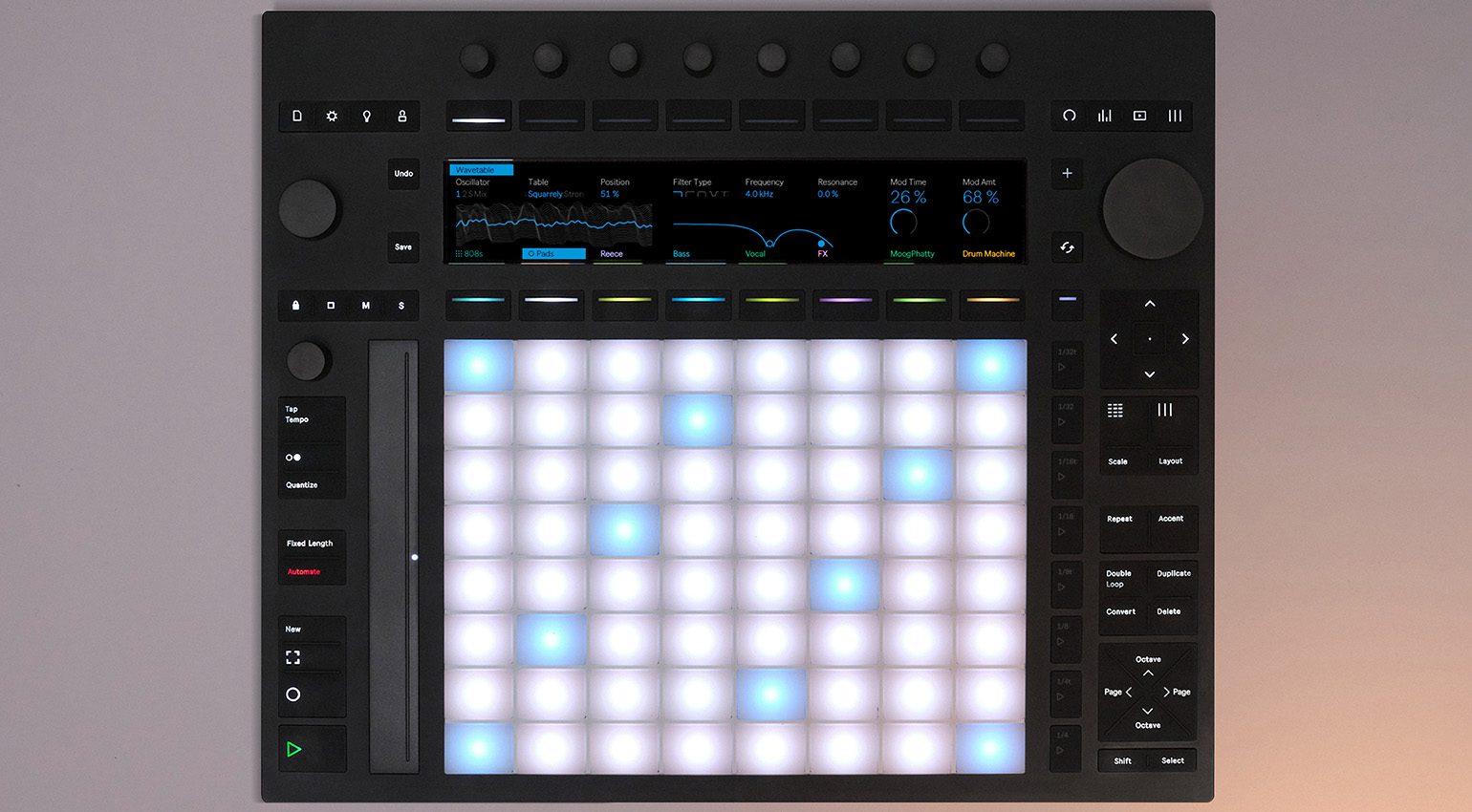
Push has now reached its third generation and evolved from a Live controller into a fully standalone instrument that works without a computer. The recent Ableton Live 12.4 update brought new features specifically for Push, Move and Note, and is a free update for existing Live 12 users.
Price and Availability
The Ableton Push 3 is available at Thomann*, and the standalone version is also available there*. More details on Push are on the Ableton website.


More Information
- Ableton Push 3 at Thomann*
- Ableton Push 3 Standalone at Thomann*
- Everything about Push 3 on Gearnews
- All Ableton News on Gearnews
*Note: This article contains affiliate links that help us keep Gearnews running. The price for you always stays the same! If you buy something through these links, we receive a small commission. Thanks for your support!

This might also interest you