Synths of Prog Rock: 5 Instruments That Helped Define the Progressive Sound
Proggy synths from Moog, Sequential, Yamaha, and more!

 4,7 / 5,0 |
 Progressive rock shook up the blues-based establishment in the 1970s, bringing jazz, classical and other new styles into popular music. It also helped introduce the world to the sound of the then-new synthesizer. These are five synths of prog rock.
Synths of Prog Rock
Synths of Prog Rock
The late 1960s was an incredible time for popular music. Rock music was undergoing more changes than you could keep track of, with psychedelic sounds giving way to a seemingly endless variety of new genres. One of these was progressive rock, so-called because it saw musicians moving on from a strict blues basis into new forms that incorporated jazz, classical and whatever else these sonic explorers wanted to throw into the mix.
Along with changes in harmony and rhythm came new instruments. Early adopters of synthesizers, bands like Emerson, Lake and Palmer, Rush and Genesis were quick to realize the potential inherent in these electronic machines.
Today, let’s take a look at five of the most emblematic instruments of the era. This is not intended to be an exhaustive list but rather a primer, an introduction to the synths of prog rock.
Synths of Prog Rock: Mellotron
The Mellotron isn’t a synthesizer, really, although it often gets lumped in with them. That’s understandable because there’s really nothing else like it. Rather than trigger sound from oscillators, pressing a key causes a spool of magnetic tape to pass over a tape head. You could think of it like an analog sample player. And, with sounds like violins and choirs, the Mellotron made a handy orchestral replacement for bands wanting a big sound without a big budget. Or they just wanted that Mellotron sound, as when Led Zeppelin combined Mellotron strings with real ones on “The Rain Song.”
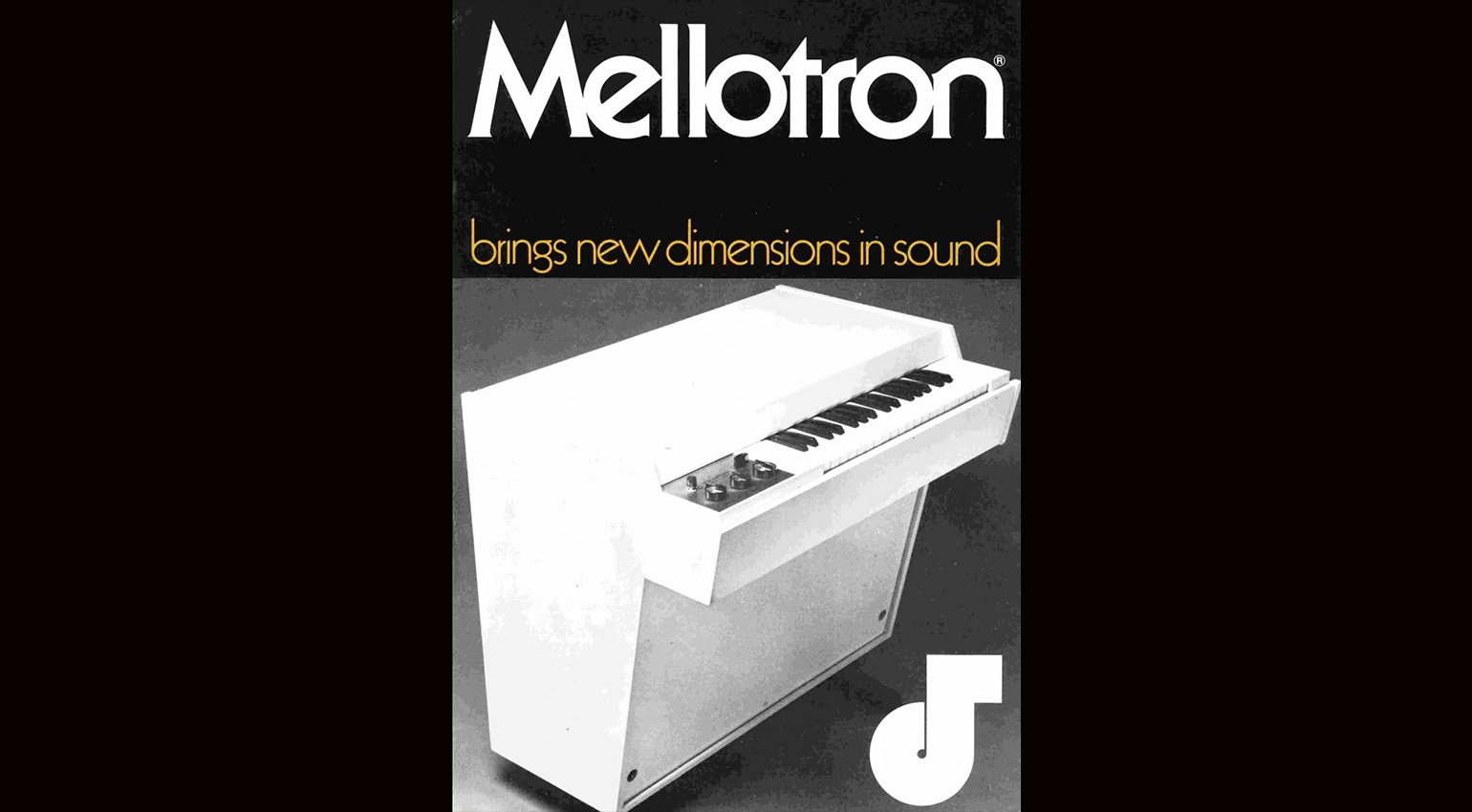
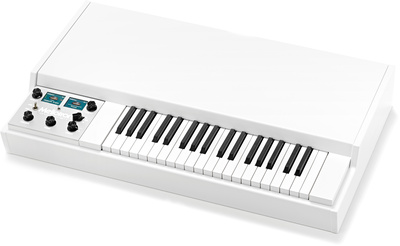
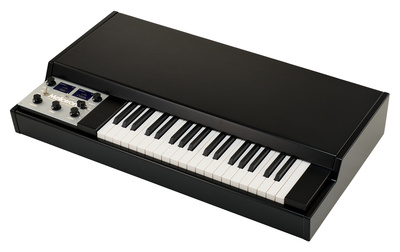
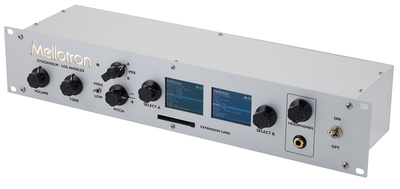
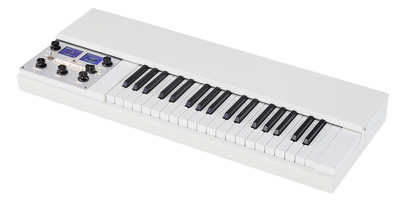
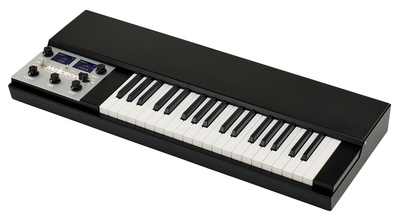
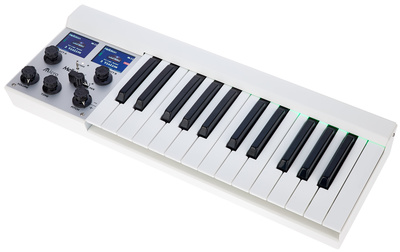
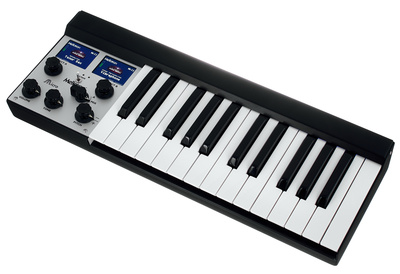
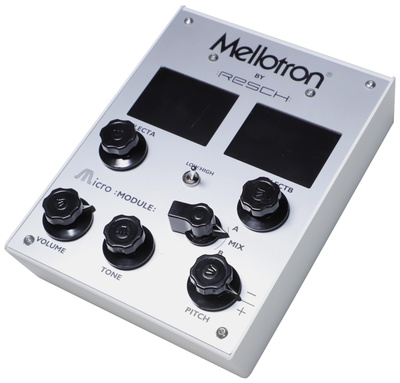
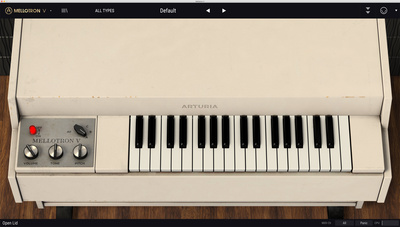
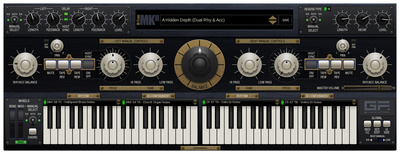
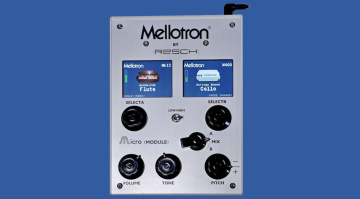
The Mellotron is a beautiful instrument but sadly, with all of those moving parts and old tapes, they’re harder and harder to come by. Thankfully, you can now get the Mellotron sound in modern instruments, with a range that includes the affordable Mellotron Micro Module among other models. There are plenty of software versions too if you want to visit the court of the Crimson King without so much pomp and circumstance.




Synths of Prog Rock: Moog Minimoog Model D
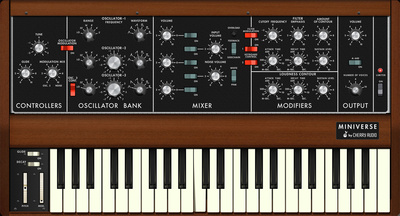
You can’t talk about prog without mentioning the Moog Minimoog Model D. (Hell, you can’t talk about music at all without it coming up, but that’s a different story.) Moog first entered prog thanks to Keith Emerson’s modular and a certain lucky man, but it was the Minimoog that really took off as the prog synth of choice. Yes keyboardist Rick Wakeman typically juggled multiple Minimoogs onstage. I love his playing in “Roundabout.”
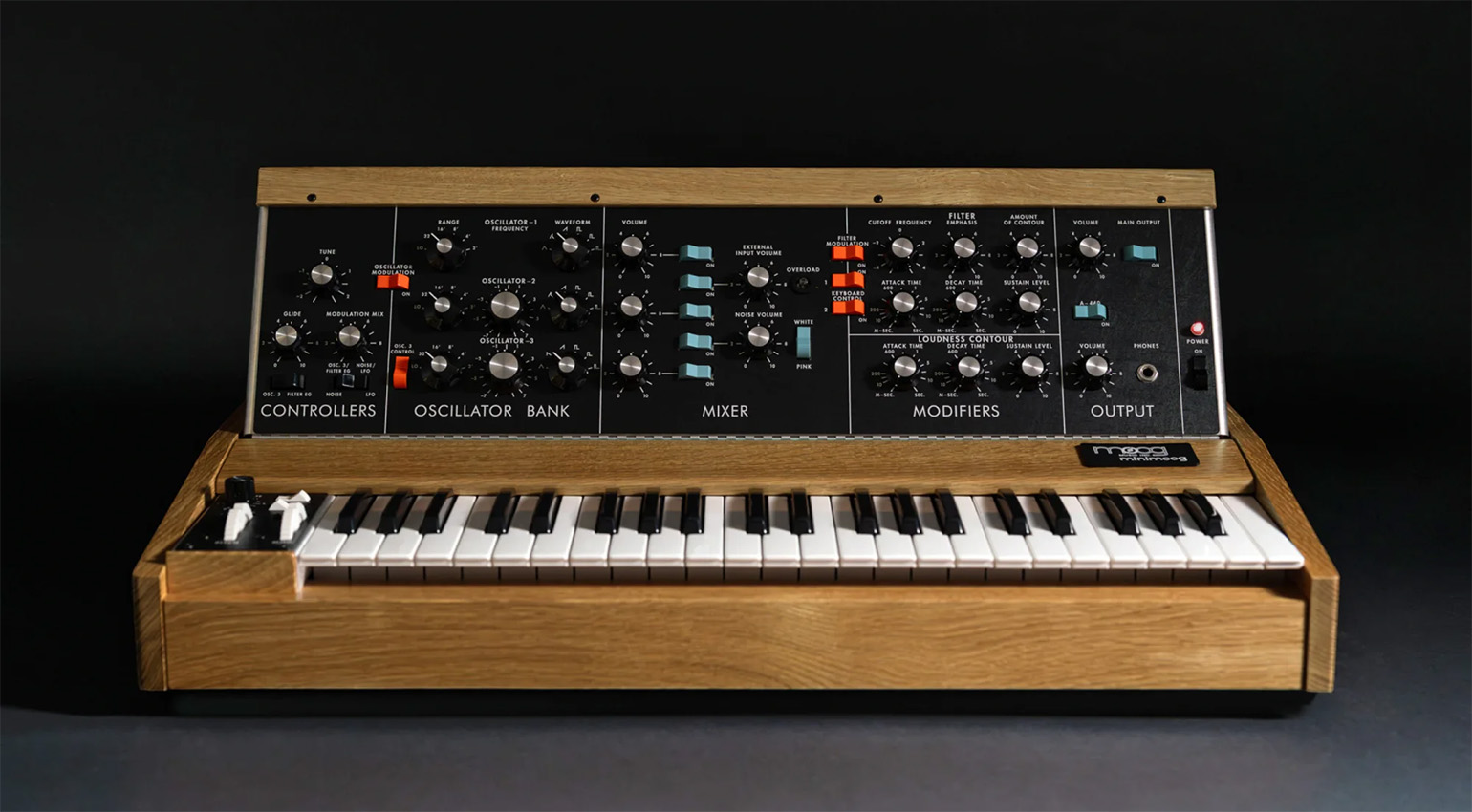
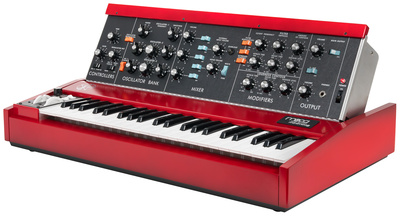
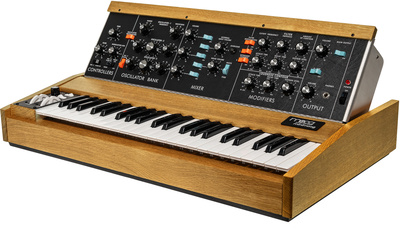
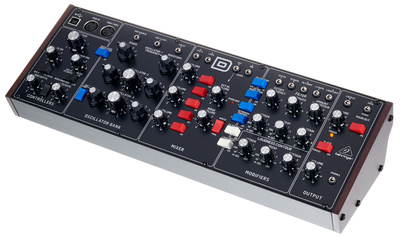
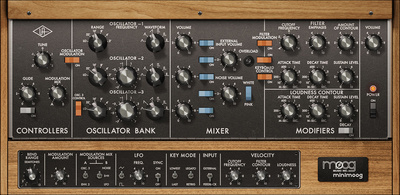
There are lots of modern ways to get that Minimoog sound in your own progressive tunes. Moog offers two versions of the instrument in the form of the Bob Moog Tribute Edition and the Geddy Lee Minimoog, a signature model from the Rush man himself. Fancy yourself a modern-day warrior? Other variants include Behringer’s Model D and software takes from Universal Audio and Cherry Audio.




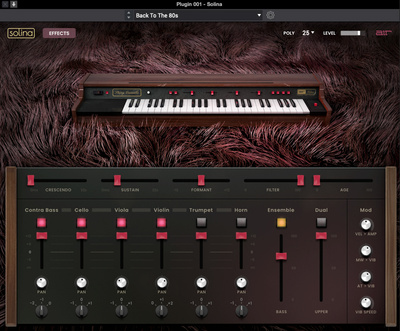
Synths of Prog Rock: Solina String Ensemble
Before true polyphonic synthesizers took off in the late 1970s, prog bands wanting to fill out their sound relied on instruments like the Hammond organ, Mellotron, and divide-down oscillator string synthesizers. If you were well-heeled enough, you could afford a Moog Polymoog, but many opted instead for a Solina String Ensemble.
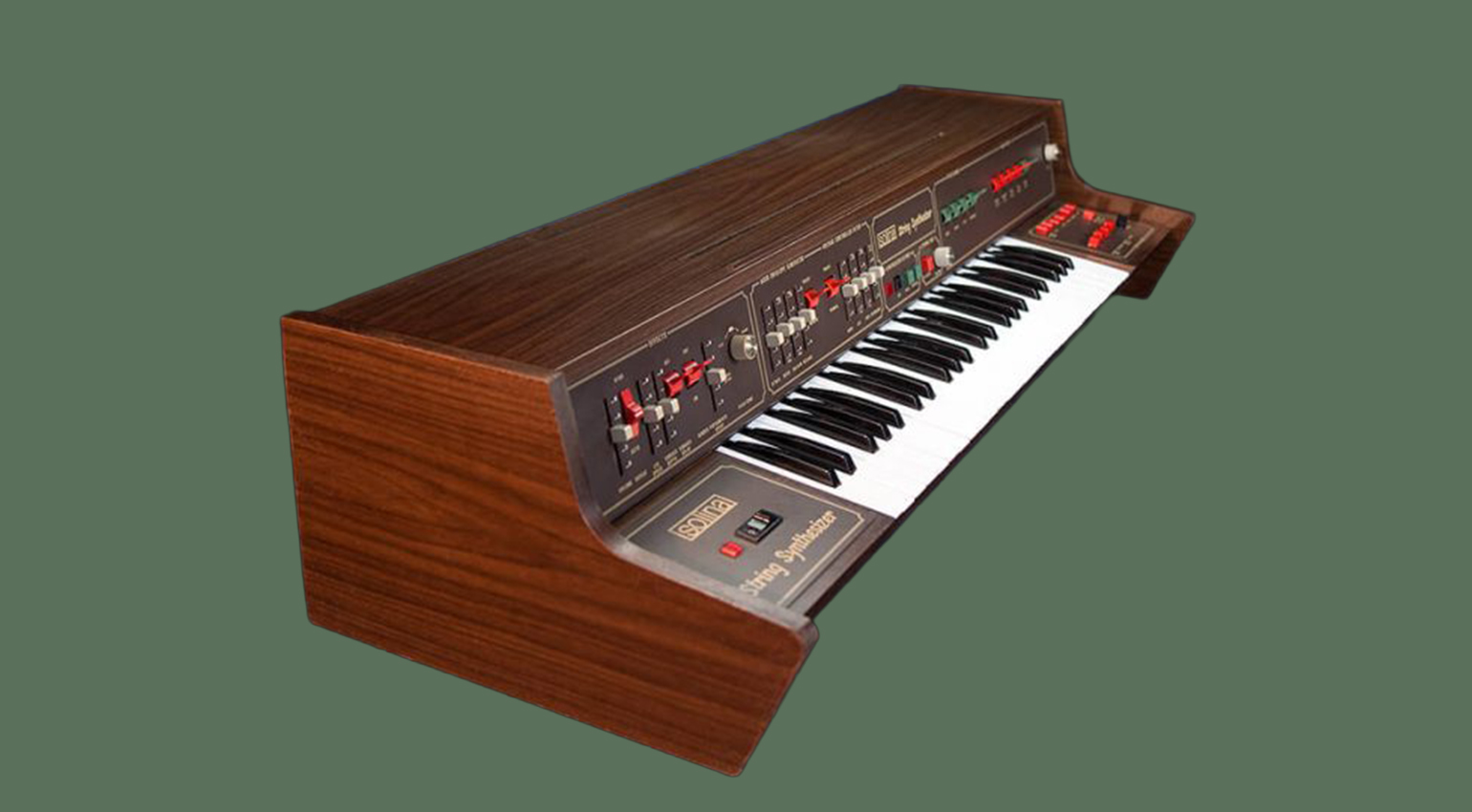
Also licensed by ARP for distribution in some markets, the Solina was a gorgeous instrument that combined sawtooth oscillators with a bucket brigade delay chorus for a swirly sound that shined on records by Pink Floyd.
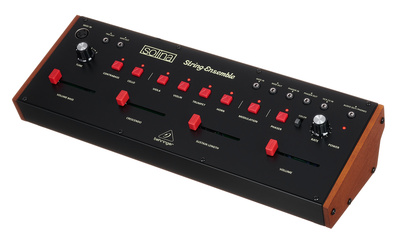
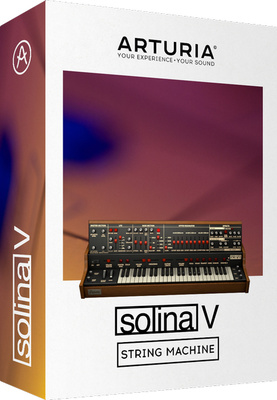
If you’re after the sound of the Solina, your best bet is the Solina String Ensemble from Behringer. There are also software versions out from AIR and Arturia.

Synths of Prog Rock: Yamaha GX-1
True polyphony – that being a dedicated oscillator, filter and VCA for every voice – was the synthesizer dream throughout the 1970s. Tom Oberheim arguably got there first with his Four Voice, but Yamaha did it the biggest with the GX-1, a combo organ and synthesizer dubbed the Dream Machine. The predecessor to the more famous CS-80, it had two oscillators for every one of its eight voices, a filter, and a ribbon controller as well as monophonic synth and organ capabilities.
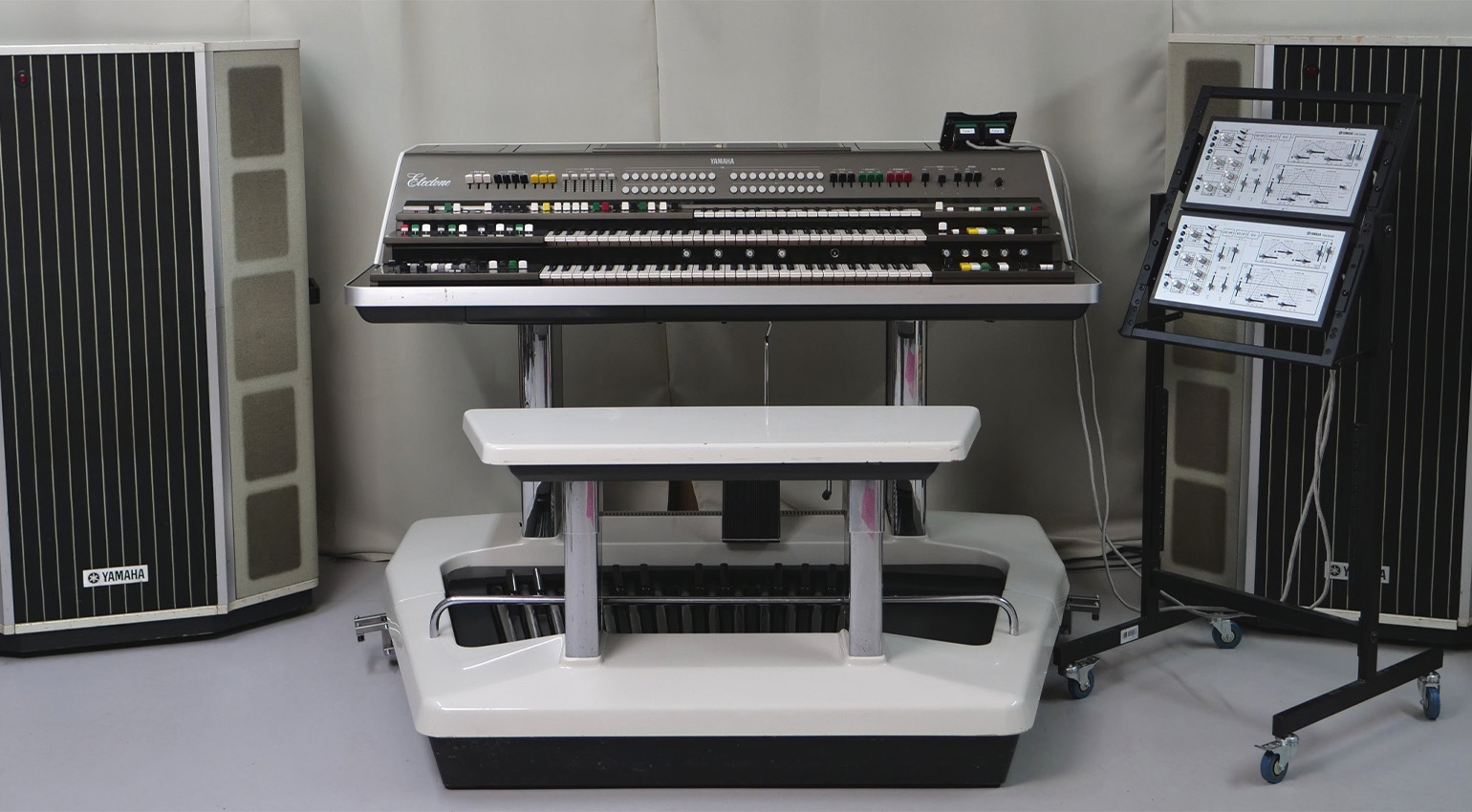
I’m including it in this list of synths of prog rock because of its appearance on ELP’s late-period classic, “Fanfare for the Common Man.” Check it out in the video with Keith rocking out on it in Montreal in the dead of winter.
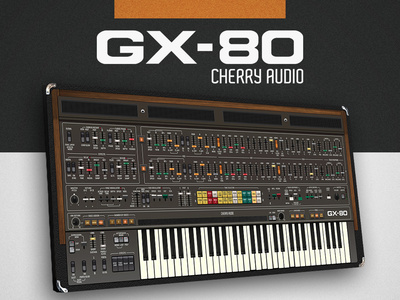
Good luck getting your hands on one. Aphex Twin’s former GX-1 sold for £100,000 last year. And with fewer than 10 ever made, who knows how many others are still out there? There are no clones, and even software emulations are few and far between. Your best bet is Cherry Audio’s GX-80, which combines elements of the GX-1 with its better-known offspring.
Synths of Prog Rock: Sequential Circuits Prophet-5
By the late 1970s, musical tastes were changing. Johnny Rotten famously wore a homemade “I Hate Pink Floyd” T-shirt, and that summed up many people’s opinions on prog rock at the time. However, prog didn’t die. Far from it. It just changed. Bands like Yes and Genesis evolved, and as part of that evolution they incorporated new synthesizers like the Sequential Circuits Prophet-5.
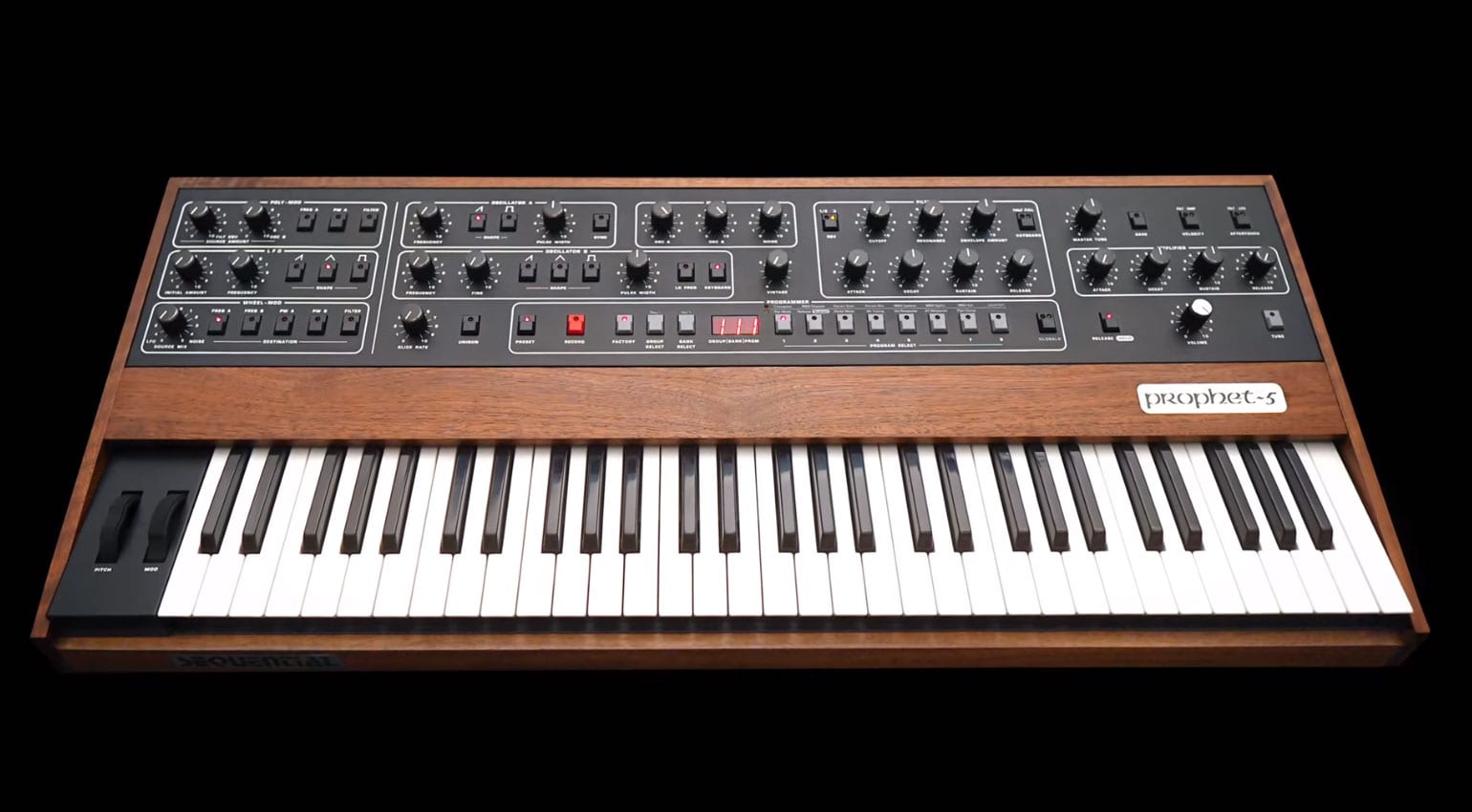
Five-voice polyphonic with programmable memory (finally!), the great-sounding synth was all over records in the late 1970s and early 1980s, appearing on hits from new wave bands like The Cars, massive pop albums from Michael Jackson and Madonna, and yes, even progressive rock. That’s a Prophet-5 being abused by Tony Banks on Genesis’ “Who Dunnit?” Geoff Downes used one on Yes’ Drama album too.
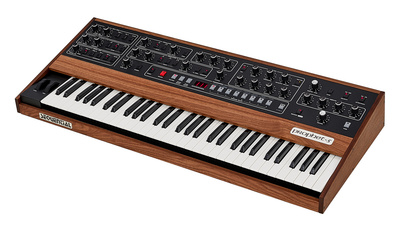
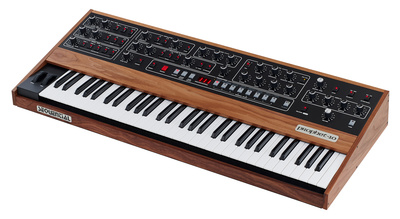
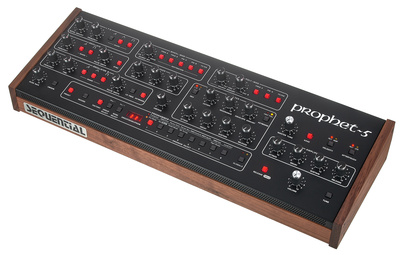
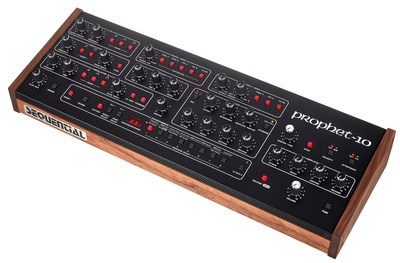
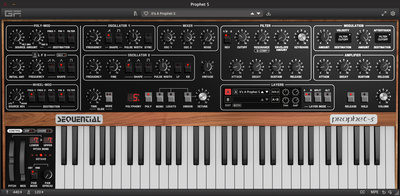
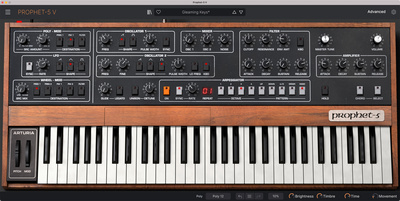
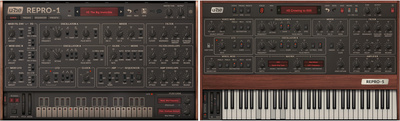
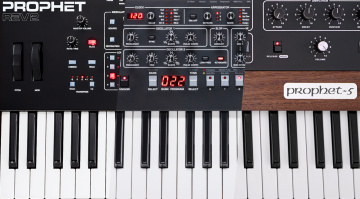
There are lots of modern Prophet options, from the official Prophet-5 and Prophet-10 models from Sequential through to software takes by the likes of u-he, Arturia and my personal favorite, GForce.


More Information
- More about synthesizers
- Buy synthesizers at Thomann*
*Note: This article contains advertising links that help us pay for this site. Don’t worry: the price for you will always be the same! If you buy something through these links, we will receive a small commission. Thank you for your support!

This might also interest you
3 responses to “Synths of Prog Rock: 5 Instruments That Helped Define the Progressive Sound”

Ummmm no Korg Sigma – a staple of Keith Emerson of Emerson, Lake, and Palmer?
“Prog rock” *puking*
What’s next, Geddy Lees voice?
Just for the record, it was not me who posted that comment. I like prog rock for a start!