5 of the Best Synths for Bass Music
Hardware bass weight synths from Roland, Waldorf, Novation, UDO and more for jungle, UK garage, breaks, dubstep and other low-end genres.

 4,5 / 5,0 |

Looking for hardware alternatives to Serum and Rumble? Check out these best synths for bass music – for every budget.
5 of the Best Synths for Bass Music
Best Synths for Bass Music
We tend to think of bass music producers as using plugins. And while there is lots of amazing software to make jungle, dubstep, UK garage and other bass genres, that doesn’t mean you can’t use hardware too. Don’t forget, before the mid-2000s, when plugins became a more viable way to make music, producers used physical synthesizers to craft those insane bass sounds we’re still recreating today.
Here are five of the best synths for bass music available on the market today. I’ve tried to include a variety, with some being very inexpensive to others topping out at the aspirational level. And, contrary to what you might expect, many of these are actually polyphonic. If you’re looking for a list of strictly monos, check out this article.
Let’s drop the boom then, shall we?
Best Synths for Bass Music: Roland S-1 Tweak Synthesizer
The Moog Minimoog may be the most famous synth for bass, but for electronic music producers, the one that everyone has always wanted is the Roland SH-101. With its onboard sequencer and juicy filter, it can do both synth bass and a pretty convincing impression of a TB-303. A few years ago, Roland took its ACB SH-101 and put it inside a tiny package, and the result was the S-1 Tweak Synthesizer.
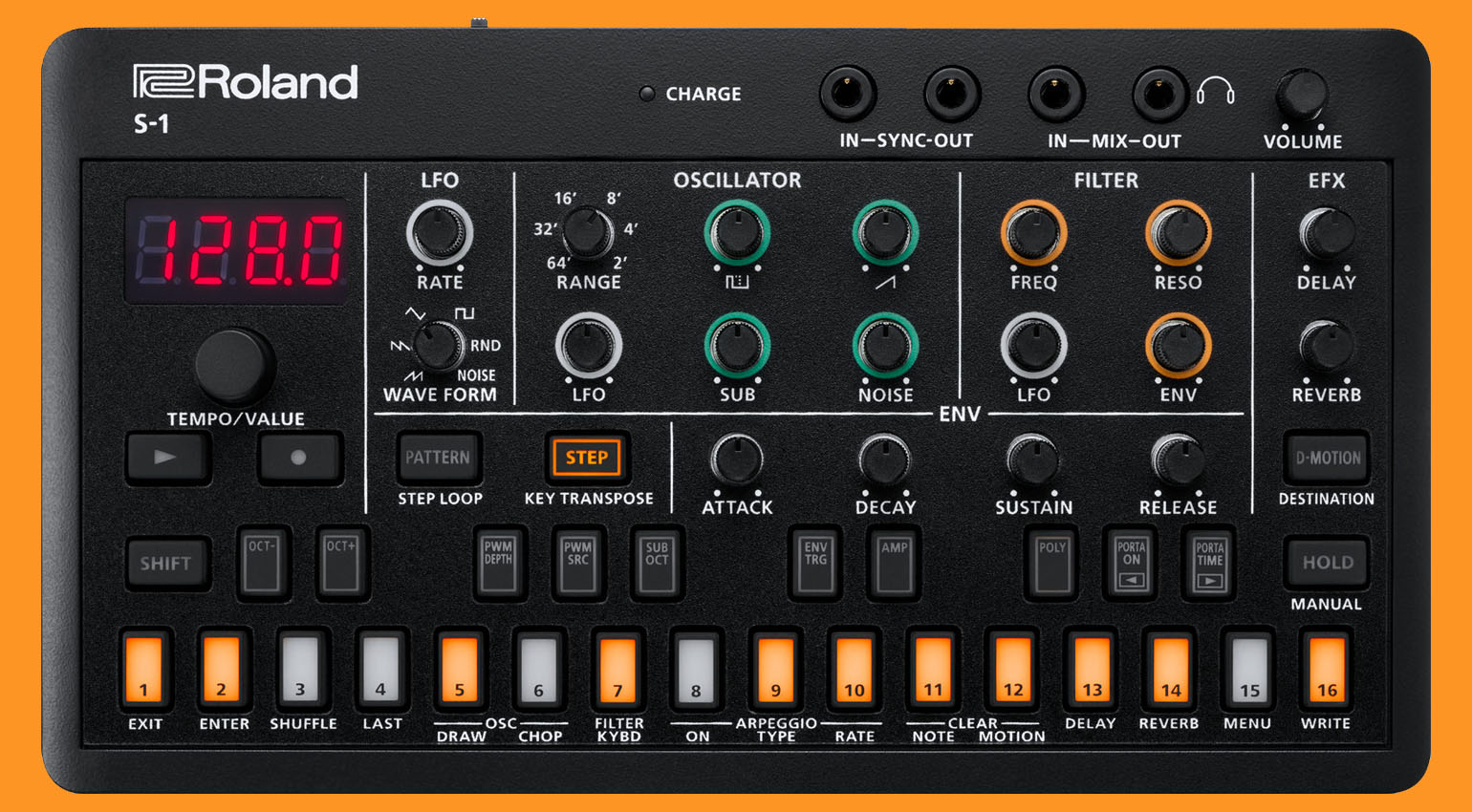
Part of the AIRA Compact range, the S-1 is surprisingly powerful. It’s got that SH-101 sound but it’s actually polyphonic, meaning you can use it for more than just basslines if you want. It’s got oscillator, envelope, filter, and LFO sections plus built-in effects, but you can dig deeper into sound design with the OSC Draw function for custom waveshapes, and Chop for splitting up waveforms into metallic timbres. Plus, there’s a step sequencer for acid lines.


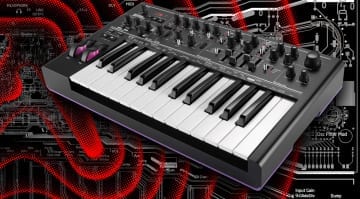
Best Synths for Bass Music: Novation Bass Station II
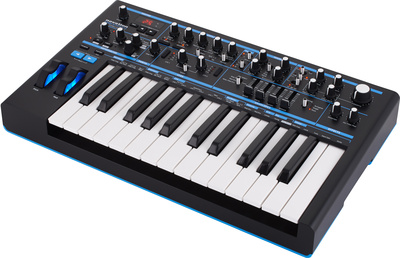
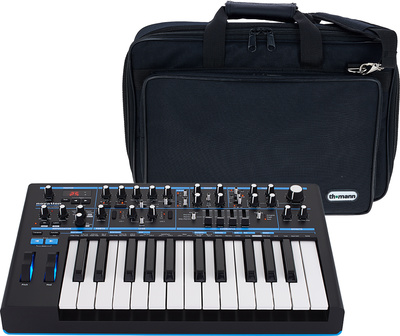
The original Bass Station from Novation is a modern classic. It helped bring about the analog synthesizer revival in the 1990s and offered an affordable way for bedroom dance music producers to get squelchy sounds. The follow-up, the Bass Station II, has been in production for 13 years now, a noteworthy feat in the hardware world. But given its amazing analog sound and flexibility, it’s no surprise really.
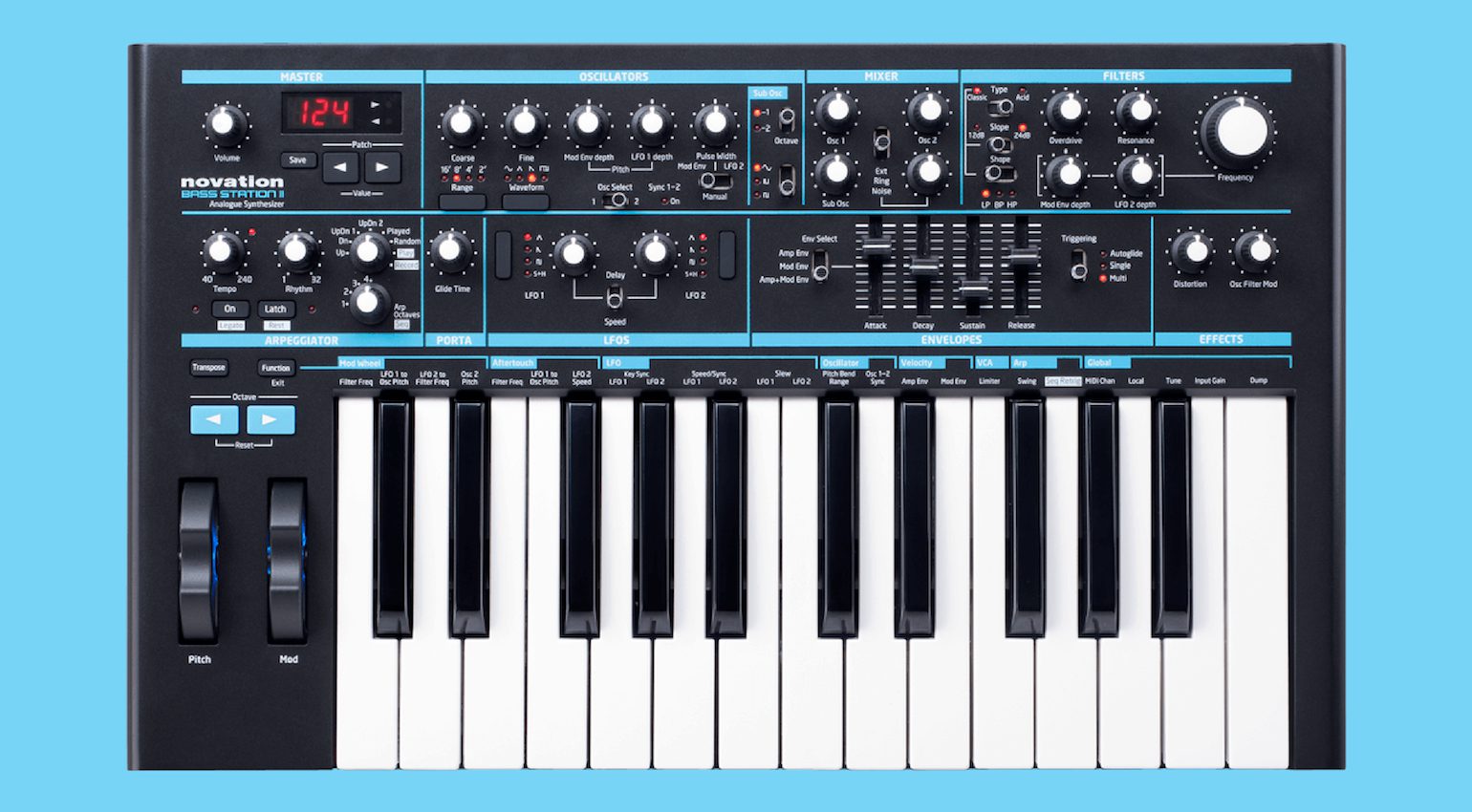
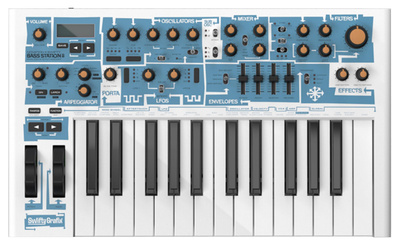
Our sole monophonic bass synth in this list of the best synths for bass music, it offers two oscillators, an additional sub oscillator, dual filters, plenty of modulation, overdrive, distortion, and lots more. It’s also found favor with electronic music producers, with the Aphex Twin famously getting a signature version (and a microtonal firmware update for everyone else), plus Legowelt providing presets for the most recent Swifty Edition.
The Bass Station II has gotten to where it is today by being a jack of all bass trades. Whatever your low-end needs, it can provide. And it’s ridiculously affordable too.

Best Synths for Bass Music: Modal Electronics Argon8
People tend to think of the Access Virus line as being trance synths, but they were rinsed by bass music producers in the 1990s and 2000s too. Where do you think all of those incredible, tearing bass sounds on tech-step and breaks records came from? If you really want the Virus sound, nothing will do it like the real thing, but if you can’t be bothered with vintage (yes, the Virus series is vintage now!), check out a modern synth like Modal Electronics’ Argon8.
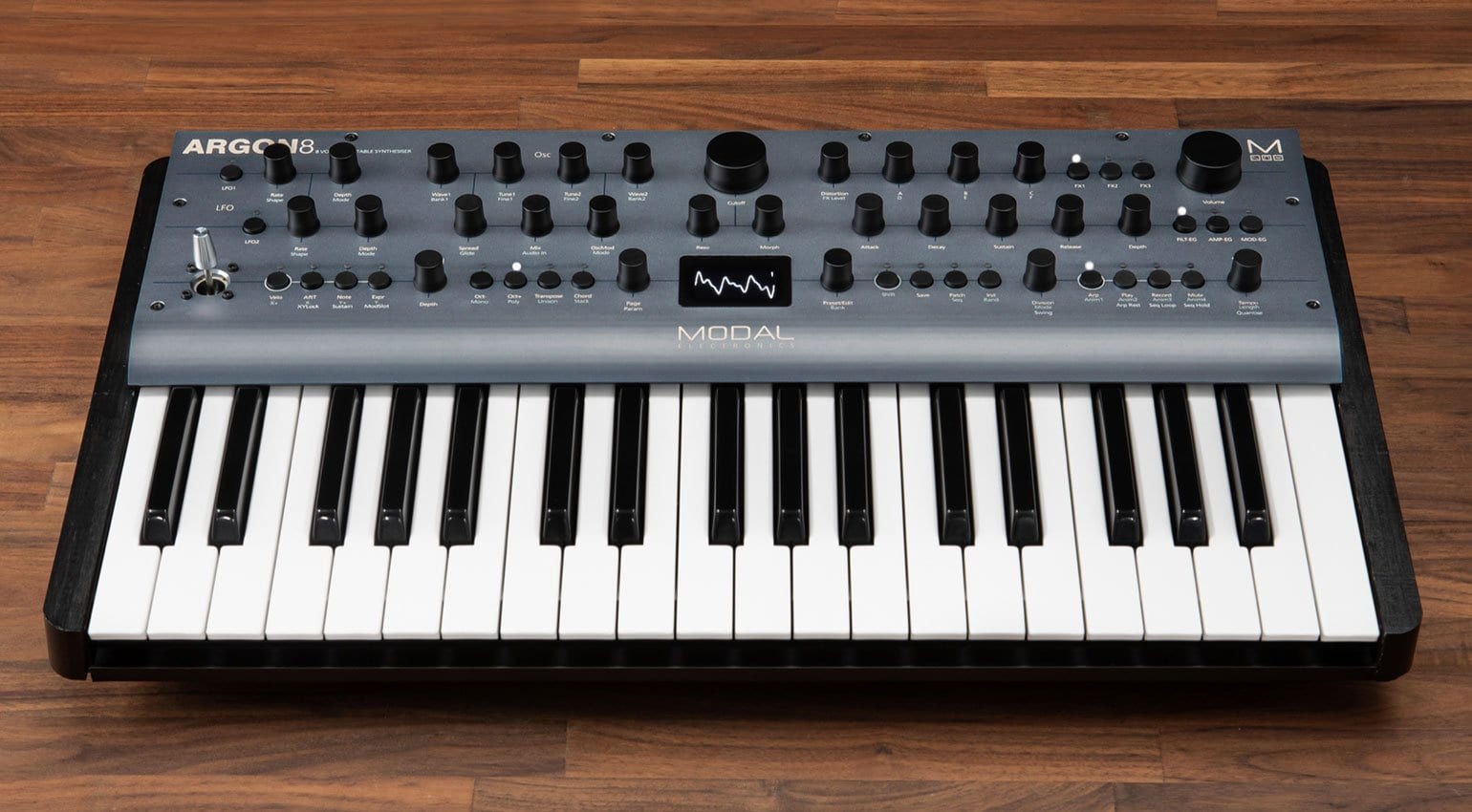
A wavetable synth, the Argon8 will give you four oscillators per voice, each with 180 wavetables, 32 static wavetable modifiers, eight oscillator modifiers, eight filter types, tons of modulation, waveshaping distortion, plus three configurable FX engines, and more. Argon8 has a reputation for being icy. That may be a drawback for some, but if you want cold and calculated bass with lots of harmonics and movement, you’ve come to the right place. Industrial? Oh my, yes.
Hardcore you know the score.

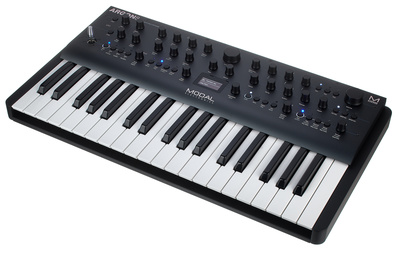
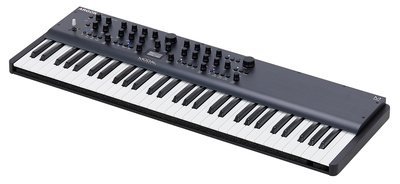
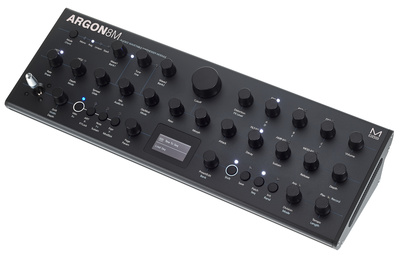
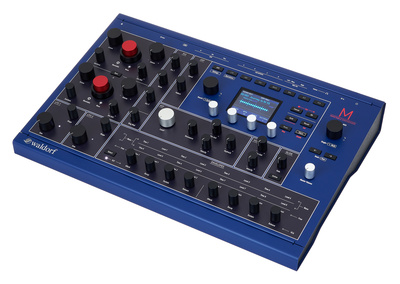
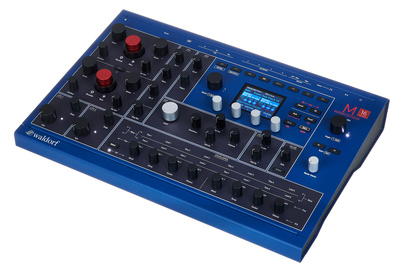
Best Synths for Bass Music: Waldorf M
Before Native Instruments’ Massive made wavetables cool again, Waldorf kept Wolfgang Palm’s genius sample-scanning synthesis style alive through the 1990s. A few years ago, the German company released the M, which combined wavetable engines from the Microwave I and Microwave II/XT, giving you both 8-bit, 240kHz non-anti-aliased samples along with 40kHz samples with band-limited wavetables. That means you can go old-school if you want, with crunchy bass sounds perfect for classic jungle, or modern and clean for future bass adventures.
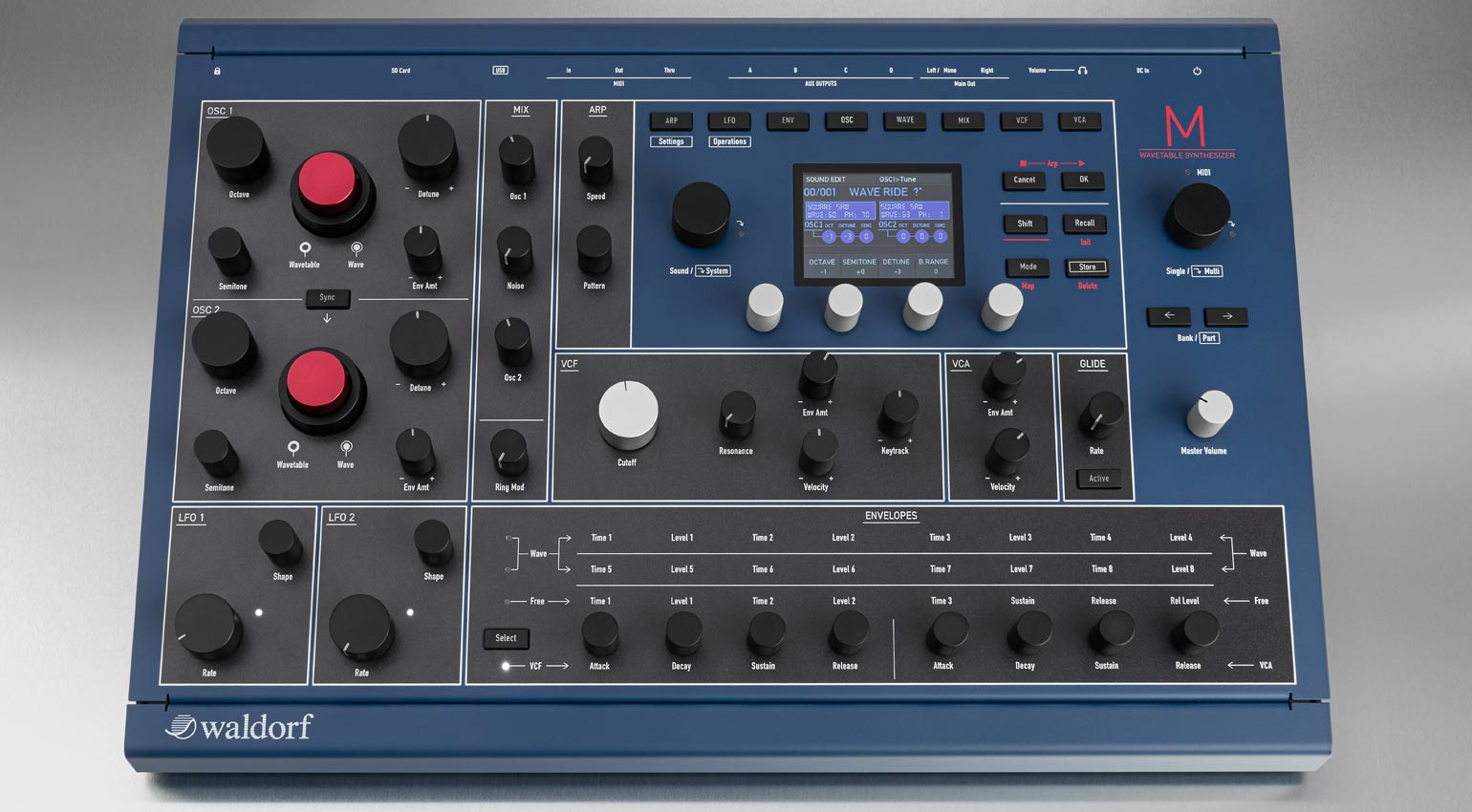
Along with the two oscillators, both of which can run either wavetable engine, there’s a 24dB/Oct SSI 2144 Improved Ladder Type analog filter with saturation, a true stereo analog VCA with panning, and two LFOs and four envelope generators in a four-part multitimbral package. The baseline unit gives you eight voices of polyphony and there’s also a 16-voice model. There’s no effects section, sadly, but that feels very old school in and of itself.
Like crunchy bass and digital aliasing? You’ll love the M.

Best Synths for Bass Music: UDO Audio DMNO
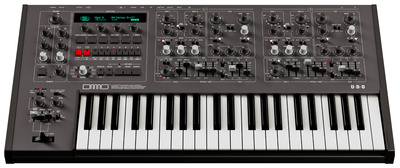
The first time I heard a demo of UDO Audio’s DMNO, I thought to myself, this is a bass music synth. Unlike the company’s other instruments, which are very luscious poly in vibe, DMNO feels more like a sound design playground. It’s also got a lovely low-end to the sound, making it an excellent option for crafting bass sounds. Of course, there’s more to bass music than just bass, and DMNO can do pads, leads, and effects well too.
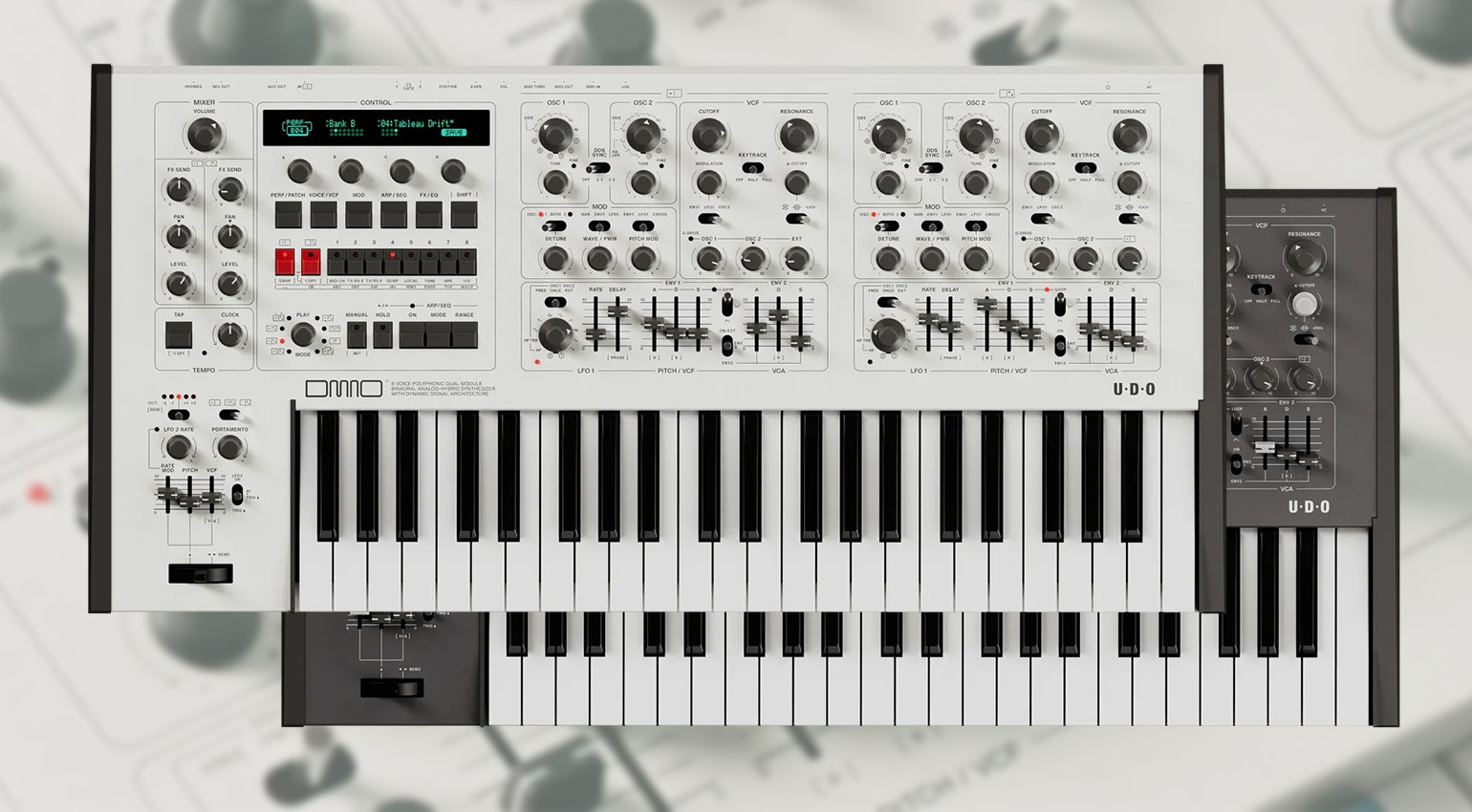
The eight-voice instrument divides the architecture up into two discrete synthesizers placed side by side like an Oberheim Two Voice. Unlike the all-analog Obie, however, DMNO combines digital FPGA oscillators (two per voice) with analog Dynamic Multi-Core Stereo Filters. It also gives you eight different ways to combine the two synths across eight voices, ranging from individual, layered, split, Korg Mono/Poly-style round robin, and using the audio output of DMNO 1 as an oscillator source in DMNO 2.

More Information
- More about synthesizers
- Buy synthesizers at Thomann*
*Note: This article contains advertising links that help us pay for this site. Don’t worry: the price for you will always be the same! If you buy something through these links, we will receive a small commission. Thank you for your support!

This might also interest you
One response to “5 of the Best Synths for Bass Music”

Listened to all the demos linked. Definitely whoever thinks these are “great” bass sounds seems to have the musical taste of a twelve year old seeking to torture their family, or maybe as esoteric ‘new music’ neo-classical noise fest. What happened to classic massive smooth and melodious bass sounds that just made you feel great?