What Makes Vangelis’ Epic Blade Runner Soundtrack Such a Powerful Touchstone for Electronic Music?

 4,4 / 5,0 |
Why is Blade Runner so revered and referenced by those both inside and outside electronic music making, and how did the tools he used enable the great man? I have a theory…
Blade Runner – An Electronic Music Touchstone
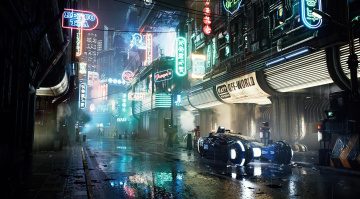
If ever there was a film for which the maxim that a soundtrack is an essential character in a movie is absolutely definitive, it is Blade Runner, Ridley Scott’s sci-fi masterpiece that has endured decades of societal and technological advancement and yet remains disturbingly prescient and unrivalled, both visually and sonically to this day.
It was a beautiful marriage of Philip K. Dick’s writing, Douglas Trumbull’s stunning visual effects, Ridley Scott’s visionary direction and the acting talents of the entire cast, from Ford to Hauer, Young to Hannah, Walsh to Olmas, Turkel to James and more.
But what sets Blade Runner apart from other dystopian sci-fi movies, of then and now, is the utterly stunning and timeless soundtrack that Vangelis conjured up that is both unique on its own as it is perfectly married to the visuals that Scott painted on celluloid.
Humanity and Expression
The Blade Runner soundtrack, to this very day, remains a standard by which all electronic music is judged. But why is that? Why does this suite of music, improvised and composed almost entirely by Vangelis himself, resonate so much both inside and outside the electronic music community?
I have a theory, and it is one that I hold dear to my ageing and slightly rickety heart. It is a concept that in many ways evades a lot of electronic music, probably because of the way people make electronic music. The use of computers, be they Macs or PCs, or the dedicated ones found inside our instruments, almost dictates structure and rigidity.
There is a natural desire for accuracy, for compliance and strict adherence to timing that electronics allow for. But where I feel that Vangelis’ Blade Runner score is able to transcend so much of other electronic music, to become the one suite we hold up as a mark of greatness is in its humanity. By that I mean expression.
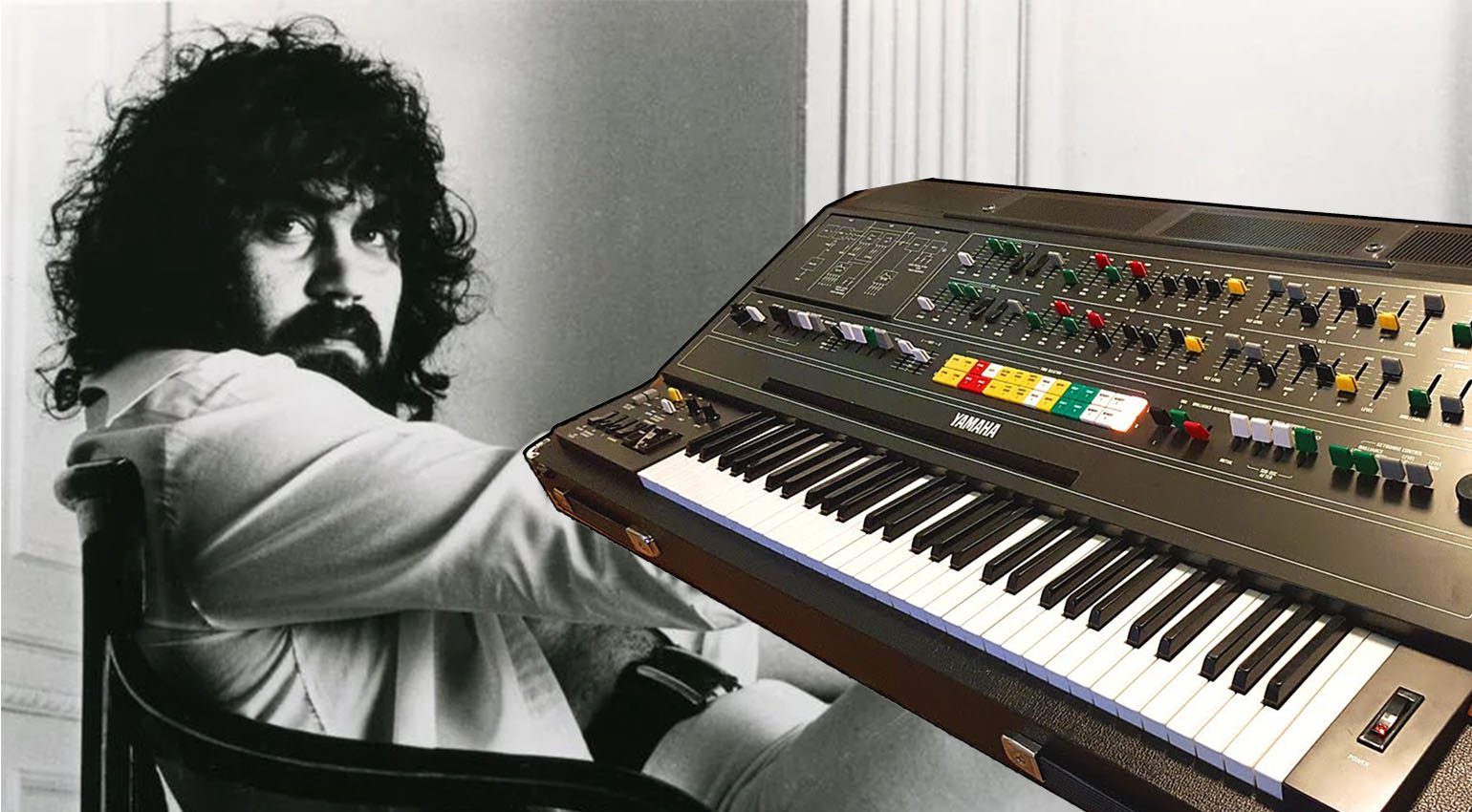
Improvisation
For the most part, Vangelis improvised his compositions for Blade Runner to the dailies that were being sent to him from the set. It’s a style and practice that he used on almost everything he did. He was the master of his own ship and this allowed him to be free of the constraints of, say, a traditional composer and orchestra.
And in doing so, he was able to match the emotions on screen directly through his instruments. He didn’t have to concern himself with any of the traditional structures and methods, and his sonic palette was one that was emerging so heavily at the time that Blade Runner was being made.
In 1977, Star Wars had redefined what science fiction movies were about, so much so that it often incurred the ire of sci-fi fans who claimed it wasn’t sci-fi, but a space opera. As such, its huge soundtrack was rooted firmly in the Hollywood tradition. Pomp, power, and pageantry via a full-on orchestra.
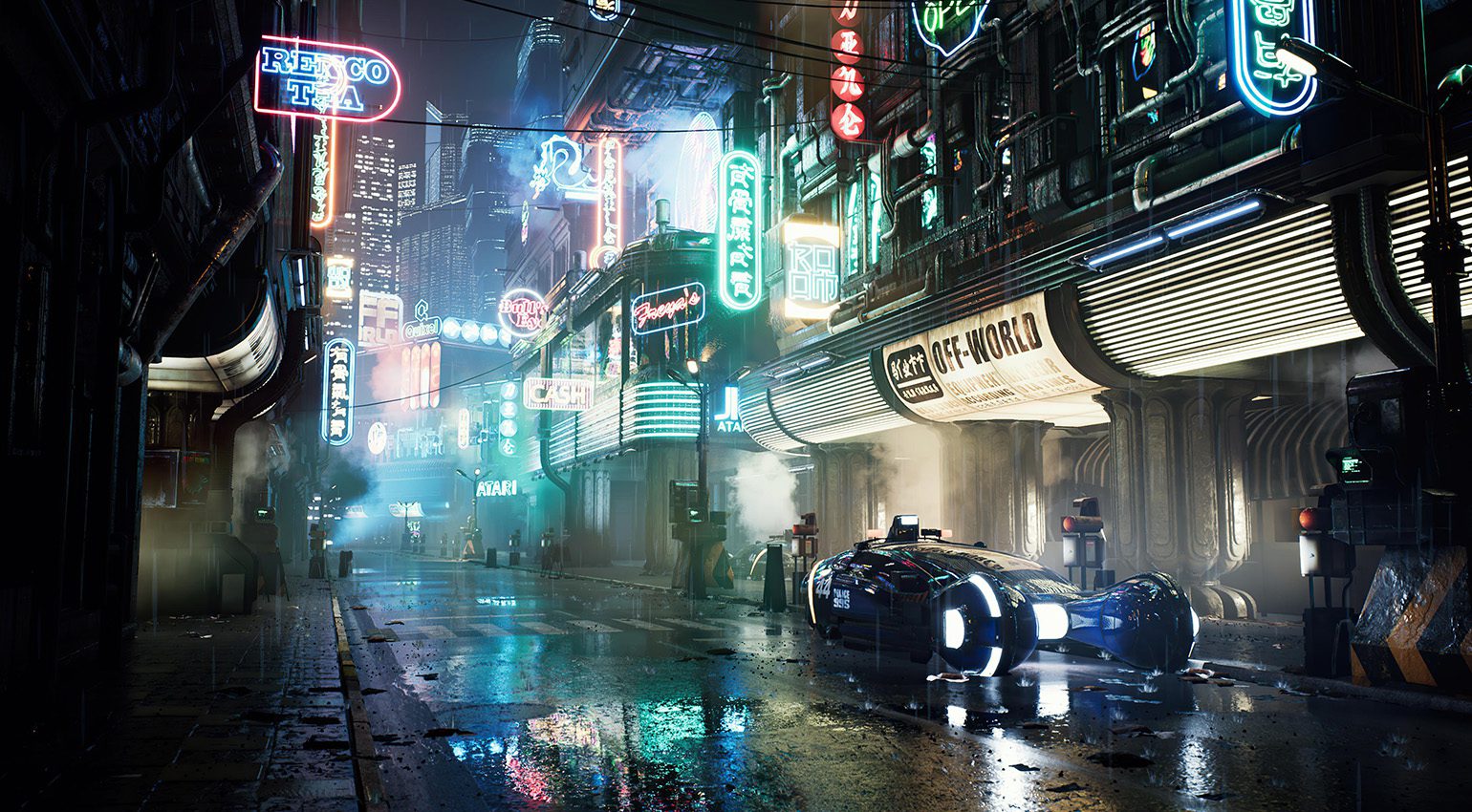
Blade Runner – Reclaiming Sci-Fi
Then along comes Blade Runner, a dark, depressing look at humanity’s bleak future, one where the climate has collapsed, AI ‘replicants’ did all the hard labour, and the rest of us had fallen into a hedonistic, self-destructive lifestyle. You see how it is still so relevant today?
It is this close connection to our own humanity that resonates so hard, and why Vangelis’ Blade Runner soundtrack, equally human in its expression, remains such a benchmark, not only for sci-fi but for cinema of all types. You can feel that humanity in his other scores, such as Chariots of Fire and 1492: Conquest of Paradise.
So how did he achieve such humanity and expression in the Blade Runner soundtrack? I think we all know the answer to that. It is the instrument that became synonymous with both the man and his work, the Yamaha CS-80. The CS-80 dominates so much of his work, simply because he completely embraced its ability to express and emote like no other synth did before.
The Yamaha CS-80 – The Heart of the Blade Runner Soundtrack
But why was the CS-80 so expressive? What set it apart from everything else at the time? I don’t believe it is one particular thing, but a combination of certain features, which were then successfully used to deliver a level of individuality, expression and humanity only associated with manual, acoustic instruments such as the violin or clarinet.
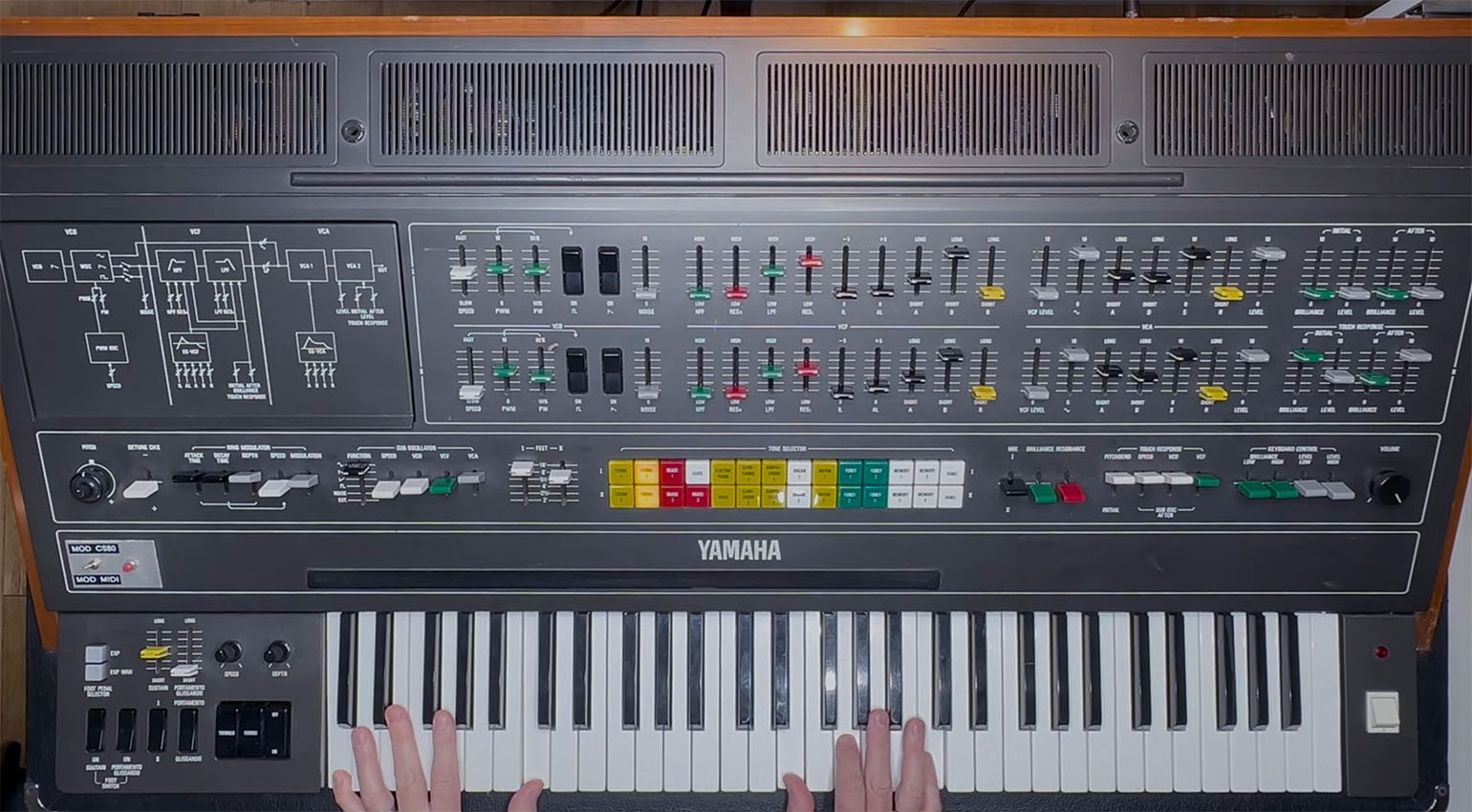
The CS-80 featured polyphonic aftertouch, a rarity back then, and incredibly difficult to achieve mechanically. It allowed the player to route many of the modulation options to individual notes, either when played as a solo or as part of a chord.
It also had a ribbon controller, a strip that could deliver pitch bend across a much wider range than a traditional wheel, which the CS-80 did not have, but could also deliver immediate pitch shifts when tapped.
As for the sonic engine of the CS-80, it was nice, but on its own, it could often sound weedy and not at all inspiring. Like almost all synths back then, it came to life when processed by external effects. Vangelis’ effects unit of choice, and one that would come to define his CS-80 sound, was the Lexicon 224 Reverb.
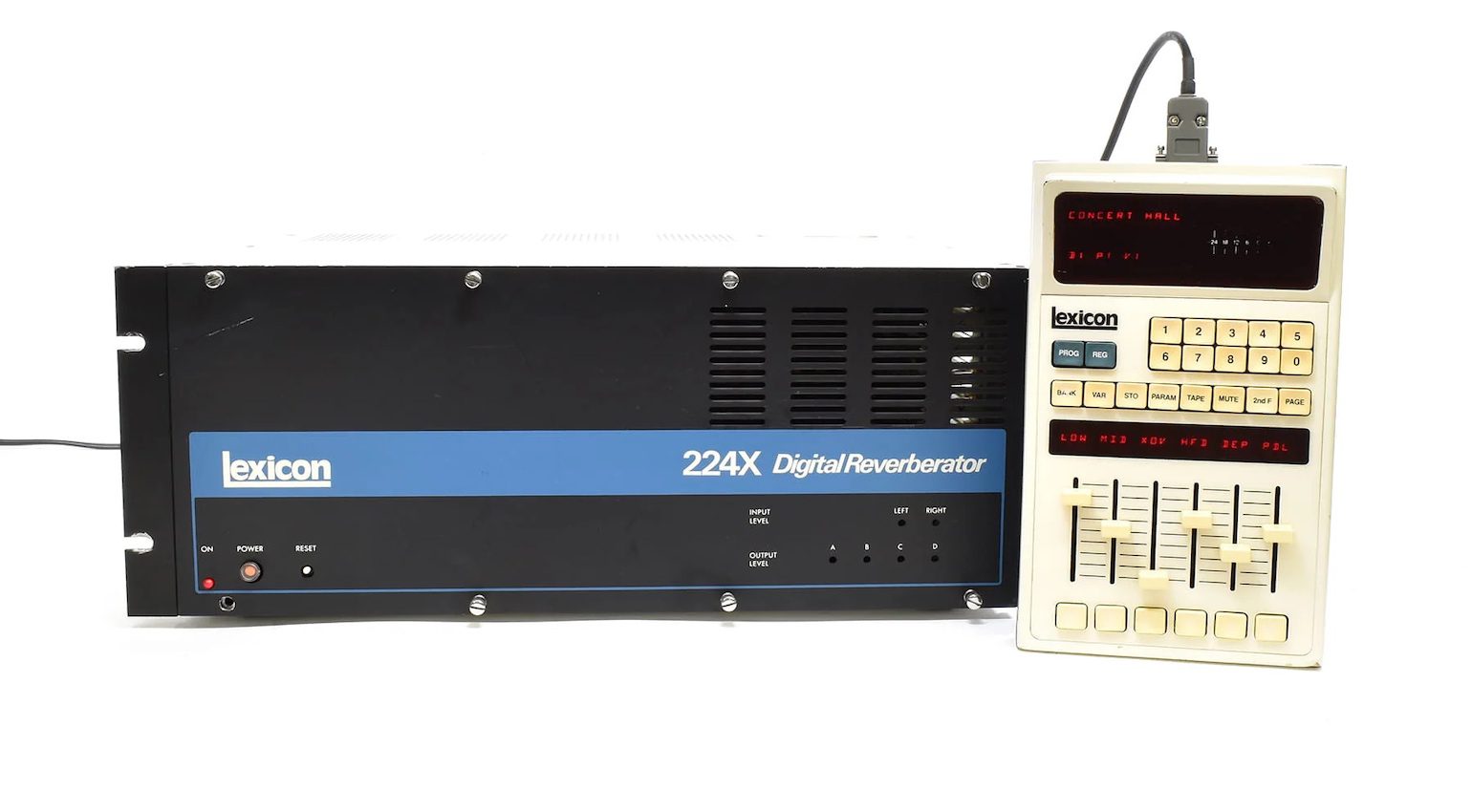

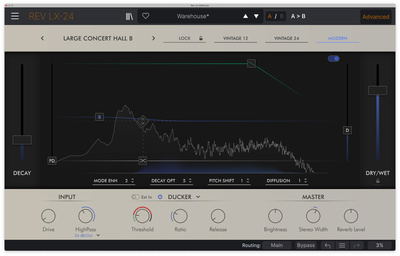


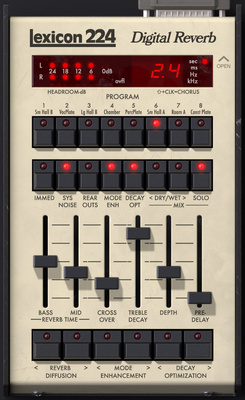
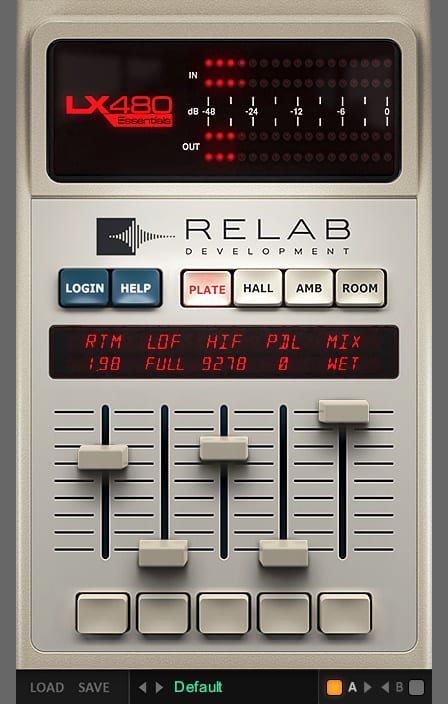

It was like the magic ingredient that brought everything in the CS-80 to life. All of a sudden, the entire CS-80 engine took on a character that, to this day, is unmistakably CS-80. Features such as its ring modulator, envelopes and filters sprung to life and were allowed to breathe and inhabit huge spaces.
It is no wonder that Vangelis used it so prolifically that the CS-80 has become inextricably linked with the great man. So much so that its use outside of his work is immediately compared to his use. As so many legendary singers were defined by their unique voices, the CS-80 was Vangelis’ voice, inseparable from the man.
Beyond the CS-80
But the sound of Blade Runner was not just the CS-80. Vangelis made early use of samplers. One very noticeable sound was in the Taffey’s Bar scene, where Deckard first encounters Zhora. As Rachael hangs up on Deckard, a reggae loop kicks in, followed by a Mexican-sounding trumpet. These were both presets on the factory Emulator 1 library! Fun fact: These samples were also used by OMD on their junk Culture album.
Then, of course, was another one of Vangelis’ favourite instruments, the Roland VP-330 VocoderPlus, which provided many string-like elements that had the otherworldly nature required of a film set in the (then) future. There was also early FM synthesis in the form of the Yamaha GS-1 and another beautifully expressive instrument, the Fender Rhodes electric piano, whose tonal timbre could be drastically changed by velocity alone.
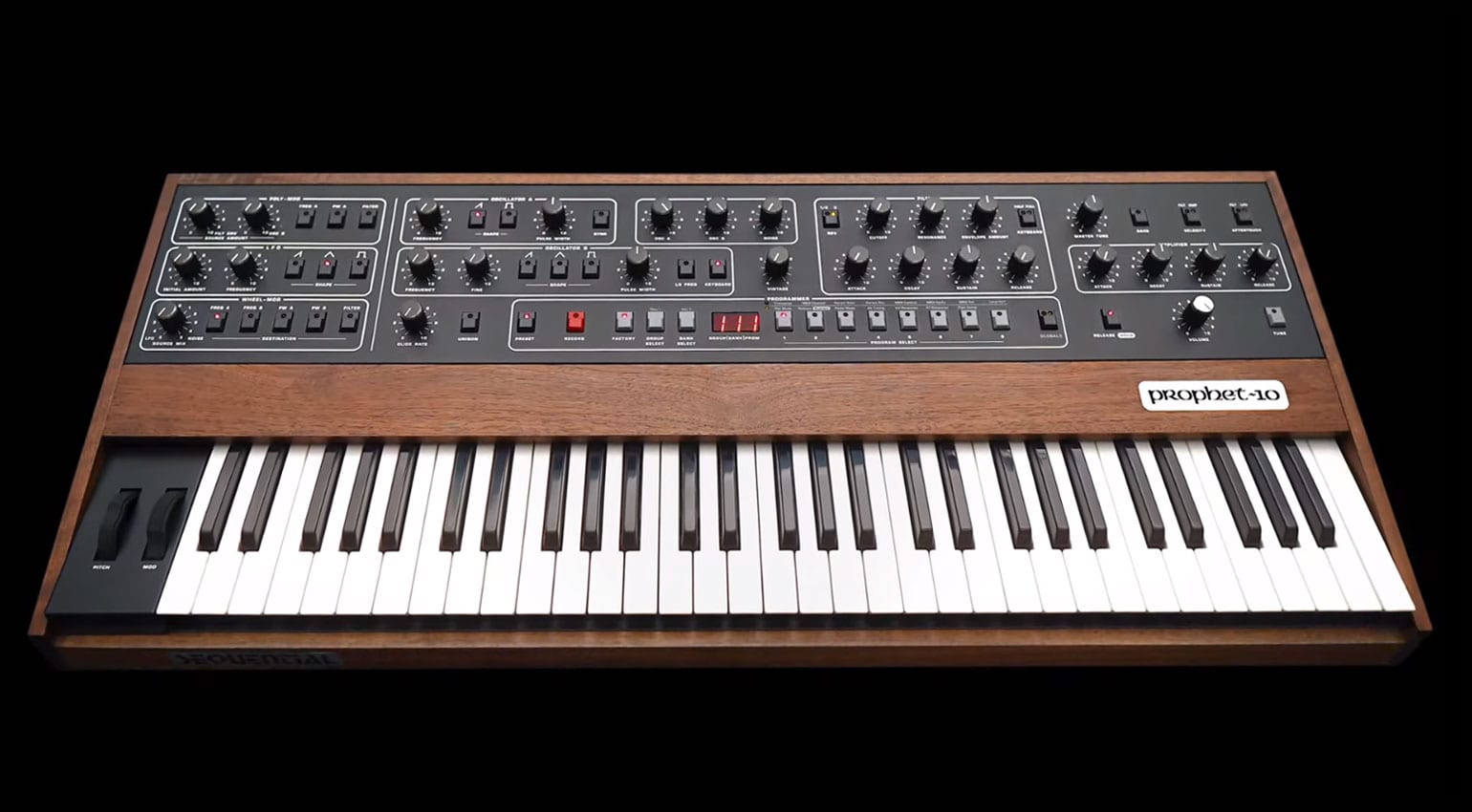
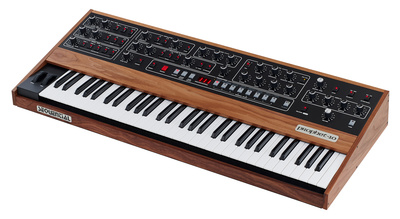
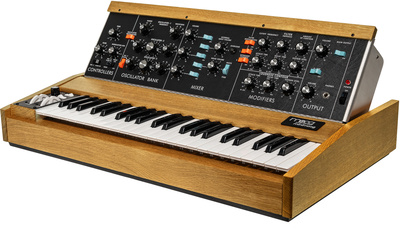
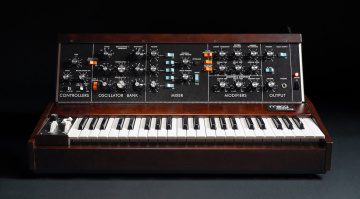
Other Blade Runner soundtrack instruments included the Sequential Prophet 10, Yamaha CS-40M, Roland Jupiter 4, System 100 and SH-09, as well as a Yamaha CP-80 and the inevitable Minimoog Model D, amongst many other electronic and acoustic instruments.


Can You Recreate Those Sounds?
But all of these doth not make a great soundtrack alone. It requires a musician, composer and visionary of the magnitude of Vangelis to corral them into a sonic tapestry that not only accentuates the action on-screen but also becomes a wholly intrinsic part of it too.
Vangelis’ Nemo Studio in London was home to so many of the great electronic instruments of that time, all of which would be well out of reach of us mere mortals. Luckily for us, though, we can now access the sounds and performance features of them through numerous software and hardware alternatives.
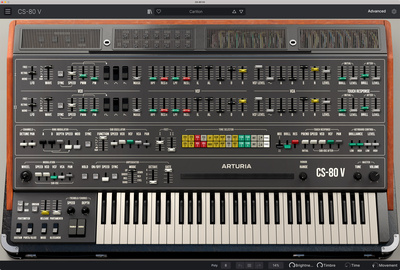
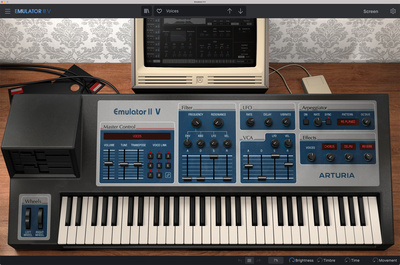
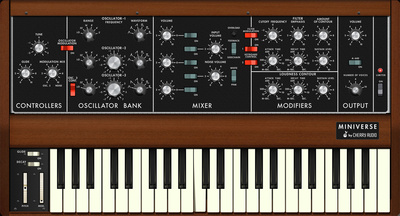
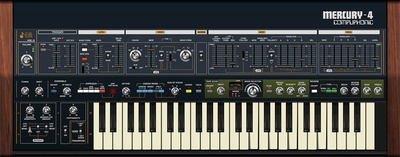
In terms of plugins, something like Arturia’s V Collection could deliver you almost everything in one box, from the CS-80 to the Rhodes piano, taking in the Prophet 5, Minimoog and Emulator on the way. Cherry Audio’s Synth Stack contains their interpretation of the CS-80 (GX-80) as well as the Jupiter 4 (Mercury 4), Prophet-10 (P-10) and Minimoog (Miniverse).

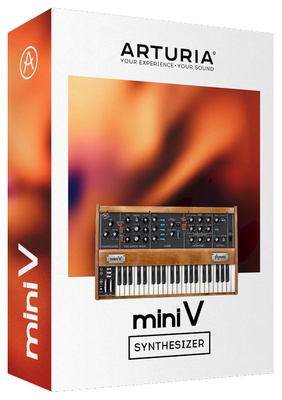
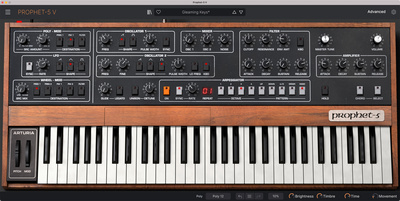


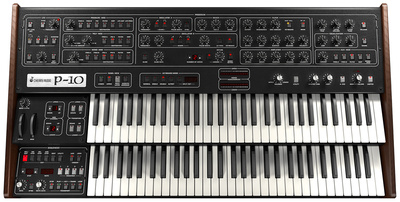
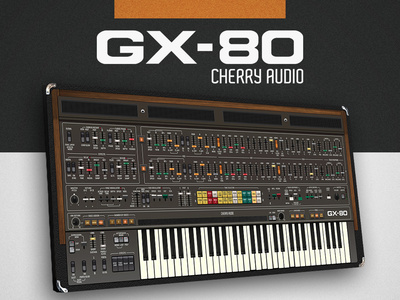
Let’s not forget that UVI cover almost all of the instruments in their huge and extensive collection of sample-based libraries that work with both UVI Falcon as well as their free UVI Workstation.
What About Hardware?
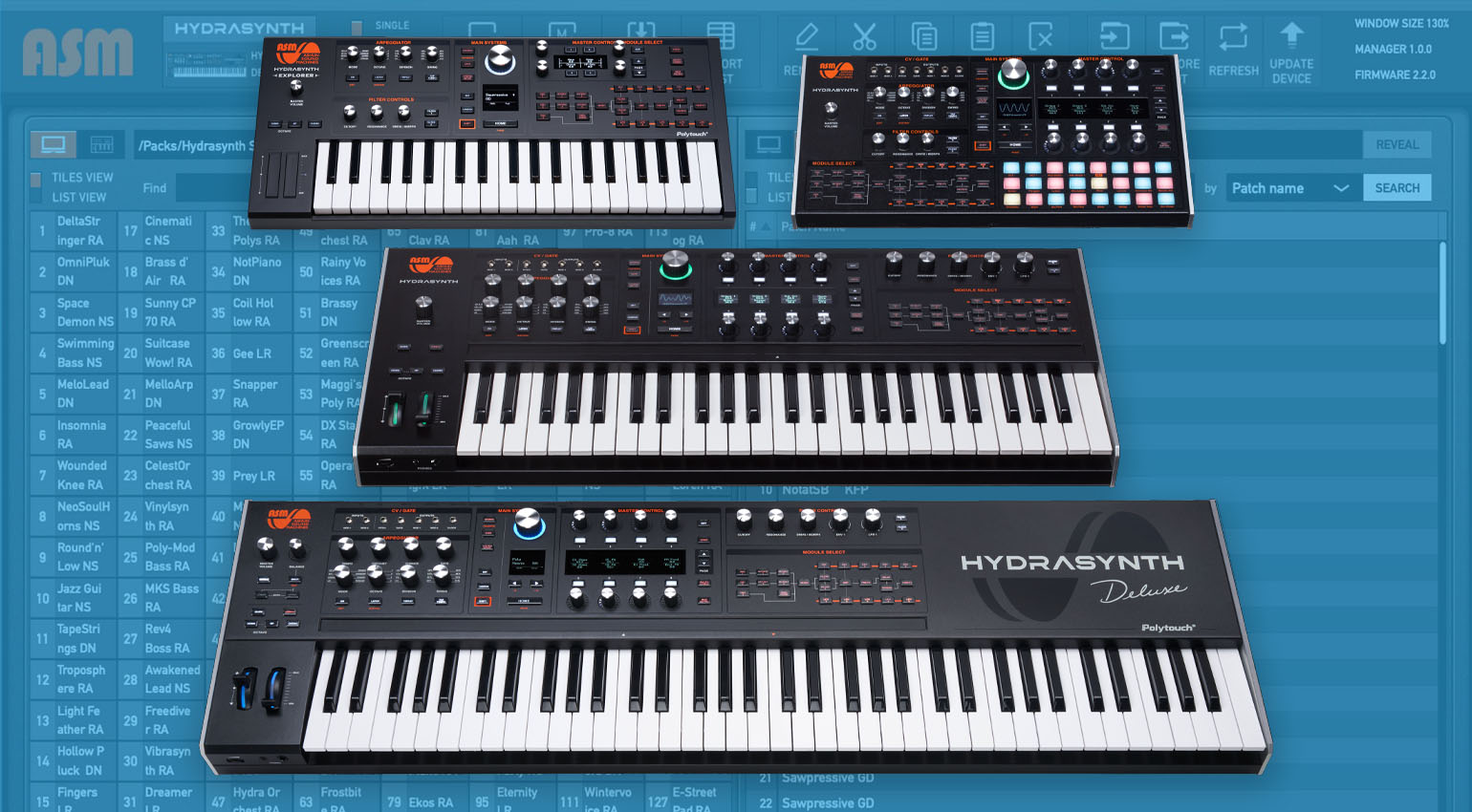
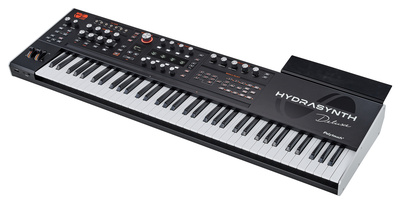
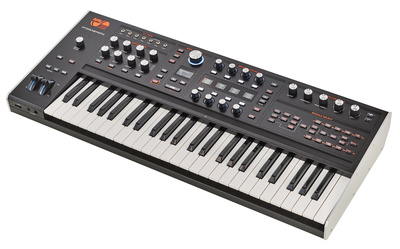
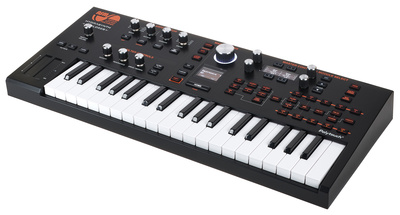
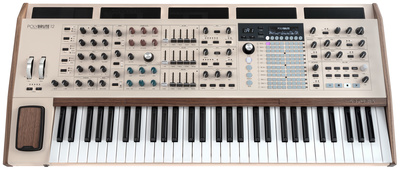
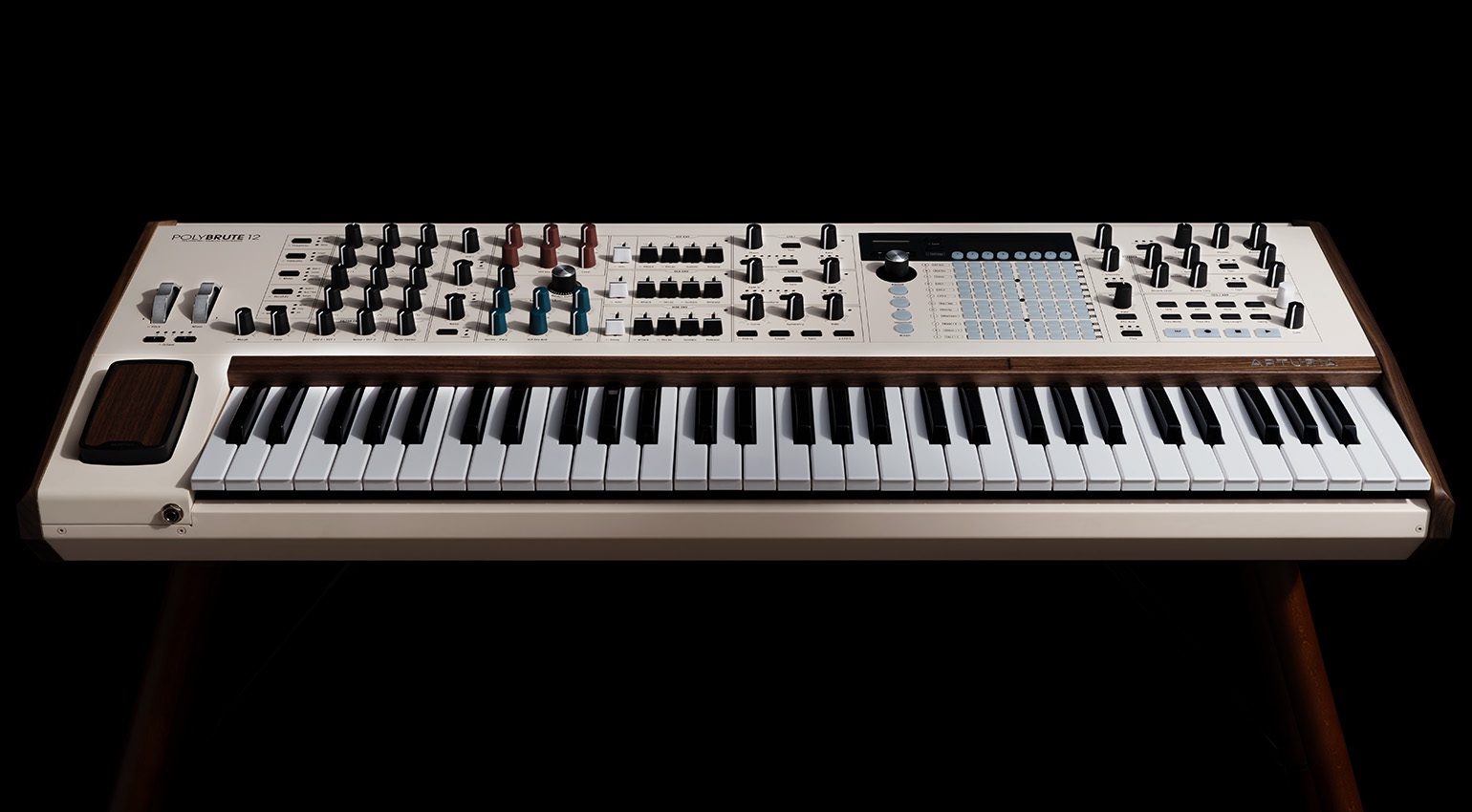
As for hardware, many people view ASM’s magnificent Hydrasynth as a worthy successor to the CS-80, seeing as it almost single-handedly reintroduced both polyphonic aftertouch and ribbon controllers to the mass synth market. Arturia’s PolyBrute 12 is also regarded as a fully analogue spiritual successor to Yamaha’s former flagship. Its FullTouch keybed, ribbon controller and massively powerful synth engine can easily reproduce both the tone and performance of the CS-80.

Yamaha themselves have the behemoth that is the Montage M8x, which, since it added the AN-X virtual analogue engine in combination with the FM-X engine, and its very impressive, fully-weighted, polyphonic aftertouch keybed, can very easily deliver the levels of expression and sonic power that the great man achieved.
It seems odd that it took a long while for music technology to catch up with the expressive capabilities that Vangelis indulged in during the early 1980s and on Blade Runner, but with the likes of MPE and the proliferation of expressive capabilities we see in both hardware and software, we could be seeing a return to more human-sounding electronic music very soon!
*Note: This article contains advertising links that help us pay for this site. Don’t worry: the price for you will always be the same! If you buy something through these links, we will receive a small commission. Thank you for your support!

This might also interest you
One response to “What Makes Vangelis’ Epic Blade Runner Soundtrack Such a Powerful Touchstone for Electronic Music?”

*pacifica console –> a vst is available of the channel strip now Quad eight MM-310
*klark tekniq (analog) eq
*uvi 1176 compressor
*24 track Tape recording & Ampex master tape