DI vs Mic Recording: When to Use Each Method and Why
When to use mic-recorded or DI signals, or both in music production.

 5,0 / 5,0 |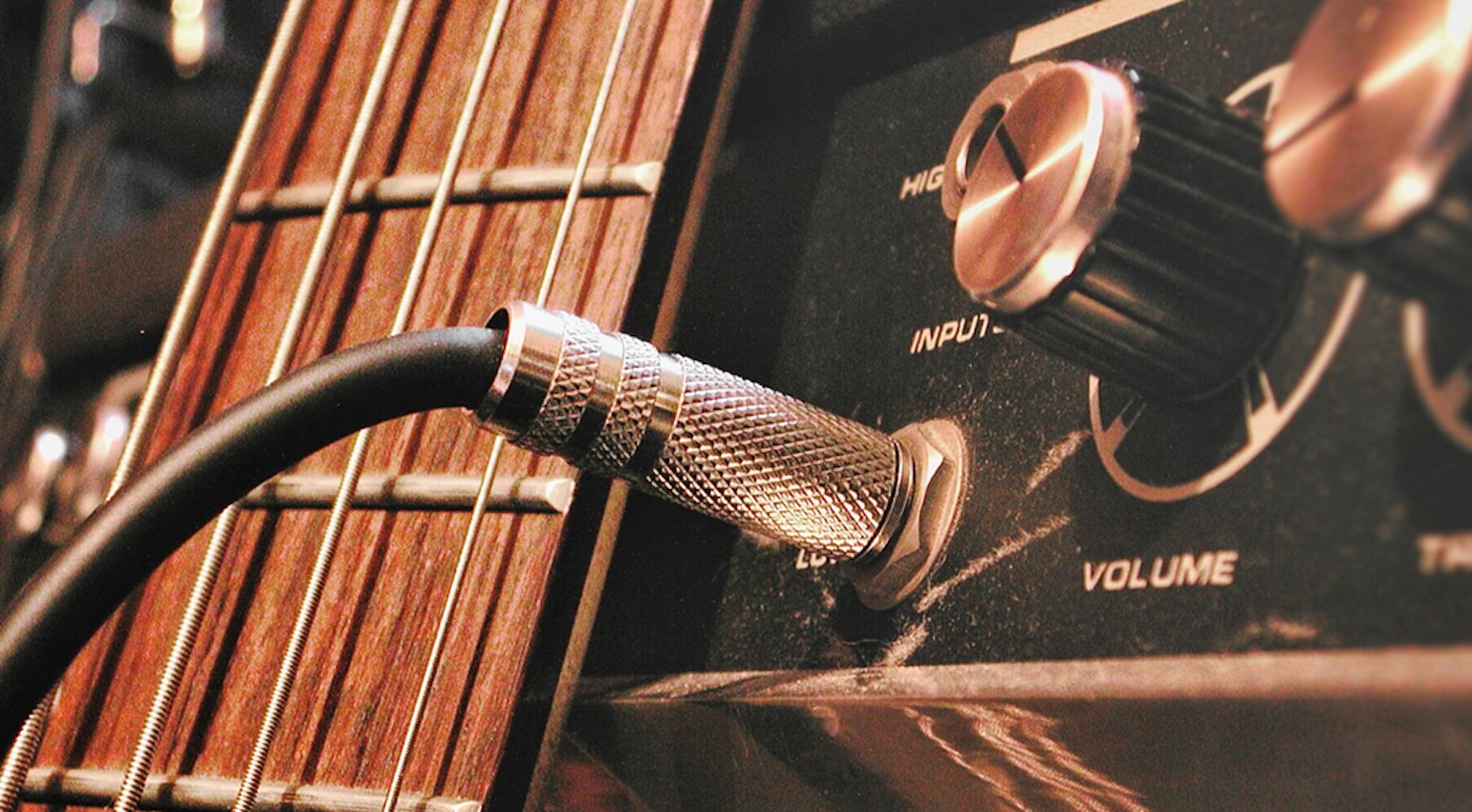

When it’s time to capture your favourite instruments, choosing between DI vs Mic Recording is a crucial decision that can shape the sound of your songs.
In this Article:
When you’re working with electric or acoustic guitars, basses, keyboards, or even synths and drum machines, the choice between a direct signal and a mic’d speaker cabinet results in a very different sound. What’s more, this decision also plays a part in determining the creative workflow.
Knowing the ins and outs of each method is particularly important for artists, producers, and engineers, as it adds another range of colours to your recording palette. By choosing a certain type of mic, speaker cabinet, or DI box, we can create sounds from different recording eras. This can add more depth to the overall aesthetic, the same way bands like LCD Soundsystem or The Flaming Lips have done.
DI vs Mic Recording: What Is DI Recording?
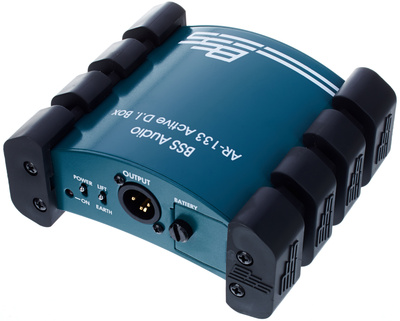
DI or direct injection recording means that you’re capturing the signal straight from its output stage. To do this with guitars, for example, you will need an audio interface with a Hi-Z mode on one of the input channels. Otherwise, you’ll need a DI box to balance the signal going in.
While direct signals don’t contain any interactive acoustic energy from the room or a speaker, they provide transparent recordings that are particularly flexible, allowing you to use amp simulation or re-amping at a later stage if you wish. Be aware that different DI boxes can add certain sound characteristics, and some guitar amps also have direct outputs that allow you to bypass the speaker for direct recording.


The most common uses for DI recording:
- Electric bass guitar
- Electric guitar (for re-amping or amp simulation)
- Synthesizers, drum machines, and other electronic instruments
- Any acoustic instruments with pickups
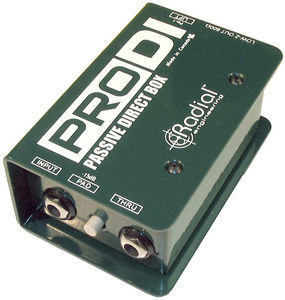
The primary benefit of DI recording is precision. It gives you a true representation of the instrument’s electrical signal, without uncontrolled ambient reflections and colouration from microphones. If you’re wondering about the choice of active or passive DI boxes, the general rule of thumb is to match an instrument that has active pickups with a passive DI box and vice versa. This is the reason most professional studios have a selection of different DI boxes.
DI vs Mic Recording: What Is Mic Recording?
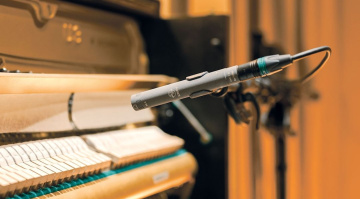
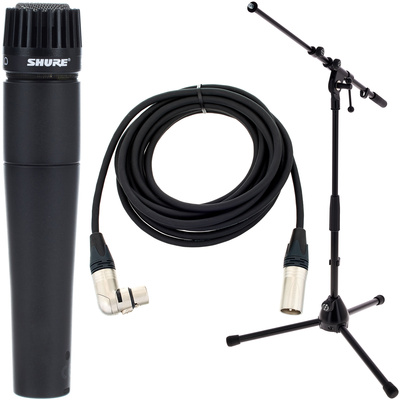
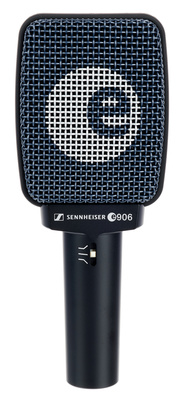
Microphones capture the culmination of sound waves created by a sound source in the surrounding environment, and this includes ambient reflections depending on the mic’s distance from the source. Whether we’re recording an amp cabinet, a drum kit, or a grand piano, the mic captures the instrument interacting with the space.
We usually use mics for recording:
- Guitar amp cabinets
- Acoustic guitars (especially ones without pickups)
- Drums and percussion instruments
- Vocals and speech
- Any sound source where ambience is part of the sound
Recording with microphones adds a range of different sonic characteristics. The choice of microphone type, the mic placement, and the room are all factors that create the sound tonally, and these interactions can be subtle or dramatic depending on the techniques used.
DI vs Mic Recording: Tonal Choices
One of the clear differences between a direct and a mic’d signal is the tonal characteristics.
DI recorded signals are transparent, rhythmically tight, and clinical, which is advantageous in the context of certain music styles that rely on clarity and control, such as Pop, Metal, and Electronic Music. The DI signal from a bass guitar, for example, is usually preferred because its good signal-to-noise ratio and the way it responds to compression provides a solid low-end that sits well in the mix.
In contrast, mic-recorded signals add character and personality. An amp cabinet captured with a dynamic mic right on the speaker produces a completely different sound if we use a condenser mic placed 12 ft away. Capturing the room adds depth to the recording, making the listener feel like they were actually there.

Tonal reasons to choose DI recording:
- You need a clean, controllable signal
- You plan on using re-amping, amp sims, or other processing later
- You require consistency across all takes
When to use a mic for tone:
- The sonic character of the amp and/or room is an intrinsic part of the performance
- The recording requires realism and natural depth
- The sound source is reliant on acoustic interaction
DI vs Mic Recording: Mixing Flexibility
One of the primary advantages of DI recording is the level of flexibility it allows. The signal is more transparent and unprocessed, so you can make creative decisions later to process it with amp simulation, re-amping, or other plugins in your DAW. This is very much in line with modern recording workflows, as we often tend to leave these decisions for the mixing stage.
Recording an electric guitar’s DI signal, for example, lets us experiment with a range of virtual amps and mics even long after we’ve tracked a song. This means that if a client is no longer feeling that 1960s tube amp sound, we can simply adapt the mix to accomodate for this change in creative direction.
Mic-recorded signals don’t offer the same flexibility, especially if they’ve been tracked through hardware compressors and EQs add that certain je ne sais quoi. So once a performance is captured, the tone and character are baked in for the most part. While we can still shape the sound with post-production processors, we can change the way a certain mic responds to a source in a particular room.

When to use DI recording:
- You want to maximise creative flexibility in post-production
- You’re not 100% sure about the sound during tracking
- The signal requires extensive reprocessing and editing
Choose a mic when:
- You’re absolutely sure about your source
- You want to commit to the sound from the get-go
- The performance is heavily reliant on the recording and the environment
DI vs Mic Recording: Workflow Considerations
DI recording has a certain efficiency, with fewer cables and moving parts that add to the creative immediacy. Without needing to place mics or worry about room acoustics and background noise, DI is the perfect choice for home recording or when there are time constraints.
Capturing instruments with mics is a more involved process. If you’re working with a kind of sound source for the first time, in an unfamiliar studio, getting the sound requires experimentation, and even slight mic placement adjustments can make a difference. Here, the choice of room matters, and the fight with unwanted noise is real. However, that extra bit of effort can produce a unique and sonically rich recording.
Naturally, volume is another key factor, because turning your guitar amp up to 11 requires either soundproofing or sympathetic neighbours, especially if you’re recording after hours. This is why DI recording with amp simulation is usually preferred in home studios, because you can get a similar feel with a nice stealthy setup on headphones.
DI vs Mic Recording: Hybrid Approaches
Traditionally, in pro studio sessions, the sound choice isn’t either DI or mic’d signal, it’s a careful blend of both.
The DI signal is usually recorded alongside the amp, which provides the unique character and tone from the amp and mic, as well as the flexibility of the DI signal. If, for whatever reason, the recording isn’t sitting nicely in the mix, we can blend only a small percentage of the mic’d signal in, or even replace the sound completely by processing the DI signal by itself in the DAW.
This hybrid workflow is useful for:
- Electric guitars (DI and amp)
- Bass (DI and mic’d cabinet)
- Acoustic instruments with pickups (DI and mic)
By using the hybrid method, you always have a backup plan while making the most of the acoustic properties of a sound.

DI vs Mic Recording: Music Genre and Context
The approach is usually dependent on the genre of music we’re working in and the production style being used.
With rock and blues, the blend of signals will generally favour the mic’d signal for the organic character that makes the instrument sound more enmeshed with the rest of the band.
In Pop and electronic styles of music, a DI signal is often preferred for its precision, clarity, and flexibility.
Metal often relies on DI signals for guitars and bass, which are usually matched up with amp sims or re-amping for consistency.
Jazz and acoustic genres may use mostly mic’d signals in the end product, but DI signals are still recorded as they are preferable for monitoring while tracking.
Your knowledge of the genre expectations will help your decision-making process.
DI vs Mic Recording: Conclusion
The decision between DI and mic-recorded signals doesn’t have to be an either/or choice. Instead, these are too contrasting and complementary recording tools. While DI signals give you flexibility, clarity, and control, mic recordings offer depth, character, and realism. The best possible choice depends on factors such as the recording environment, the sound source, and the project’s creative direction.
In today’s musical landscape, producers and engineers need to possess intimate knowledge of both methods. This allows you to record a transparent DI signal as a safe bet and for flexibility, while blending it with the signal from a carefully chosen mic and amp. This means you’re not choosing a fork in the road; you’re building options into your creative process from the get-go.
More Info:
*Note: This article contains affiliate links and product widgets that help us fund our site. Don’t worry: the price for you always stays the same! If you buy something through these links, we will receive a small commission. Thank you for your support!

This might also interest you