Tube Amps: Finally Obsolete in 2026?
Hot Vacuum Tubes or Ones and Zeros? Who will win the tone war?

 3,0 / 5,0 |

The landscape of guitar amplification in 2026 has reached a fascinating crossroads where the “accuracy” war is essentially over. As a fan of tubes, I keep hearing and reading about this debate, so is it really time to swap to modeling amps and software?
Tube Amps Obsolete in 2026?
2026, the Year Tube Amp Sales Died?
This argument has been raging online for at least a decade, and now, in 2026, modeling has become the way for the majority of guitarists. The bonuses far outweigh the negatives for many and so are we about to see the sales of tube amps heavily decline?
The recent announcement by Neural DSP about their new John Mayer software emulation has really put the cat amongst the pigeons for many tube amp purists, so is it time to finally let go of the vacuum tube?
Digital Modeling Pros
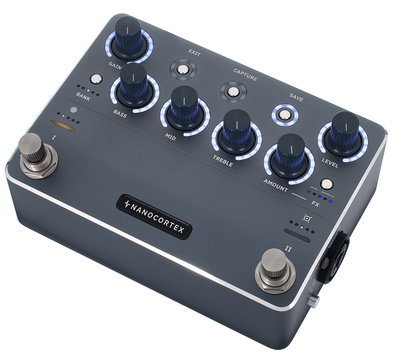
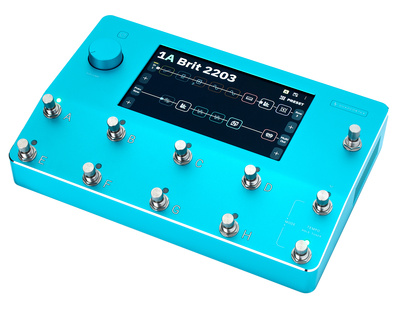
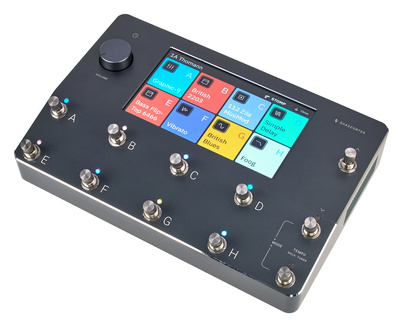
Modern digital modelers have achieved such high fidelity that in blind A/B tests, even seasoned professionals struggle to distinguish between a mic’d tube amp and a high-end digital profile. I believe most people would find it hard to differentiate between the two in a recording.
Plus, in a live situation, it is almost impossible to hear the difference when a band is in full swing through a PA system and playing at stage volume.


AI in the Mix
Personally, I would also hazard a guess that AI will play a major part in pushing software and DSP-driven virtual rigs into realms beyond where we are today.
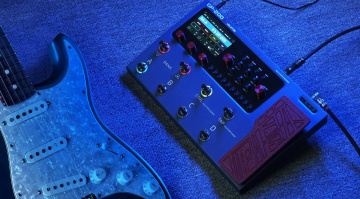
With products like Line 6 Helix Stadium now offering more power than ever before, can AI create even more complex, accurate models beyond what human programmers can? If so, then this new generation of amp modelers could surely run these?

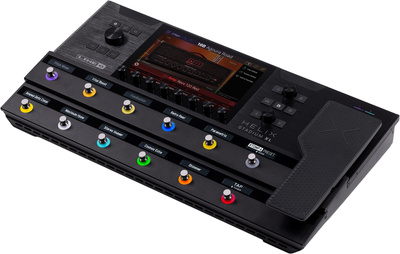
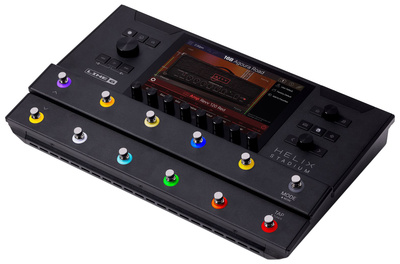
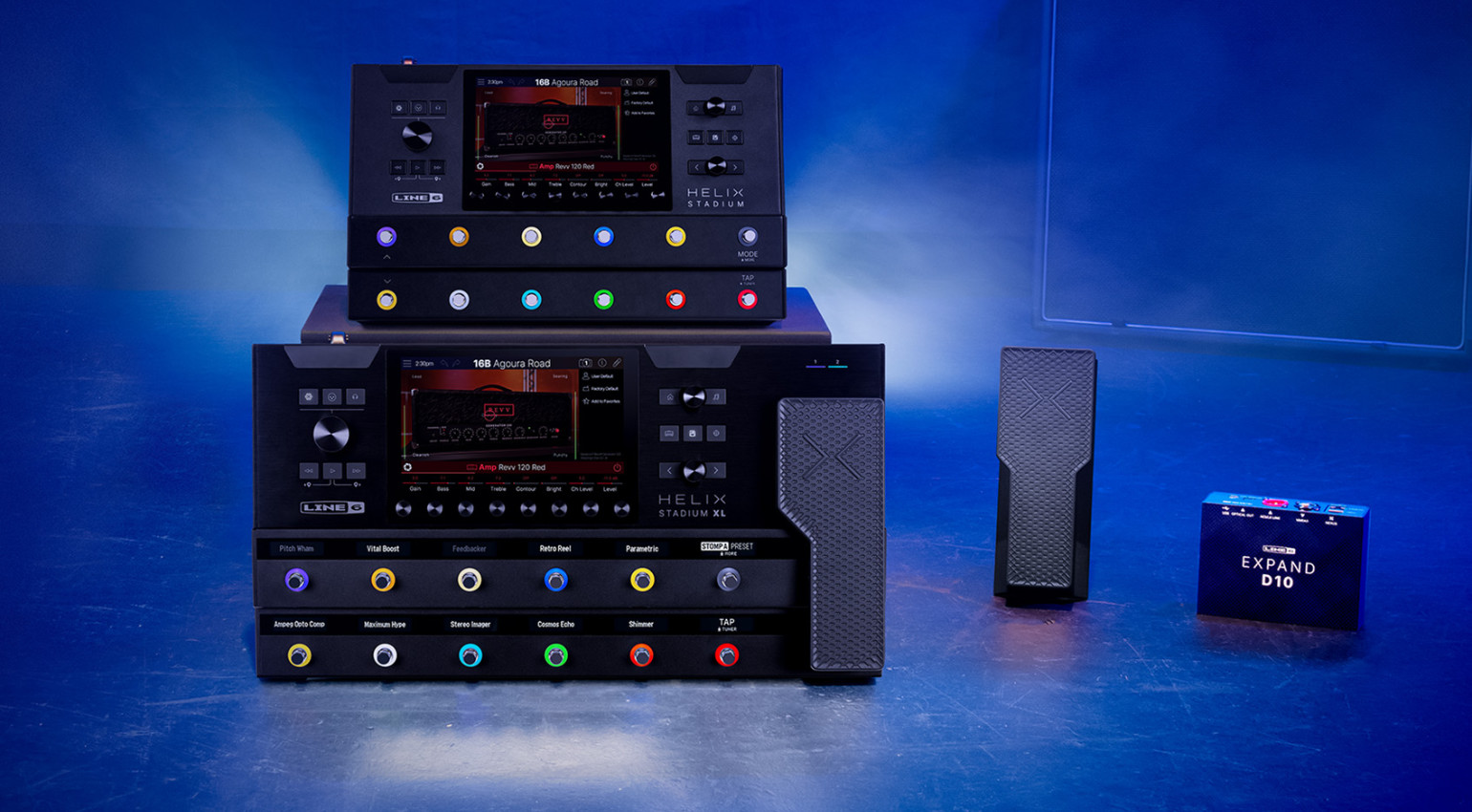
Lighter, More Reliable & More Options
Professional gigging musicians have largely shifted toward modeling for logistical and reliability reasons. While the “soul” of a vintage stack is undeniable, the reality of touring in 2026 favours the player who can carry their entire rig in a backpack.
Beyond the weight savings, the professional preference for digital stems from the need for consistency. With many stages now set up for in-ear monitoring and front-of-house engineers trained to mix modelers as audio sources, your 100-watt amp stack can make you look like a dinosaur.
Tube amps are heavy, can be picky with voltage, need servicing, and they are loud! Making it awkward for many venues and touring musicians to deal with. If you gig and have ever encountered a flight of stairs on your way to the stage or poor power, you know the joys of getting the amps set up and ready before the show.
DSP- and software-driven amps can include multiple amp versions and revisions of amp circuits, along with effects and virtual cabinets. This gives the working musician access to a myriad of sounds and tones from one system, which can also often be expanded without making the product heavier or requiring the purchase of more expensive hardware, pedals, or cabling.
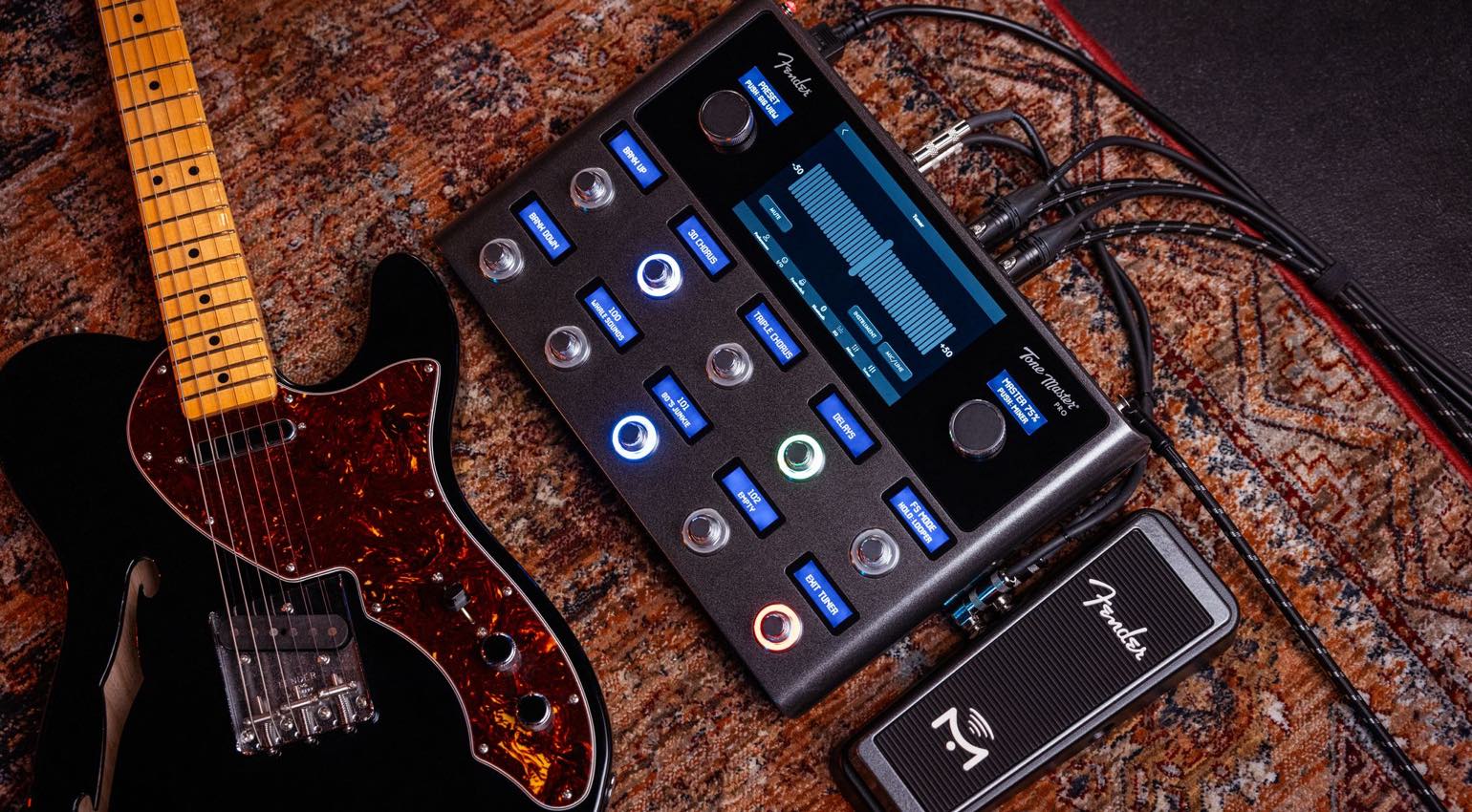
When big brands like Fender release products like the Tone Master Pro, you know the tide is turning. This guitar company started out with Leo Fender making tube amps, and its back catalogue includes some absolute classic amplifier models.
Line 6 and Neural DSP don’t have Fender’s history, so when they entered the race, it signaled to the guitar world that the virtual guitar rig was now mainstream and no longer the future.

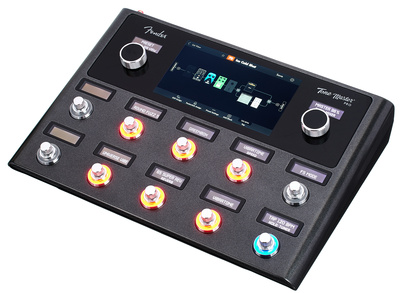
Cost Effective
Software and DSP are also becoming very affordable, putting the technology and tones in the hands of the masses. Which surely can only be a good thing? Now you can play through a virtual Dumble Overdrive Special without winning the lottery first.
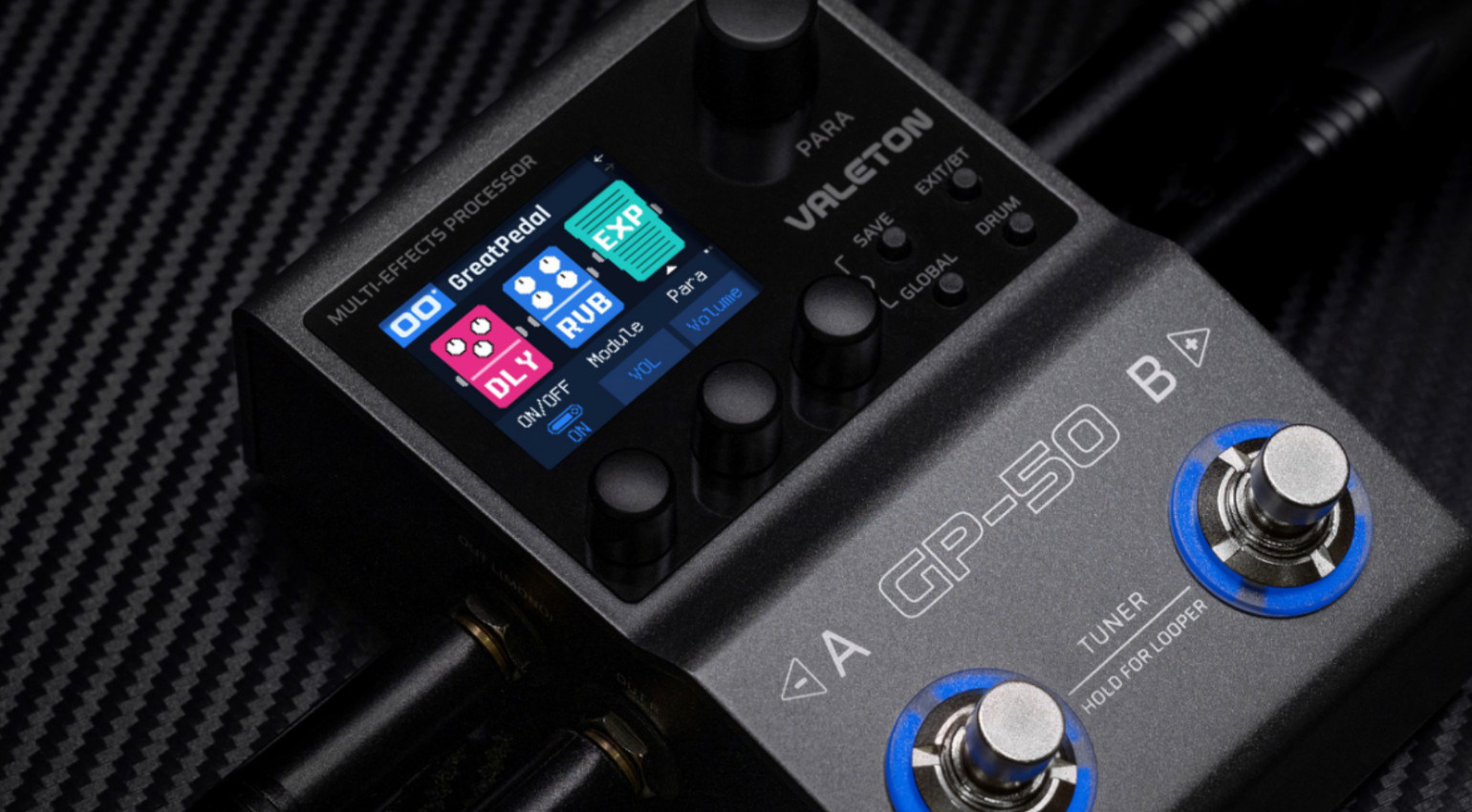
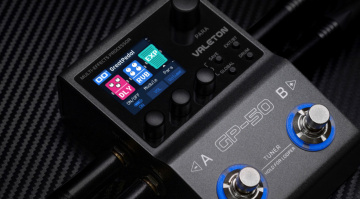
We are a long way from the original red kidney bean-shaped Line 6 POD systems, and the cost of entry into this world is almost ‘pocket money.’ With products like the Valeton GP-5 offering a taste for well under £100, and the new GP-50 for not much more.

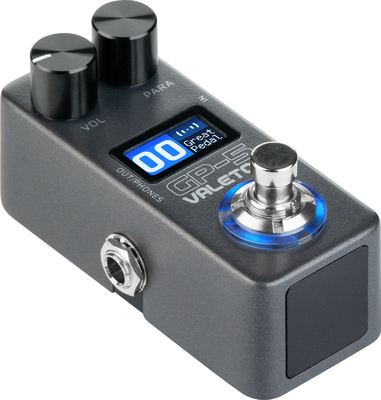
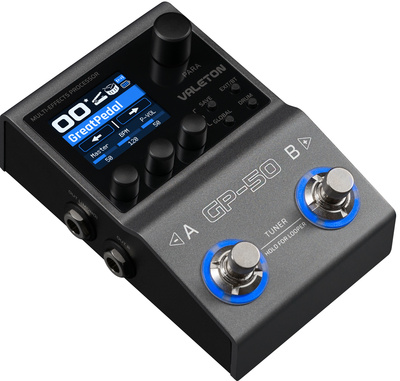
Small, affordable, and lightweight guitar rigs that offer far more versatility than a basic 10-watt tube amp could ever have given you, and for far less money.
RIP Tube Amps?
It looks like, at least on paper, that the ‘tube amp’ is entering the territory of collectors, tone snobs, and those who refuse to let go of the past.
I’m going to put my hand up now and state for the record that I am firmly in these camps myself, that I still find virtual guitar amps unexciting, and that I have no desire to use them. The ‘caveman genes’ and Luddite mentality I have just cannot get on board with virtual guitar rigs.
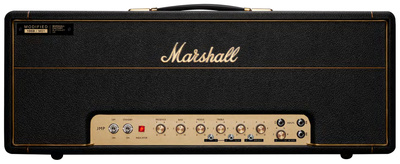
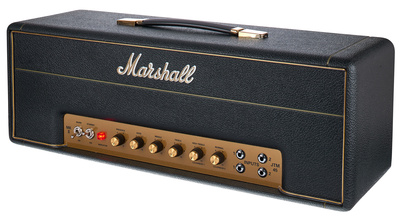
Give me a Plexi-style head and keep your ones and zeros. I’m a happy dinosaur plodding along into oblivion, but it feels good and even better when cranked at full ear-splitting volume!
Let me know your thoughts on the subject and which you think will be the winner in 2026.
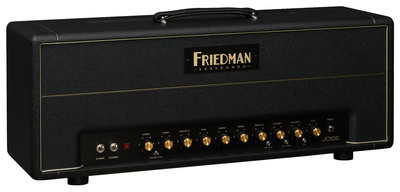
Below are just some of my suggestions of amps you should be rocking this year. The venues and sound engineers will hate you, but you’ll sound glorious!




This might also interest you
4 responses to “Tube Amps: Finally Obsolete in 2026?”

I understand why gigging musicians use modelers. I’m looking for one now that sounds good and is light and tough and does one or two amps and is straight forward. Still, I have to agree with the author. There just is nothing like blasting a 50 watt or 100 watt head thru a 4 x 12 cab and using the guitar volume knob for cleans, rhythm and lead. I have done that for years and that interaction with tube amps is magic. The harmonics and the sag and sustain are killer. The fact that at loud volumes and with different venue electrical situations you never know what you get is part of the magic. One show the tubes might be really cooking and everything sounds great and another show you may have to use more boost or a compressor or something, but it still is hard to beat a tube amp. Just nothing like that give and take feel and the loud air moving in and around you as you let the guitar feedback and go into that wonderful Ted Nugent sustain without a sustainer pickup !
Rock on .
100% and why I’m sticking to my tube amp stacks!
I do not think tube amps are obsolete because music itself is not merely a utility, but intrinsically a part of human experience. What I mean is that we don’t engage with music only as sound, or data, or just as an output, but as something visceral, emotional, intuitive, and historically grounded. So the way sound is produced, felt, and interacted with matters to how we connect with it.
While tube amps can be heavier, louder, and less convenient than modern digital modelers, they offer an experience that extends beyond efficiency, but connects us with this shared sense human experience; they respond dynamically to human touch and environment in ways that feel alive, imperfect, and expressive. Learning music, in a sense, feels like discovering an ancient and universal language that has always been, and yet remains revalatory and exciting to discover as a new mode of expression.
This is because all of our shared understanding of music is built on the foundations of the past. For instance, tube amps were a foundational technology for most music (beyond classical), and so they connect us directly to this shared lineage of recorded and live music that has shaped our experiences as humans. There are so many moments in our lives that we connect with a particular piece of music, a particular song or lyric—and that music most likely was mediated through the sound of a tube amp.
For many players, that tactile and historical continuity is not simply nostalgia, but the actual relevance of music. Most of us begin to play because we were inspired by those who came before us, we were inspired or moved by those moments in our lives, and that led us to want to connect more deeply to that music. So we learned to play it. To make sense of it, to discover every detail of it, and ultimately to integrate it into ourselves.
While modelers can be convenient and even sound convincing, they do not ultimately provide this experience. So I, like many, am trying to understand when and how to integrate the positive aspects of digital without losing touch with the string that pulled me into music in the first place. So to my mind it is not about replacement, but supplementation and integration. The why, when, where, and how. Don’t get lost in the menus—get lost in the music.
Totally agree, plus “I love the smell of hot tubes in the morning!”