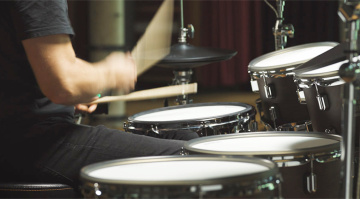
The Silent Drum Kit: How to Play Quietly at Home, on Stage, and in the Studio
What you need to calm the neighbors

 4,0 / 5,0 |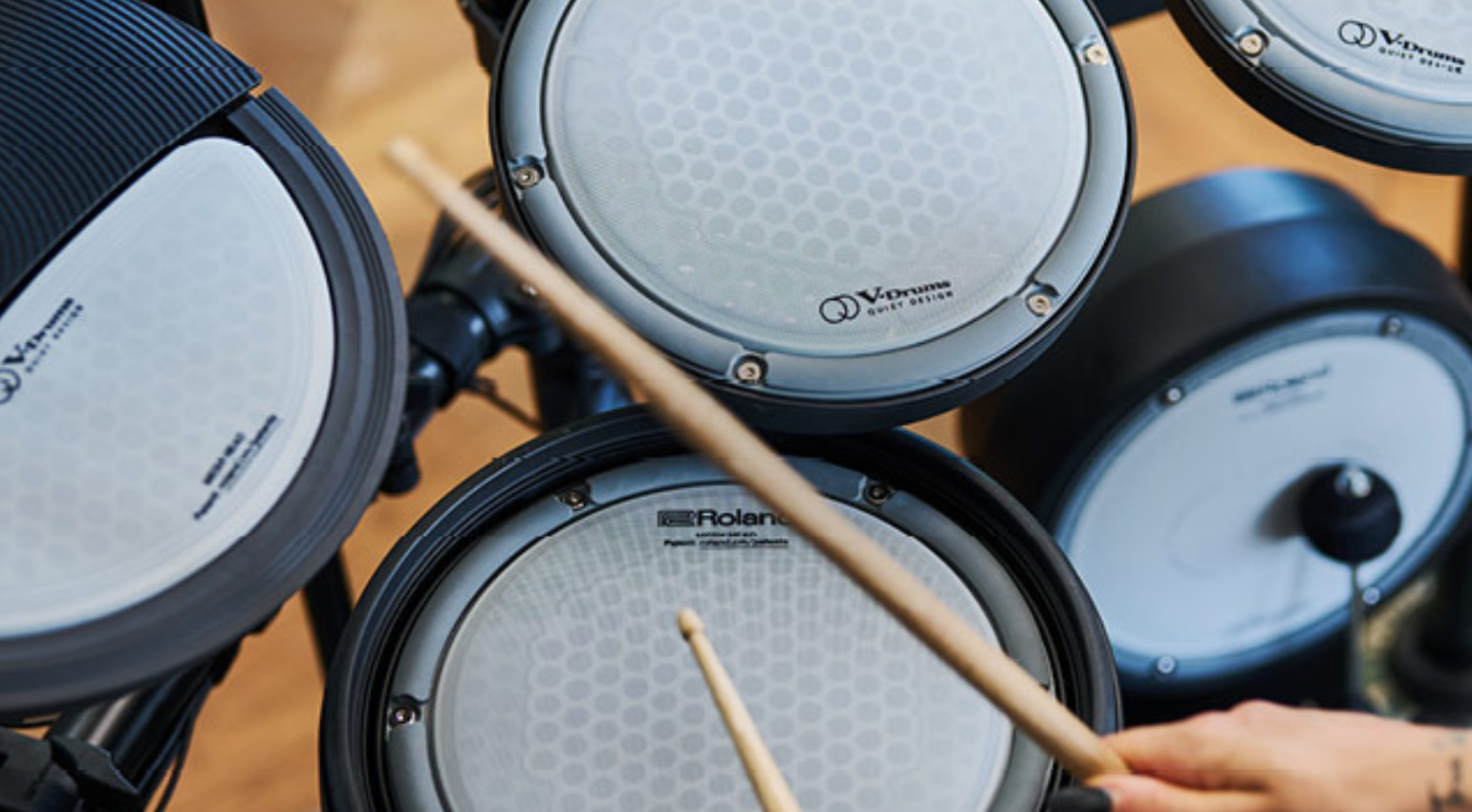
Silent Drum Kit: How to Play Quietly at Home, on Stage, and in the Studio · Source: Roland

Intolerant neighbors, sleepy toddlers, or acoustically challenging venues: there are many reasons why you might need a silent drum kit. We take a look at the different options to follow your drumming passion – quietly. From dampening tools to e-drums to mesh heads, there is an option for everyone!
Key Takeaways:
- The quietest approach for apartment drummers is an e-drum kit on a noise isolation riser
- For acoustic drums, mesh heads combined with low-volume cymbals can reduce your kit’s volume by up to 80%.
- Dampeners and rods instead of drumsticks are cheaper but have less effect on the volume
How to Silence your Drums
Option 1: DIY dampening and drum rods for a silent drum kit
There is no way around it: drums are by far the loudest instrument (if you exclude amps turned up to 11). Besides the space they occupy, this can be one of the main challenges in a drummer’s daily life. Let’s start with a few DIY solutions. The cheapest way to at least somewhat dial down a drum kit’s volume is old clothing items and duct tape.
Put the shirts over your cymbals, and put some tape on every drum, both the batter and resonant heads. That will dampen the kit enough that it might not anger the neighbors one house over anymore. Of course, this way also drastically changes the sound of your kit!
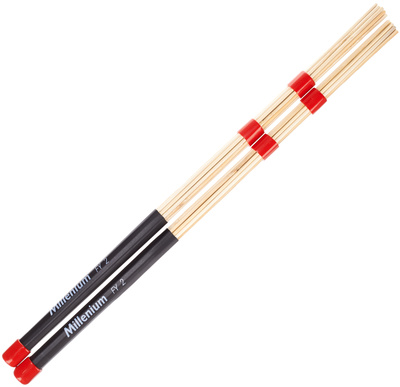
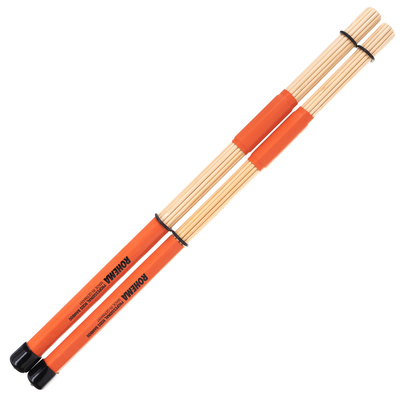
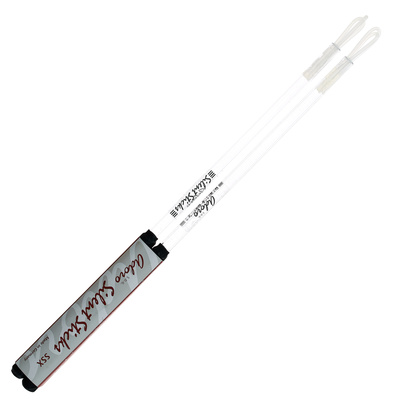
But at least you get to play about as intensely as you would without dampening. And if that isn’t enough, consider switching from normal sticks to rods! It might turn out to be quite the challenge for your blast beats and “in the air tonight“ fills, but with rods you’ll be playing at room volume!




Option 2: Drum dampeners and cymbal mutes for a silent drum kit
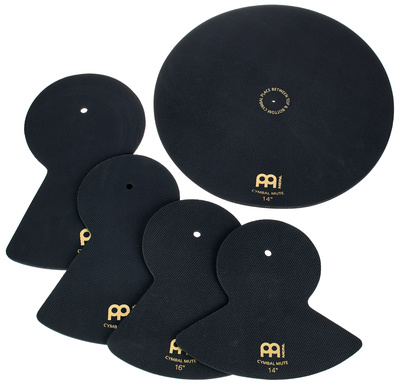
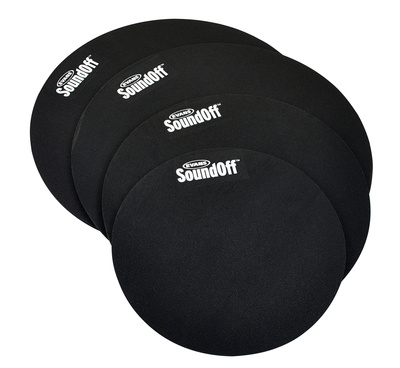
While these DIY options might work initially, they also change the feel of hitting drumheads or cymbals. With actual dampers, like foam rings, gel mutes, and rubber dampener pads, you protect your drumheads and your ears. These tools can also come in handy when you’re shooting a music video, and your fellow band members have trouble mimicking the playback over your enthusiastic playing.



Option 3: Mesh heads and low-volume cymbals
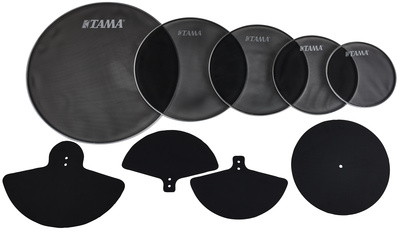
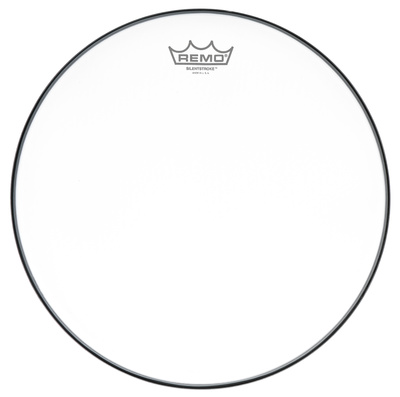
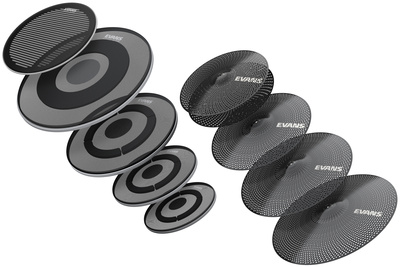
If you really can’t imagine playing anything else but your acoustic drum set, consider mesh heads and low-volume cymbals. These drumheads will significantly lower your drum kit’s volume while often also offering e-drum connectivity. That way, you can also trigger your favorite drum sounds with them while not annoying your neighbors.

Option 4: Drum shields for silent drum kits
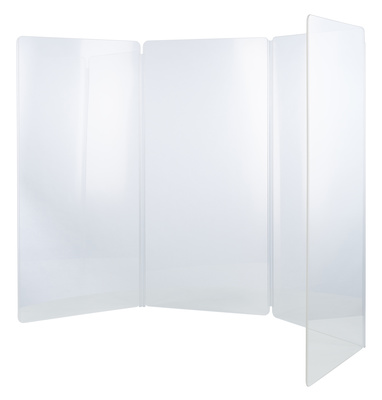
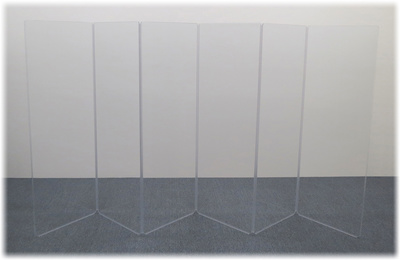
Another way to get closer to a silent drum kit is a drum shield. As much as it isolates you from your bandmates, it can be a huge help when trying to lower a drum kit’s volume. Of course, you do need additional space to properly set it up, though. But especially for suboptional acoustic situations on stage (say, in a church band) or in the studio, these can be a lifesaver.


Option 5: Electronic drums
Especially for apartment drummers, there is usually no way to drum intensely other than e-drums. And these kits have gotten quite versatile, with some of the more expensive ones, like the V-Drums from Roland, delivering a very natural feel when being played.
If you can, do invest time into researching which type and size of kit is yours. And possibly try some out in a drum store. They’ve even made a dedicated Quiet series that’s even more apartment-friendly.

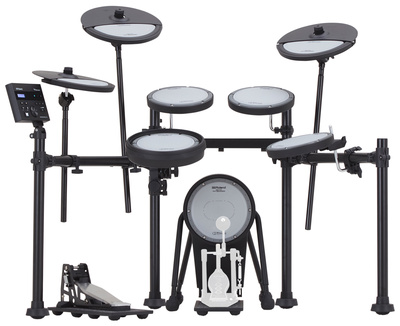
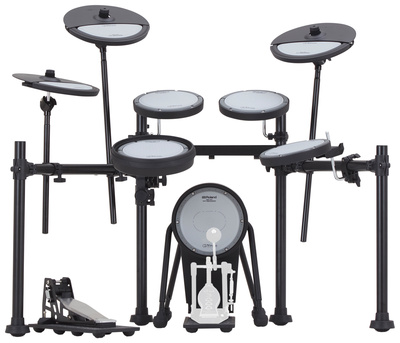
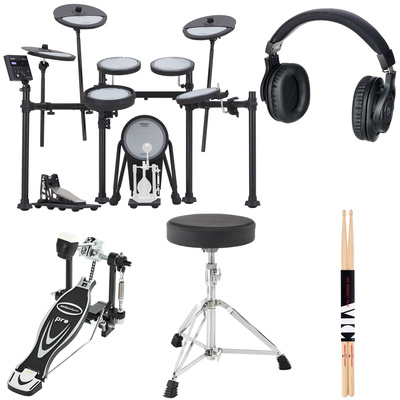
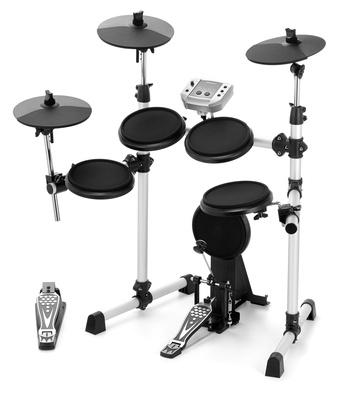
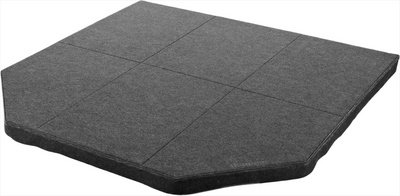
And these days, even the more budget solutions offer plenty of – excuse me – bang for your buck. Brands like Millenium or Alesis offer pretty affordable kits in a variety of sizes. However, there is one caveat, even with electronic drums, if your ceiling and floor walls are thin in an apartment building. You might need an additional riser or another noise-elimination podium in addition to the e-drum kit (plus the extra space the podium requires).

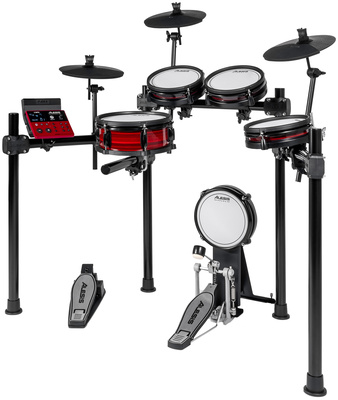
Because even with electronic drums, especially for the bass drum, the noises from hitting the rubber drums can still travel through thin walls. With a dedicated riser like that and an e-drum, you can get pretty close to a silent drum kit.

Conclusion on the silent drum kit
Searching for a silent drum kit might sound counterintuitive, but not everyone has access to an isolated garage, a basement rehearsal room, or a nice studio. For these situations, there are plenty of options to gradually quiet down your drum kit or replace it with e-drums if nothing else helps.
FAQ: Silent drum kit
How do I make my acoustic drum kit quieter?
The most effective approach is to replace your drum heads with mesh heads and swap your cymbals for low-volume options. Combined, these can reduce your kit’s volume by around 80%.
What is the quietest type of drum kit?
An electronic drum kit on a noise-isolation riser is the quietest practical setup for most situations. The riser is critical to managing impact noise through the floor.
Do e-drums make noise in apartments?
Yes! The acoustic sound of e-drum pads is low (around 60–65 dB), but impact noise (especially from the bass drum pedal) travels through the floor and can disturb neighbors in lower floors.
What are drum rods, and how quiet do they make you?
Drum rods are bundles of thin dowels that flex on impact, producing significantly less volume than solid sticks. They reduce volume by roughly 30–50% and are useful for low-key practice sessions, though they affect the feel, especially when you play faster.
*This post contains affiliate links and/or widgets. When you buy a product via our affiliate partner, we receive a small commission that helps support what we do. Don’t worry, you pay the same price. Thanks for your support!

This might also interest you