The Offset Guitar Renaissance: Why the Future is Offset!
From late '50s Jazz to Indie Hipster and beyond

 3,7 / 5,0 |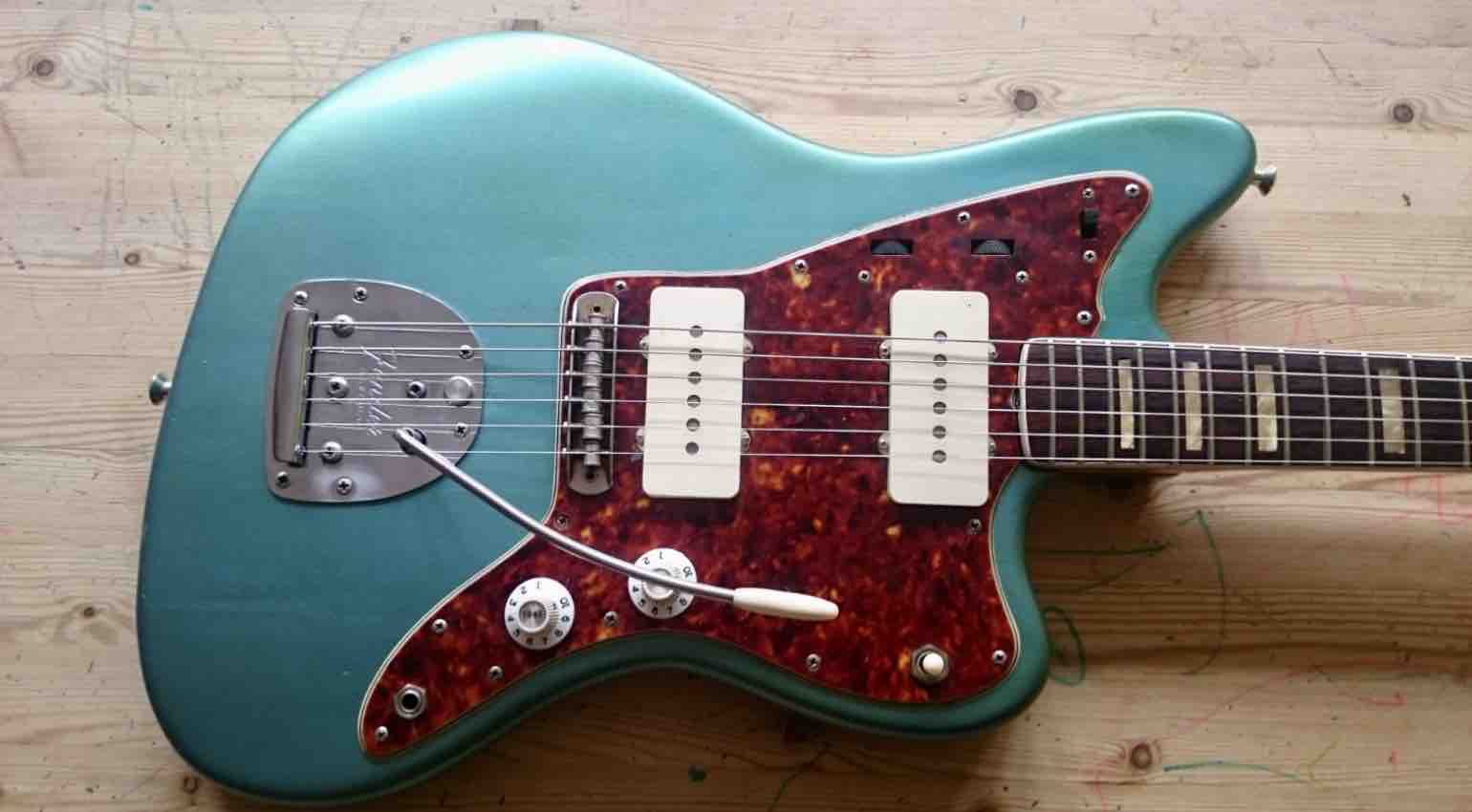

The ‘Offset Guitar Renaissance’ has been slowly gaining ground worldwide, and the once-forgotten body shape is now a firm favourite with many guitarists. In this article, I look at some of the reasons behind this explosion in popularity and my personal journey into offset guitars.
Contents – The Offset Guitar Renaissance
Offset Guitars
Walk onto any festival stage today, look at the racks of a modern indie band, or scroll through the feed of a boutique guitar builder, and you’ll notice a distinct visual shift. For decades, the guitar landscape was an absolute duopoly. If you wanted a premium, professional instrument, you bought a double-cutaway sunburst or a heavy, single-cutaway slab of mahogany (with a maple cap).
Today, those classic templates are sharing the spotlight with something altogether more angular, asymmetrical, and expressive. The offset guitar is experiencing a massive renaissance.
Far from being a fleeting vintage trend or a cheap exercise in hipster nostalgia, non-traditional body shapes have become the definitive tool for a new generation of players.
This is the story (and my own personal journey) of how yesterday’s commercial missteps became today’s tonal and visual revolution.

The 1980s
My guitar-playing journey started in the mid-1980s, and the guitar landscape back then was neon-coloured or crackle-finished Superstrats with locking trem systems and guitarists with way too much hairspray and wearing tight leopard-skin attire!
The Les Paul was ‘an old man’s guitar’ until Guns’n’ Roses became popular in the late part of the ’80s, and the Fender line of guitars was all about Stratocasters (including the HM Strat) and Telecasters.
Top of the Pops
In the UK, the early part of the ’80s had some bands on Top of the Pops and The Old Grey Whistle Test wielding big Gretsch Falcons, and occasionally, I would see a Fender guitar shape I didn’t recognise. As I was 10 in 1982 and hadn’t started playing the guitar yet, I spotted these guitars, but didn’t know anything about them, but I knew they weren’t Strats.
I saw offset guitars ( I just didn’t know the term offset yet), they were played by bands I liked, including The Cure, Television, and Elvis Costello.
Late ’80s
Fast forward to 1987 and 1988, now I was listening to Dinosaur Jr and many other SST label acts from the USA, suddenly Fender Jazzmasters and Fender Jaguars were fully on my radar. I was also now playing the guitar and was fully invested in going to see bands most nights of the week.
That Band of Susans cover
Suddenly, offset guitars were a thing, and many acts were using them live. I can remember distinctly seeing the Band of Susans cover for ‘Blessing And Curse‘ with one on whilst out record shopping
And watching My Bloody Valentine live, wielding them whilst creating walls of noise. Sonic Youth toured Daydream Nation in 1989, and I watched them live to crazy things to offset guitars live on stage that year.
’90s Grunge
After that, Offset Guitars suddenly became all the rage and every band was seen wielding them live or in magazine articles. I watched Kurt Cobain use the occasional offset live (though he was mainly using left-handed Strats and Mustangs when I saw him live with Nirvana), and many ‘Seattle Bands’ used offset models, so they really took off in the early ’90s!
What Actually Makes a Guitar an “Offset”?
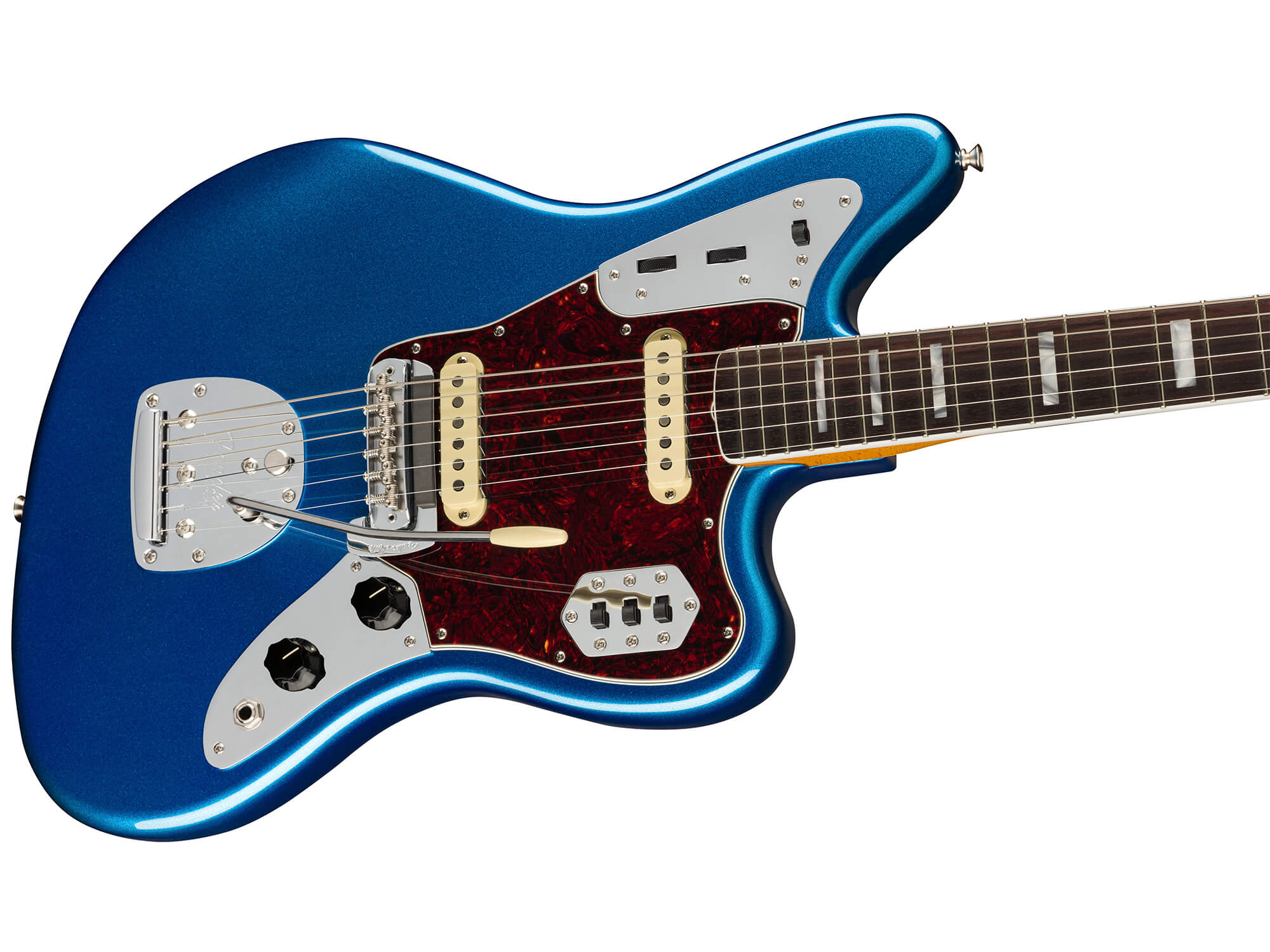
To understand the appeal of the offset, it helps to understand the engineering behind it. In the guitar world, “offset” isn’t just a vibe—it’s a precise geometric definition.
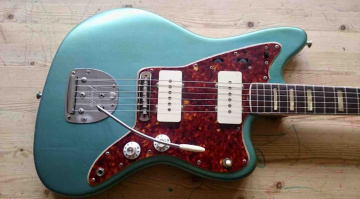
An offset guitar features a waist that is completely asymmetrical. If you draw a line straight through the centre of the body from the neck joint to the strap button, the upper curve of the body’s waist (where it rests on your leg or torso) is shifted forward or backwards relative to the lower curve.
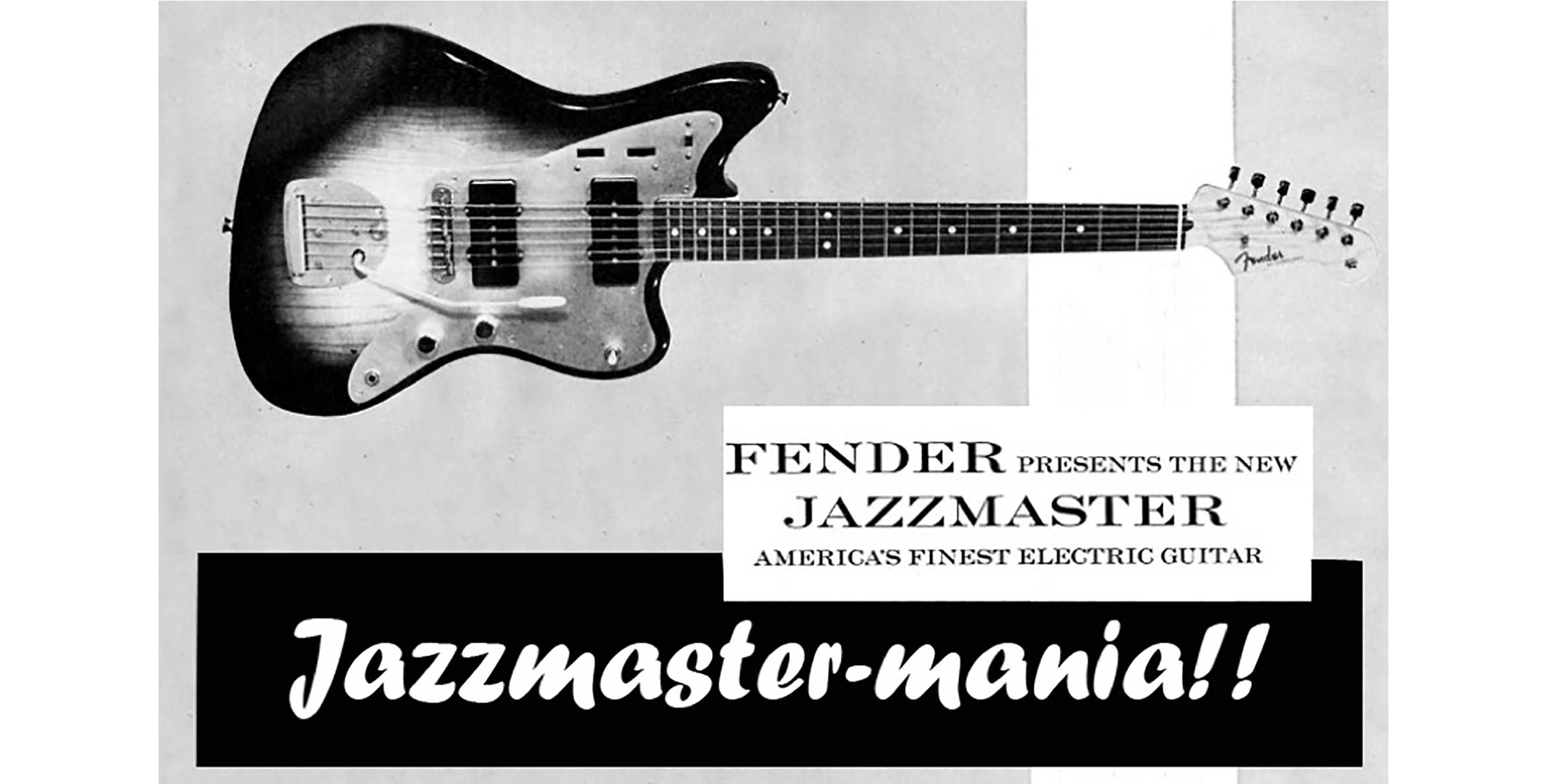
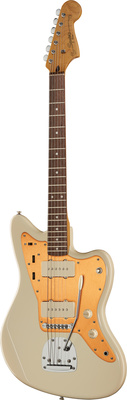
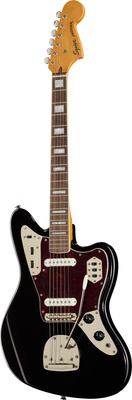
Originally introduced by Fender with the Jazzmaster in 1958 and the Jaguar in 1962, these contours were designed with a specific purpose: ergonomics. Fender intended these high-end instruments for jazz musicians who played exclusively while seated. By shifting the waist, the centre of gravity moved, making the instrument balance perfectly on the thigh without neck-diving or requiring the player to hunch over.
The Cultural Drivers
If these shapes were engineered for 1950s jazz artists, why are they dominating modern alternative rock, ambient shoegaze, and bedroom pop?
I would argue that Fender Jazzmasters and Jaguars had fallen out of vogue; they had become cheap alternatives for musicians who wanted a well-made used instrument. Predominantly, as in the early ’80s, most guitarists wanted a Strat-style guitar or a Les Paul-style guitar.
Offset guitars were seen as the cheap alternative for many musicians, and so they ended up being used by guitarists who couldn’t afford the more expensive Stratocasters and Telecasters. If you were looking at used guitars, the offset models with their off-looking trem systems and lots of switches were often just cheaper than the more commonly recognised models.
Offset Weirdness
While vintage offsets looked incredible and offered unique tonal options, they were notoriously finicky instruments.
The original Jazzmaster and Jaguar vibrato systems and bridges were designed for heavy, flatwound strings. When modern players threw light-gauge roundwounds on them and started hitting the strings hard, chaos ensued: strings slipped out of their shallow saddle slots, bridges rattled, and tuning stability vanished.
Finding replacement pickups for Jazzmasters and Jaguars was also hard work. It was easy to acquire humbuckers and regular Strat-style single-coil pickups or P-90s. Not so easy to find alternatives to fit vintage offsets.
The driving force behind the modern offset renaissance is that luthiers and hardware manufacturers have finally fixed these design flaws.
The aftermarket revolution, led by specialised companies like Mastery Bridge, Curtis Novak, and Lollar Pickups, proved that with the right hardware, an offset could be as stable and reliable as any hardtail workhorse.
Recognising this, major guitar manufacturers shifted production. Modern factory offsets from Fender, Squier, and Reverend now frequently ship with simplified control layouts (ditching the overly complex rhythm circuits), upgraded bridges, and hotter, more versatile pickups right out of the box.
The modifications I watched Lee Ranaldo do to his guitars in the 1980s are now mass-produced and part of major releases.
My Favourite Modern Offsets
Once you get your head out of just Fender creating offset body shapes, then you start to see them everywhere.
Wolfgang & Vela
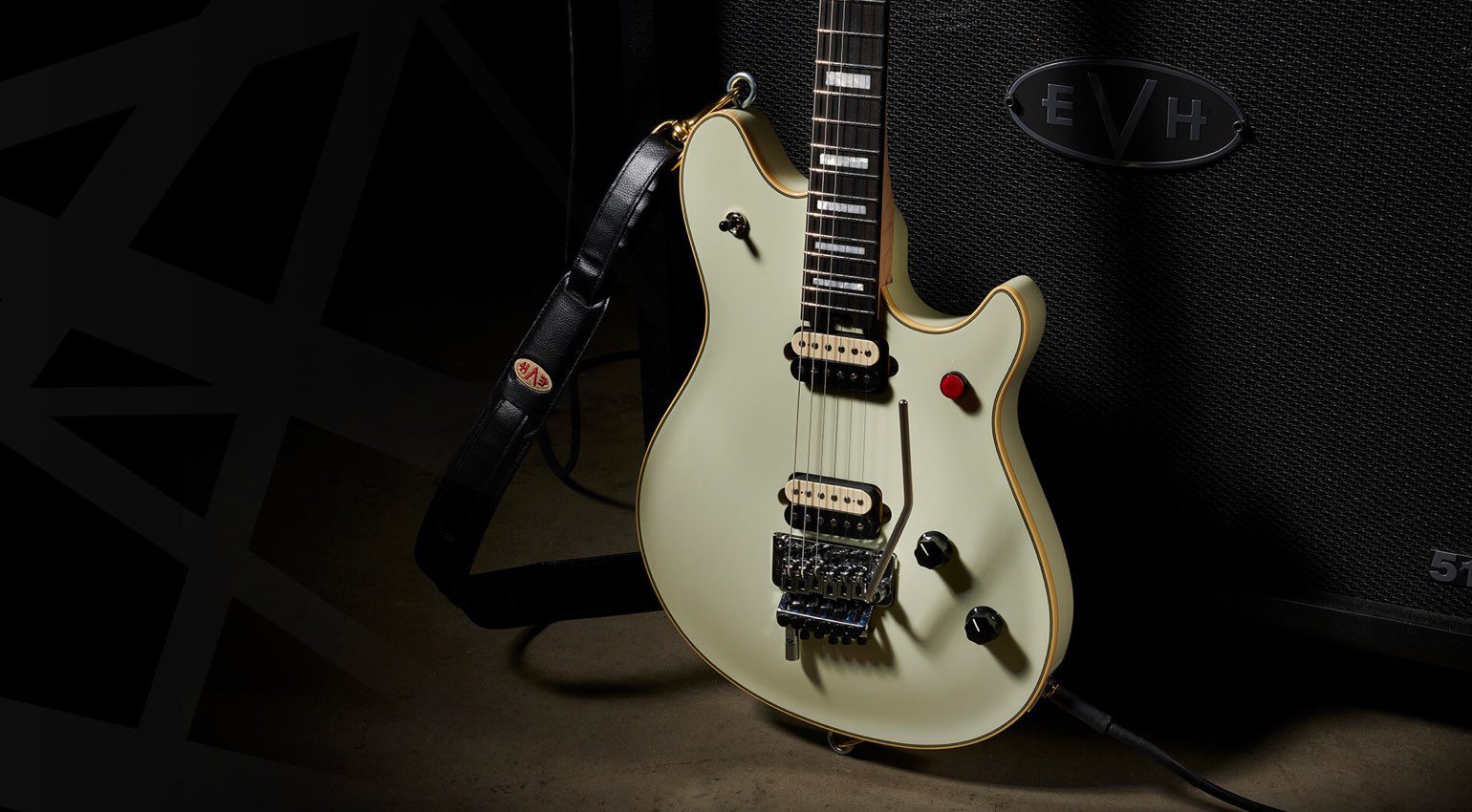
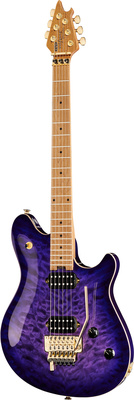
A classic modern offset guitar shape for me, which is the polar opposite of those original 1958 and 1962 designs, would be the EVH Wolfgang (or Peavey Wolfgang), as they are designed for rockier roads and sport locking trem systems and high-output pickups.
Lee Malia
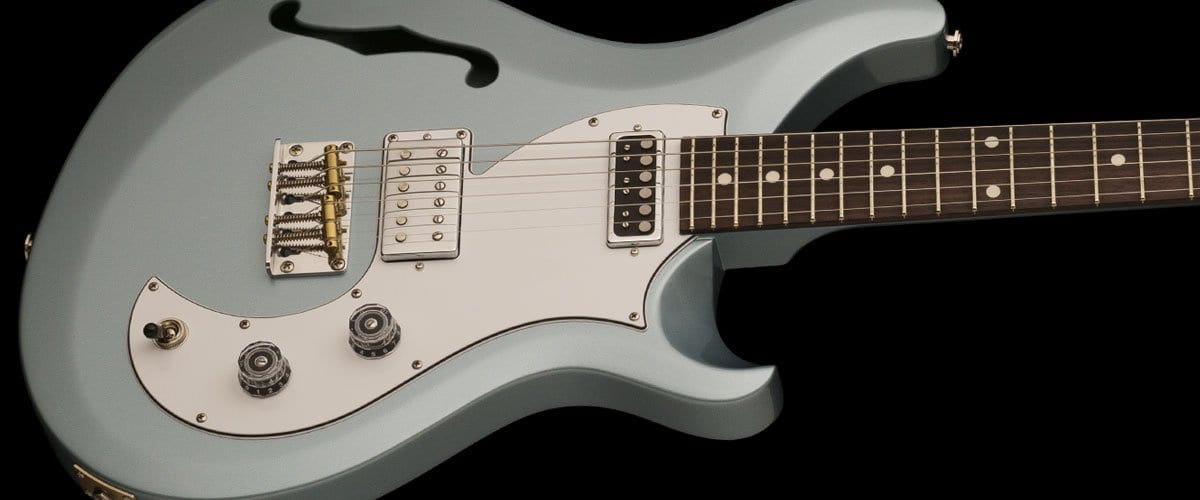
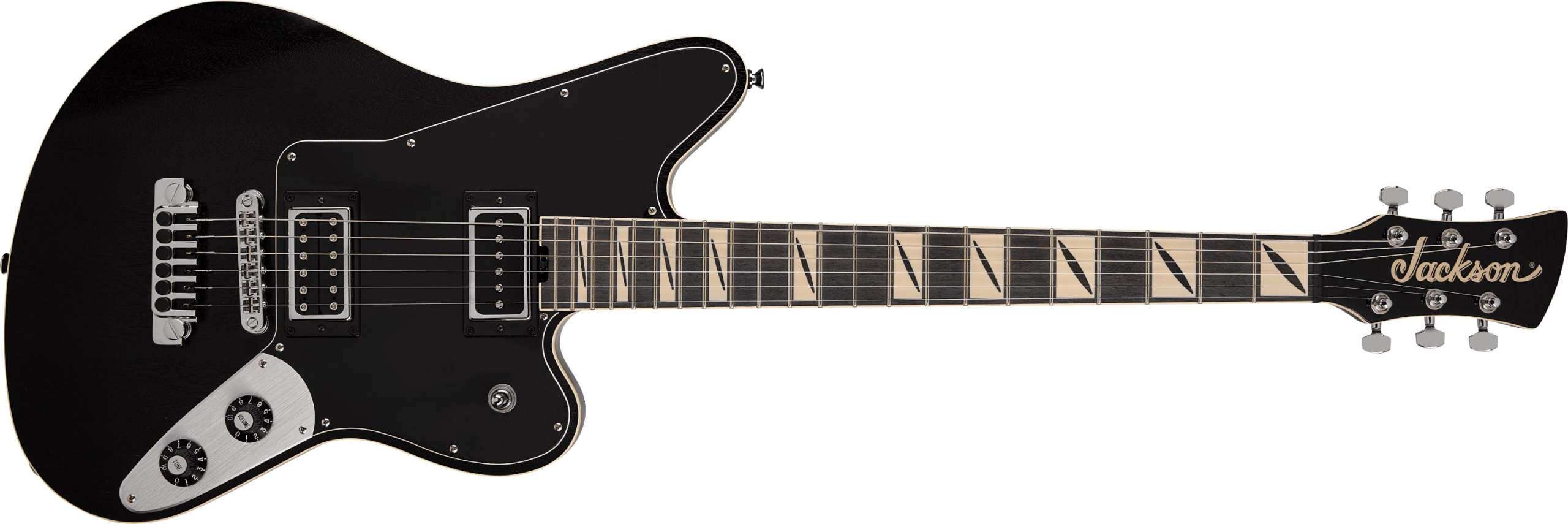
Or the PRS Vela, which is another modern offset guitar which also shares that asymmetrical body design. Recently, the new signature model Jackson Lee Malia LM-87 is another modern take on the shape, which I have been hearing good things about since it launched.
Modern Fender Signature Models
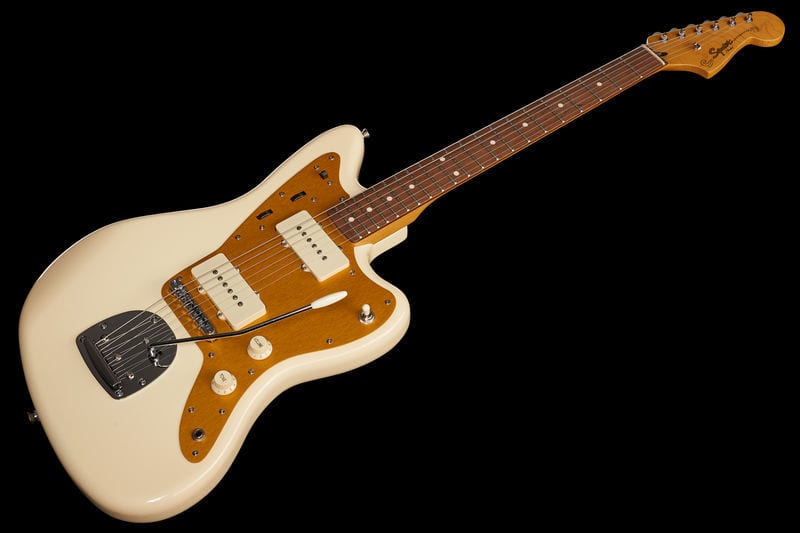
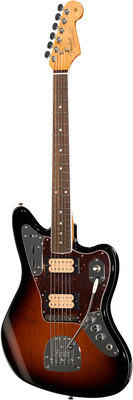
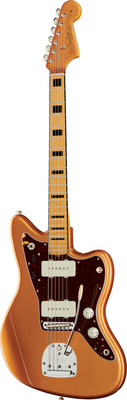
The Fender Troy Van Leeuwen Jazzmaster, Johnny Marr Jaguar and Squier J Mascis are all big sellers worldwide. It is a great time to find a good quality offset guitar at all price points, and so we are spoiled for choice these days.
Modern Comfort & DAWs
The choice of offset models now is huge, and I’m glad, as it is one of my preferred shapes for comfort, both sitting down and standing up.
That original ergonomic design of the offset waist has found a perfect modern use. With the rise of home recording and DAW production, guitarists spend hours sitting at desks, tweaking plugins, and tracking parts.
The inherent comfort of an offset body makes it the ultimate workspace companion. I know Leo Fender was looking at Jazz guitarists back in the late ’50s, and couldn’t foresee us modern musicians hunched over keyboards and using mice, but it is super comfortable when tracking using a DAW.
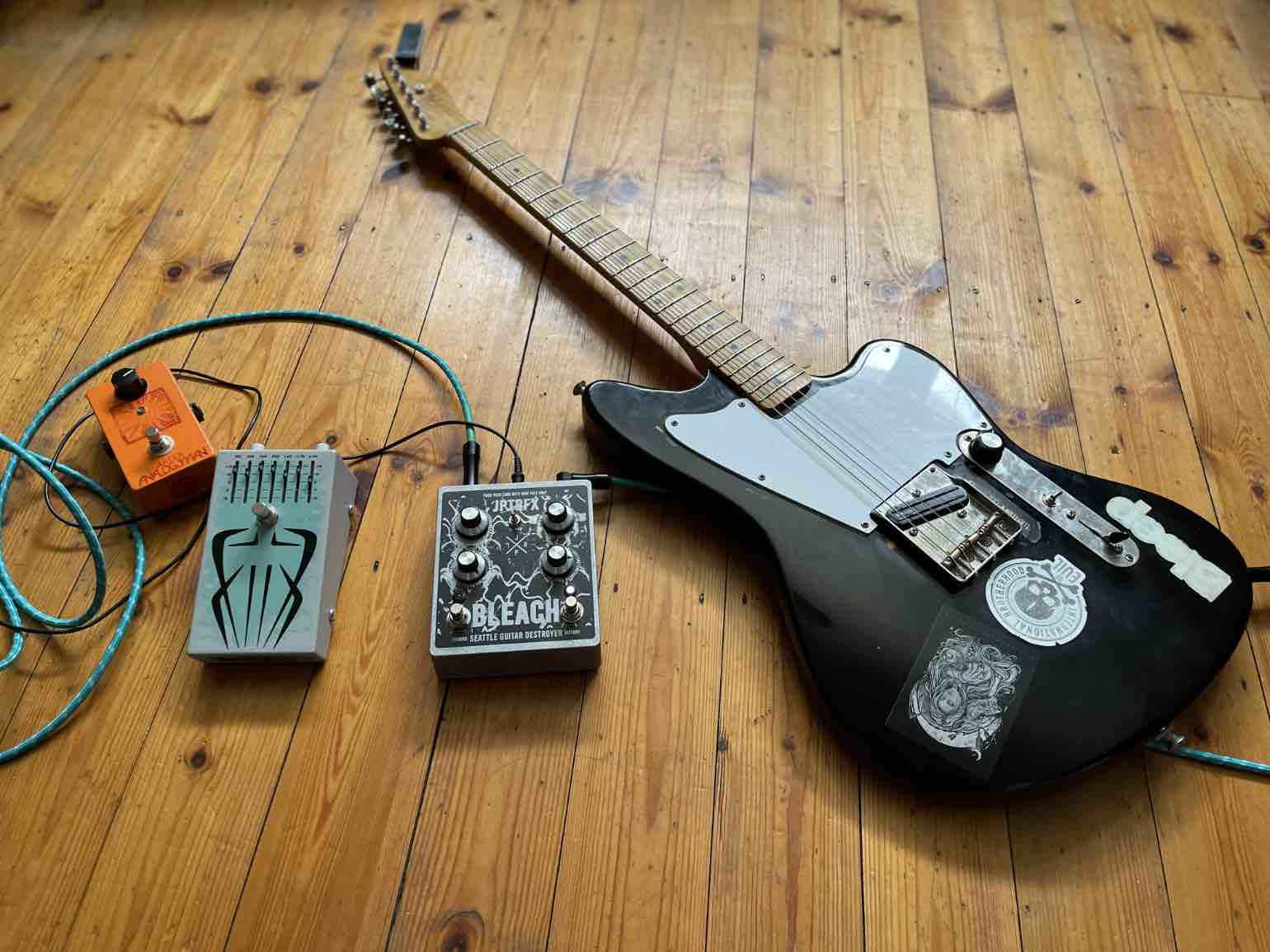
Below is a photo of the guitar I play often, which I bolted together. It has had various incarnations over the last 15 years or so. My main needs were the offset body for comfort, a fixed bridge and a single pickup. It is used to play live and track sessions with, and has evolved over the years to fit my needs.
It sparked my writing this article, as I’ve been tracking with it all week, and it is super comfortable to play both standing and hunched over a laptop.
As guitar culture continues to move away from rigid, traditional formulas, the offset body has graduated from a quirky alternative curiosity into a permanent pillar of modern instrument design. It proves that a great design never truly goes out of style; it just waits for the right generation of players to unlock its true potential.
Which Offset Should You Choose?
I would suggest you look into what you need, for example, should it be a 25.5″ scale length? Or do you need high-output pickups? Would you prefer a vibrato/trem system or are you more comfortable with a hardtail?
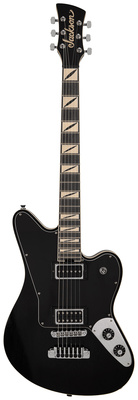
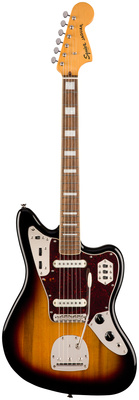
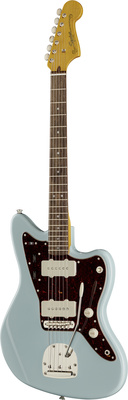
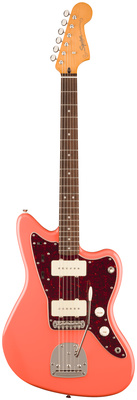
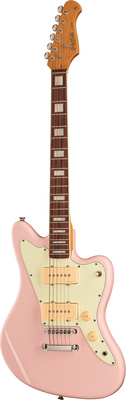
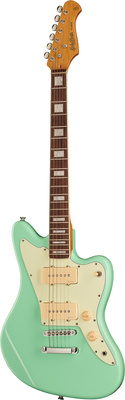
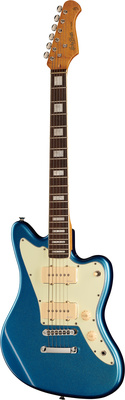
Once you have those basics down, then the choices are great with so many good models to choose from. Below are some of my top offset guitar suggestions that are available at Thomann. I’ve included models at all price points, and there is something for everyone in the list.








This might also interest you