The Future of the Guitar: Do We Still Need This Instrument?
Why Imperfection, Expression, and Human Feel Are Becoming More Valuable Than Ever

 1,7 / 5,0 |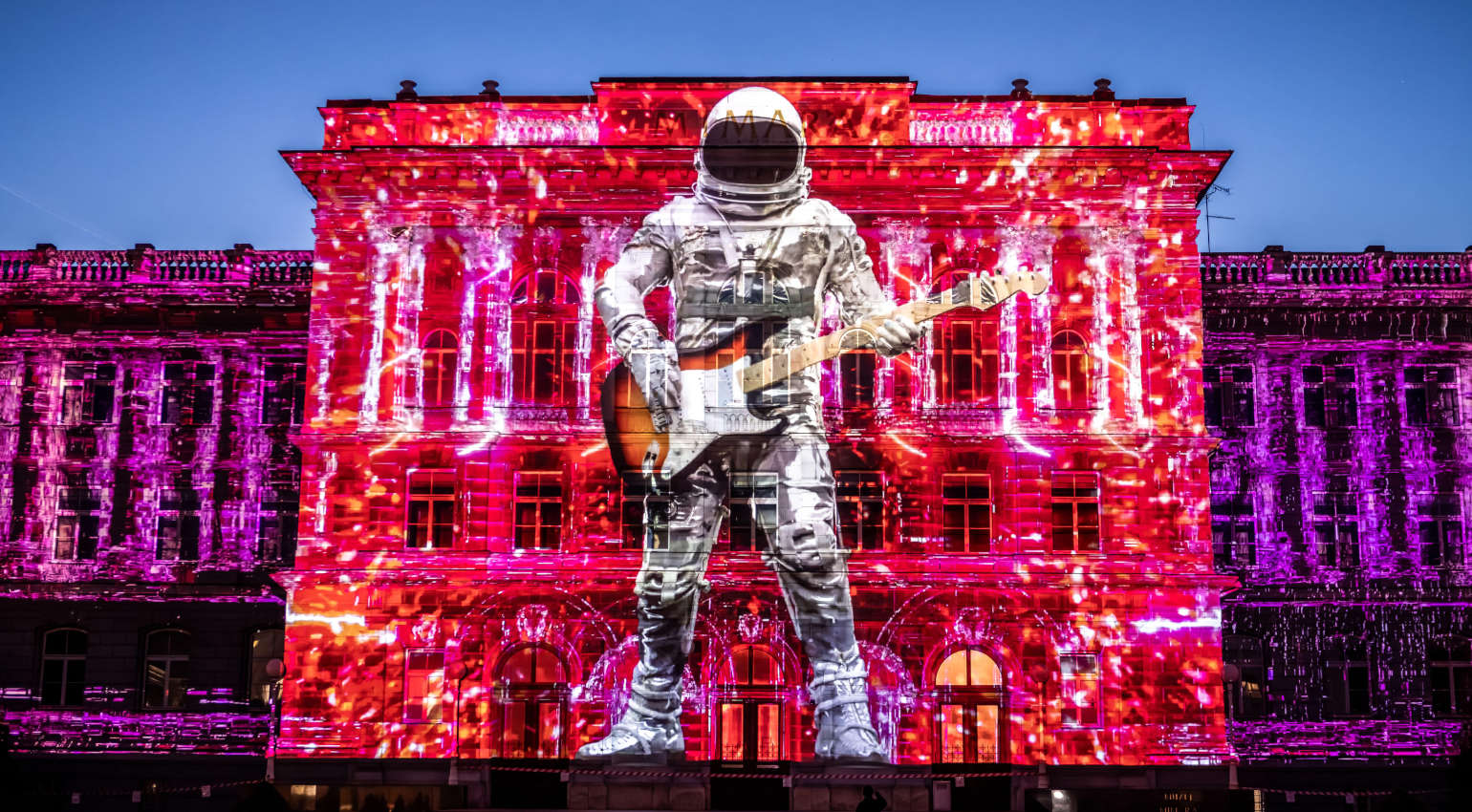
The Future of the Guitar: Do We Still Need This Instrument? · Source: Amazing Aerial / Alamy

The other day, a track really caught my attention. Strong atmosphere, a clear hook, a modern sound. And then the question came up: where is the guitar? Not as an effect. Not as a texture. As an instrument. Is this the future of the guitar?
The Future of the Guitar: What Is Happening to the Guitar Right Now?
We live in an age where music is created faster than ever. A laptop, a few plugins, maybe a MIDI controller, and the next track is already taking shape. Songs are produced, refined, and released instantly. Millions of streams, endless playlists, always available. Music today is above all one thing: constantly present. And poorly paid, but that is a different conversation.
It is exactly this constant presence that makes things interesting. Because while music is everywhere, one instrument seems to be fading from view: the guitar.
Not completely. But from the center. From perception. From the role it held for decades without question.
So the question, almost hard to believe, is suddenly back on the table: What is the future of the guitar? Do we still need it?
The Golden Age Is Over. Or Is It?
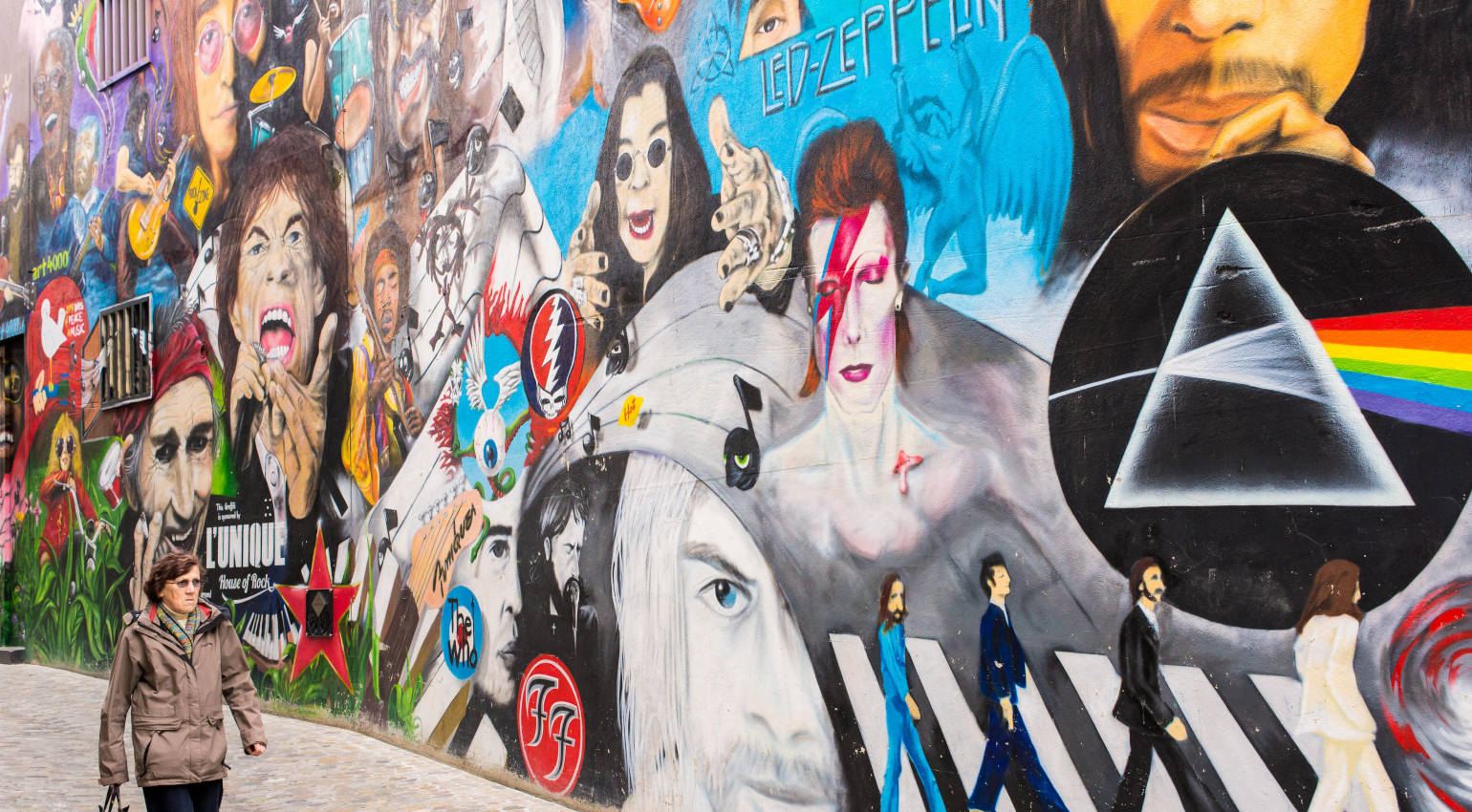
There was a time when the guitar sat at the center of pop culture. Anyone who wanted to make music picked one up. Anyone who wanted to be heard did the same. Bands shaped entire generations, and guitarists became icons. The good old days, when you could spot your people in the schoolyard just by their band T shirts.
When you think of Slash, a single image is enough: top hat, Les Paul*, sunglasses. The rest fills in instantly. Or Kirk Hammett, whose wah soaked leads have filled stadiums for decades.

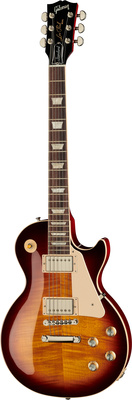

These musicians were more than just players. They were role models. And their guitars were not just instruments. They were statements.
Today, things look different. The charts are dominated by productions that often work entirely without traditional instruments. Beats instead of bands, hooks instead of riffs. And even when guitars appear, they are often just one element within a much larger context.
But that does not mean the guitar has disappeared. Quite the opposite. It has shifted. Away from the mainstream and into niches, genres, and communities that engage with it more consciously.
This shift is crucial for the future of the guitar. It used to be the standard. Today, it is a choice. And maybe that is exactly where its last real opportunity lies.
The Silent Competition: Laptops, Plugins, and AI
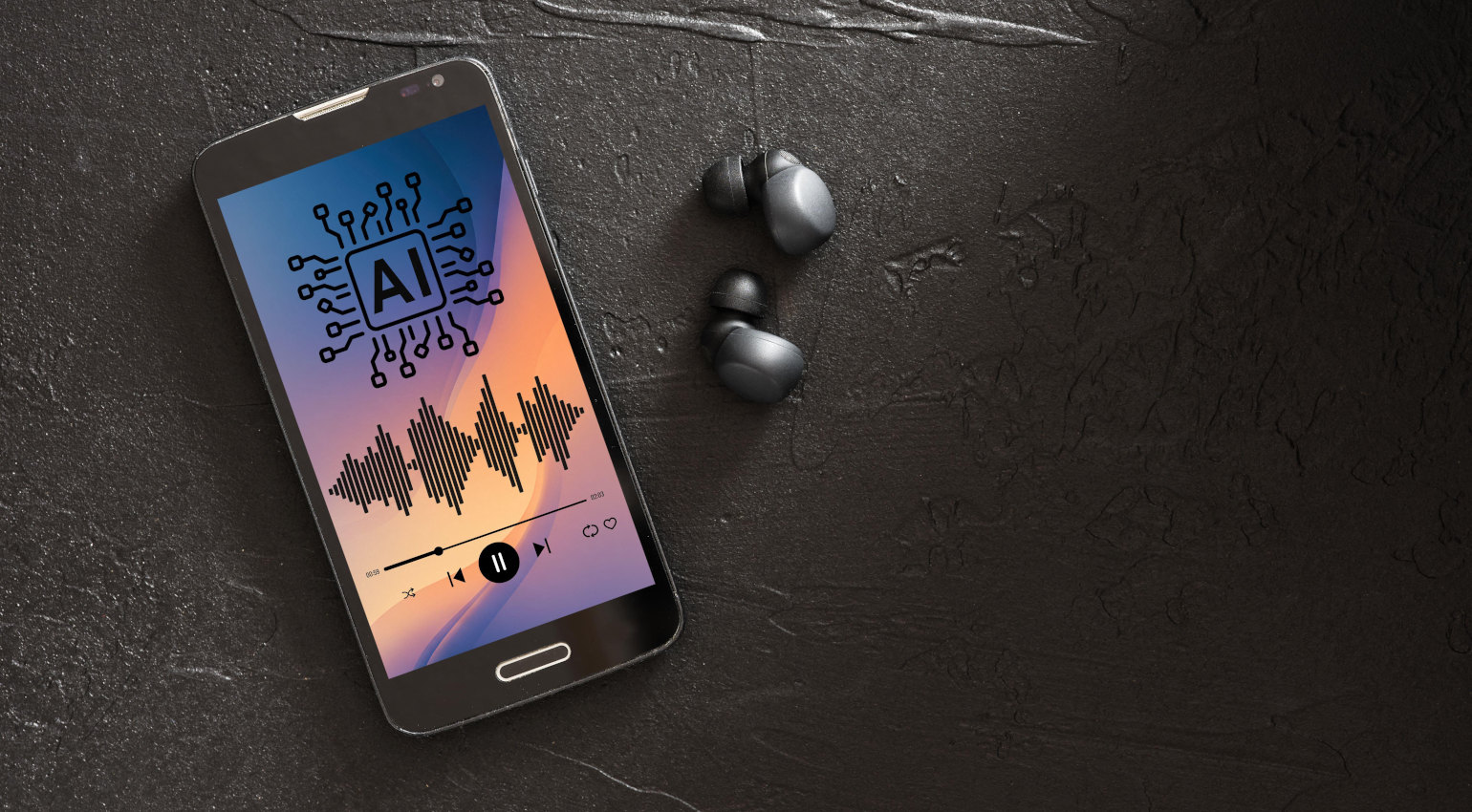
Let’s be clear: the guitar is facing serious competition. And in many ways, that competition is simply more efficient.
A modern laptop can replace an entire studio. Amp simulations, effects, mixing tools, everything is available anytime, anywhere. What once required microphones, volume, and a lot of patience, and even more money, can now happen in seconds. The advantage is obvious: speed, flexibility, and control.
You can build soundscapes without worrying about space, volume, or neighbors. Mistakes can be fixed instantly, takes can be edited, sounds can be saved and recalled at any time. And overall, this is a positive development. Music production has become more accessible than ever.
And then there is another factor: artificial intelligence.
Tools that suggest chord progressions, generate melodies, or even create full tracks are no longer theoretical. They are here, and they are improving fast.
A logical question follows: if machines can create music, why spend years learning an instrument just to sound halfway decent?
The answer is not comfortable. From a purely rational perspective, there are fewer and fewer arguments for the long, analog path. And that is exactly why it is worth taking a closer look.
The Future of the Guitar as an Inefficient Instrument
Looking at it objectively, learning to play the guitar is a pretty bad deal.
For the first few weeks, your fingers hurt. Chords sound messy. Timing feels random. And while you are struggling to move cleanly between G and C, someone else is already finishing their third track on a laptop. The guitar demands time, patience, repetition, and a certain level of resilience.
In a world built around instant results, this feels almost out of place. So why choose this path at all?
Maybe because this is exactly where the difference, and the future of the guitar, begins.
While digital tools are designed to speed everything up, the guitar slows you down. Every step forward is physical. Every small improvement is earned. There are no shortcuts and no presets for expression. Let’s be honest, it is hard work.
And that is exactly what gives it value.
Because in a world that keeps getting faster, more efficient, and more perfect, a different kind of desire starts to grow. A desire for the opposite.
Vinyl, tube amps, and yes, the guitar. All of these things are inefficient.
And maybe that is exactly why they matter so much.
What We Would Lose: More Than Just an Instrument
If the future of the guitar were truly that bleak, we would not just lose a sound. We would lose something much deeper.
A guitar is not an interface. Not a controller. Not an abstract tool.
It is physical. Wood, strings, tension, resonance. You feel every movement, every nuance, and every imperfection immediately. And that immediacy cannot be fully translated into the digital world.
Anyone who has ever stood in front of a cranked tube amp knows this feeling. The interaction between instrument, amplifier, and space is not static.
It moves. It reacts. It pushes back.
Modern simulations can get very close in terms of sound. They are practical, flexible, and incredibly useful. But they do not replace the moment when a string vibrates under your fingers and the sound fills the room.
And that is exactly what is at stake when we talk about the future of the guitar.
The Future of the Guitar: Limitation Creates Expression
One of the biggest differences between analog and digital work lies in limitation.
In the digital world, almost everything is possible. Unlimited sounds, unlimited tracks, unlimited corrections. At first, that feels like freedom. And it is. But it also leads to something else: a lack of focus.
The guitar works differently. It sets clear boundaries. Six strings, a fretboard, two hands, tired fingers. That is where it starts.
And those limits force decisions. How do you finger a chord? How hard do you play? How do you shape vibrato? Every decision shapes the result.
That is why two guitarists with the same setup never sound the same. The instrument responds to the person, not to a preset.
The guitar is unforgiving. And that is exactly what creates character. That is what defines the players who actually stand out.
The Return of Analog
Interestingly, something is happening right now that feels contradictory at first.
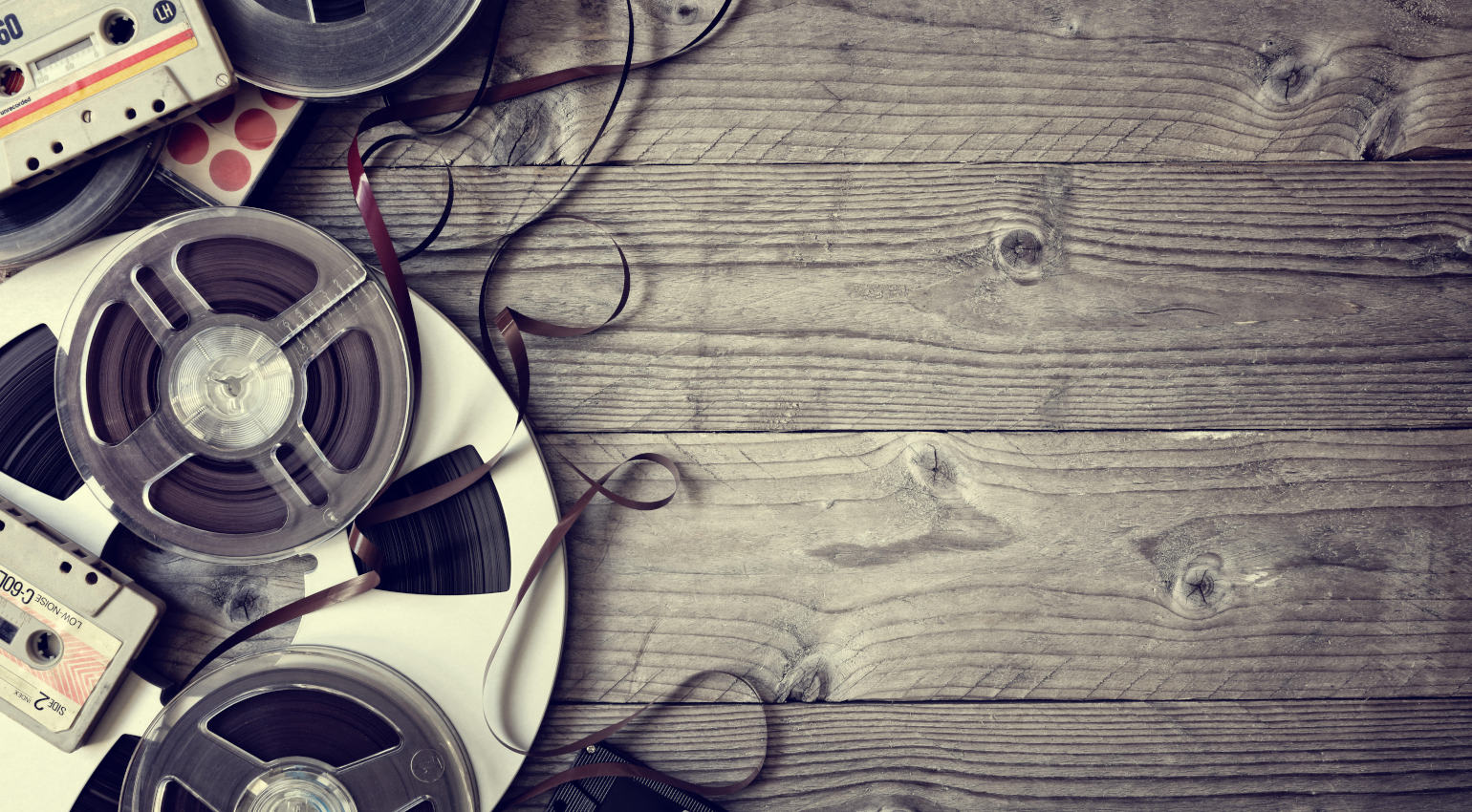
While everything is becoming more digital, the desire for analog is growing. Vinyl is coming back. Analog cameras are being used again. Craftsmanship is gaining value.
Why? Because people are starting to realize that perfection does not automatically create meaning.
A perfectly produced track can be technically flawless and still feel empty. A slightly rough guitar recording, on the other hand, can capture exactly the moment that stays with you.
The analog brings back something that often gets lost in the digital world: friction.
And that friction is what makes things interesting. It creates character. It forces you to engage with what you are doing.
The guitar represents this idea almost perfectly.
It is not comfortable. It is not perfect. But it is honest.
And maybe that is exactly why it is becoming relevant again right now.
The Future of the Guitar: From Mainstream to Statement
The guitar will most likely never return to the dominant role it held for decades. It will not suddenly take over the charts again or become the default instrument in pop music.
And honestly, that might be a good thing.
Because its meaning is changing. In the past, the guitar was often the obvious starting point. Today, it is a conscious decision. Anyone choosing it now does not do so because everyone else is doing it. They do it because they want exactly that.
The guitar is shifting from a mass phenomenon to a statement. It no longer represents the obvious, but the intentional. It stands for investing time instead of saving it. And that is where its new strength begins.
Because while so much in music is becoming interchangeable, the guitar remains one of the few instruments where you can instantly hear who is playing.
Not which preset.
Not which plugin.
But which person.
Gear in the Future: Between Nostalgia and Innovation
When you look at current developments in the guitar world, something stands out immediately. The future is not moving in one direction, but in two at the same time.
On one side, there are digital solutions. Modeling amps, plugins, profiling systems like Kemper and others. They are flexible, portable, and deliver strong results in many situations. For home studios, touring, and fast production workflows, they have become essential.
On the other side, the market for classic analog gear is growing at the same time. Boutique amps, hand wired pedals, vintage reissues. Gear that is deliberately inefficient. Gear that takes time. Gear that sometimes makes you think, why is this thing so heavy.
And that is exactly where things get interesting. When you work with gear on a deeper level, the question is no longer analog or digital. It is about how both worlds come together.
Most guitarists today move between both. They play through real amps but record digitally. They combine analog signal paths with digital effects. Or they build hybrid setups that merge the strengths of both approaches.
The lines are no longer clear. And that is exactly what defines this moment.


The Future of the Guitar: The Guitar Will Survive. But in a Different Way.
The guitar is no longer at the center of the music world. And it probably will not return to that position, because its relevance has shifted. Away from the masses and toward meaning. Away from the standard and toward a conscious choice.
So the question is no longer: “What is the future of the guitar?” The real question is: what are we actually looking for in music?
If it is about efficiency, speed, perfect reproducibility, and constant availability, there have long been better tools. Faster, simpler, more controllable.
But when it comes to expression, to mistakes, to personality, to the feeling that a real human is behind the sound, things suddenly become rare.
In a world that keeps moving toward perfection, the guitar stands for everything that resists optimization. And that is exactly why the future of the guitar is not in danger.
The article “The Future of the Guitar” was originally written by Jan Roting for GEARNEWS.de.
*Note: This article about the future of the guitar contains affiliate links that help support our site. The price remains the same for you. If you purchase through these links, we receive a small commission. Thank you for your support.

This might also interest you