Pedal FOMO: Have You Been Affected?
We look at Pedal FOMO and how to avoid that dopamine hit

 4,3 / 5,0 |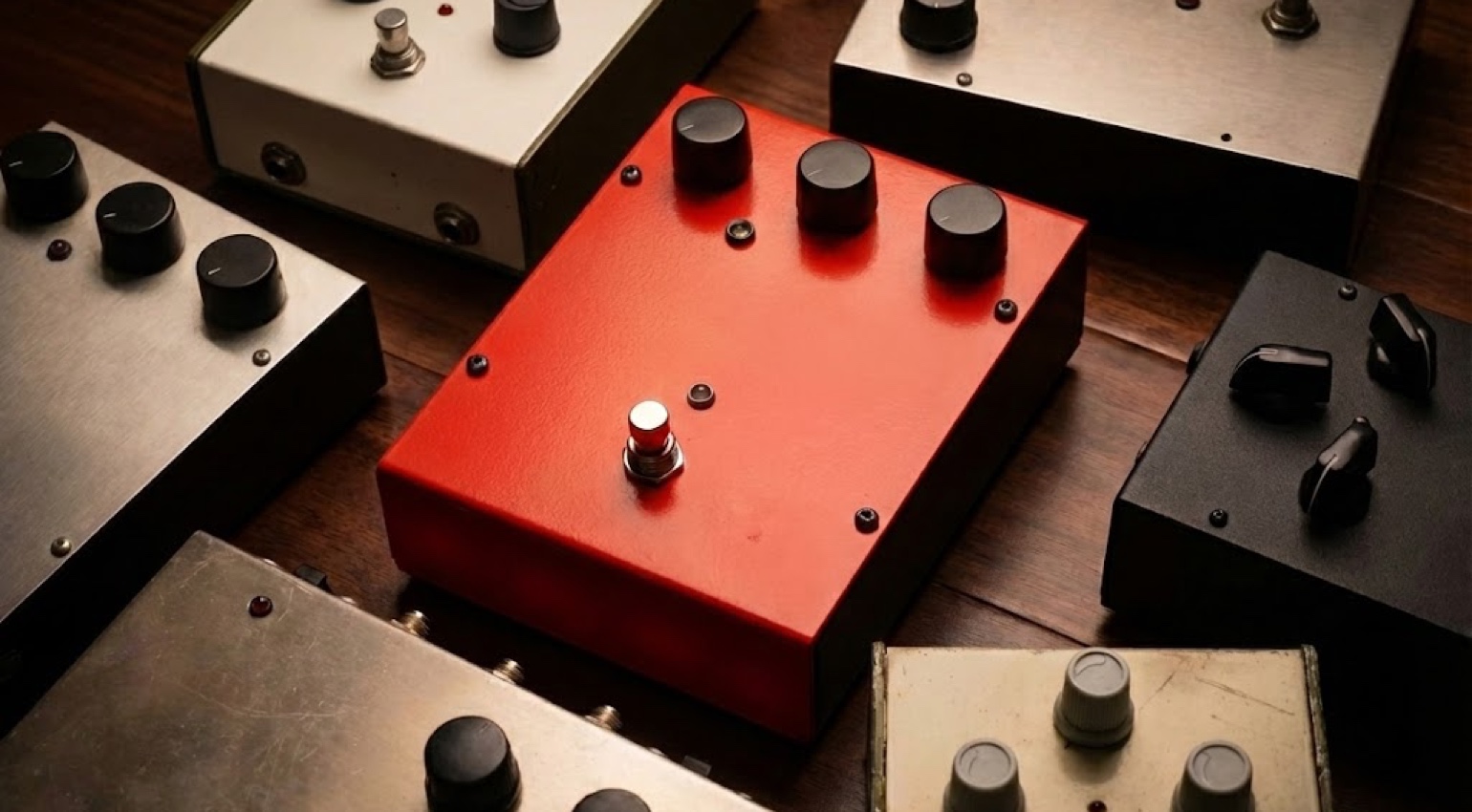

Welcome to the world of Pedal FOMO (Fear Of Missing Out). In an era of boutique builders and viral demos, the quest for “that” sound has moved beyond the fingers and into the digital marketplace. In this article, I’ll talk about how to spot it and avoid falling for it.
Pedal FOMO
Pedal FOMO
For many guitarists, the ritual is the same: a notification pings on Instagram, a “Limited Drop” email hits the inbox, or a Rig Rundown video reveals a mysterious, hand-painted box on a professional’s board. Suddenly, the gear you own, which sounded perfect yesterday, feels inadequate.
What is Pedal FOMO?
At its core, Pedal FOMO is the psychological pressure to acquire specific guitar effects based on perceived scarcity, social validation, or the “magic bullet” myth. It’s the nagging feeling that if you don’t snag that limited-run fuzz or join the multi-year waitlist for a legendary overdrive, your tone will forever be incomplete.
If something appears unobtainable or available in very scarce quantities, then chances are something in you will ‘just have to get one,’ and this means you are suffering from FOMO.
Confident pedal makers with significant social media presences are masters at making their products fit this have become masters of manipulation in recent years, so they know exactly how to trigger these feelings in guitarists.
If you have to put your name on a list or there are only a limited number available, chances are these pedal builders will sell out in a very short window.
Special Extras!
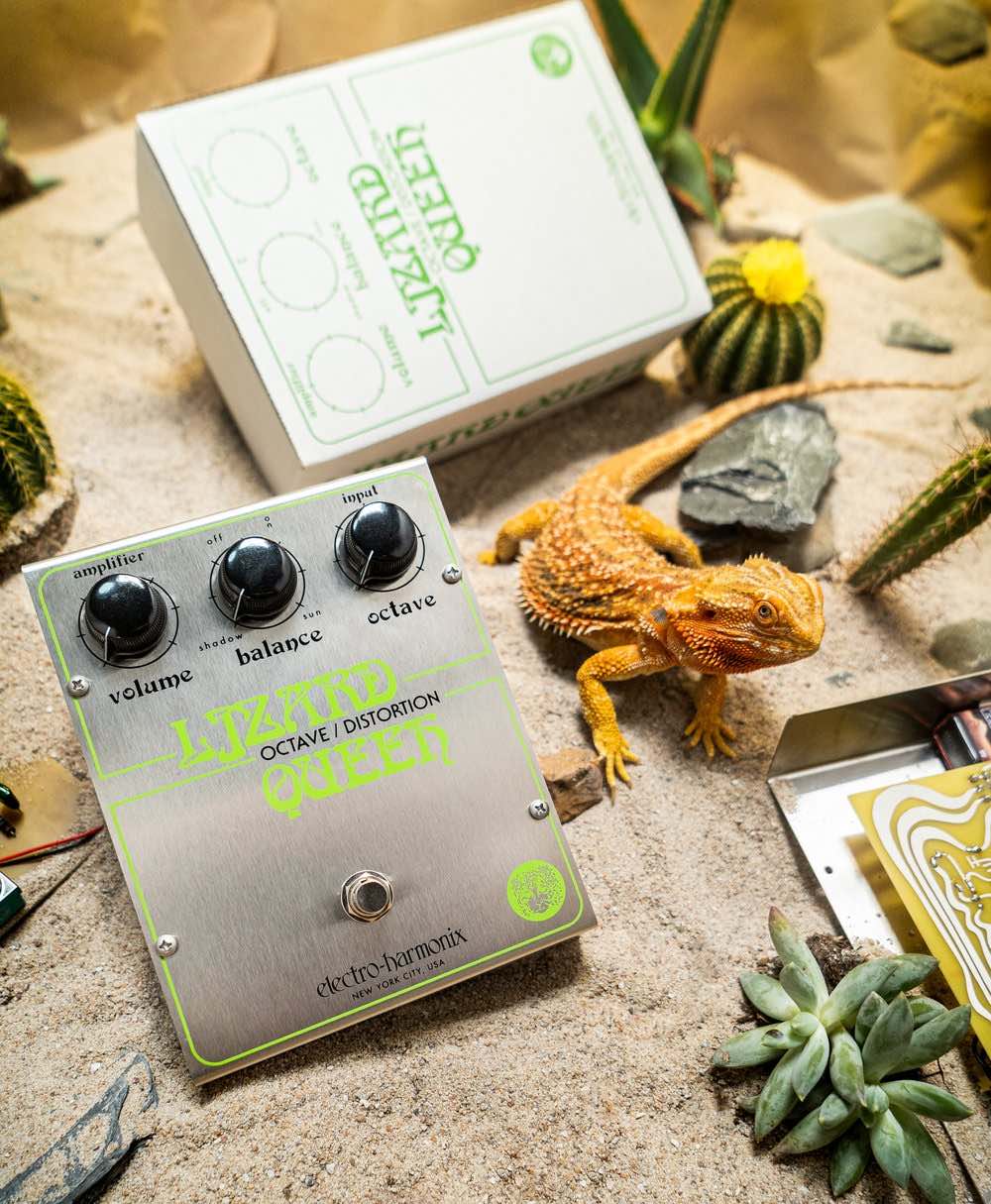
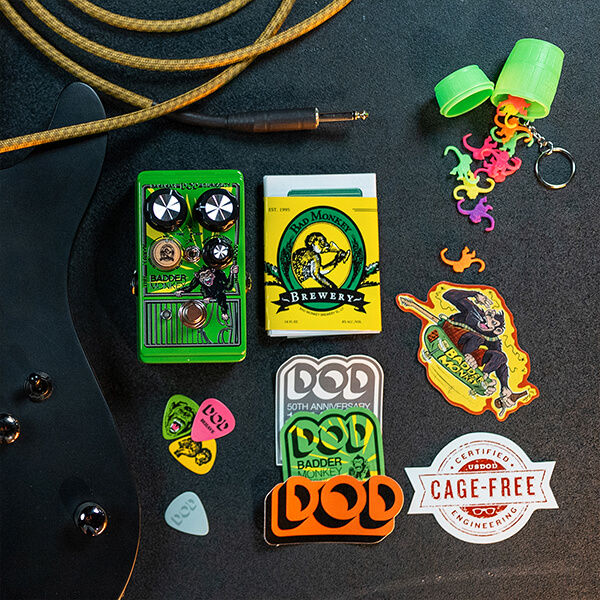
Limited colours, larger-format vintage-style pedals, and pedal ‘case candy’ (ultimately, you are paying extra for this stuff) are all part of the hype. If you see any of these, you are being targeted by FOMO.
The Pillars of the Hype Train
These pedal companies and builders know these tactics inside out. Several factors fuel this cycle of desire and acquisition. I have broken them down for you, so if you are unsure, read these to see which apply to you and your latest stompbox obsession.
The Scarcity Tactic
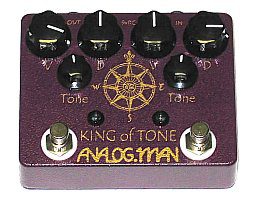
Whether it’s a “batch of 50” or a “two/five-year waitlist” (looking at you, Analogman King of Tone), scarcity creates a sense of urgency.
We stop asking “Do I need this?” and start asking “Can I get this before it’s gone?”
Limited Runs and unique finishes or formats available in low amounts are all part of this hype train.
The “Magic Bullet” Fallacy
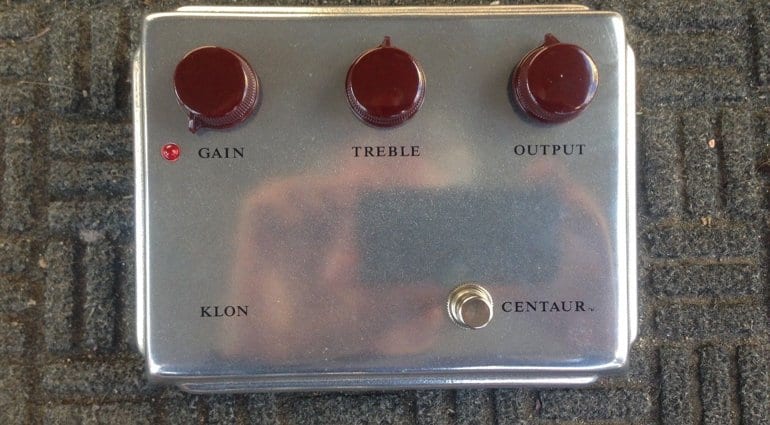
There is a persistent belief that a specific circuit—often an expensive one—will finally unlock the professional sound we’ve been chasing. We mistake a piece of hardware for a shortcut to hours of practice. A prime example of this is the Klon Centaur Overdrive by Bill Finnegan.
Social Proof and “Gear-Tube”
When every major gear influencer releases a video for the same pedal on the same Tuesday at 10:00 AM, it creates an artificial sense of a “new standard.” If everyone else is using it, surely we should too?
This one is becoming almost laughable in the frequency with which this tactic is used, and some pedal builders practically release a new product every other month, to the point that it is embarrassing to watch the videos.
When that ‘lost pedal circuit’ miraculously reappears after 50 years, maybe it is time to stop and think about why it never actually went into production in the first place?
JHS Pedals are masters at this one, and both their EHX limited runs of Big Box effects are masterclasses in tugging at guitar players’ dopamine-drenched nostalgia.

Scalper’s Paradise
The most visible symptom of Pedal FOMO is the inflated secondary market. When a pedal retails for $200 but sells out in seconds, it often reappears on resale sites for $500 (or more) within the hour.
This creates a “buy now, think later” mentality. Musicians who don’t even need the effect will buy it just because they know it holds its value, further drying up the supply for those who actually want to play it.
Breaking the FOMO Cycle
Here are some simple tips to help you avoid falling for FOMO. They will save you a lot of money and disappointment, so you can instead enjoy making music and writing new songs.
The 48-Hour Rule
Before hitting “Add to Cart” on a hyped pedal, wait two days. Usually, the dopamine spike subsides, and you can evaluate if the pedal actually fills a gap in your sound.
Shop Your Own Board
Try reordering your current pedals or exploring deep settings you usually ignore. Often, the sound you’re looking for is already under your feet.
Blind Listening
Listen to audio demos of the “hyped” pedal alongside a standard, affordable alternative (like a Boss or MXR equivalent). If you can’t hear a $300 difference, don’t pay a $300 premium.
We are all guilty of buying new gear with our eyes, and this pitfall can waste a lot of money and potentially waste a lot of time as well.
Avoid that Dopamine Hit
The “Fear of Missing Out” is ultimately a distraction from the joy of playing. While a new drive pedal can certainly be inspiring, the most legendary tones in history were often made with the gear that was simply available at the time.
Dopamine hits are temporary, and the little buzz you get from a new stompbox will fade rapidly once you work out it really isn’t for you, and you just fell for yet another marketing hype trick!
Your “holy grail” is likely found in your hands, not a shipping container.
If you aren’t sure, always take Public Enemy’s advice: ‘Don’t Believe The Hype!’

This might also interest you