Ghost Producers in Techno: The Hidden Architects of the Scene
Many Releases Are Created by Teams, Yet the Scene Rarely Discusses It Openly


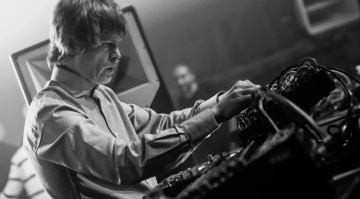
Ghost Producers in Techno: The Hidden Architects of the Scene · Source: Photo 12 / Alamy

Many techno fans still believe in the image of the lone producer working in isolation. The reality of the scene, however, is far more collaborative. Behind many releases stands a professional network in which Ghost Producers in Techno play a much larger role than is publicly visible. In an era defined by accelerating output, relentless touring, and constant social media presence, it is worth taking a sober look behind the scenes and asking who truly develops the sonic identity of certain acts.
Key Facts – Ghost Producers in Techno
- Ghost Producers in Techno shape the sound of releases far more often than many assume
- Many productions today are created through division of labor between the act, co producers, and studio producers
- Not every collaboration qualifies as ghost production. The decisive factor is public credit attribution
- The main reasons for external studio work include touring pressure, release expectations, and rising quality standards
- Economically, Ghost Producers in Techno often benefit significantly less than the visible acts
- In practice, models range from straightforward production commissions to fully collaborative studio sessions
- Techno is not an exception. In pop and rock, teams have worked behind the scenes for decades
- For the scene, the key issue remains transparency and fair compensation
All About Ghost Producers in Techno
When the Track Is Not Created Alone
The image of the isolated producer continues to persist. In practice, many productions emerge through exchanges between artists, co-producers, engineers, and specialized studio partners. Ghost Producers in Techno often operate as creative and technical architects behind the scenes.
With increasing touring pressure and an ongoing release cycle, this structure has become more professionalized. What once seemed exceptional is now part of everyday life in certain segments of the electronic music industry. The actual division of labor, however, often remains invisible to outsiders.
What’s the Difference Between Collaboration and Ghost Production?
Not every external studio contribution qualifies as ghost production. This is precisely where the gray area begins, and where discussions often become unnecessarily emotional.
Open co-productions have been part of electronic music culture for decades. Even established artists such as Sven Väth have historically collaborated closely with producers like Ralf Hildenbeutel and Gregor Tresher. These collaborations were rarely hidden within the scene, though they were sometimes overlooked or misunderstood by broader audiences.
Ghost production works differently. The creative contribution deliberately remains in the background while the releasing act appears officially as the author. At most, the ghost producer may appear in the fine print. Today, Ghost Producers in Techno are more common than many people assume.
Why Are Ghost Producers in Techno So In Demand?
A lack of talent is rarely the driving force. In most cases, the reasons are practical: time management, release pressure, and international touring schedules. Add to that the expectation of maintaining a constant social media presence, including professional reels and daily updates, and organizational limits quickly become apparent.
Rising quality standards also play a role. Sound design, arrangement, dramaturgy, and mix refinement have reached a level that often favors specialized studio work. In this context, Ghost Producers in Techno frequently fine-tune the sound while the visible act functions as the curating authority. Staying up to date with new tools and workflows also requires significant time and financial investment.
In simple terms, the DJ booth generates visibility and income, while the studio shapes the sonic signature and the decisive details of the act.
The Economic Reality Behind the Scenes
This is where the topic becomes more complex. While successful acts and DJs increase their fees and bookings through strong releases, Ghost Producers in Techno often benefit financially to a much lesser extent.
In many cases, buyout agreements or fixed production fees dominate. Long-term participation in rising performance fees or brand value is rare. From a business perspective, this model is logical. From a creative standpoint, however, it creates a noticeable imbalance. Compensation is typically paid as a flat fee for a finished product such as a track, EP, or album rather than on an hourly basis.
At the same time, Ghost Producers in Techno frequently develop the very sonic identity that makes an act recognizable.
How Does Ghost Production Work in Techno?
Beyond speculation, collaboration usually follows clearly defined procedures. The romantic image of a secretive studio operation only partially reflects reality. In many cases, production takes place in close coordination, simply without public credit.
Three models dominate everyday practice.
The Pure Production Order
The act or management provides reference tracks, mood descriptions, or specific sonic ideas. The ghost producer then develops the arrangement, sound design, and final mix based on those guidelines. This model is considered particularly efficient because it delivers release-ready results quickly.
In some cases, multiple producers are assigned to the same track simultaneously. Ultimately, only the version that immediately convinces the artist moves forward. The remaining versions disappear without public acknowledgment, and those producers often receive no compensation.
Studio Session With Direct Feedback
In this scenario, the artist is physically present in the studio and reacts immediately to developments. Decisions are often pragmatic and direct. The ghost producer handles the technical execution and sonic refinement. This model proves especially efficient when the DJ act has a clear aesthetic vision but limited production expertise.
From Rough Layout to Club Track
Here, the act provides a loop, a basic arrangement, or project stems. The ghost producer transforms this raw material into a complete production with structured dramaturgy, refined sound design, and a powerful mix.
At this point, the line between support and defining influence becomes blurred. When the studio contributor is officially credited, the process aligns more closely with co-production.
From My Everyday Studio Life: The Silent Work Behind the Sound
Anyone involved in techno production quickly recognizes how pragmatic Ghost Producers in Techno operate in daily practice. The process often begins with references and a clear expectation for club performance. The goal is a track that works on large systems and immediately captures audience attention. Naturally, the expectation of a hit is never far away.
Role distribution in the studio is usually clear. While the act defines the aesthetic direction, the detailed sonic work requires concentrated focus. Arrangement decisions, sound design choices, and a precise mix later define what audiences perceive as the act’s signature sound. Even when the artistic vision is clear, the final sonic imprint often reflects the producer’s expertise.
The irony is evident. This invisible studio work frequently shapes the sound that later fills festival lineups and drives booking fees upward. Yet the scene often remains discreet about economic distribution. In practice, the topic is rarely discussed openly.
Ghost Production Is Not Unique to Techno
A broader perspective shows that techno is far from alone in using this model. In the international dance and club industry, production structures based on division of labor have long been standard practice.
The model is even more prevalent in hip hop, pop, and rock. Songwriting teams, producers, and engineers collaborate in modular structures while the visible artist represents the final product. In this context, Ghost Producers in Techno increasingly operate within established industry logic. Commercialization has long been a reality in techno as well.
Conclusion: Between Myth and the Music Industry
Ghost Producers in Techno are not a scandal but rather a reflection of a professionalized and modern scene. The decisive question is not whether ghost production exists, but how transparent and fair its structures are.
While individual names appear on stage, the musical calling card of many modern dance acts is often shaped by a team. Those who understand these mechanisms see less mystery and more industry reality.
FAQ: Ghost Producer in Techno
What Is a Ghost Producer in Techno?
A ghost producer is a producer who creates music on behalf of an artist without being publicly credited as the primary creator. The releasing artist officially appears as the author of the track.
Is Ghost Production Unusual in Techno?
No. Ghost Producers in Techno are now part of professional everyday practice. Heavy touring schedules, social media obligations, and constant release pressure often lead to collaborative production structures.
What Is the Difference Between Co Production and Ghost Production?
In co production, all contributors are officially credited. In ghost production, the studio contributor deliberately remains in the background while the visible act is presented as the sole creator.
Why Do Acts Hire Ghost Producers?
Common reasons include limited time due to touring, output pressure, specialized sound design requirements, increasing quality expectations, and the desire for a consistent workflow. In most cases, efficiency plays a greater role than a lack of talent.
How Are Ghost Producers Paid in Techno?
In most cases, Ghost Producers in Techno receive a one time production fee or operate under buyout agreements. Long term participation in performance fees or brand revenue is uncommon.
Does Ghost Production Deceive the Audience?
This question is debated within the scene. Critics view the lack of transparency as problematic when creative contributions remain invisible. Supporters argue that electronic music has always involved collaboration and that the final musical result is what ultimately matters. Transparency and communication play a decisive role.
Can Acts Without Ghost Producers Still Compete?
There is no universal answer. Many successful techno artists continue to produce independently. At the same time, increasing touring and release pressure encourage division of labor. Whether an artist relies on external studio support depends more on workflow, time resources, and quality standards than on artistic capability.
Is Ghost Production Only Common in Techno?
No. Production models based on division of labor are widespread throughout the music industry. Teams of songwriters, producers, and engineers have operated behind the scenes in hip hop, pop, and rock for decades.
Ghost Producers in Techno are an integral part of modern production processes. Many contemporary releases result from collaborations between artists, co producers, and specialized studio professionals. Under the pressure of touring, social media, and release cycles, artists often rely on external studio expertise to maintain consistent output quality. Economically, Ghost Producers in Techno typically benefit less than visible acts, despite significantly shaping the sonic profile. This structure is not exclusive to techno but reflects established production practices across the global music industry.
More Information
- Techno Legends Use This Gear: Charlotte de Witte — Acid Pressure and Peak-Time Precision
- Techno Legends Use This Gear: Surgeon – Techno as a Live Patch
- Techno Legends Use This Gear: Robert Hood and the Discipline of the TR-909
- Techno Legends Use This Gear: Richie Hawtin aka Plastikman
- Techno Legends Use This Gear: Jeff Mills and His Roland TR-909
- Drum Machines for Techno 2026: Punch, Workflow, and Character
- The Best Synths for Techno Productions in 2025: Powerful, Flexible and Creative
- All about Techno


This might also interest you