Ableton Push Hack: Videos, MIDI Takeover, and a Custom UI on the Push 3, No Ableton Blessing Required
Federico Pepe Opens Up the Display, MIDI, File System, and LEDs for Custom Mods

 4,4 / 5,0 |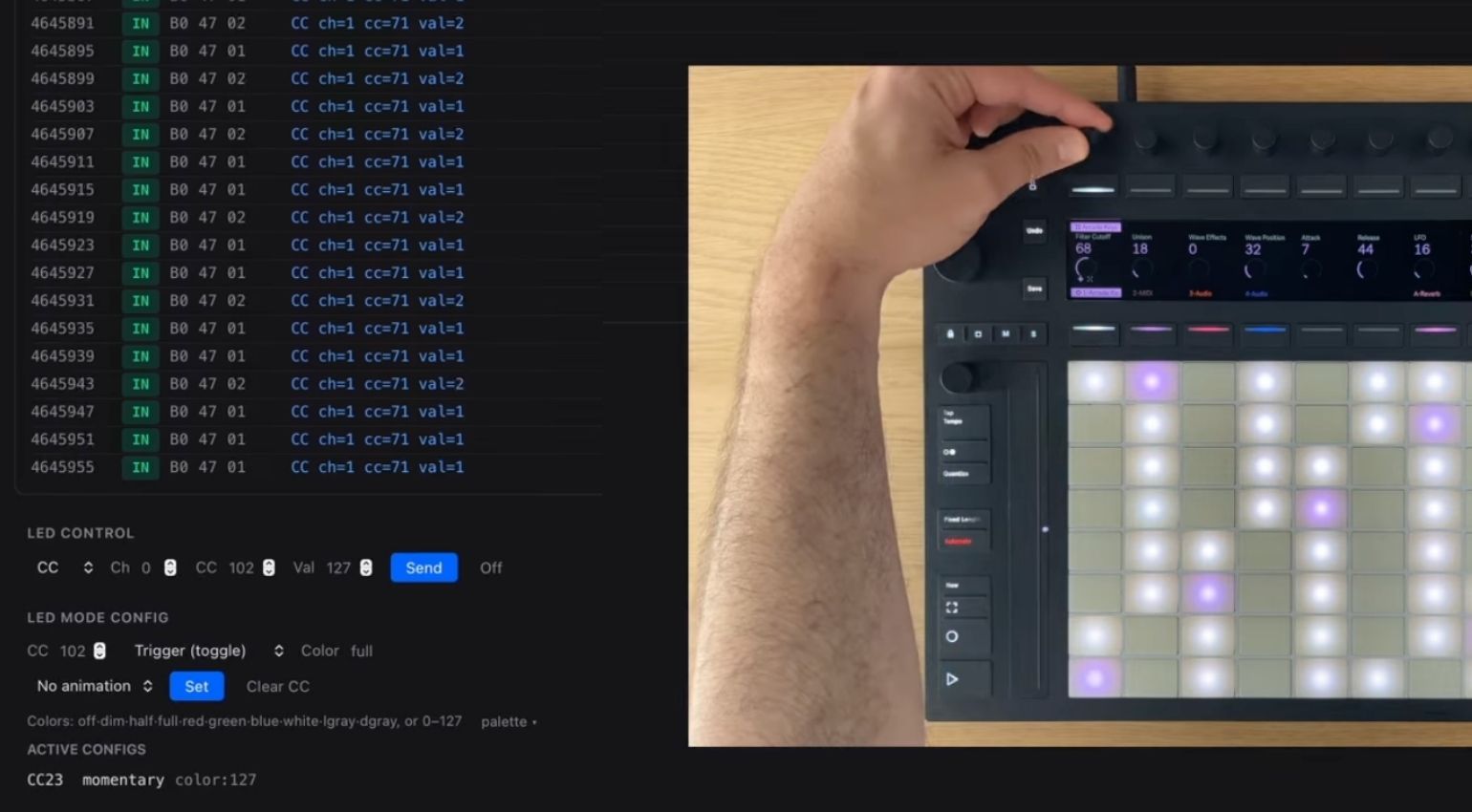
Ableton Push Hack: Videos, MIDI Takeover, and a Custom UI on the Push 3, No Ableton Blessing Required · Source: Frequenze Academy / Youtube

Federico Pepe just released Ableton Push Hack, a project that opens up access to the Push 3 Standalone that Ableton never officially intended. Over SSH, you can talk to the device for what it actually is under the hood: a genuine Linux computer. If unauthorized hacking isn’t your thing, this is your cue to scroll past. But if you’ve ever wanted full control over the display, drives, MIDI, and more, this is exactly that. And it’s genuinely fascinating stuff.
Ableton Push Hack: Everything on the Unofficial SSH Access for Push 3 Standalone
Ableton Push Hack: SSH Access to a Familiar Linux System
The core idea behind Ableton Push Hack is simple enough: an SSH (Secure Shell) connection gets you into the Push 3 Standalone, letting you install modular extensions. Federico Pepe, a certified trainer and brand manager in the Ableton world, describes his own project as a proof of concept, but it makes a pretty compelling case for what Ableton could officially offer. Pepe is already known in the community as the guy who got Flappy Bird and Doom running as extensions inside Ableton Live itself.
The Modules Ableton Push Hack Launches With
At launch, Ableton Push Hack already ships with a solid lineup of modules. Push Manager handles uploading, managing, and downloading files and projects, similar to Ableton Move’s Move Manager. There’s also USB drive support over the USB-A port, plus full access to the display, including drawing on it and uploading images and videos. You can’t actually play Doom yet, but you can at least play a video of someone else playing Doom, or Marathon, or whatever else you come up with.
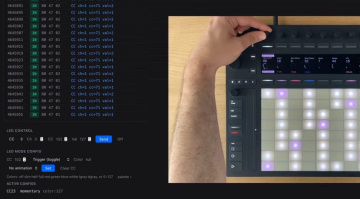
Things get genuinely interesting with the full MIDI access. Every pad, every knob, every button becomes controllable, with bidirectional feedback built in. That’s rounded out by reverse-engineered LED control covering every color and animation, plus system stats for CPU, memory, storage, IP addresses, and hotspot password. Sounds like a security hole at first glance, but according to Pepe, it isn’t, anyone with SSH access already had full access to the device anyway.
Intercept and Forward Mode: Full MIDI Control
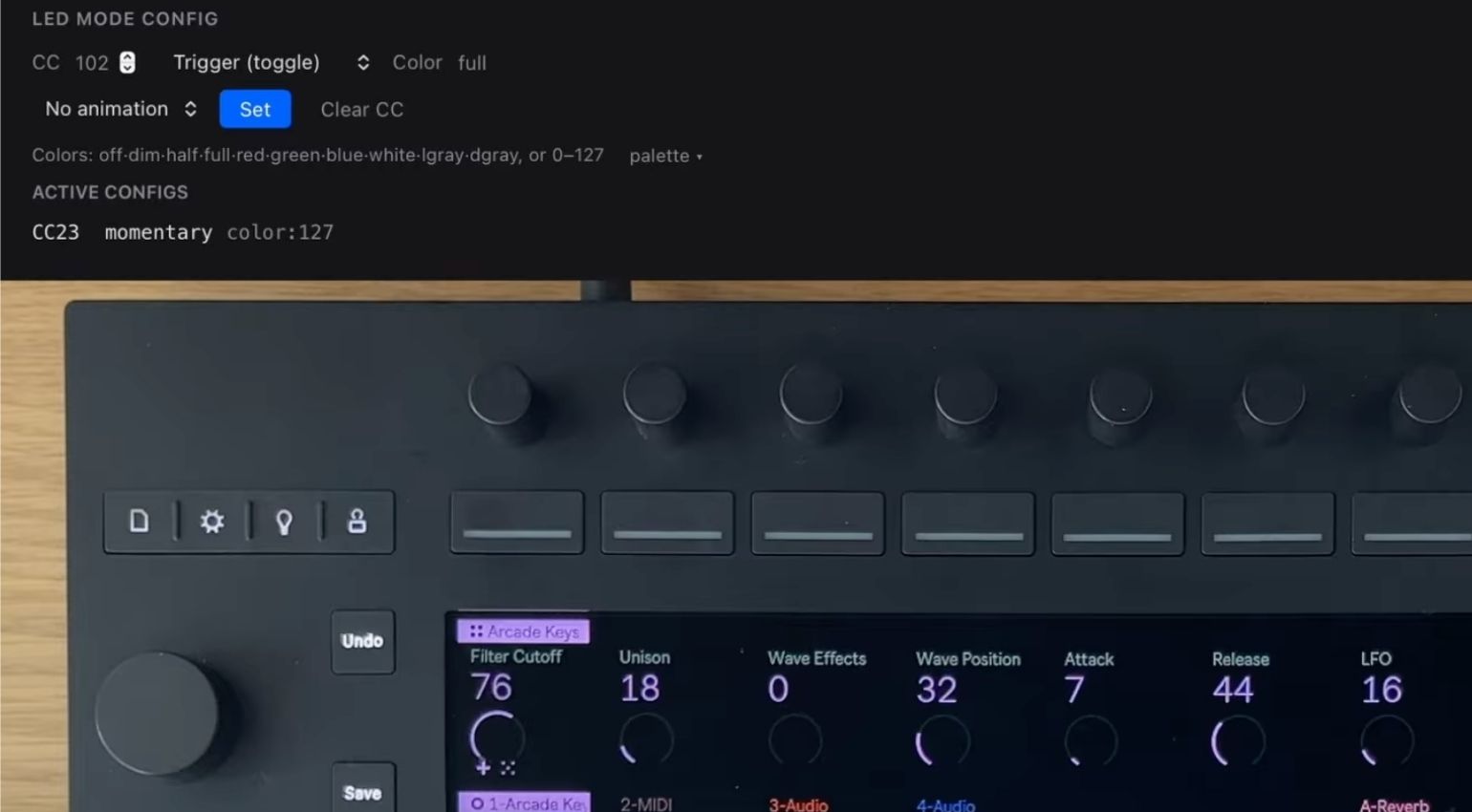
The MIDI takeover mode is probably the most exciting part of the whole project for a lot of people. In “Intercept” mode, messages from Push get read but never forwarded to the actual Push software, so you can use buttons, knobs, and pads without triggering anything in the main software at all. “Forward” mode, on the other hand, automatically routes every MIDI message straight to the MIDI output, with zero internal routing through the Push interface.
Since Pepe now has full control over MIDI, display, and LEDs, he went ahead and built a “Shadow UI” that layers on top of the actual Push interface. The idea: go beyond what Push Manager offers and handle practically everything directly on the Push itself.
Bottom Line
Ableton Push Hack is a project best taken for exactly what it is: an unofficial, unauthorized dive into hardware whose full potential Ableton has deliberately kept under wraps so far. Still, this kind of project makes a pretty strong case for what official API support could look like. Similar community projects around Ableton Move have already shown how much creative potential lives inside more open hardware, from custom devices to accessibility features.
Whether Ableton ever draws official conclusions from this remains to be seen, but I wouldn’t rule it out entirely. If you own a Push 3 Standalone and have the technical chops to dig into this at your own risk, there’s genuinely interesting stuff to experiment with here. I’m hoping Ableton takes some notes from this and maybe folds some of these mods into an official release down the line. We’re curious to see where this goes, and we’ll obviously keep you posted.
More Information

This might also interest you