Budget Studio Heroes That Outsold Expensive Gear
Affordable gear icons we love.

Budget Studio Heroes That Outsold Expensive Gear · Source: Portugese Gravity / Unsplash

In this article, we explore some underestimated budget studio heroes that have become some of the most widely used recording tools of all time.
In this Article:
With the audio processing power we have access to in a DAW these days, the need to buy the most expensive recording gear on the market for home recording has diminished. What makes this even more evident is the rate at which musicians are buying affordable, reliable gear that may not be the flashiest, but it gets the job done.
Budget Studio Heroes: Shure SM57
When it comes to affordable studio tools that can be used for almost any recording application and deliver good results every time, the SM57 is the undisputed champ. The origin story of the 57 dates back to 1937, when Benjamin Bauer designed the Unidyne, a single-element cardioid mic with such excellent off-axis rejection that it had a profound impact on the live music industry.
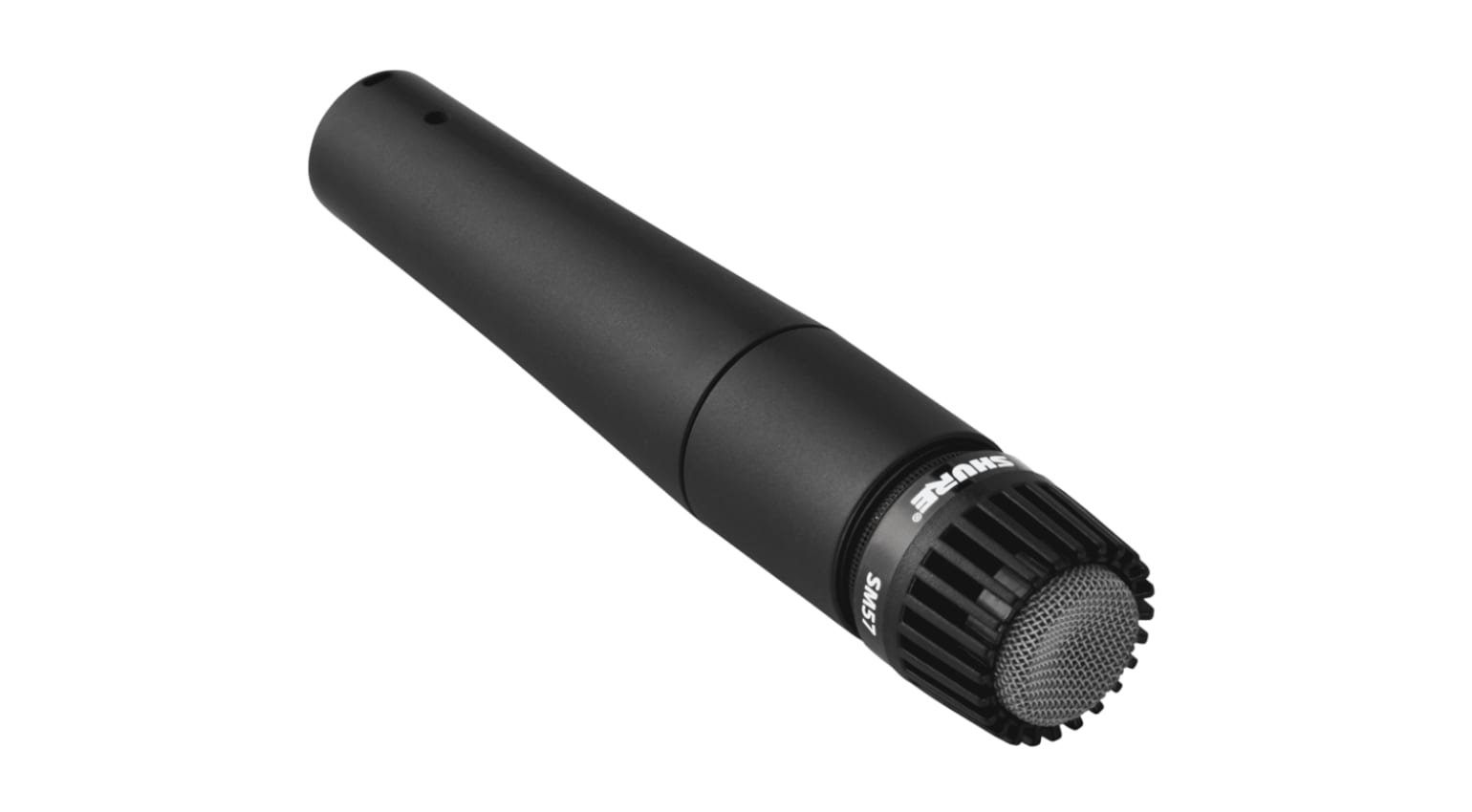
Years later, in 1959, Ernie Seeler perfected this concept with the flat-top design of the Unidyne III capsule. First used in the Model 545, this idea formed the foundation for the SM57 we know today. With over 10 million units sold worldwide, the 57 has become a part of the fabric of recording history, just as the 58 has on the stage.
The irony behind the 57’s design is that Ernie Seeler was not a rock ‘n roll fan, to put it lightly, and in fact intended the mic for broadcast and orchestra recording. However, the design underwent the most rigorous testing, which included baking and freezing the mic, even letting it fall from buildings, and this gave it the indestructible reputation that would later become synonymous with rock recording, along with its punchy mid-forward sound and high SPL handling.
*Until 30 November, you get a free Shure low-profile mic stand with your purchase with Thomann Cyber Deals


Budget Studio Heroes: Yamaha HS Series
Following on the legacy of the famous NS-10M, the HS Series was launched in the mid-2000s, carrying a similar look with the iconic white speaker cones and black cabinets. However, it came from a completely different era and was aimed at home studio users, so the design of the HS Series was fundamentally different.
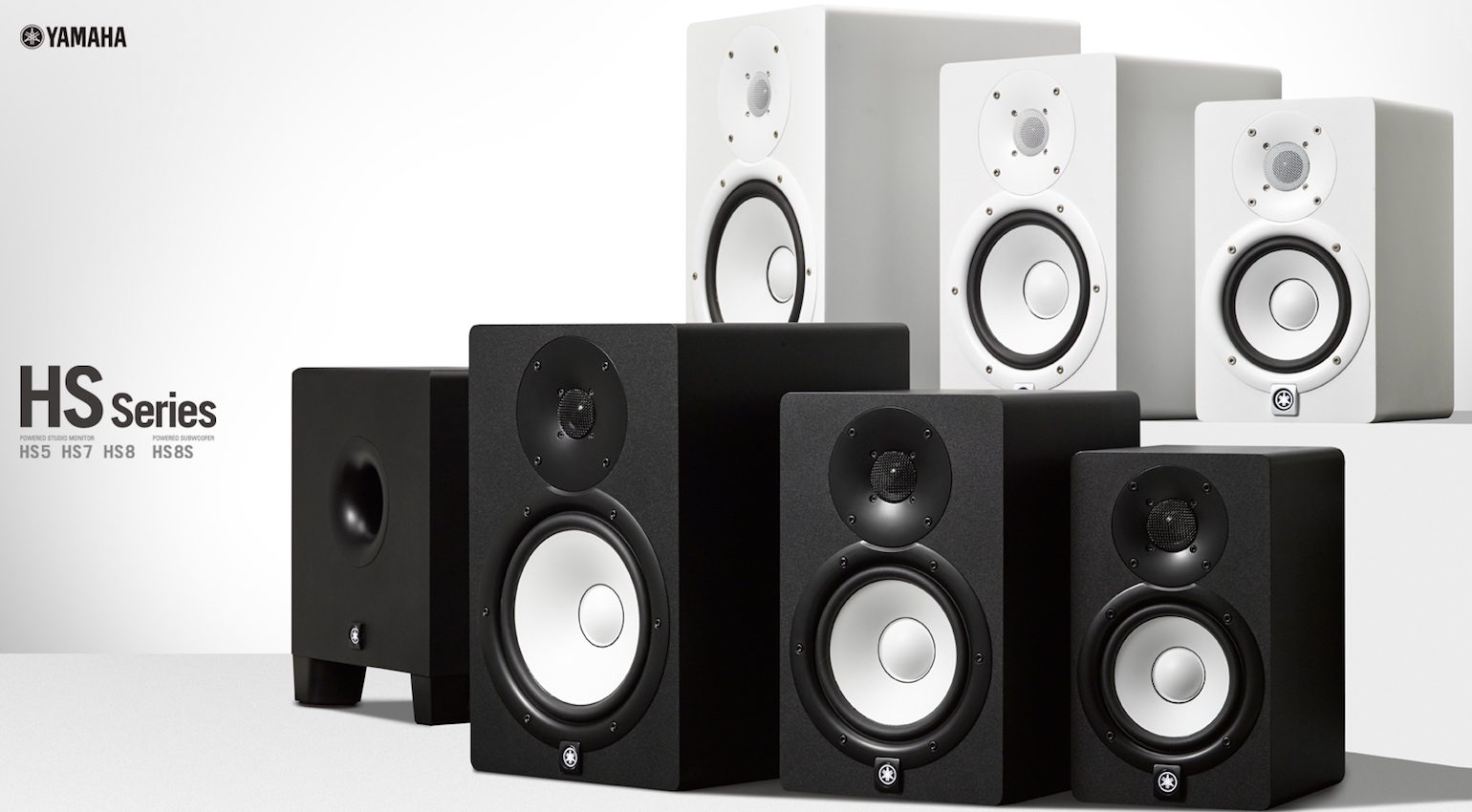
Unlike the NS-10, which was a passive speaker with a sealed cabinet, the HS Series are active monitors that use bass-reflex cabinets. This allows studio monitors to generate a far lower frequency range than what is possible with sealed cabinets housing 5- or 6-inch woofers. While it did bring a modern touch with its basic acoustic correction features, the HS Series is still decidedly old school.
This is because the HS uses analog filters and crossovers instead of DSP, like many studio monitors in its class. While it doesn’t give you a picture of the full frequency range, the HS is known for its unhyped sound that helps with mix translation. Along with its reasonable price tag and celebrity use cases like FINNEAS, Metro Boomin, and Tame Impala, this helped the HS Series become an immensely popular monitor.
*Until 30 November, you can save 26% on a pair of Yamaha HS8 studio monitors with Thomann Cyber Deals


Budget Studio Heroes: Sony MDR-7506
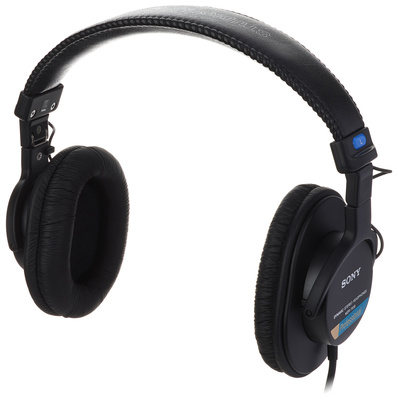
Easily one of the most popular studio headphones ever, the Sony MDR-7506 became the industry standard in broadcast and recording studios over the course of the 1990s. Like the Yamaha NS-10 monitors, the MDR series headphones started out as a consumer product, with the MDR-V6 that laid the foundation in the mid-1980s.
The closed-back MDR-7506 uses 40 mm neodymium drivers with a sensitivity rating of 106 dB/mW and an impedance of 63 Ohms. Because of its peak in the high-frequency range and overall clarity, the MDR-7506 is ideal for tracking and editing vocals, but you can easily mix on them too, as they produce results that translate nicely on other consumer playback devices.
The MDR-7506 will also perform well on both professional and consumer devices, without needing a dedicated headphone amplifier. What’s more, the precise low-end reproduction makes them ideal for Pop, Hip-Hop, and EDM production. The only drawback is that the coating on the artificial leather ear pads flakes and degrades with extensive use, so we recommend premium earpads from Dekoni.
*Until 30 November, you can save 9% on a pair of Sony MDR-7506 headphones with Thomann Cyber Deals

Budget Studio Heroes: Focusrite Scarlett
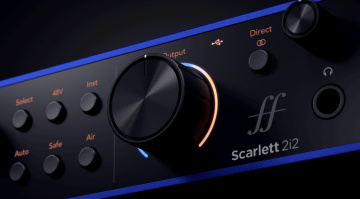
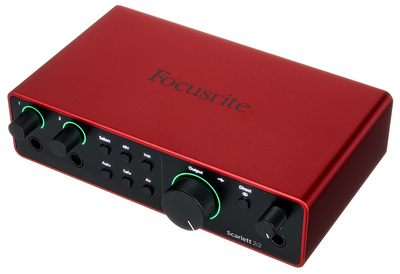
The Focusrite Scarlett series was introduced back in 2011 and has grown so popular over the years that the little red box has become the symbol of home recording. The easy-to-use Scarlett endeared itself to musicians with its affordable price tag and stable drivers, allowing you to set up and get recording without needing prior audio engineering experience.
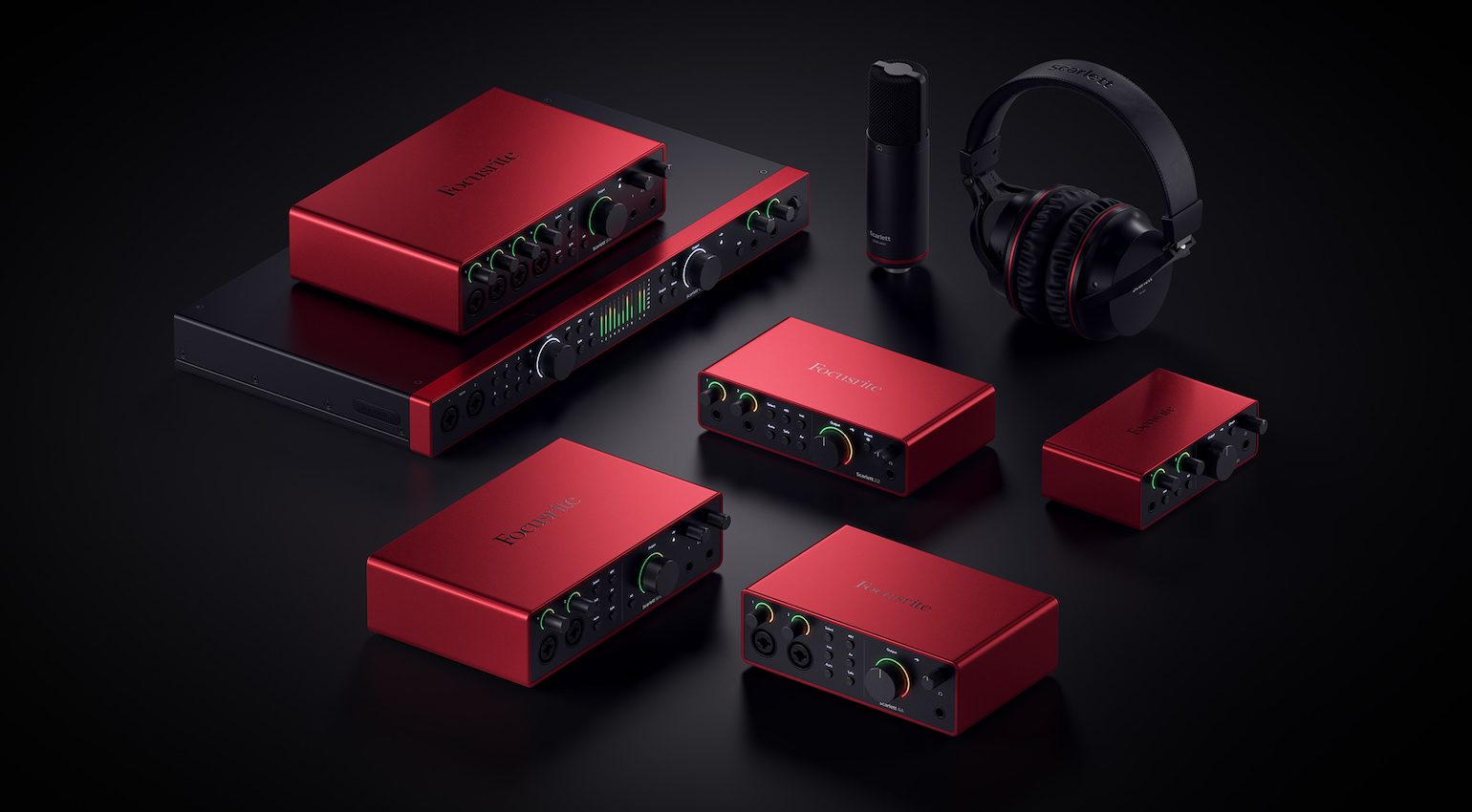
Gradually, the Scarlett series evolved, improving the preamps and converters, as well as adding features like 192 kHz recording, Auto Gain, Clip Safe, and the Air function that recreates the high-end frequency response of the transformer-based ISA console preamps. The Scarlett series also expanded with a wide selection of models ranging from 2×2 all the way up to 18×20.
The latest 4th generation Scarlett series also upgraded the built-in headphone preamp and added a Harmonic Drive setting that introduces tube-like saturation in the midrange for instruments. Overall, by being a fun tool to use at a reasonable price, the Scarlett remains an obvious choice for musicians as a first audio interface.

More about Budget Studio Heroes:
*Note: This article contains affiliate links that help us fund our site. Don’t worry: The price for you always remains the same! If you buy something through these links, we receive a small commission. Thank you for your support!

This might also interest you