Guitar Practice Routines: 5 Ways to Improve in 15 Minutes a Day
Rogue routines that actually work?

 5,0 / 5,0 |

Guitar Practice Routines: 5 Ways to Improve in 15 Minutes a Day · Source: Alamy Stock Photo / Beton studio

Guitar practice routines vary from player to player. Whether you’re a beginner or are looking to retain some core skills, here’s what I recommend to improve your practice time.
5 Ways to Get Better at Guitar Practice:
All About Guitar Practice Routines:
- Guitar practice routines are vital for improving as a player. You could spend hours playing, but are you actually making progress?
- Modern life is busy: wife, kids, dog, work, boyfriend; therefore, it’s important to streamline and maximise the efficiency of your guitar practice time.
- Here are 5 guitar practice routines that will show you signs of improvement. You can run through chord changes, use drum machines, and record yourself to maximise progress.
Spider Exercises & Scales
First up in our look at guitar practice routines, we’re tackling the bane of any musician’s life: scales. Scales are the vegetables of the musical world. Whilst they’re very good for you, not many people actually like them. Here’s how we can use them to improve your guitar practice.
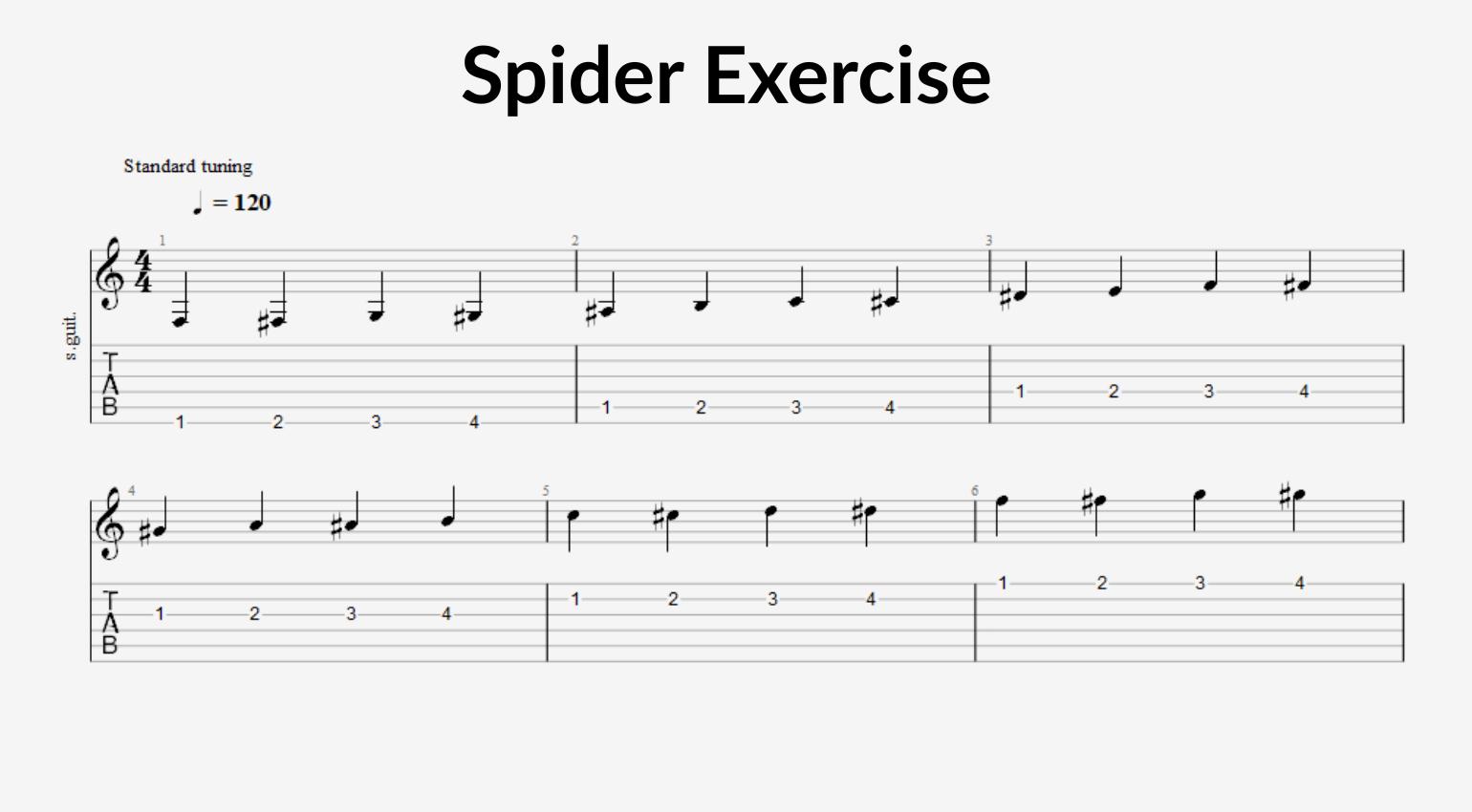
As a beginner, your first port of call should be to familiarise yourself with the spider exercise. What is the spider exercise on guitar? It is a bunch of chromatic notes that allows players to get comfortable with fretting notes on the guitar. You can start from anywhere you like on the fretboard, play one fret per finger, and work your way across each of the six strings.
How can this help with guitar practice and overall playing progress? The spider exercise is a great warm-up exercise, whether you’ve been playing 5 days or 5 years. Moreover, it is the foundation for the finger dexterity required for learning scales. Personally, I start each practice session with a scale or spider exercise to warm up my fingers. I also advise beginners to get hold of this concept.
Chord Changes
Okay, so we’ve tackled single notes; time for some chords. For many, learning basic open chord shapes is easy. Remembering them can be tricky, but the real challenge is when it comes to chord changes. Here’s how I’d improve on that.
Guitar playing is all about anticipation. So, when presented with a chord progression, you want to map out how you can change between each chord. For instance, Am to C requires the movement of only your 3rd finger! Until you can land on a chord confidently and accurately, it’s useful to practice this idea of looking at where your fingers need to move.
Furthermore, give yourself time between chord changes! A great way to do this is by stripping out any strumming in the right hand. Instead, resort to strumming just one beat of each chord. This allows you plenty of time to change between each chord without getting flustered and putting pressure on your guitar practice routine. But what if the changes are still too quick? Our next pointer will help with that.
Drum Machines & Metronomes
I don’t know about you, but I despise metronomes! Sure, they’re an age-old tool for musicians, but the relentless ticking sound is so patronising. But what if there was a way to keep in time, maximise progress, and have fun doing it?

For guitar practice, your new best friend should be a drum machine. Drum machines replicate the sound of a real drummer, be that via a YouTube track, or via a *physical piece of gear.
Drum machines are one of the best ways to help metre and track your progress with songs, solos or techniques. Let’s say that you’re playing the intro riff to Breaking The Law by Judas Priest, other protest rock songs are avaliable. This week, you may only be able to play it at 80bpm, but next week you could try for 90bpm. You could even do the same thing with the spider exercise that we looked at earlier.





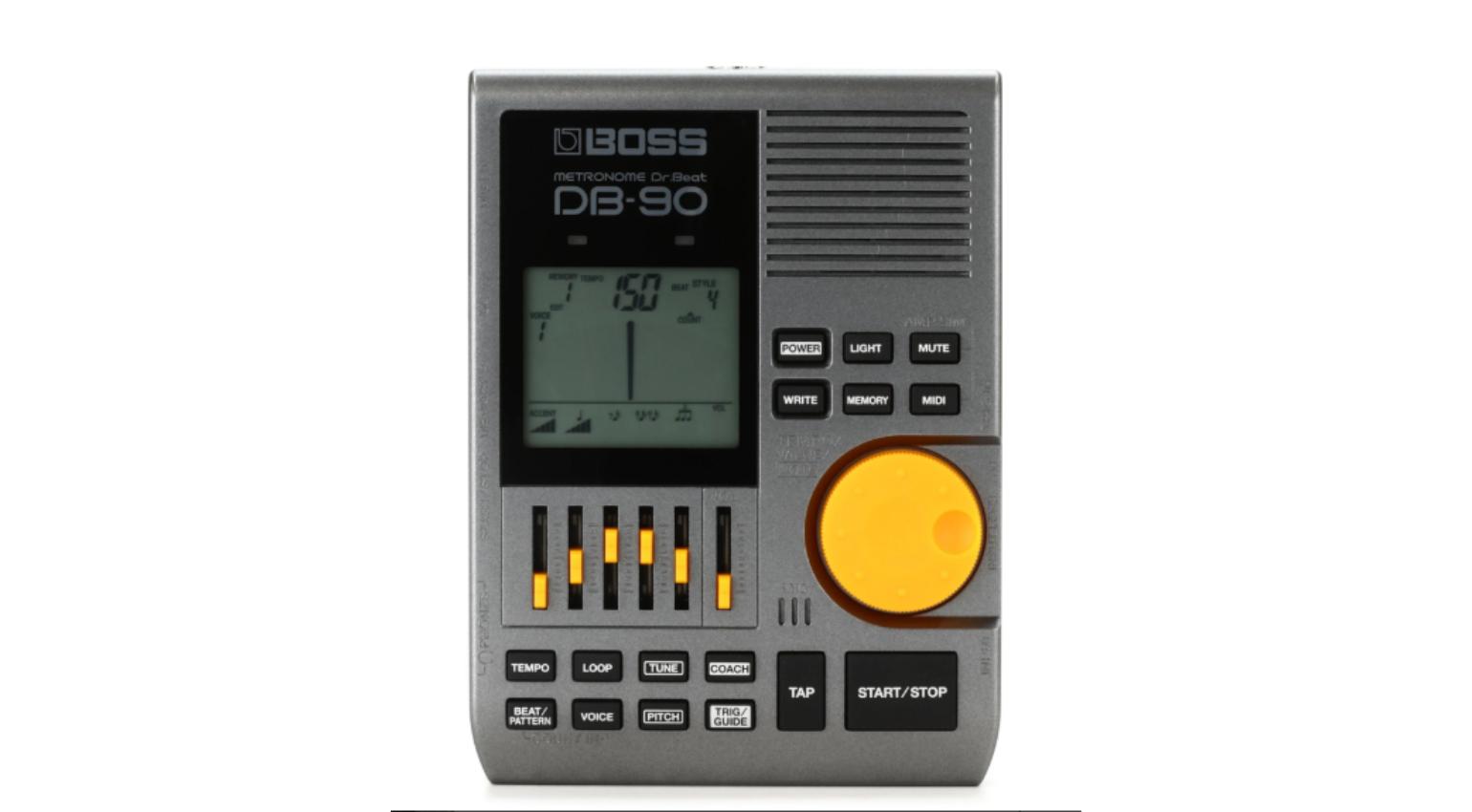

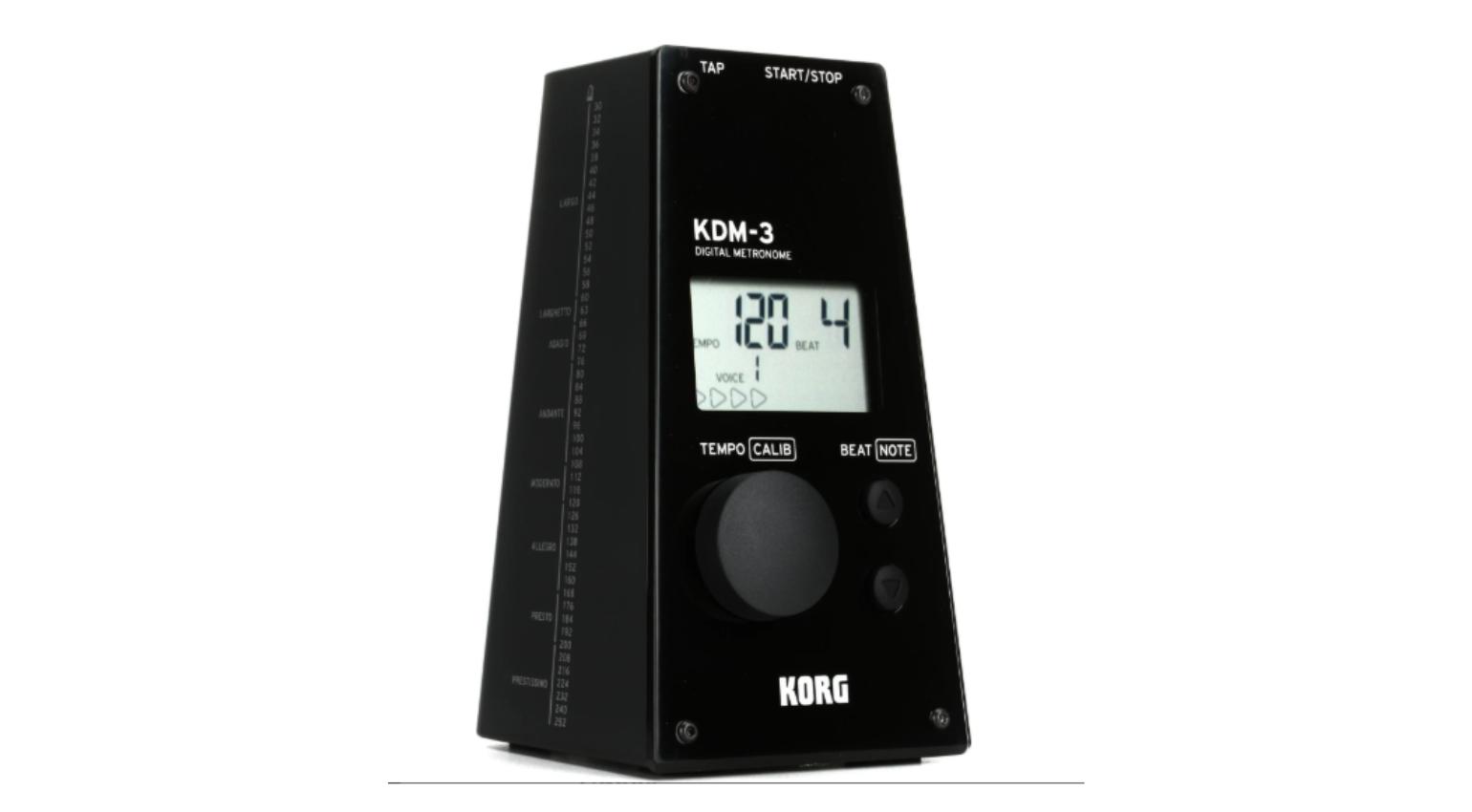
It’s important to know what time signature you’re working with when using a drum machine. You won’t get very far trying to play Toto’s Hold The Line, which is in 12/8, whilst the drum track is in 4/4. A simple online search will clarify what time signature the song is in.
Repetition
If at first you don’t succeed, try again, and again, and again. Okay, maybe not that many times. If I’m ever struggling with a tricky passage, here’s how I get to the bottom of it during my guitar practice routine.
This time, I’m using a personal example. I recently looked at the solo to Pink Floyd’s Another Brick In The Wall. The opening phrase was bugging me, as I couldn’t get the right timing. Therefore, I’d bookmark the start and finish of my guitar practice time with this individual phrase, and every time I picked up my guitar.
By doing this simple and tolerable repetition, you’re slowly getting more familiar with whatever you’re struggling with. Rather than playing the same thing over and over again, give it time to grow and develop. This allows you to play something fun and rewarding during the rest of your practice time. You want to leave each practice session feeling as though your time was well spent.
Record Yourself
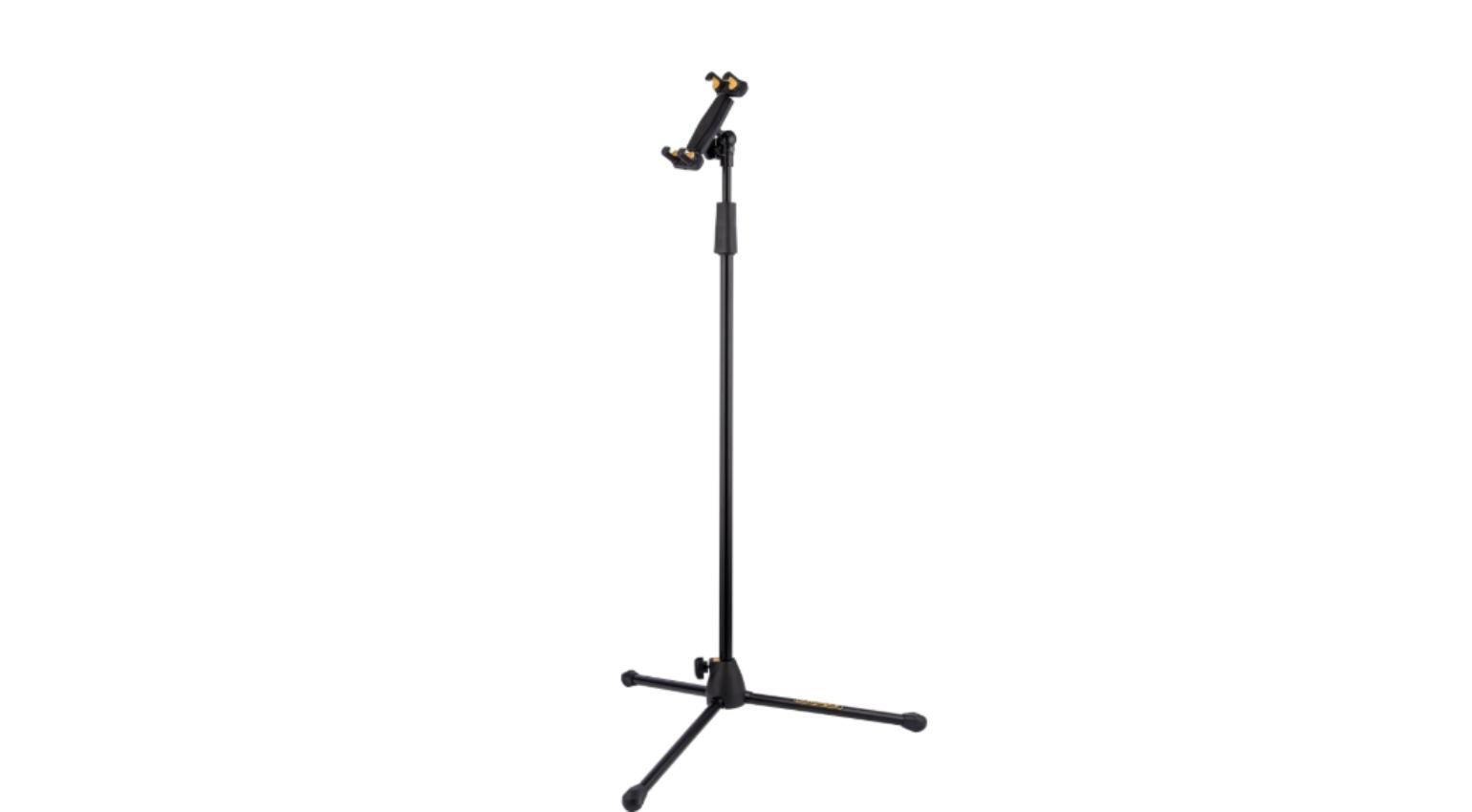
For our final look at guitar practice routines, we’re looking at something that virtually anyone can do, guitarist or not. If you have a smartphone, tablet, or video camera, you don’t have any excuses not to participate in this guitar practice routine.

Guitar playing can feel very frustrating at times, often feeling as though you’re not making any progress. This is why it’s vital to record segments of your guitar practice! Just like a relative that you haven’t seen for a while, things change without you realising.
If you record yourself playing guitar today, and watch it back in a few months’ time, you’ll be amazed at how much you’ve achieved. This could be nailing the Hotel California solo, or maybe even something as basic as changing from a D to a G chord. Whatever you’re working on, get it filmed, and check in on your progress periodically. It’s a real confidence booster.


Videos
Further Information
*This post contains affiliate links and/or widgets. When you buy a product via our affiliate partner, we receive a small commission that helps support what we do. Don’t worry, you pay the same price. Thanks for your support!


This might also interest you