Studio Gear Worth Buying Instead of Another Plugin
Can certain pieces of gear save you from the plugin trap?

 4,0 / 5,0 |

We investigate studio gear worth buying that will slow down your incessant need to acquire every new music production plugin that comes out on the market.
In this Article:
As you probably know, the main difference between working with hardware and using plugins is that hardware gives you a set of finite limitations to work with, whereas a DAW has none. These seemingly opposing philosophies bring about very different ways of thinking, too, when it comes to designing plugins compared to hardware.
A plugin, for example, no matter how useful, will always be one of the many. On the other hand, a high-end reverb unit is far more likely to be the only one in your studio and may even be the only reverb you ever use. Let’s take a closer look at some more examples of versatile hardware devices that may just be able to save you from the plugin spending trap if you let them.
Studio Gear Worth Buying: A Reamping Device
If you regularly produce or mix music with guitars, chances are that you have a never-ending collection of amp sim and stomp box effects plugins aimed at different genres. While these tools do their job well and quickly, there will always be something unique about recording a guitarist’s rig filled with beat-up old amps and pedals they’ve collected while on the road.

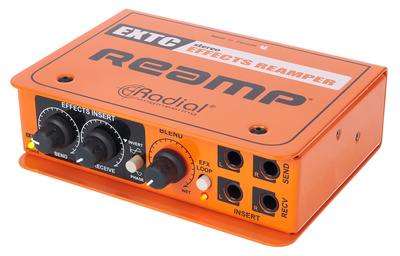
With a reamping device like the Radial EXTC, you can send signals from your DAW through a guitar amp to capture the natural sound of a speaker pushing air with a microphone. What’s more, you can also use a pedalboard filled with different effects as color boxes to liven up your in-the-box mixes. The EXTC is available in mono, stereo, and 500 series formats so you can choose the one that really suits your workflow.
What’s interesting is that these setups naturally encourage experimentation and, of course, you don’t have to only use these tools to process guitars. Amps and stompboxes can be used on synths, electric pianos, organs, vocals, and drums, extending your artist’s palette and letting you interact with the sounds in a more direct way.



Studio Gear Worth Buying: A Hardware Bus Compressor
Bus processing is something we all use in some way or another on every single mix we do, so the tendency is to have a wide range of different plugins to use for applications like the drum bus, guitar bus, vocal bus, and of course, the main stereo bus. However, while the “gotta catch ’em all” approach might work well with Pokémon, it quickly becomes an expensive habit with plugins.
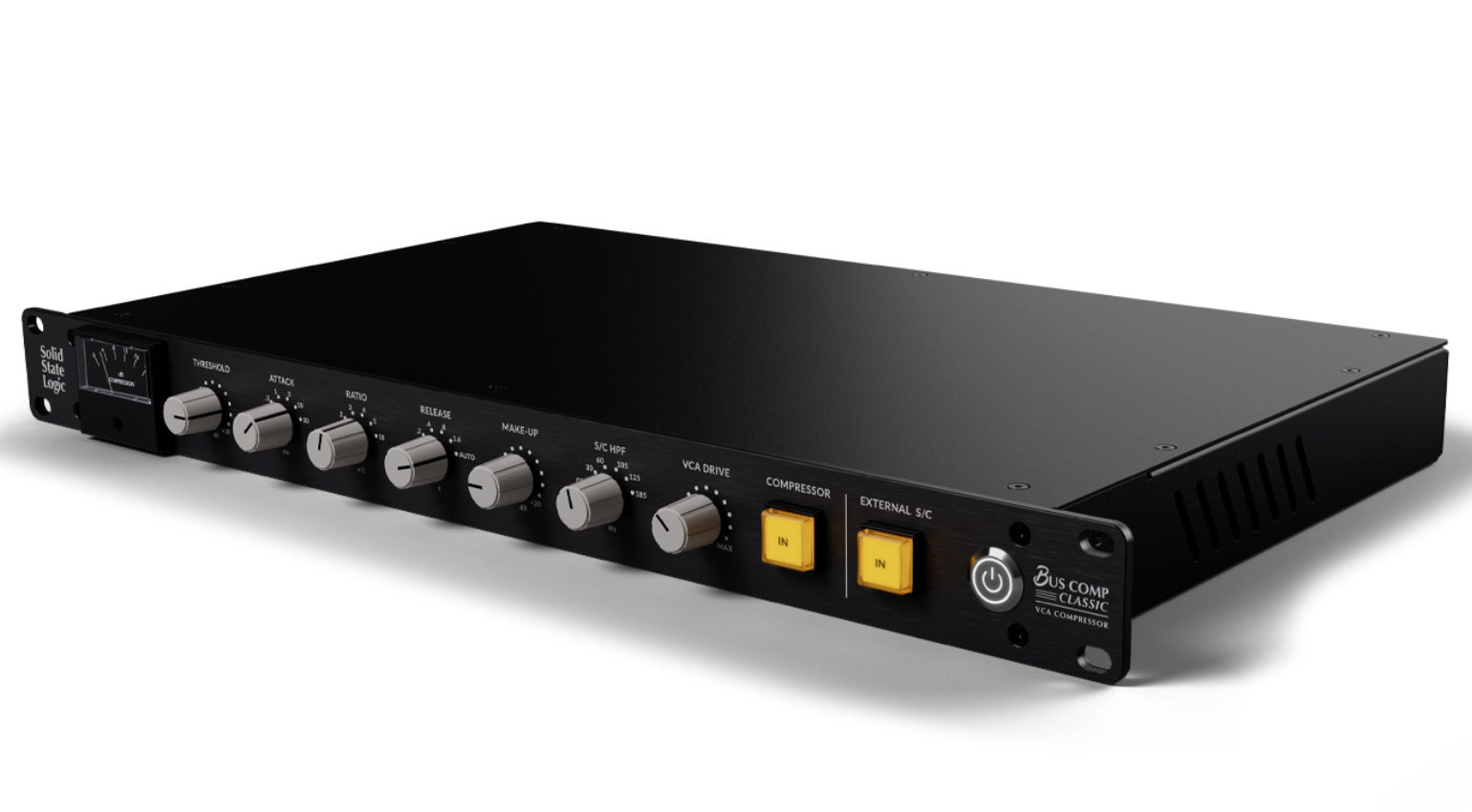
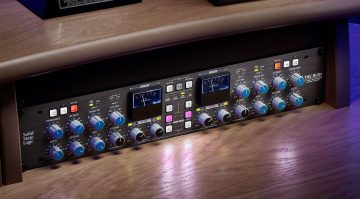
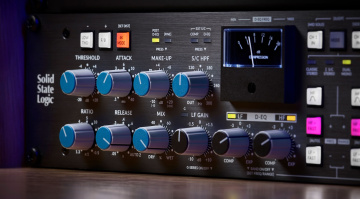
One way to divert this energy is to start using a hardware bus compressor like the SSL Bus Comp Classic. This gives you access to a legendary console bus compressor and gives you a platform to hone your skills with a finite set of controls that has been used on thousands of hit records. Once you’ve mastered the basic parameters and learned how to trust your ears, it will only take a few seconds to dial in the right settings for any mix.
What’s more, the Bus Comp Classic has a VCA drive control for introducing saturation in different amounts, which allows you to really add some subtle flavor that suits the style of music you’re working with. Otherwise, you can overcook the signal purposefully using the compressor as a parallel send effect, to preserve the integrity of the original signal.


Studio Gear Worth Buying: Basic Acoustic Treatment
Instead of immediately buying studio monitor calibration, which helps your system compensate for any acoustic shortcomings within your listening environment, it’s best to try tackling the problem at the source first. This means doing some homework in the acoustics department to find the best solution for improving the tone of your room.

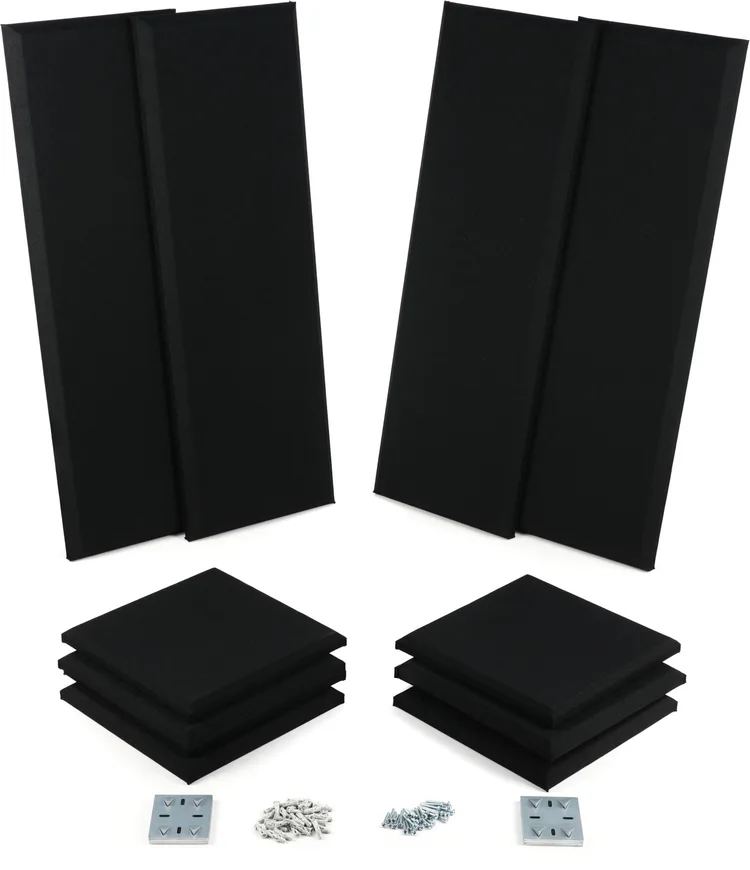
Luckily, many of the manufacturers have done some of the legwork for you by putting together room kits with absorbers, diffusers, and corner traps that provide a great starting point for deadening most bedroom-sized spaces. Before you permanently attach any treatment to your walls, remember that you can test it out to get the positioning right with a temporary solution like the reusable adhesive putty you find in the stationery aisle.
Once you’ve checked your room for standing waves with a room mode calculator and found the best position for the acoustic treatment, you might find there are a few pieces missing from the puzzle. Be sure to check out our more extensive guide here, where you can learn more about the different types of acoustic treatment and which problems they solve.


Studio Gear Worth Buying: A Channel Strip (or two)
From the time professional mix engineers first switched from using consoles to working in the box, channel strip plugins have grown in popularity. Not only do some of them provide a similar console-style workflow and sound, but the idea of having one plugin doing gain staging, EQ, dynamics, and even a bit of saturation in some cases is a very DAW-friendly one.
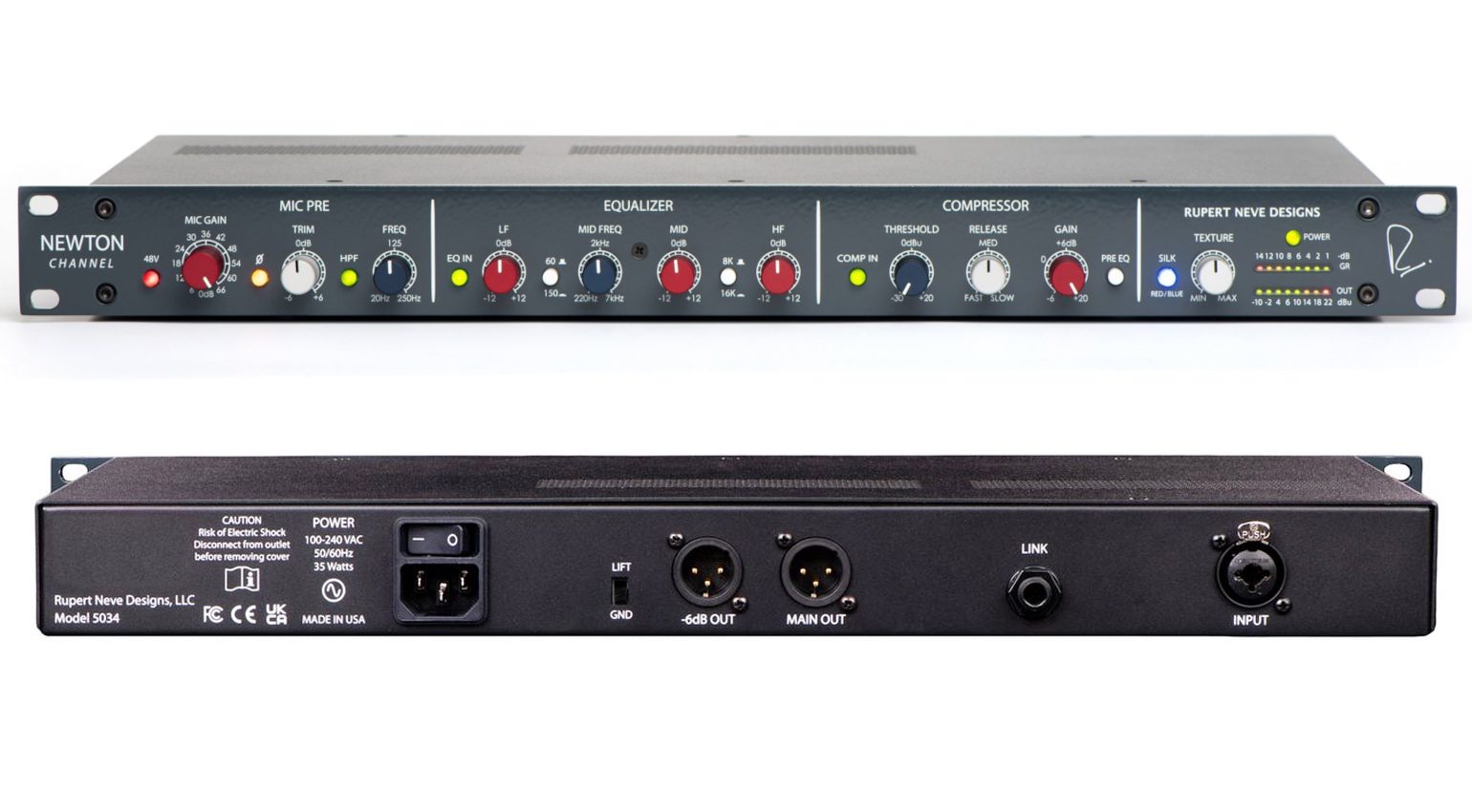
However, there is a fundamental difference in the way we approach hardware channel strips compared to the plugin versions. With hardware channel strips, we most often record through them to color or correct the sound source, enhancing it with EQ, compression, and harmonic drive before the signal reaches the DAW.
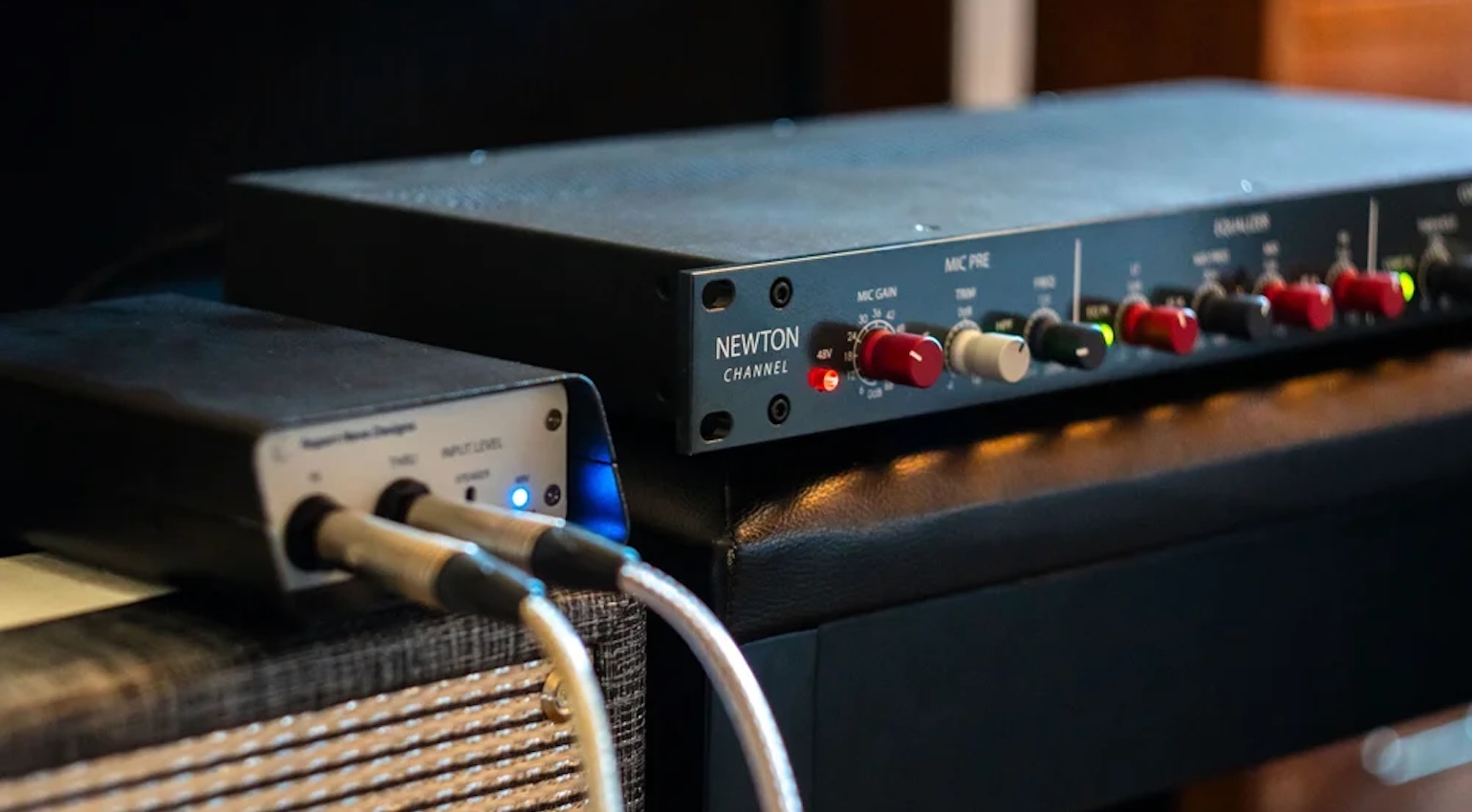
A channel strip like the RND Newton Channel, for example, can also be used in a linked stereo pair, which opens up the scope of potential applications to include stereo bus processing during mixing. This makes a hardware channel strip a more versatile tool than the plugin version, because you will end up using it in more ways in your music production workflow.

Studio Gear Worth Buying: Hardware Delay and Reverb Effects
Effects like reverb are a crucial part of modern music production, especially in genres that use it extensively across different elements in the mix. For this reason, today’s producers may have a wide range of different reverb plugins, only to end up turning to Valhalla VintageVerb most of the time. However, while using an array of industry favorites can reliably produce a decent sound, it doesn’t always produce a unique one.
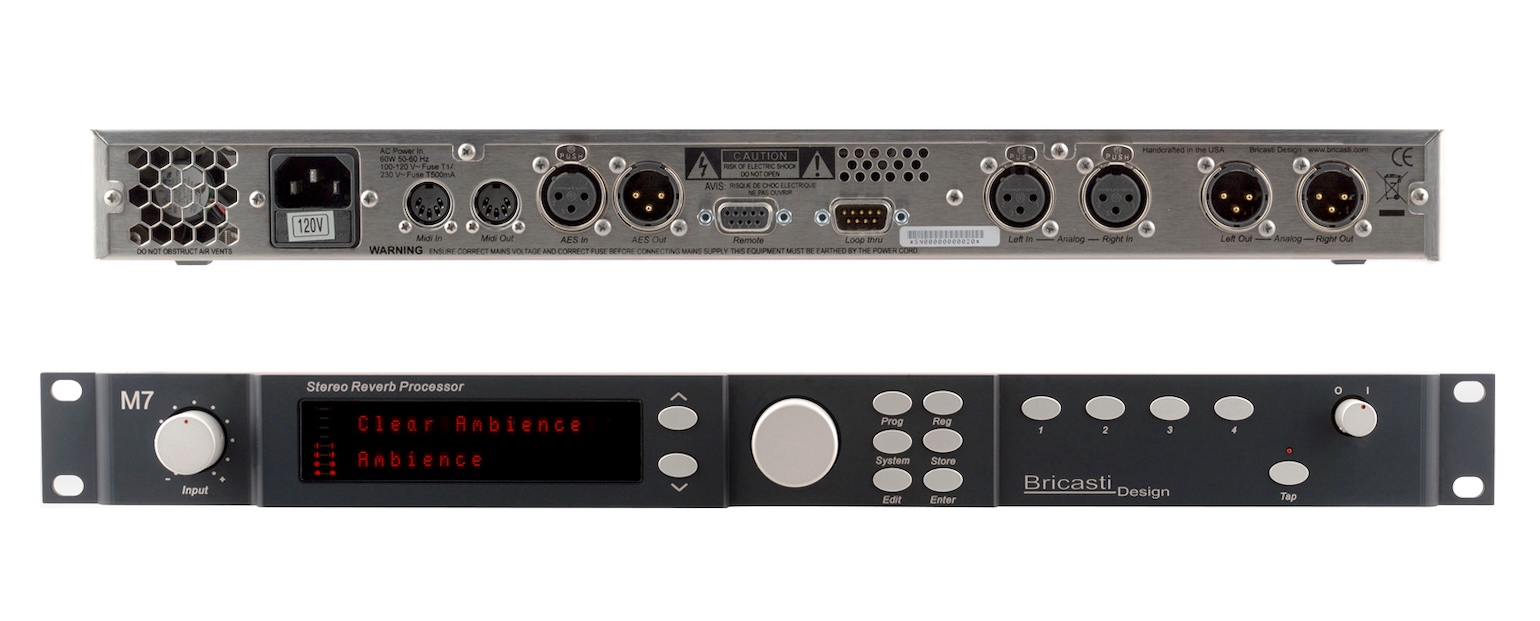
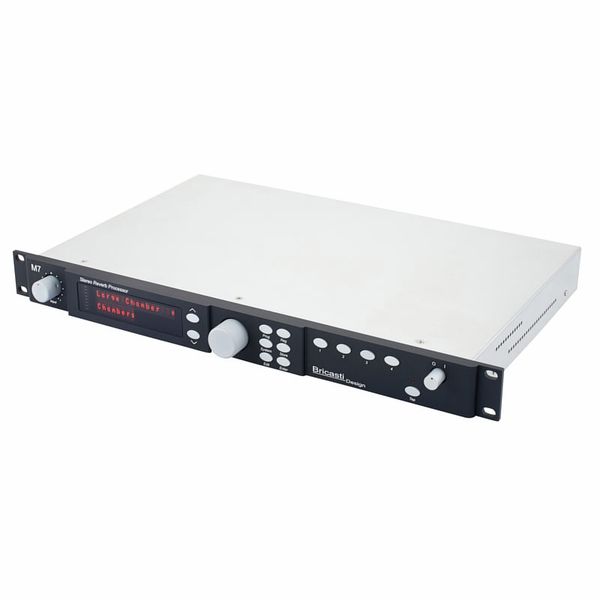
If originality is your goal, hardware effects are usually a much better option. Although high-end options like the Bricasti M7 cost so much more, they retain their value and will never ask you to pay in order to update to the latest version. The M7 has a collection of both realistic and surreal spatial algorithms, so you can thicken sounds with natural ambience or create incredible soundscapes from your favorite Sci-Fi motion picture score.
Another aspect that comes with using a high-end digital effects unit like the M7 is the high-end conversion stage and how this also imparts character to the sound. This process can add subtle shaping to thin digital transients and additional low-end weight that can be used in different quantities on any instrument in your mix or the entire mix itself (4-6% mix).

More about Studio Gear Worth Buying:
*Note: This article contains affiliate links that help us fund our site. Don’t worry: The price for you always remains the same! If you buy something through these links, we receive a small commission. Thank you for your support!

This might also interest you